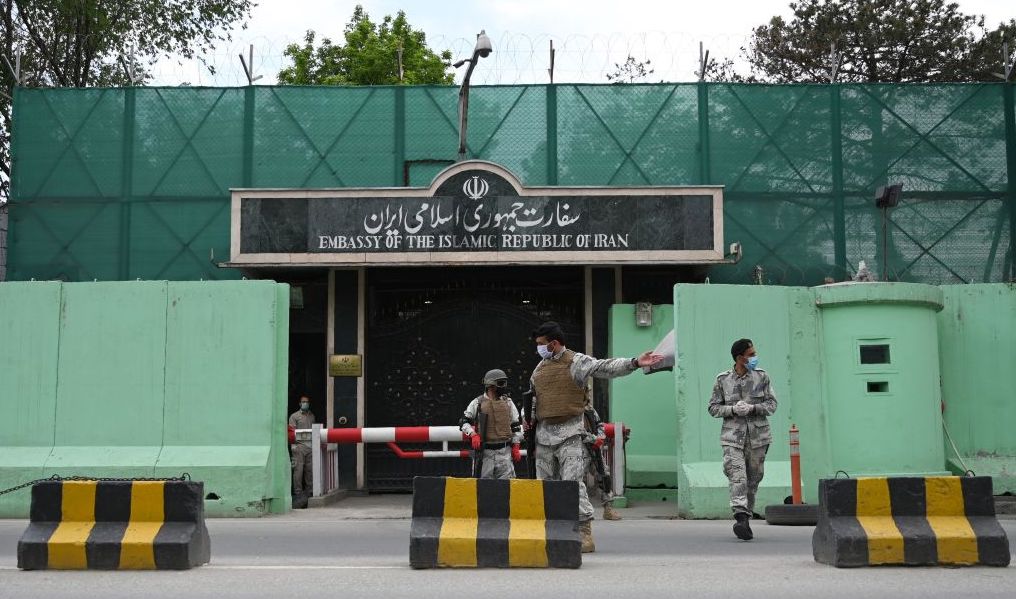
Despite strong religious and cultural ties and a long shared border, Iran has a somewhat complicated relationship with Afghanistan. Since the Soviet Union’s invasion of Afghanistan some four decades ago, Iran’s attempts to preserve its interests in conflict-ridden Afghanistan have not received much attention from the outside world, but it remains one of the most important neighboring countries for Tehran’s foreign policy.
Deradicalization Programs for SOSMA, POTA, and POCA Detainees in Malaysia
Counterterrorism strategies can be made more effective by incorporating deradicalization and rehabilitation measures. Deradicalization is a key element of Malaysia’s counterterrorism and violent extremism strategy. This article discusses the Malaysian Government’s multi-stage deradicalization process.
Egypt’s path forward from the pandemic’s economic fallout
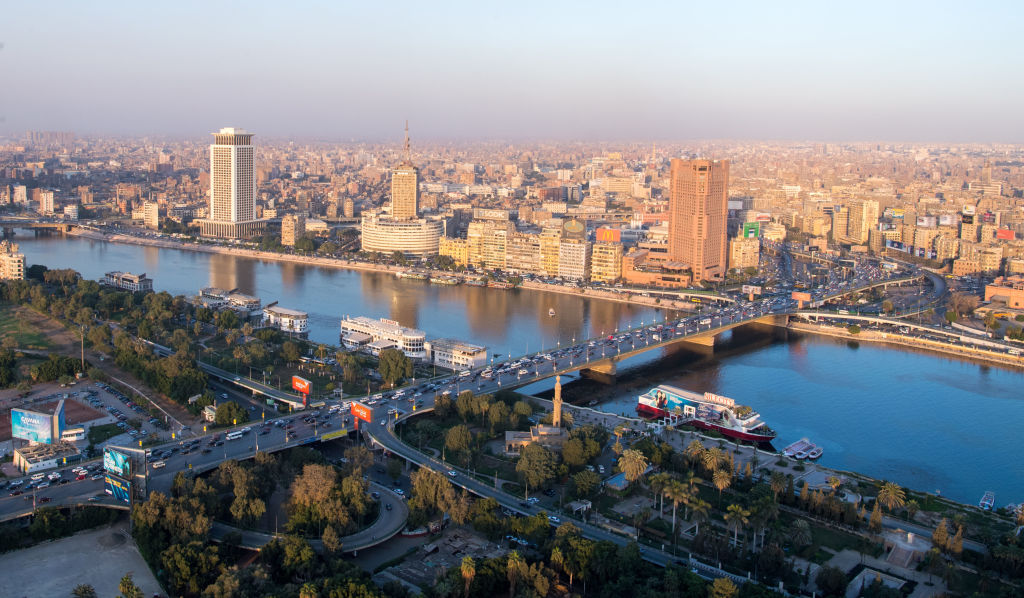
Today marks almost three months of a global shutdown to curb the spread of the COVID-19 pandemic, and the Middle East and North Africa region faces a double whammy from the resulting economic fallout and the sharp decline in oil prices this spring. While Egypt is rightly focused on its short-term response to the crisis, it should take advantage of the international and regional shock caused by the pandemic to change its growth model for the longer term and implement much-needed structural reforms on a variety of fronts.
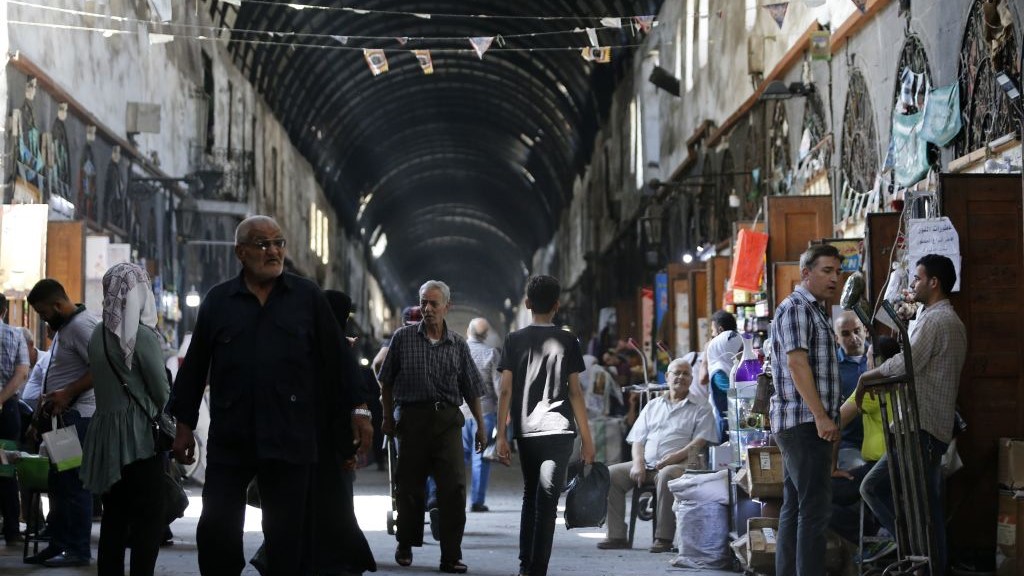
Is Ahmad al-Oda winning the “hearts and minds” of Daraa’s people?
On June 20 a bus carrying soldiers from the Eighth Brigade of the Fifth Corps, travelling from Latakia to Busra al-Sham, hit a roadside IED near the town of Kahil in eastern Daraa, leaving nine dead and 13 injured. The following day, the funeral for the nine soldiers who died in the IED attack quickly turned into the largest protest Daraa has seen since 2018, including both Eighth Brigade fighters and hundreds of civilians from several nearby areas.
Syria: The Caesar Act takes effect amid unprecedented economic turmoil
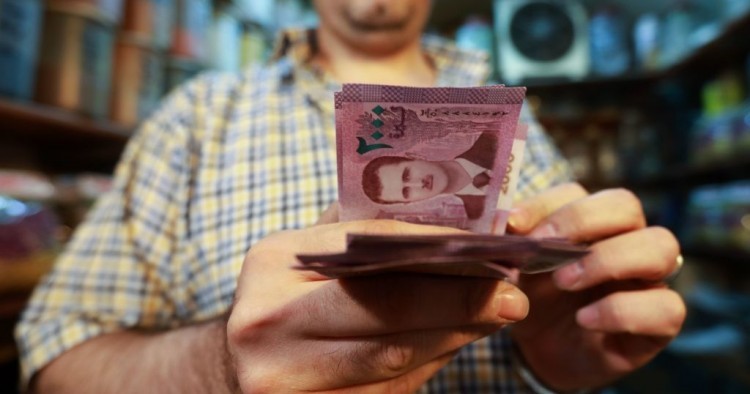
While the regime and its allies have cast the current crisis as the result of Western sanctions, Syria’s economic troubles are largely due to the regime’s “Assad or we burn the country” policies.
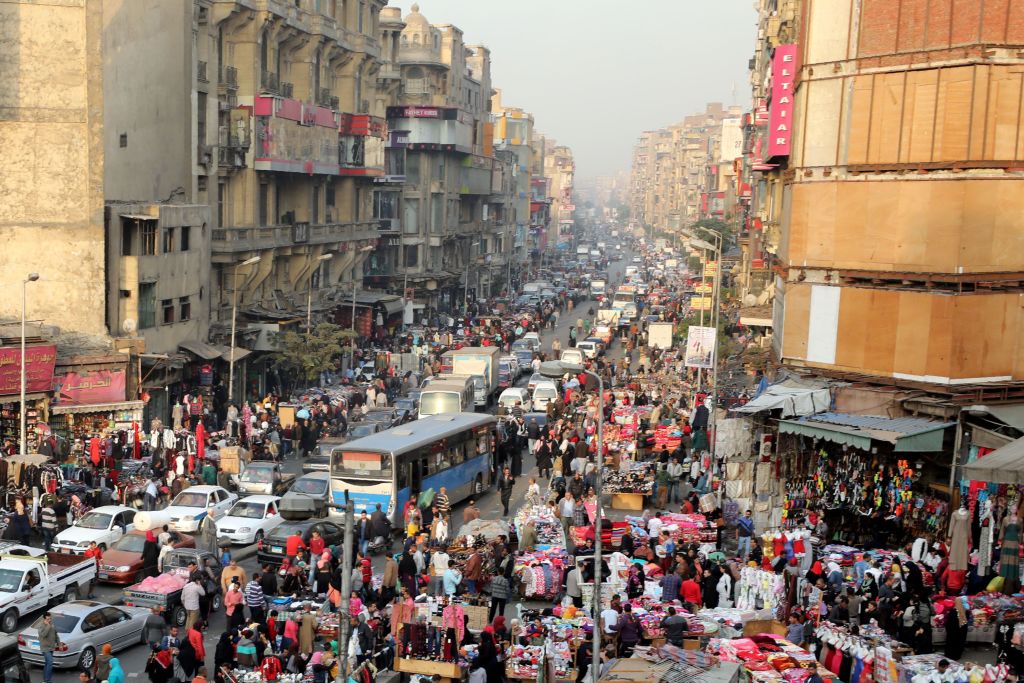
Egypt’s sizeable informal economy complicates its pandemic response
The lockdown conditions have meant that demand for the services of informal market laborers has declined, leaving them with no means of making a living and no form of insurance or savings to fall back on.
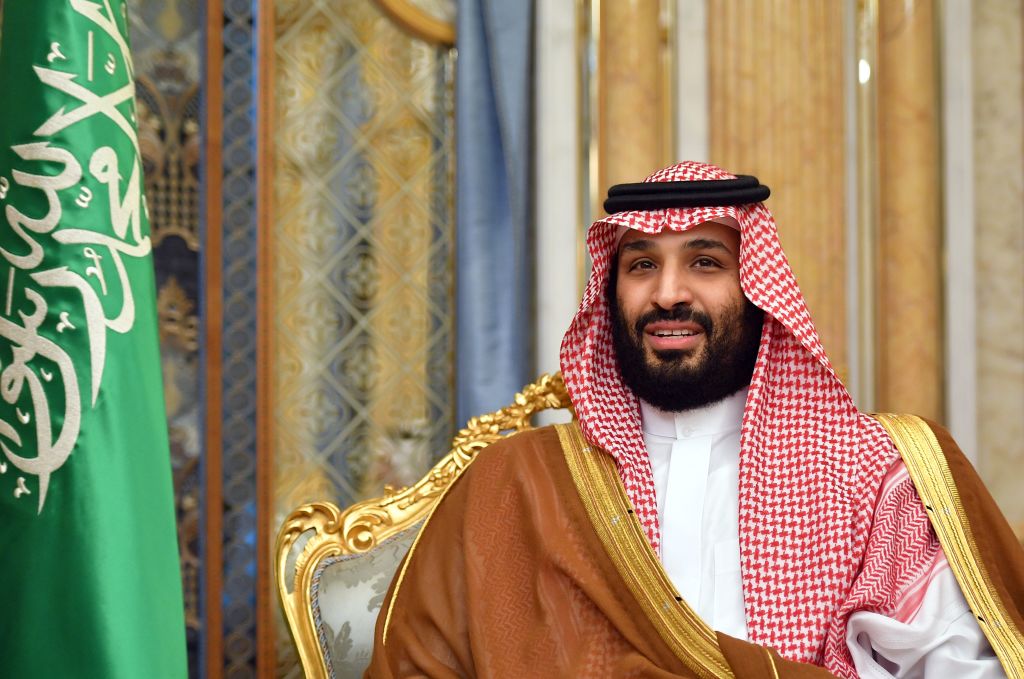
Mohammed bin Salman marks 1,000 controversy-filled days as crown prince
As MbS approaches three years as Saudi Arabia’s crown prince and, in the eyes of many, the de facto ruler of the kingdom, he remains an enigmatic figure on the world stage.
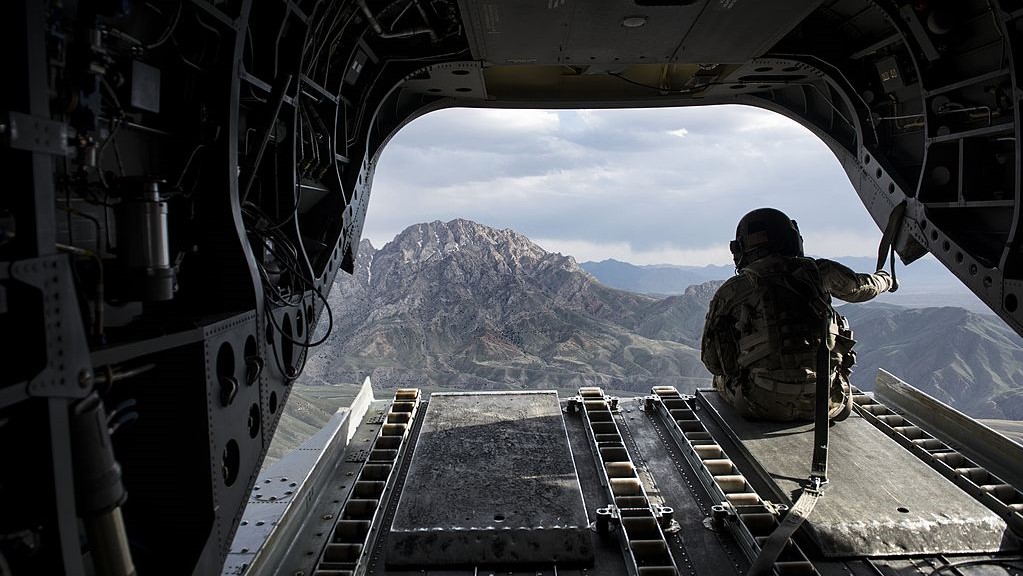
Confusion writ large: US troop withdrawal from Afghanistan
The uncertainty about the withdrawal timetable has sowed confusion among U.S. partners in Afghanistan and prompted the Taliban to accuse the U.S. of not living up to the terms of their agreement.
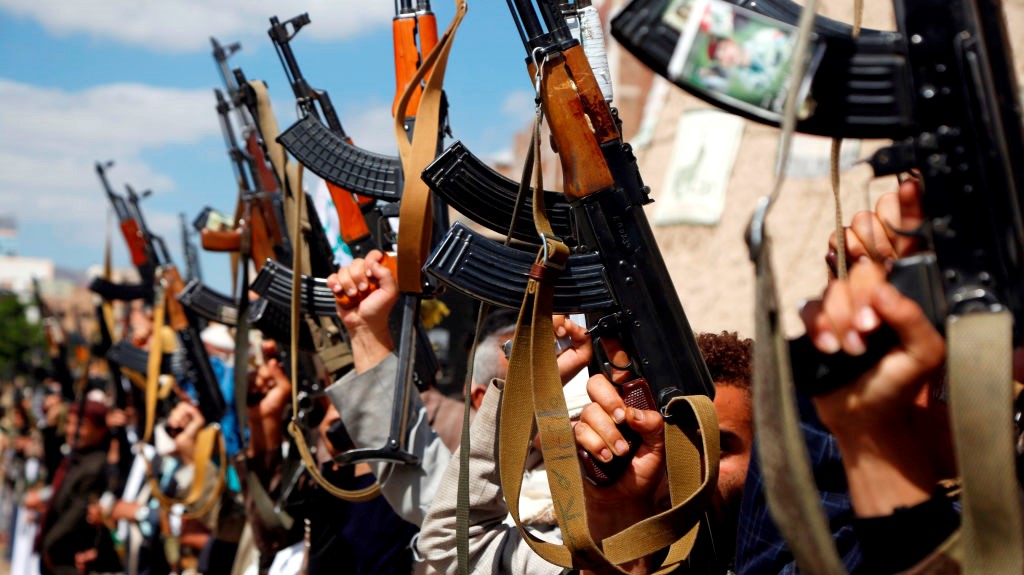
What happened in al-Awadh illustrates how the tribes are increasingly caught between the brutality of the Houthis and the incompetence of the Yemeni government.
The Syrian Regime’s Combat Losses in Spring 2020, and What Lies Ahead
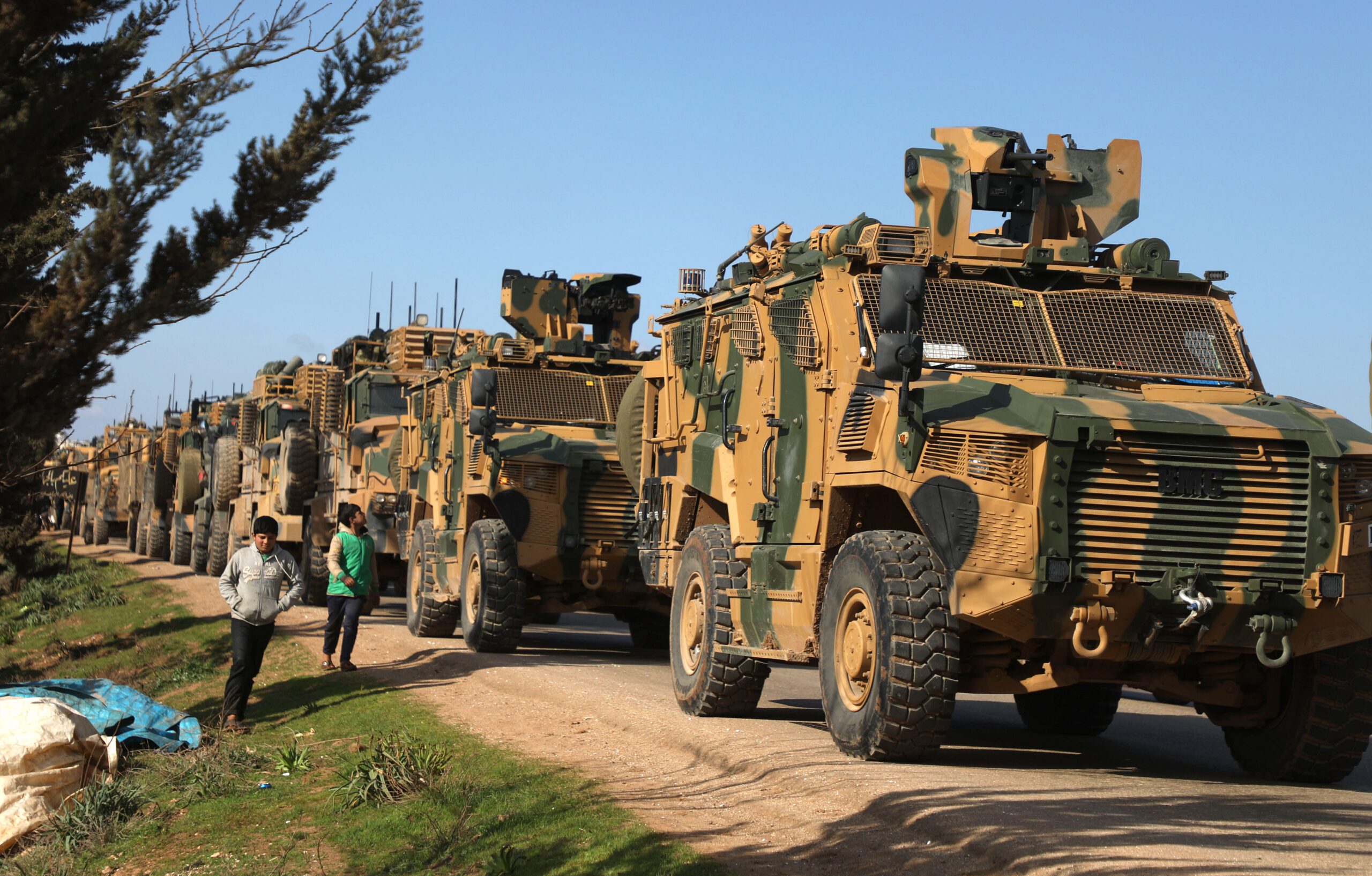
After a brief but deadly Turkish offensive in Idlib, a new phase of the Syria war began on March 5 with the signing of a Turkish-Russian cease-fire deal. Reported deaths dropped drastically following the cease-fire, and this spring has been defined by the slow attrition of pro-regime forces due to the two ingoing insurgencies in south and central Syria and the two frozen frontlines in the northwest and northeast.
Shocks and Rivalries in the Middle East and North Africa
MEI Non-Resident Scholar Imad Mansour and William Thompson, Professor of Political Science Emeritus at Indiana University, join host Alistair Taylor to talk about their new book, “Shocks and Rivalries in the Middle East and North Africa” (Georgetown University Press), and discuss the network of rivalries, conflict dynamics, and conflict de-escalation in the MENA region.
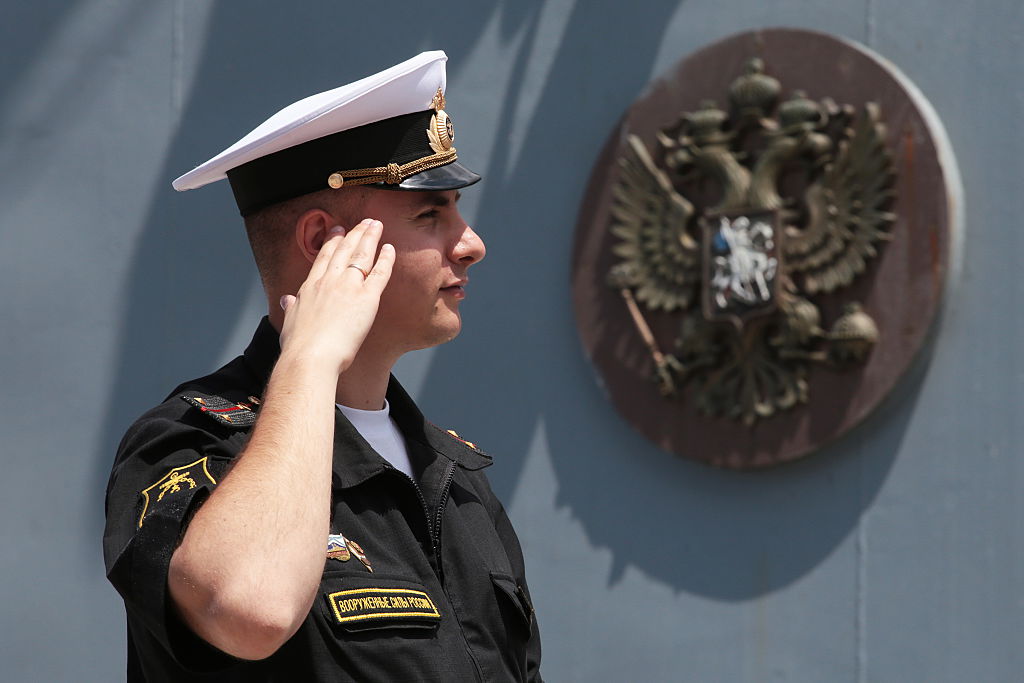
The Black Sea sits at an important economic and civilizational crossroads on the Eurasian landmass. The region contains oil and gas resources, key energy pipelines, shipping lanes, and fiber-optic cables. For Russia, the Black Sea is of particular importance for economic and geostrategic reasons.