The Latest from Shana Cohen


How Meta’s platforms normalize anti-Palestinian racism
The ongoing Palestinian-Israeli crisis is further intensified in the information space by the failure of the leading tech giants, including Meta, to combat online disinformation, incitement to violence, and hate speech proliferating on their platforms, most egregiously against Palestinians.
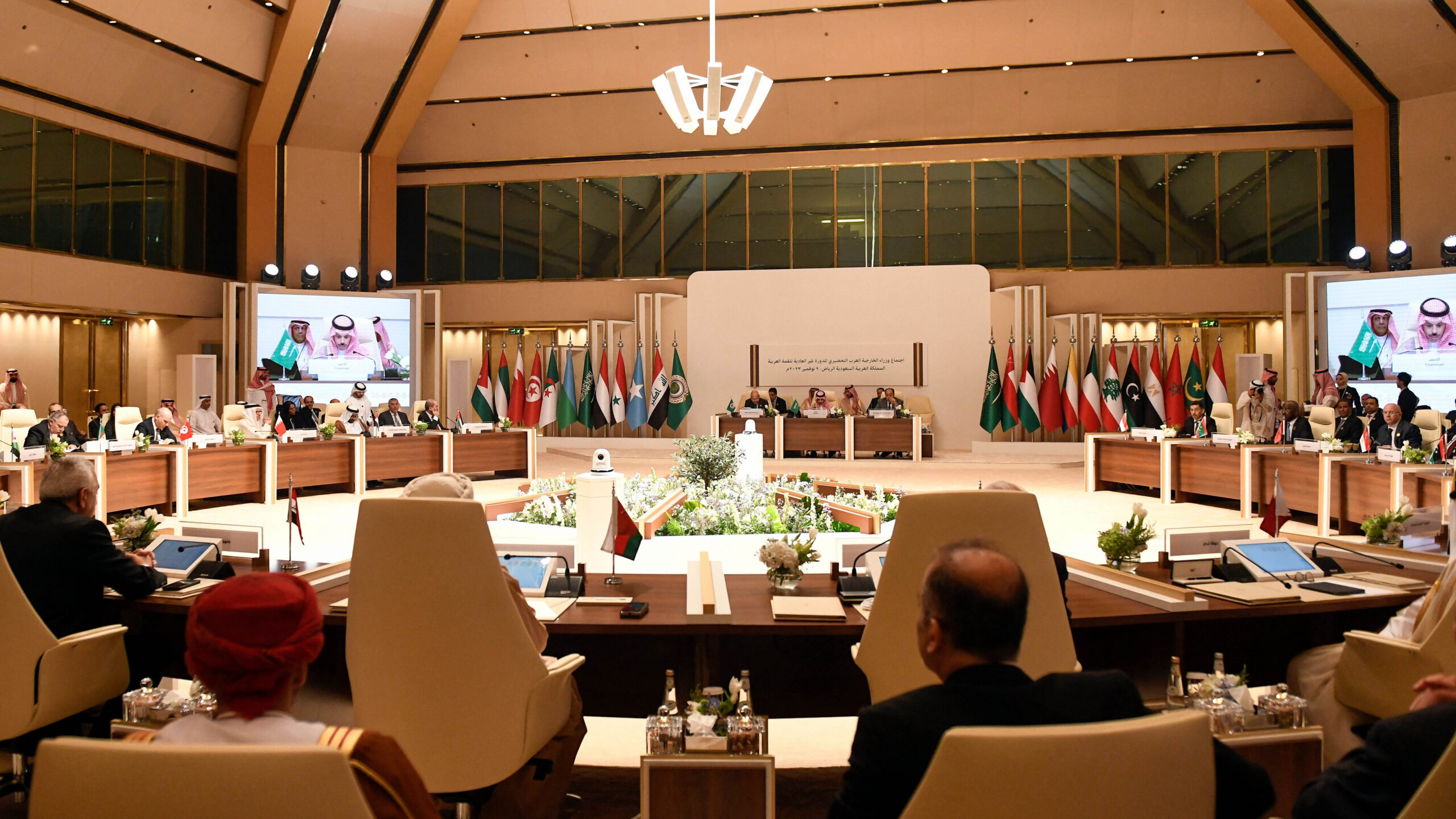
Monday Briefing: America faces a brewing crisis of confidence among key Middle East partners
اقرأ تقرير MEI الأسبوعي الذي يتضمن تحليلات الخبراء للتطورات الإقليمية الرئيسية للأسبوع المقبل.
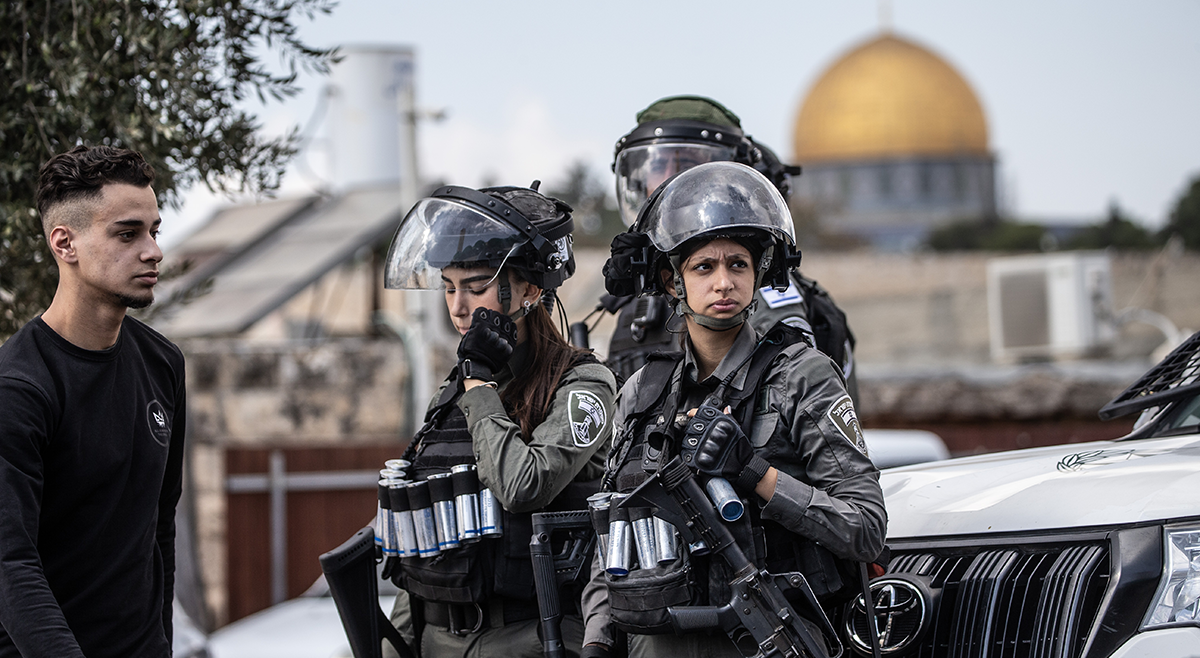
Amid the Gaza war, Palestinian citizens of Israel feel like the target of a witch hunt
In the aftermath of the horrific Hamas terror attack on Oct. 7, and amid the ongoing war in Gaza, the scope and intensity of the current crackdown by the Israeli government and law enforcement on Palestinian citizens of Israel and the suppression of pro-Palestinian speech are unprecedented.
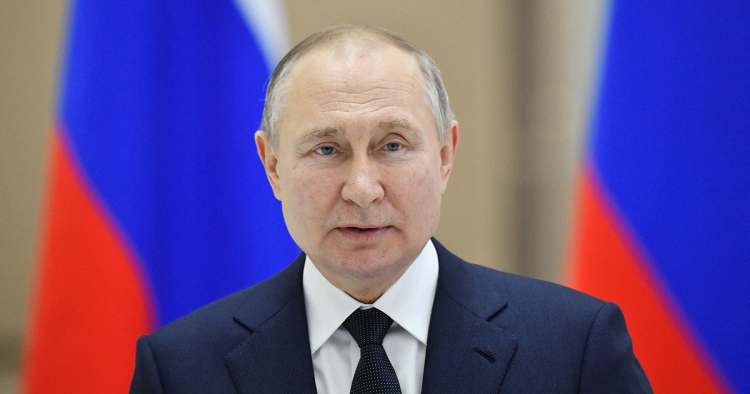
Why Russia has been openly critical of Israel's war on Gaza
There are many signs of a deterioration of relations between Russia and Israel since the start of the war in Gaza, and they have stoked concern about potential flashpoints between the two countries, not least in Syria, where both have a military presence.
Representatives from both sides have been openly bickering at various diplomatic meetings in clashes that have become almost commonplace.
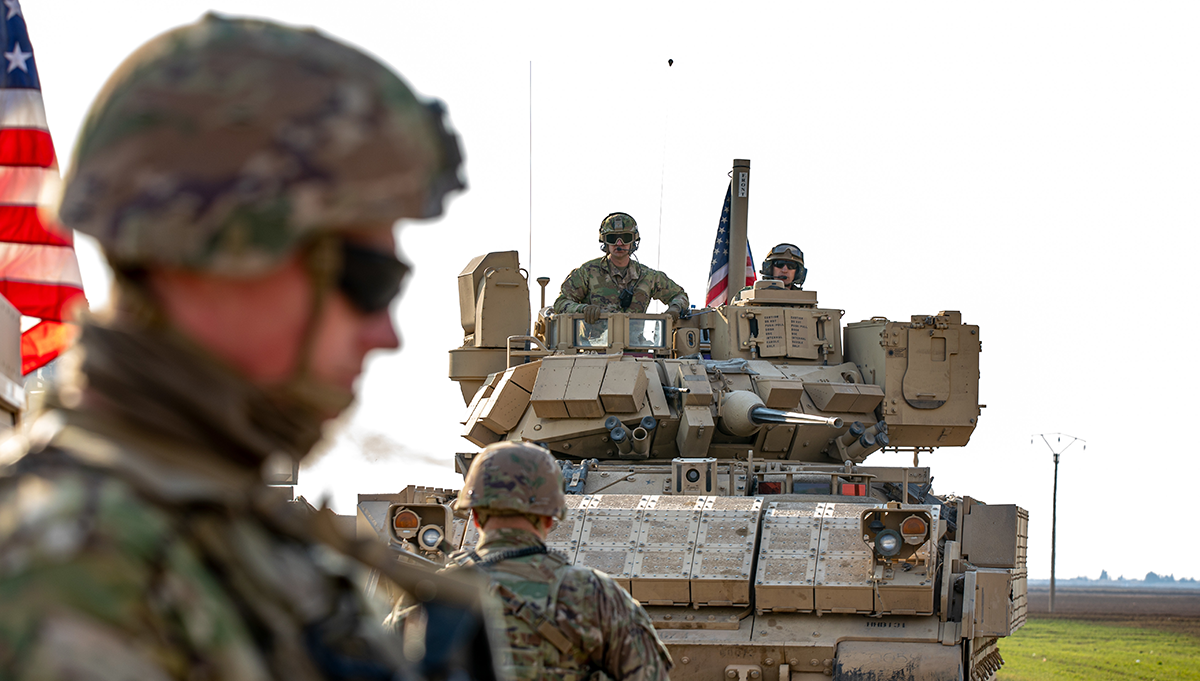
Iranian-backed militia attacks on coalition forces threaten to ignite eastern Syria
Over the last three weeks, there has been a notable escalation in attacks targeting international coalition bases in northeastern Syria orchestrated by Iranian-backed militias operating in Iraq and Syria. Concurrently, there have been reports indicating the establishment of operational centers aimed at coordinating these strikes. These developments appear to be part of an effort to exploit the widespread popular discontent with the United States and Israel, with the strategic aim of expanding and consolidating Iranian influence in Syria.
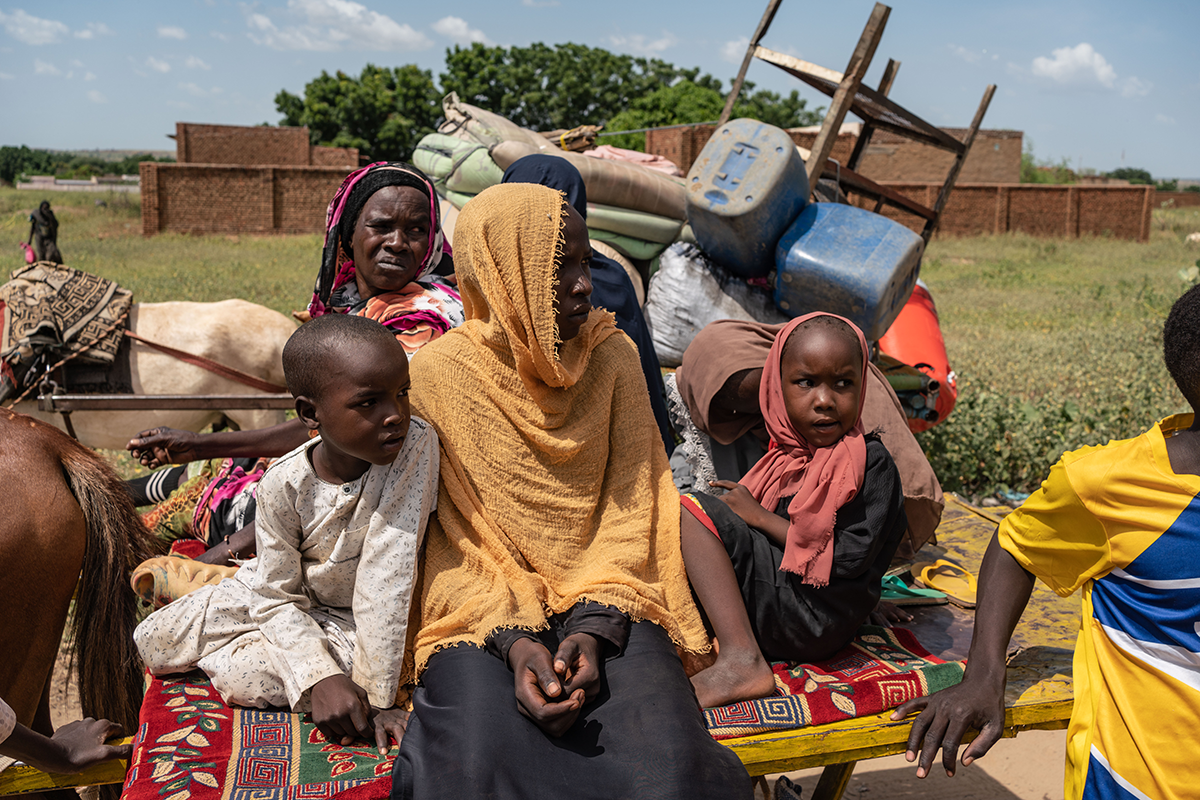
Sudan: Baby steps amid ongoing violence
It isn’t a surprise that Sudan’s two warring sides — the Sudanese Armed Forces and its sprawling paramilitary Rapid Support Forces — did not agree to a ceasefire. When they resumed talks in Jeddah, mediated by the U.S. and Saudi Arabia in late October, the RSF was busy launching a major offensive on the vast western region of Darfur.
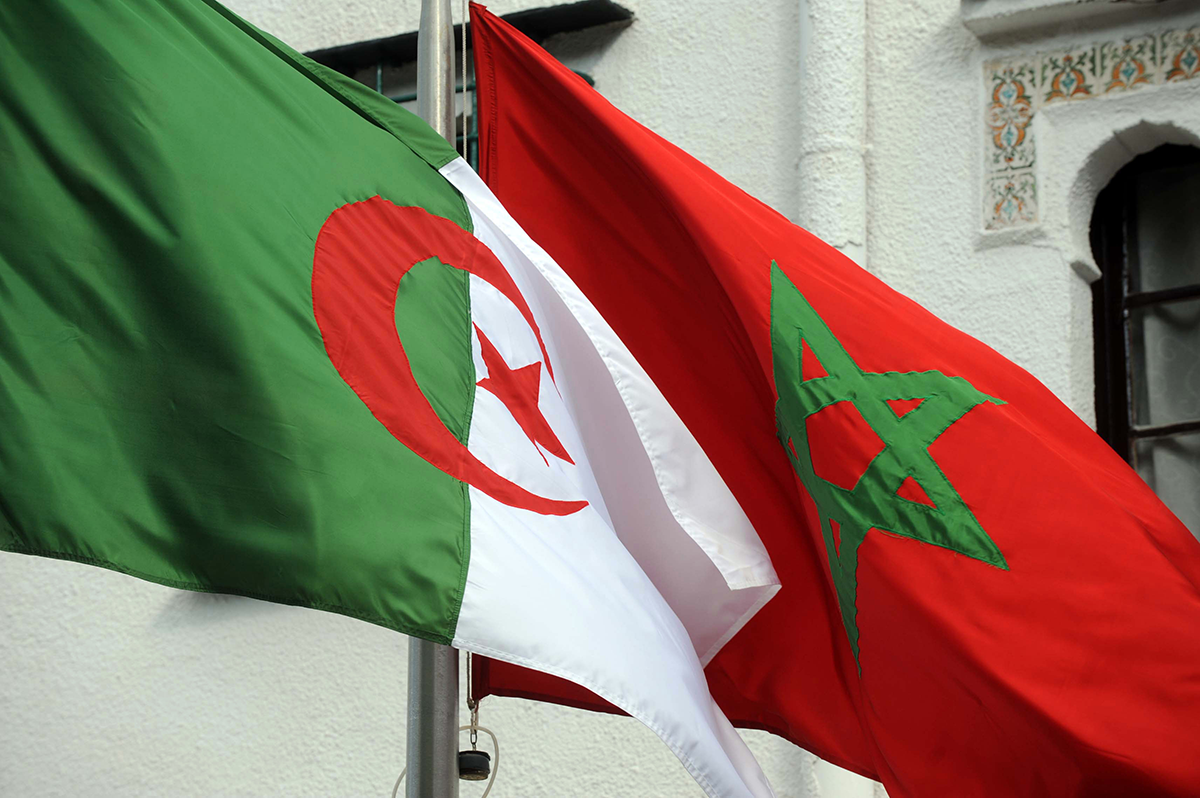
Morocco and Algeria’s regional rivalry is about to go into overdrive
The rivalry pitting Rabat against Algiers has been intensifying for years. But there are increasing risks that the political and economic competition between the two North African neighbors will accelerate into new and more challenging directions.
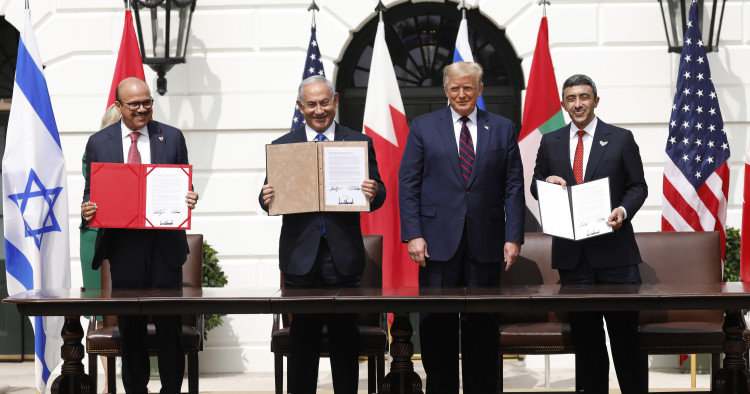
The Abraham Accords can still help bring peace to the Middle East
With the Israel-Hamas war stretching into its fourth week, the international focus is increasingly shifting to what will come the day after the shooting stops, and how the parties and the international community can move forward.
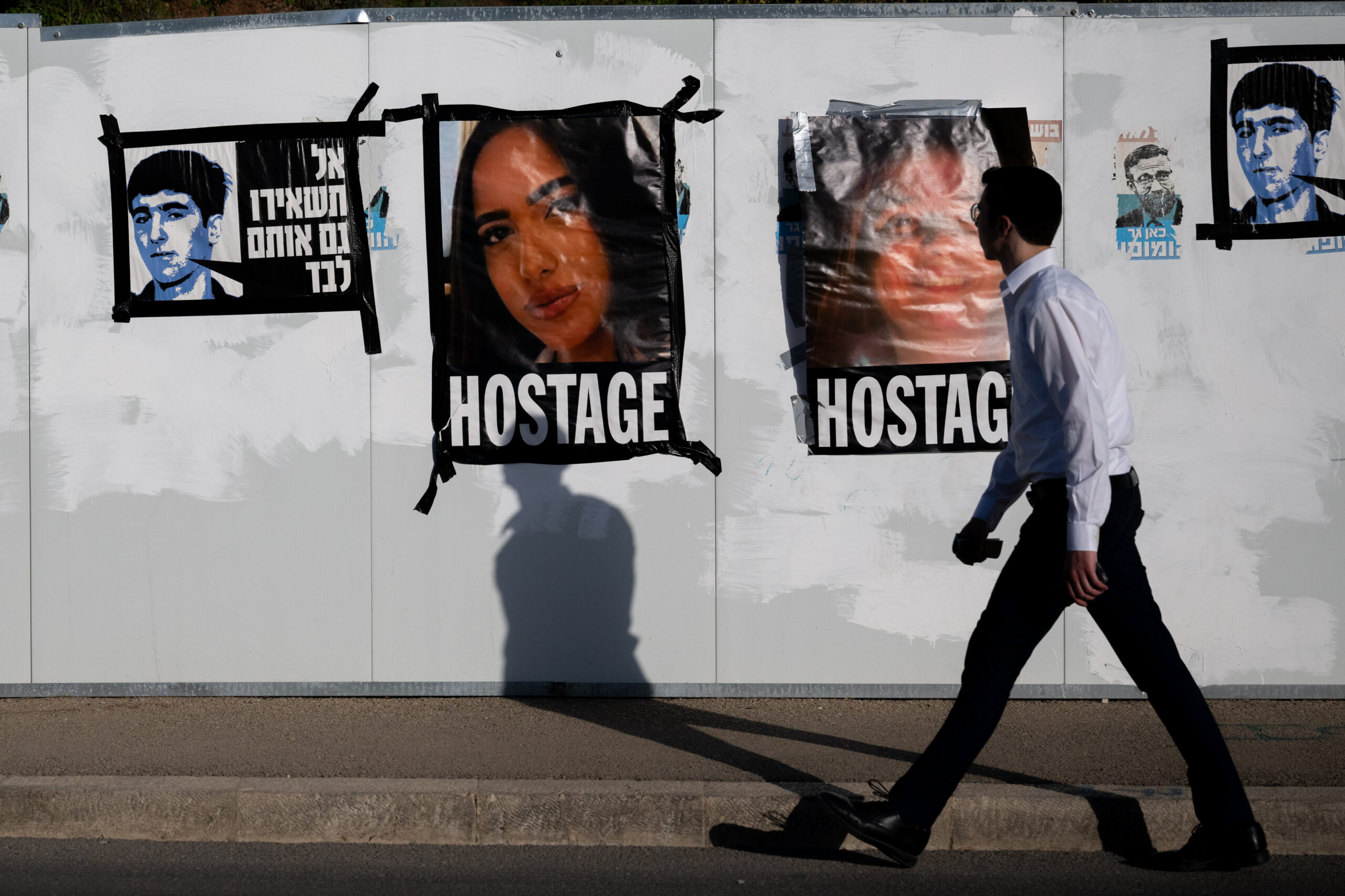
Can Mediation and Negotiations Bring About a Ceasefire or Hostage Release in the Israel-Hamas War?
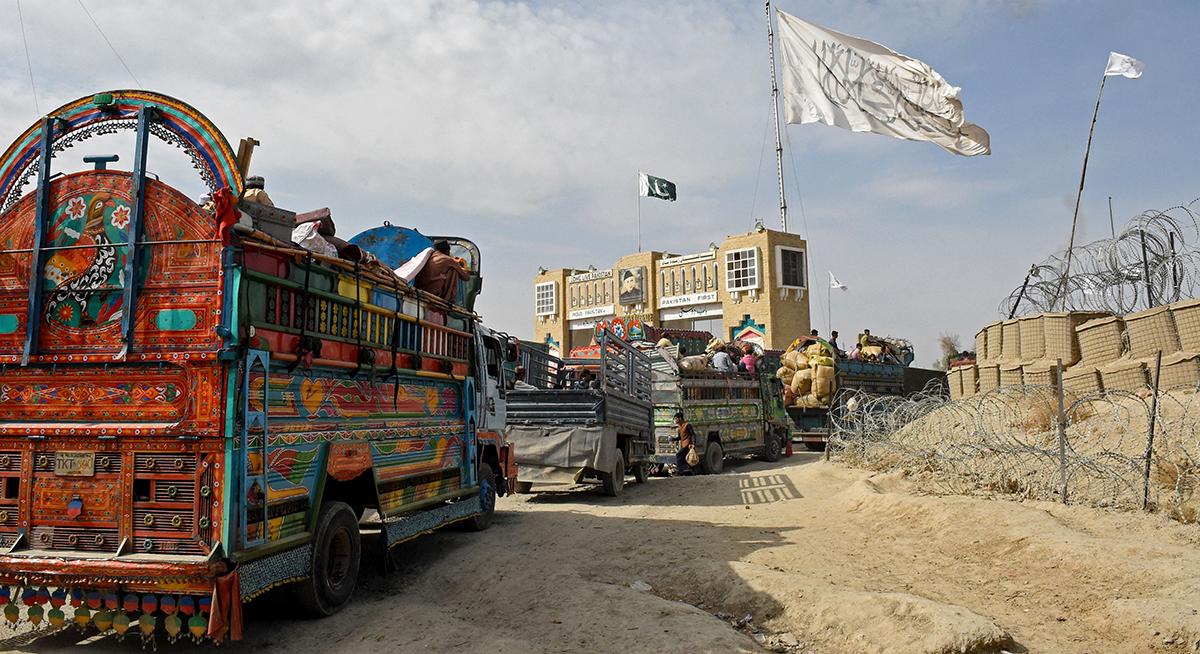
Afghan refugees as victims of Pakistan and Afghanistan’s clashing security interests
For decades Pakistan has threatened to deport its undocumented Afghan refugees, but Islamabad has never undertaken a campaign to oust Afghans on anything like the scale now underway. Whether voluntarily or through force, Pakistan’s interim administration, backed by the senior military leadership, seems determined to rapidly uproot 1.7 million of the estimated 3.5 million Afghans believed to be in the country. The government’s decision comes at a terrible time given the conditions in Afghanistan and the feared humanitarian impact.
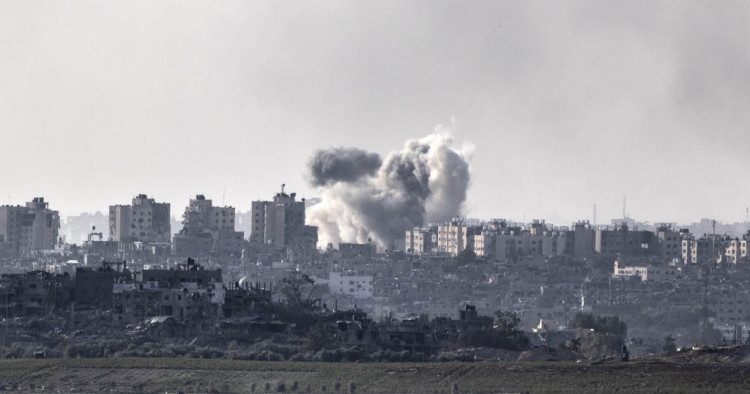
Former U.S. general: The lessons of Iraq apply to Gaza
As we watch the war in Gaza develop, we must not lose sight of the stark challenges the Israeli military is facing. Modern urban combat is always bloody and grueling, and the devastation it wreaks is gut-wrenching to watch. But in Hamas, Israel is facing a particularly formidable foe.

The Israel-Hamas war and the role of Qatar and Egypt
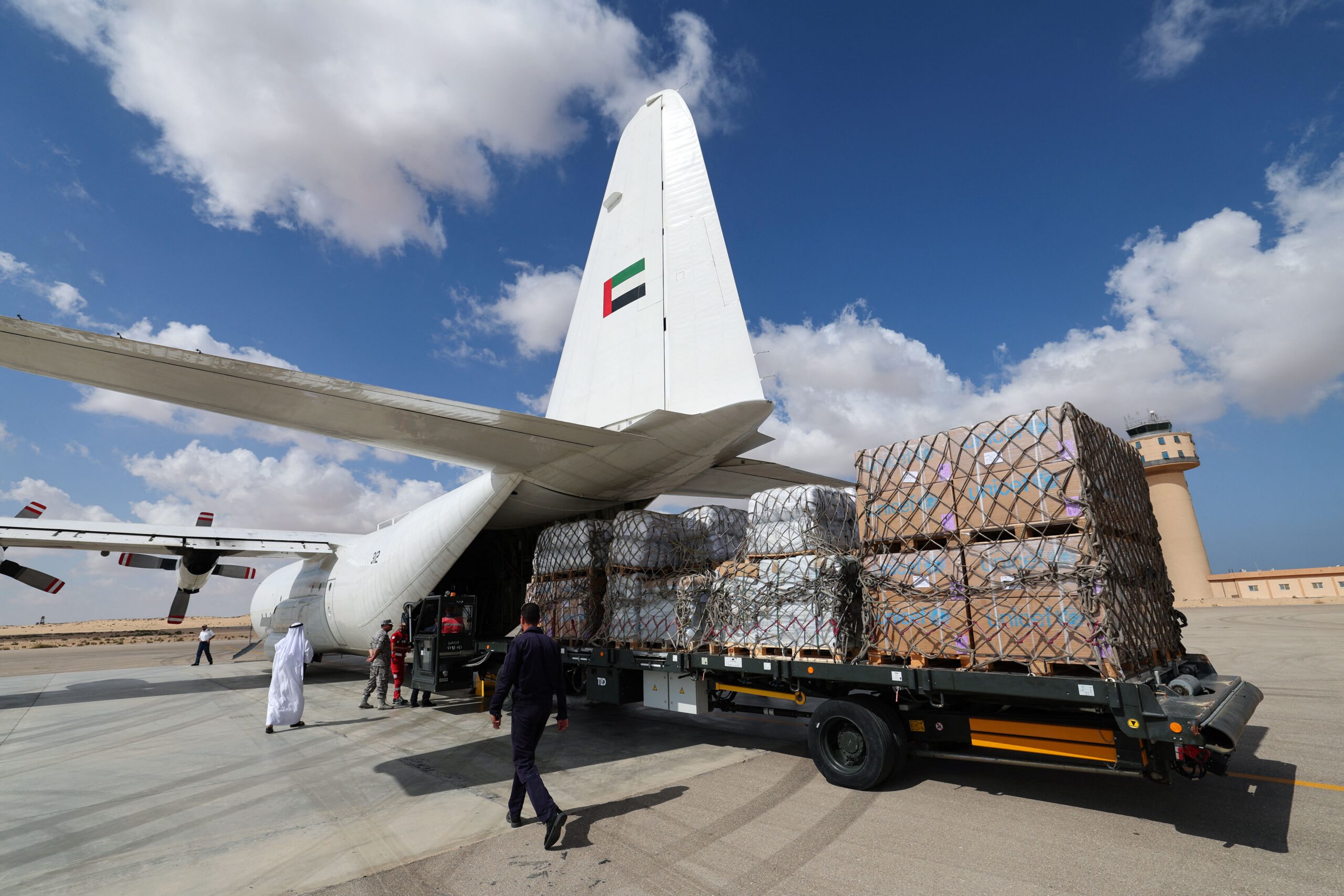
Assessing the resilience of Israel’s regional ties, one month into the Israel-Hamas war
The deadly and unprecedented Hamas terrorist attack on Israel on Oct. 7 came as a surprise not only to Israel but also to its neighbors. A strong Israeli retaliation came next, causing much damage to Palestinians in Gaza and putting Israel’s relations in the broader Middle East to the test. Nearly a month into the fighting, it is possible to initially assess the resilience of Israel’s regional ties in light of the Israel-Hamas war.
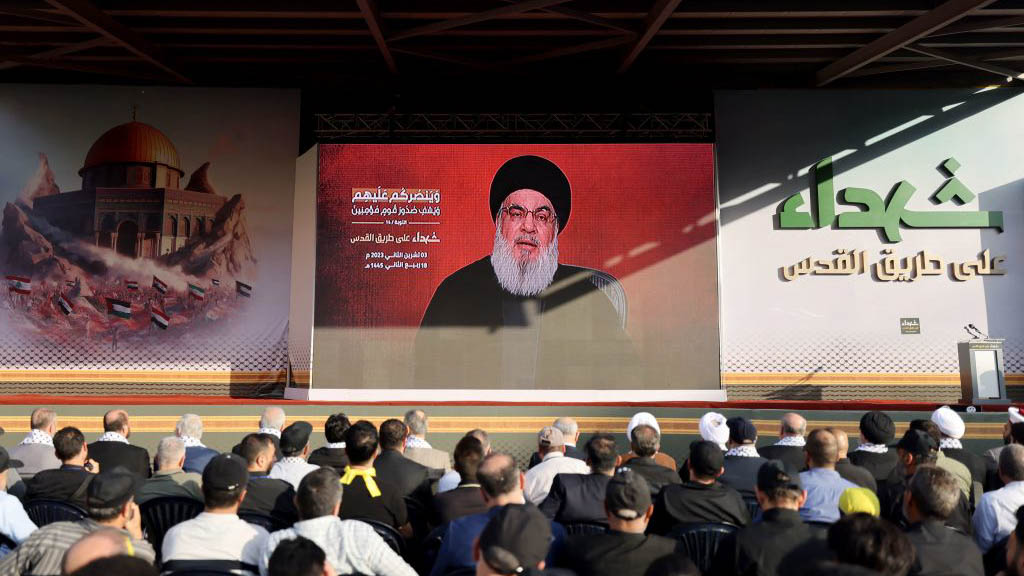
Monday Briefing: Four takeaways from Hezbollah chief’s November 3 speech
اقرأ تقرير MEI الأسبوعي الذي يتضمن تحليلات الخبراء للتطورات الإقليمية الرئيسية للأسبوع المقبل.



