This individual is a guest contributor. MEI is not able to assist with contact requests.
Ambassador Edward M. Gabriel is the former U.S. Ambassador to the Kingdom of Morocco, having served from November 1997 to March 2001, during which time a new U.S.-Morocco strategic relationship was launched on political, military and economic levels. He has an extensive background in international affairs, having convened multilateral policy forums involving national security, environmental, and trade and energy issues. He has been involved in matters of Russian and European nuclear non-proliferation and has been active in advising the U.S. government on Mideast policy matters. Currently, Ambassador Gabriel is President and CEO of The Gabriel Company, LLC, which advises American corporations and international entities on investment and policy strategies and projects. He is the President and CEO of the American Task Force on Lebanon, Co-Chairman of the American Schools of Tangier and Marrakech, Chairman of the Moroccan American Center, and a member of the boards of AMIDEAST, the Arab American National Museum, the Arab American Institute, and The Keystone Center.
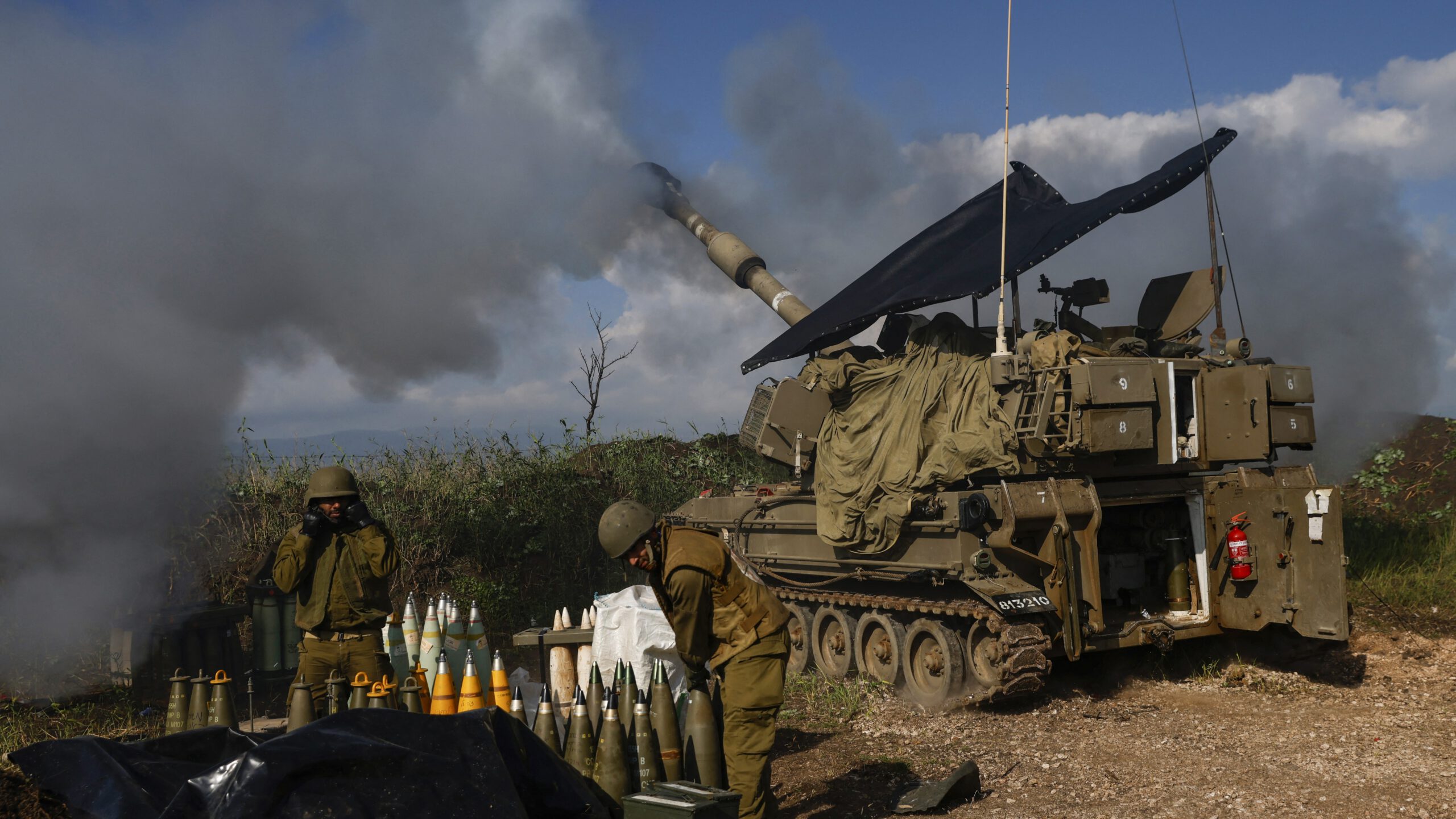
The current escalation between Israeli and Hezbollah forces necessitates immediate action from the international community to prevent a widening of the Gaza war, and the US is positioned in a leadership role to mollify tensions, beginning with diplomatic actions to stabilize the Lebanese-Israeli border, helping to pacify the broader region as a result.
The US needs to prioritize a Lebanon response to help avoid total collapse
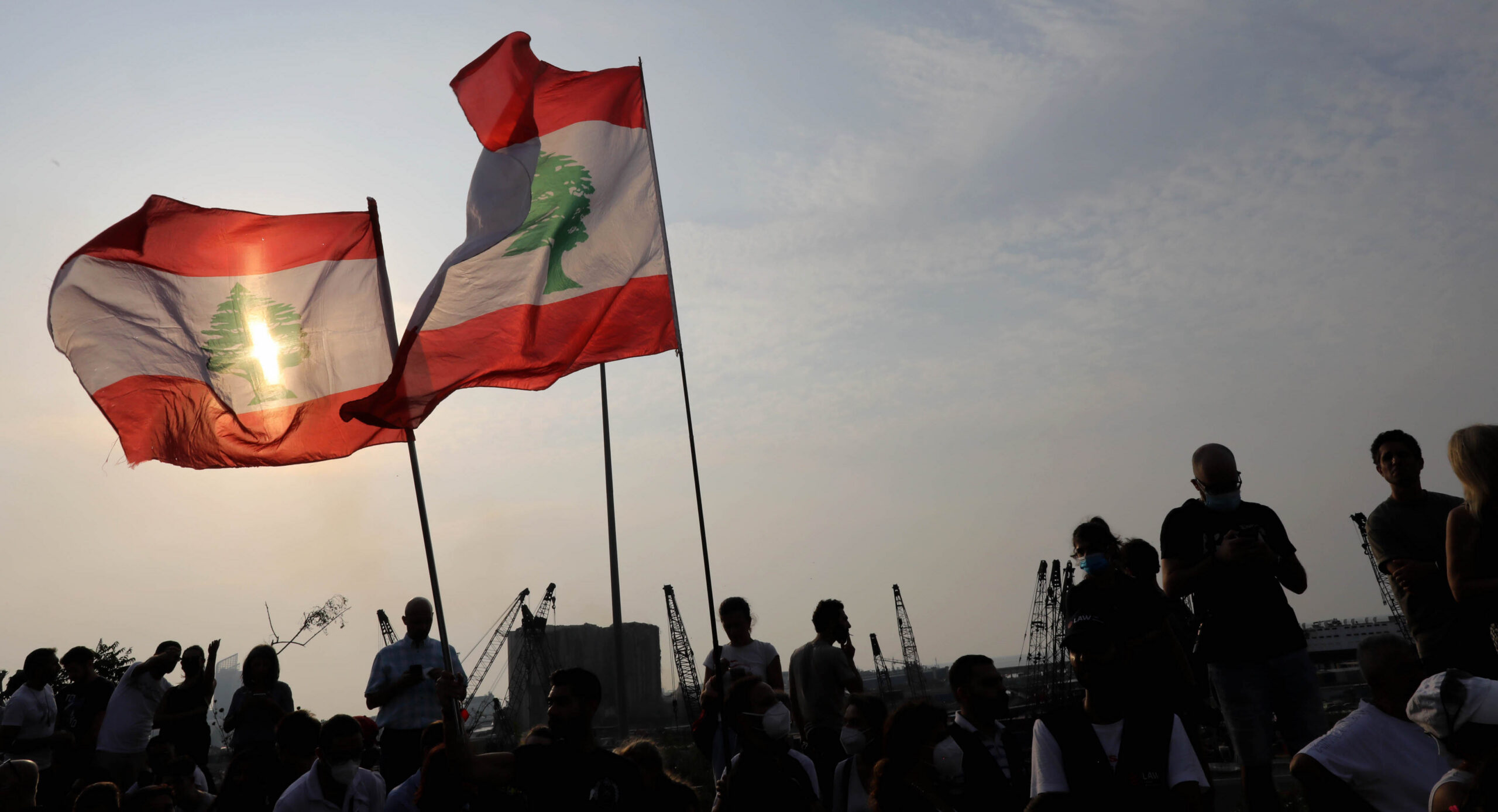
U.S. leadership has been active in offering short-term humanitarian help in Lebanon, but U.S. interests in the country’s stability will be compromised without longer-term attention to the challenges that will determine its viability: from the catastrophic humanitarian and security breakdown, to the destabilizing domestic and regional implications of mounting social and economic tensions and an unsustainable refugee crisis, and the political repercussions of polarization and continued political uncertainty.
UNIFIL and the Lebanese Army, a worthwhile US investment
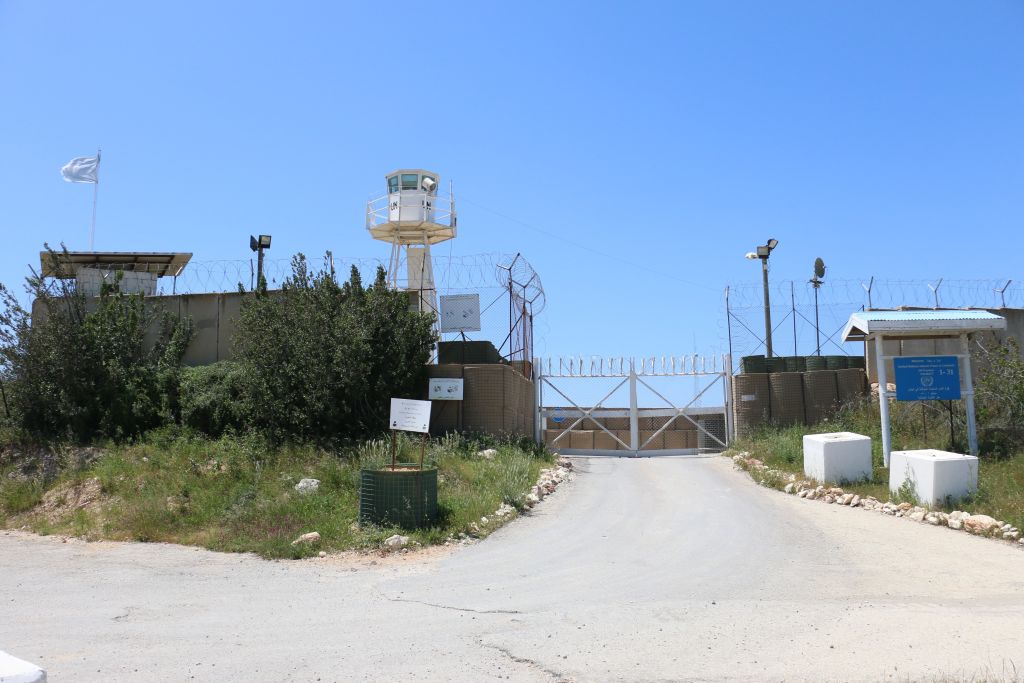
My colleagues and I at the American Task Force for Lebanon (ATFL) visited the LAF southern headquarters, the UNIFIL headquarters, and the Blue Line, established in 2000, separating Israel and Lebanon. We were encouraged by what we saw.
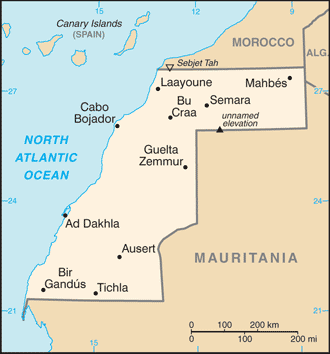
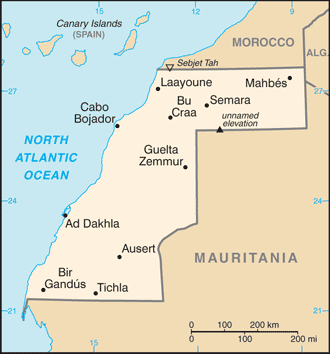
What more can be done to resolve the problem in Western Sahara?
Mr. (Carne) Ross, Undersecretary General Miyet, and I have be trading opinions for six months and it is clear that Mr. Ross has no intention to propose or agree on any kind of political settlement or compromise, regardless of arguments to the contrary. It is time to quit deluding ourselves and allowing the refugees to be used as hostages in an effort to advance the cause of a few thousand Polisario rebels. Rather, we should reach out together for a common middle-ground solution.