Skip to Content

Nilsu Goren Goren

This individual is a guest contributor. MEI is not able to assist with contact requests.

Nilsu Goren

Dr. Nilsu Goren is a Nuclear Security Program Manager at CRDF Global, where she leads a combined $10M portfolio of projects serving Department of State Offices of Cooperative Threat Reduction (CTR), Weapons of Mass Destruction Terrorism (WMDT), Department of Energy (DOE), and international partners. She is also a research scholar at the Center for International and Security Studies at the University of Maryland (CISSM) School Public Policy. Previously, she served as non-resident senior fellow at the Atlantic Council’s Brent Scowcroft Center for Strategy and Security.

Goren has over 10 years of international experience holding research and management positions at various think tanks and nongovernmental organizations, including the Turkish Coalition of America, Center for Strategic and International Studies, Federation of American Scientists, and James Martin Center for Nonproliferation Studies in Washington, D.C. Her main area of expertise is Turkish foreign and security policymaking. She has written and presented extensively on nuclear weapons, nuclear security, nonproliferation regimes, and missile defense as they relate to Turkey, Europe, and the Middle East. Prior to coming to Maryland, she taught at Koc University, Istanbul.

Education
B.A. in Economics, M.A. in Political Science, Sabanci University, Istanbul, Turkey; Ph.D. in Public Policy, University of Maryland, College Park.

Countries of Expertise
Turkey

Issues of Expertise
Nuclear security, nonproliferation, US-Turkey relations, missile defense, NATO

Languages
Turkish, Spanish, German

The Latest from Nilsu Goren Goren

Filter by
6 Results
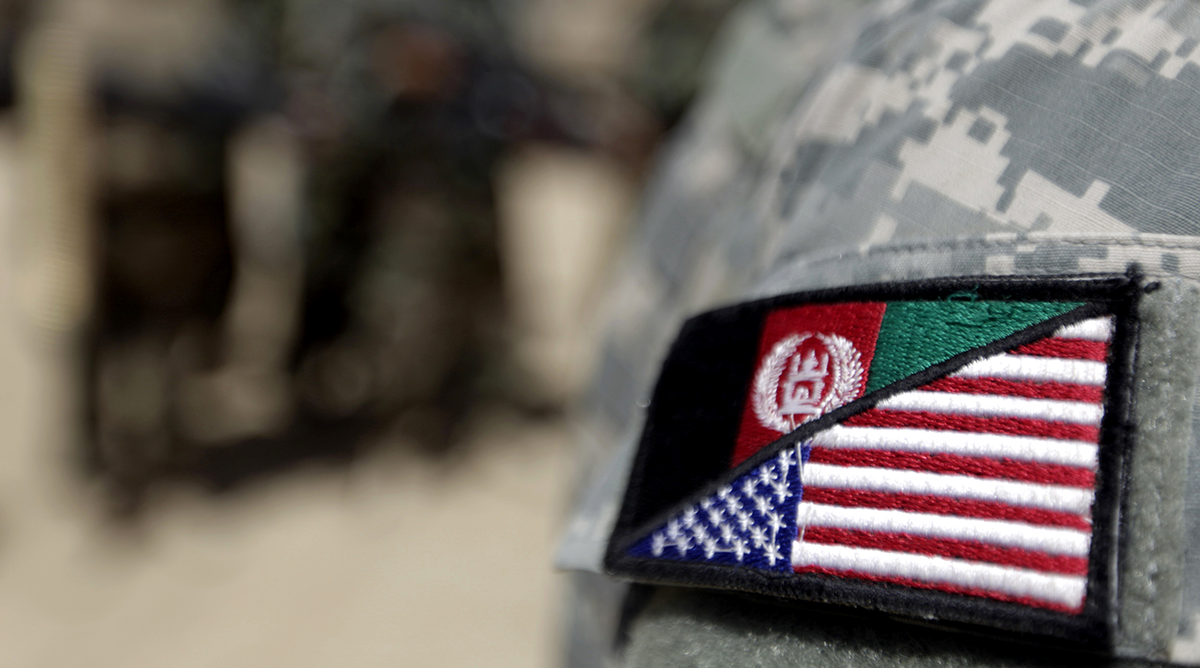
Defense Rapid Reaction: Evacuating Afghan interpreters
  • Analysis
  • Defense Rapid Reaction: Evacuating Afghan interpreters

    With U.S. forces on track to complete their withdrawal from Afghanistan by mid-July, two months ahead of the September deadline set by President Joe Biden, the thousands of Afghans who have worked with U.S. personnel as interpreters to further American policy objectives in Afghanistan are now in harm’s way. As part of the new Defense Rapid Reaction series, experts from MEI’s Defense & Security Program weigh in with their thoughts on how the U.S. should respond to this pressing issue.

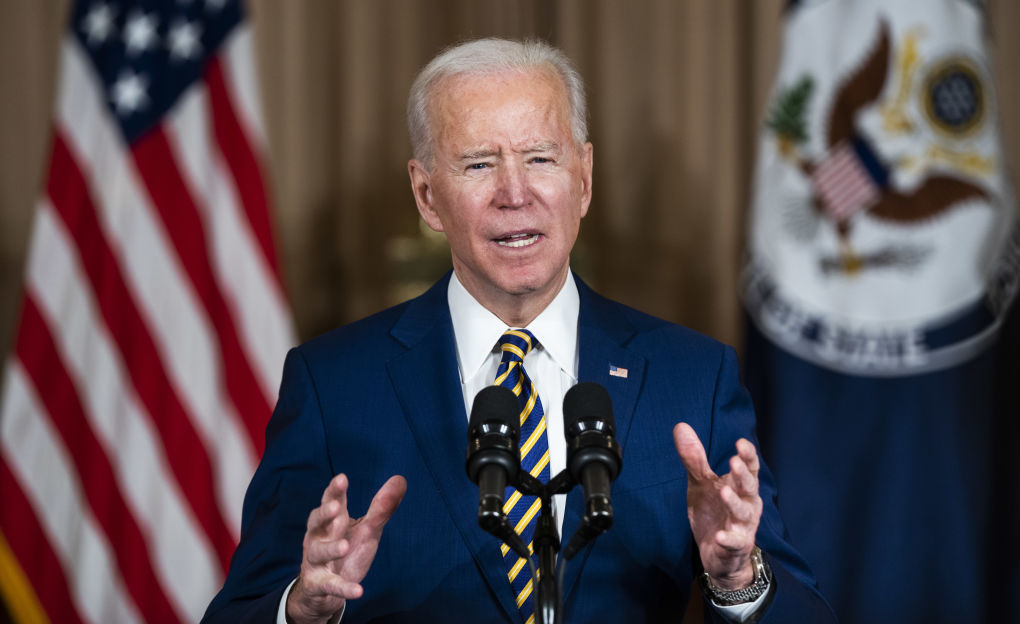
    The Biden Administration and the Middle East: Policy Recommendations for a Sustainable Way Forward
    Photo by Jim Lo Scalzo/EPA/Bloomberg via Getty Images
  • Analysis
  • The Biden Administration and the Middle East: Policy Recommendations for a Sustainable Way Forward

    In a new policy briefing book, entitled The Biden Administration and the Middle East: Policy Recommendations for a Sustainable Way Forward, MEI scholars tackle a large number of country-specific and region-wide issue areas, laying out both the abiding U.S. interests and specific recommendations for Biden administration policies that can further U.S. interests amid a region in turmoil.

    March 10, 2021

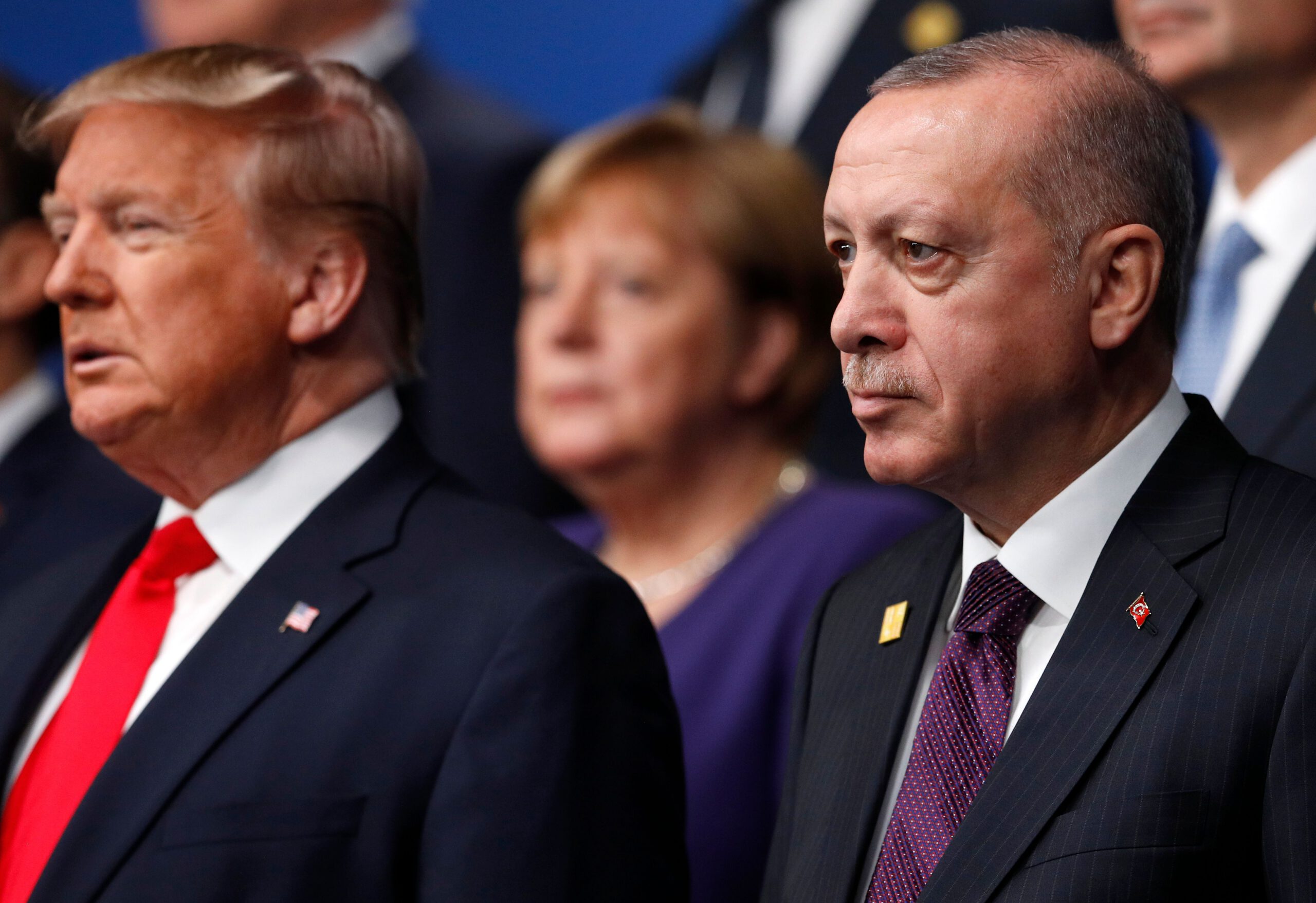
    A way forward for the United States and Turkey
  • Analysis
  • A way forward for the United States and Turkey

    Turkish-US relations, while fraught with tension, must also align with a mutual interest in stability in the Middle East and preventing the spread of weapons of mass destruction.

    July 8, 2020

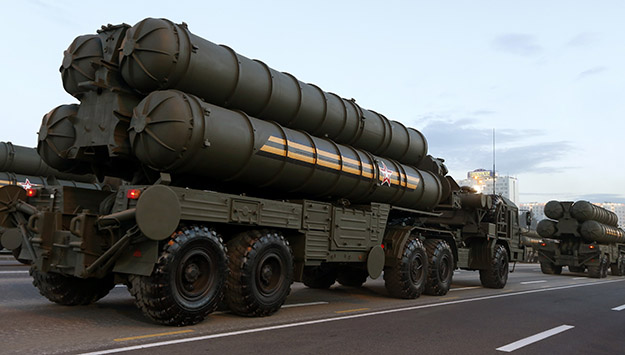
    Turkey’s Quest for Air Defense: Is the S-400 Deal a Pivot to Russia?
  • Analysis
  • Turkey’s Quest for Air Defense: Is the S-400 Deal a Pivot to Russia?

    Summary

    In an attempt to build up its air defense systems, Turkey is finalizing a deal to purchase the Russian S-400 weapons system. Ankara’s decision is in part a response to the threat posed by Russian involvement in Syria. Turkey is hoping that cultivating closer ties with Moscow might remove Russia as a threat. But, as this paper illustrates, the deal fails to address Turkey’s security concerns, further alienates its NATO allies, while providing Moscow more leverage over Ankara.