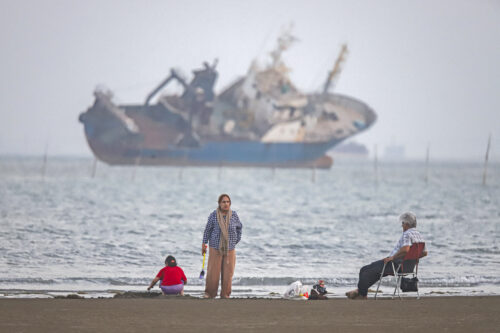
Forty days into a hugely costly war that neither side had fully intended to fight, but both had in some way or another long prepared for, the guns have, for now, mostly fallen silent. The two-week truce announced on 7 April between Iran and the United States is being presented by some as a diplomatic breakthrough. It is not. It is only deferred escalation.
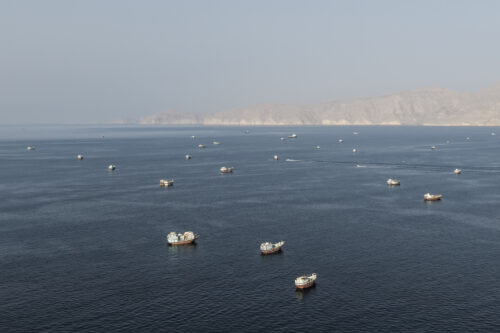
The circumstances of the pause matter as much as its terms. In the final hours before a looming US deadline, President Donald Trump agreed to suspend planned strikes on Iranian infrastructure—reportedly including bridges and power plants—conditional on the reopening of the Strait of Hormuz. The sequence is telling. This was not a ceasefire born of diplomatic convergence, but one narrowly negotiated under pressure, in which immediate risk management took precedence over long-term settlement.
The Middle East Institute (MEI) is an independent, non-partisan, not-for-profit, educational organization. It does not engage in advocacy and its scholars’ opinions are their own. MEI welcomes financial donations, but retains sole editorial control over its work and its publications reflect only the authors’ views. For a listing of MEI donors, please click here.