This text has been translated by AI and may contain errors.
Skip to Content

Afghanistan-Pakistan

Countries

The Mecca Joint Défense Agreement: A New Geometry of Middle Eastern Power?
  • Analysis
  • The Mecca Joint Défense Agreement: A New Geometry of Middle Eastern Power?

    On August 7, 2026, Saudi Arabia, Turkey, and Pakistan signed the Mecca Joint Défense Agreement, a collective-defense pact widely compared to NATO’s Article 5. This essay argues that the comparison is misleading. Mecca borrows NATO’s language of solidarity without yet possessing NATO’s institutional machinery, and the Houthi offensive against Saudi Arabia in September 2026 provided an early and revealing test of what the agreement actually means in practice. Neither Pakistan nor Turkey automatically entered the fight on Saudi Arabia’s behalf, and Washington, despite an initial reluctance to strike directly, remained indispensable through intelligence support and a major proposed F-35 sale. Drawing on realist alliance theory — Hans Morgenthau, Kenneth Waltz, Stephen Walt, Glenn Snyder, and Steven David — and on the precedent of the Central Treaty Organization (CENTO), the essay contends that the Middle East is not dividing into rival blocs but moving from hierarchy toward a looser, overlapping geometry of hedged partnerships, in which American exclusivity is eroding considerably faster than American primacy.

    The Mecca Alliance Meets the Red Sea – Saudi Arabia’s New Defense Pact Faces Its First Major Test
  • Commentary
  • The Mecca Alliance Meets the Red Sea – Saudi Arabia’s New Defense Pact Faces Its First Major Test

    When Saudi Arabia, Turkey and Pakistan agreed to a mutual defense pact in August, it was principally seen as a political commitment. The “Mecca alliance,” as it was dubbed, stipulated that an armed attack on one would be treated as an attack on all three, accompanied by deeper military cooperation.

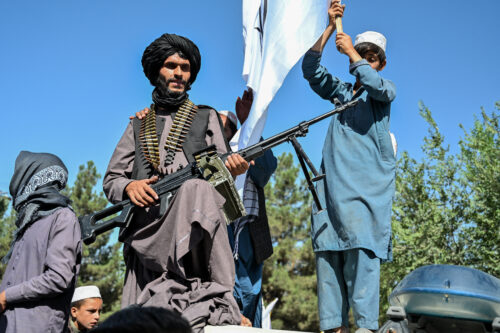
    The Case for a Middle Course in Afghanistan
  • Commentary
  • The Case for a Middle Course in Afghanistan

    I was a teenage Afghan refugee in Pakistan’s tribal areas when the Twin Towers fell. Almost nobody around us understood the politics of what had happened, but we knew that something had changed for good. Afghanistan, which until then had been our private tragedy and our first exile from Taliban rule, had suddenly become the world’s concern, with the United States leading the response.

    The Latest

    Filter by
    1194 Results
    Strike on al-Qaeda leader Zawahiri is a major win for US counterterrorism
    Photo by Visual News/Getty Images
  • Analysis
  • Strike on al-Qaeda leader Zawahiri is a major win for US counterterrorism

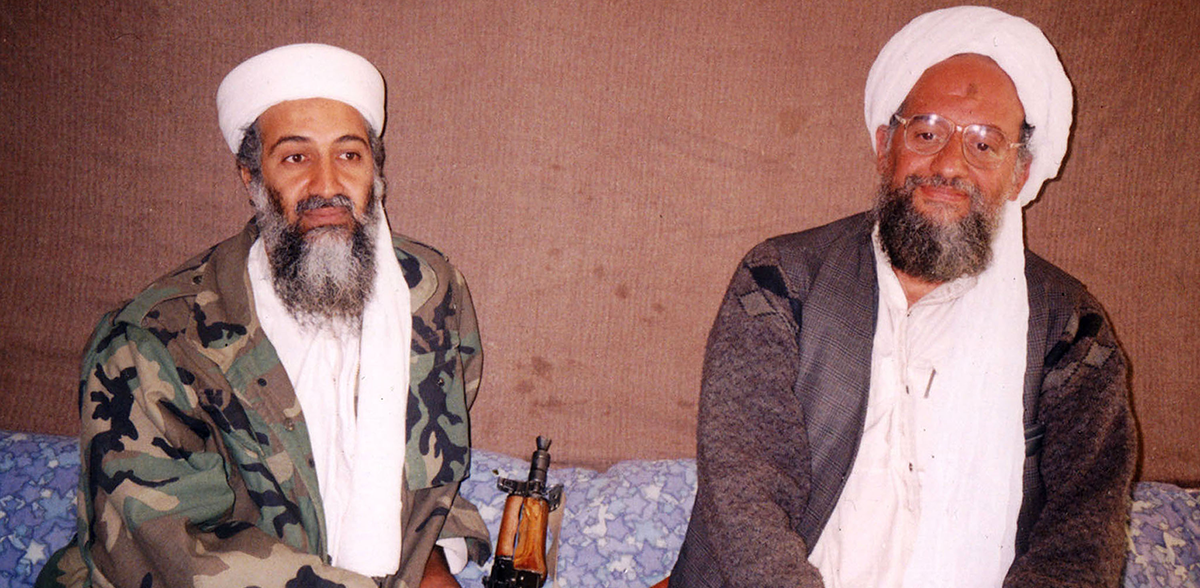
    The death of al-Qaeda leader Ayman al-Zawahiri in a U.S. drone strike outside Kabul over the weekend is a major counterterrorism achievement — and a much-needed triumph for the Biden administration, for whom anything to do with Afghanistan has become an issue of acute discomfort. Since late 2019, Zawahiri has been thought to have been based in eastern Afghanistan, and a number of U.S. officials have suggested that in public. That by itself would seem to indicate a certain level of awareness of his probable whereabouts, but his death in the capital Kabul is astounding.

    Monday Briefing: Biden’s realist roadshow
  • Commentary
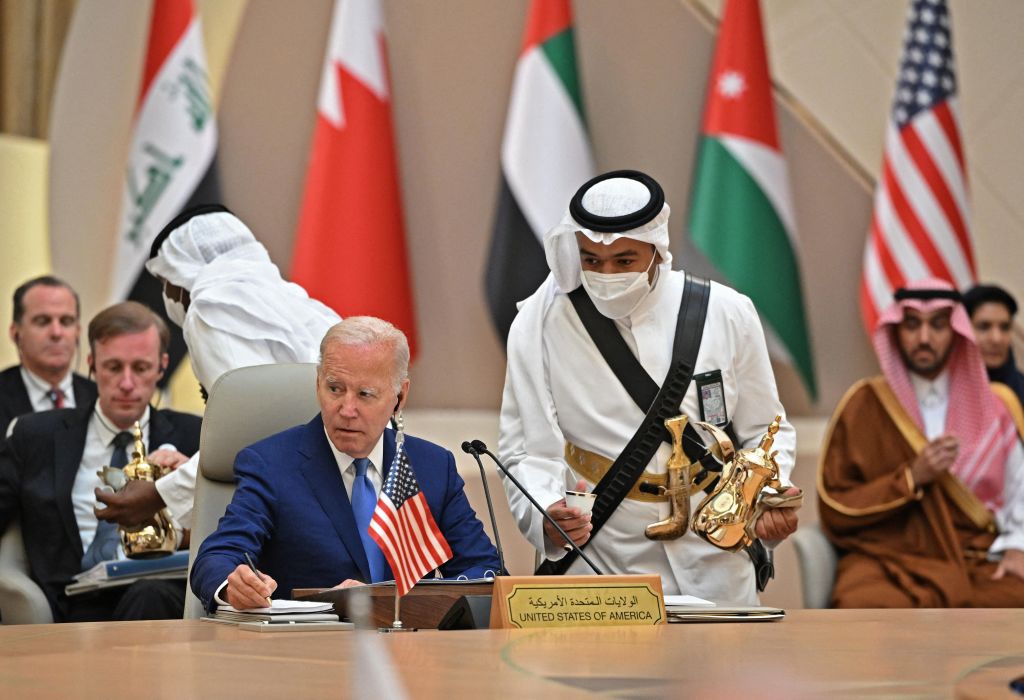
  • Monday Briefing: Biden’s realist roadshow

    Read MEI’s weekly briefing featuring expert analysis of key regional developments for the week ahead.

    July 18, 2022

    Urban pollution across the Middle East and Black Sea regions: Causes and mitigation measures
    Photo by Artur Widak/NurPhoto via Getty Images
  • Analysis
  • Urban pollution across the Middle East and Black Sea regions: Causes and mitigation measures

    The latest IPCC reports clearly indicate that cities — responsible for up to 72% of global emissions — need to be redesigned to stand a chance against the climate crisis. The urban communities of the Middle East and Black Sea regions face some of the most difficult climate change effects. To properly address their challenges, a comprehensive analysis of drivers and strategies to follow is needed.

    July 14, 2022

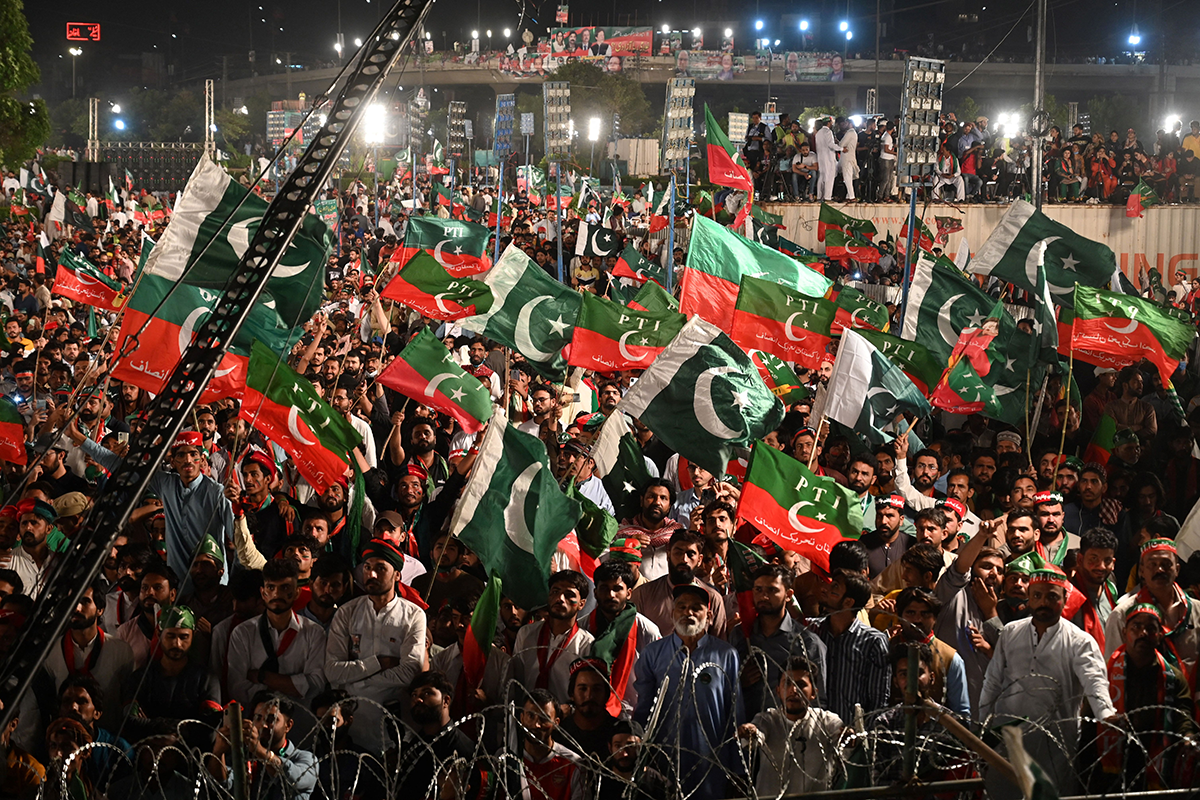
    Pakistan’s political crisis and the imperatives of economic reform
    Photo by AAMIR QURESHI/AFP via Getty Images
  • Analysis
  • Pakistan’s political crisis and the imperatives of economic reform

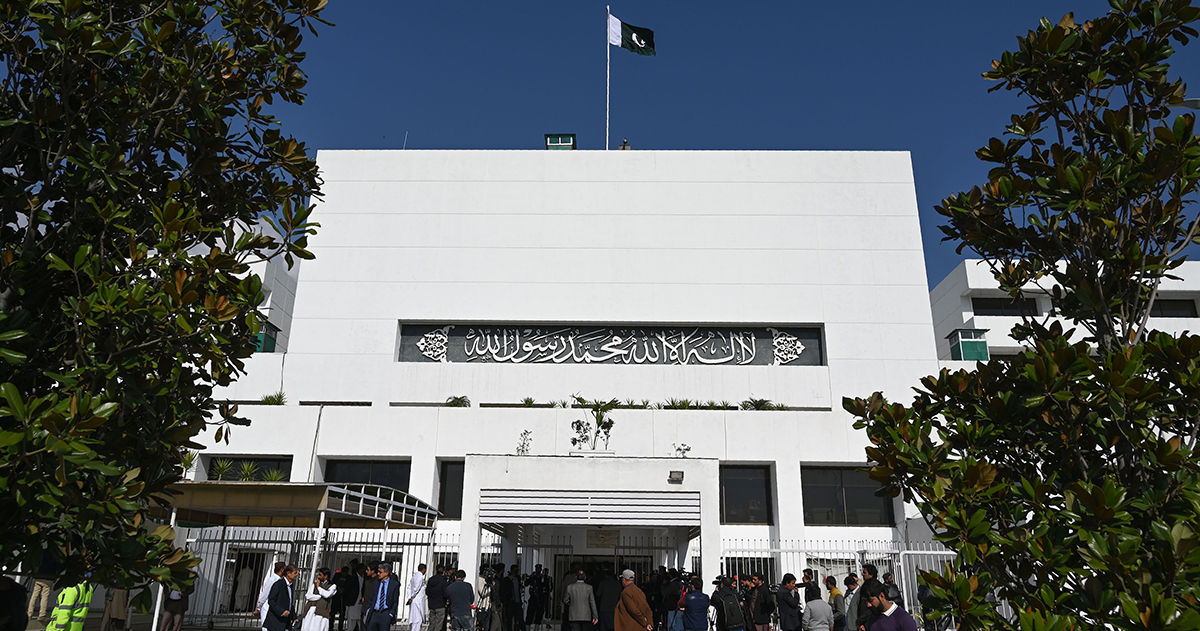
    Beyond short-term austerity measures, Pakistan’s current federal and provincial governments need to push forward essential reforms — including in agriculture, energy, and local governance — that are key to ensuring the country’s political and economic stability and long-term growth prospects.

    June 10, 2022

    Pakistan's Political Crisis
  • Podcast
  • Pakistan's Political Crisis

    Marvin Weinbaum, Madiha Afzal, and Syed Mohammad Ali discuss the recent political upheaval in Pakistan, which comes against the backdrop of mounting economic problems.

    May 17, 2022

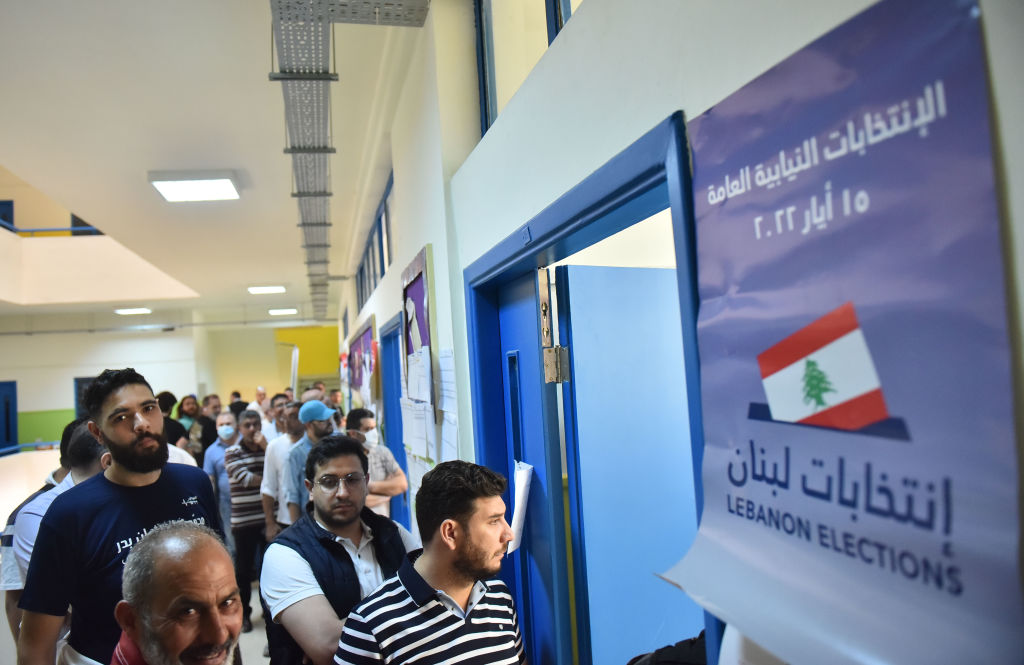
    Monday Briefing: Lebanese elections bring change
  • Commentary
  • Monday Briefing: Lebanese elections bring change

    Read MEI’s weekly briefing featuring expert analysis of key regional developments for the week ahead.

    May 16, 2022

    Pushed over the edge: Political and military dynamics at the Afghanistan-Pakistan border
    Photo by AFP via Getty Images
  • Analysis
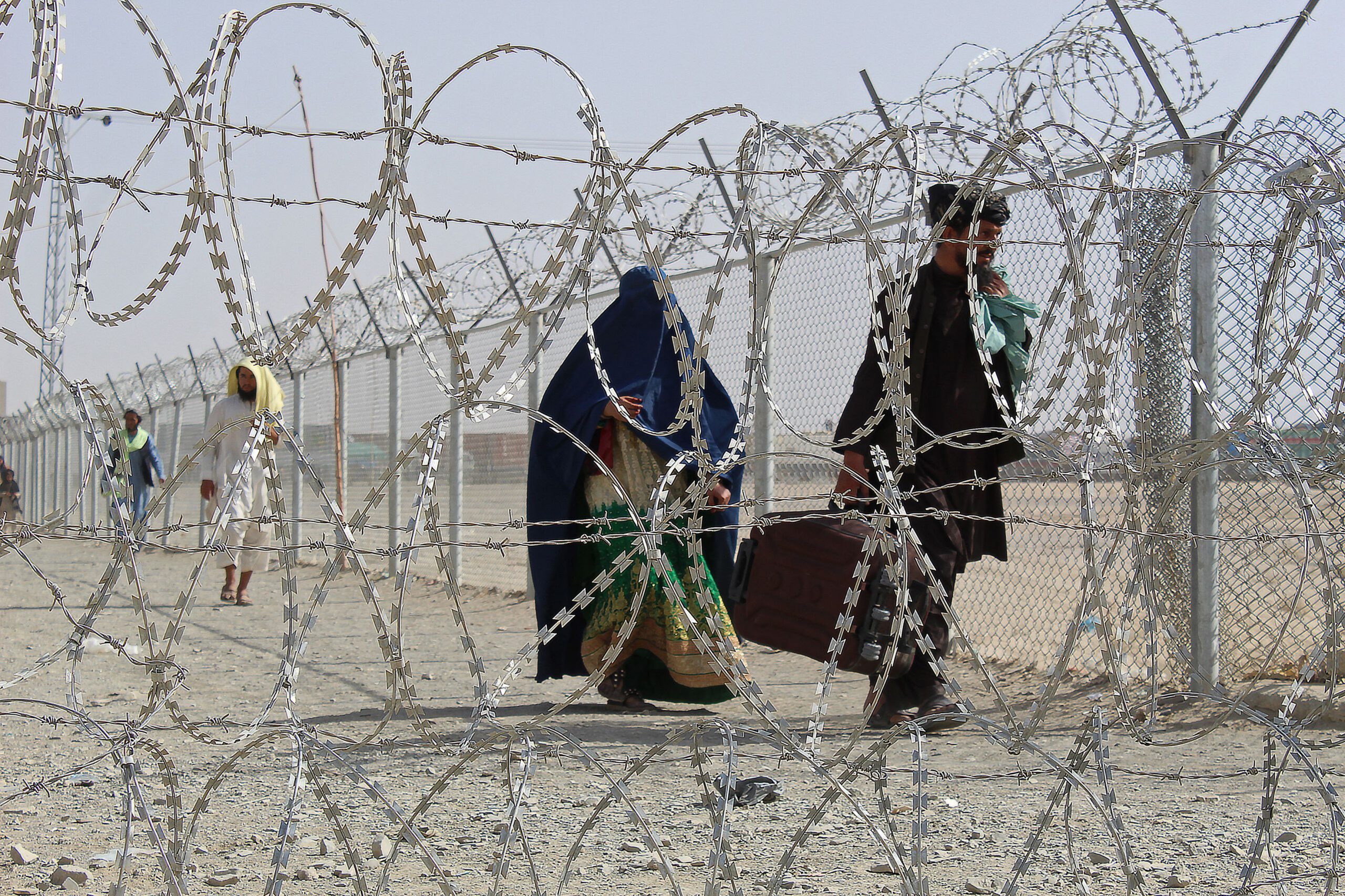
  • Pushed over the edge: Political and military dynamics at the Afghanistan-Pakistan border

    Frequent and violent border clashes have created political tensions between Pakistan and Afghanistan. This may surprise observers, since Afghanistan is being ruled by the Afghan Taliban, long supported by Pakistan’s security establishment. Recent incidents illustrate, however, that while the interests of Pakistan and its clients in Kabul may often converge they are hardly identical. Divergent political ideologies, national histories and strategic aims are driving them apart on many crucial issues.

    May 9, 2022

    Has Imran Khan’s ouster opened a Pandora’s box in Pakistan?
    Photo by ARIF ALI/AFP via Getty Images
  • Analysis
  • Has Imran Khan’s ouster opened a Pandora’s box in Pakistan?

    Khan’s removal has served to galvanize and perhaps even expand his support base and his opponents among the senior brass of the army and in the political class have unwittingly rehabilitated his public image. As Khan’s political fortunes have improved, the new coalition government is struggling to handle the hot potato of a deteriorating economy and the army is facing criticism unprecedented in recent years.

    April 26, 2022

    Read the Middle East Journal

    The oldest peer-reviewed publication dedicated to the study of the modern Middle East, MEI’s flagship journal covers politics, society, and culture in the region.