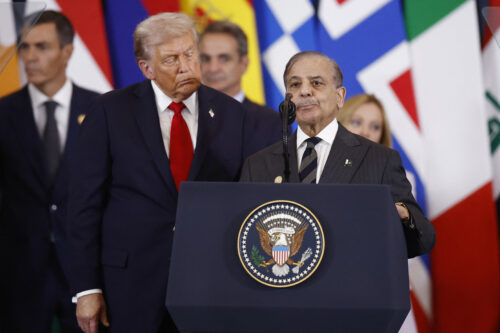
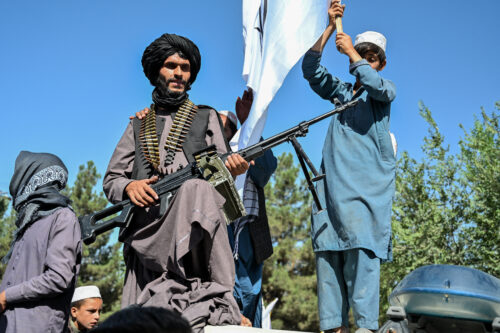
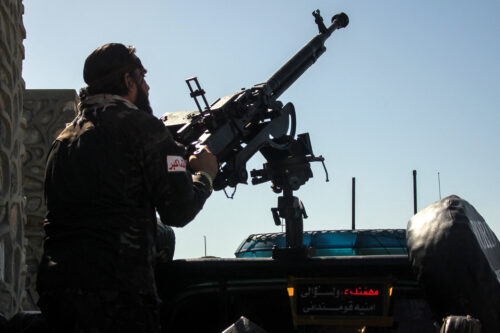
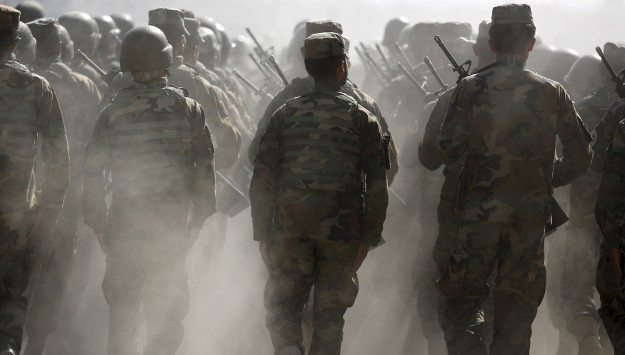
As it fights on four separate but connected fronts, Pakistan’s military is employing more force and less tolerance for public dissent. The result is not strength, but instead a widening set of vulnerabilities that will undermine Pakistan.
I was a teenage Afghan refugee in Pakistan’s tribal areas when the Twin Towers fell. Almost nobody around us understood the politics of what had happened, but we knew that something had changed for good. Afghanistan, which until then had been our private tragedy and our first exile from Taliban rule, had suddenly become the world’s concern, with the United States leading the response.
Russia’s Taliban Embrace Signals a New Power Shift in Afghanistan
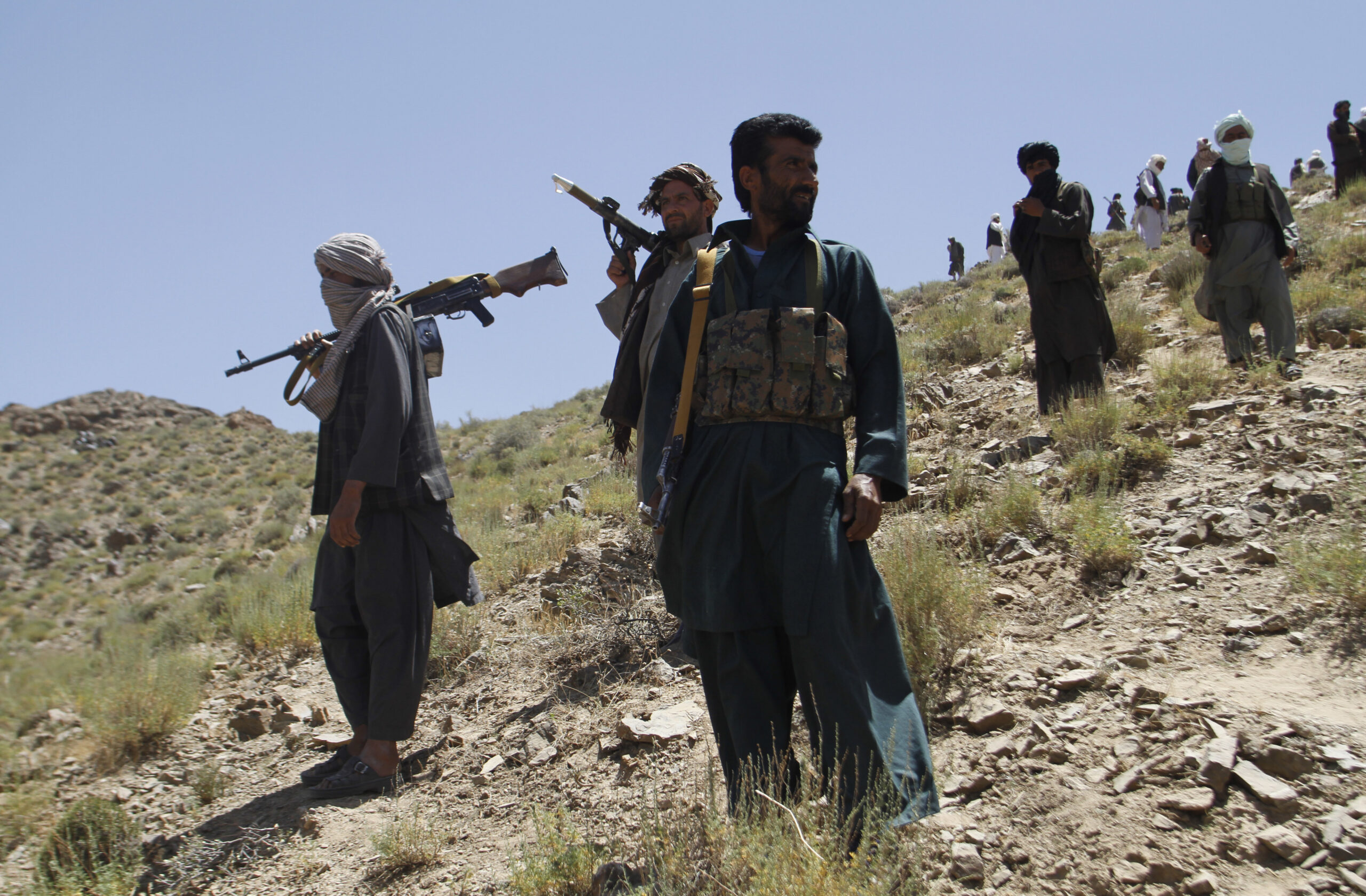
Sometimes the only thing more frightening than Afghanistan’s problems is the Taliban’s solutions and the recently signed Russia-Taliban military-technical agreement may be the most alarming one yet. The partnership signals that Afghanistan’s security architecture is being rebuilt without the United States, and increasingly by America’s rivals. Washington should pay close attention because the deal hands one of the world’s most repressive regimes a pathway to becoming more capable and deeply entrenched in a regional order where Russian influence is expanding at America’s expense.
Iran Invites Terrorist Group to International Conference It Hosts
On December 15, Iran’s President Hassan Rouhani delivered a speech at the 30th International Islamic Unity Conference in Tehran. He spoke about the need for Muslim unity to fight “colonialist countries” and the “Zionist regime [Israel]” on the same day Iranian-backed militia fighters massacred Muslim civilians in Aleppo. He also called for collection action to fight terrorism.
Iran’s Recruitment of Afghan, Pakistani Shiites Fuels Sectarianism
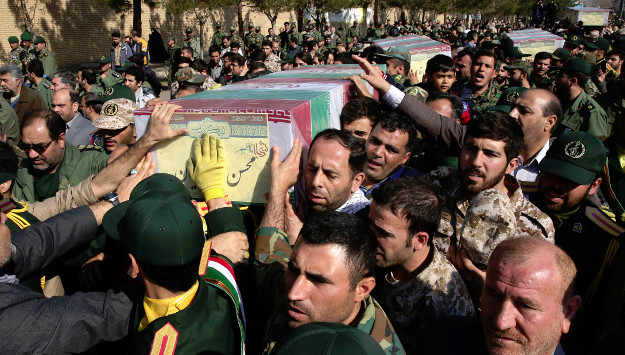
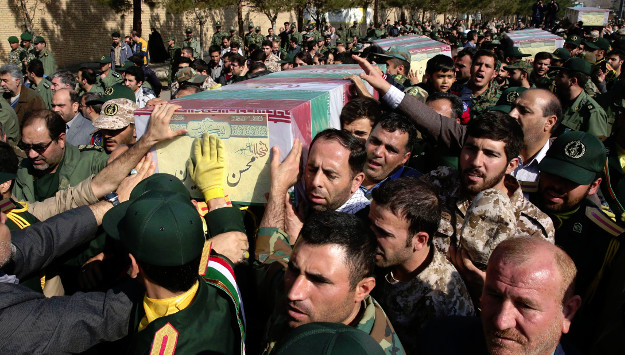
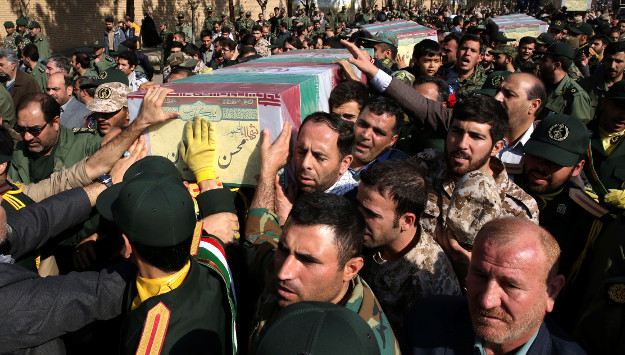
On November 30, hundreds of people gathered in the Iranian city of Qom to attend the funeral procession of several Afghan and Pakistani Shiites killed in Syria.
Iran Admits over 1,000 Combat Fatalities in Syrian Conflict
On November 22, a senior Iranian official admitted that more than 1,000 combatants dispatched by Iran to fight alongside President Bashar al-Assad’s forces have been killed in the Syrian war.
Tension Brewing between Iran, Afghanistan amid Allegations of Tehran Aiding Taliban
On November 15, Iranian Foreign Ministry Spokesman Bahram Qasemi refuted allegations by Afghan media and government officials that Tehran harbored Taliban leaders on its soil. “The presence of Taliban elements in Iran is baseless and unfounded,” he said, adding that Iran and Afghanistan had friendly relations and cooperated to ensure security and stability in the two countries.
Monday Briefing: Cessation of Hostilities Deal in Syria Reached … Now What?
[Oops!: If our weekly e-mail sent you here by mistake, please click here for the Sept. 19 Monday Briefing.]
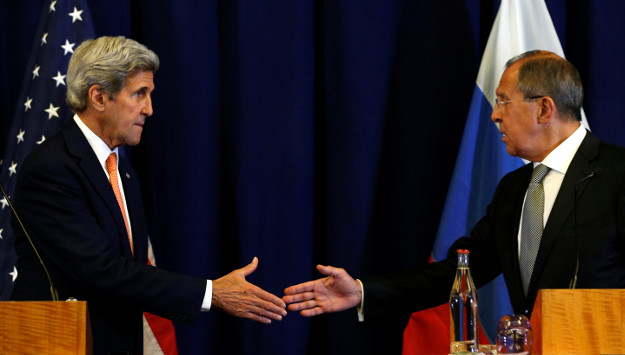
In this week’s Monday Briefing, MEI experts Robert S. Ford, Charles Lister, and Marvin G. Weinbaum provide analysis events including the announced cessation of hostilities in Syria, the Syrian rebels’ resonse to the deal, and the Afghan president’s upcoming visit to India.
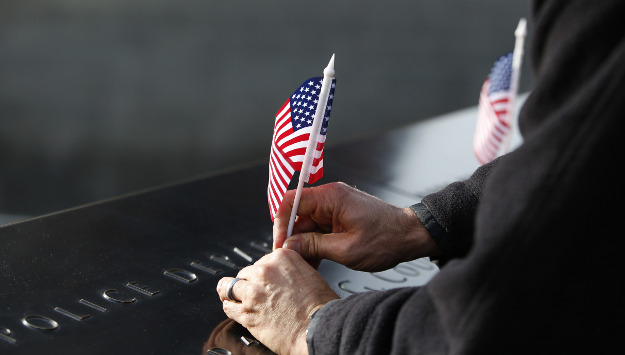
In the days after the attacks of 9/11, Americans asked fundamental questions such as “Who did this?” and “Why do they hate us?” As a nation, we were eager for a fight, for revenge, but some had another question: “How long will this war go on?”
Monday Briefing: India FM to Visit Iraq and Syria; Iran-Turkey Relations After the Failed Coup; Afghanistan's Fractured Government
In this week’s Monday Briefing, MEI experts Zubair Iqbal, Alex Vatanka, and Marvin G. Weinbaum provide analysis on issues including India’s Middle East policy as its foreign minister is set to visit Iraq and Syria, the opening of relations between Iran and Turkey following the latter’s recent failed coup, and the latest signs of tension within Afghanistan’s shaky unity government.
MEI’s Taliban Leadership Tracker is a detailed database mapping 1,200 leaders and appointees wielding influence throughout the Taliban government. Produced and maintained by MEI Non-Resident Scholar Javid Ahmad, the database can be used to help identify individuals who wield various forms of influence, ones who may be receptive to dialogue and collaboration, as well as those involved in rights violations, abuses, or criminal and terrorist activities.