Iran’s Role in Arab Allies’ Underground Warfighting
Hamas, Hizballah and Houthi tunnel networks resemble Iran’s underground missile cities. But their origins reveal a more complicated story of local necessity, Iranian assistance and military adaptation.
Dr. Marwan Muasher: Has the Middle East Really Changed?
Have October 7 and the Iran war remade the Middle East, or just made it more dangerous? In the first episode of Re-Orient, Gönül Tol puts that question to Dr. Marwan Muasher, Jordan’s former Deputy Prime Minister and Foreign Minister. Muasher draws on his extensive career to unpack the key issues driving today’s Middle East, from regional alignments to US influence, and offers insights on what has the potential to shape this volatile part of the world.
President Donald Trump’s next move on Iran should follow from what he actually wants, and with his legacy at stake, the choice matters. If the ultimate goal is regime change through internal collapse, the logic points to a long squeeze: tighter enforcement of the economic blockade and periodic military strikes to limit Iranian actions in the Strait of Hormuz, a campaign that might outlast his presidency. Whether by design or by drift, that is roughly the course Washington is on today.
Medical tourism is an important form of cooperation in the health sector between the Gulf Cooperation Council (GCC) countries and Asia. The increasing flow of patients from the Gulf to Asian for medical treatment in recent years has been underpinned by a feature of GCC countries’ healthcare systems that is unique, namely government sponsorship of overseas medical treatment. This article discusses the immediate impact and possible implications of the Coronavirus pandemic for GCC-Asia health cooperation.
Monday Briefing: GERD talks continue, but political will is still lacking
This week’s briefing on recent news and upcoming events in the region featuring Mirette F. Mabrouk, Marvin G. Weinbaum, Gonul Tol, Alex Vatanka, and Gerald Feierstein.
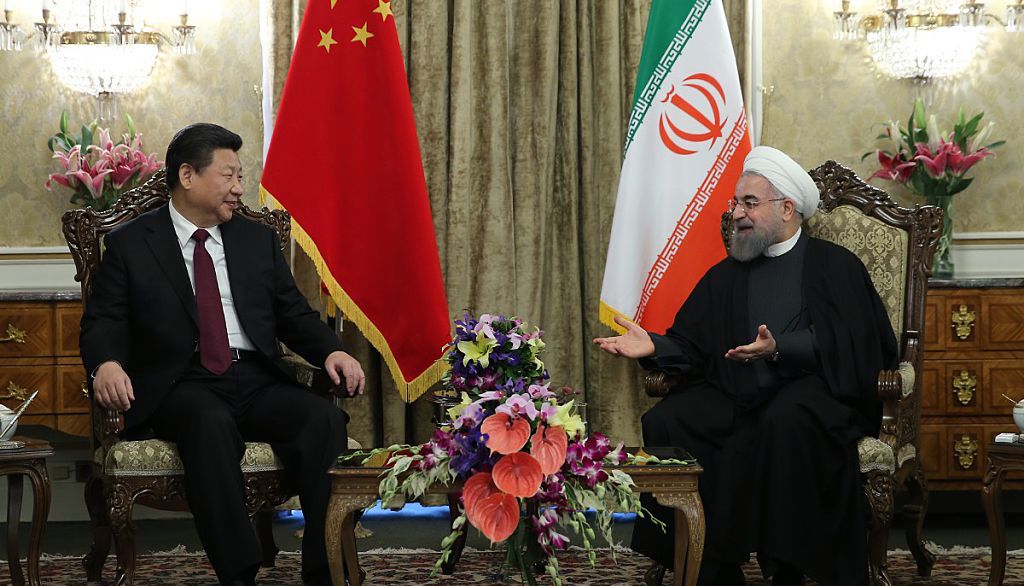
لماذا يعد رد طهران على اعتراض الولايات المتحدة لطائرة الركاب الإيرانية أكثر من مجرد حملة علاقات عامة
“تهدف السلطات الإيرانية إلى الاستفادة من هذه الحلقة كوسيلة للضغط على دول المنطقة التي توفر قواعد عسكرية للجيش الأمريكي.”
تشعر طهران بقلق شديد من اعتراض طائرة مدنية إيرانية فوق سوريا في 23 من شهر يوليو من طرف طائرتان أمريكيتان من طراز F-15. وما أثار انتباه وسائل الإعلام الغربية هو اتهام إيران للولايات المتحدة بالقيام بأعمال “قرصنة” و”إرهاب” في المجال الجوي السوري.
اتهامات طهران كانت متوقعة وتعد مجرد حلقة أخيرة في سلسلة الاتهامات والاتهامات المضادة بين الولايات المتحدة وإيران.
Linking the past to the future: Economic diversification and tourism in Oman
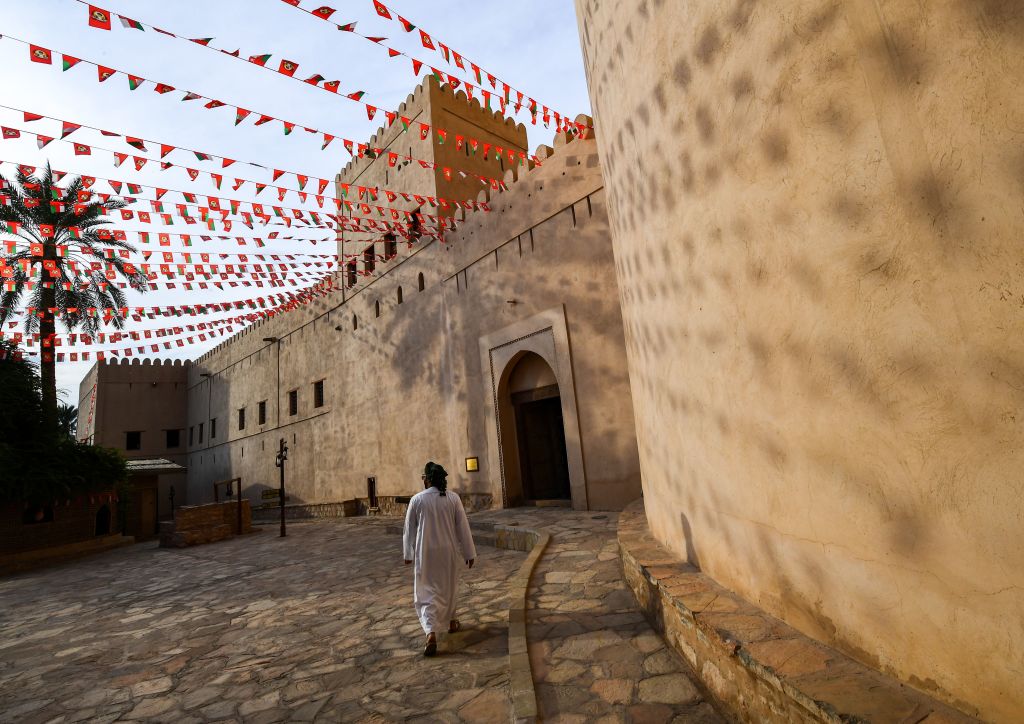
Oman’s new ruler, Sultan Haitham, only has a short timeframe in which to aggressively diversify the country’s economy and reduce its dependency on hydrocarbon exports. This already difficult task is further complicated by the twin challenges of the global coronavirus pandemic and low oil prices, both of which limit the government’s fiscal room for maneuver. One obvious sector that Oman should consider expanding rapidly is its tourism industry.
Jerry Feierstein, Karen Young, and Dania Thafer join host Alistair Taylor to discuss the political, economic, and foreign policy challenges facing the sultanate and its new ruler, Sultan Haitham bin Tariq, who ascended to the throne following the death of Sultan Qaboos, Oman’s long-time ruler, in early January.
Positioning the Provinces Along China’s Maritime Silk Road
China’s Belt and Road Initiative (BRI) is a central policy framework with decentralized initiatives. Under the BRI’s Silk Road Economic Belt (SREB) and the Maritime Silk Road (MSR), China’s inland provinces and coastal peers have been obliged to implement the top-down national strategy while at the same time having been granted the latitude to interpret the strategy to suit their commercial interests. This article looks at how Fujian and Jiangsu provinces have sought to position themselves along the Maritime Silk Road with respect to their relations with Middle Eastern partners.
The potential cyber consequences of Israeli annexation of Palestinian territory
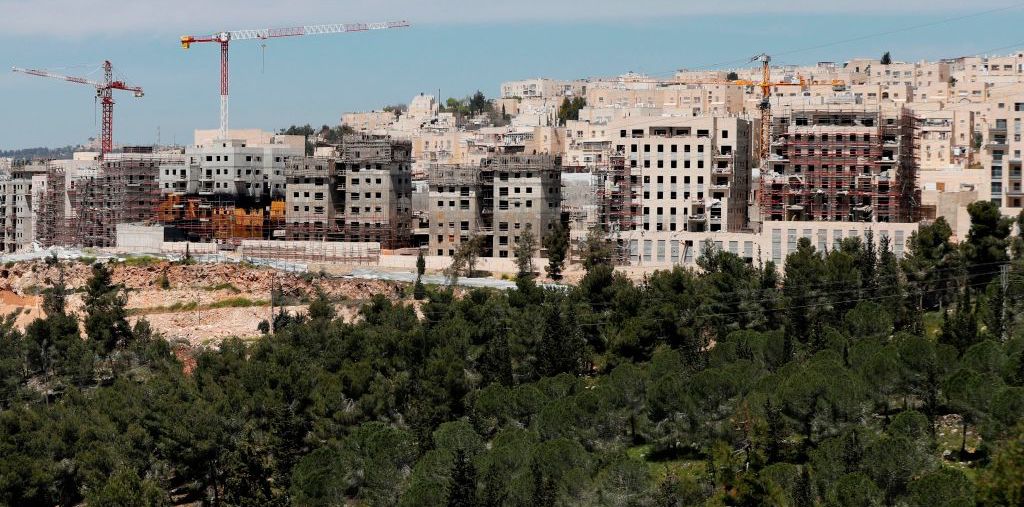
While it seems as though the immediate threat of Israeli annexation has, for the time being, faded, the incident raises an interesting new set of questions about how this particular battle will continue to play out in an increasingly digitized Middle East and the potential for retaliation by Palestinian and other actors in cyberspace, whether or not such an annexation takes place.
Monday Briefing: Red lines and rising tensions in Libya
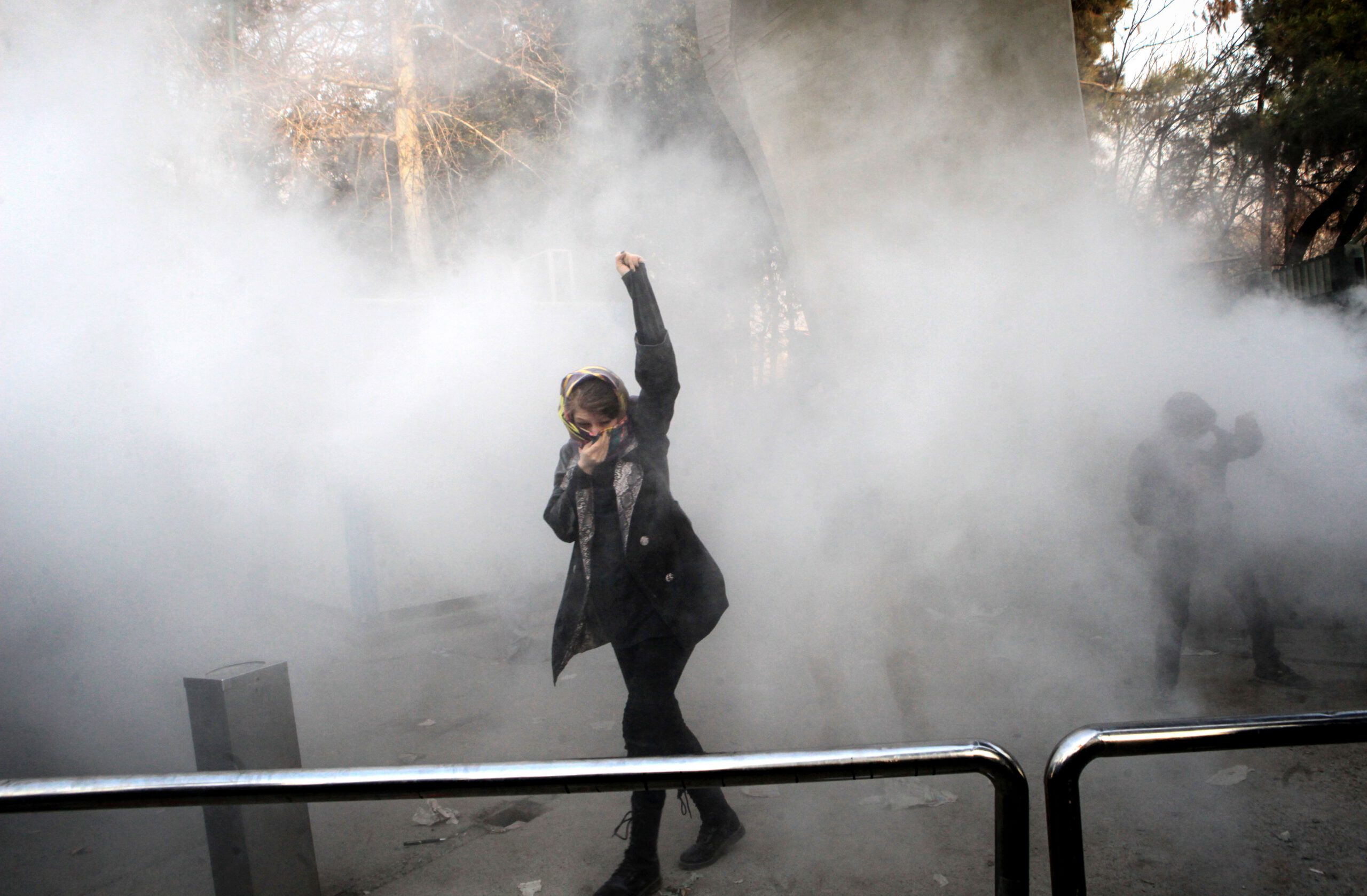
In this week’s Monday Briefing, MEI experts Mirette F. Mabrouk, Robert S. Ford, Nazila Fathi, and Marvin G. Weinbaum provide analysis on recent and upcoming events including rising tensions in Libya, economic turmoil and anti-regime protests in Iran, and the Jordanian high court’s decision to dissolve the Muslim Brotherhood.
الأزمات الاقتصادية وعمليات الإعدام المتكررة تسببت في اندلاع احتجاجات جديدة في إيران
اندلعت احتجاجات مناهضة للنظام الإيراني في عدة مدن إيرانية أواخر الأسبوع الماضي وسط تزايد البؤس الاقتصادي، وبعد أن أيدت محكمة محلية أحكام الإعدام في حق ثلاثة شبان، مما أثار غضب الشارع.
وأظهرت مقاطع فيديو منشورة على منصة تويتر، وجودًا كثيفًا لقوات الأمن في عدة محافظات، بما في ذلك طهران، خراسان، وخوزستان التي شهدت اشتباكات دموية خلال احتجاجات نوفمبر الماضي.
So far, Saudi Arabia’s push for OPEC+ restraint appears to be working. If projections of a gradual demand recovery in 2020 are accurate, the Saudis should be able to reaffirm their centrality as market stabilizers.
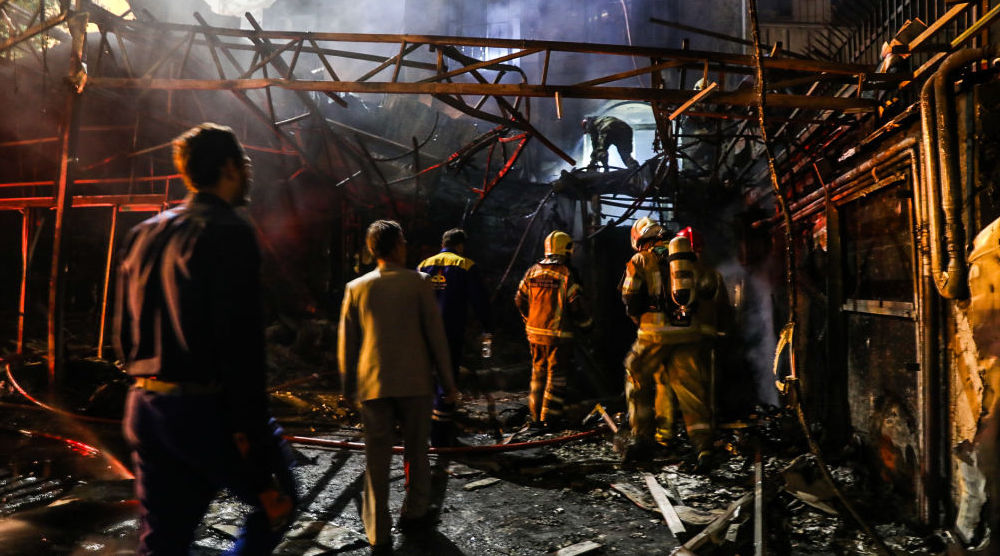
What’s behind the wave of mysterious incidents in Iran?
On the 10th anniversary of the discovery of the Stuxnet computer virus, designed by the U.S. and Israel to target Iran’s nuclear program, the Islamic Republic is facing a new wave of unclaimed acts of sabotage.
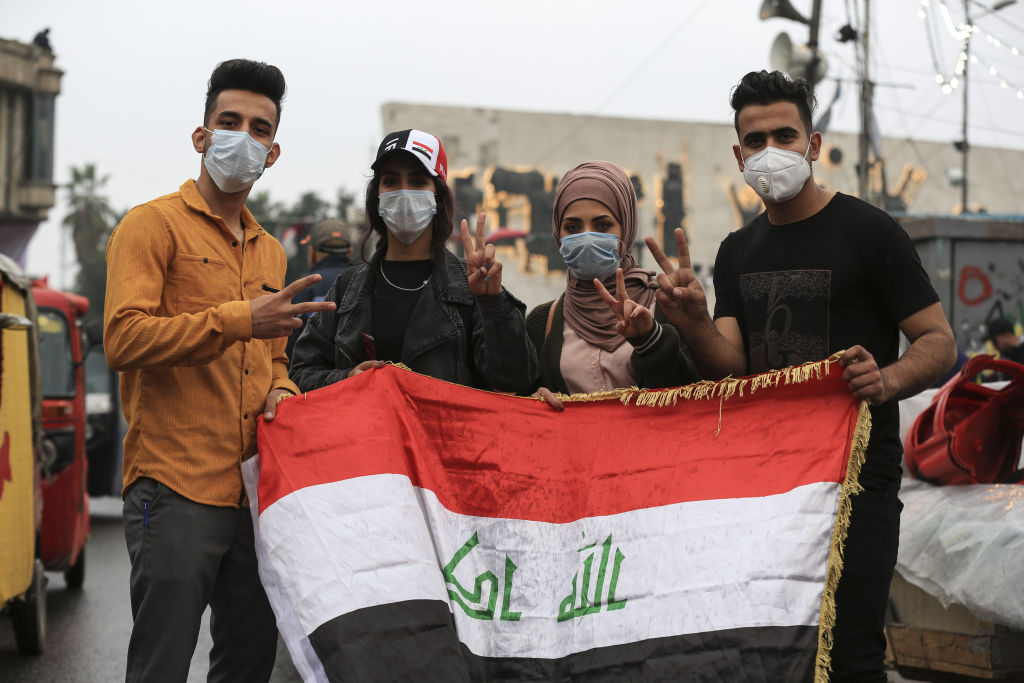
The nationwide protests that erupted in October 2019 shifted the political landscape and paradigm of Iraqi political participation: Led by motivated Iraqi youth in their teens and twenties with no previous civic experience, they signal a rejection of the post-2003 sectarian patronage system, known as muhassasa, that has failed to deliver security, economic development, or basic services. The protest movement’s spontaneity and authenticity are its core strength; no public figure or party directed the waves of protests across central and southern Iraq.
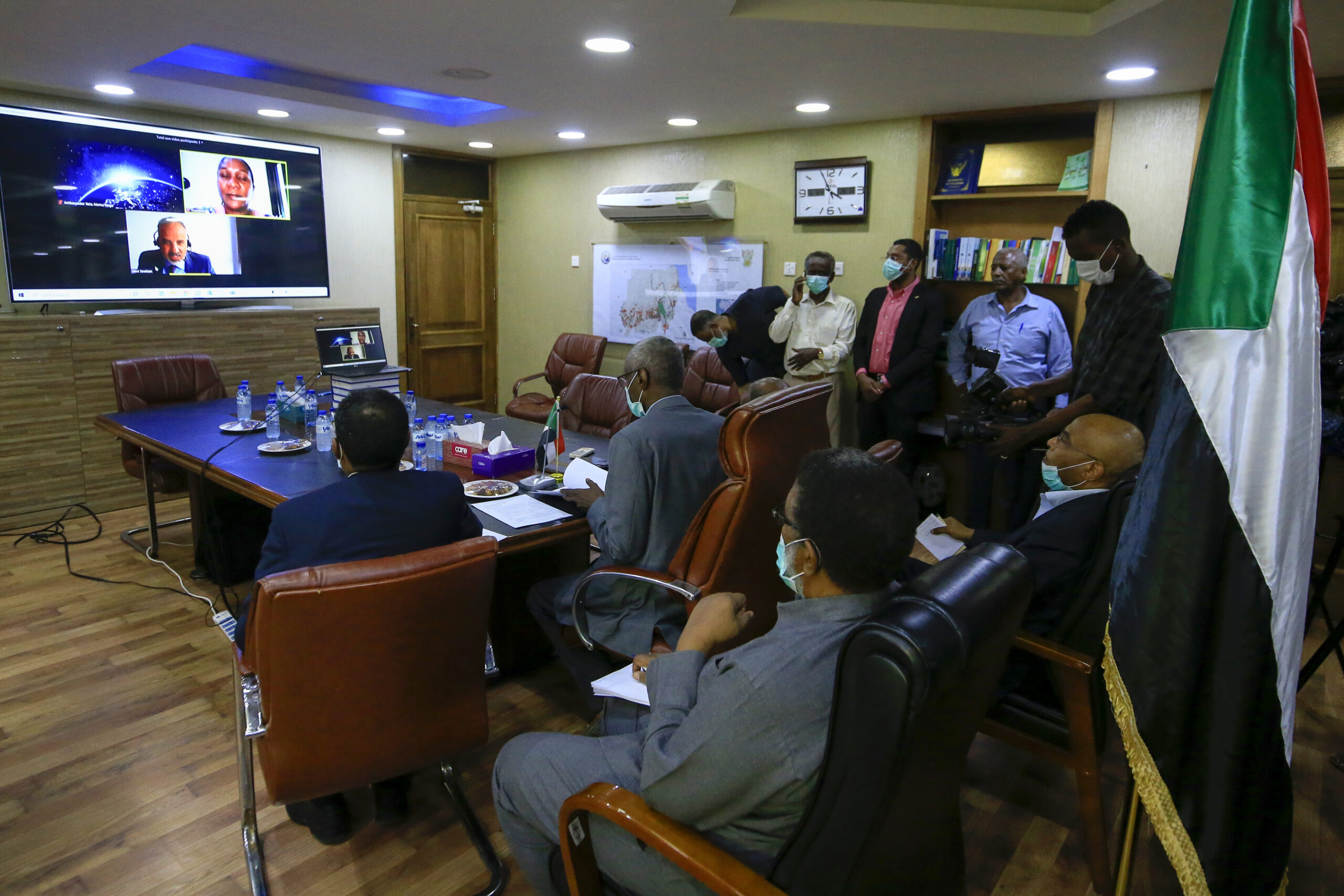
Alex Vatanka, Nazila Fathi, and Amin Mohseni join host Alistair Taylor to discuss the social, economic, and political challenges facing Iran, ranging from the COVID-19 and economic crises to the new Parliament and next year’s presidential election.
Defusing a “floating bomb”: Yemen’s impending Safer disaster
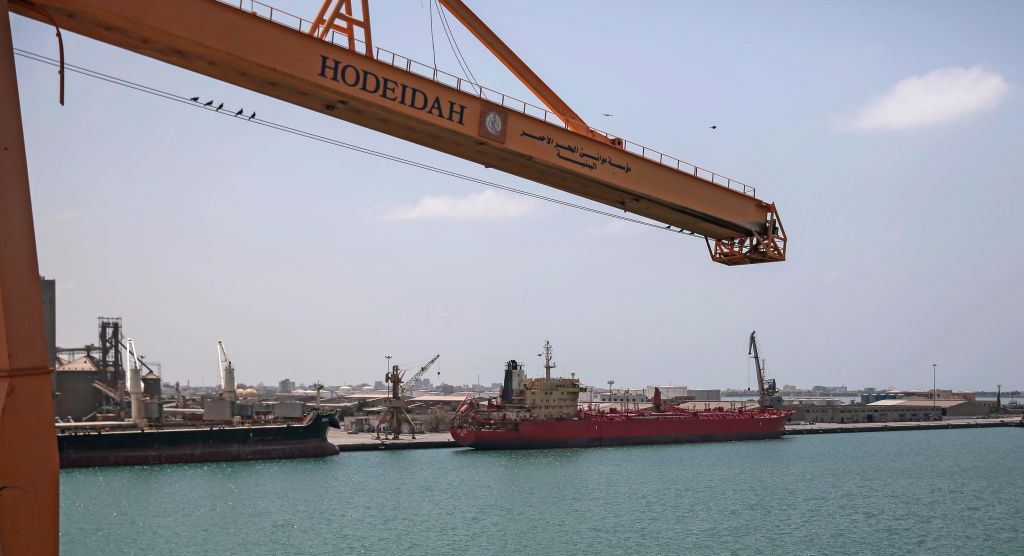
Having given Yemen’s Houthi rebels control over the ports of Hodeida governorate on humanitarian grounds as part of the December 2018 Stockholm Agreement, the international community has failed to address the looming environmental, economic, and political threats presented by the decaying Safer oil tanker sitting offshore — a “floating bomb” waiting to explode.
The oldest peer-reviewed publication dedicated to the study of the modern Middle East, MEI’s flagship journal covers politics, society, and culture in the region.