Iran’s Role in Arab Allies’ Underground Warfighting
Hamas, Hizballah and Houthi tunnel networks resemble Iran’s underground missile cities. But their origins reveal a more complicated story of local necessity, Iranian assistance and military adaptation.
Dr. Marwan Muasher: Has the Middle East Really Changed?
Have October 7 and the Iran war remade the Middle East, or just made it more dangerous? In the first episode of Re-Orient, Gönül Tol puts that question to Dr. Marwan Muasher, Jordan’s former Deputy Prime Minister and Foreign Minister. Muasher draws on his extensive career to unpack the key issues driving today’s Middle East, from regional alignments to US influence, and offers insights on what has the potential to shape this volatile part of the world.
President Donald Trump’s next move on Iran should follow from what he actually wants, and with his legacy at stake, the choice matters. If the ultimate goal is regime change through internal collapse, the logic points to a long squeeze: tighter enforcement of the economic blockade and periodic military strikes to limit Iranian actions in the Strait of Hormuz, a campaign that might outlast his presidency. Whether by design or by drift, that is roughly the course Washington is on today.
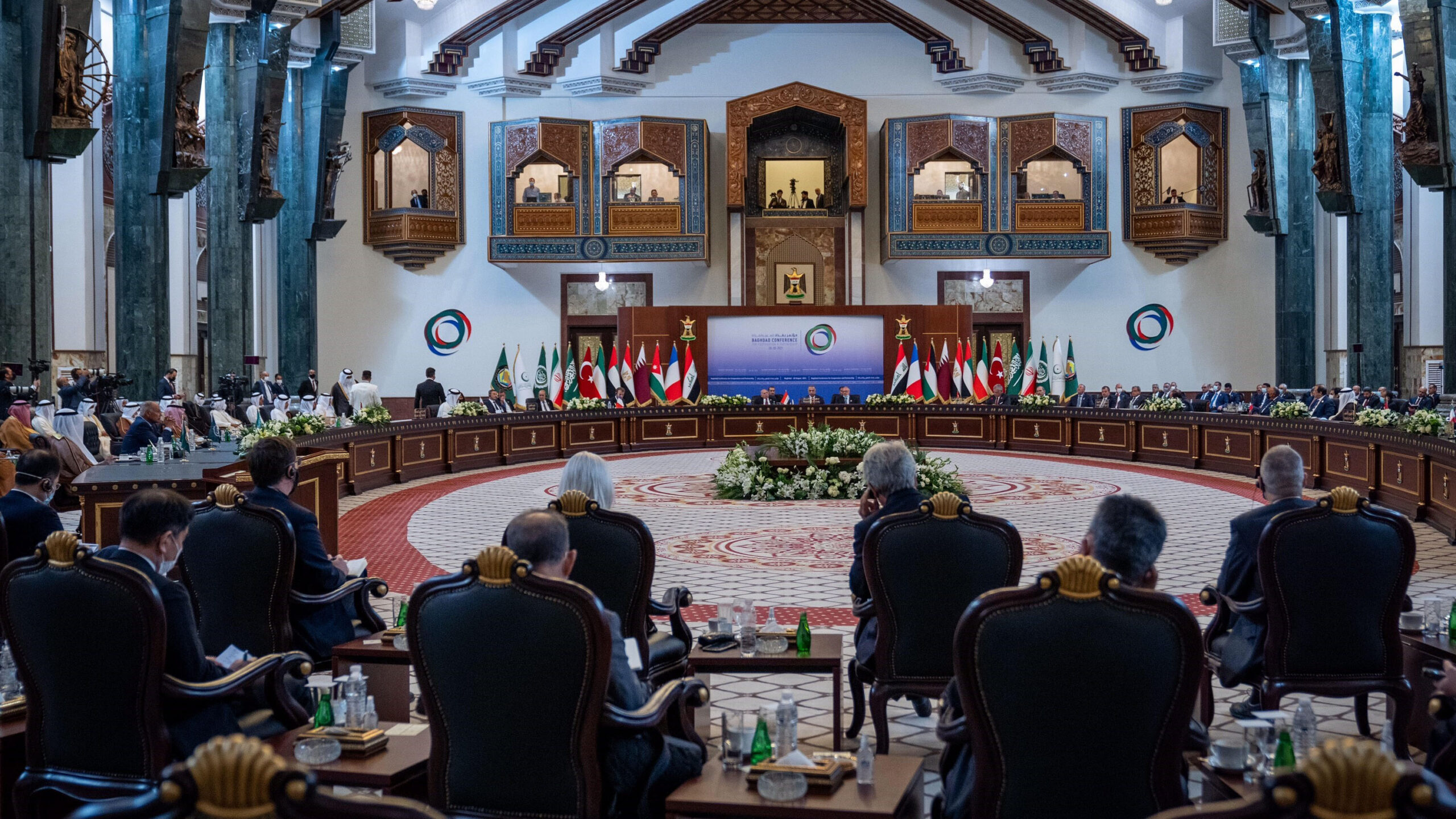
Iraq’s new geopolitics and the importance of regional engagement: A view from Brussels
Despite Iraq’s systemic and ongoing domestic instability, division, and foreign interference, there are fragile but hopeful signs of de-confliction and de-escalation. These include important efforts that a number of international actors as well as the government in Bagdad itself have been making to turn Iraq into a platform for regional engagement.
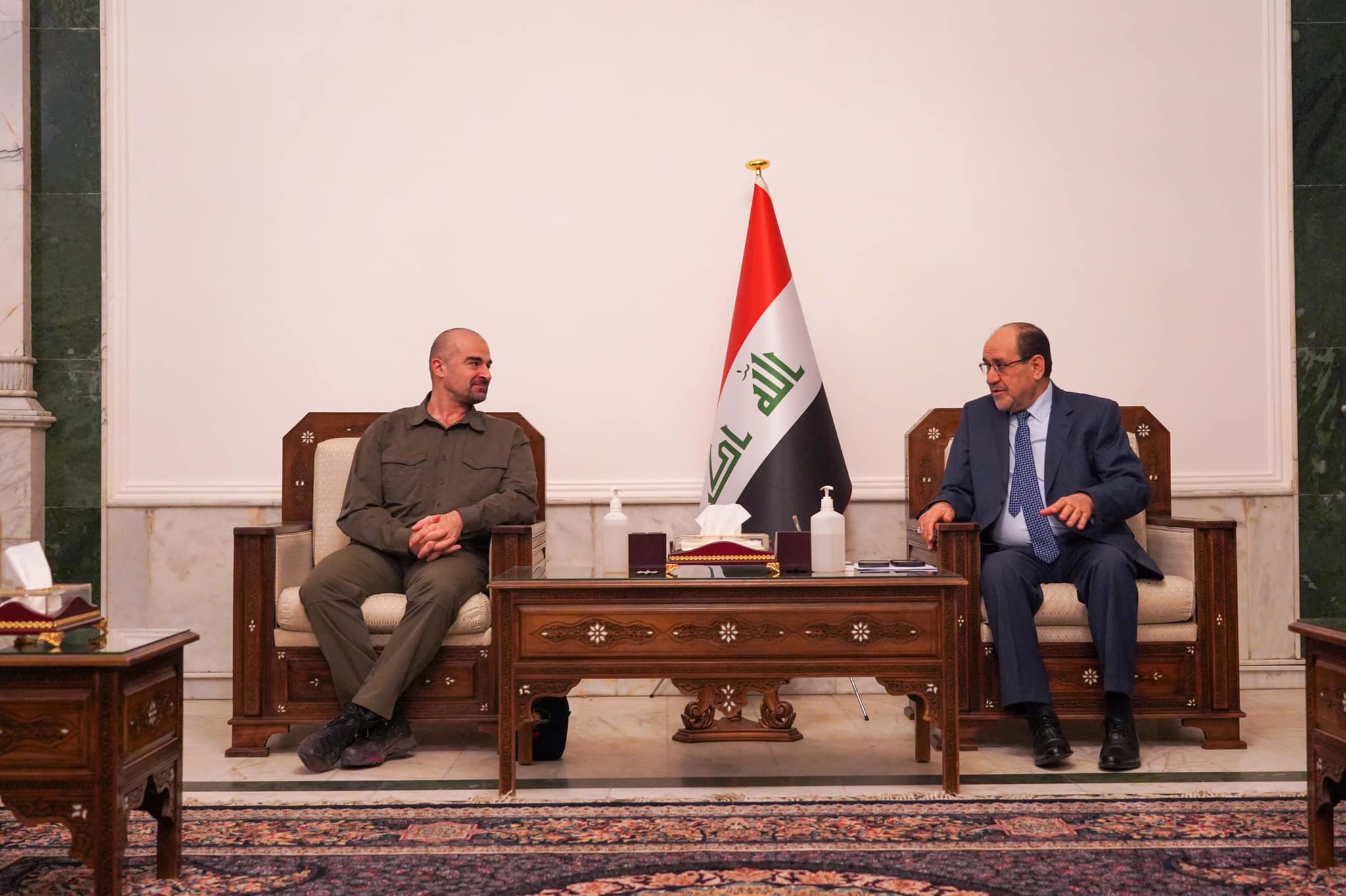
Bafel in Baghdad: Finding the contours of the PUK’s strategy in federal Iraq
Patriotic Union of Kurdistan leader Bafel Talabani is a frequent visitor to Baghdad, traveling to Iraq’s capital an estimated 35 times since the beginning of 2022 or more than once every two weeks on average. It is indicative of a deliberate strategy by the PUK to increase its activity within Iraq’s federal system, making it a priority, rather than merely an afterthought, to political affairs in the Kurdistan Region.
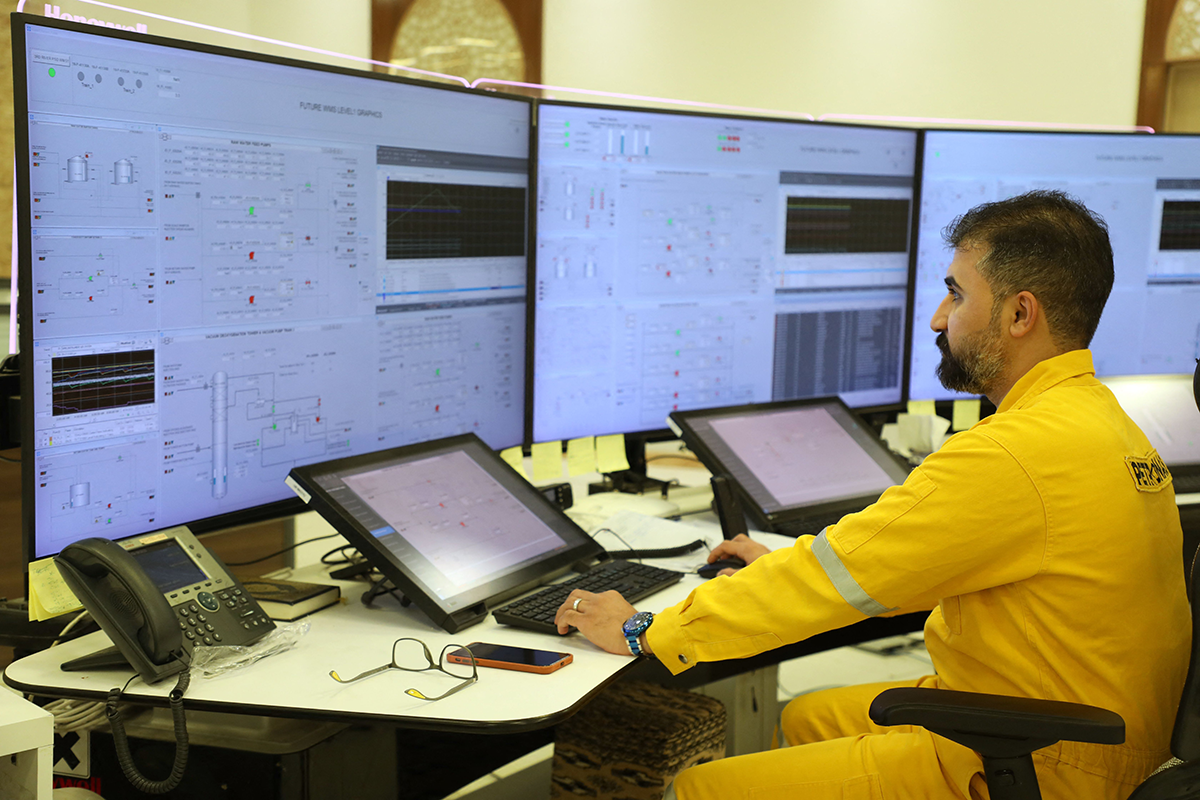
The next few decades will be crucial for Iraq and the KRG as global changes reshape the energy sector. The push for sustainable development, the Paris Agreement climate goals, and associated efforts in areas like renewable energy, climate change, and environmental protection will bring about a transition across the sector, affecting everything from employment and working patterns to governance.
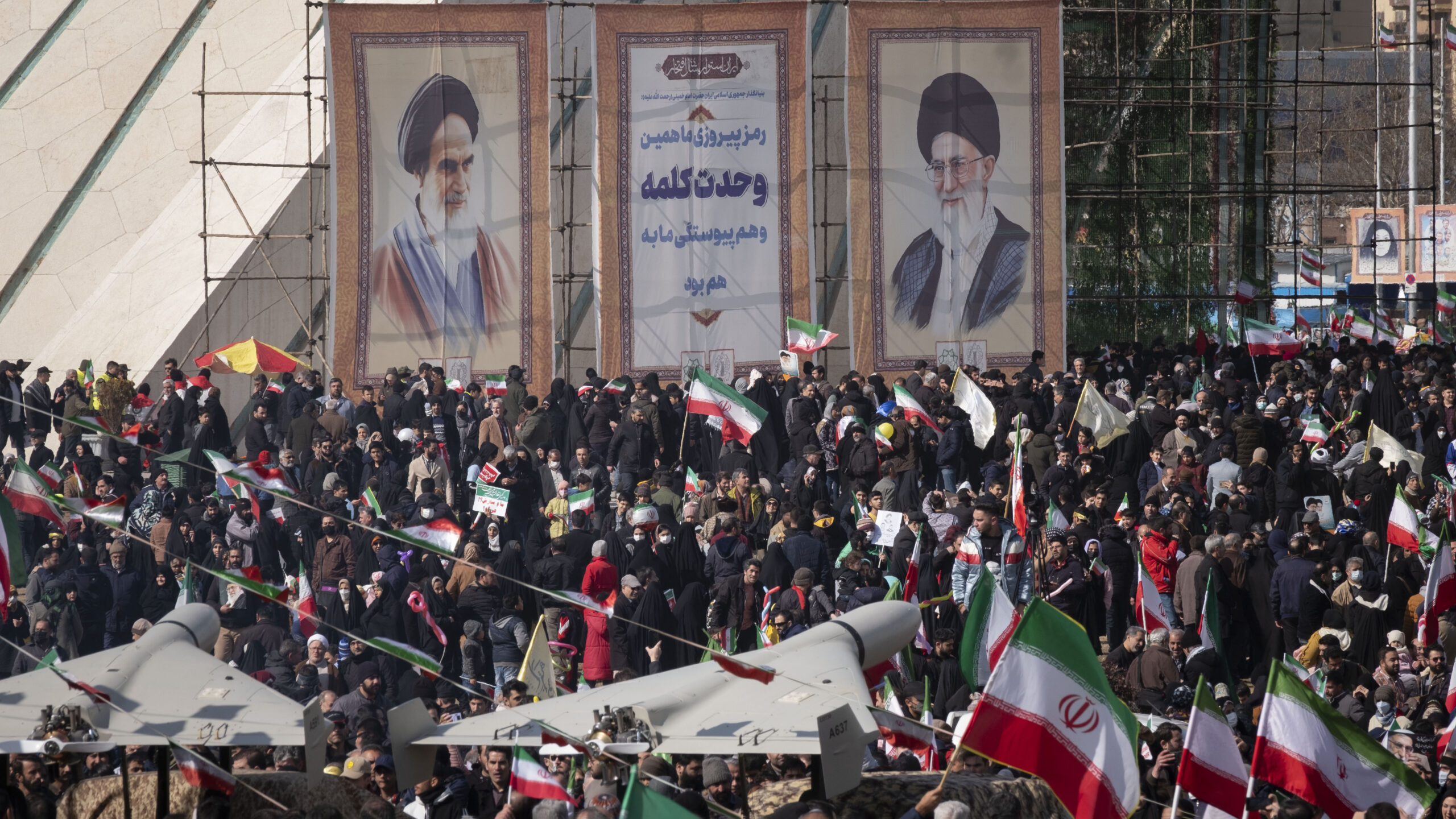
Iran’s Islamic Revolutionary Guard Corps Navy is converting two merchant container ships into vessels capable of carrying and launching combat drones against maritime or coastal targets. For now, Iran’s drone carriers are unlikely to pose a clear and present danger to the U.S., but they possess symbolic significance as a potential tool to defy American initiatives in the Middle East and respond to Israel’s attacks against Iran.
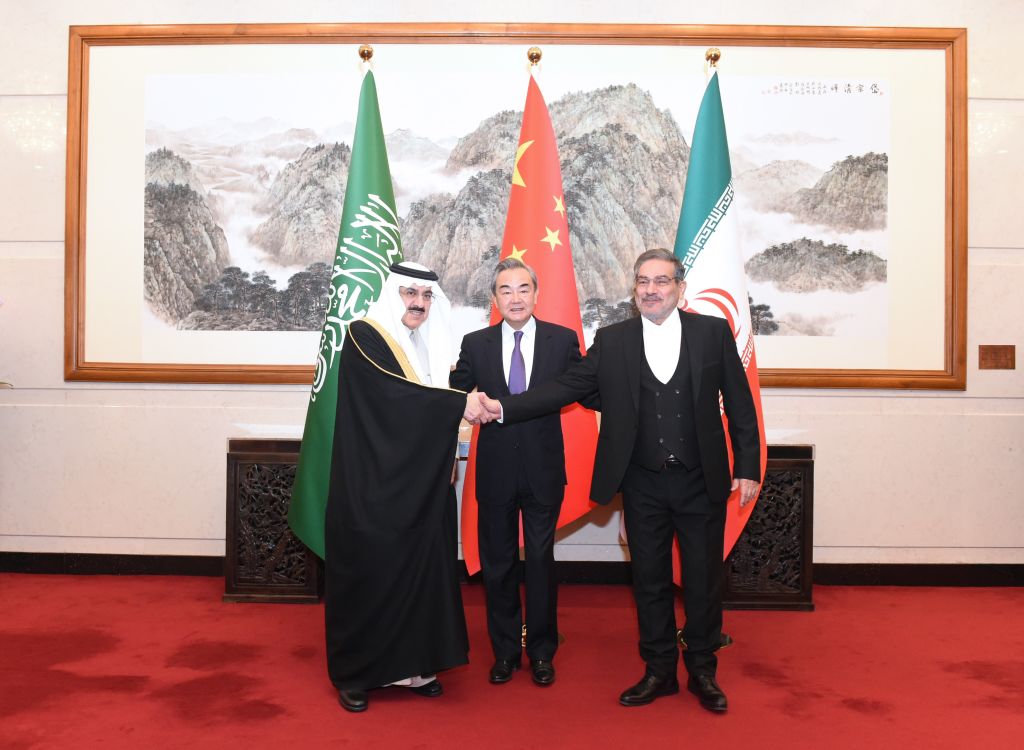
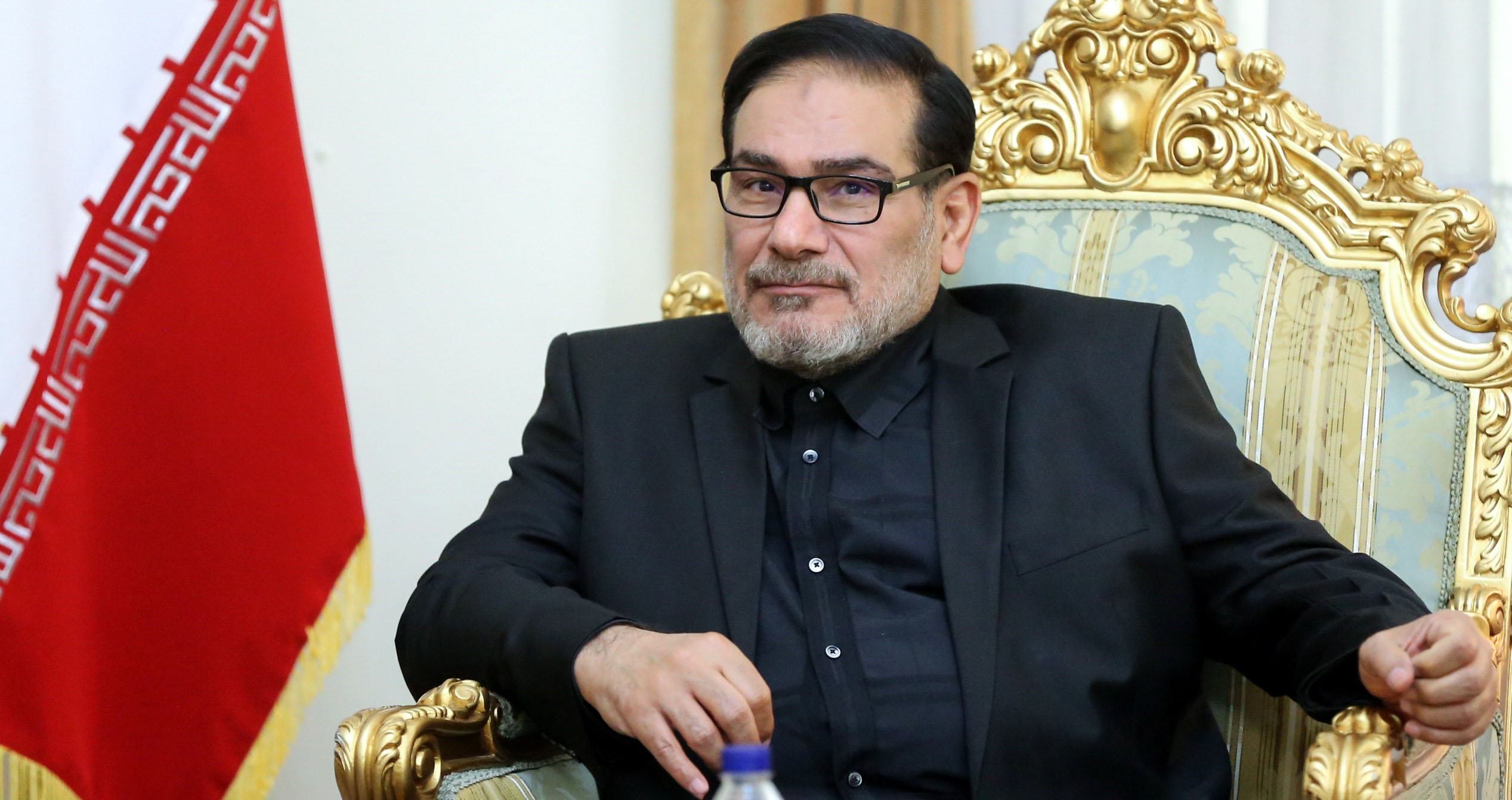
The race to replace Ali Shamkhani, Iran’s most palatable interlocutor with the West
Rear Admiral Ali Shamkhani has served for 10 years as secretary of the Supreme National Security Council, Iran’s top policymaking body in both domestic and foreign policy matters. A number of recent developments have aroused speculation that he could soon vacate his seat. Such a change would be an important signpost of how the Iranian establishment is posturing itself against the backdrop of continued revolutionary sentiment among significant segments of the population.
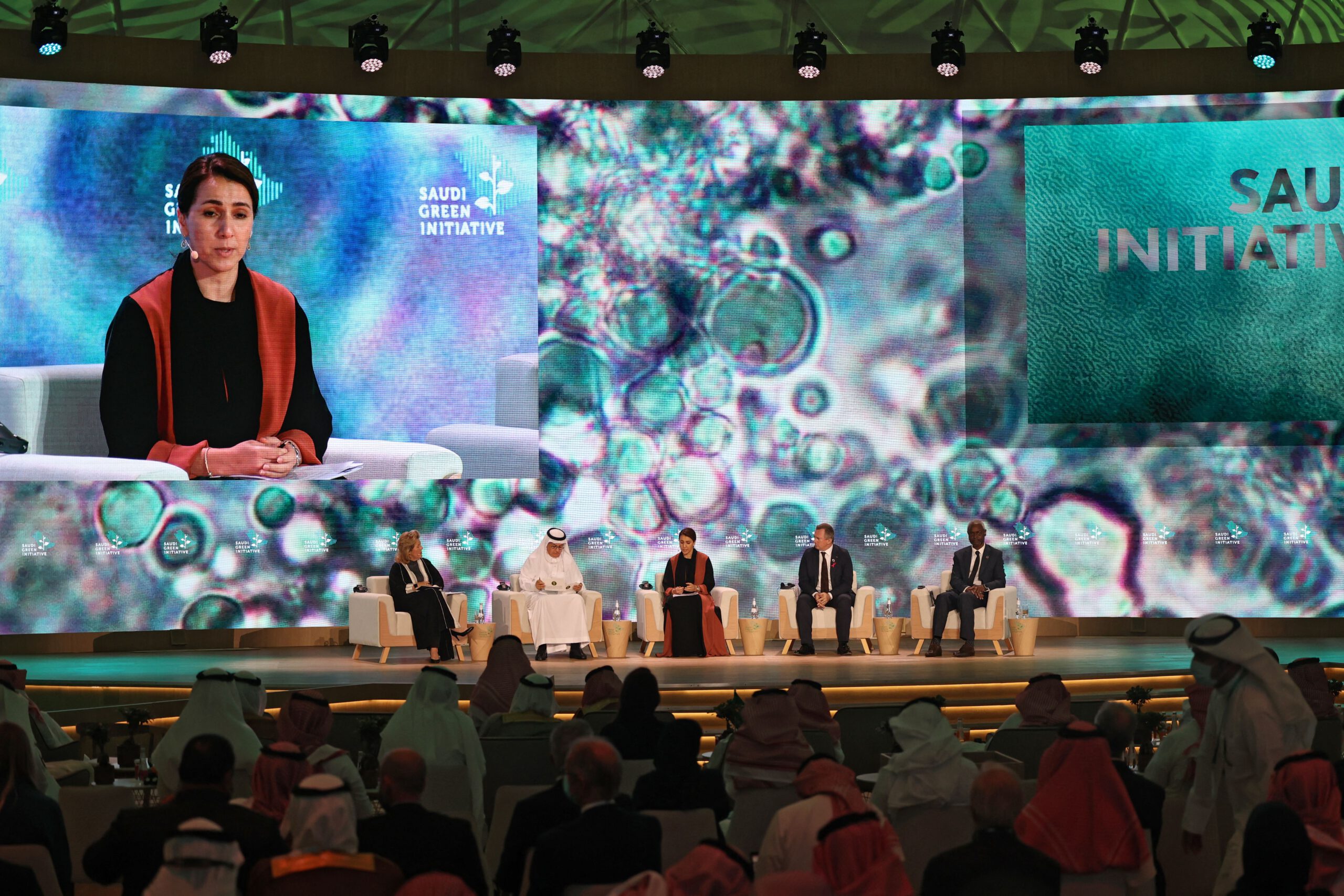
The Gulf Arab states, while major oil and gas producers, can play a significant role in supporting global efforts to achieve net-zero goals. They are not only endowed with great potential for renewable energy resources as well as some of the world’s lowest carbon content fuels, but also with, to varying extents, sizable financial resources. Yet, to unlock such huge potential, the Gulf Arab states will need to systematically identify and address the various challenges in their path to net zero.
The traditional 20th-century pillars of U.S.-Saudi bilateral relations are energy and security — a reflection of Cold War dynamics and the critical role that Saudi Arabia plays in the global economy as an energy superpower. Now, in 2023, Riyadh and Washington should think beyond energy to explore opportunities and address critical challenges in areas such as tech and cyber, which could ultimately cement their strategic relations for the 21st century.
Under pressure: Houthis target Yemeni government with economic warfare
Even as the Iran-backed Houthi rebels pursue back-channel talks with Saudi Arabia as Riyadh looks for a major de-escalation in the coming weeks, they have also been ratcheting up the pressure on the internationally recognized Republic of Yemen Government. The Houthis’ strikes on government-controlled critical infrastructure exhibit the same strategic use of Iranian-supported non-conventional warfare tactics seen in their previous cross-border attacks into Saudi Arabia and the United Arab Emirates.
Russia's Influence in MENA After a Year of War in Ukraine
MEI Managing Editor Matthew Czekaj speaks with scholars Iulia-Sabina Joja, Alex Vatanka, Yörük Işık, Charles Lister, and Roger Kangas on Russia’s current standing in the Middle East a year since re-invading Ukraine.
How has Russian aggression in Ukraine redrawn Moscow’s relationships in the MENA region? And as the Middle East increasingly becomes a key area of global great power competition, is Russia still a meaningful player there, politically, economically, militarily, and diplomatically?
The dilemma of public sector salary payments in Yemen
Amid international efforts to resurrect the fragile peace in Yemen, the Iran-backed Houthi militia is imposing stringent conditions for their return to the negotiating table, demanding that state payments of civil servant salaries also go to their militia members and loyalists through direct deposits, which would bolster both their forces and their transnational allies. While the need to compensate Yemeni civil servants is undeniable, the Houthis’ self-serving demands threaten to undermine any progress toward a lasting peace.
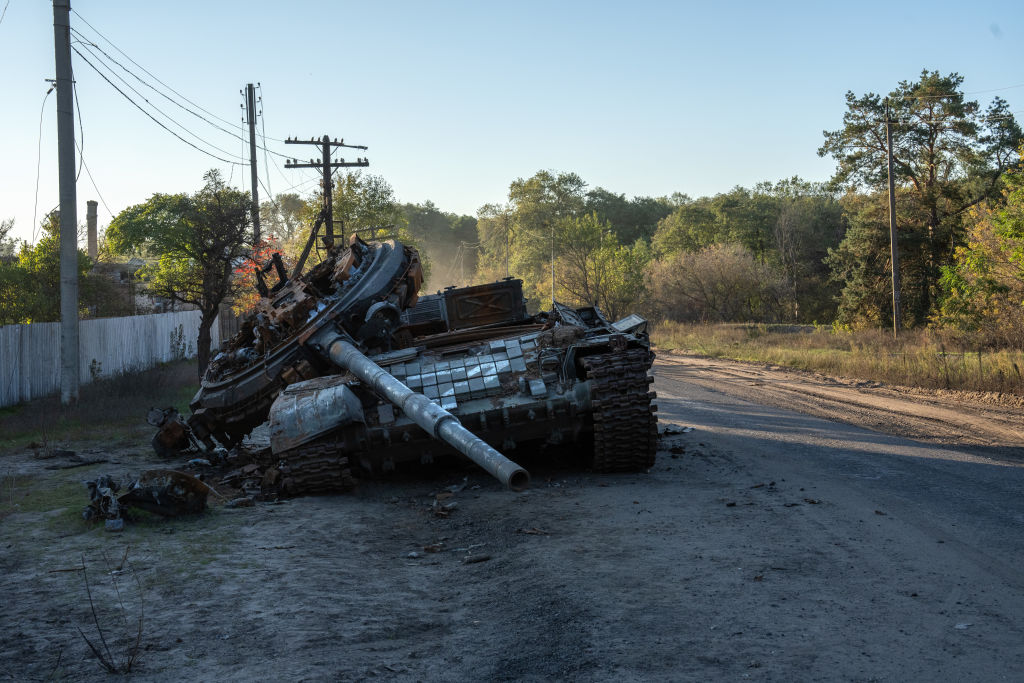
Challenges of mechanized and combined arms warfare: Lessons for Ukraine from Syria and Iraq
The difficulty of quickly providing mechanized and armored equipment to Ukraine, training Ukraine to employ this equipment in combined arms operations, and ensuring Ukraine can maintain and sustain combat power should not be underestimated. As the examples of Turkey’s 2016 military operation in Syria and the U.S. operation in Fallujah in 2004 illustrate, dislodging Russia from its prepared defensive positions will be a daunting task for the Ukrainian Armed Forces.
As great power competition in the Middle East heats up, polling data shows a complex picture of popular attitudes
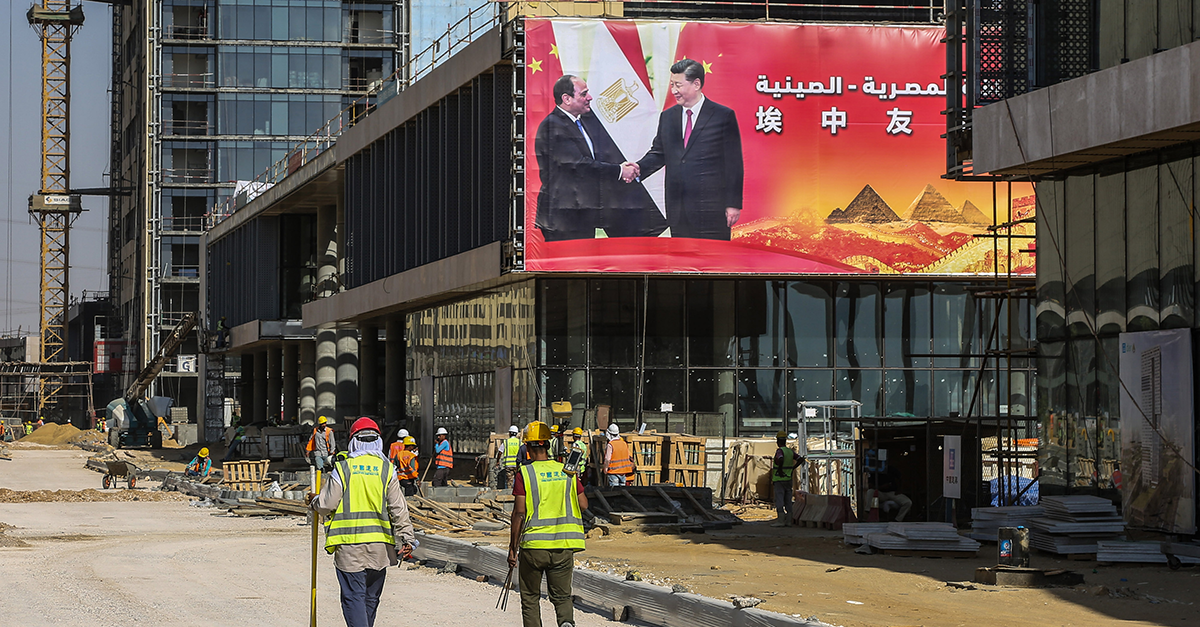
The Middle East and North Africa is one of the epicenters for what the U.S. has termed “great power competition” especially between the U.S. and China, although Russia also figures into the assessment. There is particular sensitivity to China’s perceived economic inroads into the region as it has surged to become its largest economic partner. Based on Arab Barometer’s Wave 7 raw favorability numbers, China’s increased presence in the region appears to have paid dividends in terms of its popular standing, especially in North Africa.
The oldest peer-reviewed publication dedicated to the study of the modern Middle East, MEI’s flagship journal covers politics, society, and culture in the region.