This text has been translated by AI and may contain errors.
Skip to Content
Iran’s Role in Arab Allies’ Underground Warfighting
  • Analysis
  • Iran’s Role in Arab Allies’ Underground Warfighting

    Hamas, Hizballah and Houthi tunnel networks resemble Iran’s underground missile cities. But their origins reveal a more complicated story of local necessity, Iranian assistance and military adaptation.

    Dr. Marwan Muasher: Has the Middle East Really Changed?
  • Podcast
  • Dr. Marwan Muasher: Has the Middle East Really Changed?

    Have October 7 and the Iran war remade the Middle East, or just made it more dangerous? In the first episode of Re-Orient, Gönül Tol puts that question to Dr. Marwan Muasher, Jordan’s former Deputy Prime Minister and Foreign Minister. Muasher draws on his extensive career to unpack the key issues driving today’s Middle East, from regional alignments to US influence, and offers insights on what has the potential to shape this volatile part of the world.

    In Iran, a Divided Regime Is Not a Paralyzed One
  • Analysis
  • In Iran, a Divided Regime Is Not a Paralyzed One

    President Donald Trump’s next move on Iran should follow from what he actually wants, and with his legacy at stake, the choice matters. If the ultimate goal is regime change through internal collapse, the logic points to a long squeeze: tighter enforcement of the economic blockade and periodic military strikes to limit Iranian actions in the Strait of Hormuz, a campaign that might outlast his presidency. Whether by design or by drift, that is roughly the course Washington is on today.

    Featured Experts

    Filter by
    4590 Results
    What could environmental cooperation between Iran and the GCC look like?
  • Analysis
  • What could environmental cooperation between Iran and the GCC look like?

    The Persian Gulf states are among the most vulnerable on earth to the effects of climate change, which makes environmental cooperation necessary for their survival. Located in one of the hottest and driest parts of the planet, the region is vulnerable to extreme heat waves, dust storms, and water scarcity. All of these will increase in frequency and severity with further climate change. Protecting the natural environment of the region is not just an ecological concern, but a security one as well. Unmitagated climate change could spur conflict over limited resources and produce waves of migrants. While the future may seem bleak, environmental cooperation also presents a unique opportunity for improving the relationship between the Gulf Cooperation Council (GCC) states and Iran. Successes from cooperation on essential environmental issues could be the start of a more general rapprochement.

    December 10, 2020

    Art in Isolation
    Middle East Institute
  • Podcast
  • Art in Isolation

    Artists Asim Ahmed, Reem Aljeally, and Jamila Rizgalla join guest host Lyne Sneige to discuss the challenges facing artists across the region during the global pandemic. Their works are featured in MEI’s first ever open call exhibition, titled “Art in Isolation: Creativity in the Time of Covid-19,” which is on display at the MEI Art Gallery until January 29. The pieces can also be viewed and are for sale online.

    December 9, 2020

    A recipe for intolerance: Iran’s blueprint for cracking down on Christians
    Photo by ATTA KENARE/AFP via Getty Images
  • Analysis
  • A recipe for intolerance: Iran’s blueprint for cracking down on Christians

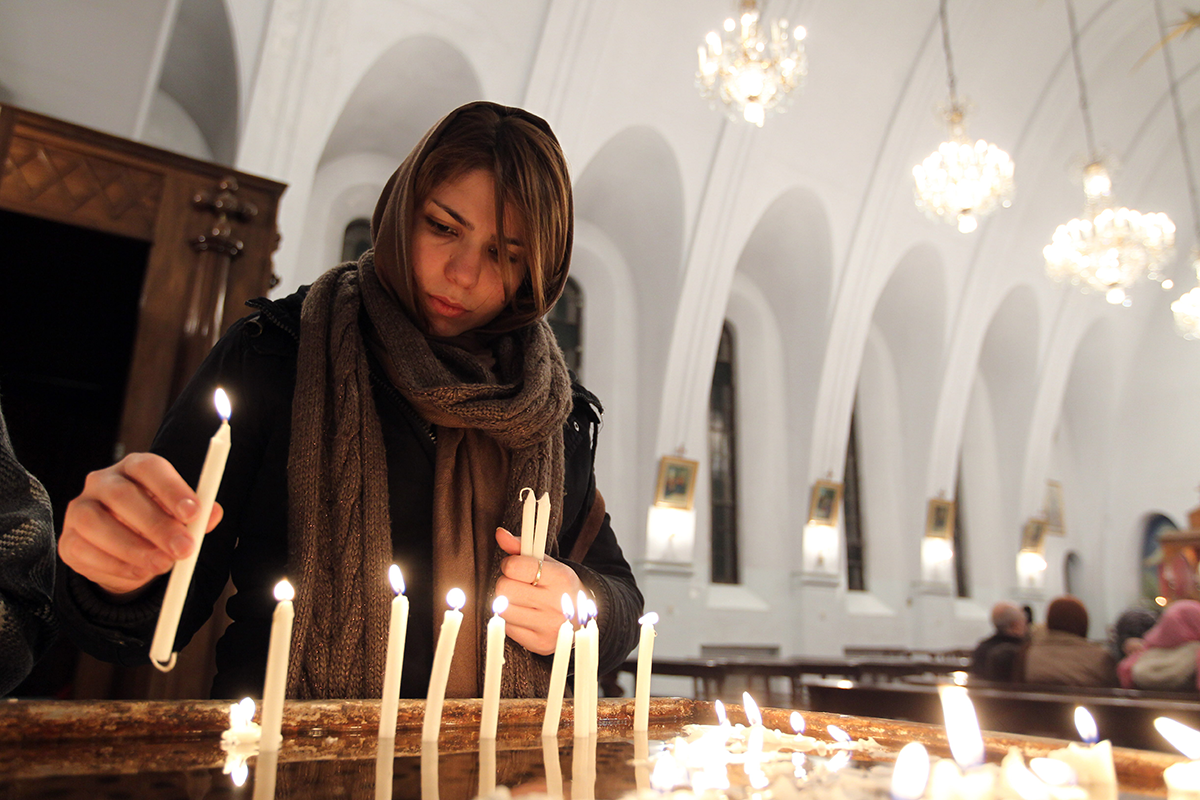
    the reality of life for religious minorities in the Islamic Republic of Iran has proven very different, as many Iranians will attest, regardless of their political or religious viewpoints. One recent illustration is the 80 lashes given to two Christian converts in the past two months for drinking wine as part of Holy Communion. One of these converts is currently serving a six-year prison sentence; the other is in internal exile, having already spent two years in prison. The charge against them? “Acting against national security by establishing house-churches and promoting ‘Zionist’ Christianity.” In the regime’s eyes, these converts, and all others like them — a recent survey suggests there may be as many as 1 million — are no Christians. They are erring Muslims. So any punishment is justified.And in spite of what regime figures like to say about the “tolerance” of the Islamic Republic, from the early days of the revolution — as soon as they were firmly in power — the ayatollahs began a crackdown on civil and religious liberties.

    December 9, 2020

    The Middle East and American Democracy’s Near-Death Experience
  • Commentary
  • The Middle East and American Democracy’s Near-Death Experience

    The fascination with the peaceful removal of leaders by a simple vote in the United States has always contrasted painfully with the inability of most Middle Eastern populations to do the same.

    December 8, 2020

    Iraq’s Fragile State in the Time of Covid-19
    Photo by AHMAD AL-RUBAYE / AFP) (Photo by AHMAD AL-RUBAYE/AFP via Getty Images)
  • Analysis
  • Iraq’s Fragile State in the Time of Covid-19

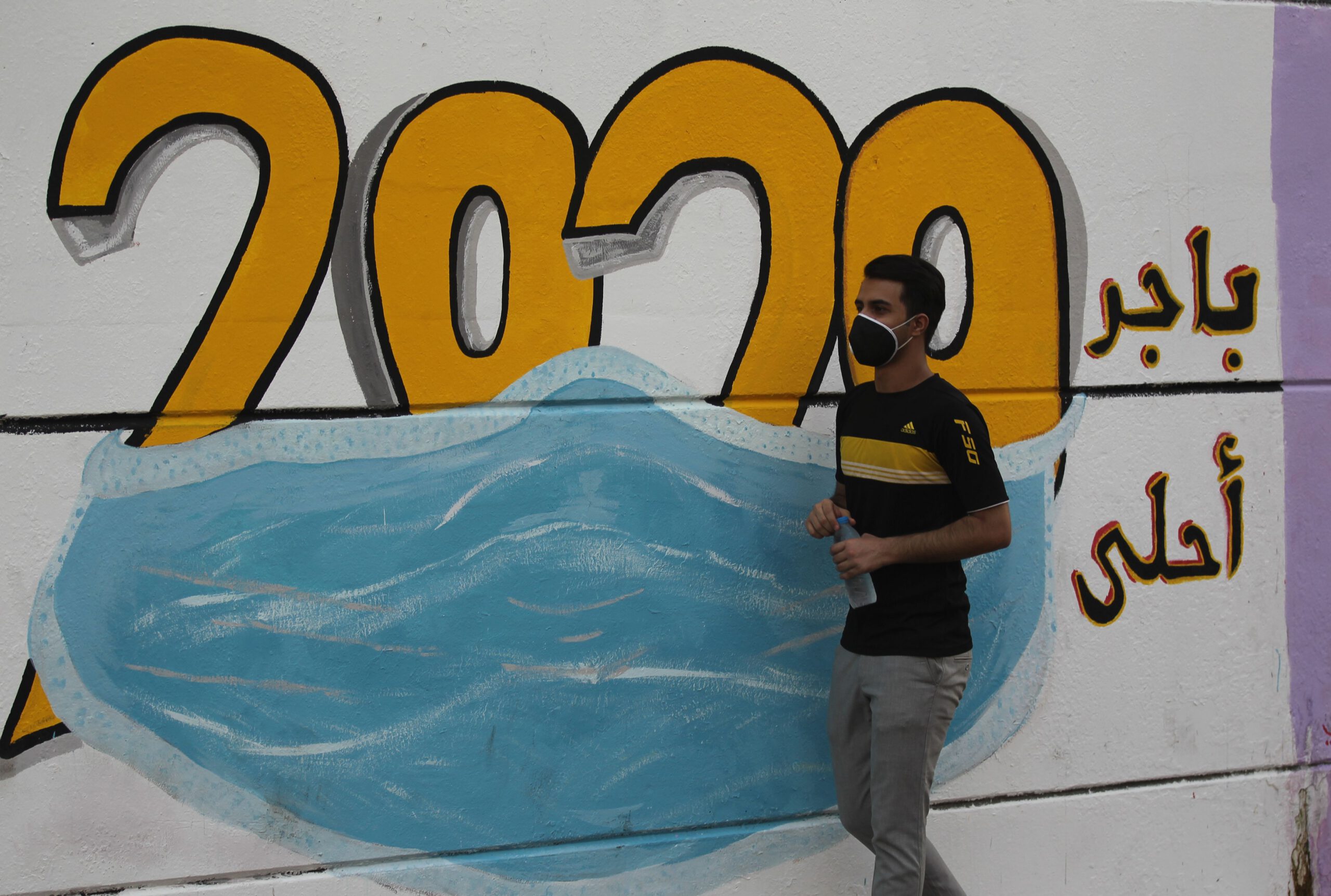
    Iraqi authorities have taken a series of preventative and remedial measures to deal with the pandemic and its second order effects. However, since early June, the number of positive COVID cases has soared, while job losses and rising prices have caused the national poverty rate to climb. Three overlapping segments of the Iraqi population — the forcibly displaced, women, and children — have been hit especially hard by the public health and socioeconomic impacts of COVID-19.

    Special Briefing: The Trump administration’s potential last-minute Middle East policy moves
  • Commentary
  • Special Briefing: The Trump administration’s potential last-minute Middle East policy moves

    From Israel/Palestine and Lebanon to Iran and Afghanistan, there are a number of areas where the Trump administration may make policy moves before leaving office on Jan. 20. Experts from across MEI weigh in with their thoughts on what to watch out for over the next seven weeks.

    December 3, 2020

    DIY futures in the Middle East: What if small got bigger?
    Photo by Marwan Naamani/picture alliance via Getty Images
  • Analysis
  • DIY futures in the Middle East: What if small got bigger?

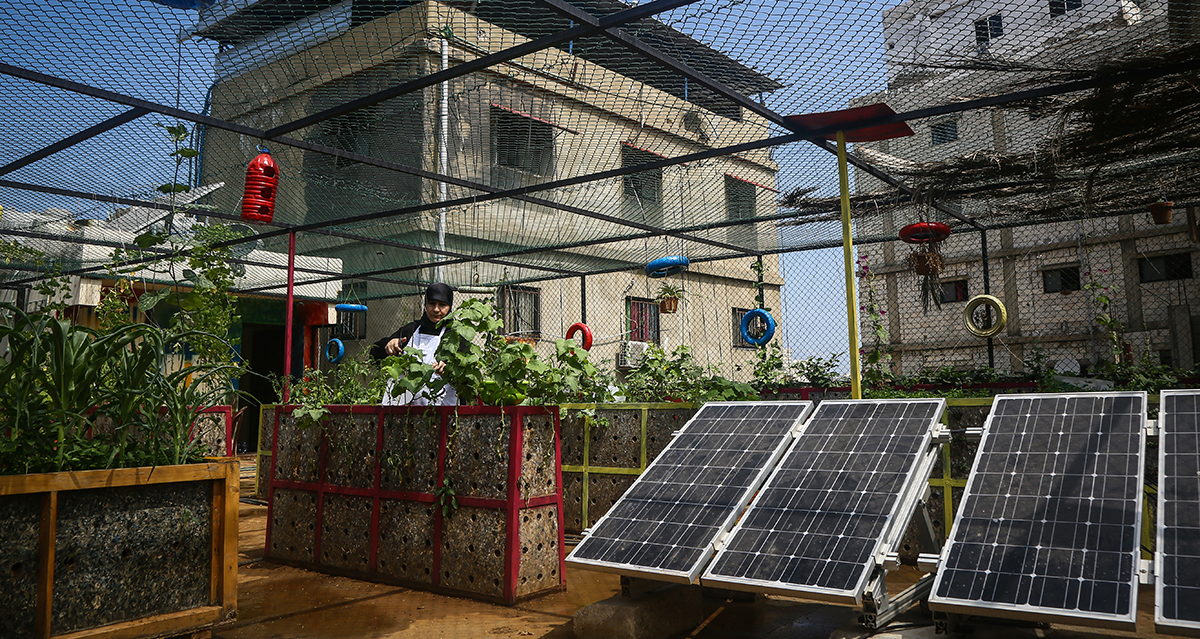
    It’s difficult to look at the Middle East and consider its future optimistically. Much of the analysis of the region centers on crisis and collapse. There is plenty of both, fueled by wars and civil conflicts, poverty, extremism, and more. Given the human toll, focusing on all this is natural. It is also necessary if solutions to deeply rooted problems are ever to be developed, leading to a better future.A related risk is becoming blinded to “weak signals” — early indicators of what could become features of potential alternative futures. Weak signals are developments that are emerging outside the dominant norms and trends of today. In the Middle East, probably the most dominant norm is the inability of governments throughout the region to provide security and prosperity for their citizens. The COVID-19 pandemic is making this even more apparent, and markedly worse. It is not just the obvious failed states — as Steven Cook recently observed, “sometimes state failure is a more chronic condition.” But in the midst of this — and fueled by it — there is evidence of activities at the local level to create what is missing. Could these be signals of a future different than the one it is so easy to expect for the region?

    December 1, 2020

    Deeds matter most
    Photo by AFP via Getty Images
  • Analysis
  • Deeds matter most

    “Deeds matter most” was the official diplomatic response to Joe Biden’s election from the Islamic Republic’s foreign minister, Javad Zarif. It came in the form of an early morning Tweet, an appropriate medium given the new political norm established in recent years. The statement read like one from a career diplomat urging “dignity, interest, and responsible diplomacy,” based not on empty rhetoric, but on actions — measurable steps that would demonstrate each side’s commitment to “multilateralism, cooperation, respect for law …” Yet the tweet’s author, Mr. Zarif, has a history of practicing the age-old political principle of “do as I say, not as I do.” Indeed, when it comes to U.S.-Iran relations, the month of November is the perfect time to assess each side’s deeds in this decades-old conflict. Bombastic rhetoric has been a hallmark of this rancorous relationship since Islamic revolutionaries stormed America’s embassy in Tehran in early November 41 years ago. Yet for all the regime’s bluster, including slogans like “Death to America,” its deeds, especially toward Iranians, speak much more loudly.


    November 30, 2020

    US-Gulf relations and the Biden administration
    Middle East Institute
  • Podcast
  • US-Gulf relations and the Biden administration

    Elana DeLozier and Jerry Feierstein join host Alistair Taylor to discuss prospects for US-Gulf relations and regional policy under the Biden presidency.

    November 25, 2020

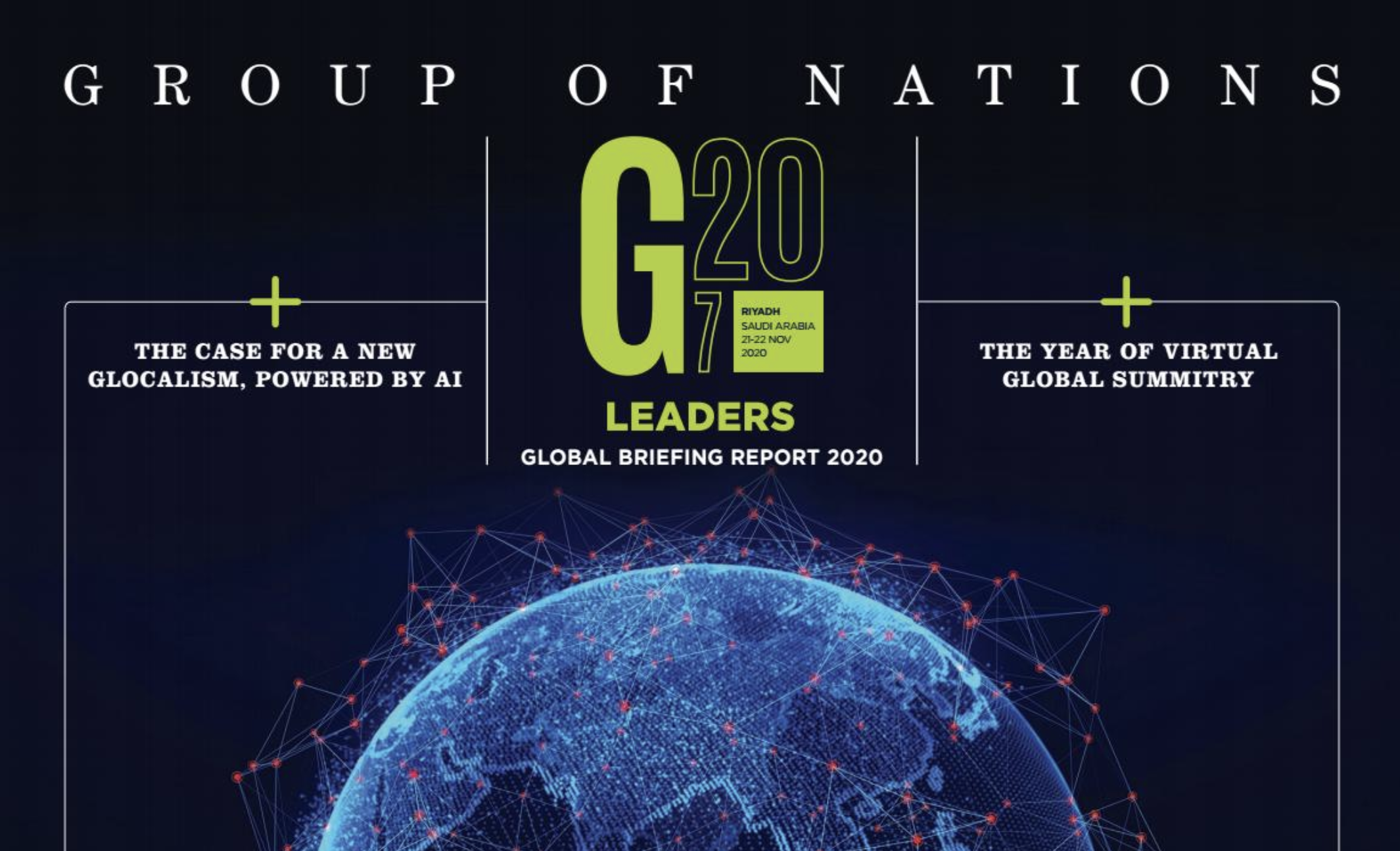
    A virtual G20 summit underscores this importance of this year's agenda
  • Commentary
  • A virtual G20 summit underscores this importance of this year's agenda

    This year, the G20 summit will be held virtually. As a result, the world will be deprived of the customary images that surround these events… the group photos, the glittering halls wither flag-festooned conference tables, the luxurious surroundings where the world’s most powerful political leaders gather to bread bread and discuss the critical issues of the day over lavish banquets.

    November 23, 2020

    What Biden’s election means for Hezbollah
    Photo by Kaveh Kazemi/Getty Images
  • Analysis
  • What Biden’s election means for Hezbollah

    Despite fresh comments from Hezbollah’s leader Hassan Nasrallah that Joe Biden’s victory in the U.S. elections would not dramatically alter America’s pro-Israeli foreign policy in the Middle East, Hezbollah appears largely optimistic of its future under the new administration. The Party of God seems wary of the next few months, however, until President Donald Trump leaves the White House in January. While Hezbollah will certainly benefit from a reboot in diplomatic relations between the U.S and Iran, which could translate into much-needed liquidity for the organization and a strengthening of its internal position, it still faces numerous domestic challenges that money alone cannot solve.

    November 19, 2020

    Read the Middle East Journal

    The oldest peer-reviewed publication dedicated to the study of the modern Middle East, MEI’s flagship journal covers politics, society, and culture in the region.