Jordan’s Economy Weathers Iran War’s Shocks and Finds New Opportunities
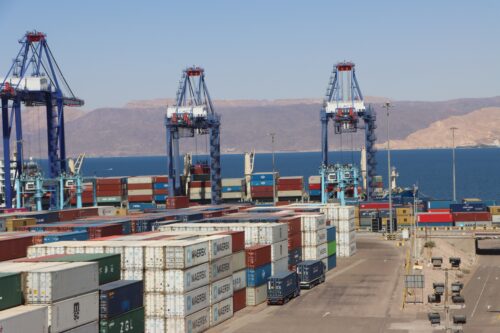
In the summer of 2003, King Abdullah II told Bloomberg Jordan sits “between Iraq and a hard place,” a play on words designed to describe the kingdom’s challenging environment to an American audience amid the US-led Iraq war to the east and the lingering Palestinian-Israeli conflict to the west. Jordan is grappling with a much “harder place” today.
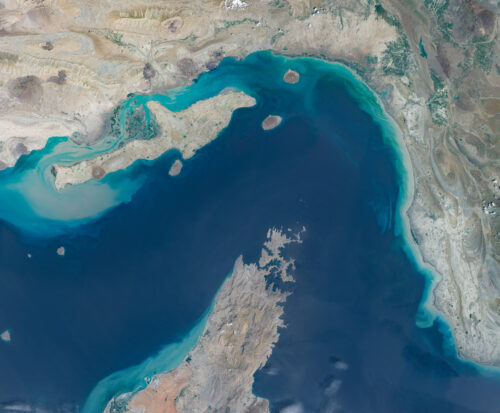
Proponents of the war with Iran have taken recent increases in crude-oil flows through the Strait of Hormuz as proof that the US strategy is finally working. President Trump is so confident in this that he recently rejected a seven-day plan, set forward by Iran’s foreign ministry, to end the war and open the strait. The United States is “winning tremendously,” Trump boasted.
Special Episode: Saudi Oil After the East-West Pipeline Attack
Saudi Arabia’s East-West pipeline is back in operation after a drone attack from Iraq, blamed on Iran-backed militias, shut it down for nearly two weeks. The pipeline is the kingdom’s main way to export oil while the Strait of Hormuz is closed, so the shutdown dealt another blow to global energy markets. How vulnerable is this route, and what does that mean for the kingdom and the world economy? This episode of Middle East Focus features a recent MEI Virtual Briefing in which Director of Communications Zeina Al-Shaib is joined by MEI Senior Fellow Colby Connelly and MEI Affiliate Yesar Al-Maleki. They examine the new geopolitical risks facing the oil market, what further losses of global supply could mean for Saudi Arabia and the world economy, and which buffers outside the Persian Gulf could ease the pressure.
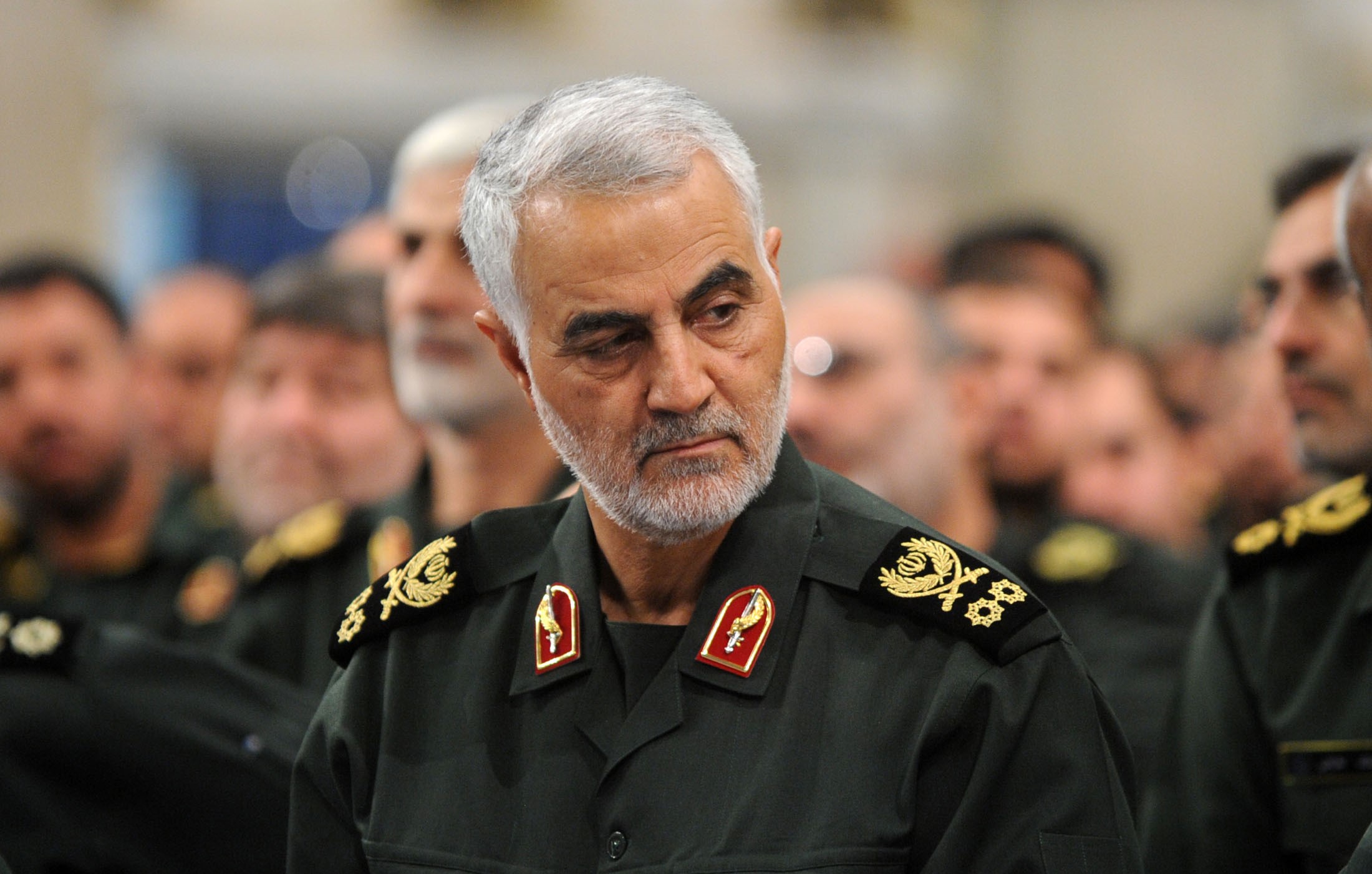
Soleimani's killing: A turning point, but not necessarily a prelude to war
No one in Tehran can now afford to test the limits of Donald Trump’s unpredictability. He is the man who for years lamented American interventions in the Middle East only to shock the Iranians by killing the leading symbol of Iran’s regional agenda.
In our annual year in review episode, MEI experts Paul Salem, Gonul Tol, Charles Lister, Alex Vatanka, Marvin Weinbaum, and Mirette Mabrouk sit with host Alistair Taylor to discuss the key events across the region in 2019, what surprised them, and where things stand as we head into 2020.
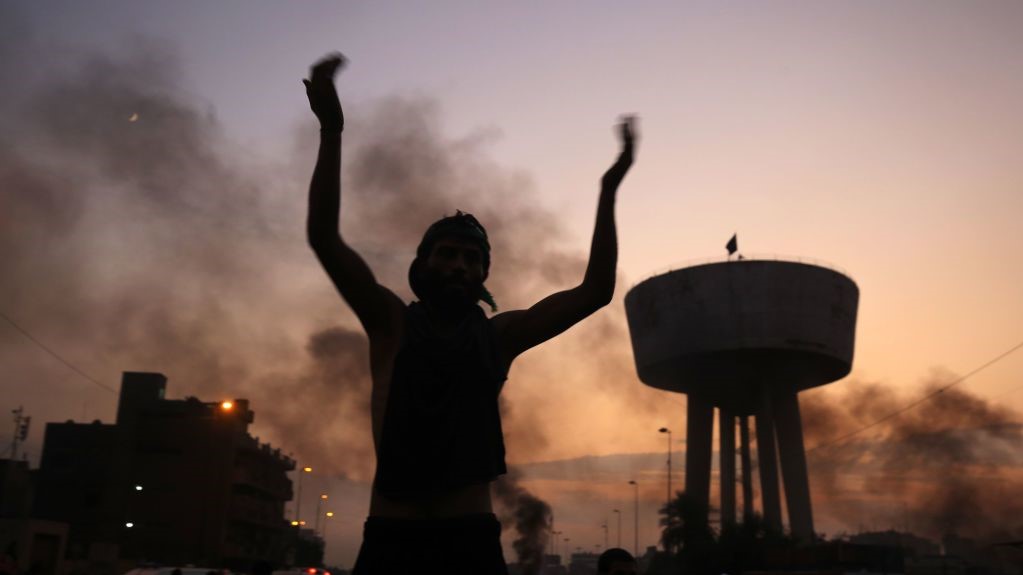
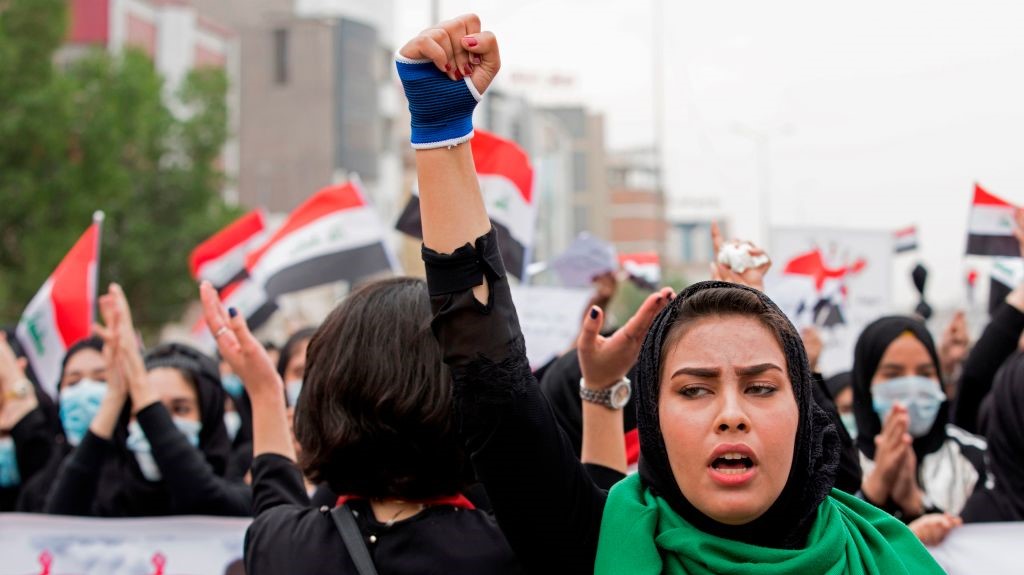
The three uprisings in Iran, Iraq, and Lebanon represent the revolt of a new generation seeking to build a better future for itself. Since 2011, there have been 11 uprisings in the Middle East and North Africa. All 11 uprisings have similar drivers: the explosive dysfunction of high demographic growth, low levels of economic development and job creation, poor government performance and services, and high levels of corruption and inequality.
The intra-GCC competition over the Palestinian heart
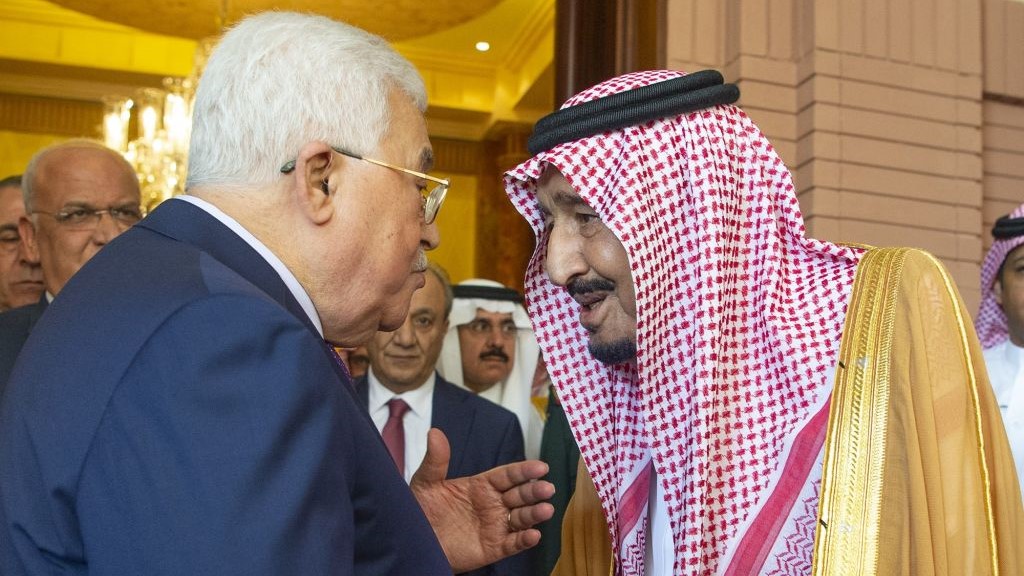
Since 2017 three separate blocs have emerged within the Gulf. Driven by the region’s divisions, rival power centers, and conflicting interests, the Gulf states are playing an ever-greater role in Palestinian affairs.
Caesar Bill could ratchet up US sanctions on the Syrian regime and its allies
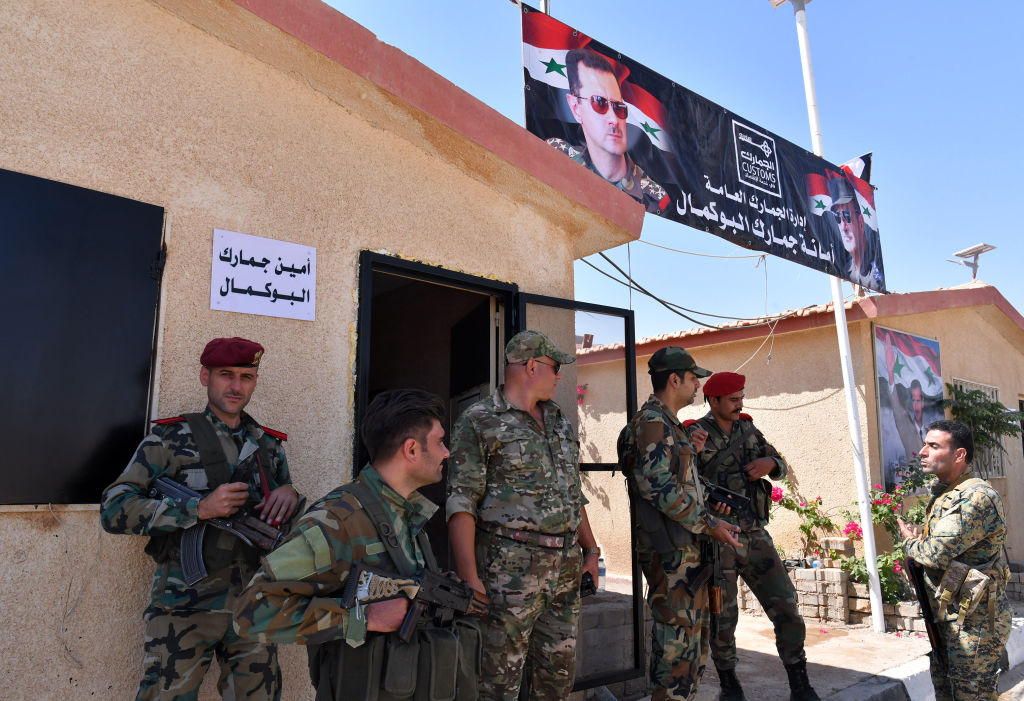
After several years of behind-the-scenes efforts, the Caesar Syria Civilian Protection Act will be signed into law in Washington. It is an extraordinarily expansive and aggressive piece of legislation, allowing for a significant expansion of sanctions against Syrian regime figures and bodies, including the Central Bank and multiple sectors of the state economy. More significantly, the “Caesar Bill” will place an expectation on the U.S. government to sanction any individual or organization anywhere in the world who provides any form of financial support to the Syrian regime that furthers its ability to repress its people.
Aspiring Powers, Regional Rivals: Turkey, Egypt, Saudi Arabia, and the New Middle East
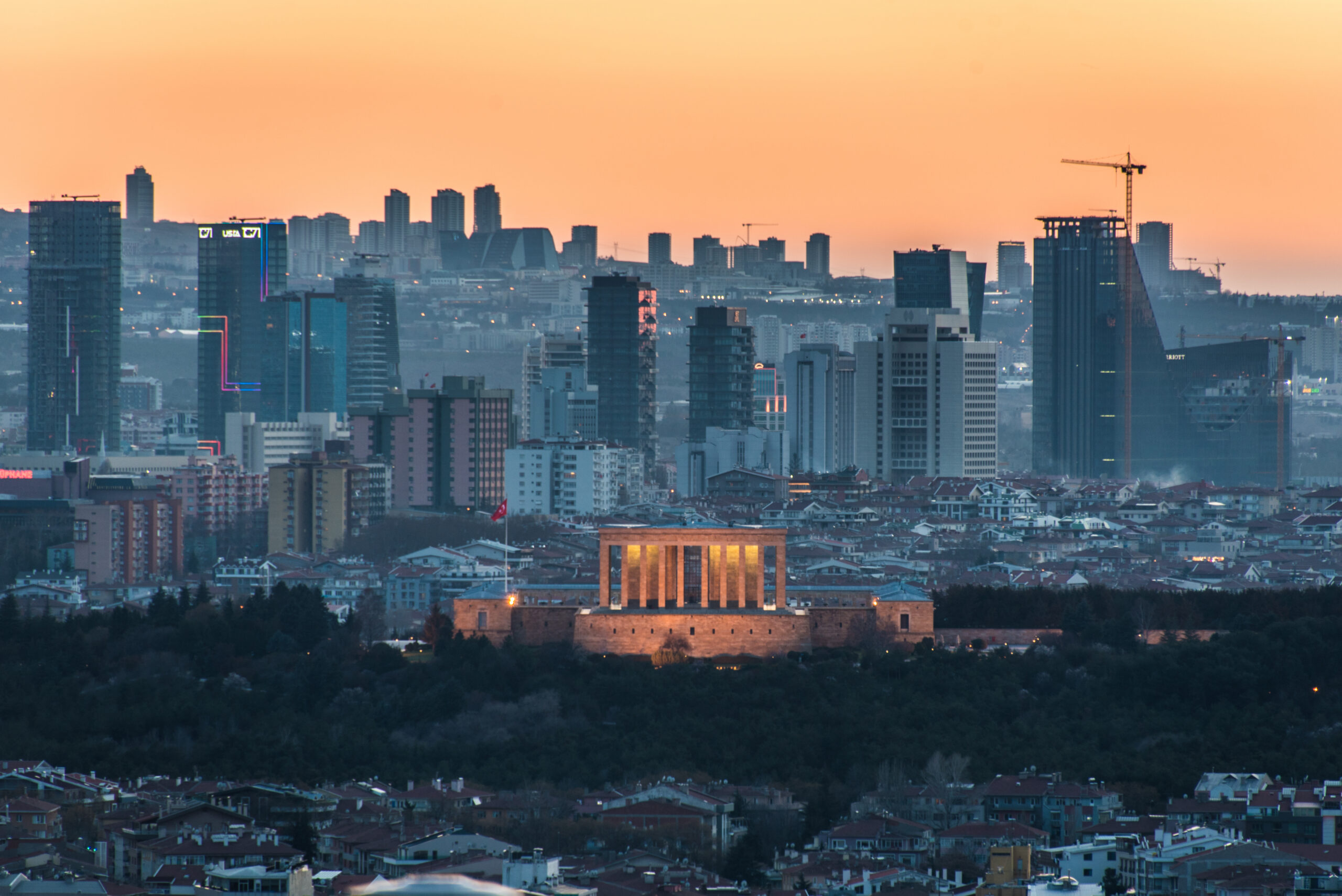
Aspiring Powers, Regional Rivals examines relations between Turkey, Egypt, and Saudi Arabia, three key aspiring regional powers that have sought to take on a growing role in the Middle East in recent years at a time of declining U.S. influence and involvement.
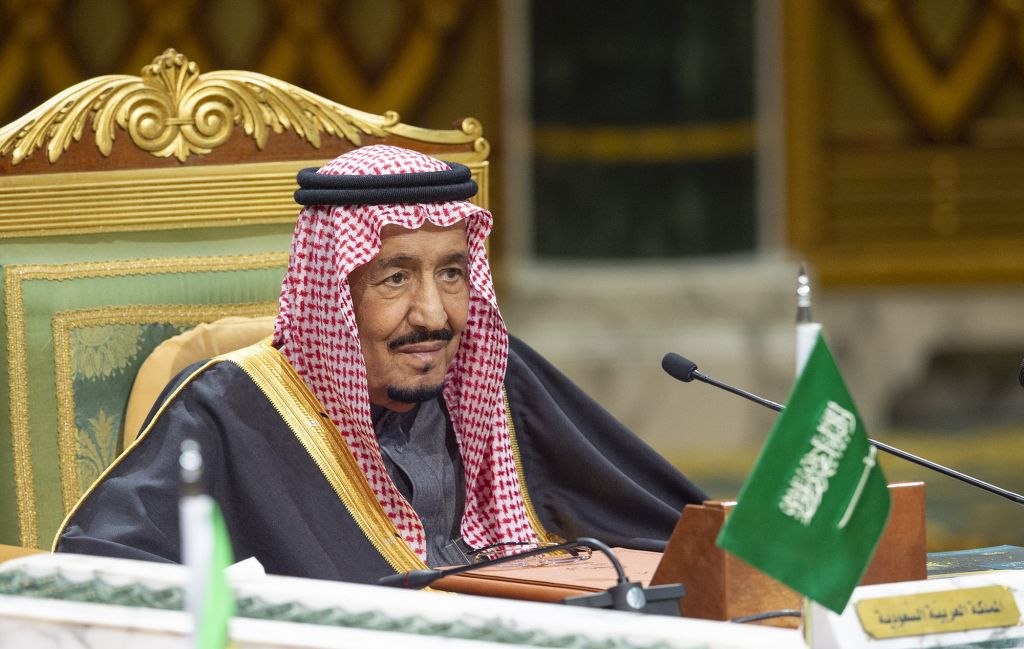
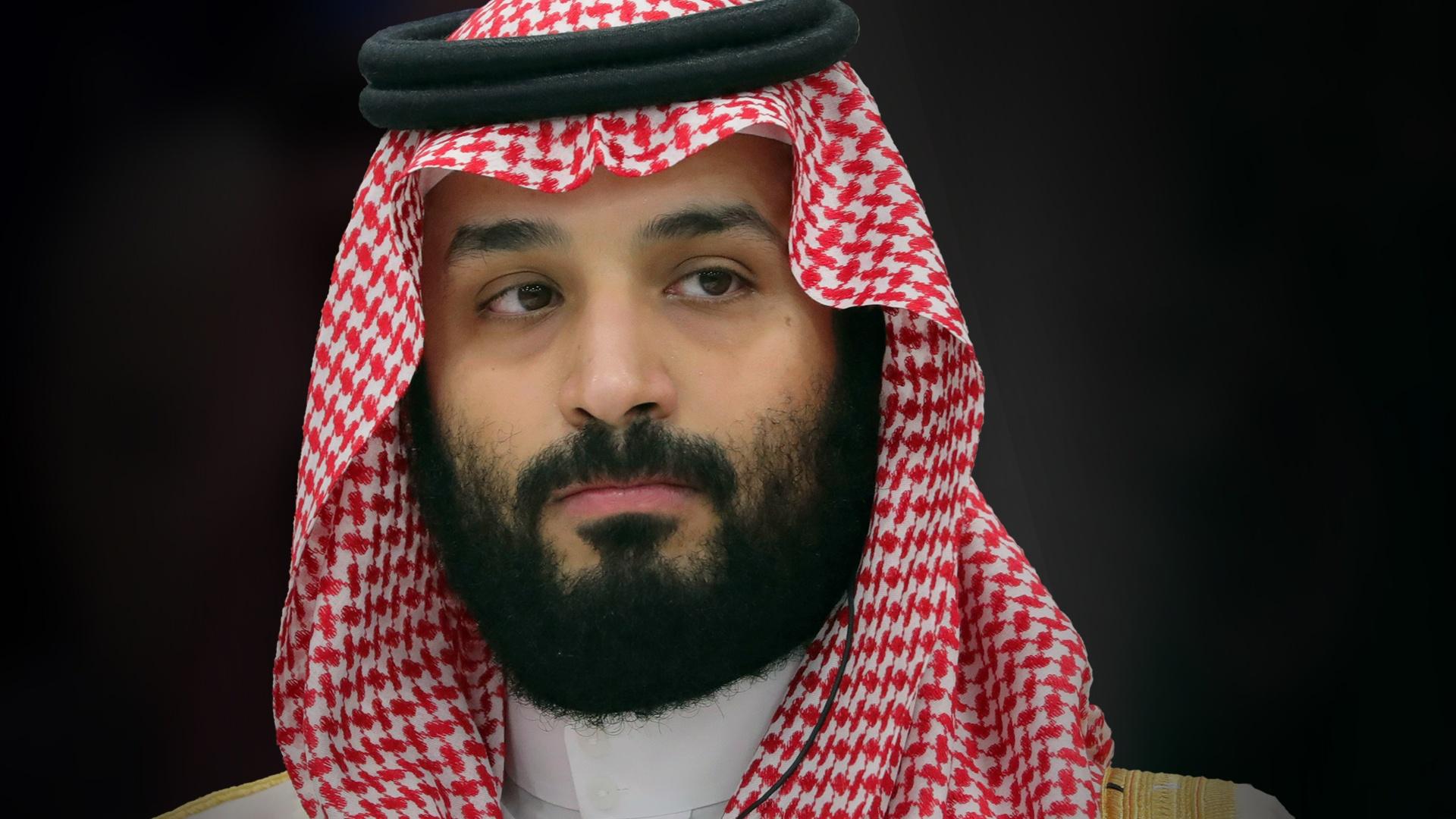
The steps the Saudis have taken in 2019 may help to ease international pressure on the kingdom’s leadership and restore its image as a constructive player in the world.
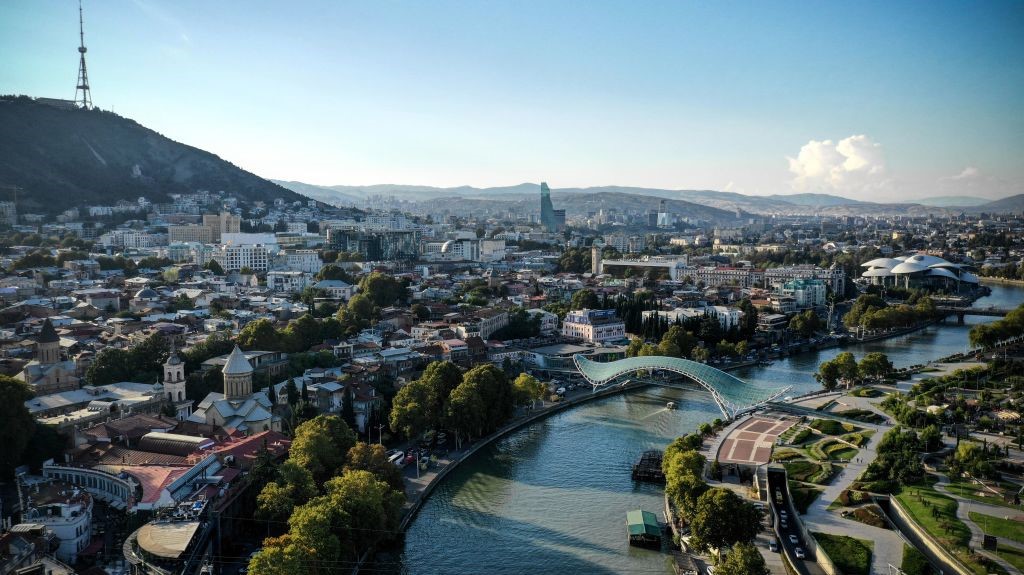
Given their territorial proximity, the regional actors of the Middle East have always had an interest in Georgia and the South Caucasus as a window to Europe. The collapse of the Soviet Union brought an end to Georgia’s isolation, and in the years since the country has gradually started reclaiming its historical role as a cultural and economic crossroads between Asia, the Middle East, and Europe.
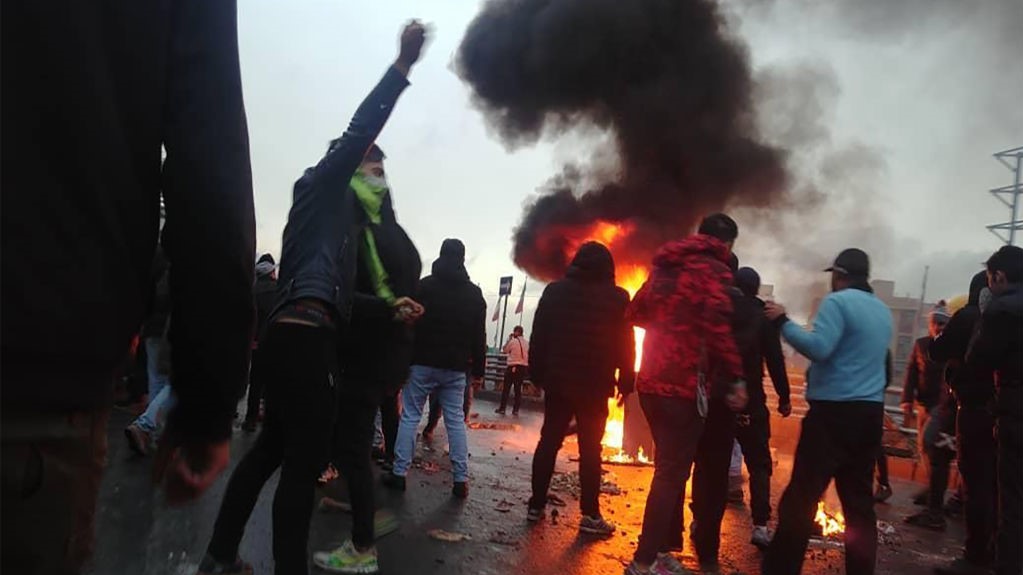
Researcher Mahsa Alimardani and MEI Cyber program director Mike Sexton join host Alistair Taylor to discuss the recent Iranian internet shutdown, its impact on protests and the nation’s economy, and what it means for the future of civil liberties in Iran and the wider region.
Upgrading Iran’s Military Doctrine: An Offensive “Forward Defense”
Since the 2011 “Arab Spring” uprisings, there have been several indications that Iran is shifting to an offensive military doctrine through the adoption of hybrid warfare. This essay will demonstrate that Iran’s “forward defense” doctrine emphasis on the offensive is influenced not simply by the “window of opportunity” created by regional upheaval but by a dispute about the domestic politics of the Islamic Republic between the radical Islamic Revolution Guards Corps (IRGC) and the reform camp within the regime currently represented by President Hassan Rouhani. This development represents a marked setback for the “civilianization” of the Iranian state.
The subject of extensive international interest and attention over the past few years, blockchain technology is regarded as a key component of the fourth industrial revolution. This article seeks to shed light on the use of blockchain technology in the Gulf states by analyzing current trends of blockchain adoption in the region compared to those internationally. In so doing, it will determine Gulf institutions’ capacity for keeping pace with the changes and developments blockchain adoption has introduced.
Kuala Lumpur summit: A challenge to Saudi leadership?
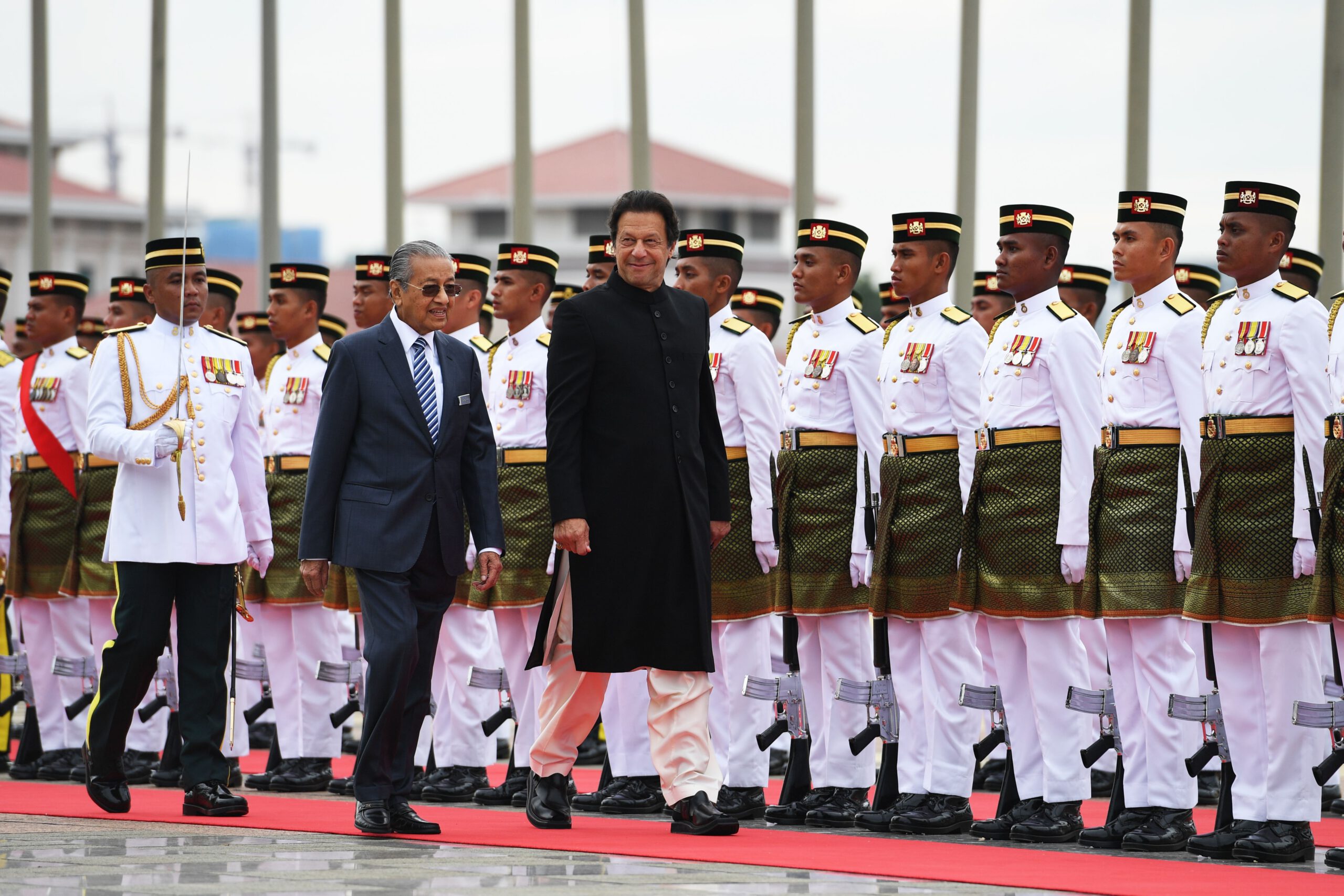
On Nov. 23, Malaysia’s prime minister, Mahathir Mohamad, announced that his country will stage an Islamic summit in Kuala Lumpur from Dec. 19-21. The event, on the theme of “The Role of Development in Achieving National Security,” will feature representatives from the host country as well as Indonesia, Pakistan, Qatar, and Turkey. Around 450 leaders, scholars, clerics, and thinkers from 52 countries will attend, along with Turkish President Recep Tayyip Erdoğan, Qatari Emir Sheikh Tamim bin Hamad al-Thani, Indonesian President Joko Widodo, and Pakistani Prime Minister Imran Khan.
The oldest peer-reviewed publication dedicated to the study of the modern Middle East, MEI’s flagship journal covers politics, society, and culture in the region.