The Americans Are Gone. Will Iraq’s Militias Disarm?
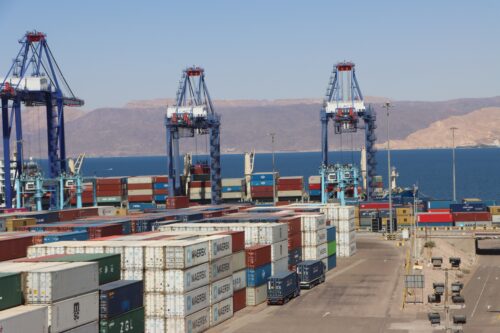
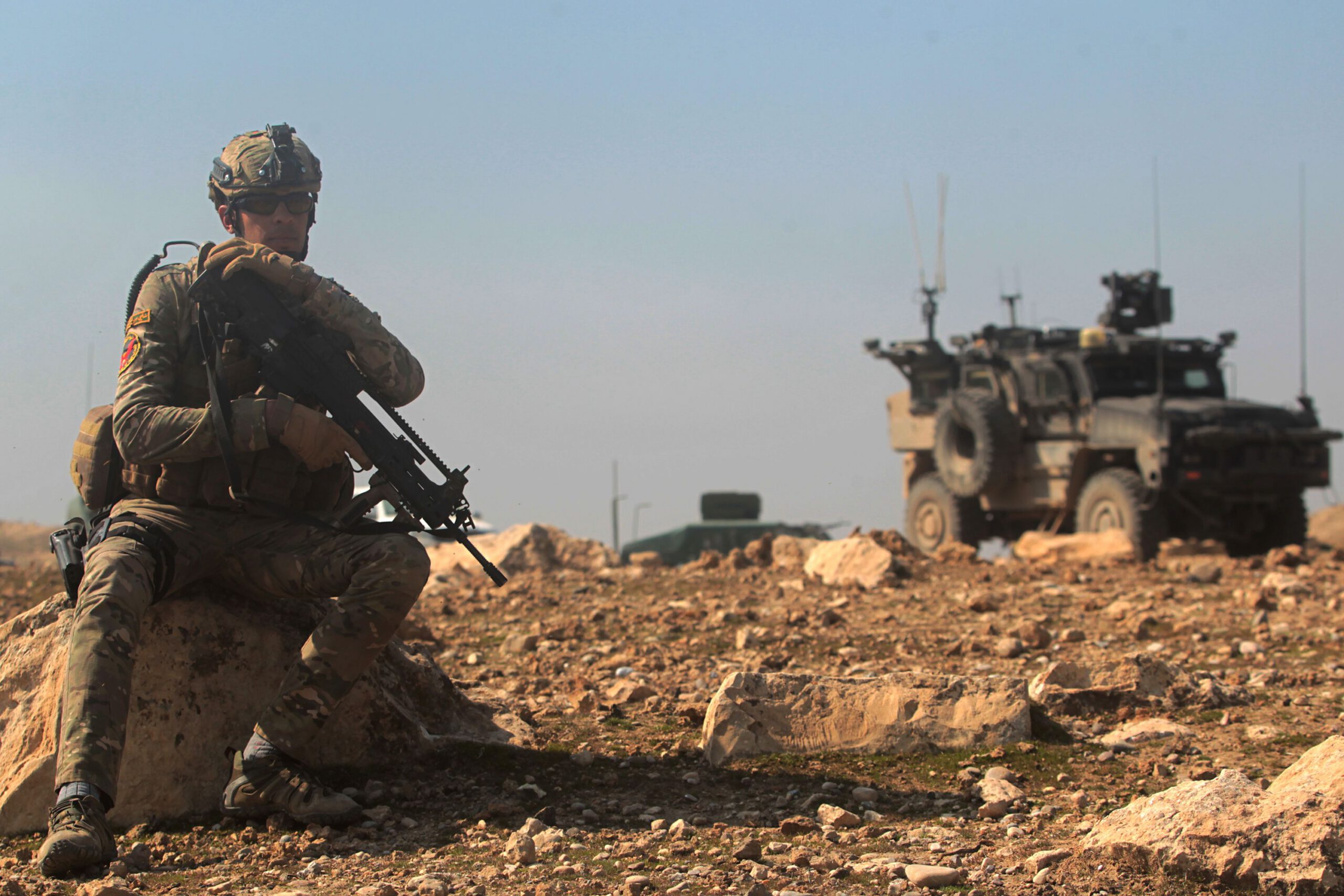
On September 30, the US completed its military withdrawal from Iraq, ending a 12-year-long mission to combat ISIS that began in 2014. The date was also meant to be the deadline for disarming the largely Iranian-backed militias known as the Popular Mobilization Forces (PMF), but Prime Minister Ali al-Zaidi has now pushed that cutoff back to June 30, 2027. MEI Distinguished Diplomatic Fellow Amb. (ret.) Robert S. Ford joins hosts Alistair Taylor and Matthew Czekaj to discuss what the US military withdrawal means for Iraqi security and the nature of the bilateral relationship going forward. They also speak about what it will take for Baghdad to bring the PMF militias to heel, and how Iraq may navigate the post-Iran war era.
Jordan’s Economy Weathers Iran War’s Shocks and Finds New Opportunities
In the summer of 2003, King Abdullah II told Bloomberg Jordan sits “between Iraq and a hard place,” a play on words designed to describe the kingdom’s challenging environment to an American audience amid the US-led Iraq war to the east and the lingering Palestinian-Israeli conflict to the west. Jordan is grappling with a much “harder place” today.
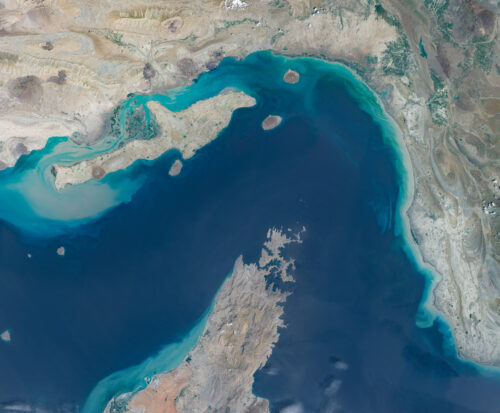
Proponents of the war with Iran have taken recent increases in crude-oil flows through the Strait of Hormuz as proof that the US strategy is finally working. President Trump is so confident in this that he recently rejected a seven-day plan, set forward by Iran’s foreign ministry, to end the war and open the strait. The United States is “winning tremendously,” Trump boasted.
Weekly Briefing: MBS South Asia swing aims to shore up relations
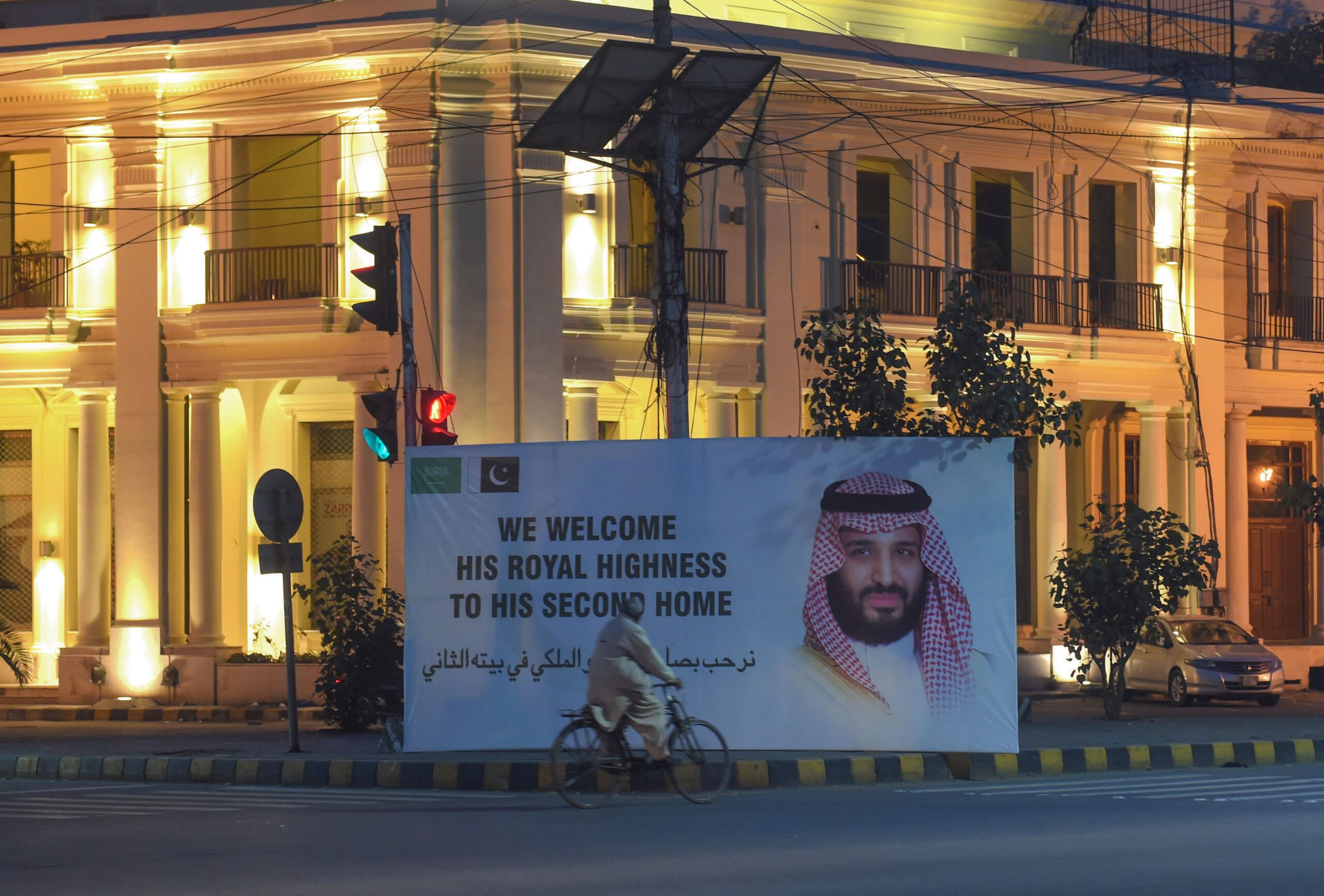
In this week’s briefing, MEI experts Gerald Feierstein, Charles Lister, Marvin G. Weinbaum, and W. Robert Pearson provide analysis on Saudi-Pakistan relations, Turkish politics in the lead-up to March municipal elections, and the question of what to do with ISIS prisoners after the group’s territorial collapse.
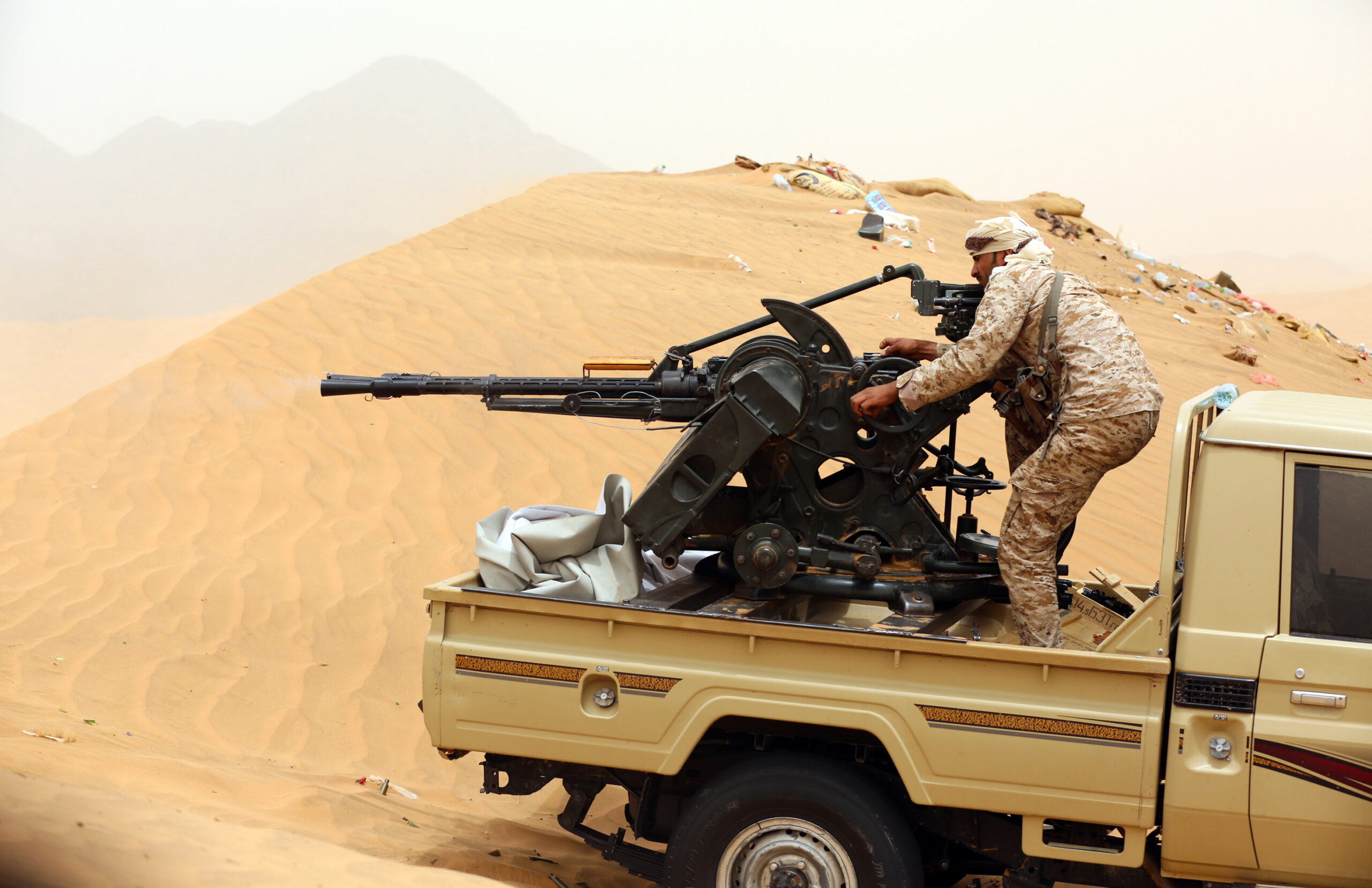
The ongoing civil conflict in Yemen is a continuation of a cycle of violence, political upheaval, and institutional collapse, caused by the failure of Yemeni society to address and resolve the popular anger and frustration arising from political marginalization, economic disenfranchisement, and the effects of an extractive, corrupt, rentier state.
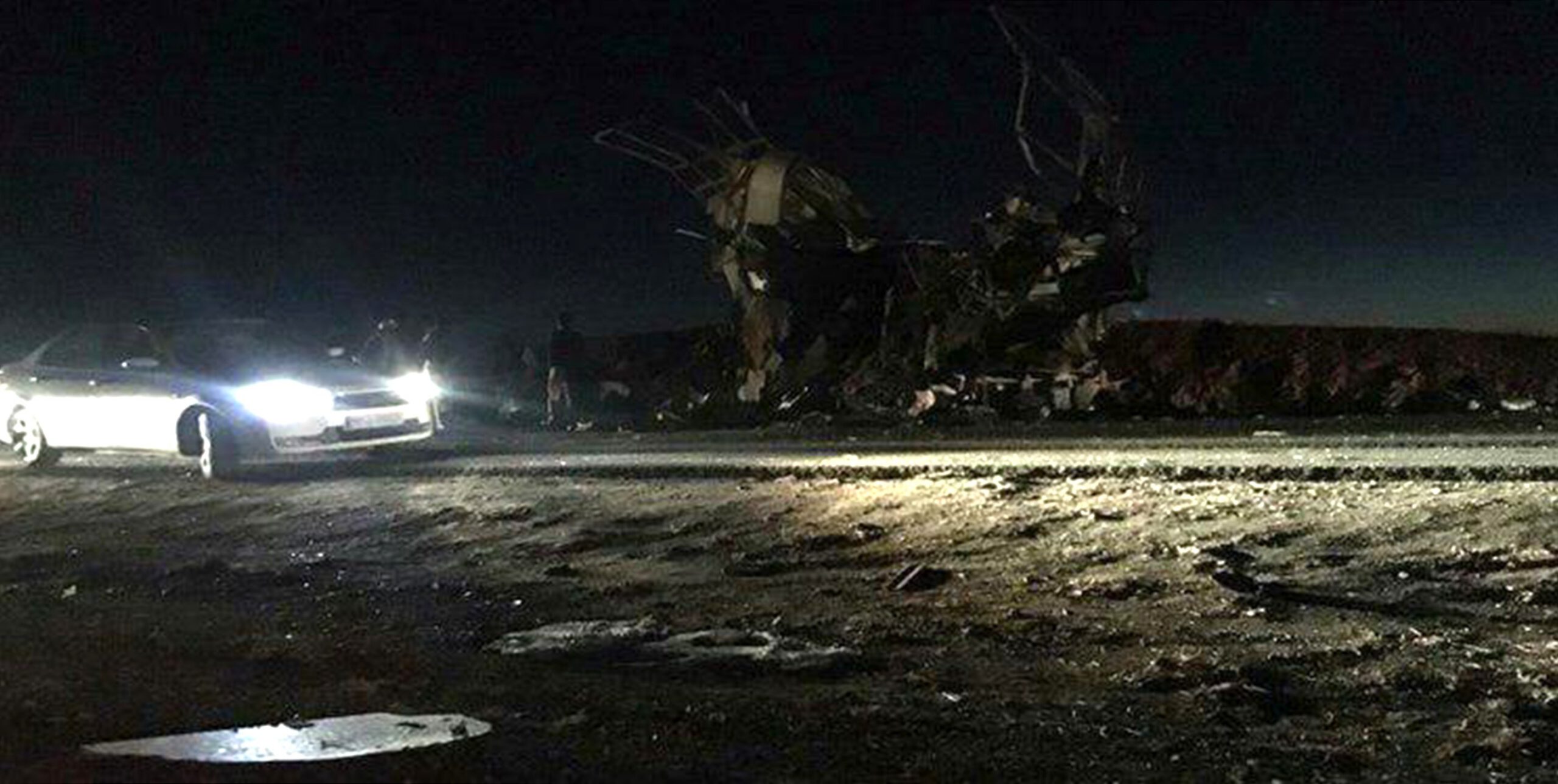
The suicide attack today, which killed at least 20 members of the Islamic Revolutionary Guards Corps (IRGC) in Iran’s southeastern province of Sistan and Baluchistan, may have serious implications for the Iranian government’s ability to maintain the legitimacy of its regional intervention in the eyes of the Iranian people.
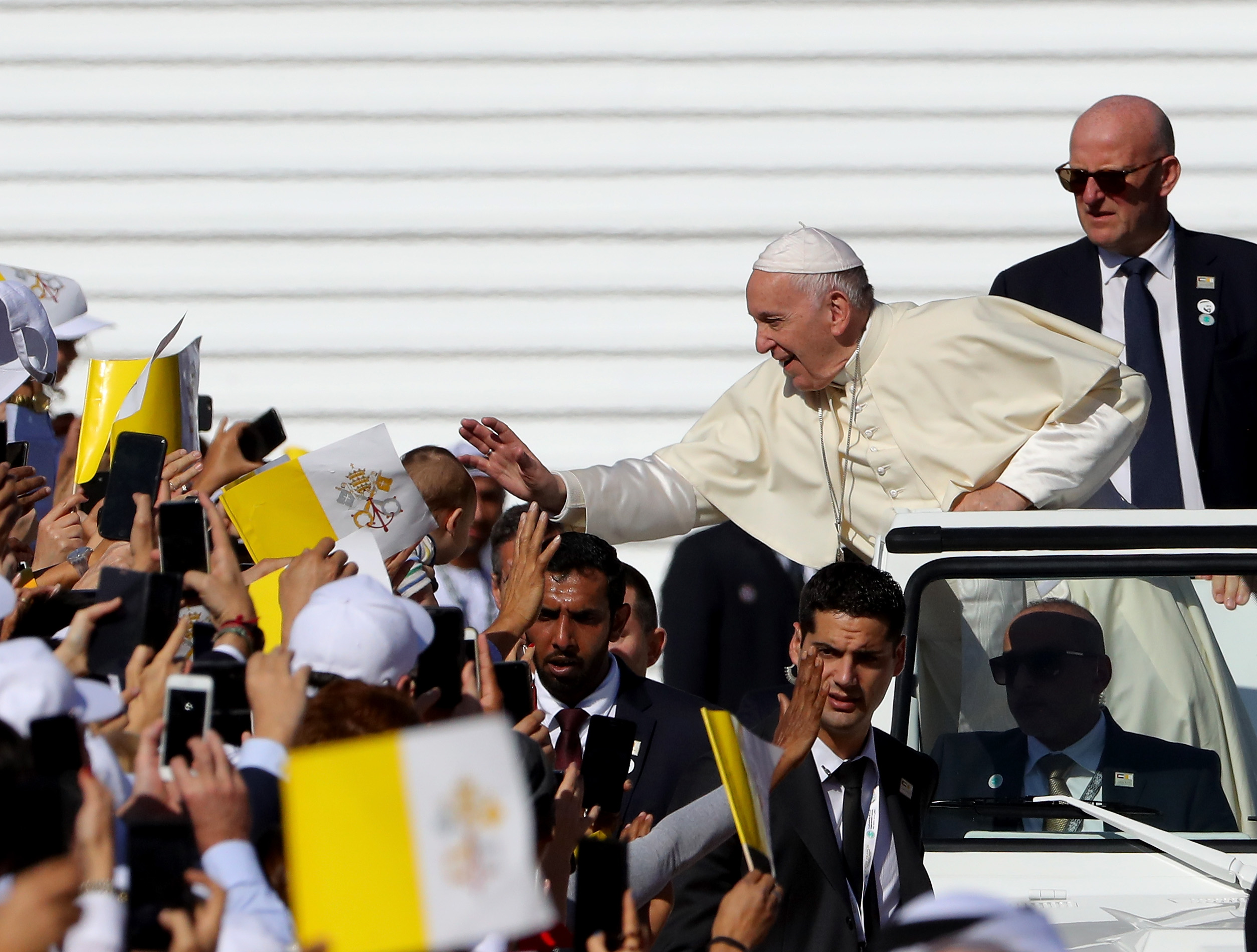
Pope Francis’s recent visit to the UAE is not only a landmark event for inter-religion relations and tolerance, but also represents a strategic geopolitical move by the Emirati government.
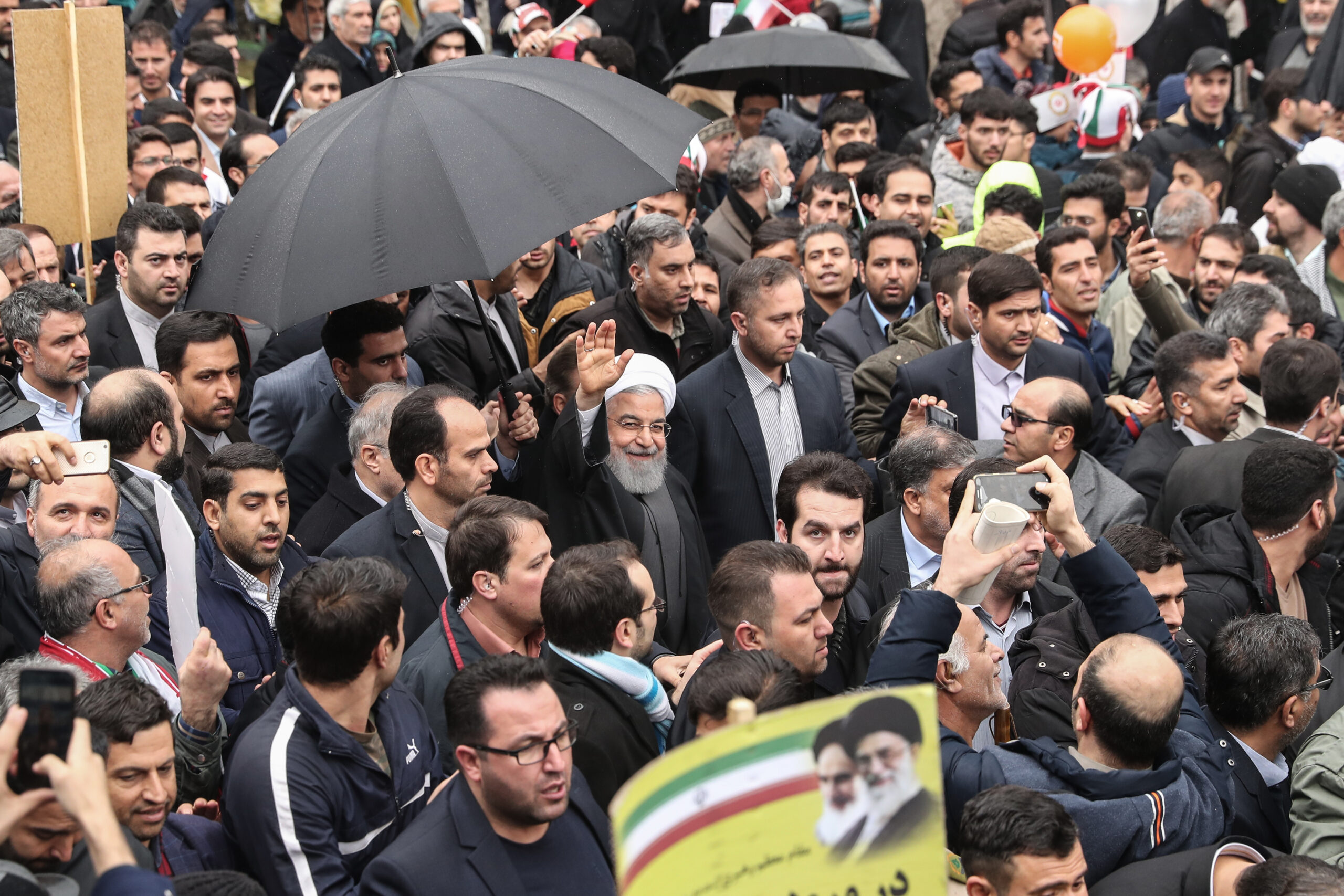
John Limbert, former Deputy Secretary of State for Iran under the Obama administration, and MEI senior fellows Alex Vatanka and Ahmad Majidyar join host Alistair Taylor to discuss the 1979 revolution and its continuing impact on US-Iran relations and the region.
Climate Change, Sea Level Rise, and Sustainable Urban Adaptation in Arab Coastal Cities
This article highlights how the lesser-known issue of sea level rise makes Arab states increasingly vulnerable to climate change. Using the city of Doha as a case study to highlight how sea level rise represents a critical threat to many Arab coastal cities and a national security challenge to Gulf Arab nations, this article underscores the need for greater anticipation in the region’s urban planning of the risks posed by climate change and sea level rise.
In this week’s Monday Briefing, MEI experts Ahmad Majidyar, Mirette F. Mabrouk, and Hassan Mneimneh provide analysis on recent and upcoming events including the 40th anniversary of Iran’s Islamic Revolution, a proposal for constitutional amendments in Egypt, and Iraqi PM Abdul-Mahdi’s first 100 days in office.
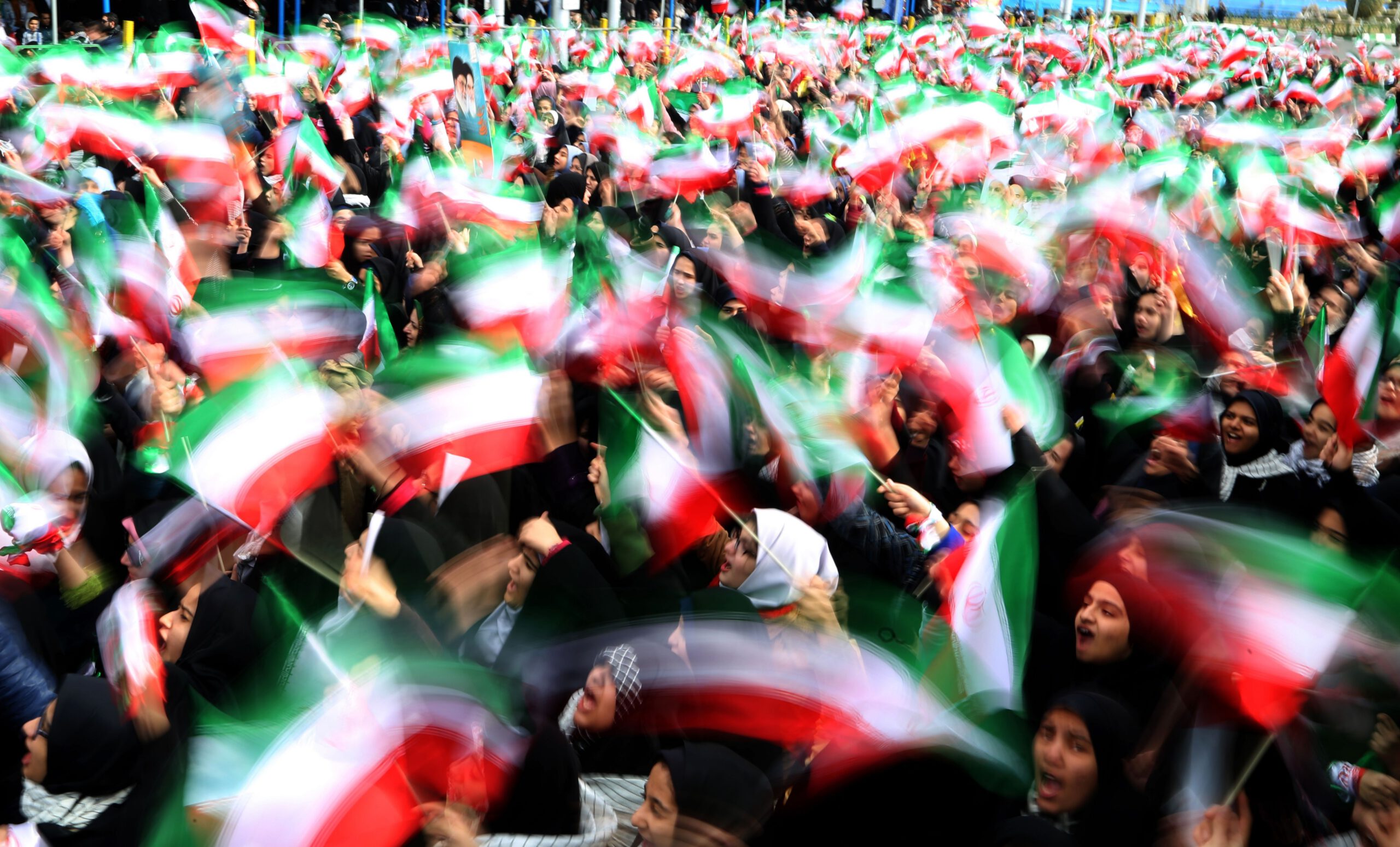
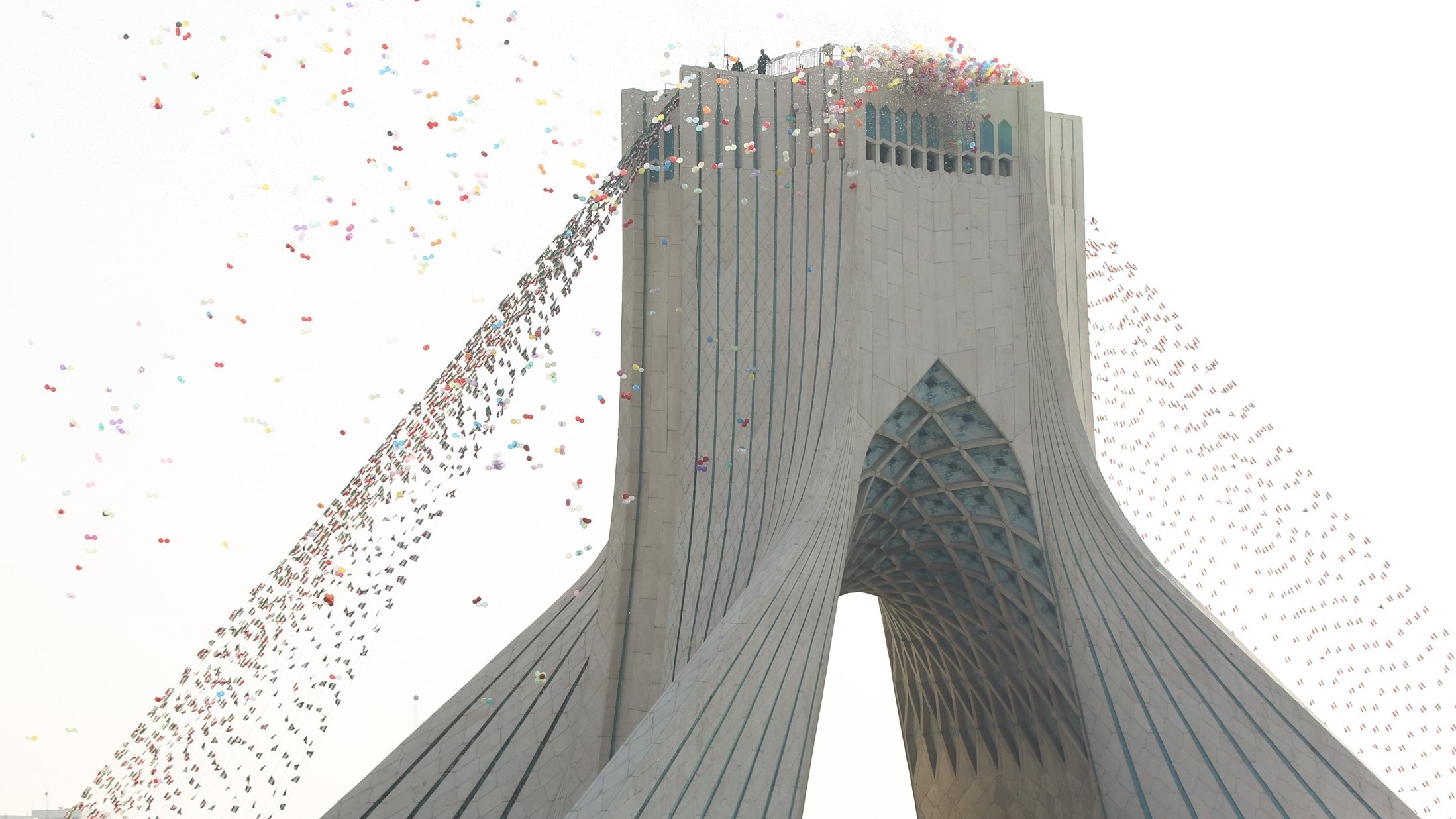
Challenges abound as the Islamic Republic turns 40
This February marks the 40th anniversary of Iran’s 1979 revolution and the birth of the Islamic Republic, but for those in power in Tehran, celebrating the victories of the past is easier than dealing with the problems of the present. Challenges abound on all sides.
Iran and the Gulf states 40 years after the 1979 revolution
Geopolitically, the Iranian Revolution did more to transform the Middle East than any other event in the second half of the 20th century. It aimed to restructure not only Iran’s society and political system, but also others across the Islamic world. Refusing to align with either the United States or the Soviet Union in the Cold War, the newly established Islamic Republic sought to create a new geopolitical order in the Persian Gulf and greater Middle East based on a mantra of “neither East nor West.”
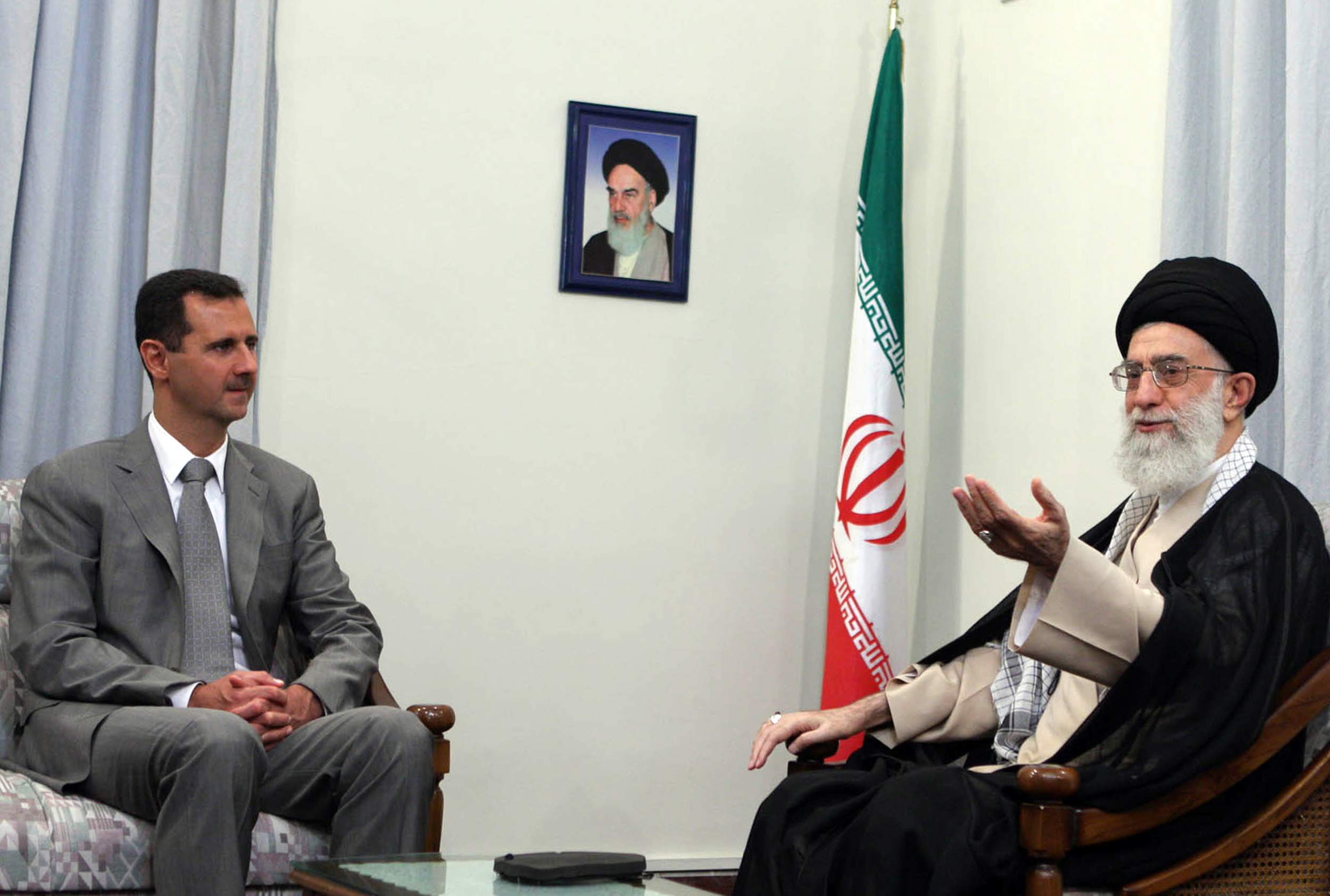
Why Assad’s alliance with Iran and Hezbollah will endure
This article was published by IranSource on February 6, 2019.
The Tehran-Damascus-Hezbollah trilateral partnership has been decades in the making. It pre-dates the Syrian civil war, has strengthened as a result of the war and will likely endure in the post-war years.
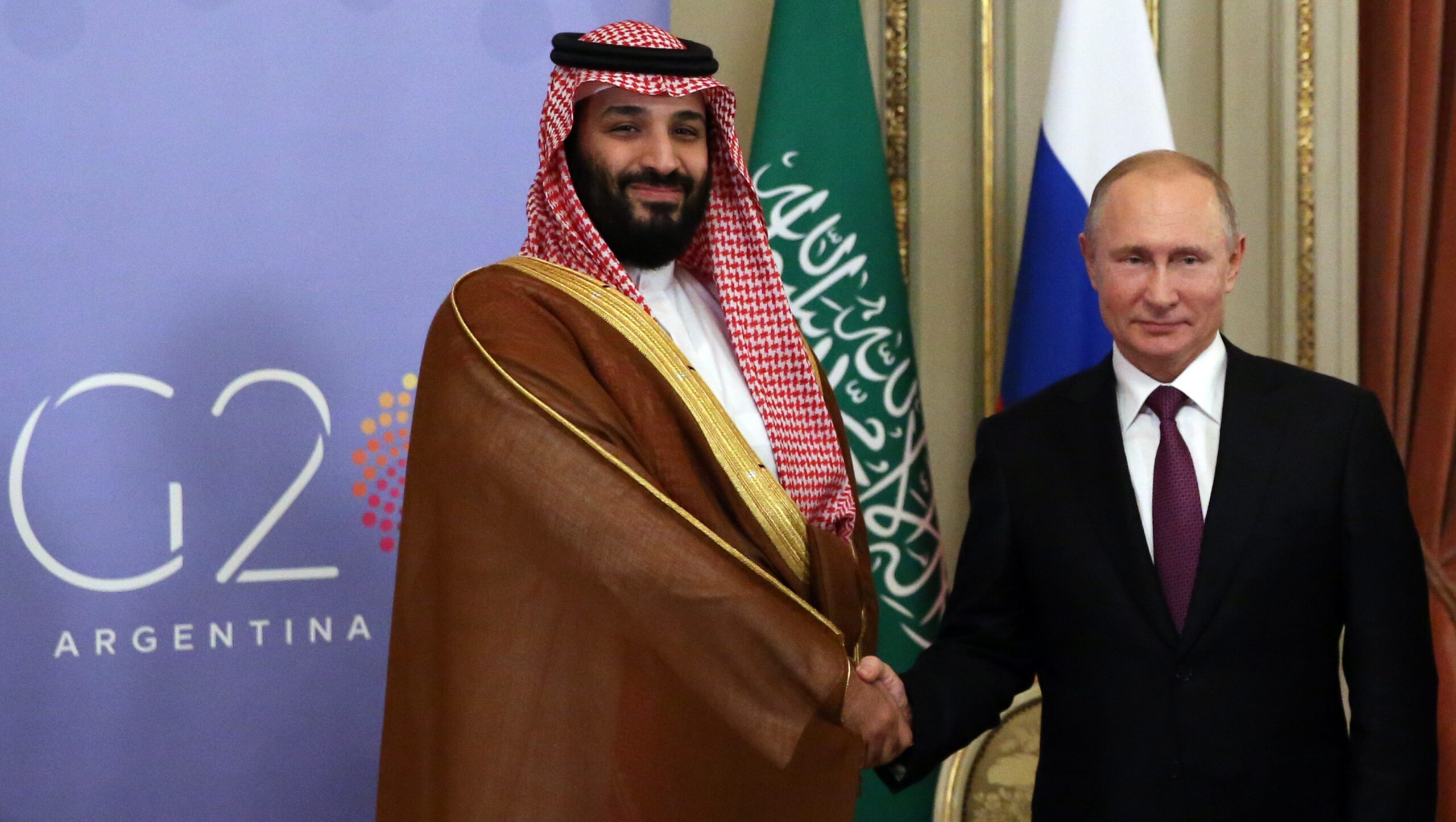
Growing ties with Russia could strain Saudi-US relations
With more of their geopolitical goals aligning, ties between Riyadh and Moscow are growing closer, and the kingdom plans to invest billions of additional dollars in Russian petroleum and other projects.
In this week’s Monday Briefing, MEI experts Randa Slim, Paul Salem, Ahmad Majidyar, and Marvin G. Weinbaum provide analysis on recent and upcoming events including President Trump’s comment about keeping U.S. troops in Iraq “to be able to watch Iran,” Pope Francis’s trip to the UAE, the EU’s maneuvers to defy U.S. sanctions on Iran, and intra-Afghan talks in Moscow.
Iraq: Stuck in the middle again
Randa Slim Senior Fellow, Director of Conflict Resolution and Track II Dialogues program
The Global and Regional Geopolitics of Civil War in the Middle East
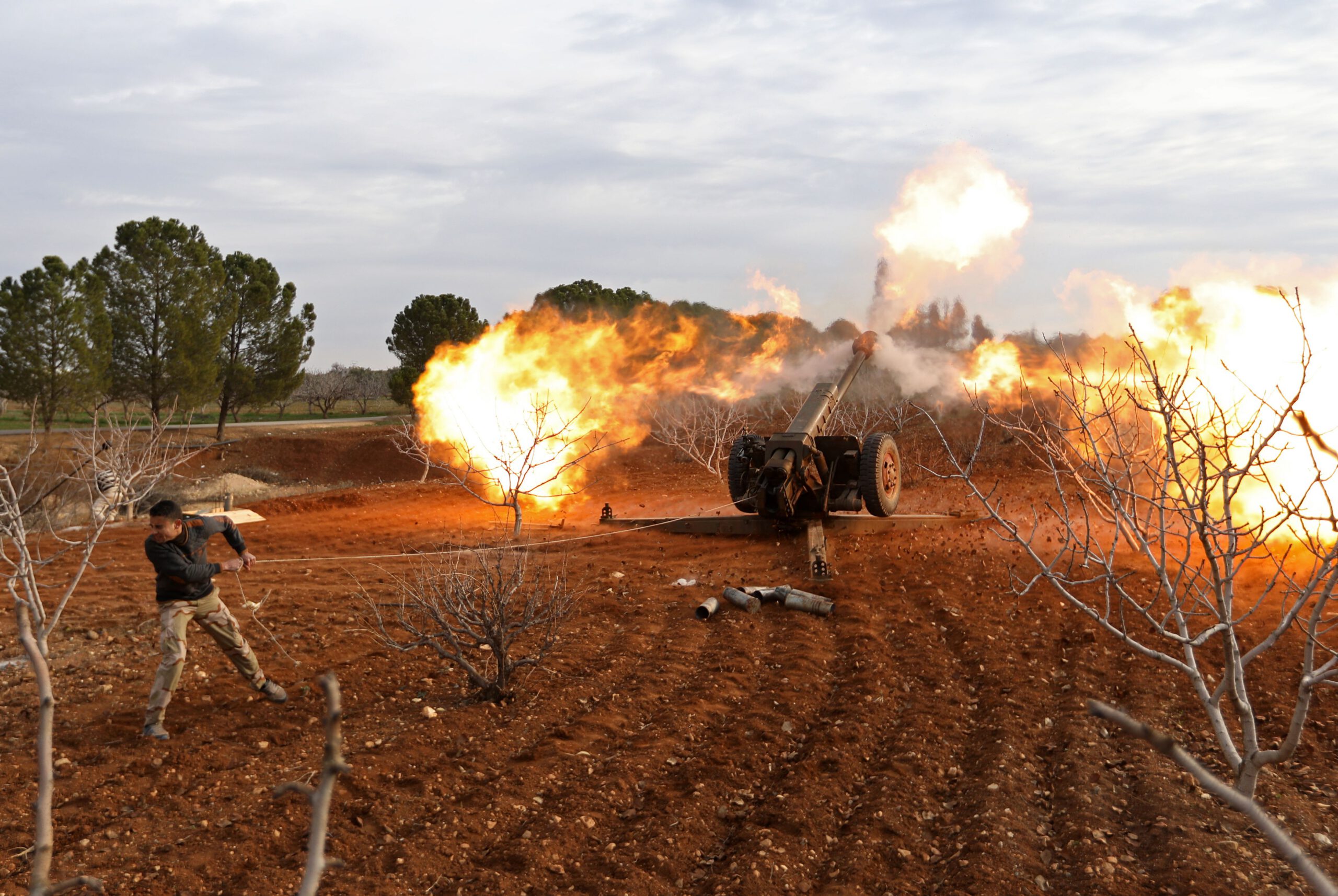
Power dynamics between the major global and regional powers have indirectly influenced the civil wars currently plaguing the Middle East. The distribution of power caused by end of the Cold War facilitated the creation of two opposing camps that later competed for regional primacy in the civil wars of Iraq, Syria, and Yemen.
Monday Briefing: US-Taliban talks progress, but major obstacles remain
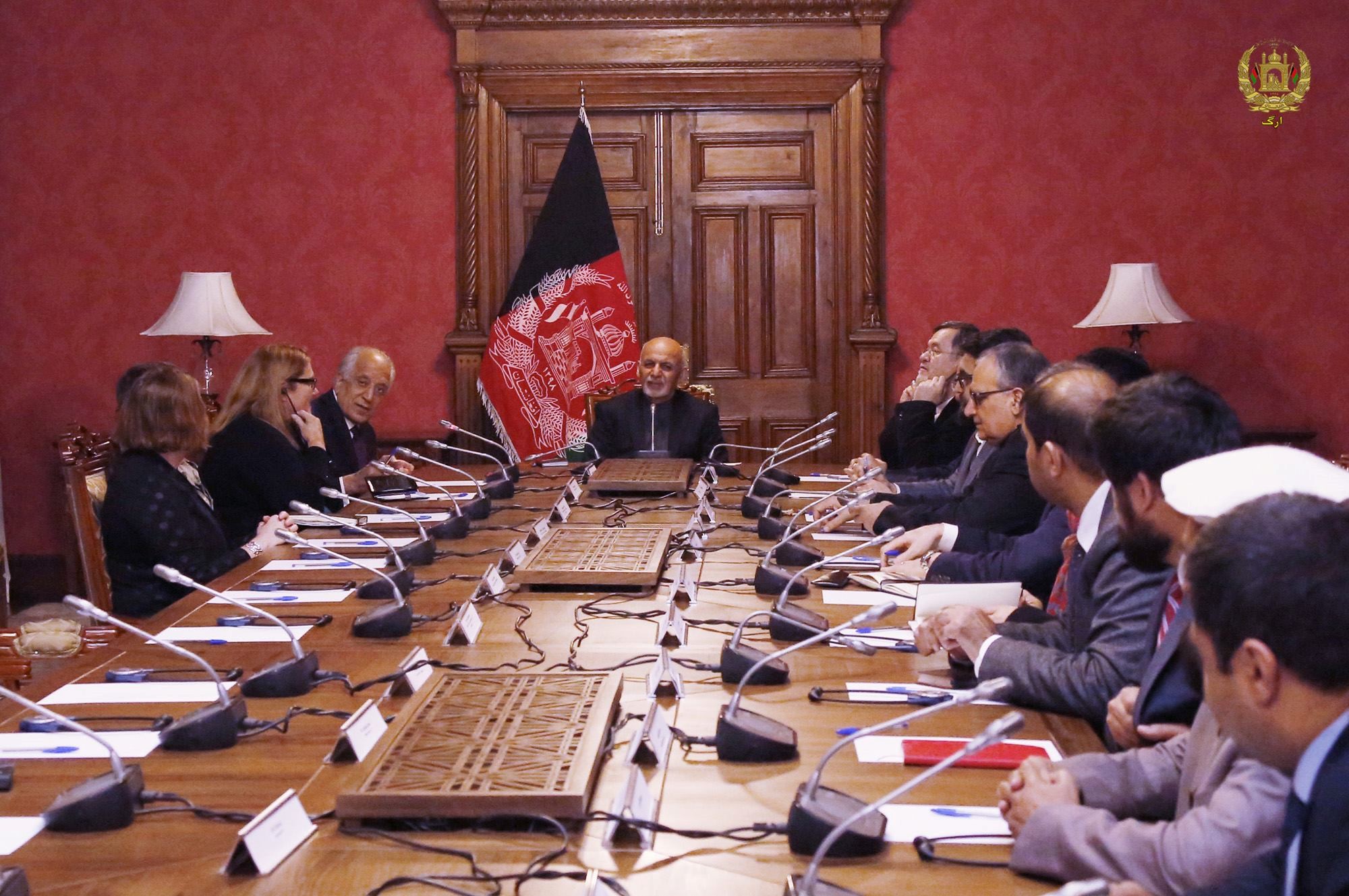
In this week’s Monday Briefing, MEI experts Ahmad Majidyar, Marvin G. Weinbaum, Randa Slim, Paul Salem, and Guney Yildiz provide analysis on recent and upcoming events including U.S. negotiations with the Taliban in Afghanistan, a warning sent to Israel by Hezbollah leader Hassan Nasrallah, the Sudanese president’s appeal for external support, Turkish-Syrian diplomacy, and Pakistan’s acceptance of Gulf aid.
The EU and the Middle East: In Search of a Strategy
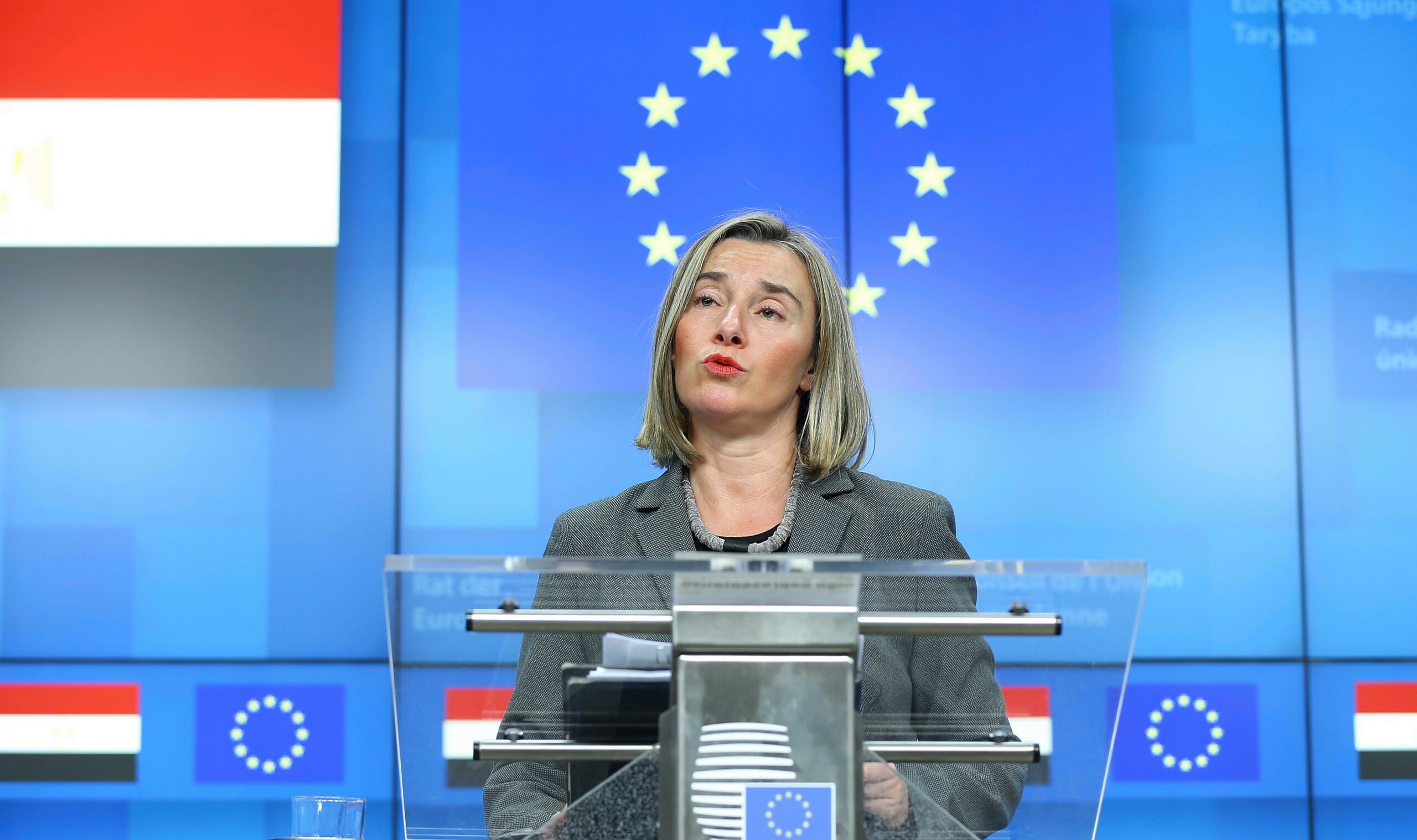
Since 1993, the EU has not adopted any comprehensive document to form the basis for its diplomatic and economic actions toward the Middle East, rendering the union less influential in the region today. The question remains, however, as to whether this attitude is in line with the bloc’s global ambitions.
The oldest peer-reviewed publication dedicated to the study of the modern Middle East, MEI’s flagship journal covers politics, society, and culture in the region.