The Americans Are Gone. Will Iraq’s Militias Disarm?
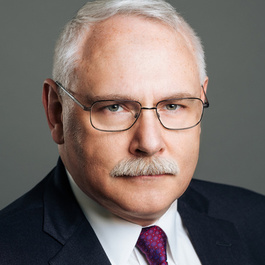
On September 30, the US completed its military withdrawal from Iraq, ending a 12-year-long mission to combat ISIS that began in 2014. The date was also meant to be the deadline for disarming the largely Iranian-backed militias known as the Popular Mobilization Forces (PMF), but Prime Minister Ali al-Zaidi has now pushed that cutoff back to June 30, 2027. MEI Distinguished Diplomatic Fellow Amb. (ret.) Robert S. Ford joins hosts Alistair Taylor and Matthew Czekaj to discuss what the US military withdrawal means for Iraqi security and the nature of the bilateral relationship going forward. They also speak about what it will take for Baghdad to bring the PMF militias to heel, and how Iraq may navigate the post-Iran war era.
Jordan’s Economy Weathers Iran War’s Shocks and Finds New Opportunities
In the summer of 2003, King Abdullah II told Bloomberg Jordan sits “between Iraq and a hard place,” a play on words designed to describe the kingdom’s challenging environment to an American audience amid the US-led Iraq war to the east and the lingering Palestinian-Israeli conflict to the west. Jordan is grappling with a much “harder place” today.
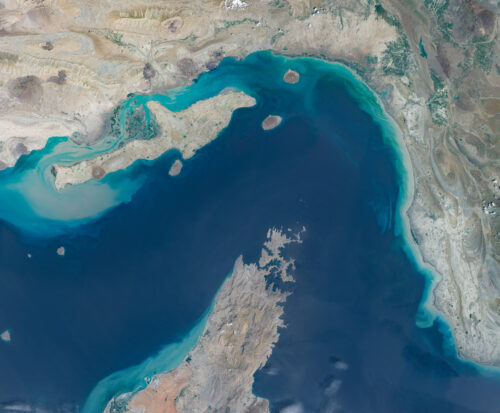
Proponents of the war with Iran have taken recent increases in crude-oil flows through the Strait of Hormuz as proof that the US strategy is finally working. President Trump is so confident in this that he recently rejected a seven-day plan, set forward by Iran’s foreign ministry, to end the war and open the strait. The United States is “winning tremendously,” Trump boasted.
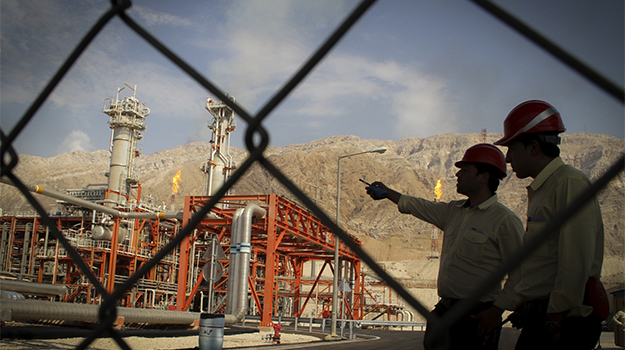
Last week, major news outlets reported that China National Petroleum Corporation had acquired French oil and gas company Total’s share in the development of Iran’s South Pars gas field, citing an elusive article published by Iranian state news agency IRNA.
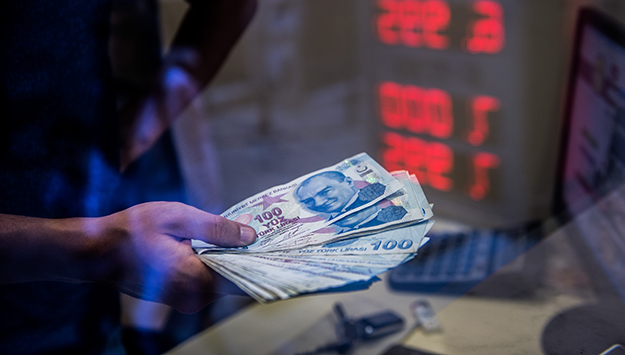
In this week’s Monday Briefing, MEI experts Gonul Tol, Robert S. Ford, Randa Slim, and Marvin G. Weinbaum provide analysis on Turkey’s currency crisis, talks in Ankara over the future of Idlib, Abadi’s chances of clinging to the premiership, and the Taliban’s capture of Ghazni.
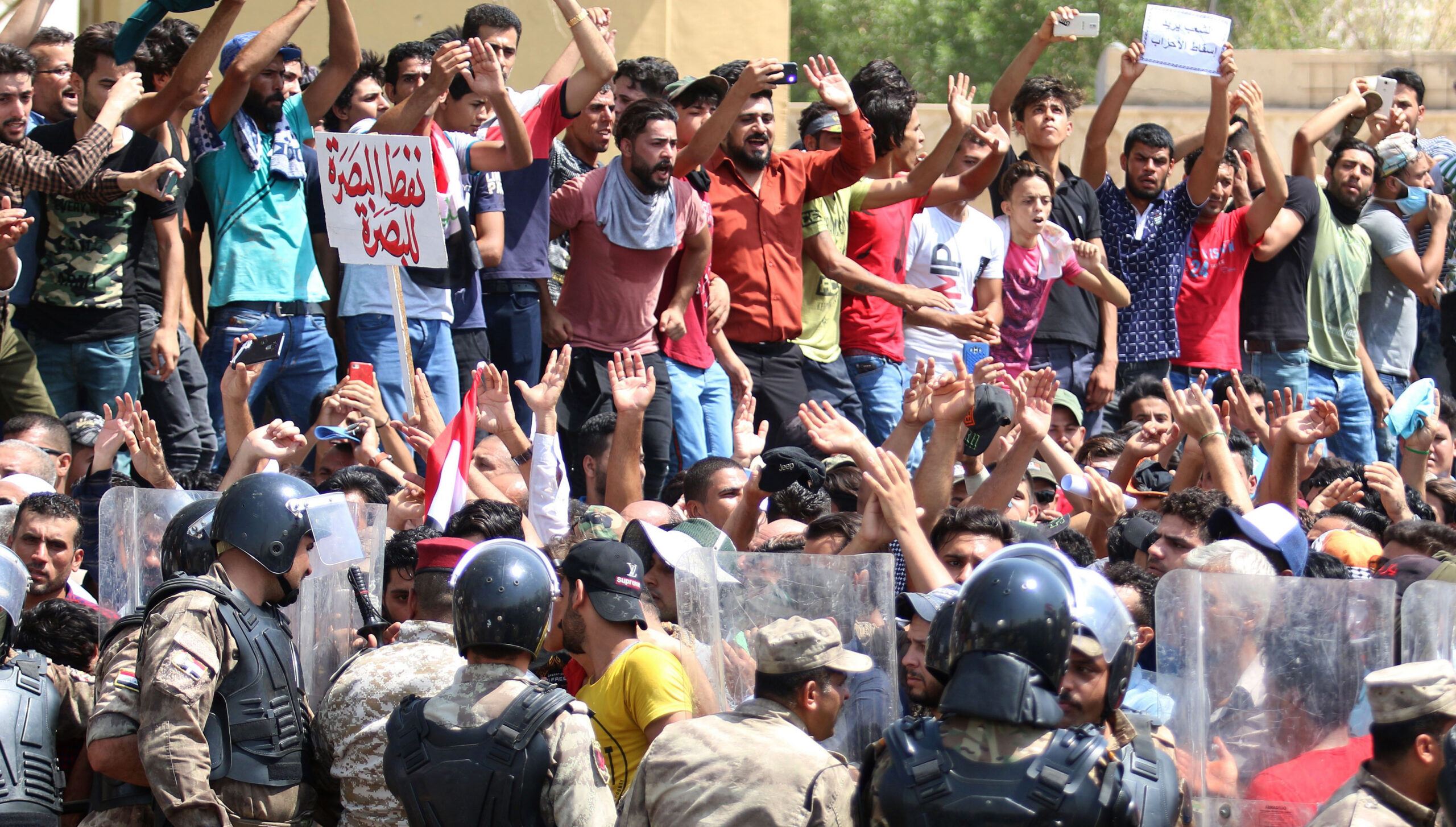
Three months after Iraq held its latest parliamentary elections the results are still being counted. Meanwhile political parties are jockeying for power and Iraqi citizens are taking to the streets to protest the government’s handling of services and the economy. Dr. Abbas Kadhim, senior fellow at Johns Hopkins SAIS, Omar Al-Nidawi, Iraq director for Gryphon Partners, and Dr. Randa Slim, director of MEI’s Program on Conflict Resolution and Track II Dialogues, join host Paul Salem to discuss the situation.
Iran sanctions may see US-Turkey ties get a lot worse
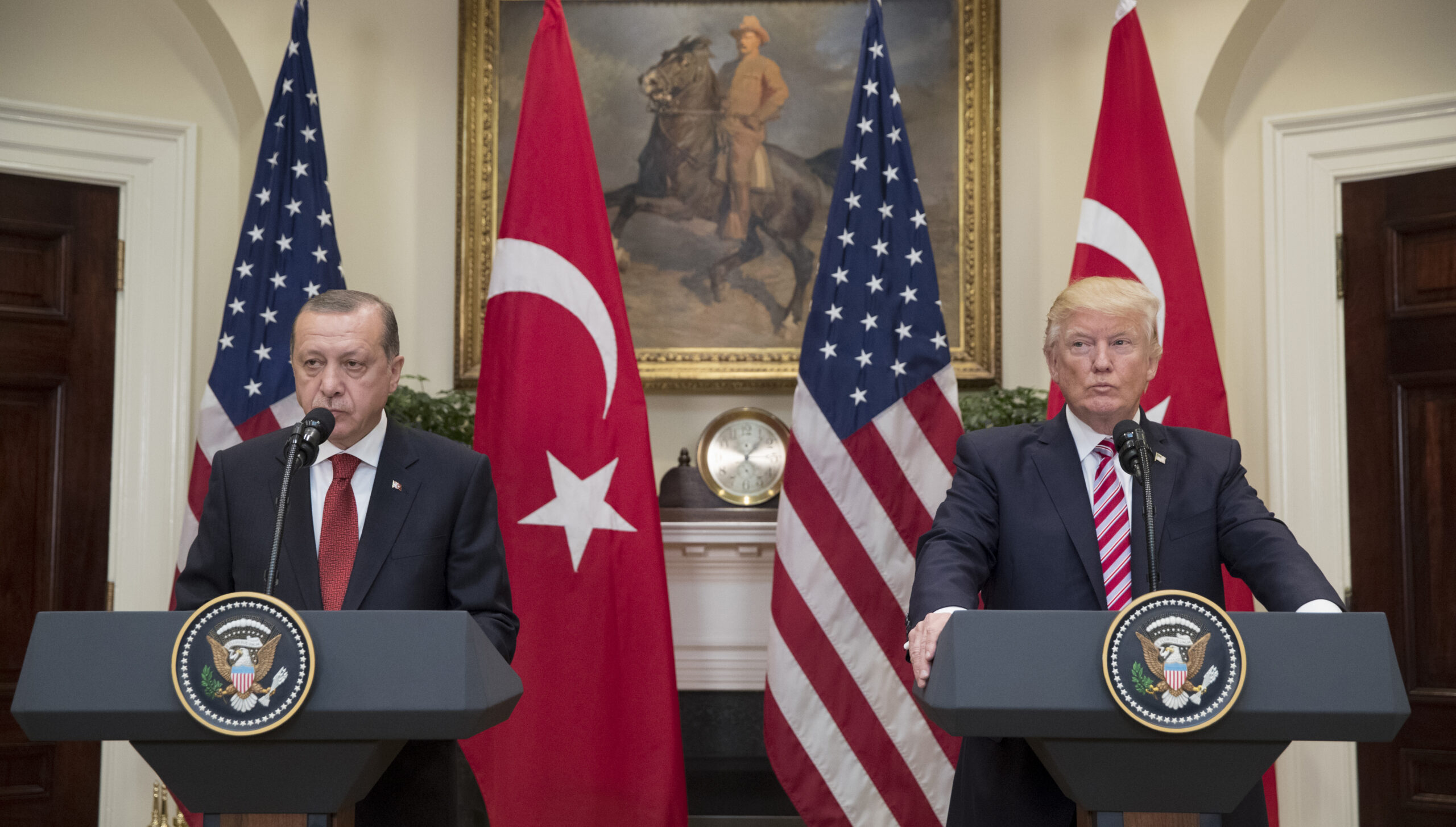
This week, the Trump administration reimposed economic sanctions on Iran, targeting mainly financial transactions with and commercial airline sales to Iran. Tougher sanctions to stop the sale of Iranian gas and oil will go into effect in November. In a tweet, President Donald Trump issued a strong warning to those trading with Iran: “Anyone doing business with Iran will NOT be doing business with the United States.” Its NATO ally Turkey is defiant. In a Jul.
Oman’s Transition to a Post-Oil Economy: Arching Toward Asia
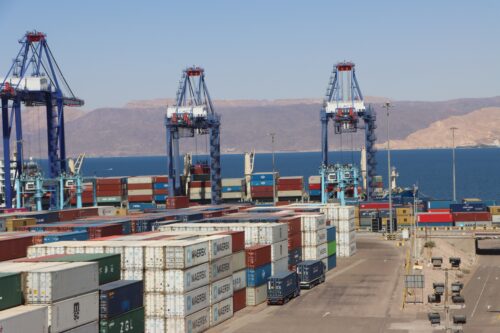
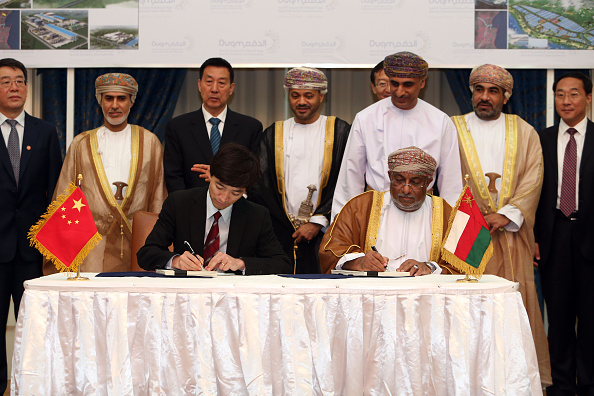
The development of Duqm Port and Special Economic Zone (SEZ) is at the forefront of Oman’s efforts to transition to a post-oil economy. The Malaysian economic transformation management model, the Singaporean example of achieving prosperity through combining free trade and business-friendly policies with its role as a trans-shipment and logistics hub, and an initial infusion of substantial Chinese investment capital and project participation all have played central roles in how this process has unfolded — and will likely remain key determinants of its future progress.
Will US sanctions bring Iran back to the negotiating table?
In this week’s Monday Briefing, MEI experts Ahmad Majidyar, Gerald Feierstein, and Charles Lister provide analysis on the first batch of U.S. sanctions on Iran, leaked emails that may undermine the Trump administration’s Mideast peace plan, and the assassination of a Syrian military scientist.
Will US sanctions bring Iran back to the negotiating table?
Trump’s unconvincing "hearts and minds" strategy on Iran
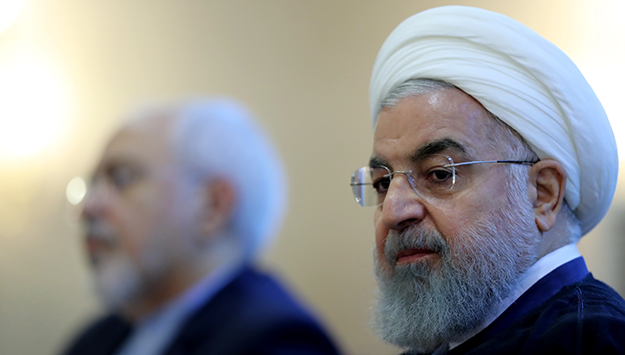
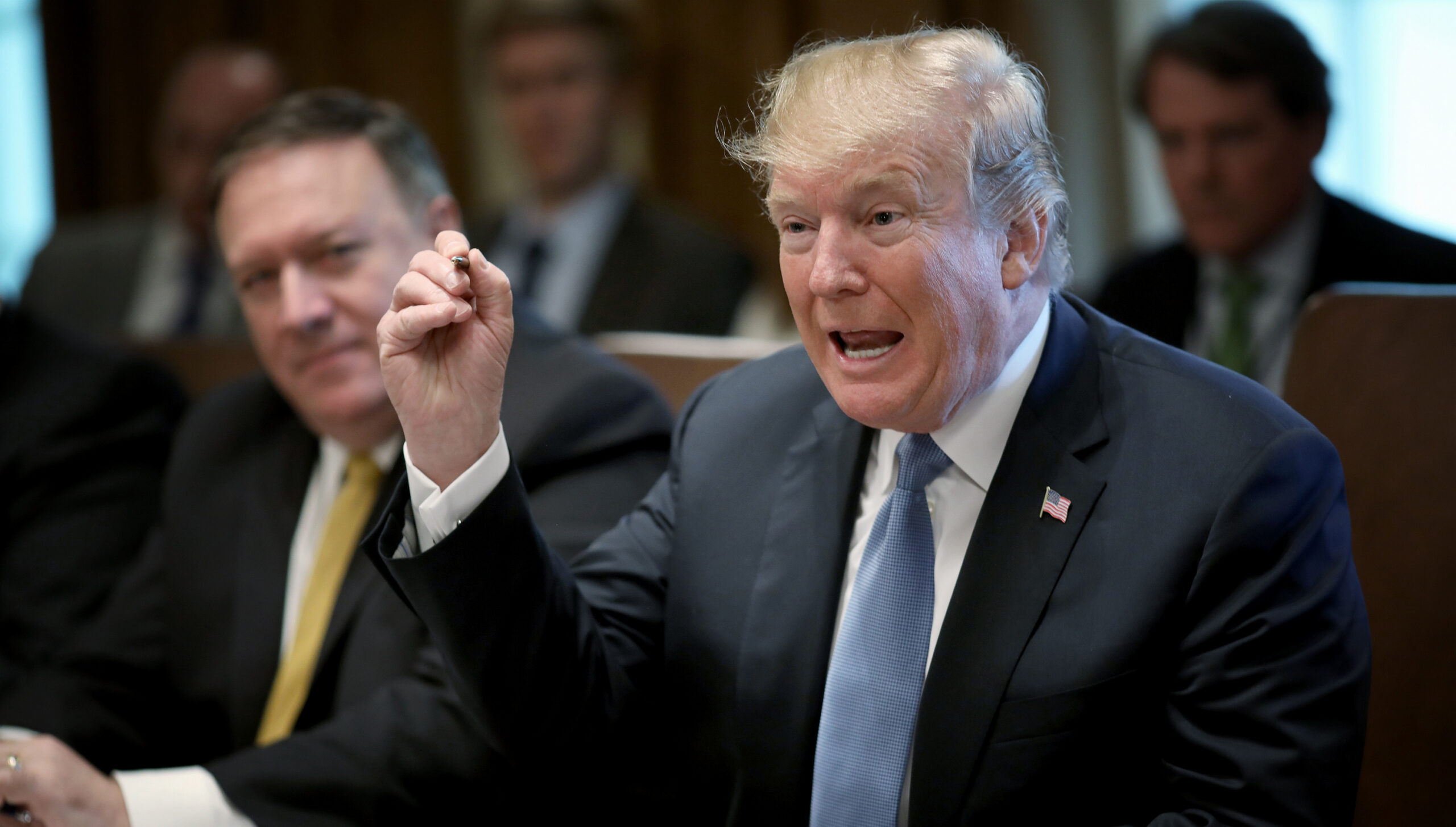
In the span of one week, President Donald Trump both warned Iran’s leaders of a calamitous response to any belligerence from Tehran and offered Tehran a “real” nuclear deal if they come back to the negotiation table. It is just the latest example of the Trump administration’s disjointed Iran policy.
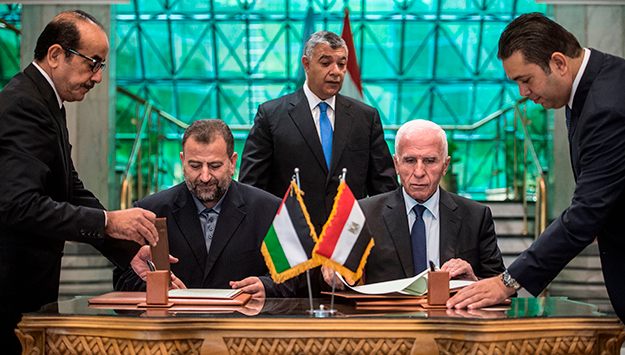
In this week’s Monday Briefing, MEI experts provide analysis on Fatah-Hamas reconciliation talks in Cairo, possible cooperation between the Syrian Democratic Council and the Assad regime, the protests in Iraq, the U.S.’s lifting of restrictions on aid to Egypt, and Imran Khan’s victory in the Pakistani elections.
Houthi attack in strategic shipping lane could undermine oil markets
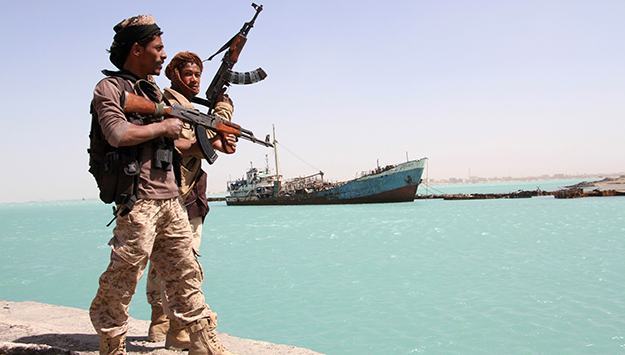
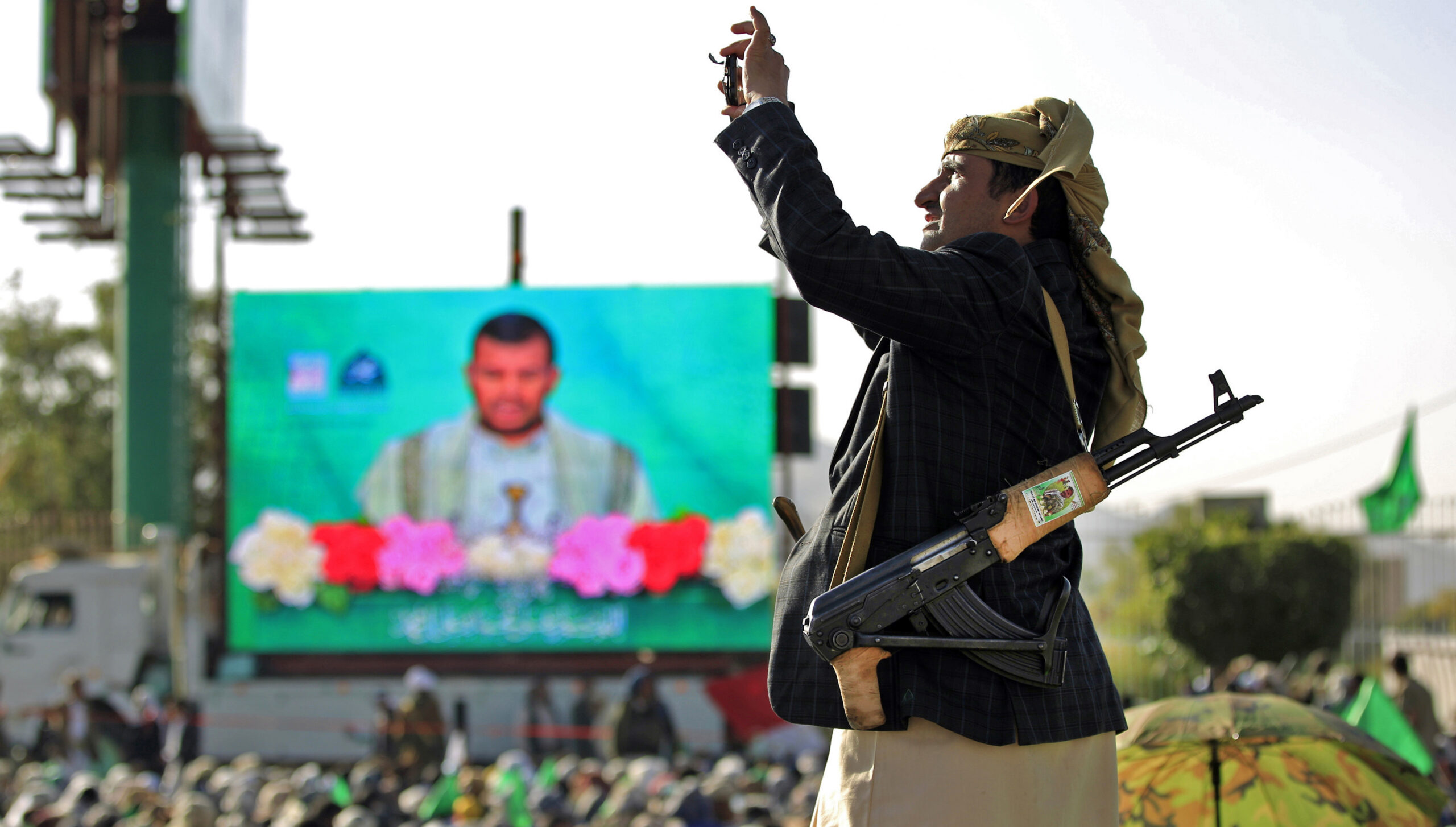
Saudi Arabia temporarily halted all oil shipments through the Bab al-Mandab strait on Wednesday, Jul. 25, after two of its very large crude carriers were attacked by Houthi rebels. According to Saudi and Yemeni officials, the attack was launched from the besieged port city of Hodeida.
Regional conflict and internal chaos have allowed militant jihadi groups to rise and flourish in Yemen. This paper analyzes two of the most prominent such groups, al-Qaeda in the Arabian Peninsula (AQAP) and the Islamic State in Yemen (ISY), by scrutinizing the factors that led to their respective ascents and examining the challenges and pressures that have caused their respective declines.
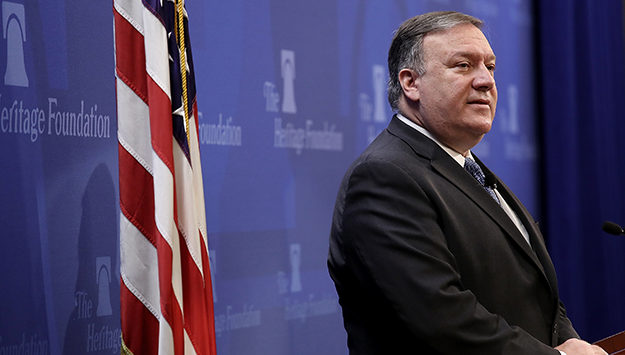
In this week’s Monday Briefing, MEI experts provide analysis on Secretary Pompeo’s speech on Iran, Erdogan’s decision to lift Turkey’s state of emergency, the cease-fire in Gaza, Iran’s continued threat in Syria, Trump’s tweets on Iran, and Vice President Dostum’s return to Afghanistan.
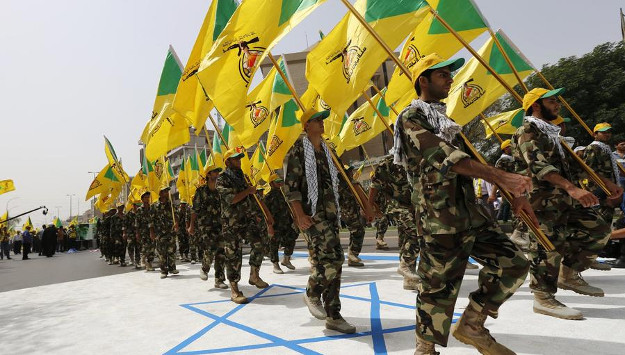
Iraqi Hezbollah threatens retaliation against U.S. if Israel attacks Iranian assets in Iraq
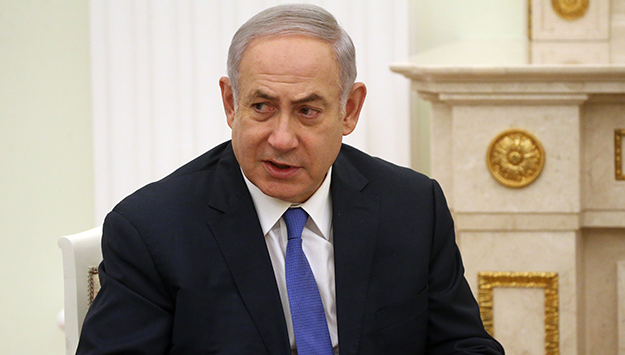
An Iranian-supported militia group in Iraq has threatened retaliation against the United States if Israel carries out any strikes against Iranian military personnel and assets inside Iraq,
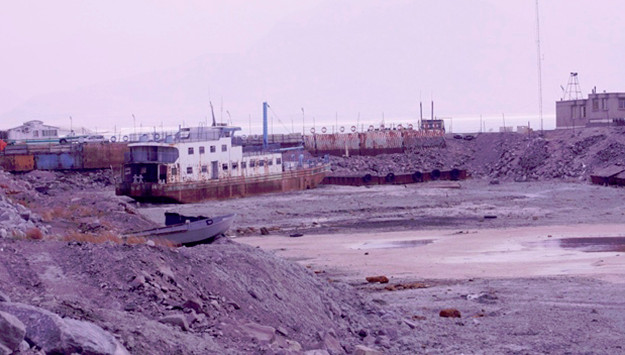
Tension between Iran and neighboring Afghanistan over water rights has reached new heights as declining rainfall, prolonged droughts, and mismanagement of water resources have severely affected agricultural production, food security and availability of drinking water in both countries. Tehran has warned of retaliatory actions if Kabul does not allow sufficient water into Iran’s water-stressed southeastern region, while Afghan officials accuse Iran’s Revolutionary Guards of aiding Taliban militants to sabotage dam projects in southern and western Afghanistan.
The oldest peer-reviewed publication dedicated to the study of the modern Middle East, MEI’s flagship journal covers politics, society, and culture in the region.