The Americans Are Gone. Will Iraq’s Militias Disarm?
On September 30, the US completed its military withdrawal from Iraq, ending a 12-year-long mission to combat ISIS that began in 2014. The date was also meant to be the deadline for disarming the largely Iranian-backed militias known as the Popular Mobilization Forces (PMF), but Prime Minister Ali al-Zaidi has now pushed that cutoff back to June 30, 2027. MEI Distinguished Diplomatic Fellow Amb. (ret.) Robert S. Ford joins hosts Alistair Taylor and Matthew Czekaj to discuss what the US military withdrawal means for Iraqi security and the nature of the bilateral relationship going forward. They also speak about what it will take for Baghdad to bring the PMF militias to heel, and how Iraq may navigate the post-Iran war era.
Jordan’s Economy Weathers Iran War’s Shocks and Finds New Opportunities
In the summer of 2003, King Abdullah II told Bloomberg Jordan sits “between Iraq and a hard place,” a play on words designed to describe the kingdom’s challenging environment to an American audience amid the US-led Iraq war to the east and the lingering Palestinian-Israeli conflict to the west. Jordan is grappling with a much “harder place” today.
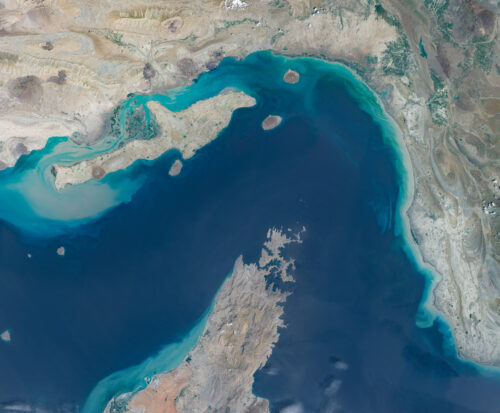
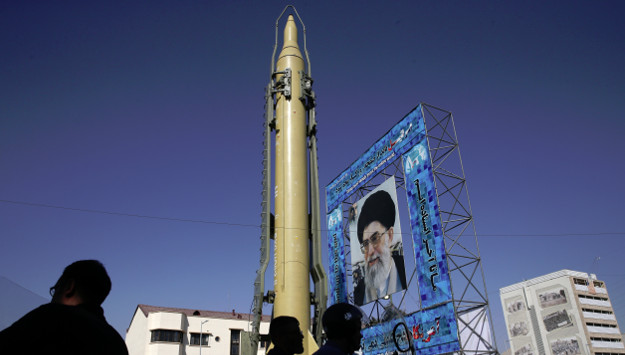
Proponents of the war with Iran have taken recent increases in crude-oil flows through the Strait of Hormuz as proof that the US strategy is finally working. President Trump is so confident in this that he recently rejected a seven-day plan, set forward by Iran’s foreign ministry, to end the war and open the strait. The United States is “winning tremendously,” Trump boasted.
Iran rejects US demand for inspection of military sites
The deputy head of the Atomic Energy Organization of Iran (AEOI) has said that the Islamic Republic will not allow international inspectors to visit the country’s military sites, the Iranian media reported.
Militants step up antigovernment activities in Iran’s border regions
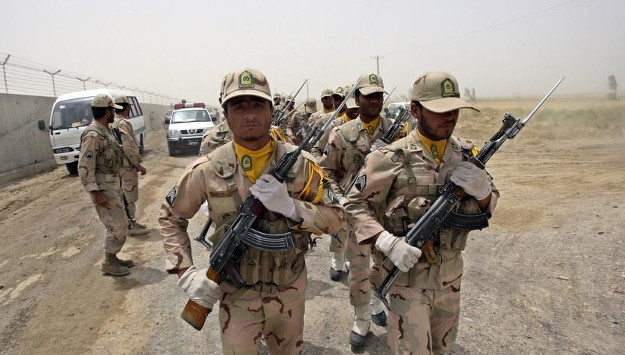
The Islamic Revolution Guards Corps (IRGC) said today that its forces have seized a shipment of explosives and suicide vests in the restive southeastern province of Sistan and Baluchestan. According to a statement released by the public relations department of the IRGC Ground Force’s Quds Base (not to be confused with IRGC’s elite Quds Force responsible for external operations), the explosives and communications and other assets were captured in the Saravan county of Sistan and Baluchestan.
Afghan politician cautions Tehran against aiding Taliban
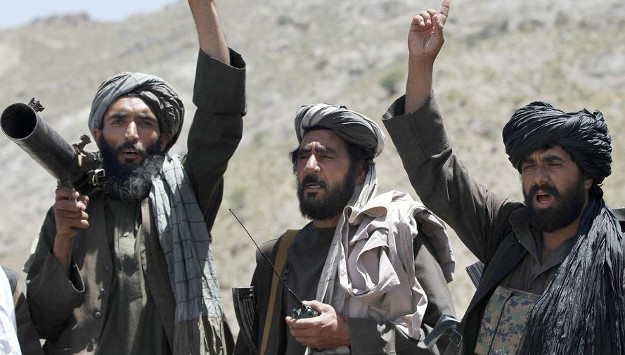
A prominent Afghan politician has cautioned that it is not in the interest of Iran to have close relations with the Taliban, Afghan media reported. “As an Afghan, I explicitly state that cultivating close relations – I hope it is a mistake – with an enemy, which has no difference with ISIS in its essence and substance, is harmful not only to the Iranian people but also to the people Afghanistan,” Amrullah Saleh, the head of the Afghan Green Trend and former intelligence chief, said at the Tehran Security Conference.
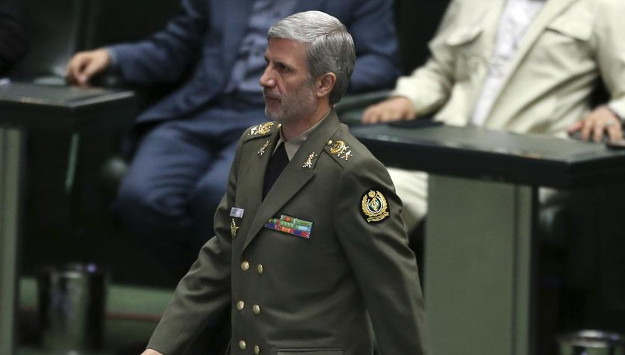
Iran’s defense minister threatens "retaliation" against US
Iran’s Defense Minister accused the United States of playing a role in the latest anti-regime protests in the country and threatened that Tehran will take retaliatory measures against US interests.
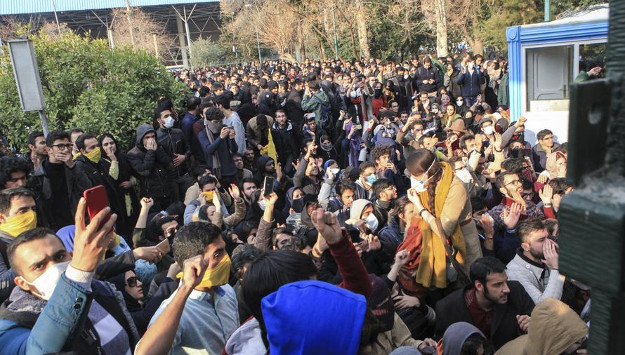
Will latest anti-regime protests change Iran’s costly regional policies?
The latest antigovernment protests in Iran indicate that the regime’s costly and destabilizing role in regional conflicts is taking a political toll at home. While economic grievances are the key driver of the current protests, ordinary Iranians are questioning the wisdom of their government’s military adventurism abroad and support for foreign state and non-state actors at the expense of domestic priorities.
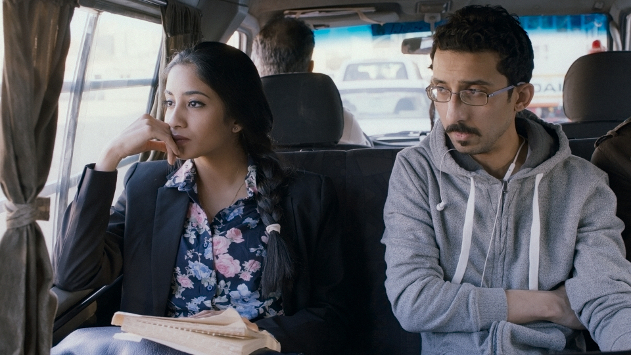
Fittingly for someone who divides her time between two river cities, DC-born, Baghdad-bred, and now London-based filmmaker Maysoon Pachachi says she is a woman who “lives on a bridge.”
“I’ve been a stranger everywhere I’ve lived,” says Pachachi, now 70, whose documentaries have captured life in Gazan refugee camps, downtown Beirut and medieval Cairo. “I’ve moved around my whole life, but I can adapt and fit in wherever I am.”
Turkey summons Iranian, Russian envoys over ceasefire “violations” in Syria
The Turkish government today summoned the Iranian and Russian ambassadors to protest “recurrent attacks” by the Syrian Army in Idlib Province against Syrian opposition forces backed by Ankara, the
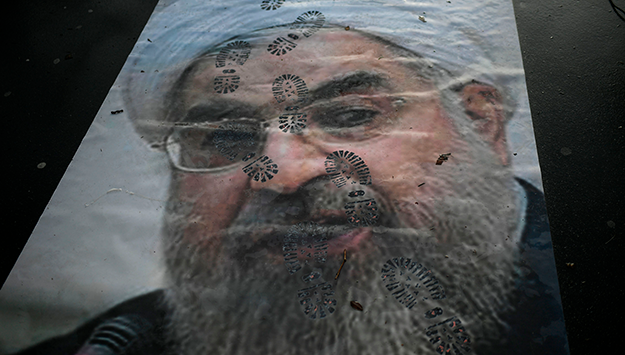
Khamenei defies protesters' demand for ending costly regional role, threatens US
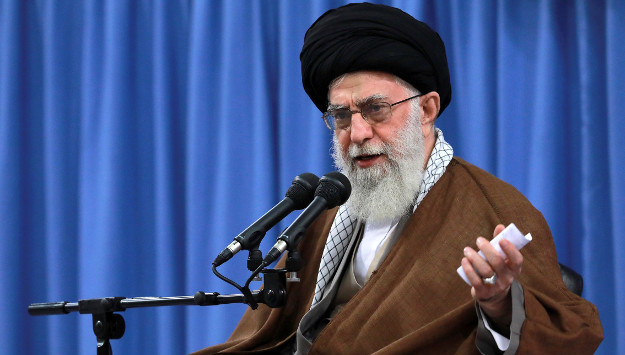
Iran’s Supreme Leader today accused the United States and its regional allies of fomenting unrest in the country and warned that Tehran will retaliate against Washington. “You inflicted damage on Iran in these days and this will not go unanswered,” he stressed, addressing the US government. “The American President says that… the Iranian government is terrified by America’s power. Well, if we’re scared of you, how did we drive you out of Iran in the 1970s and evicted you from the entire region in 2010s?” he added.
An Iranian parliamentary delegation visited Syria to seek ways of boosting bilateral ties between the two countries, particularly in the economic and trade sectors.
More than 10,000 Afghans sent by Iran to Syria reported killed and injured
An official of the Fatemiyoun Division has revealed that at least 2,000 Afghan Shiites have been killed and 8,000 more injured in the Syrian conflict – more than twice the number previously reported. The Fatemiyoun Division is a predominantly Afghan militia unit that has been fighting under the leadership of Iran’s elite Quds Force in Syria to prop up the embattled regime of Bashar al-Assad.
IRGC takes steps to further securitize Iranian society in wake of anti-regime protests
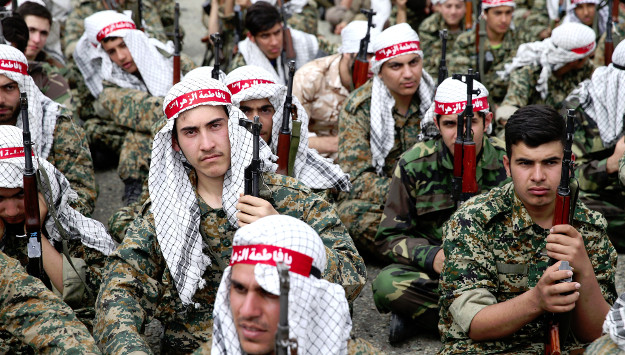
A senior official of the Islamic Revolution Guards Corps has announced that the paramilitary Basij Force will soon begin patrolling missions in the capital city of Tehran, IRGC-affiliated media outlets reported. “All necessary coordination efforts for a plan to conduct region-centric patrols have taken place with the law enforcement forces and the Judiciary. And this plan will soon begin in Tehran,” Brigadier General Mohammad Reza Yazdi, the commander of the IRGC Greater Tehran’s Mohammad Rasullah, said.
Iran Intensifies Internet Crackdown as Protests Spread across the Country
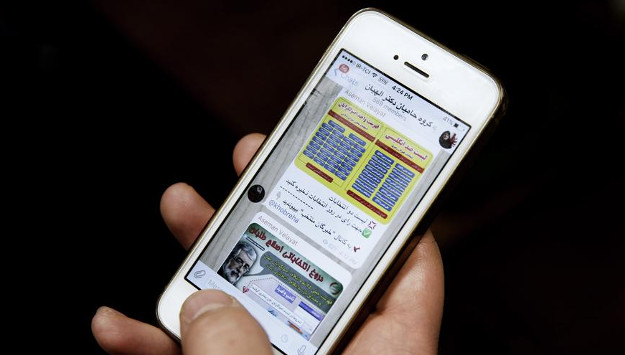
Since antigovernment protests began in the Iranian city of Mashhad last week and soon spread across the country, Islamic Republic authorities have intensified Internet crackdown in an effort to block the Iranian people from access to information and means of communication. The primary target has been Telegram, the most popular messaging app used by about half of Iran’s 80 million population. Over the weekend, the Iranian government “temporarily” blocked Telegram and Instagram, another popular social media platform.
The oldest peer-reviewed publication dedicated to the study of the modern Middle East, MEI’s flagship journal covers politics, society, and culture in the region.