The Americans Are Gone. Will Iraq’s Militias Disarm?
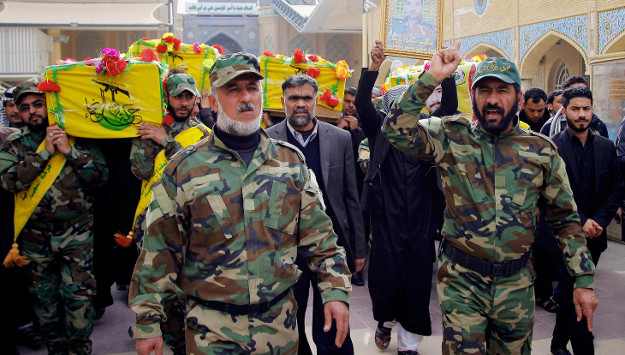
On September 30, the US completed its military withdrawal from Iraq, ending a 12-year-long mission to combat ISIS that began in 2014. The date was also meant to be the deadline for disarming the largely Iranian-backed militias known as the Popular Mobilization Forces (PMF), but Prime Minister Ali al-Zaidi has now pushed that cutoff back to June 30, 2027. MEI Distinguished Diplomatic Fellow Amb. (ret.) Robert S. Ford joins hosts Alistair Taylor and Matthew Czekaj to discuss what the US military withdrawal means for Iraqi security and the nature of the bilateral relationship going forward. They also speak about what it will take for Baghdad to bring the PMF militias to heel, and how Iraq may navigate the post-Iran war era.
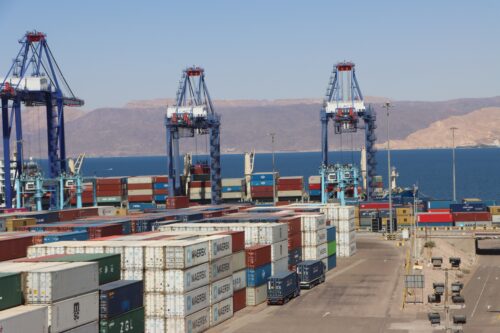
Jordan’s Economy Weathers Iran War’s Shocks and Finds New Opportunities
In the summer of 2003, King Abdullah II told Bloomberg Jordan sits “between Iraq and a hard place,” a play on words designed to describe the kingdom’s challenging environment to an American audience amid the US-led Iraq war to the east and the lingering Palestinian-Israeli conflict to the west. Jordan is grappling with a much “harder place” today.
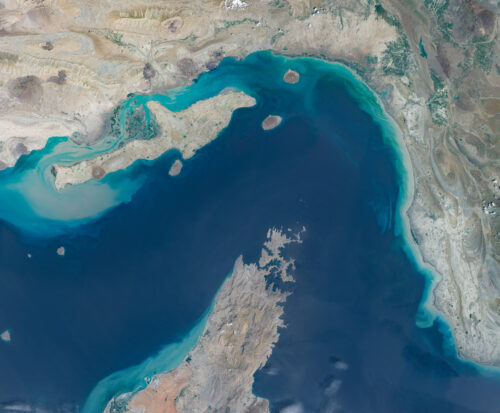
Proponents of the war with Iran have taken recent increases in crude-oil flows through the Strait of Hormuz as proof that the US strategy is finally working. President Trump is so confident in this that he recently rejected a seven-day plan, set forward by Iran’s foreign ministry, to end the war and open the strait. The United States is “winning tremendously,” Trump boasted.
The killing of former Yemeni president Ali Abdullah Saleh marks a major turning point in Yemen’s ongoing civil war. Nadwa Al-Dawsari (POMED) and Gerald Feierstein (MEI) join Paul Salem to discuss the immediate fallout and what lies ahead.
Iran-Backed Militia Calls U.S. Troops in Iraq “Legitimate Target”
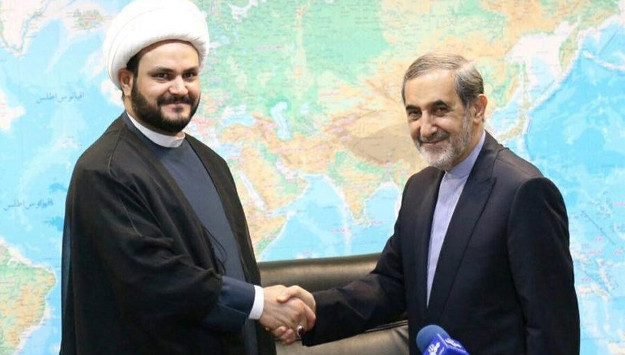
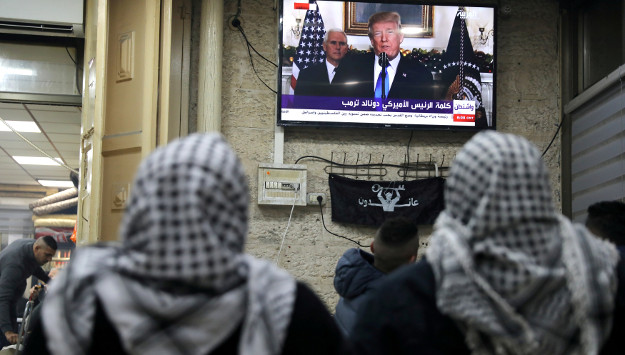
Harakat al-Nujaba, an Iranian-sponsored Iraqi militia group fighting in Iraq and Syria, today threatened to attack American troops in Iraq and the broader region in response to President Donald Trump’s announcement yesterday about the recognition of Jerusalem as Israel’s capital.
Iran Provokes “New Intifada” in Response to Trump’s Jerusalem Decision
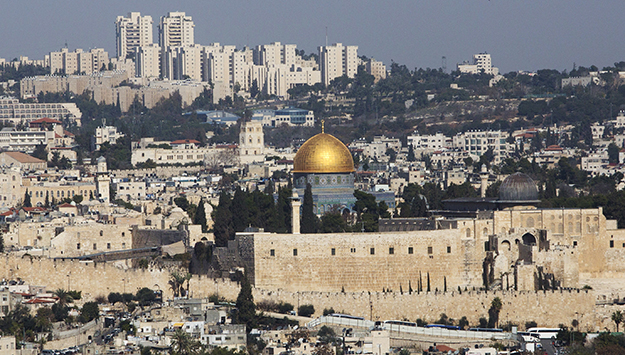
The chief of staff of the Iranian Armed Forces said President Donald Trump’s decision to recognize Jerusalem as Israel’s capital will “usher in a new intifada against the Zionist occ
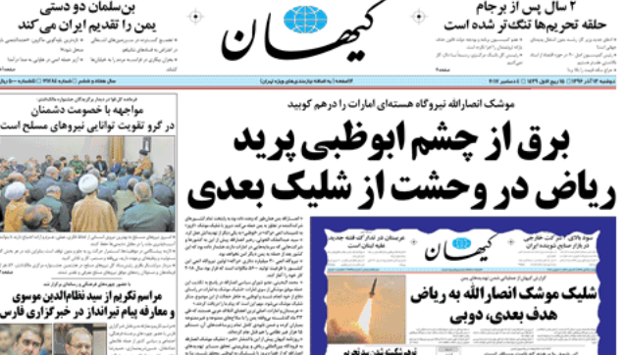
Iran-Backed Iraqi Groups Threaten Violence Following U.S. Terrorism Bill
Two Iranian-backed Iraqi militia groups have threatened violence against the United States in Iraq and the broader region after a proposed U.S. congressional bill designated them as terrorist organizations. On November 3, a bill was introduced the U.S.
Conditions Facing Religious Minorities in Iraqi Kurdistan (Livestream)
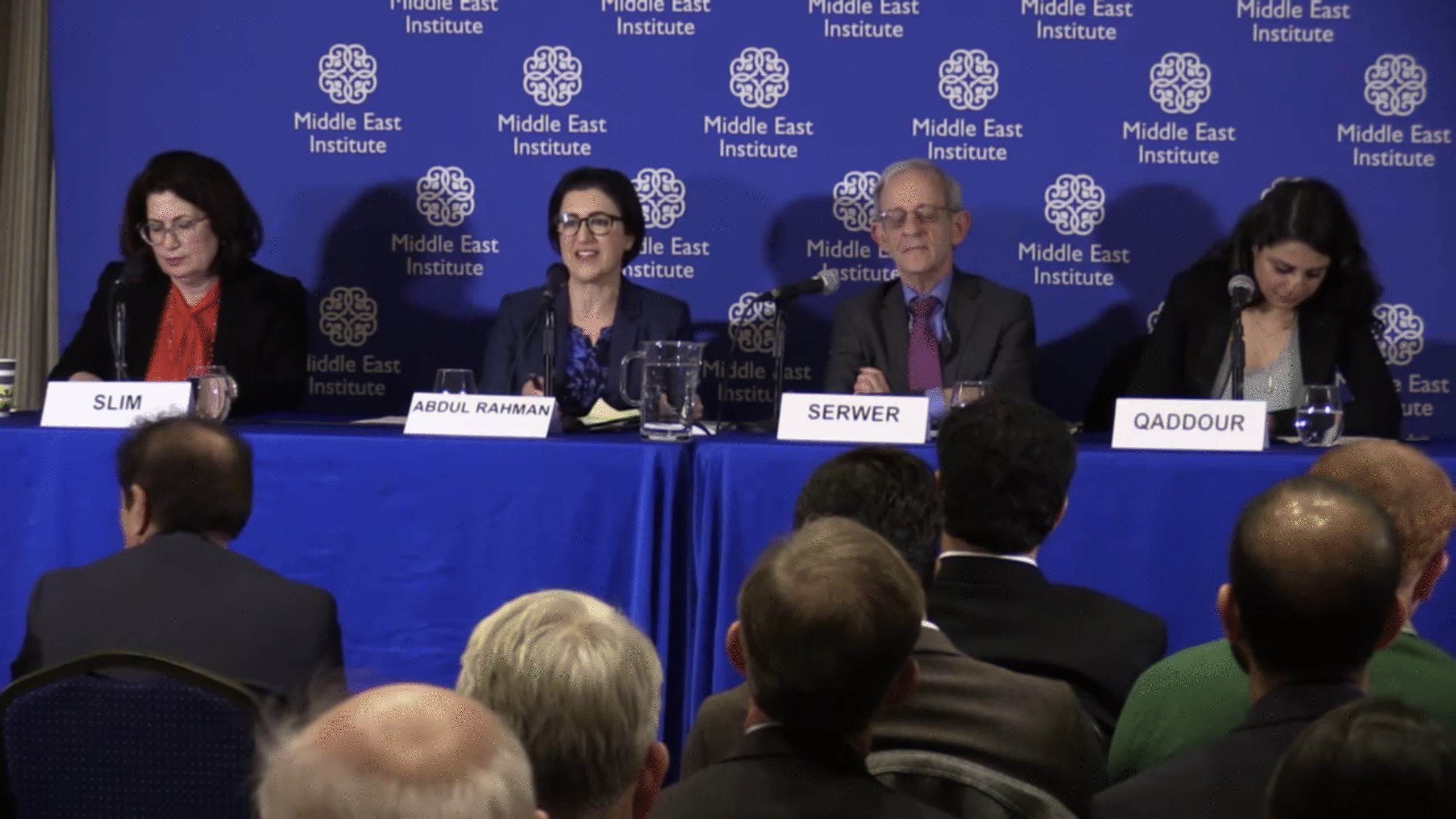
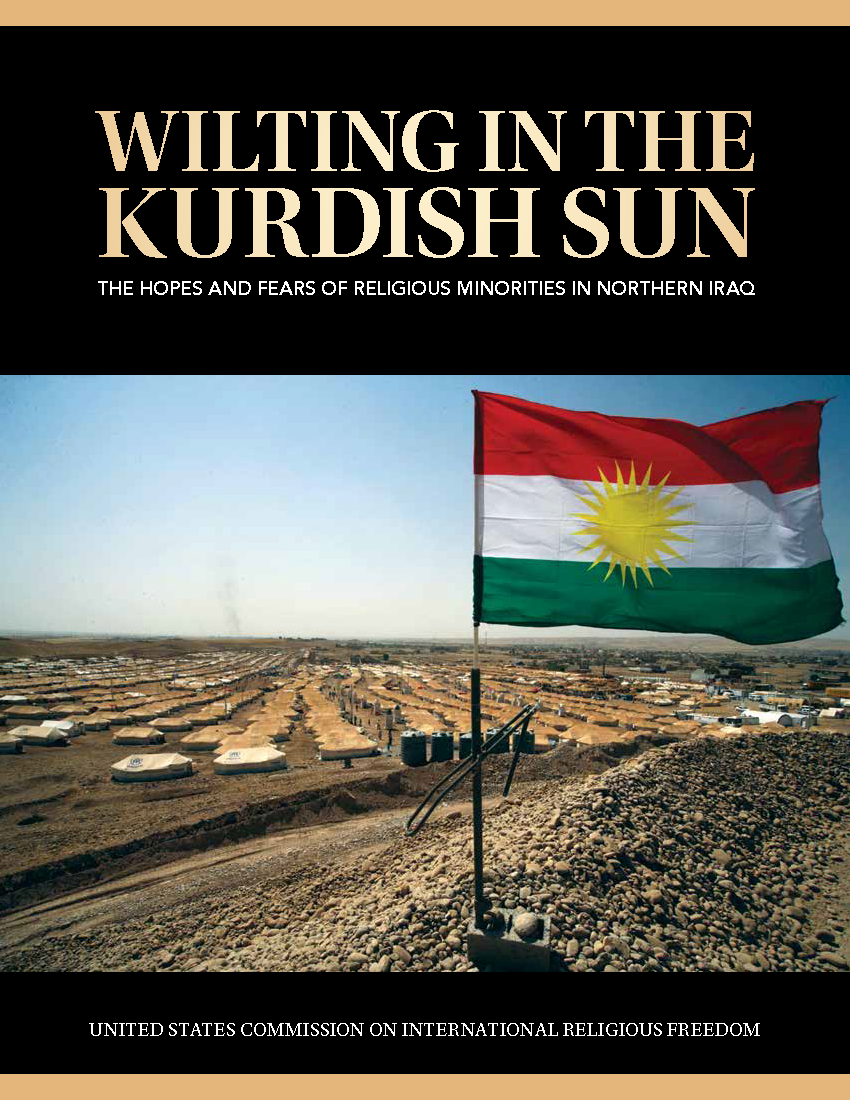
Surrounded by conflict and grappling with a rapidly changing political landscape, the Kurdistan Region of Iraq (KRI) stands out as a locus of relative stability in its region. A recently-released report by the United States Commission for International Religious Freedom (USCIRF), entitled “Wilting in the Kurdish Sun: The Hopes and Fears of Religious Minorities in Northern Iraq,” highlights the difficulties faced in the KRI to address religious freedom.
Iranian Leaders Celebrate Saleh’s Killing by Houthi Allies
Iranian leaders celebrate the killing of Ali Abdullah Saleh and some media outlets express the hope that the former Yemeni president’s death will further empower the Iran-backed Houthi rebels in Yemen.
Ali Akbar Salehi, a senior aide to Supreme Leader Ali Khamenei, said Saleh got what he deserved. “The Yemeni people that are with the resistance front will ultimately emerge victorious similar to the people of Syria, Iraq and Lebanon,” he added.
Iran to Keep Its Forces in Syria in Defiance of International Pressure
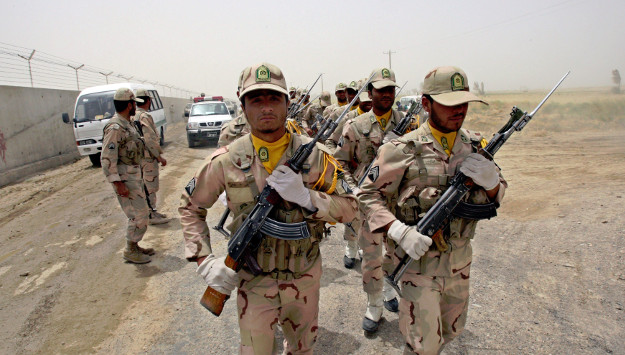
Iranian Parliamentary Speaker Ali Larijani has said that Iranian forces will remain in Syria “as long as necessary” to continue to assist the embattled regime of Bashar al-Assad, Fars News Agency reported. “Iran will continue to help Syria to fight terrorism as long as it is needed,” the top Iranian lawmaker said in an interview with a state-run Russian outlet during his trip to Moscow. “The fight against terrorism has not ended.
Video Shows Protesters Tearing up Posters of Khamenei, Pro-Iran Iraqi Leaders in Najaf
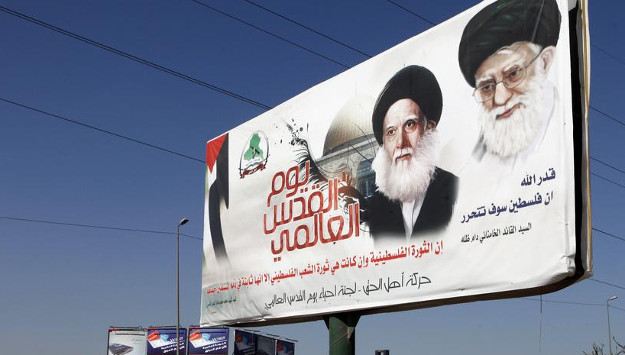
Iraqis in the city of Kufa of Najaf Province held a protest rally against Iran and its Iraqi proxies and attacked the offices of the Badr Organization, according a video clip circulating in social media and published in some Arab outlets. It is not clear when the protest occurred. In the video, protesters are seen ripping up images of Iran’s Supreme Leader Ali Khamenei and Hadi al-Amiri, the leader of the Badr Organization, a powerful group within Iraq’s Popular Mobilization Forces (P.M.F.) and with close to Tehran.
Iranian Navy Adds New Warship to Caspian Sea Fleet
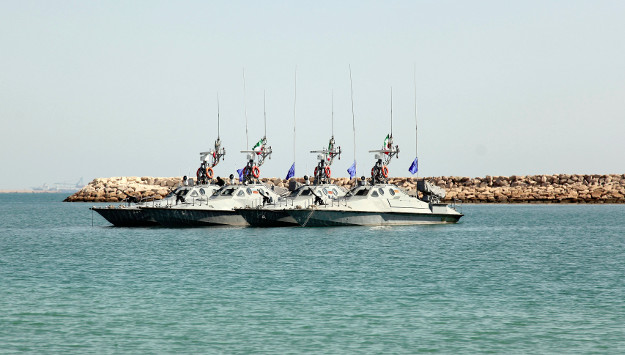
The Iranian Navy today added a new missile-launching corvette to its fleet in the Caspian Sea, the Iranian media reported. Iranian Defense Minister Brigadier General Amir Hatami participated in the inauguration ceremony of the homegrown vessel called Separ (shield). According to Tasnim News Agency, the new ship can sail at a maximum speed of 35 knots and is equipped with surface-to-surface missile systems, naval guns and radar systems.
Tehran Pressures Baghdad not to Disband P.M.F. despite Mounting Concerns
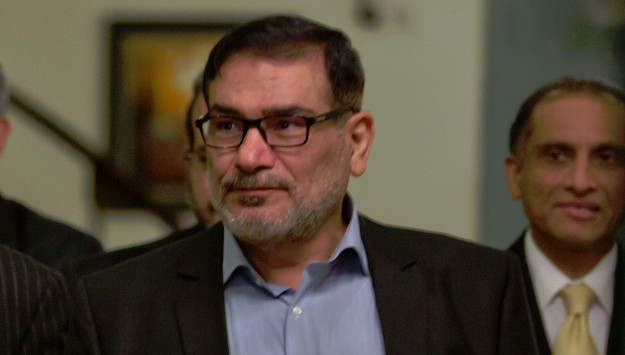
Ali Shamkhani, the secretary of Iran’s Supreme National Security Council, has said that a “new foreign plot” is underway to dismantle Tehran-backed Popular Mobilization Forces (P.M.F.) in neighboring Iraq, the Iranian media reported. In a meeting with Deputy Speaker of the Iraqi Parliament Hammam Hamoudi in
Of all the calamities that have caused mass death and destruction in the Middle East in recent years—including civil war, terrorism, ethnic cleansing, cholera, and famine—none is more potentially threatening to human life than the danger of nuclear power.
The oldest peer-reviewed publication dedicated to the study of the modern Middle East, MEI’s flagship journal covers politics, society, and culture in the region.