The Americans Are Gone. Will Iraq’s Militias Disarm?
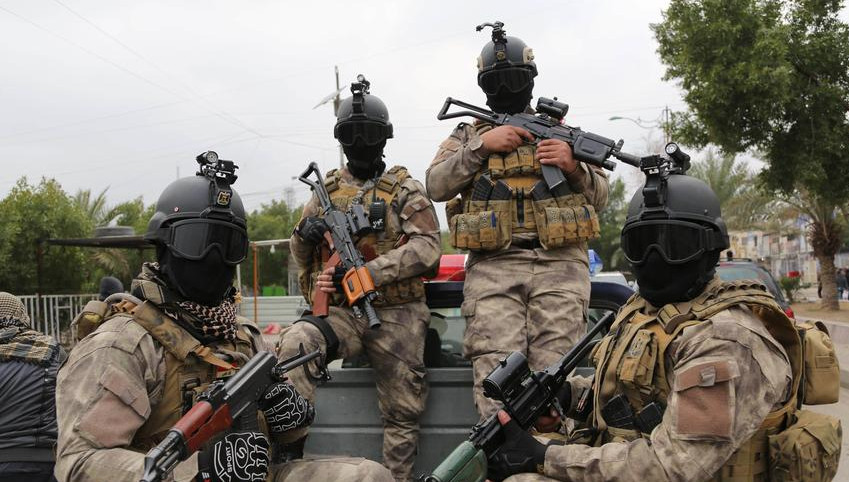
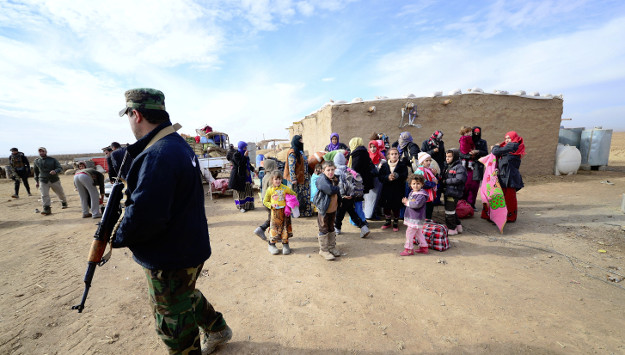
On September 30, the US completed its military withdrawal from Iraq, ending a 12-year-long mission to combat ISIS that began in 2014. The date was also meant to be the deadline for disarming the largely Iranian-backed militias known as the Popular Mobilization Forces (PMF), but Prime Minister Ali al-Zaidi has now pushed that cutoff back to June 30, 2027. MEI Distinguished Diplomatic Fellow Amb. (ret.) Robert S. Ford joins hosts Alistair Taylor and Matthew Czekaj to discuss what the US military withdrawal means for Iraqi security and the nature of the bilateral relationship going forward. They also speak about what it will take for Baghdad to bring the PMF militias to heel, and how Iraq may navigate the post-Iran war era.
Jordan’s Economy Weathers Iran War’s Shocks and Finds New Opportunities
In the summer of 2003, King Abdullah II told Bloomberg Jordan sits “between Iraq and a hard place,” a play on words designed to describe the kingdom’s challenging environment to an American audience amid the US-led Iraq war to the east and the lingering Palestinian-Israeli conflict to the west. Jordan is grappling with a much “harder place” today.
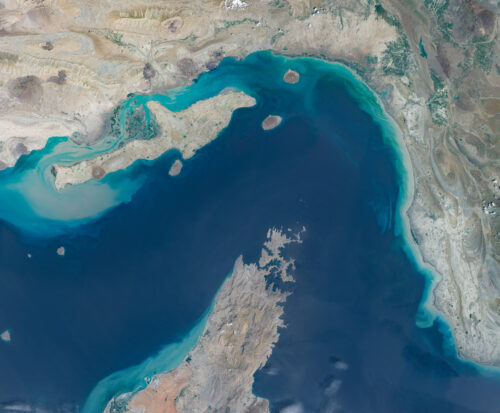
Proponents of the war with Iran have taken recent increases in crude-oil flows through the Strait of Hormuz as proof that the US strategy is finally working. President Trump is so confident in this that he recently rejected a seven-day plan, set forward by Iran’s foreign ministry, to end the war and open the strait. The United States is “winning tremendously,” Trump boasted.
Iran Hopes Riyadh-Doha Tension Will Weaken anti-Iran Alliance
The Iranian media sees the heightening tension between Qatar and Saudi Arabia – two member states of the Gulf Cooperation Council (G.C.C.) – as an opportunity to weaken the U.S.-Arab alliance against Iran and its proxies in the region.
Iran Blames U.S. Policies for Kabul Attack and Extremism in Afghanistan
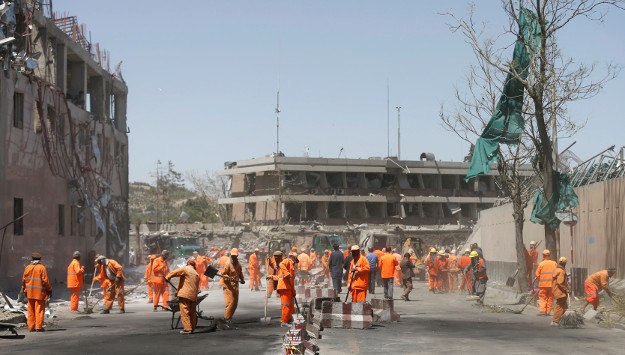
Reacting to today’s deadly bombing in Kabul, Iranian leaders and media outlets blamed U.S. policies and military presence in Afghanistan for growing extremism and instability in the war-ravaged country. Iran’s Foreign Minister Javad Zarif said the Kabul attack shows “Takfiri terrorism recognizes no boundaries” and called on regional countries to act in unison to fight terrorism instead of seeking help from outsiders – an apparent reference to the United States, which has more than 8,000 troops in Afghanistan training and assisting the country’s security forces.
Final Phase of Mosul Battle Begins | Weekly Briefing
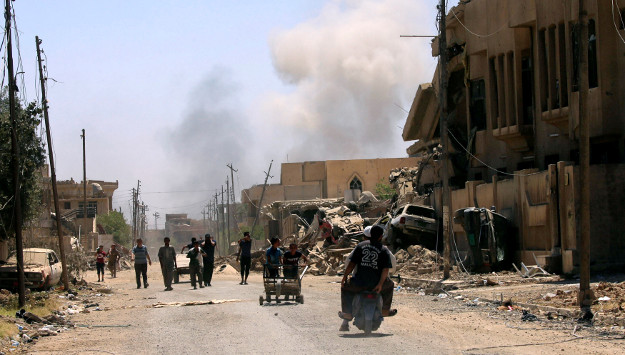
In this week’s Briefing, MEI experts Charles Lister, Gonul Tol, and Gerald Feierstein provide analysis on recent and upcoming events including the beginning of the final phase of the battle to retake Mosul, Germany’s consideration for withdrawing troops from Turkey, and Qatar’s fragile relations within the G.C.C.
The Saudi-Iran Factor in Pakistan’s Sunni-Shia Conflict
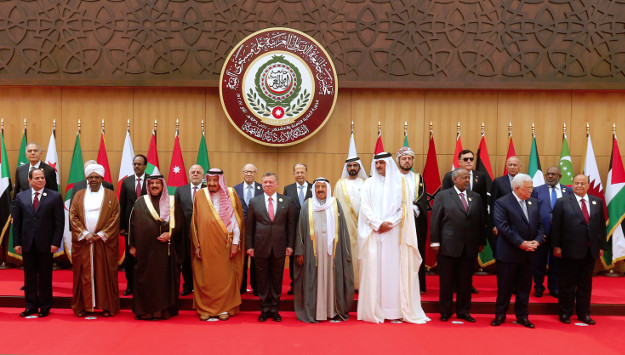
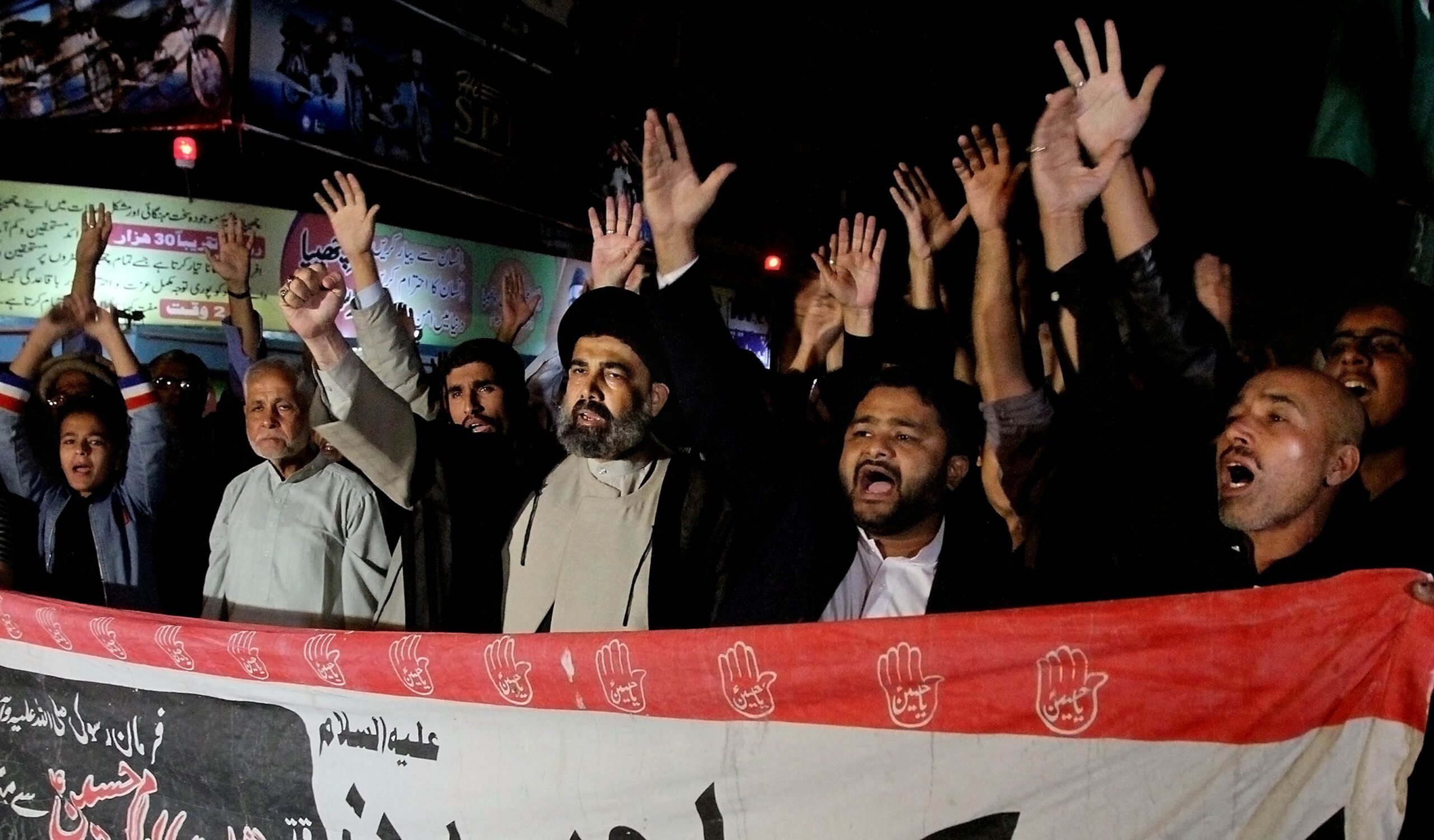
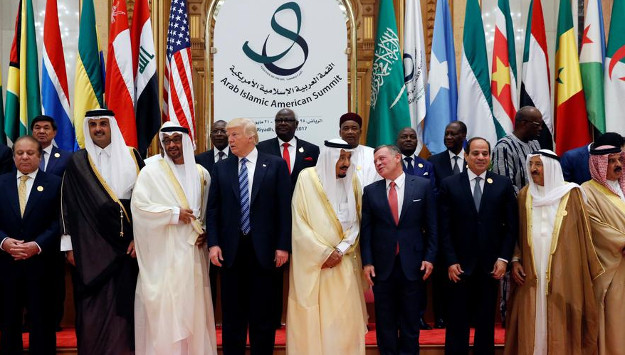
This essay examines the effects of the Saudi-Iran rivalry on Sunni-Shia relations in Pakistan. The essay shows that this rivalry, which has sectarian undertones and is partly responsible for the continuing Syrian civil war, has not only complicated Pakistan’s relations with Riyadh and Tehran but has exacerbated Sunni-Shia tensions domestically. Pakistan’s predicament has become even more complicated in light of the recent Trump-led Arab Islamic American Summit.
Iran-Backed Iraqi Paramilitaries Reach Border Area, Express Readiness to Fight in Syria
The head of an Iranian-supported Badr Organization said today that the Iraqi Popular Mobilization Forces have launched a new operation to secure areas along the Syrian-Iraqi border, Fars News Agency, which is affiliated with the Islamic Revolution Guards Corps (I.R.G.C.), reported.
Iran Plans to Launch Several Satellites into Space, including 1st Sensor-Operational Satellite
Iranian officials claim that the country has made significant progress in designing and producing satellites and is planning on launching several satellites into space in the near future.
Iran Says It's Ready to Send Troops to Syria to Monitor Ceasefire
Iran’s Foreign Ministry said on Monday that the Islamic Republic is prepared to deploy troops to Syria to monitor the ceasefire, Iranian media reported. Foreign Ministry Spokesman Bahram Ghassemi added that Iran, Russia and Turkey are holding talks to discuss the implementation of the ceasefire and de-escalation zones in Syria. “If the required grounds are provided, there would be a need to deploy forces who can monitor the ceasefire,” the Iranian spokesman said.
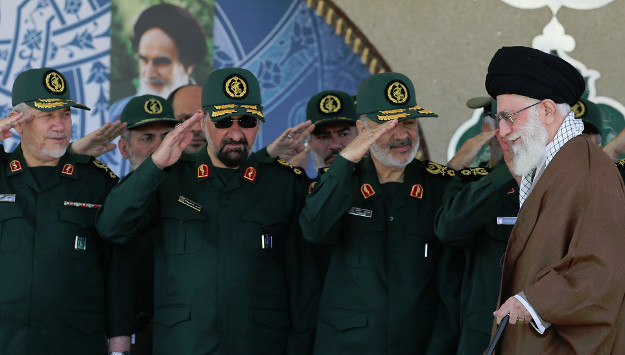
Senior Iranian Clerics: “Shadow of War over Iran Expanding” with new U.S.-Arab Partnership
Senior Iranian clerics at Friday prayers across the country today denounced the creation of an “Arab NATO” by the United States and its regional allies to fight terrorism and contain Iran’s regional ambitions.
Iran-Supported Iraqi Paramilitaries Make Further Gains in Western Mosul
The Iraqi Popular Mobilization Forces today seized nine villages around al-Qairawan region in western Mosul from the Islamic State, the Iranian media reports. According to a P.M.F. statement, the paramilitary forces “managed to reach the Sinjar mountains and block the road that connects Sinjar to al-Ba’aj.
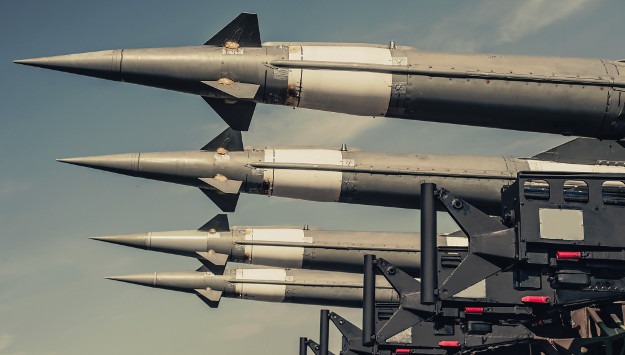
The Iranian defense minister today claimed that the country has achieved self-sufficiency in the field of producing military hardware, particularly ballistic missiles, the Iranian media reported.
IranObserved: Presidential Election and Foreign Policy
May 23, 2017 – Ahmad Majidyar, director of the IranObserved project at the Middle East Institute, joins host Paul Salem to discuss Hassan Rouhani’s reelection as president, the election’s implications for U.S.-Iran relations during the Trump presidency, and Iran’s broader strategy in regional conflicts.
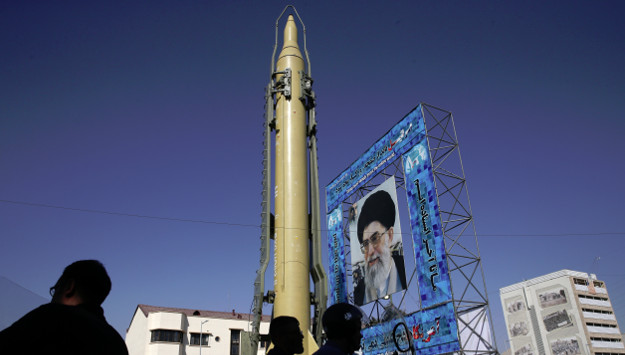
I.R.G.C. Unveils New Underground Missile Production Factory despite U.S. Warning
The commander of Iran’s Islamic Revolution Guards Corps (I.R.G.C.) Aerospace Force today revealed that the country has recently built a third underground ballistic missile production factory, the
Iran Paper: Are New U.S. Sanctions a Declaration of War against Iran?
The U.S. Senate Relations Committee today approved a new set of sanctions against Iran for its ballistic missile program, support for terrorism, and human rights abuses.
The oldest peer-reviewed publication dedicated to the study of the modern Middle East, MEI’s flagship journal covers politics, society, and culture in the region.