The Americans Are Gone. Will Iraq’s Militias Disarm?
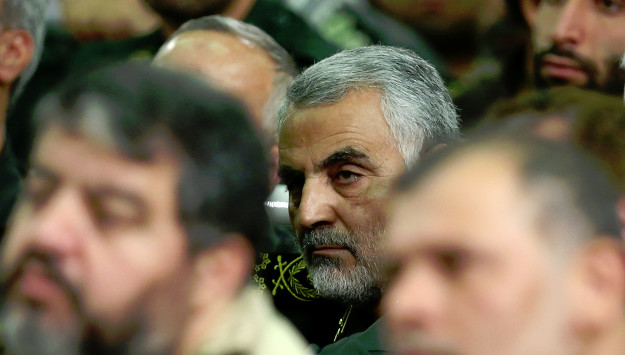
On September 30, the US completed its military withdrawal from Iraq, ending a 12-year-long mission to combat ISIS that began in 2014. The date was also meant to be the deadline for disarming the largely Iranian-backed militias known as the Popular Mobilization Forces (PMF), but Prime Minister Ali al-Zaidi has now pushed that cutoff back to June 30, 2027. MEI Distinguished Diplomatic Fellow Amb. (ret.) Robert S. Ford joins hosts Alistair Taylor and Matthew Czekaj to discuss what the US military withdrawal means for Iraqi security and the nature of the bilateral relationship going forward. They also speak about what it will take for Baghdad to bring the PMF militias to heel, and how Iraq may navigate the post-Iran war era.
Jordan’s Economy Weathers Iran War’s Shocks and Finds New Opportunities
In the summer of 2003, King Abdullah II told Bloomberg Jordan sits “between Iraq and a hard place,” a play on words designed to describe the kingdom’s challenging environment to an American audience amid the US-led Iraq war to the east and the lingering Palestinian-Israeli conflict to the west. Jordan is grappling with a much “harder place” today.
Proponents of the war with Iran have taken recent increases in crude-oil flows through the Strait of Hormuz as proof that the US strategy is finally working. President Trump is so confident in this that he recently rejected a seven-day plan, set forward by Iran’s foreign ministry, to end the war and open the strait. The United States is “winning tremendously,” Trump boasted.
Resolving the Conflict in Yemen: U.S. Interests, Risks and Policy
The following testimony by Amb. (Ret’d) Gerald M. Feierstein, Senior Fellow and Director of the Center for Gulf Affairs at the Middle East Institute, was delivered to the United States Senate Foreign Relations Committee on March 9, 2017.
Mr. Chairman, Mr. Ranking Member, Members of the Committee:
Thank you for providing this opportunity to speak to you today about Yemen and the tragic circumstances confronting the Yemeni people.
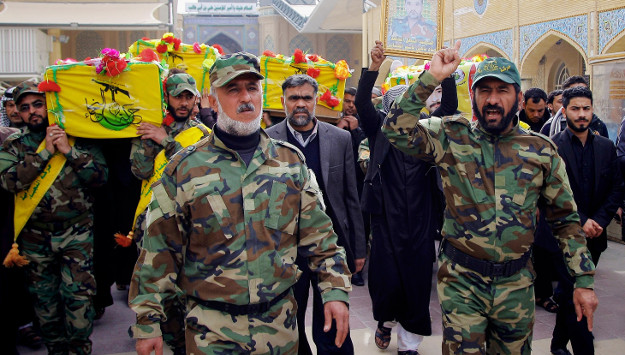
Iran-Backed Iraqi Militia Group Launches New Brigade to “Liberate” Golan Heights
A powerful Iran-supported Iraqi Shiite militia group has announced the creation of a new brigade to “liberate” the Golan Heights from Israel, the Iranian media reports. “After the latest victories [in Syria and Iraq], we established the ‘Golan Liberation Brigade’.
This essay explores the future of India-Gulf ties in all spheres and some out-of-the-box security dynamics, especially the possibility of evolving an alternative security mechanism in the Gulf. It specifically highlights the opportunities and challenges for Asian countries, especially India, in the quest for a new collective security architecture and stability in the region.
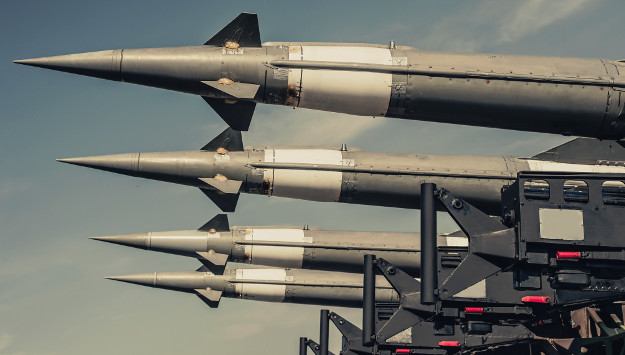
I.R.G.C. Test-Fires Naval Ballistic Missile amid Heightening Tension with U.S.
The Islamic Revolution Guards Corps (I.R.G.C.) has “successfully” test-fired a naval missile destroying a floating target more than 100 miles away, the Iranian media reported earlier today.
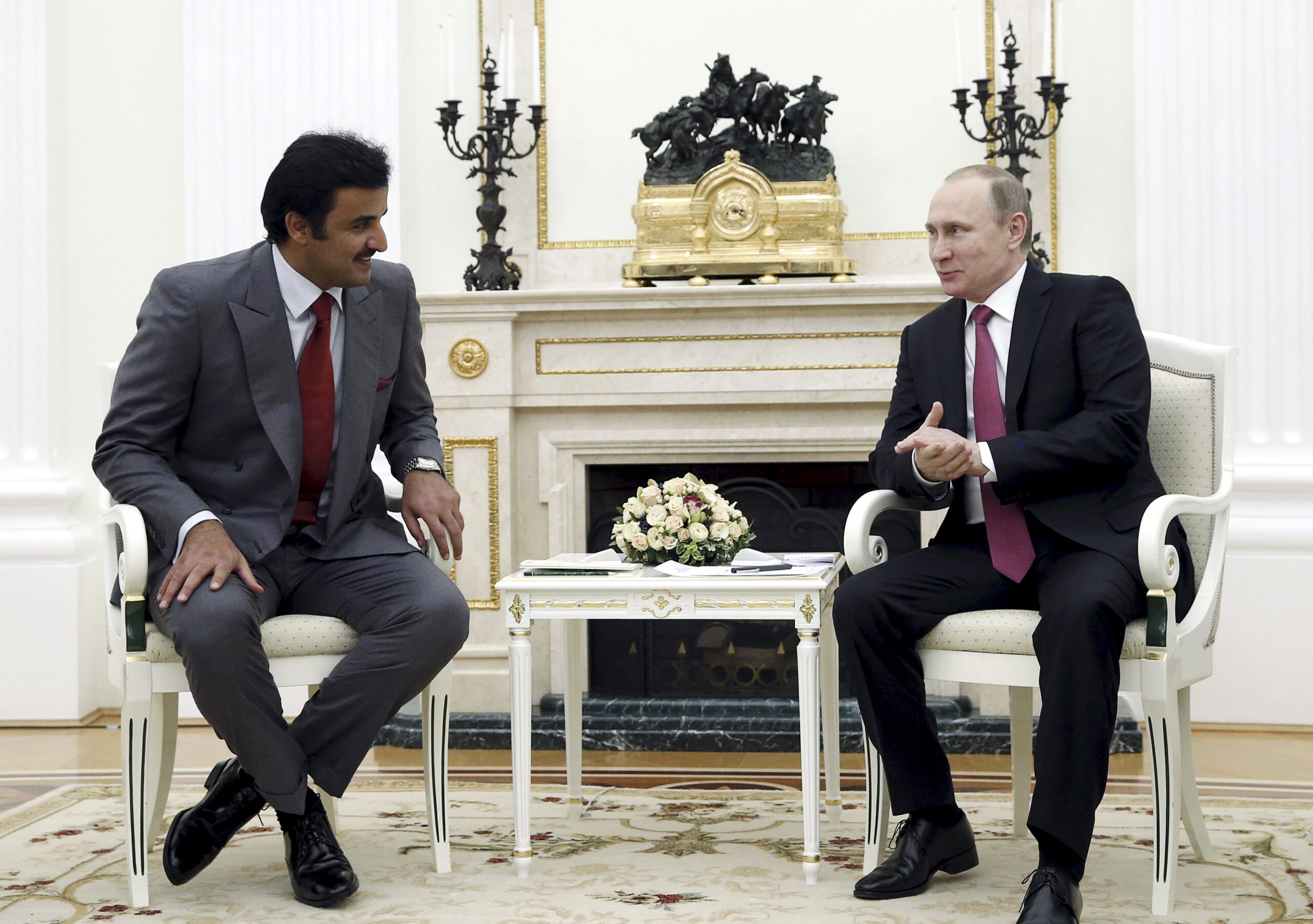
Qatar is throwing its financial muscle to woo Russia in a bid to regain lost political influence in the Syrian conflict, and the broader Middle East. Qatar’s Emir Sheikh Tamim bin Hamad al-Thani visited Russia in January to address Middle Eastern geopolitics and energy issues.
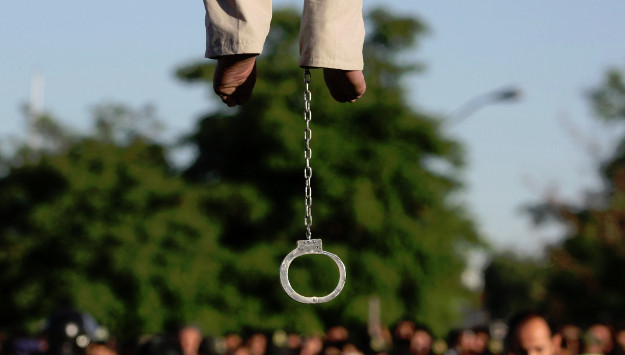
Rights Groups Call on Tehran to End Repression of Justice-Seekers of 1980s Mass Executions
Twenty human rights organizations issued a joint statement today calling on the Iranian authorities to “stop the harassment, intimidation and prosecution of human rights defenders seeking truth and justice on behalf of individuals who were summarily executed or forcibly disappeared during the 1980s and their families,” the Center for Human Rights in Iran (CHRI), one of the signatories of the statement
The oldest peer-reviewed publication dedicated to the study of the modern Middle East, MEI’s flagship journal covers politics, society, and culture in the region.