The Americans Are Gone. Will Iraq’s Militias Disarm?
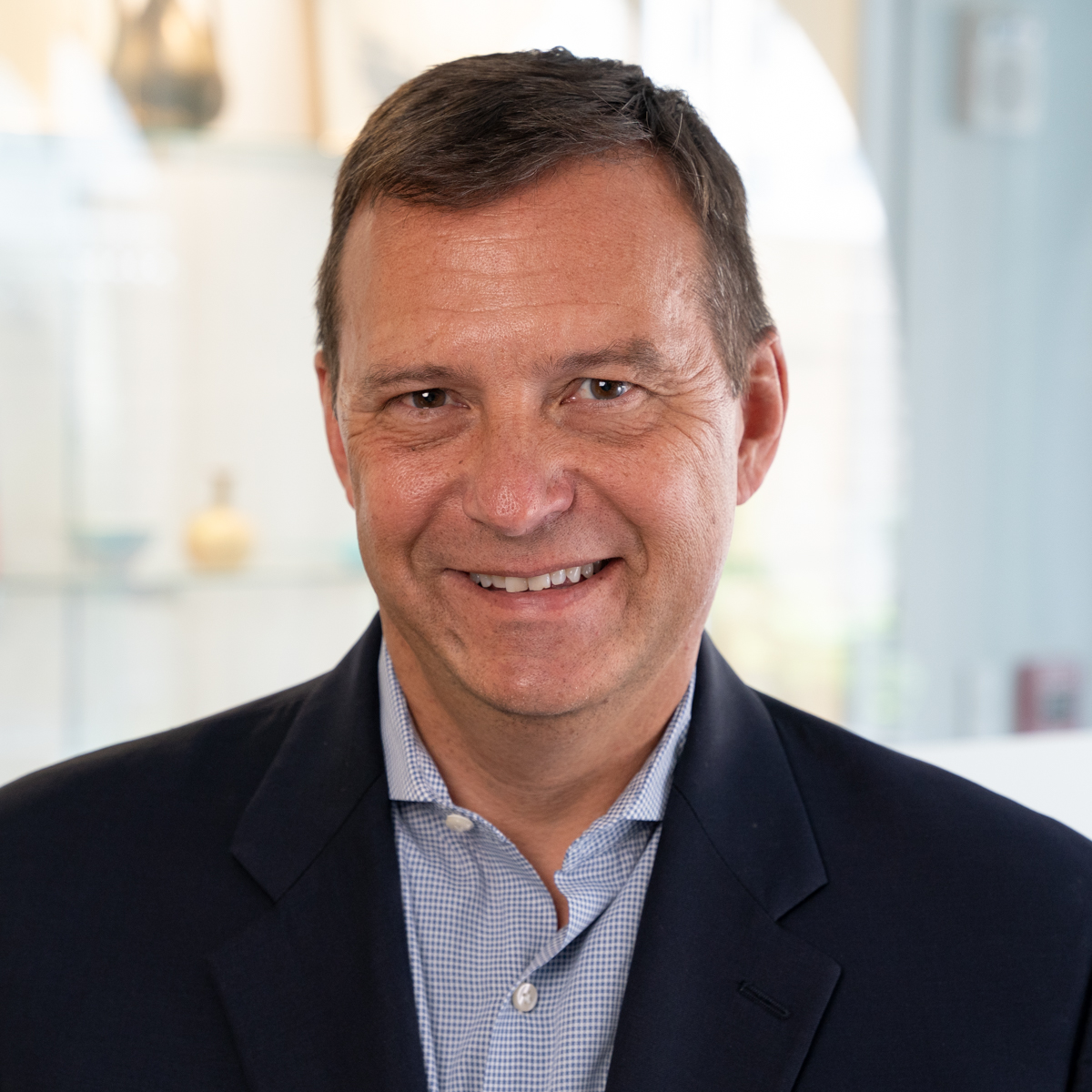
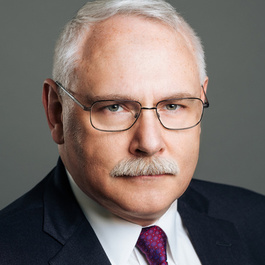
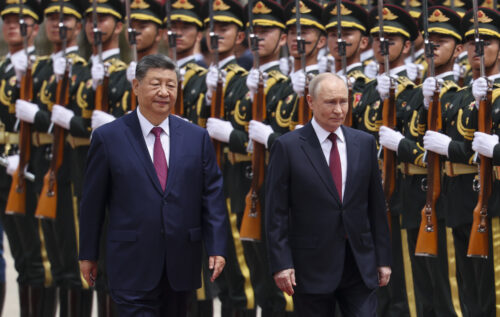
On September 30, the US completed its military withdrawal from Iraq, ending a 12-year-long mission to combat ISIS that began in 2014. The date was also meant to be the deadline for disarming the largely Iranian-backed militias known as the Popular Mobilization Forces (PMF), but Prime Minister Ali al-Zaidi has now pushed that cutoff back to June 30, 2027. MEI Distinguished Diplomatic Fellow Amb. (ret.) Robert S. Ford joins hosts Alistair Taylor and Matthew Czekaj to discuss what the US military withdrawal means for Iraqi security and the nature of the bilateral relationship going forward. They also speak about what it will take for Baghdad to bring the PMF militias to heel, and how Iraq may navigate the post-Iran war era.
Jordan’s Economy Weathers Iran War’s Shocks and Finds New Opportunities
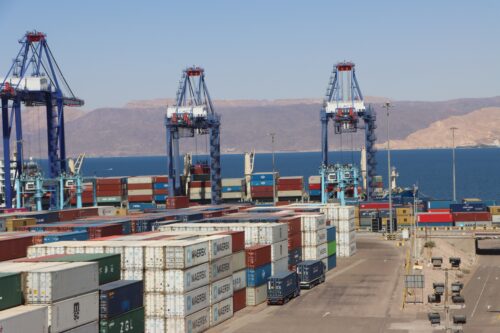
In the summer of 2003, King Abdullah II told Bloomberg Jordan sits “between Iraq and a hard place,” a play on words designed to describe the kingdom’s challenging environment to an American audience amid the US-led Iraq war to the east and the lingering Palestinian-Israeli conflict to the west. Jordan is grappling with a much “harder place” today.
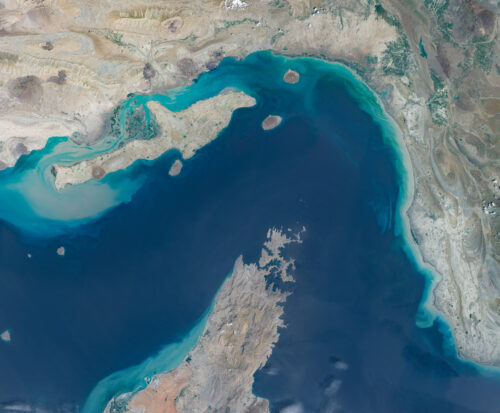
Proponents of the war with Iran have taken recent increases in crude-oil flows through the Strait of Hormuz as proof that the US strategy is finally working. President Trump is so confident in this that he recently rejected a seven-day plan, set forward by Iran’s foreign ministry, to end the war and open the strait. The United States is “winning tremendously,” Trump boasted.
Tehran has rejected reports about explosions in the oil-rich Khuzestan Province on the border with Iraq. Earlier reports suggested that the group “Arab Struggle Movement for the Liberation of Ahwaz” had blown up two pipelines and warned of more attacks to come. The group justified its attacks to “protest at the continuing occupations” of “Ahwazi [Khuzestan] land” by Iranians.
Hezbollah Front Company Allegedly Training Kuwait University Students
A Lebanese company fronting for Hezbollah allegedly has contracted with Kuwait University to provide students with training in computers and information science, according to the Kuwaiti daily al-Shahed. Alarmed Kuwaitis have asked the Ministry of Education to investigate the reports. According to the al-Shahed report, the sources claim that the front company is using its program to “brainwash” the students and is providing them with free travel to Lebanon, including tickets and accommodations, which includes arranging visits to Hezbollah headquarters in Beirut.
Iran Sees Iraqi Shiite Militiamen as “Strategic Capacity”
Ali Shamkhani, the head of Iran’s Supreme National Security Council (SNSC), has called Iraqi Shiite militia, the Hashd Al-Shaabi (Popular Mobilization Forces), a “strategic capacity for the future of Iraq.” Shamkhani said this to the visiting former Iraqi prime minister, Nouri al-Maliki. Mailiki in turn thanked Iran for its “support for the Iraqi government and people” and lashed out at Tehran’s regional rivals Turkey and Saudi Arabia.
Iran-led Forces Intensify Fighting in Syria despite Truce
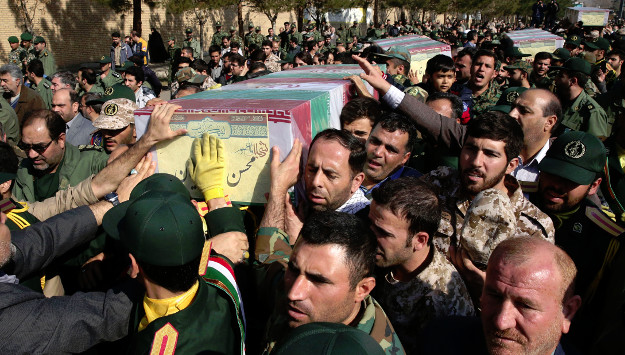
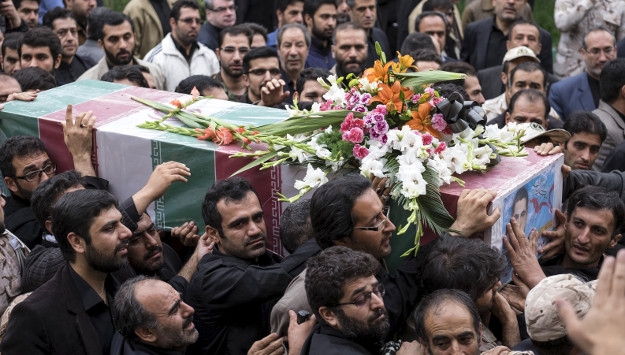
The Iranian media reports that a senior general of the Islamic Revolution Guards Corps (IRGC) has been killed in Syria. According to IRGC-affiliated Fars News Agency, Gholamali Gholizadeh was “martyred during fighting with Takfiri terrorists.” Iranian officials and outlets often refer to all Syrian opposition forces as “terrorists.”
Iranian media has reported that Javad Turk-Abadi will be Iran’s next ambassador to Damascus. “Turk-Abadi was chosen by Foreign Minister Javad Zarif and this selection was approved by President Hassan Rouhani,” it was reported.
IRGC Commander Hints at Executing Opposition Leaders
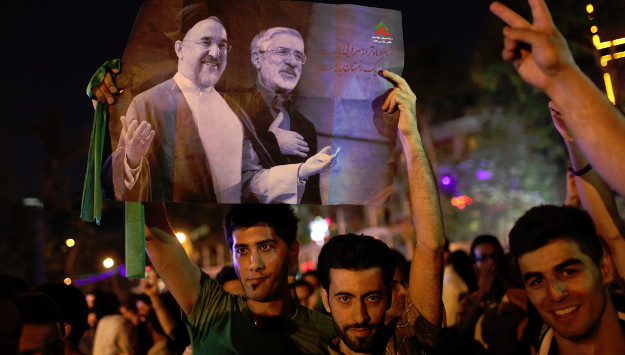
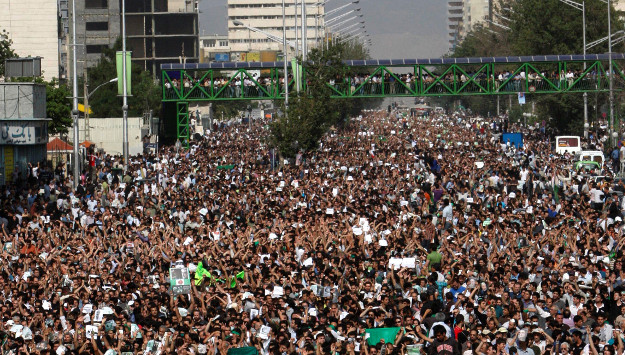
News Brief: In a controversial set of remarks, a top commander from the Islamic Revolution Guards Corps (IRGC) suggested that “the people” would want the death penalty to be imposed on the two leaders of Iran’s opposition movement. Hossein Nejat was referring to Mir Hossein Mousavi and Mehdi Karroubi, who spearheaded the mass protests against the regime during 2009-2011. “These people under house arrest enjoy wonderful amenities. They have swimming pools and access to the internet.
Iranian Judiciary Chief Defends Regime’s Dismal Rights Record
Iran’s Judiciary Chief Ayatollah Sadegh Larijani dismissed international concern about human rights abuses in Iran and claimed that people of all faiths and backgrounds enjoyed freedom and protection in the Islamic Republic. He also lamented that attacks against Muslims and their places of worship in the West are on the rise and accused Western countries of promoting “Islamophobia.”
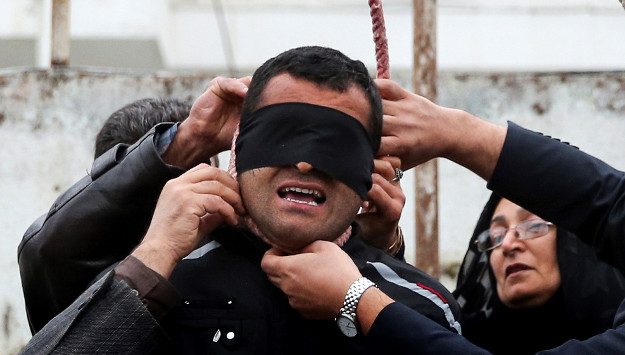
Hardline Iranian Cleric Calls Mass Execution “Revolutionary”
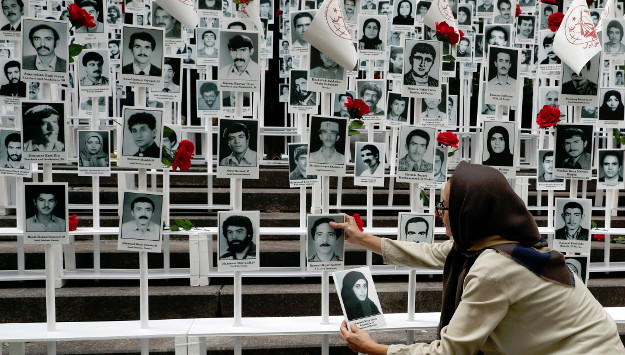
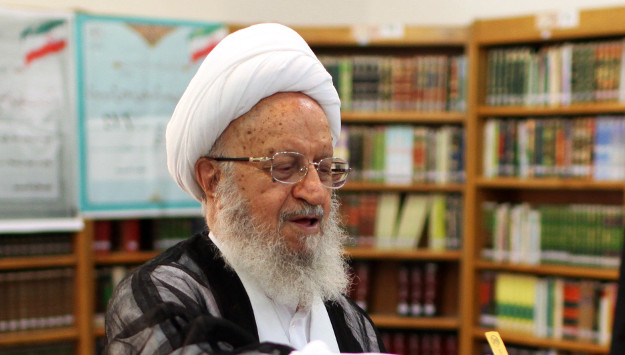
Grand Ayatollah Nasser Makarem Shirazi has called the execution of thousands of political prisoners in Iran in 1988 “a revolutionary act.” He continued, “There is a group [within the country] that want to seek revenge from the regime and destroy it.” He also alleged that Iranian political dissidents are in
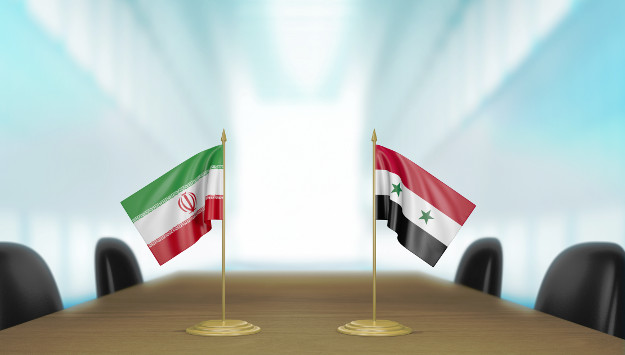
Senior Iranian Delegation Visits Damascus for Talks
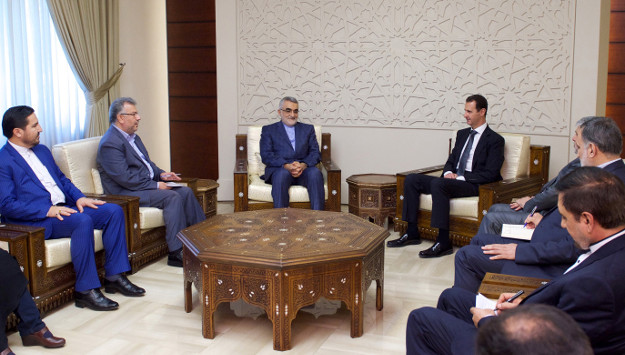
Iran’s Fars News Agency reports that a high-level Iranian parliamentary delegation left Tehran for Damascus on January 3 to hold meetings with senior Syrian officials. The chairman of Iranian Parliament’s Committee on National Security and Foreign Policy, Alaeddin Boroujerdi, heads the delegation.
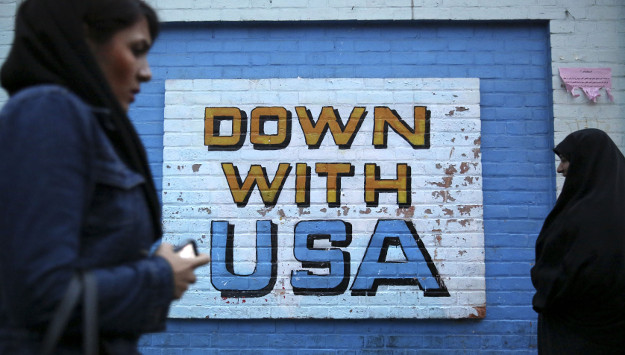
Iran Hosts International “Down with USA” Exhibition
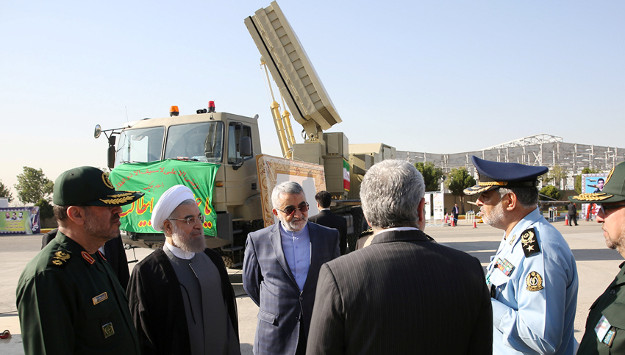
News Brief: On December 29, senior Iranian civilian and military officials participated in the closing ceremony of The Third International Grand Award of “Down with USA” held in Tehran. The organizers of the event had asked artists, photojournalists, cartoonists and documentary-makers from all over the world to submit their works for the competition and promised monetary rewards for the winners.
Heydar Moslehi, Supreme Leader Ayatollah Ali Khamenei’s special representative to the Islamic Republic Guards Corps (IRGC), has launched a scathing attack on Western embassies in Tehran.
The oldest peer-reviewed publication dedicated to the study of the modern Middle East, MEI’s flagship journal covers politics, society, and culture in the region.