The Americans Are Gone. Will Iraq’s Militias Disarm?
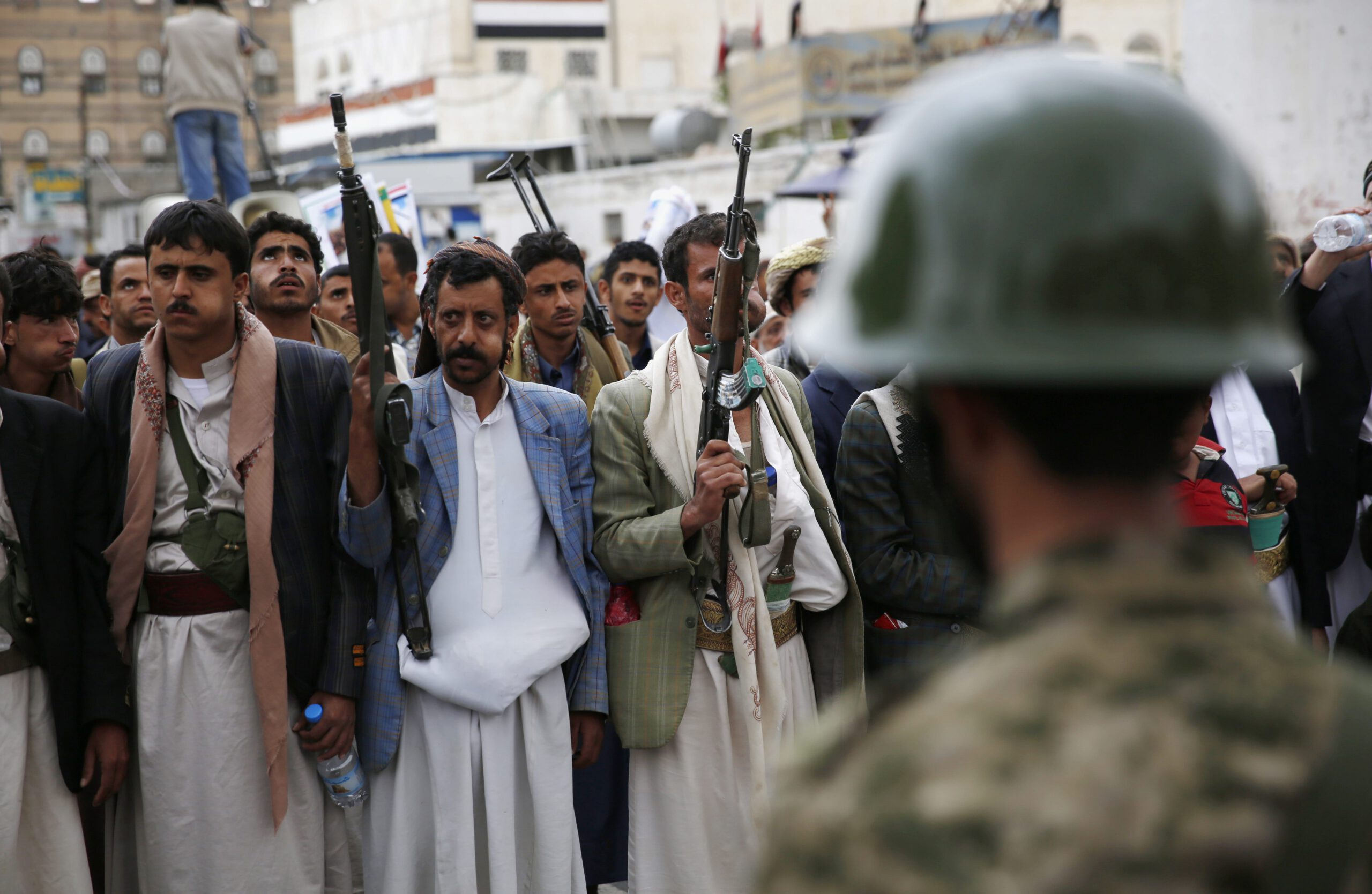
On September 30, the US completed its military withdrawal from Iraq, ending a 12-year-long mission to combat ISIS that began in 2014. The date was also meant to be the deadline for disarming the largely Iranian-backed militias known as the Popular Mobilization Forces (PMF), but Prime Minister Ali al-Zaidi has now pushed that cutoff back to June 30, 2027. MEI Distinguished Diplomatic Fellow Amb. (ret.) Robert S. Ford joins hosts Alistair Taylor and Matthew Czekaj to discuss what the US military withdrawal means for Iraqi security and the nature of the bilateral relationship going forward. They also speak about what it will take for Baghdad to bring the PMF militias to heel, and how Iraq may navigate the post-Iran war era.
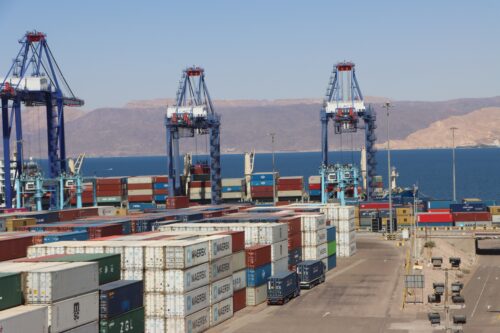
Jordan’s Economy Weathers Iran War’s Shocks and Finds New Opportunities
In the summer of 2003, King Abdullah II told Bloomberg Jordan sits “between Iraq and a hard place,” a play on words designed to describe the kingdom’s challenging environment to an American audience amid the US-led Iraq war to the east and the lingering Palestinian-Israeli conflict to the west. Jordan is grappling with a much “harder place” today.
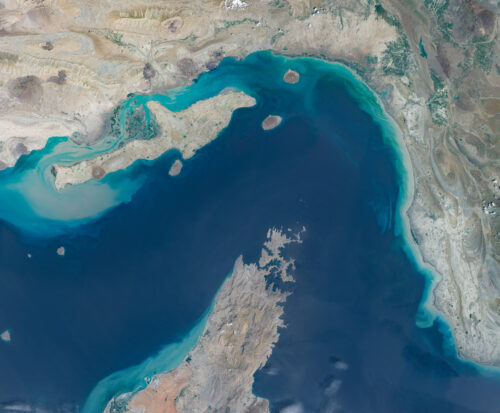
Proponents of the war with Iran have taken recent increases in crude-oil flows through the Strait of Hormuz as proof that the US strategy is finally working. President Trump is so confident in this that he recently rejected a seven-day plan, set forward by Iran’s foreign ministry, to end the war and open the strait. The United States is “winning tremendously,” Trump boasted.
South Korea’s Diversifying Economic Cooperation in the Gulf
Traditionally, South Korea’s economic relations with the Gulf states have been primarily based on energy trade and construction. The Park Geun-hye administration is keen to expand the scope and boost the value of South Korea’s economic relations with the GCC countries and with Iran.
Monday Briefing: Syria Ceasefire, Iran's Elections, and ISIS in Libya
In this week’s Monday Briefing, MEI experts Robert S. Ford, Paul Salem, Alex Vatanka, and David Mack provide analysis on recent events including the ceasefire agreement in Syria, Iran’s elections, and how the United States should respond to the growing threat of ISIS in Libya.
As objectionable as it may seem to many, it’s becoming increasingly likely that Donald Trump will be the Republican Party’s presidential nominee. It is also no longer a remote possibility for Trump to become the 45th president of the United States come next January. What would a Trump presidency mean for the oil-rich Gulf Arab states?
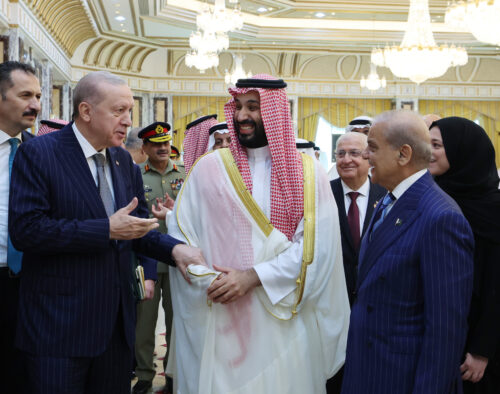
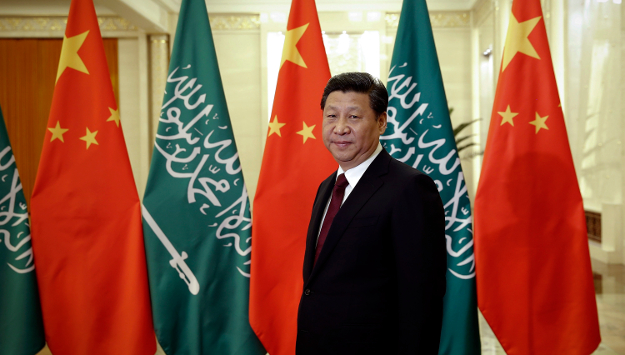
Chinese President Xi Jinping’s visit last month to Saudi Arabia, Egypt, and Iran represented the first, full frontal launch of China’s One Belt, One Road (OBOR) strategy in the Middle East. The visit has wide implications for Gulf Cooperation Council (GCC)-China relations as the geopolitical chessboard undergoes a major realignment.
Weekly Briefing: Syria Ceasefire, Iran Elections, and Saudi Arabia's Suspension of Aid to Lebanon
In the first installment of a new series of weekly briefings on the most important regional issues, MEI experts Randa Slim, Alex Vatanka, and Paul Salem analyze recent events including the ceasefire agreement in Syria, upcoming elections in Iran, and Saudi Arabia’s suspension of military aid to Lebanon.
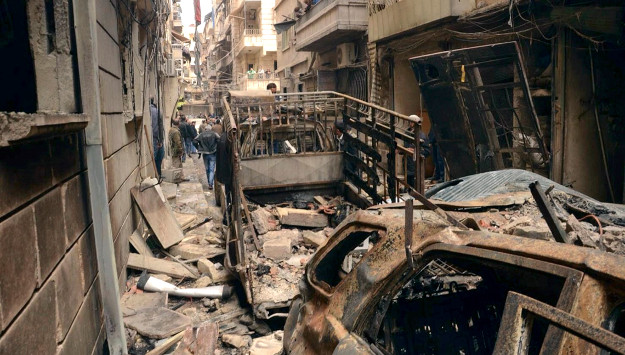
Will New Cease-fire Deal in Syria Succeed?
Randa Slim Director, Initiative for Track II Dialogues
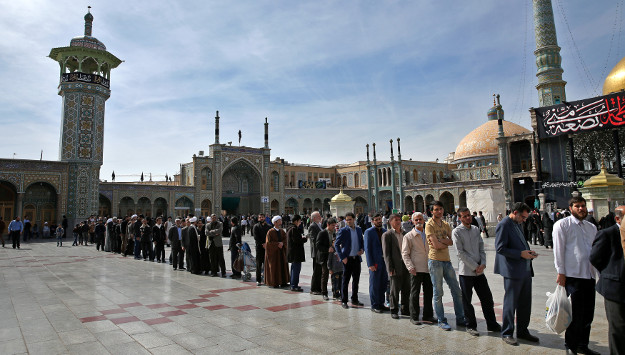
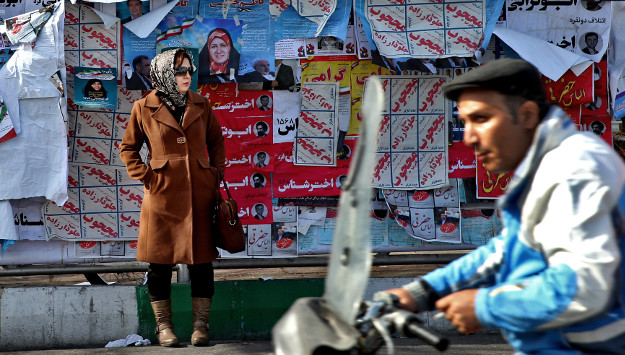
Two weeks ahead of critical elections, President Hassan Rouhani can boast of achieving two of his key election pledges from 2013: He secured a groundbreaking diplomatic nuclear deal with world powers and has removed crippling sanctions on the country. Rouhani should, therefore, feel confident ahead of the Feb. 26 vote and see himself as well on course to winning re-election in 2017.
Situating the GCC in China's Transforming Roles in Asia
China is a major economic partner of the GCC countries. This essay discusses the size and scope of this economic relationship, and considers how these ties might evolve as China’s ambitious One Belt One Road (OBOR) and Maritime Silk Road (MRS) initiatives take shape.
Political and security ties between Saudi Arabia and China have developed far more slowly than have their economic relations. This essay explores the security dimension of the relationship between Saudi Arabia and China, and attempts to shed light on the question of why Sino-Saudi cooperation in the security sphere has been very limited.
The demise of Sheikh Khalifa Bin Saeed al-Qassimi, the Arab ruler of the southern Persian governorate of Lingah, in the late 19th century resulted in its bustling port switching to Iranian hands.
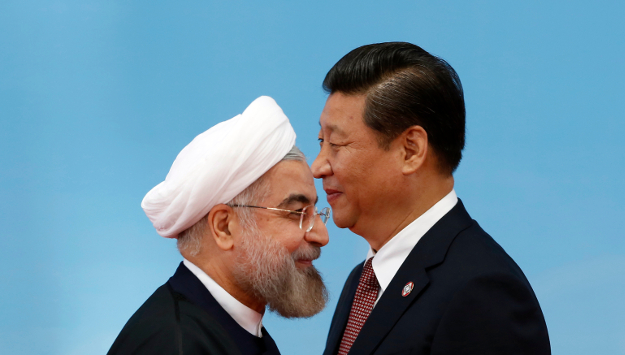
China and Iran: An Emerging Partnership Post-Sanctions
This essay is part of the series “All About China”—a journey into the history and diverse culture of China through essays that shed light on the lasting imprint of China’s past encounters with the Islamic world as well as an exploration of the increasingly vibrant and complex dynamics of contemporary Sino-Middle Eastern relations. Read more
Fate of the Dragon in the Year of the Red Fire Monkey: China and the Middle East 2016
February 2016 marks the beginning of a new phase in the Chinese lunar calendar, drawing to a close a year marked by heightened risks and fortuitous gains in China’s efforts to secure its interests in the Middle East and North Africa (MENA) region. This essay addresses three questions: How well has China adapted to the conflict and instability that have swept the region? And as we enter the Year of the Red Fire Monkey, what are the concerns that are likely to preoccupy Chinese leaders? What, if any, policy adjustments by Beijing, can realistically be expected in light of the current circumstances and uncertain prospects for the region and for China itself?
Outside Views on the U.S. Strategy for Iraq and Syria and the Evolution of Islamic Extremism
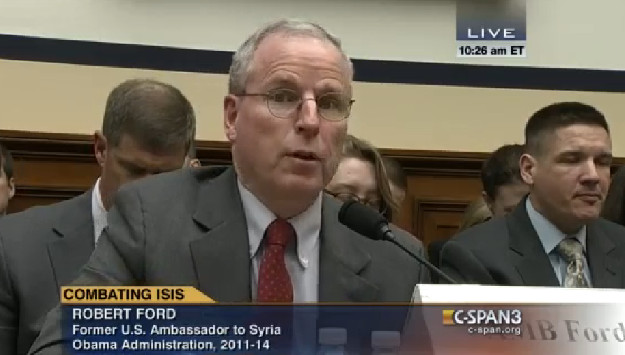
Amb. Robert Ford delivered the following prepared remarks at a hearing of the U.S. House Armed Services Committee on January 12, 2016. Click here to watch C-SPAN’s coverage of the hearing.
Mr. Chairman and members of the Committee,
It is an honor to be on this distinguished panel. Thank you for inviting me.
The oldest peer-reviewed publication dedicated to the study of the modern Middle East, MEI’s flagship journal covers politics, society, and culture in the region.