The Americans Are Gone. Will Iraq’s Militias Disarm?
On September 30, the US completed its military withdrawal from Iraq, ending a 12-year-long mission to combat ISIS that began in 2014. The date was also meant to be the deadline for disarming the largely Iranian-backed militias known as the Popular Mobilization Forces (PMF), but Prime Minister Ali al-Zaidi has now pushed that cutoff back to June 30, 2027. MEI Distinguished Diplomatic Fellow Amb. (ret.) Robert S. Ford joins hosts Alistair Taylor and Matthew Czekaj to discuss what the US military withdrawal means for Iraqi security and the nature of the bilateral relationship going forward. They also speak about what it will take for Baghdad to bring the PMF militias to heel, and how Iraq may navigate the post-Iran war era.
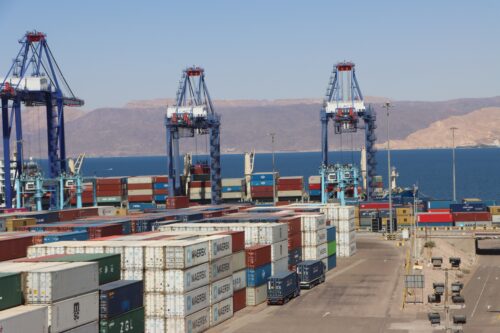
Jordan’s Economy Weathers Iran War’s Shocks and Finds New Opportunities
In the summer of 2003, King Abdullah II told Bloomberg Jordan sits “between Iraq and a hard place,” a play on words designed to describe the kingdom’s challenging environment to an American audience amid the US-led Iraq war to the east and the lingering Palestinian-Israeli conflict to the west. Jordan is grappling with a much “harder place” today.
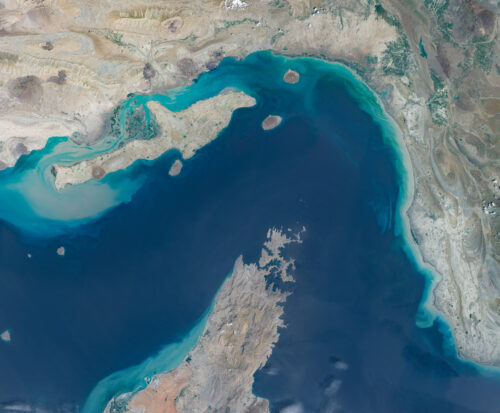
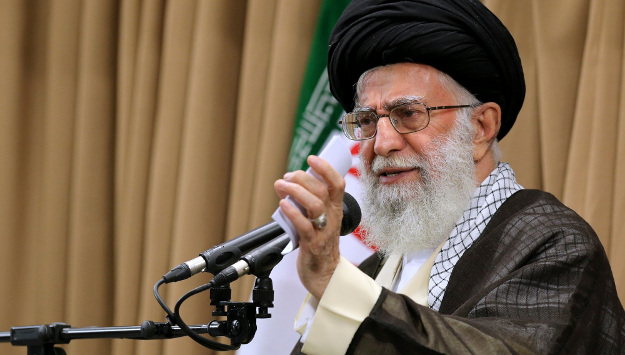
Proponents of the war with Iran have taken recent increases in crude-oil flows through the Strait of Hormuz as proof that the US strategy is finally working. President Trump is so confident in this that he recently rejected a seven-day plan, set forward by Iran’s foreign ministry, to end the war and open the strait. The United States is “winning tremendously,” Trump boasted.
The Humanitarian Crisis in the Middle East: Highlights from the MEI Conference
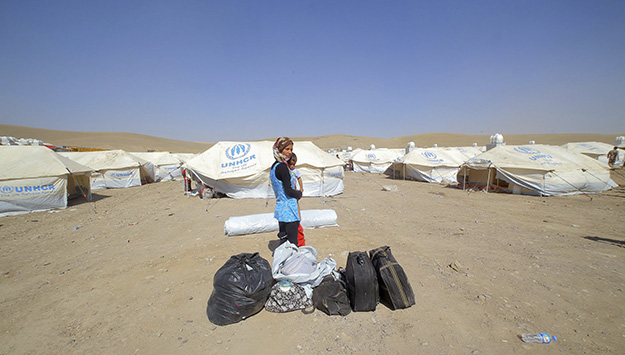
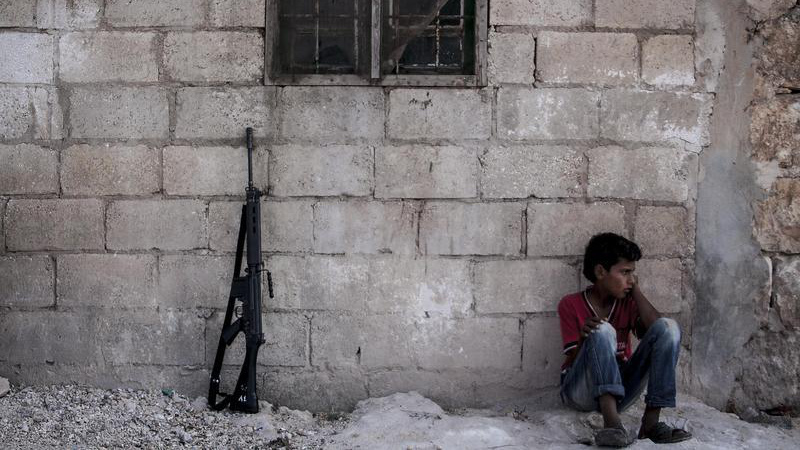
For decades, most refugee crises followed a pattern: A war erupted, usually in a poor country, and beleaguered civilians staggered across the nearest border. The United Nations organized a response, rich nations footed the bill, and aid groups sent in workers to tend to the needy. Even in extreme cases, such as the mass exodus from Afghanistan during the Soviet invasion in the 1980s, the crisis was largely confined to the country at war and a few immediate neighbors.
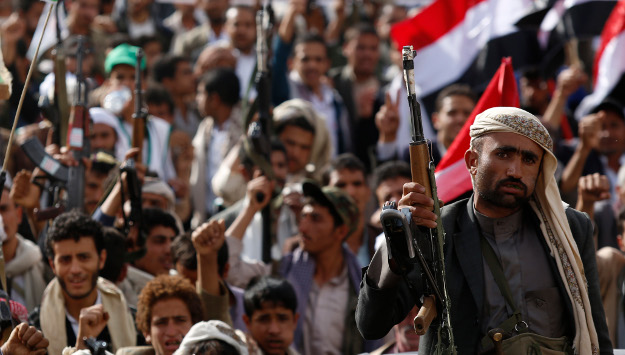
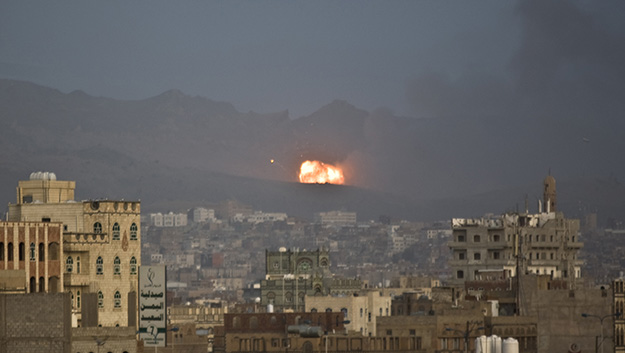
Three months after Saudi Arabia rounded up a few allies and began an intensive bombing campaign against the rebels known as Houthis across the border in Yemen, a conventional wisdom has developed. “It has not worked,” as The New York Times put it in a front-page article, and it probably can’t work because the strategic goals are too murky, the factions are too entrenched, the rivalries are too intense, and the conflict is too complicated to be resolved by a simplistic solution.
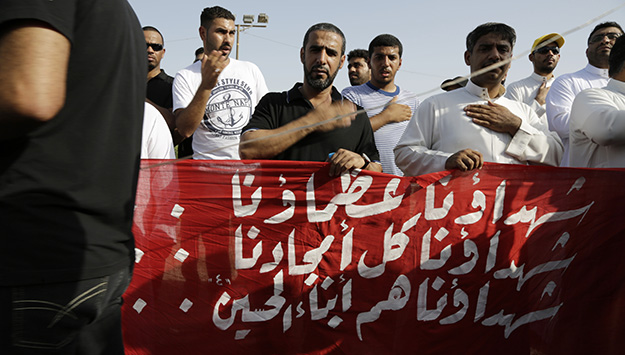
Saudi Arabia is a Sunni-majority state and home to a significant Shi‘i minority, most of whom live in the Eastern Province. The Shi‘a there are mainly of the Twelver sect, which is also the major Shi‘i sect in Iran, Iraq, Kuwait, and Bahrain. The Eastern Province Twelvers are not the only Shi‘a in Saudi Arabia—there are sizable communities of Twelvers in Medina and Isma‘ilis in Najran—but it is they who sit at the center of the Shi‘i political movement in the kingdom.
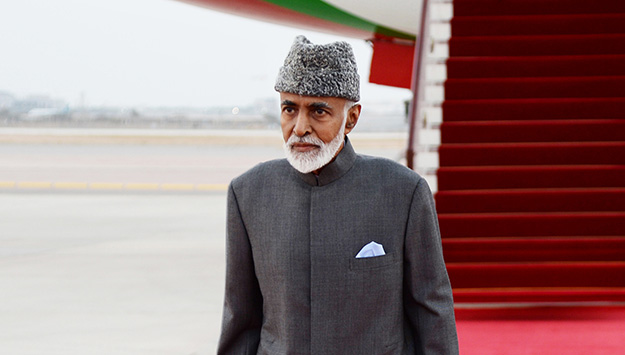
Oman’s government has declined to participate in the current Saudi-led military effort in Yemen. Instead, the country’s ruler, Sultan Qaboos, has called for “non-interference.” This position is an argument for internal political compromise that will eliminate the perceived need for Arab military intervention. To that end, Oman is offering a venue for talks with the hope of moving the political discussion forward.
In the unending panorama of violence that is today’s Middle East, one hopeful note emerged earlier this month with a low-key announcement from Saudi Arabia that drew scant attention from the American news media.
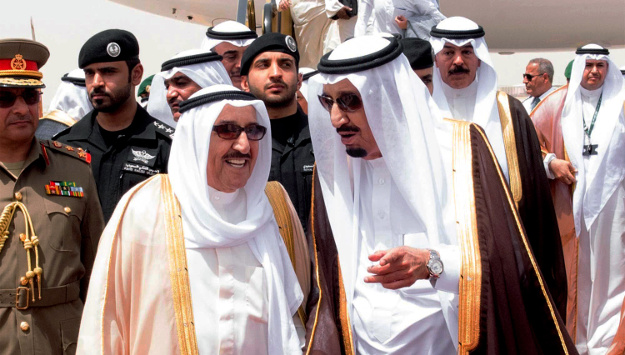
King Salman appointed a military officer, Gen. Thamer al-Sabhan, to be the kingdom’s first resident ambassador in Baghdad since Iraq invaded Kuwait in 1990.
The terrorist group known as the Islamic State (ISIS) has its eyes set on Saudi Arabia. Months of threatening to conquer “The Land of the Two Holy Mosques” culminated in an audio message in mid-May delivered by the leader of the group, Abu Bakr al-Baghdadi, in which he referred to Saudi Arabia’s government as “apostate leaders.” Since then ISIS has begun carrying out terrorist attacks inside the Kingdom. Two weeks in a row, individuals affiliated with ISIS have conducted suicide attacks against mosques in the Eastern Province, where the majority of Saudi Shi’a live.
Deradicalization Programs in Saudi Arabia: A Case Study
This paper is part of a series, titled “Understanding Deradicalization: Pathway to Enhance Transatlantic Common Perception and Practices.” Click here to view the full series, or navigate using the table of contents to the right.
Negotiating Yemeni Peace: Deep Divisions and Hard Realities
After initially rejecting the UN call for talks, the Saudi-backed Abdu Rabbu Mansour Hadi faction reversed its position and agreed to meetings in Geneva on June 14.
Iran offers a unique platform for China’s ambitions in the Middle East, and as such Beijing is willing to bet that the benefits of closer ties with Tehran will outnumber the costs. This analysis examines the calculations China is making regarding its relationship with Iran and argues that deepening bilateral ties reveal the centrality of Iran for China’s Middle East strategy.
Chinese Soft Power and Dubai’s Confucius Institute
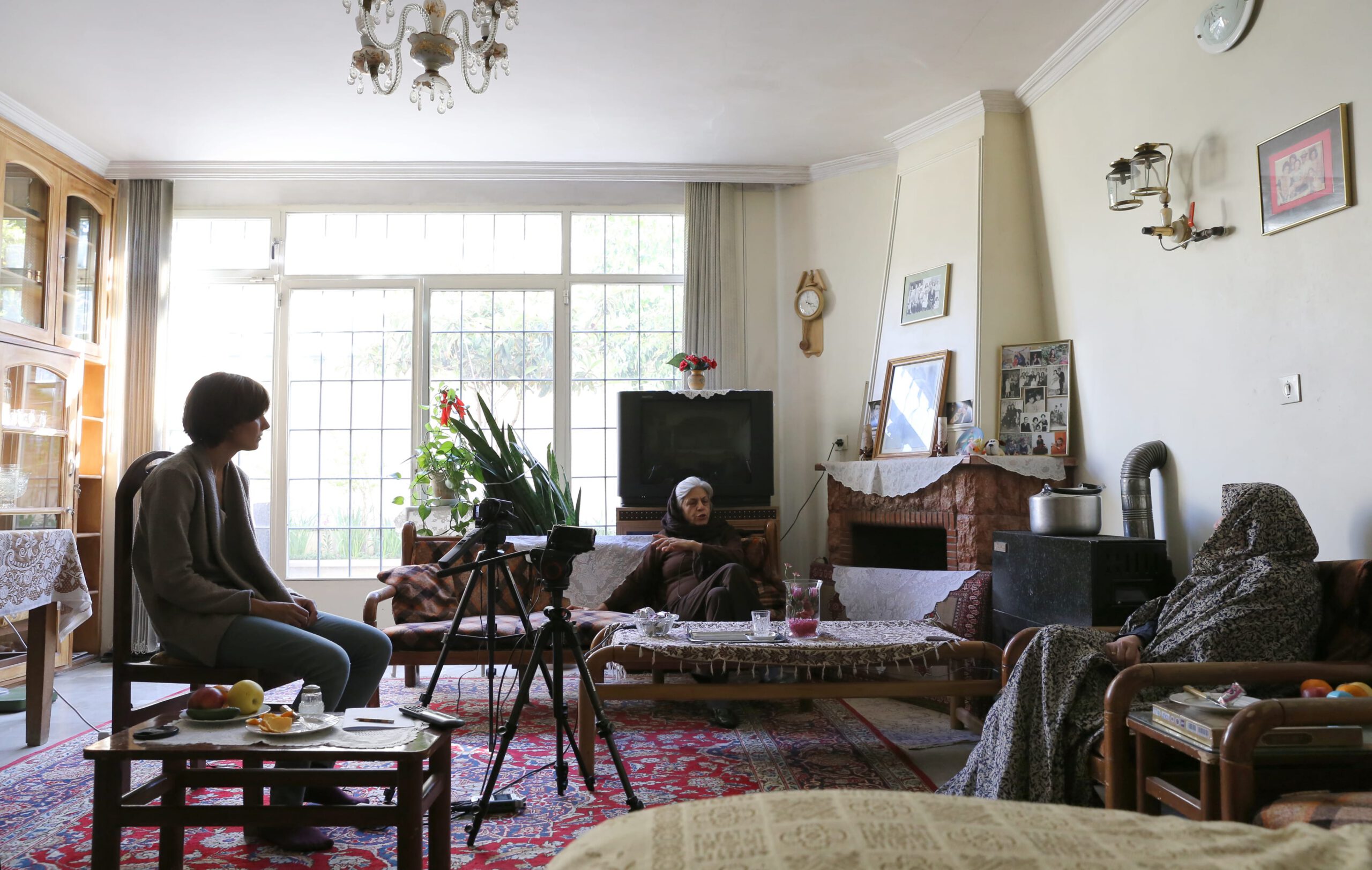
The Confucius Institute of the University of Dubai is housed in a building named Masaood, a tall structure found off a dusty roundabout about two miles west of the airport. On the day I visit, the UAE is observing National Day, and near the building’s entrance Emirati flags wave in wind smelling of the grilled meat being served as part of a nearby celebration. Up on the fifth floor, where the Institute is housed, signage is in both Arabic and Chinese. Students learn various levels of Mandarin in pristine classrooms.
The oldest peer-reviewed publication dedicated to the study of the modern Middle East, MEI’s flagship journal covers politics, society, and culture in the region.