The Americans Are Gone. Will Iraq’s Militias Disarm?
On September 30, the US completed its military withdrawal from Iraq, ending a 12-year-long mission to combat ISIS that began in 2014. The date was also meant to be the deadline for disarming the largely Iranian-backed militias known as the Popular Mobilization Forces (PMF), but Prime Minister Ali al-Zaidi has now pushed that cutoff back to June 30, 2027. MEI Distinguished Diplomatic Fellow Amb. (ret.) Robert S. Ford joins hosts Alistair Taylor and Matthew Czekaj to discuss what the US military withdrawal means for Iraqi security and the nature of the bilateral relationship going forward. They also speak about what it will take for Baghdad to bring the PMF militias to heel, and how Iraq may navigate the post-Iran war era.
Jordan’s Economy Weathers Iran War’s Shocks and Finds New Opportunities
In the summer of 2003, King Abdullah II told Bloomberg Jordan sits “between Iraq and a hard place,” a play on words designed to describe the kingdom’s challenging environment to an American audience amid the US-led Iraq war to the east and the lingering Palestinian-Israeli conflict to the west. Jordan is grappling with a much “harder place” today.
Proponents of the war with Iran have taken recent increases in crude-oil flows through the Strait of Hormuz as proof that the US strategy is finally working. President Trump is so confident in this that he recently rejected a seven-day plan, set forward by Iran’s foreign ministry, to end the war and open the strait. The United States is “winning tremendously,” Trump boasted.
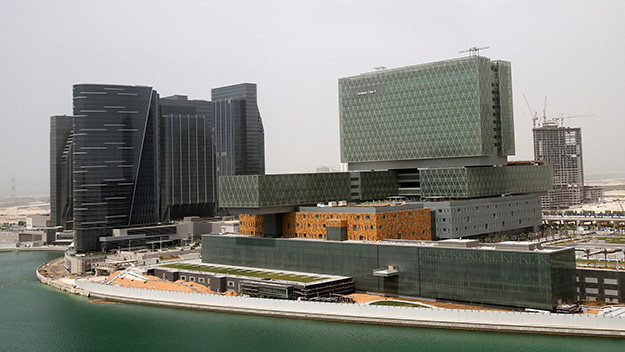
Most outsiders know the United Arab Emirates from Dubai’s accomplishments in international commerce, tourism, and indoor skiing. What is less known is that Abu Dhabi is investing a great deal of money in education, medicine, art, and music as a new kind of cultural diplomacy.
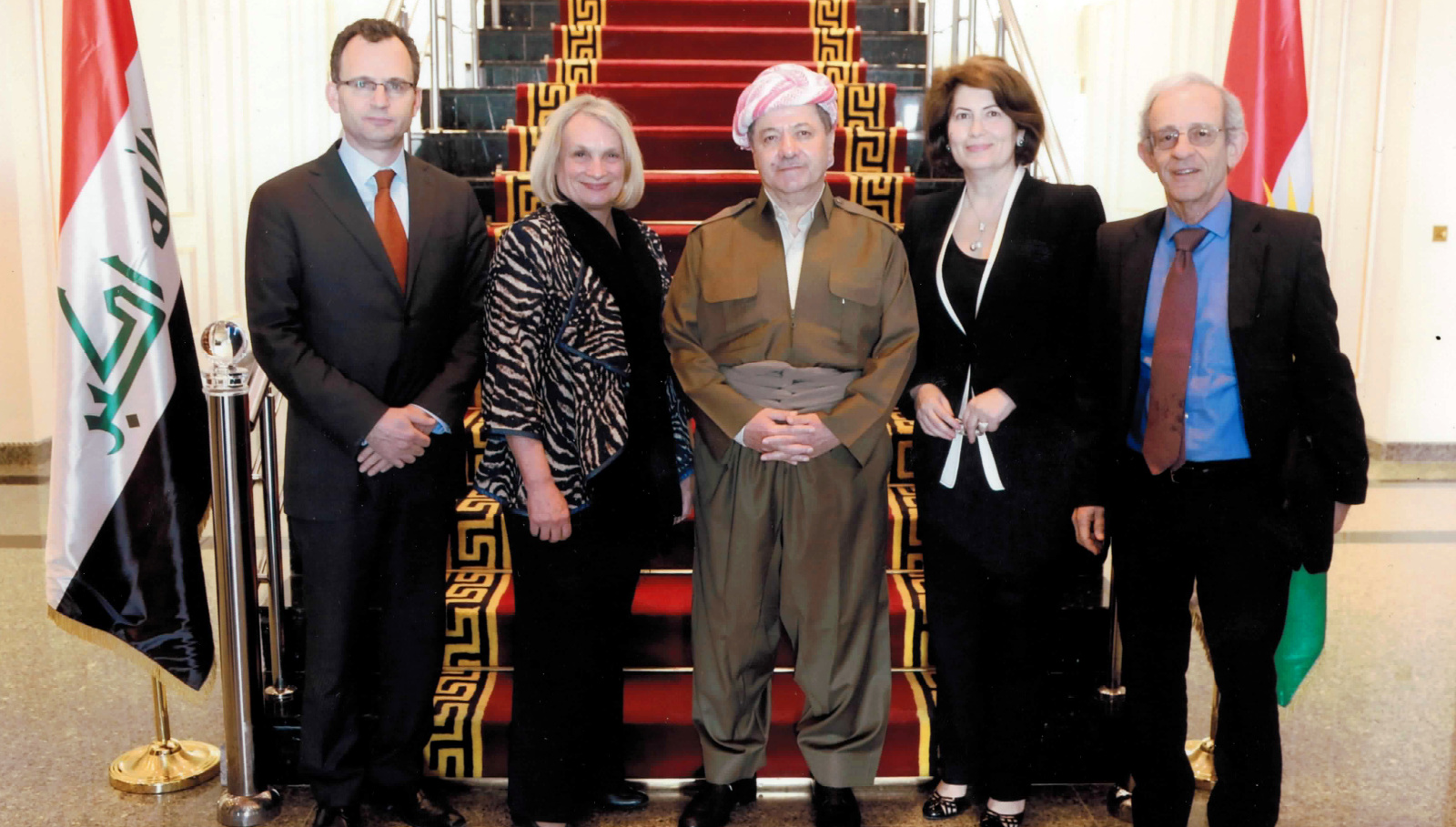
Comments by KRG President Massoud Barzani at Middle East Dialogue in Erbil
The Middle East Dialogue is a Track II forum focusing on emerging political and security trends in the region that meets twice a year, bringing together current and former officials and senior experts from Egypt, Saudi Arabia, the UAE, Iraq, Iran, Turkey, Jordan, Lebanon, Kuwait, the United States, Russia, China, and the EU. Members of the delegation, led by The Middle East Institute’s president, Wendy Chamberlin, met March 31 with Kurdistan Regional Government (KRG) President Massoud Barzani in Erbil, the capital of Iraqi Kurdistan.
Erbil, Baghdad, and Implications of the Oil Dispute
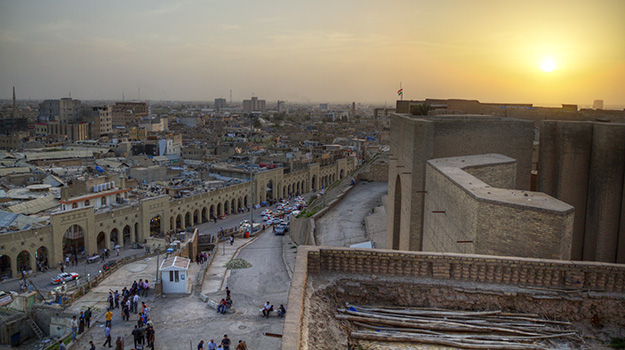
Erbil—the capital of Iraqi Kurdistan—was once a chaotic and dusty backwater. Today, it is well on its way to becoming an attractive and orderly commercial and government center. A decade ago there were virtually no trees, as they had all been cut down for firewood to heat Kurdish hearths during the 1990s wars among Kurds and between Kurds and Saddam Hussein’s army. A magnificent wooded park now graces the mile or so from the high-rise hotel district to the Kurdistan Regional Government’s parliament and offices.
The political crisis in Ukraine and subsequent annexation of Crimea by Russia have sent reverberations throughout the Middle East, where Western and Russian influences continue to weave a complex geopolitical web. MEI interviewed four of its scholars to produce this detailed account of the challenges the conflict poses to the region’s political, security, and economic conditions.
All Retributive Justice, No Restorative Justice in the Post-Arab Spring Middle East
In the wake of the revolutionary fervor that has swept the Middle East and North Africa since the beginning of 2011, retributive justice has taken precedence over restorative justice approaches as countries seek to address human rights violations.
The Popular Committees of Abyan, Yemen: A Necessary Evil or an Opportunity for Security Reform?
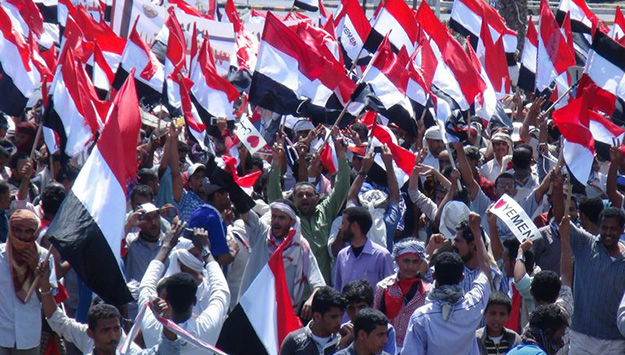
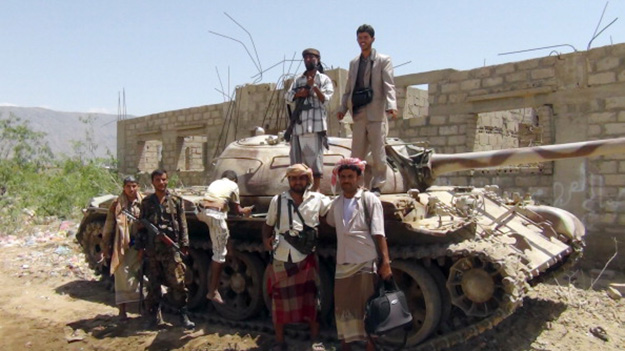
In early 2011, Yemeni youths took to the street to demand the downfall of the regime and much-needed democratic reforms. This eventually led to the removal of former president Ali Abdullah Saleh from power later the same year. The political turmoil associated with the uprising has resulted in an alarming deterioration of the security situation throughout the country, most notably the seizure of two major cities in the southern governorate of Abyan by Ansar al-Shariah (AAS), an offshoot of al-Qa`ida. Backed by the Yemeni government, the Popular Committees (PCs), local armed resistance groups, pushed AAS out of major cities in Abyan.
Yemen’s Contentious Transitional Justice and Fragile Peace
Yemen was not immune to the wave of popular uprisings that swept some countries of the Middle East and North Africa region. However, because of the Yemeni state’s fragility, concurrent zones of conflict, and a power struggle that divided the core military and tribal elites, the international community was afraid that the youth uprising that started in January 2011 might lead to a collapse of the state. Given the consequences of such a collapse on the security of the Gulf states, oil production, and the international war on terror, the Gulf Cooperation Council brokered a deal in November 2011—the Gulf initiative—which laid the foundation for a transitional government. The main aim of the initiative was to secure a peace deal that halted Yemen’s slide into chaos. Peace was sought through the brokering of an inclusive National Dialogue Conference (NDC), but peace did not entail changing the regime or its pattern of politics. While transitional justice has been a part of this process of peaceful reconciliation, it raises questions about the sustainability of this peace and provides a showcase of the precarious state of Yemeni affairs.
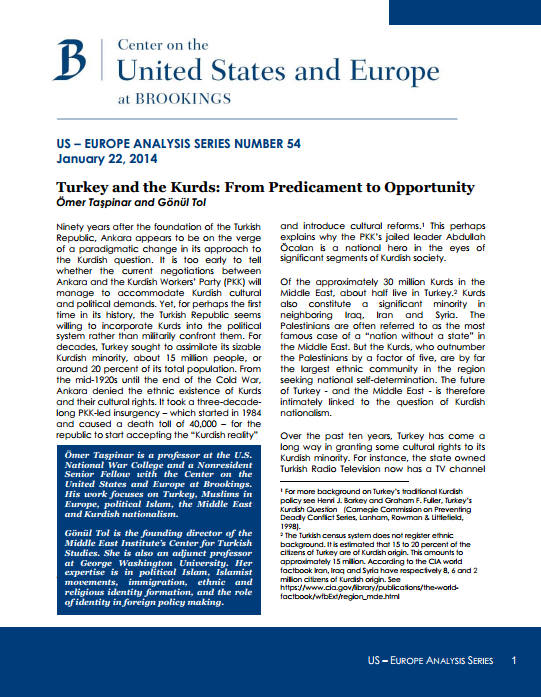
Turkey and the Kurds: From Predicament to Opportunity
This report was co-authored by Ömer Taşpınar and was published by the Center on the United States and Europe at the Brookings Institution on Jan. 22, 2014. Click here to download the full report as a PDF.
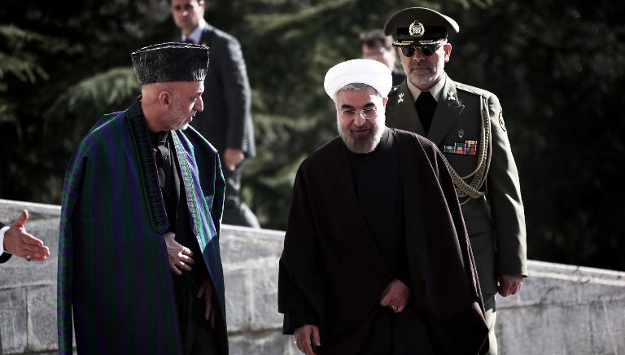
As President Obama met his top Afghanistan commanders in the Oval Office on February 4 to discuss his decision to reduce the U.S. military presence in Afghanistan, he received a compliment from an unlikely source. Ali Akbar Velayati, the top foreign policy aid to Iran’s Supreme Leader, Ayatollah Khamenei, called Obama’s Afghan withdrawal policy “wise.”
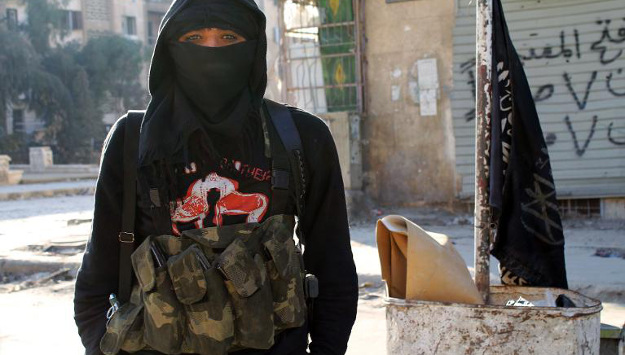
Osama bin Laden may be dead, but his ghost was in Riyadh the other day, hovering over Saudi Arabia’s King Abdullah as he issued a decree making it a crime for any Saudi citizen to take part in a war outside the kingdom.
The obvious motivator was the civil war in Syria, where hundreds of young Saudis have been spotted in the ranks of the most radical jihadi groups battling both the government and other less extreme rebels. But the roots of the king’s action, and the problem it was designed to address, can be traced to the 1980s war against the Soviet occupation of Afghanistan.
De-Ba`thification in Iraq: How Not to Pursue Transitional Justice
The de-Ba`thification process in Iraq has fallen profoundly short as a transitional justice mechanism over the past decade. Poorly conceived, badly implemented, and controlled by hard-liners, the process has been so highly politicized that it has eroded the rule of law and intensified the sectarian tensions that are at the heart of the violence haunting Iraq.
The oldest peer-reviewed publication dedicated to the study of the modern Middle East, MEI’s flagship journal covers politics, society, and culture in the region.