The Strategic Cost of Palestinian Powerlessness
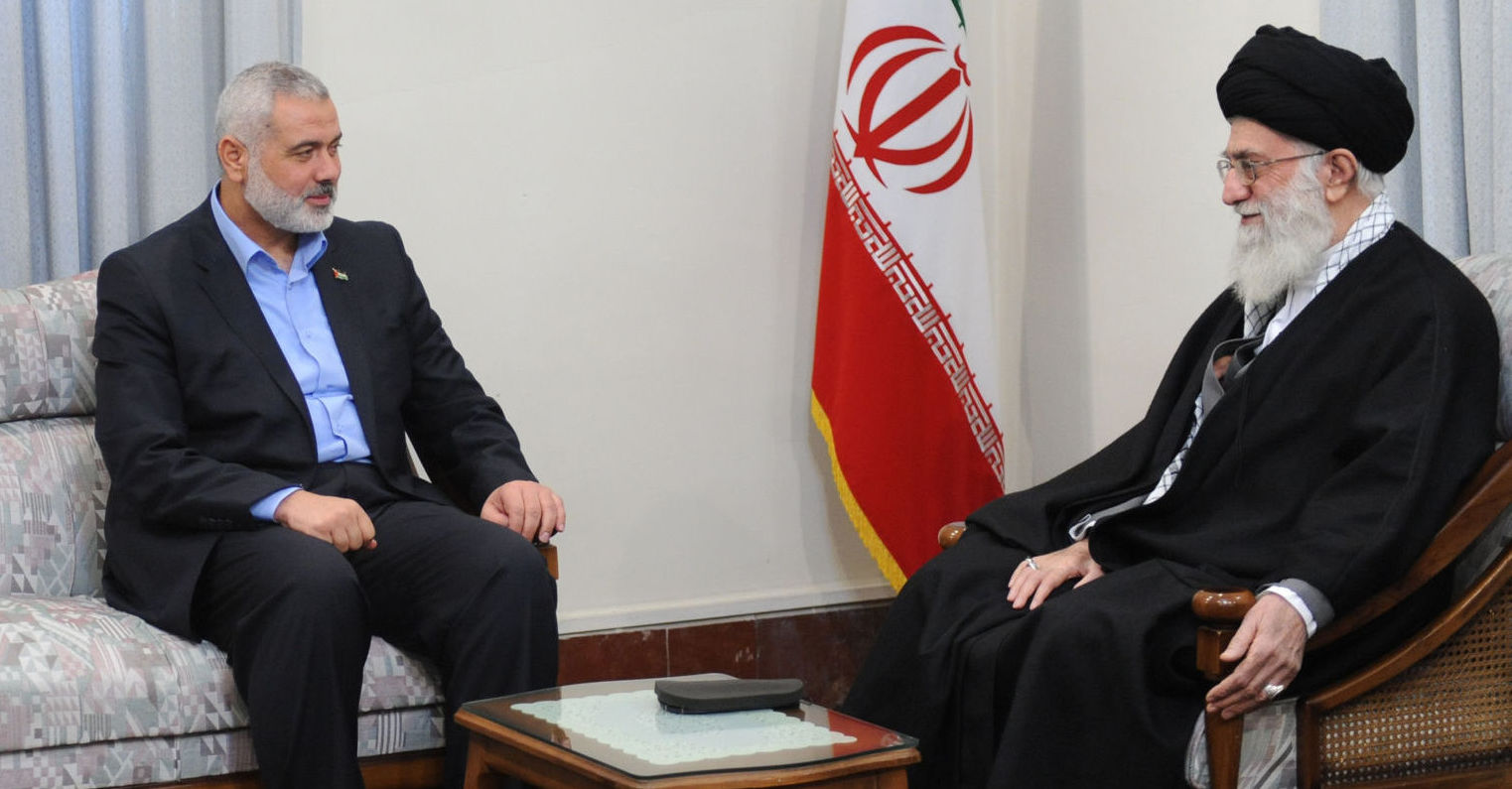
This report considers the lack of Palestinian political agency as a driver of regional insecurity that must be resolved before wider conflicts can be settled. The author analyses the conditions that contributed to the destruction of Palestinian political capacity, including Israeli policies, Palestinian shortcomings, and exploitation by Iran, and makes recommendations for an Arab strategic initiative.
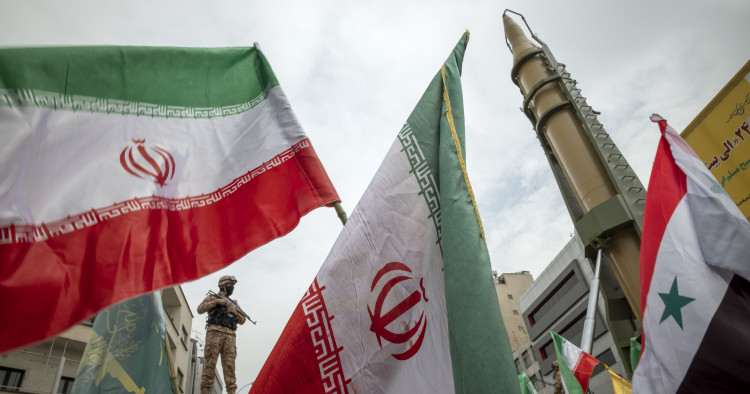
Iran’s New Grand Design: The Next Evolution of the Axis of Resistance
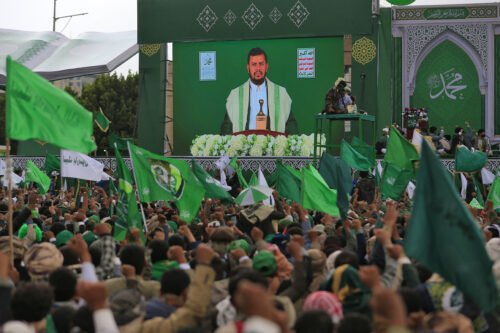
Iran is transforming its Axis of Resistance into a decentralized, Yemen-centered network that leverages the Houthis to threaten both the Strait of Hormuz and the Bab el-Mandeb, extending Tehran’s coercive reach over the world’s key maritime chokepoints and reshaping the post-war balance in the Middle East and Red Sea.
الخبراء البارزون
MEI Art Gallery – August First Friday Open House
Making sense of the Taliban’s counterterrorism assurances
Two years on from the Taliban’s takeover of Kabul, Afghanistan’s neighbors are increasingly concerned that their return to power has emboldened terrorist groups and networks, which are using the hospitable environment to regroup, rearm, and recruit substantially. The main question now for Afghanistan’s neighbors in the region, and the international community more broadly, is just how reliable the Taliban’s counterterrorism assurances to other states really are.
Peshmerga reform hangs in the balance in Iraq’s Kurdistan Region
Efforts to reform the Iraqi Kurdish security forces known as the Peshmerga are at serious risk of failing. Tensions between the ruling parties of Iraq’s Kurdistan Region are not new, but the working relationship between the leaders of the Kurdistan Democratic Party and the Patriotic Union of Kurdistan has collapsed over the past year. As a result, officials within the Ministry of Peshmerga Affairs are no longer capable of preventing the politics of partisan self-interest from consuming the reform project. The prospects for the depoliticization and unification of the Peshmerga have rarely seemed more remote.
الانهيار الاقتصادي في سوريا مستمر رغم عودة سوريا إلى الجامعة العربية
Syria’s dramatic readmission into the Arab League in May was perceived as a turning point for the country’s fortunes. Although Damascus may have come in from the cold diplomatically, there has been little change on the economic front, where the situation remains dire. Since the start of May, the Syrian pound has lost over 70% of its value and shows no sign of stabilizing.
Monday Briefing: The Taliban’s recognition dilemma two years on
اقرأ تقرير MEI الأسبوعي الذي يتضمن تحليلات الخبراء للتطورات الإقليمية الرئيسية للأسبوع المقبل.
Five factors to watch in US diplomatic efforts on a possible Israel-Saudi deal
Forging a deal establishing open, normal bilateral ties between Saudi Arabia and Israel would be a major feat with plenty of potential perils along the way — the diplomatic equivalent of climbing Mount Everest. If done right, the result would be historic and transformative for the Middle East with positive geopolitical repercussions. Here are five factors to watch as the Biden administration continues its efforts to produce a major diplomatic breakthrough in the region.
Japan looks to the Gulf as it bets big on hydrogen
As a trailblazer in hydrogen diplomacy, Japan is seeking to develop a new pattern of energy interdependence with its longstanding partners, the Gulf Arab states — countries that are promising production bases for and exporters of green hydrogen and ammonia, and whose leaders have come to regard the development of clean hydrogen as an attractive way to diversify their economies.
Two decades on, Iraq’s ongoing, if fragile, cultural revival
Although it has fallen off the international news cycle, Baghdad is booming, high on rising oil prices and full, once again, of neo-Abbasid, petroleum-fueled aspirations. Thanks to new anti-money laundering legislation, funds are being funneled not only into hotels and real estate but also into new cultural enterprises. So what does culture in Iraq look like in 2023?
Iran gleefully eyes the protests in Israel, looking for weaknesses to exploit
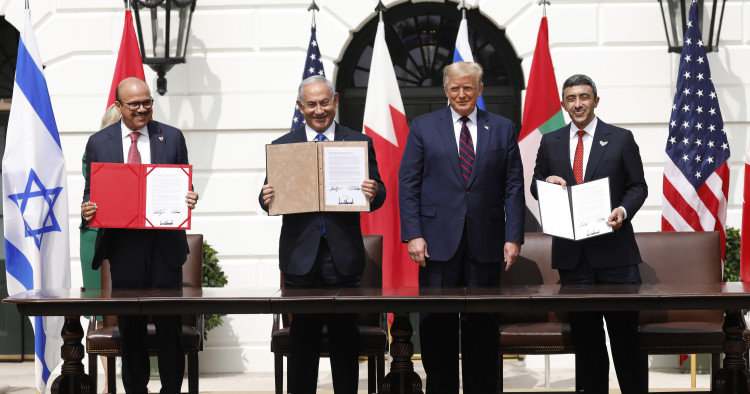
As Israel grapples with fundamental questions of identity and societal fissures years in the making, Iran and its Axis of Resistance continue to employ their escalation-ready approach of pushing the envelope in multiple geographic theaters, launching cyber operations to foment disunity in Israeli society, and attempting to neutralize the regional gains Israel has made after signing the Abraham Accords with several Arab neighbors in 2020.
Breaking down the details of the UAE’s climate strategy
In the race to manage climate change, the UAE is ramping up its efforts in a bid to accelerate its transition to a green economy. In the first two weeks of July 2023, it published several important documents laying out its actions and objectives, including a revised version of the national climate pledges it made under the Paris Agreement, as well as a number of targeted policies and strategies.
A defense treaty is not how Biden should fix the Saudi relationship
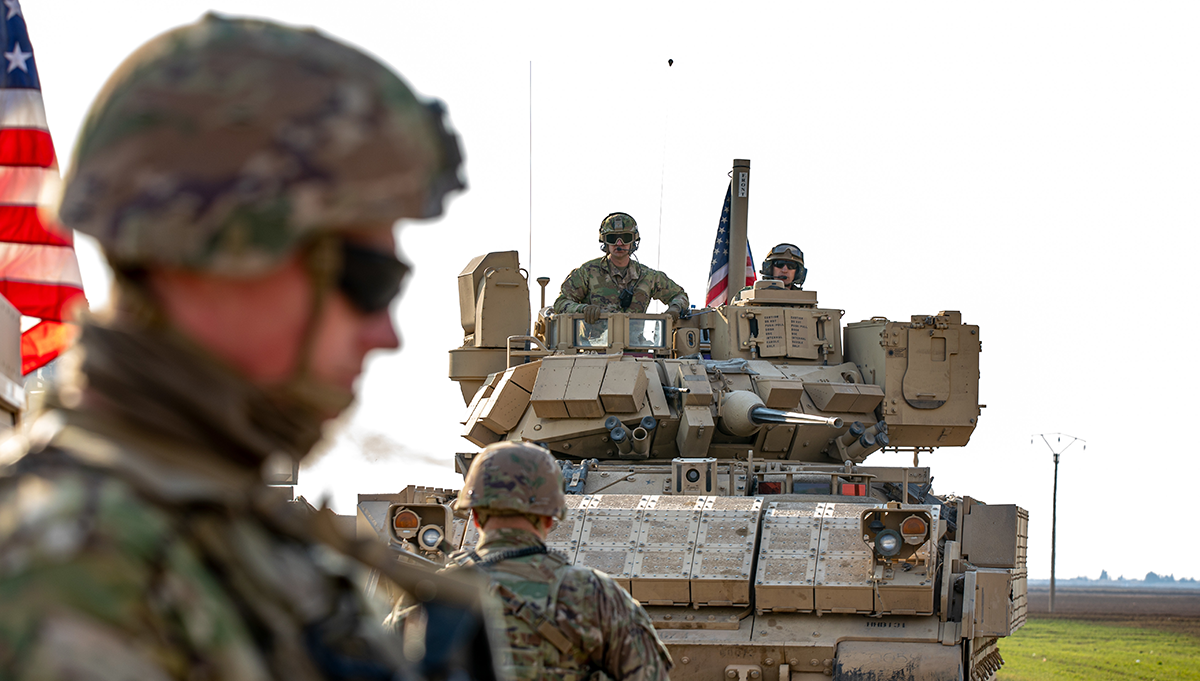
The United States has likely reached a crossroads in its relationship with Saudi Arabia. President Joe Biden can reconcile with Riyadh and use its influence to reshape the Middle East to Washington’s liking and stabilize the global energy markets. Or else the Saudis most probably will tie their fortunes much closer to China, thus complicating America’s top foreign-policy priority.
Monday Briefing: What the Niger coup means for the fight against terrorism in the Sahel
اقرأ تقرير MEI الأسبوعي الذي يتضمن تحليلات الخبراء للتطورات الإقليمية الرئيسية للأسبوع المقبل.
Iran’s renewed Africa policy: Raisi’s ambition and the perception of Western decline
Amin Naeni discusses the revival of Iranian foreign policy with non-Western states, particularly African nations, in light of President Raisi’s recent visit to the continent. Additionally, the piece touches upon how this process has differed between Raisi versus Ahmadinejad, and whether Raisi’s Africa policy will prove any more successful than his predecessor’s.
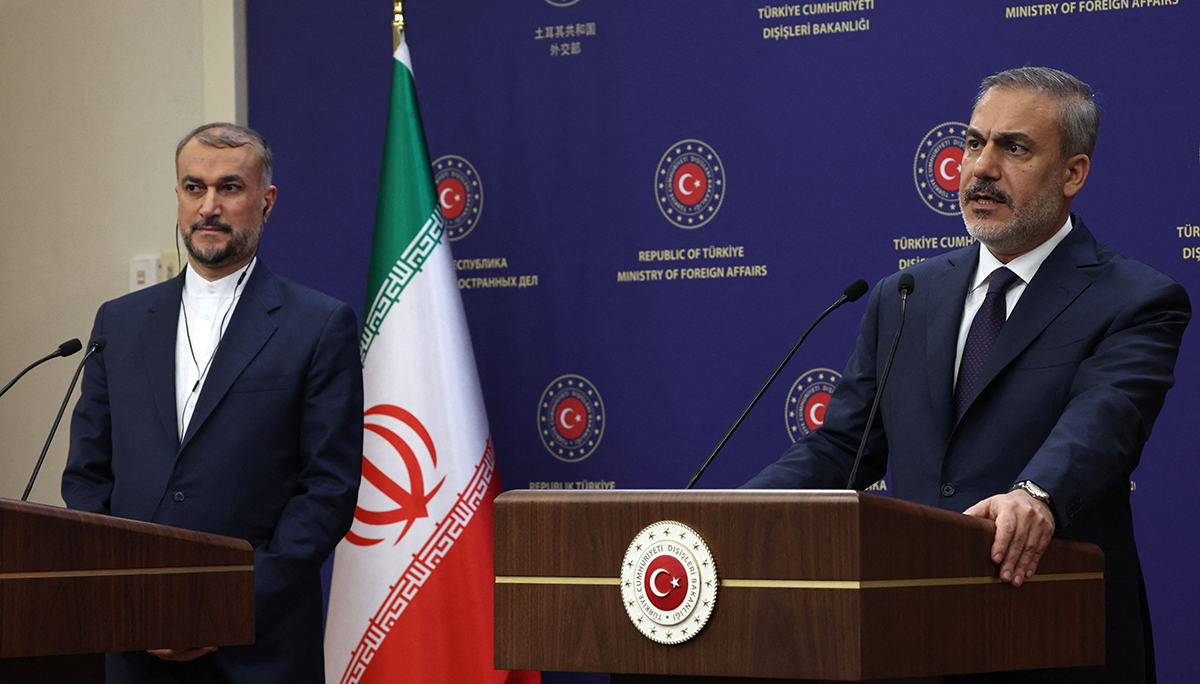
Realigning priorities: Egypt's strategic shift toward Qatar, Turkey, and Iran
While some analysts attribute Egypt’s realignment toward Turkey, Qatar, and Iran to a change in the foreign policies of its influential allies, the UAE and Saudi Arabia, it can be argued that Egypt’s shift is primarily motivated by its domestic dynamics and its unfulfilled foreign policy objectives between 2014 and 2018. Egypt’s realignment, in that sense, seeks to achieve multiple unmet domestic and regional aims.
Monday Briefing: Despite anti-democratic Knesset vote, Jerusalem march underscores strength of Israel’s protest movement
اقرأ تقرير MEI الأسبوعي الذي يتضمن تحليلات الخبراء للتطورات الإقليمية الرئيسية للأسبوع المقبل.
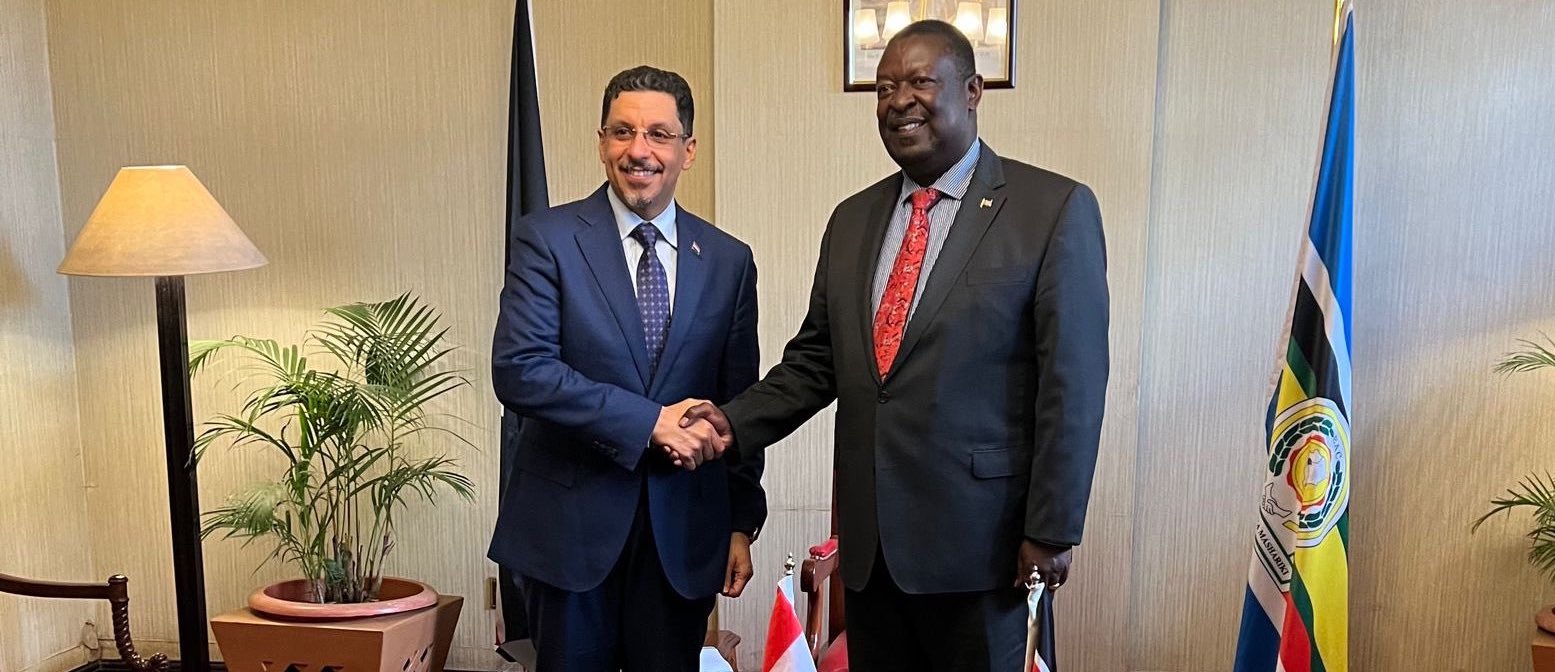
Changing dynamics reshape power networks in Yemen’s “two Hadramawts”
Since 2015, Yemen’s largest governorate, Hadramawt, has been informally divided between two distinct centers of power with different military loyalties and external backing. The balance of power within the governorate is no longer fixed, however. Changes in Hadramawt’s military, political, and economic dynamics are reshaping power networks in the governorate and beyond, with implications for the conflicting agendas of the Saudis, Emiratis, and Houthis.
اقرأ مجلة الشرق الأوسط
أقدم مطبوعة محكمة مخصصة لدراسة الشرق الأوسط المعاصر، تغطي مجلة MEI الرائدة السياسة والمجتمع والثقافة في المنطقة.