This text has been translated by AI and may contain errors.
Skip to Content
Special Episode: Saudi Oil After the East-West Pipeline Attack
  • Podcast
  • Special Episode: Saudi Oil After the East-West Pipeline Attack

    Saudi Arabia’s East-West pipeline is back in operation after a drone attack from Iraq, blamed on Iran-backed militias, shut it down for nearly two weeks. The pipeline is the kingdom’s main way to export oil while the Strait of Hormuz is closed, so the shutdown dealt another blow to global energy markets. How vulnerable is this route, and what does that mean for the kingdom and the world economy? This episode of Middle East Focus features a recent MEI Virtual Briefing in which Director of Communications Zeina Al-Shaib is joined by MEI Senior Fellow Colby Connelly and MEI Affiliate Yesar Al-Maleki. They examine the new geopolitical risks facing the oil market, what further losses of global supply could mean for Saudi Arabia and the world economy, and which buffers outside the Persian Gulf could ease the pressure.

    October 1, 2026

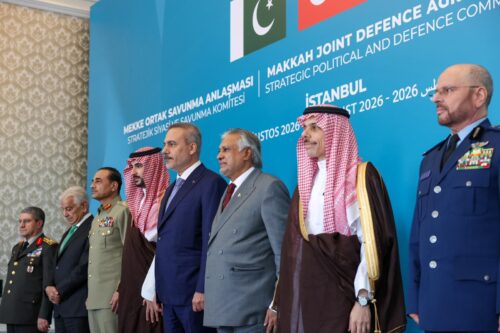
    The Mecca alliance meets the Red Sea – Saudi Arabia’s new defense pact faces its first major test
  • Commentary
  • The Mecca alliance meets the Red Sea – Saudi Arabia’s new defense pact faces its first major test

    When Saudi Arabia, Turkey and Pakistan agreed to a mutual defense pact in August, it was principally seen as a political commitment. The “Mecca alliance,” as it was dubbed, stipulated that an armed attack on one would be treated as an attack on all three, accompanied by deeper military cooperation.

    The Middle East Beyond the Iran War
  • Report
  • The Middle East Beyond the Iran War

    This article is part of a collection of short essays written by the Fellows of the Middle East Institute to explore aspects of the ongoing war with Iran. The intent of the collection is to help readers see new and unexpected elements of the dynamics and impact of the ongoing hostilities and to think harder, deeper, and broader about the implications of the conflict.

    September 28, 2026

    Featured Experts

    Filter by
    4511 Results
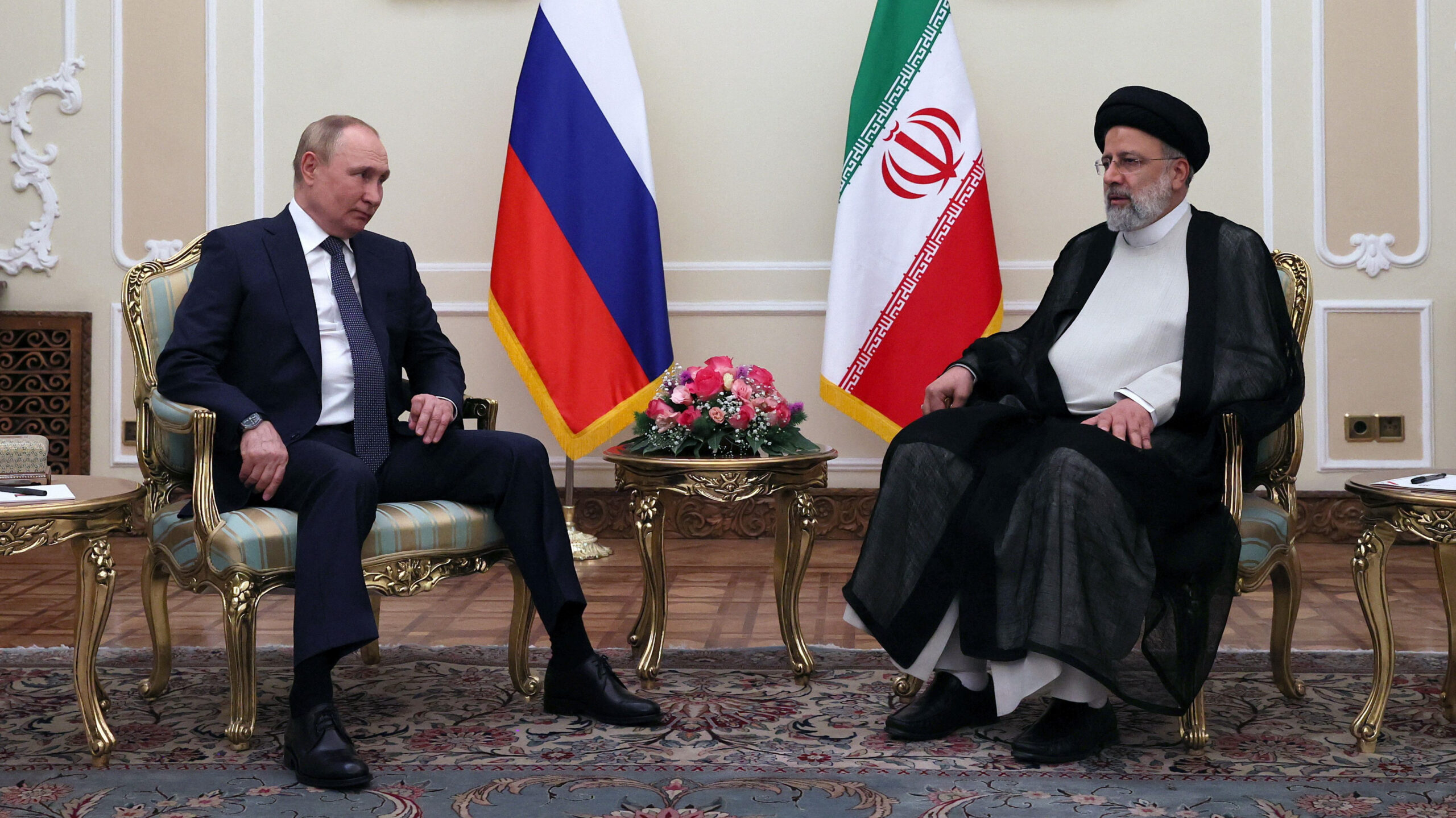
    Putin’s visit to the Islamic Republic: Bringing Iran closer to Russia while building long-term leverage over Tehran
    Photo by SERGEI SAVOSTYANOV/SPUTNIK/AFP via Getty Images
  • Analysis
  • Putin’s visit to the Islamic Republic: Bringing Iran closer to Russia while building long-term leverage over Tehran

    Russian President Vladimir Putin’s July 19 visit to Tehran will have important repercussions for the region’s evolving security environment as well as the trajectory of Iranian-Russian relations more specifically. Although officially billed as seeking to revive the “Astana peace process” on Syria, the significance of the trip has less to do with the trilateral meeting between Iran, Russia, and Turkey and more with the deepening of ties between Moscow and Tehran.

    August 1, 2022

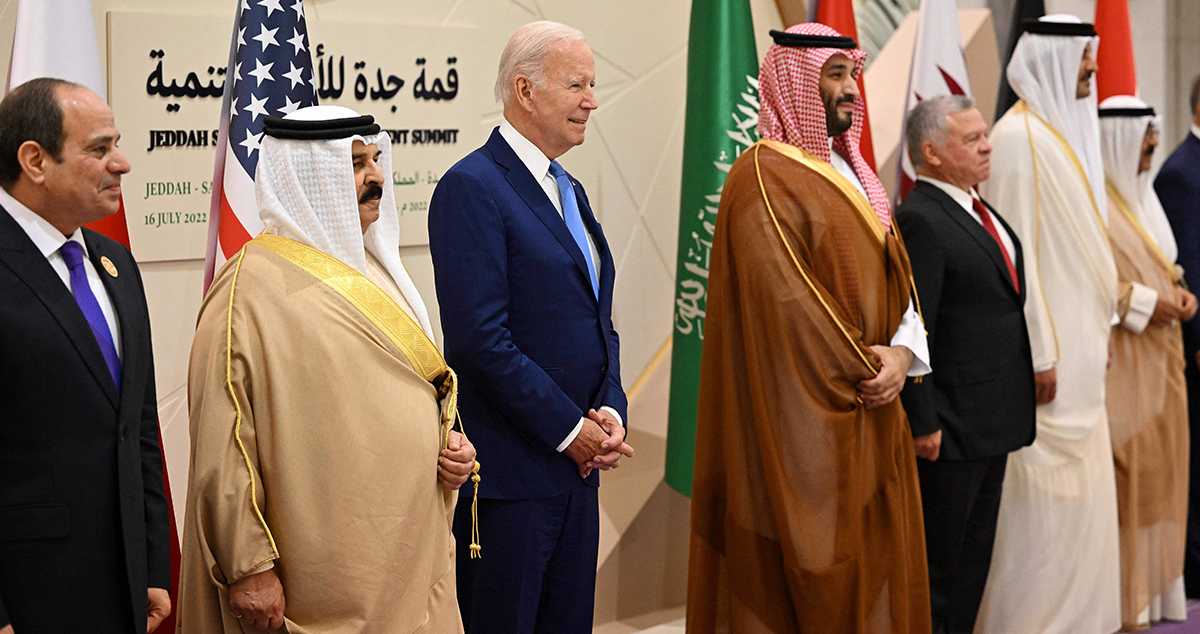
    Biden’s trip was a start, but the US needs to sustain its influence in the Gulf
    Photo by MANDEL NGAN/POOL/AFP via Getty Images
  • Analysis
  • Biden’s trip was a start, but the US needs to sustain its influence in the Gulf

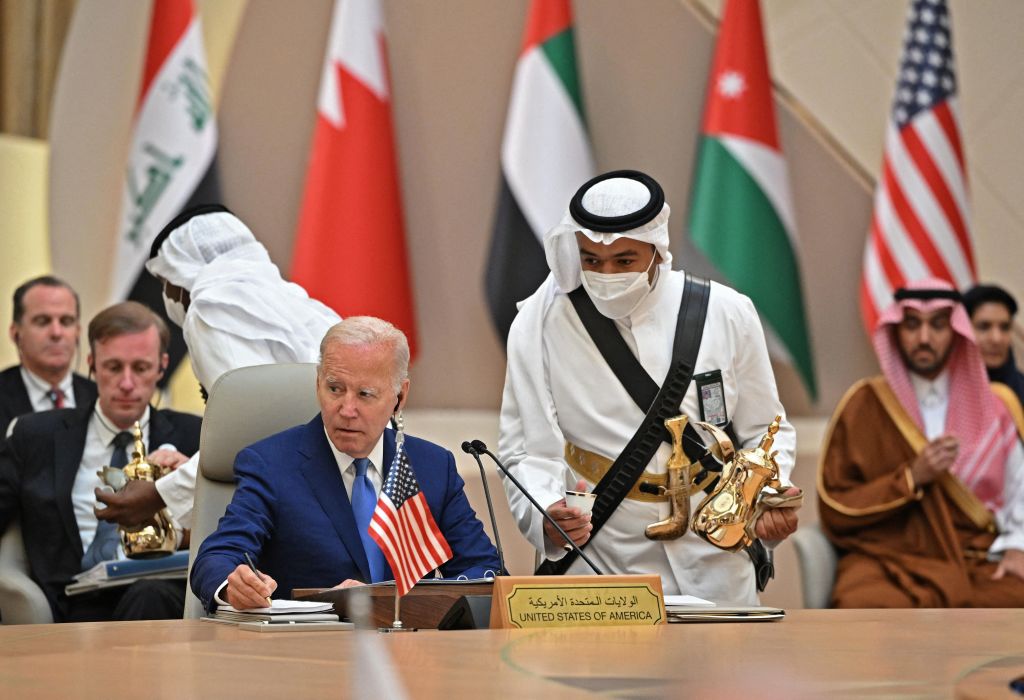
    At the Jeddah summit in mid-July, President Joe Biden declared that “America is back,” a message that was welcomed by Saudi Arabia and Gulf media outlets. But Washington cannot maintain its influence and develop robust relationships in the Middle East without sustained American interest and effort, which have been oscillating with every change in administration.

    July 29, 2022

    One sided and incomplete, Yemen’s truce faces implementation hurdles as extension deadline nears
    Photo by AHMAD AL-BASHA/AFP via Getty Images
  • Analysis
  • One sided and incomplete, Yemen’s truce faces implementation hurdles as extension deadline nears

    The U.N.-sponsored truce of April 2022 is the longest pause in fighting Yemen has experienced since the Houthi armed rebellion broke out in September 2014 and the Saudi-led coalition forces intervened six months later. But although there is strong external interest in both extending and expanding the truce given the scale of turmoil in the global arena, credible progress remains lacking, while serious obstacles persist.

    July 29, 2022

    Ransomware in the UAE: Evolving threats and expanding responses
    Photo by Lino Mirgeler/picture alliance via Getty Images
  • Analysis
  • Ransomware in the UAE: Evolving threats and expanding responses

    Immediately following the outbreak of COVID-19, cyber attacks swept across the Middle East, leaving public and private entities highly vulnerable and transforming the pandemic into both a physical and a digital threat. Despite worldwide physical isolation, many people were more digitally connected than ever before, which vastly expanded the attack surface for eager cyber threat actors. Ransomware attacks, in particular, hit the Middle East rapidly and in great numbers, especially the UAE.

    July 27, 2022

    Israel’s new Iran strategy complicates regional security
    Photo by MANDEL NGAN/AFP via Getty Images
  • Analysis
  • Israel’s new Iran strategy complicates regional security

    The decades-long confrontation between Israel and Iran is now arguably becoming more dangerous. Amid a lack of consensus among Israeli leaders on how to address this perceived existential threat, calls for applying greater pressure are gaining momentum. The two countries have been engaged in a shadow war for years that includes assassinations, sabotage, kidnappings, and cyber operations, but a new phase of tensions may only bring them closer to a full-scale conflict.  

    July 27, 2022

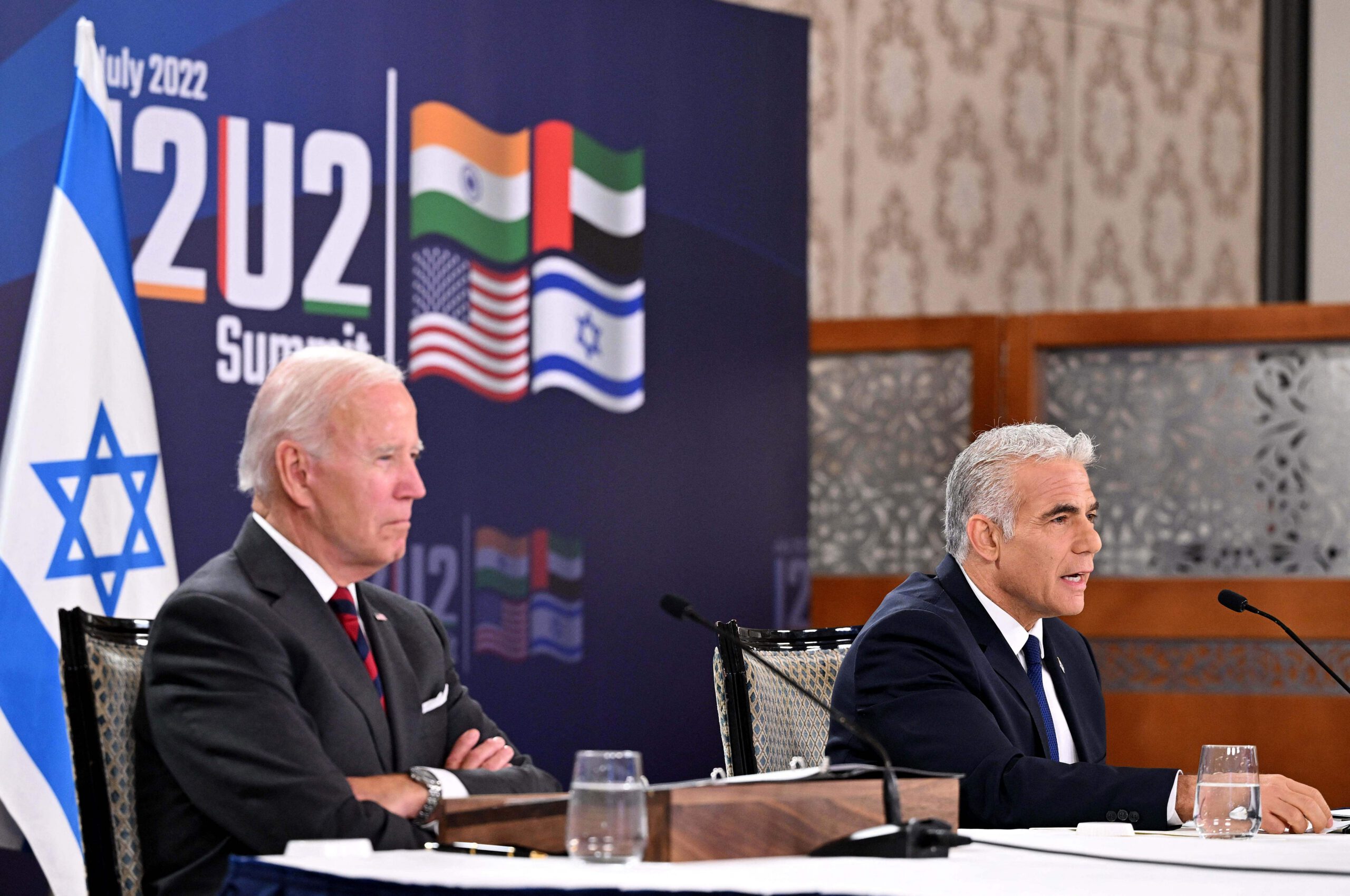
    The India-Middle East Food Corridor: How the UAE, Israel, and India are forging a new inter-regional supply chain
    Photo by MANDEL NGAN/AFP via Getty Images
  • Analysis
  • The India-Middle East Food Corridor: How the UAE, Israel, and India are forging a new inter-regional supply chain

    The India-Middle East Food Corridor developed organically among the three Asian countries themselves, through private sector, joint venture investments carefully cultivated via bilateral public-private partnerships. The United States’ participation in the corridor could prove beneficial as the U.S. seeks to bolster its presence in the strategic architecture of the Indo-Pacific.

    Turkey and Sudan: An enduring relationship?
    Photo by Emin Sansar/Anadolu Agency via Getty Images
  • Analysis
  • Turkey and Sudan: An enduring relationship?

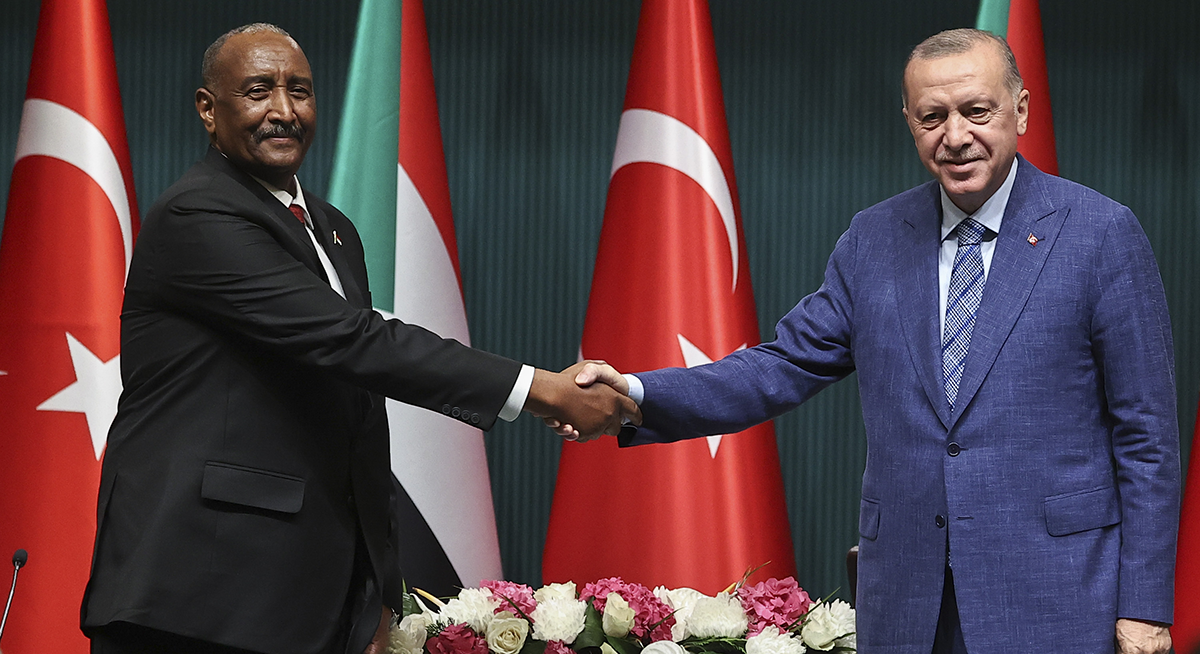
    Sudan has a longstanding strategic partnership with Turkey, forged on the basis of shared ideology and fostered by growing economic and political ties, that has proven resilient to regime change. Khartoum has not abandoned its relationship with Ankara despite the ouster of former President Omar al-Bashir in 2019 or the opposition of Saudi Arabia, the UAE, and Egypt, Turkey’s former regional rivals and more recent cautious partners.

    July 20, 2022

    Monday Briefing: Biden’s realist roadshow
  • Commentary
  • Monday Briefing: Biden’s realist roadshow

    Read MEI’s weekly briefing featuring expert analysis of key regional developments for the week ahead.

    July 18, 2022

    Pensions, sovereign wealth funds, and industrial policy in the Gulf: A look at fund consolidation
    Photo by HAITHAM AL-SHUKAIRI/AFP via Getty Images
  • Analysis
  • Pensions, sovereign wealth funds, and industrial policy in the Gulf: A look at fund consolidation

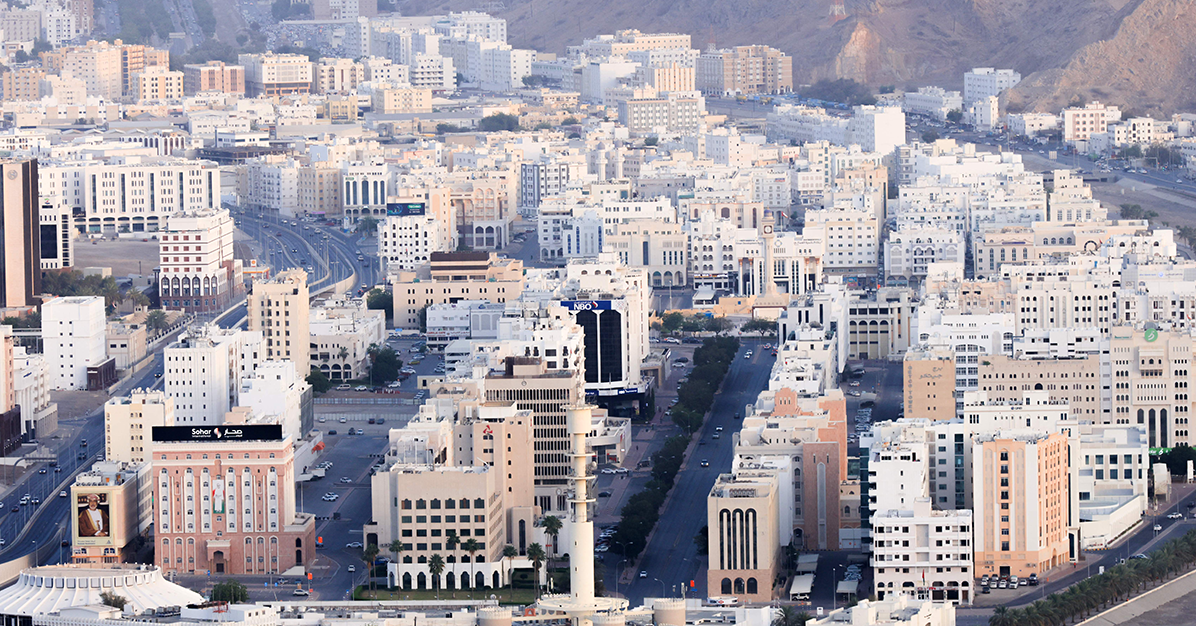
    The last few years have seen a lot of consolidation in Gulf financial sectors. Not only do these mergers create economic benefits, the merged entities also become potent tools for economic development. The mega-funds and other major financial institutions are part of a trend where Gulf political elites sidestep ossified bureaucracies and instead centralize power in private entities over which they have even more control.

    July 18, 2022

    Crown Prince Mohammed bin Salman’s people
    Photo by FAYEZ NURELDINE/AFP via Getty Images.
  • Analysis
  • Crown Prince Mohammed bin Salman’s people

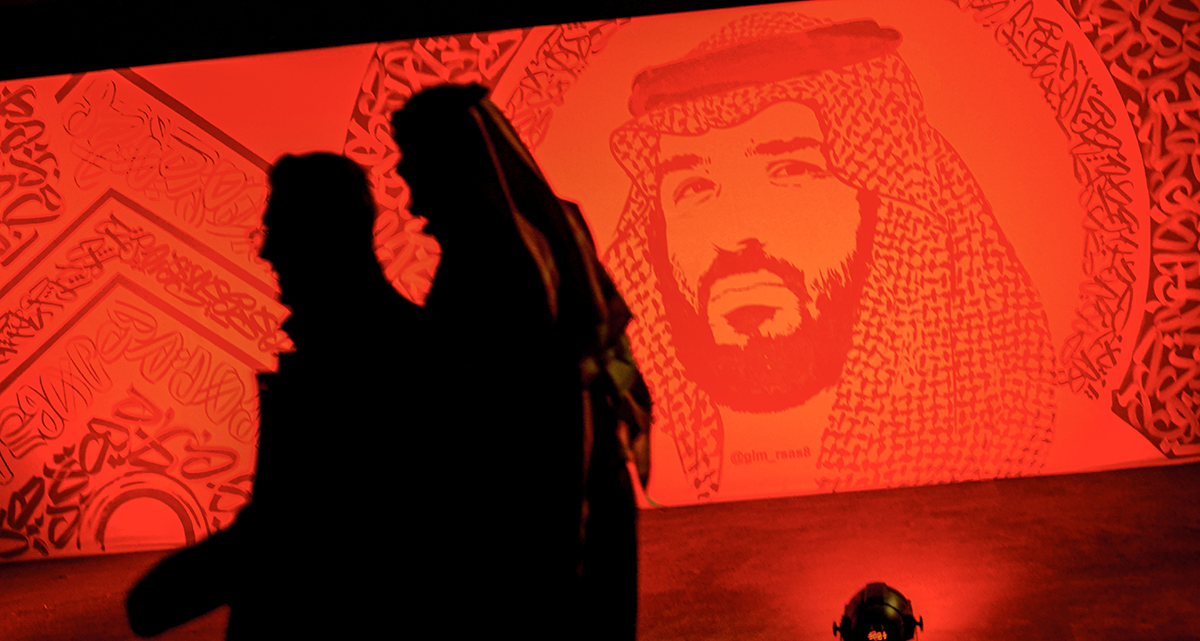
    Crown Prince Mohammed bin Salman has surrounded himself with those who would indulge him and pose little threat. His circle comprises younger, less experienced but presumably loyal princes in key ministerial positions as well as a few select, savvy, experienced older half-brothers and uncles loyal to his father. There are also several notable royal holdovers from smaller family branches, the odd competent technocrat, and a cadre of minions from across the military and security agencies.

    July 14, 2022

    Read the Middle East Journal

    The oldest peer-reviewed publication dedicated to the study of the modern Middle East, MEI’s flagship journal covers politics, society, and culture in the region.