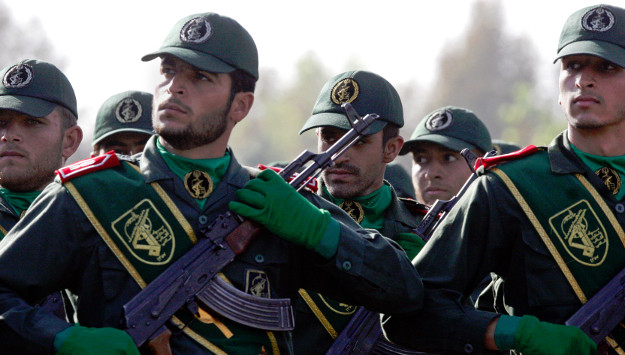
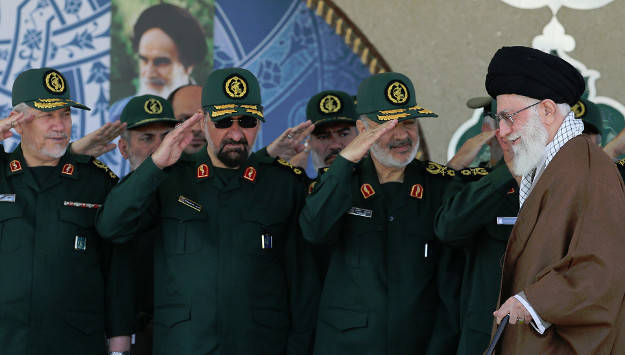
After decades of political setbacks, Iran’s former Revolutionary Guards commander has returned to the center of power. Is he an incidental beneficiary of war, or have observers underestimated him all along?
The Unavoidable Neighbor: Managing Iran Beyond the War
Gulf states and their partners are increasingly looking beyond their most immediate interests of containing the war with Iran. While recent talks between Saudi Arabia, Turkey, Pakistan, and Iran have kept de-escalation on the agenda, a broader regional security framework and non-aggression pact has also emerged, envisioning a longer-lasting solution to regional conflicts. The talks have yet to produce a settlement, but they reflect a growing recognition that Gulf security cannot depend entirely on Washington. Iran will still be there, and its neighbors will have to find ways of living with it.
Recent Elections and What They May Mean for the Middle East
Recent elections for the Israeli Knesset and American Congress may make less of a difference in the Middle East than some people think. Elections are significant indicators of national political trends, but do not always translate into changes in national security strategies. That is likely the case now in both nations.
Iran Paper Warns Israel about Hezbollah’s Missile Power
Kayhan newspaper, arguably Iran’s most reactionary paper whose editor-in-chief is appointed by Supreme Leader Ayatollah Ali Khamenei, ran an extensive background of what it claimed to be Israeli fears about Lebanese Hezbollah’s missile arsenal. “Zionists [Israel] are deeply worried about Hezbollah’s missile strength,” the paper said.
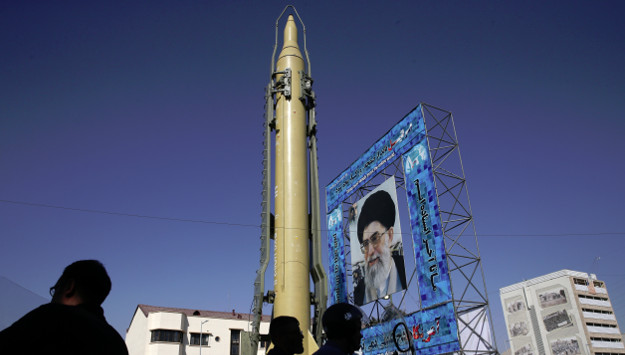
While the Trump administration is said already to have put Iran “on notice” for its latest ballistic missile test, the Iranians began to sense a new push by the United States for more punitive actions against Tehran even while President Obama was still in the White House. For example, in her last speech to the United Nations as the U.S. ambassador to that body, Samantha Power called for more international efforts to stop Iranian military exports and specifically to Hezbollah in Lebanon.
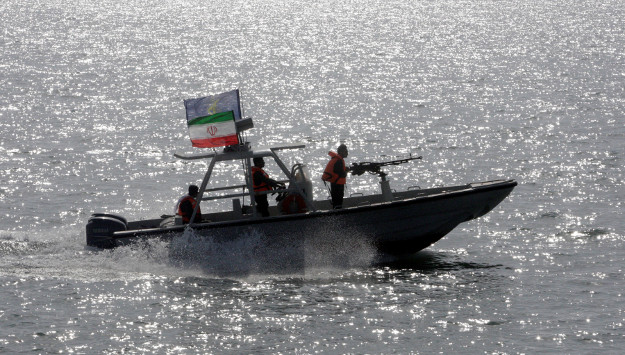
Iran Warns U.S. and Allied Navies to Stay out of Its Waters in Gulf
Earlier today, the U.S. and four other allied naval forces started a three-day maritime exercise in international waters close to the Iranian coastline.
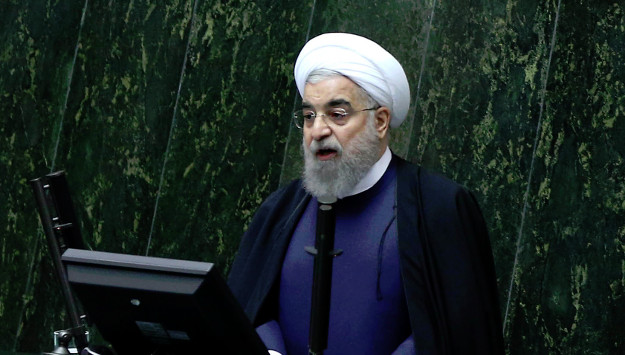
Despite Pressure, Rouhani Sticks to Foreign Investment Plan
President Hassan Rouhani has again come out to strongly argue that his government’s bid to attract maximum foreign investment is to “promote national interests.” “We are Muslim and revolutionary Iranians. We neither idolize nor fear outsiders and will use constructive interaction with the world to advance public and national interests,” Rouhani was quoted as saying by Iranian media.
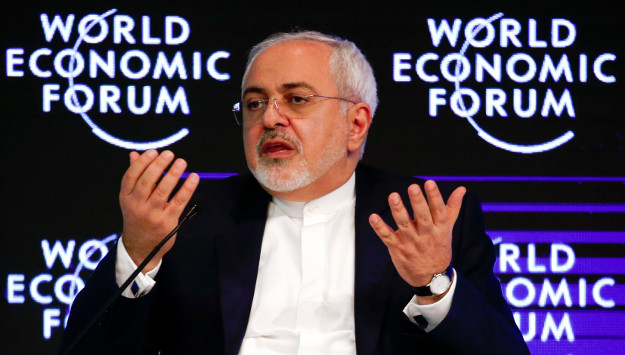
Iranian Foreign Minister Javad Zarif has warned the Trump administration against “politicizing” Iran’s military activities. “We hope that the issue of Iran’s defense program… does not turn into a pretext for political games,” Press TV quoted Zarif as saying. Zarif, who spoke alongside visiting French Foreign Minister Jean-Marc Ayrault, was specifically responding to the latest reports that Iranian forces have test launched a new ballistic missile.
Iranian Kurdish Group Vows to Continue Fighting Islamic Republic
The Democratic Party of Iranian Kurdistan (PDKI) will continue armed resistance against the Iranian regime, the group’s leader said in an exclusive interview with the BBC Persian published on January 30.
Ali Tayyeb-Nia, Iran’s Minister of Economy, appeared in front the parliamentarians and defended the Rouhani government’s policies to combat large-scale smuggling operations that hurt the Iranian economy. Tayyeb-Nia claimed that the value of smuggled good into Iran has decreased from “$25 billion to $15 billion.”
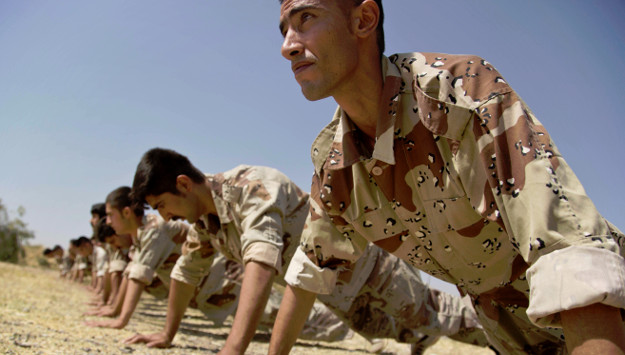
Iran-Backed Shiite Militias Ready to Take West Mosul
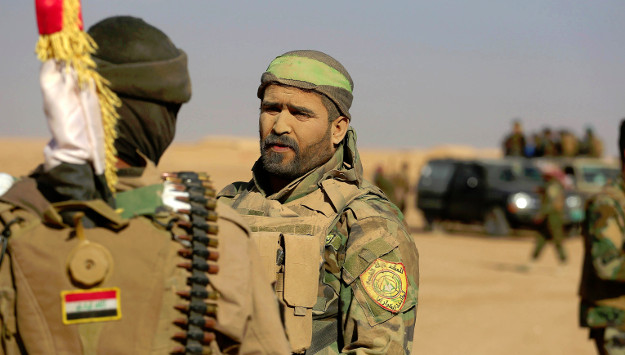
Fars News, an outlet affiliated with Iran’s Islamic Revolution Guards Corps (I.R.G.C.), has published an interview with the spokesperson of the Hashd al-Shaabi (Popular Mobilization Force), on the question of the military campaign to free the Iraqi city of Mosul from the Islamic State. Ahmad al-Assadi, the spokesperson of the Shiite-dominated Iraqi paramilitary organization, claimed in the interview that the next phase of operations to liberate west of Mosul from the Islamic State is underway.
Iranian Officials React Angrily to Trump’s Visa Ban
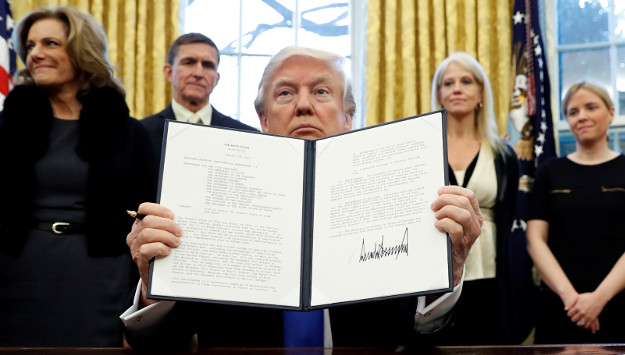
Iranian officials and state-run media have reacted angrily to President Donald Trump’s executive order that bans the entry of the citizens of Iran and six other Muslim-majority countries.