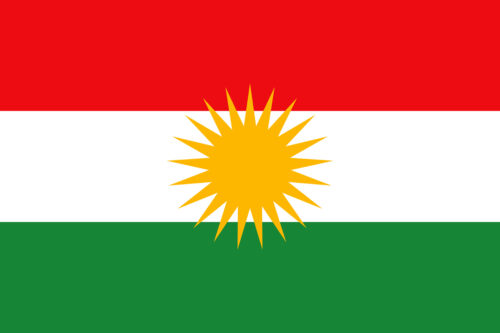
The Kurdistan Region of Iraq (KRI), also known as Iraqi Kurdistan, is a semi-autonomous region in northeastern Iraq with a population of approximately 6.5 million. The KRI’s contemporary politics are rooted in a century of Kurdish efforts to achieve self-rule.
Reflections on a Diplomatic Career in the Middle East: A Conversation With Ambassador Yael Lempert
Brian is joined by Amb. (ret.) Yael Lempert, Vice President for Outreach at MEI, to discuss her career in diplomacy and the importance of US diplomatic efforts abroad. She shares stories from postings across the Middle East in Baghdad, Cairo, Tripoli, Jerusalem, and Amman and examines how her personal and professional experiences shaped her approach to the work. Together, Brian and Yael discuss the realities of life in the Foreign Service, the core tenets of American diplomacy, and why it matters in today’s Middle East.
It has become a commonplace for Americans to describe our current war with Iran as stuck in a kind of limbo, neither full war nor real peace. We’re not the only ones. Iraq finds itself caught in a limbo of its own, between America and Iran, between the tolerable and the intolerable, between progress and relapse.
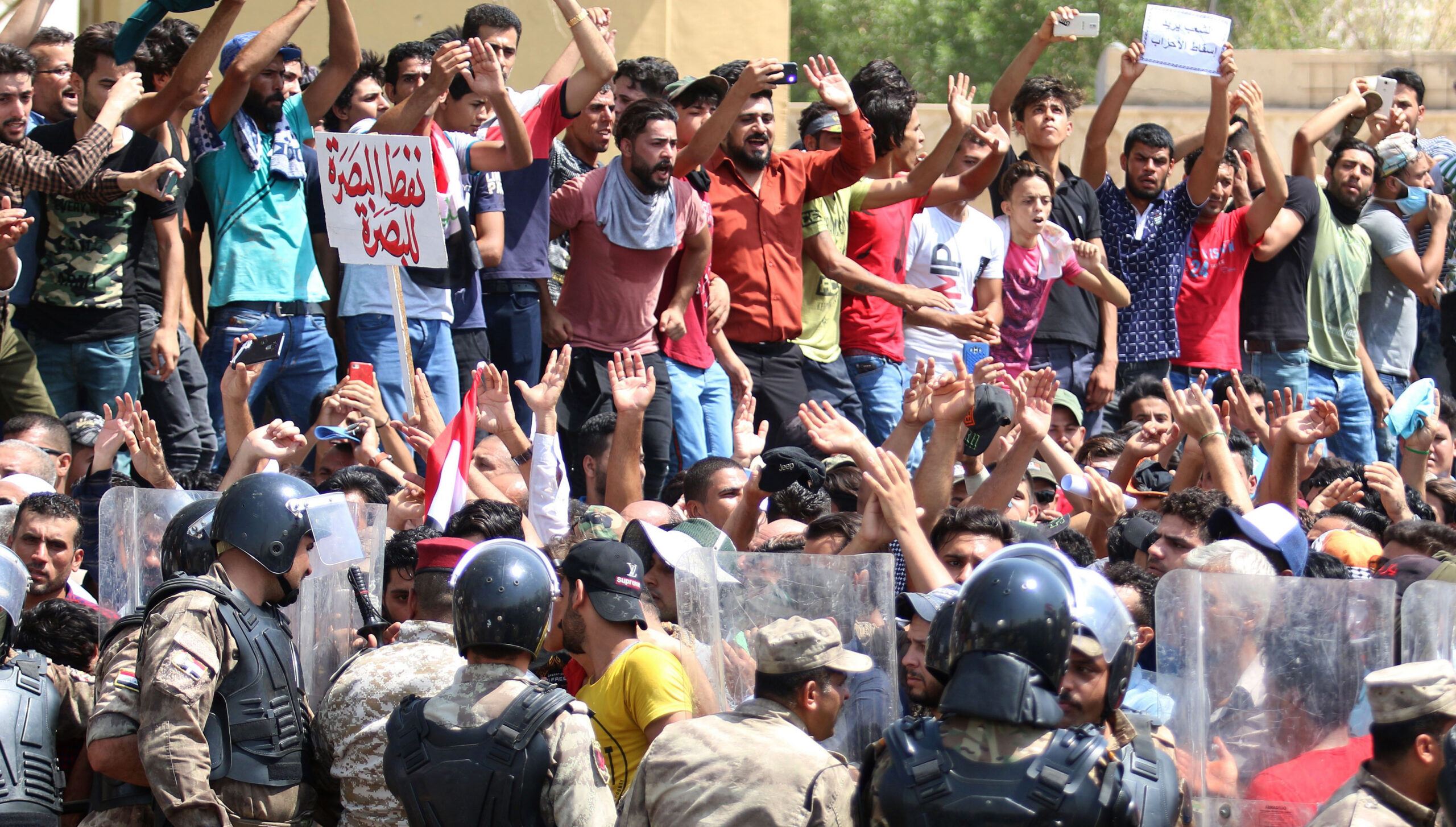
In this week’s Monday Briefing, MEI experts Charles Lister, Randa Slim, Jean-François Seznec, and Mirette F. Mabrouk provide analysis on recent and upcoming events including escalating tensions in Idlib, protests in Basra and their implications for Iraqi politics, a Saudi sovereign wealth fund’s loan to help make up for Aramco IPO revenue, and Egypt’s diplomatic outreach to China.
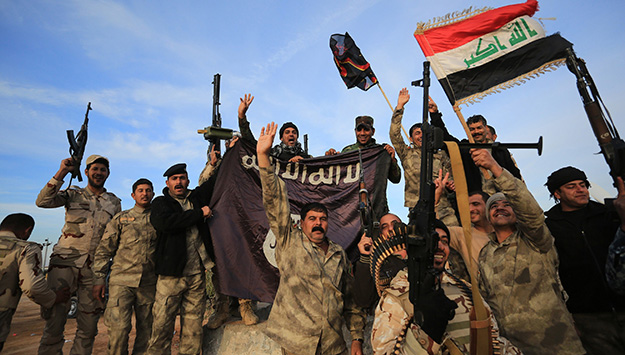
This paper examines ISIS’s actions, publications, and communications to determine its insurgency strategies and long-term organizational outlook, emphasizing sources that have been largely overlooked by forces fighting the group.
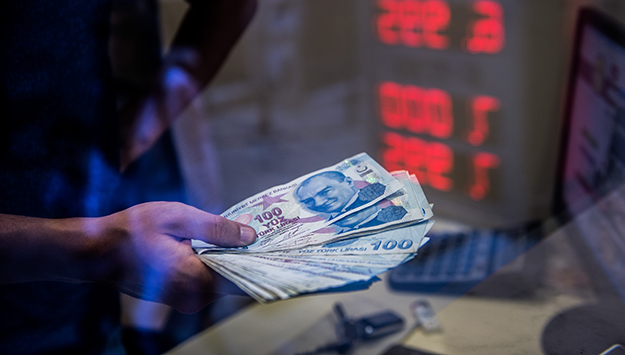
In this week’s Monday Briefing, MEI experts Gonul Tol, Robert S. Ford, Randa Slim, and Marvin G. Weinbaum provide analysis on Turkey’s currency crisis, talks in Ankara over the future of Idlib, Abadi’s chances of clinging to the premiership, and the Taliban’s capture of Ghazni.
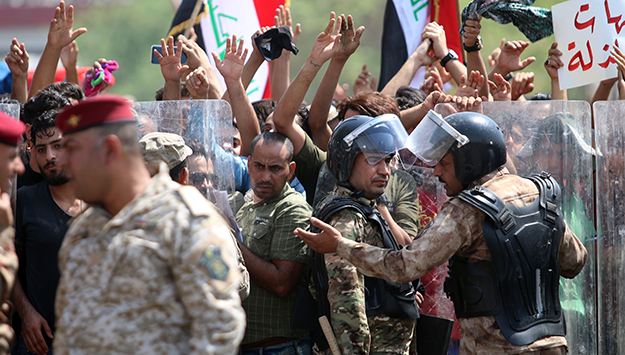
Three months after Iraq held its latest parliamentary elections the results are still being counted. Meanwhile political parties are jockeying for power and Iraqi citizens are taking to the streets to protest the government’s handling of services and the economy. Dr. Abbas Kadhim, senior fellow at Johns Hopkins SAIS, Omar Al-Nidawi, Iraq director for Gryphon Partners, and Dr. Randa Slim, director of MEI’s Program on Conflict Resolution and Track II Dialogues, join host Paul Salem to discuss the situation.
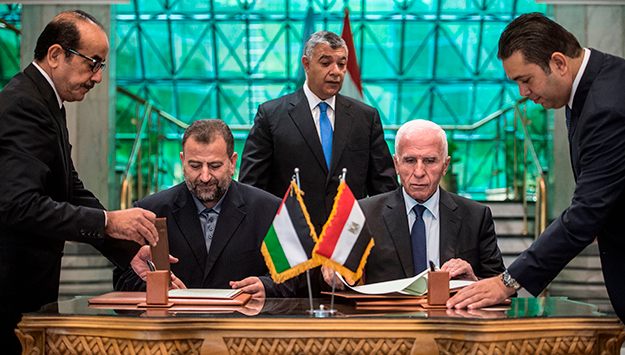
In this week’s Monday Briefing, MEI experts provide analysis on Fatah-Hamas reconciliation talks in Cairo, possible cooperation between the Syrian Democratic Council and the Assad regime, the protests in Iraq, the U.S.’s lifting of restrictions on aid to Egypt, and Imran Khan’s victory in the Pakistani elections.
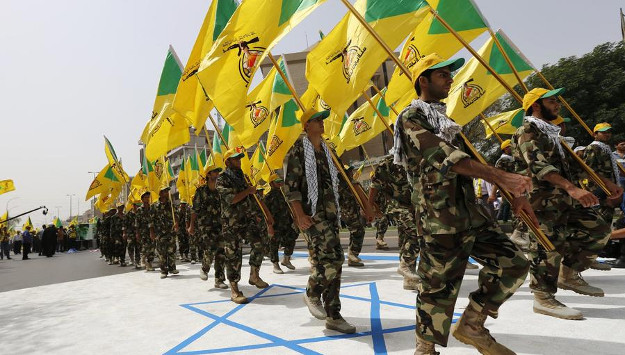
Iraqi Hezbollah threatens retaliation against U.S. if Israel attacks Iranian assets in Iraq
An Iranian-supported militia group in Iraq has threatened retaliation against the United States if Israel carries out any strikes against Iranian military personnel and assets inside Iraq,
As protests roil Iraq, political elite seeks scapegoat
In this week’s Monday Briefing, MEI experts Randa Slim, Marvin G. Weinbaum, and Charles Lister provide analysis on recent and upcoming events including the ongoing protests in Iraq, the Sharifs’ return to Pakistan and their subsequent imprisonment, and pro-Assad forces’ westward push in Syria.
In this week’s Monday Briefing, MEI experts Charles Lister, Alex Vatanka, Randa Slim, and Marvin G. Weinbaum provide analysis on the US’s silence amid the Assad regime’s expansion, the Iranian president’s trip to Europe, the uptick in violence after Iraq’s elections, and the upcoming Pakistani parliamentary elections.
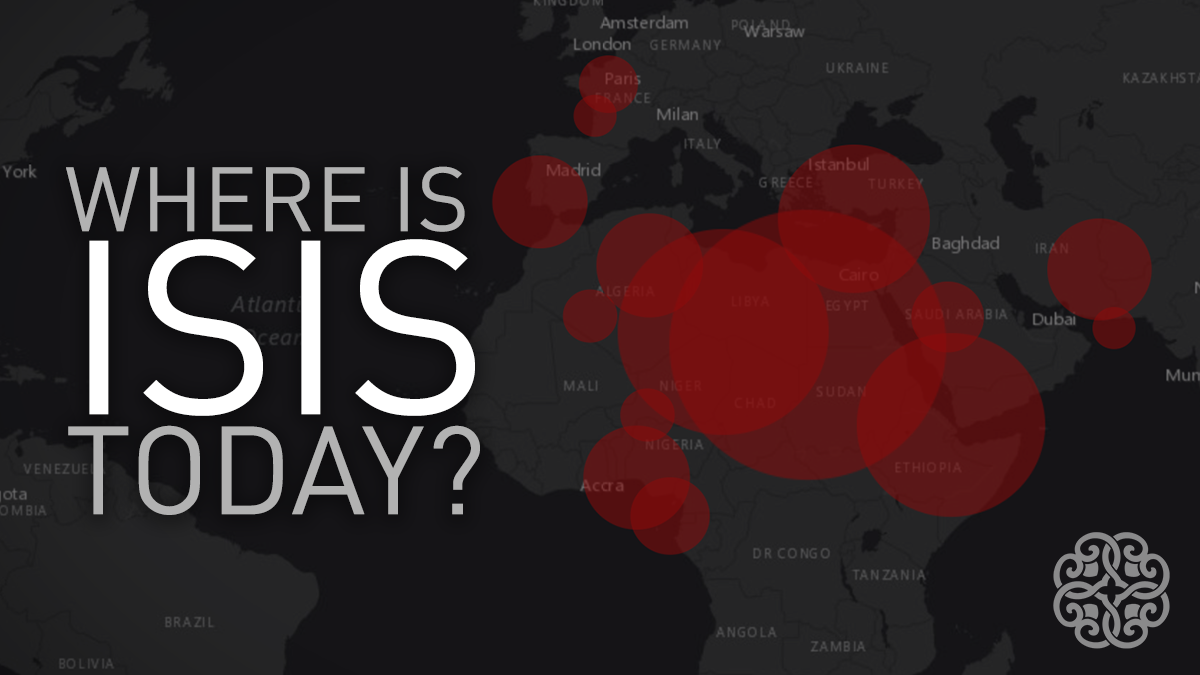
After years of international intervention, ISIS was routed from its Iraqi stronghold in Mosul and from its so-called capital in the Syrian city of Raqqa last year. However, the group remains dangerous both in the region and globally. Charles Lister discusses how ISIS is operating today, and what the international community must do to combat it.
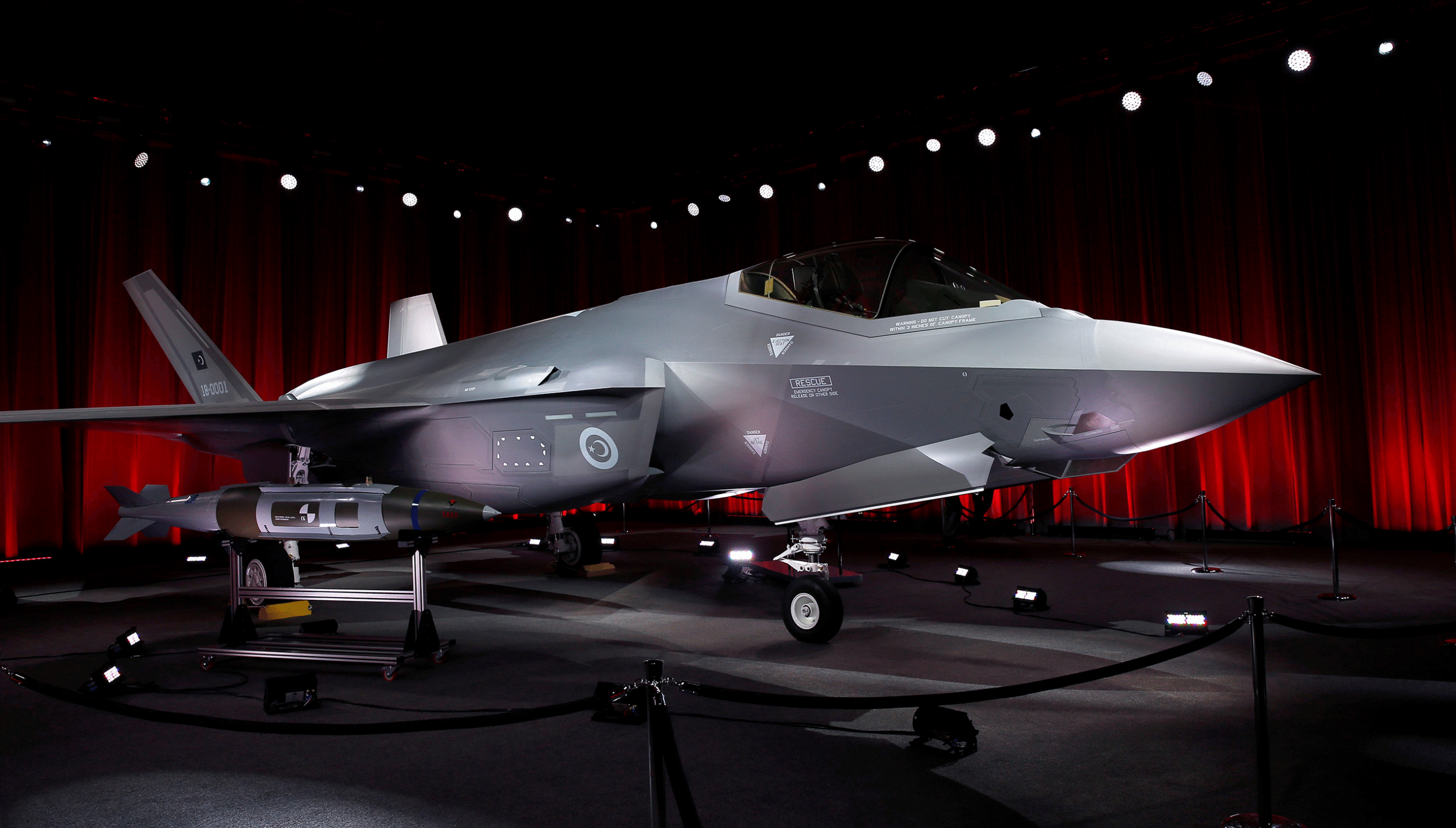
In this week’s Monday Briefing, MEI experts Bilal Y. Saab, Randa Slim, and Gerald Feierstein provide analysis on recent and upcoming events including Washington’s concerns about F-35 sales to Turkey, Iraq’s vote recount amidst mounting violence, and the king of Jordan’s visit to the White House to discuss Trump’s Israeli-Palestinian peace plan.
Sadr’s top aide says relations with Iran to remain strong, calls for exit of U.S. troops
Muqtada al-Sadr will maintain close relations with Iran and wants the United States to withdraw all its troops from Iraq and the Middle East, a top aide to the Iraqi cleric was quoted as saying in an
Europe has little wiggle room to keep Iran deal alive | Monday Briefing
In this week’s Monday Briefing, MEI experts Ahmad Majidyar, Alex Vatanka, Jean-François Seznec, Gerald Feierstein, Marvin G. Weinbaum, Gonul Tol, and Randa Slim provide analysis on recent and upcoming events including Europe’s scramble to salvage the Iran nuclear deal following the U.S. withdrawal, Iran’s response to Russia’s call for all foreign forces to leave Syria, a meeting by Saudi Arabia, the UAE and Russia to discuss the impact of new U.S. sanctions on Iran, the arrest of women’s rights activists in Saudi Arabia, new political tensions in Pakistan, a push in the U.S.
Muqtada al-Sadr’s victory in Iraqi elections raises alarm in Tehran
Firebrand Shiite cleric Muqtada al-Sadr’s surprising lead in Iraq’s May 12 parliamentary elections has raised alarm in Tehran. The Iranian press expressed the concern that Sadr would seek to undercut the Islamic Republic’s influence in Iraq by marginalizing Iran’s allies and allowing regional Sunni countries, particularly Saudi Arabia, to make inroads into Iraqi politics and economy at the expense of Tehran’s interests.