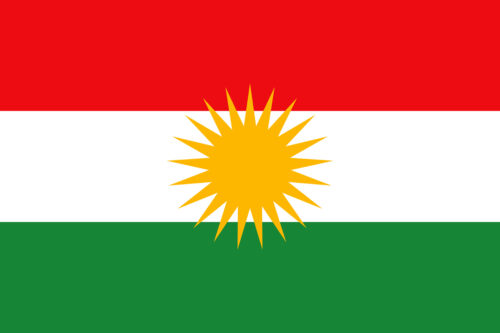
The Kurdistan Region of Iraq (KRI), also known as Iraqi Kurdistan, is a semi-autonomous region in northeastern Iraq with a population of approximately 6.5 million. The KRI’s contemporary politics are rooted in a century of Kurdish efforts to achieve self-rule.
Reflections on a Diplomatic Career in the Middle East: A Conversation With Ambassador Yael Lempert
Brian is joined by Amb. (ret.) Yael Lempert, Vice President for Outreach at MEI, to discuss her career in diplomacy and the importance of US diplomatic efforts abroad. She shares stories from postings across the Middle East in Baghdad, Cairo, Tripoli, Jerusalem, and Amman and examines how her personal and professional experiences shaped her approach to the work. Together, Brian and Yael discuss the realities of life in the Foreign Service, the core tenets of American diplomacy, and why it matters in today’s Middle East.
It has become a commonplace for Americans to describe our current war with Iran as stuck in a kind of limbo, neither full war nor real peace. We’re not the only ones. Iraq finds itself caught in a limbo of its own, between America and Iran, between the tolerable and the intolerable, between progress and relapse.
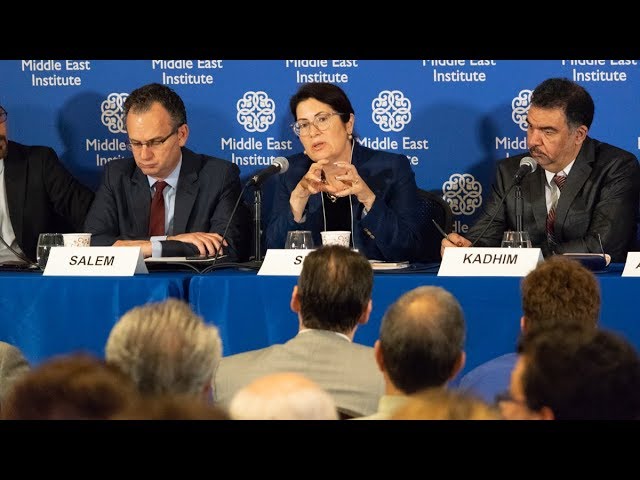
Amb. Lukman Faily, Iraq’s ambassador to the United States from 2013-2016, and Randa Slim, director of MEI’s program on Conflict Resolution and Track II Dialogues, join host Paul Salem to analyze the results of Iraq’s parliamentary elections and their implications for Iraq, the region, and U.S. policy going forward.
A tale of two elections: recapping the polls in Lebanon and Iraq
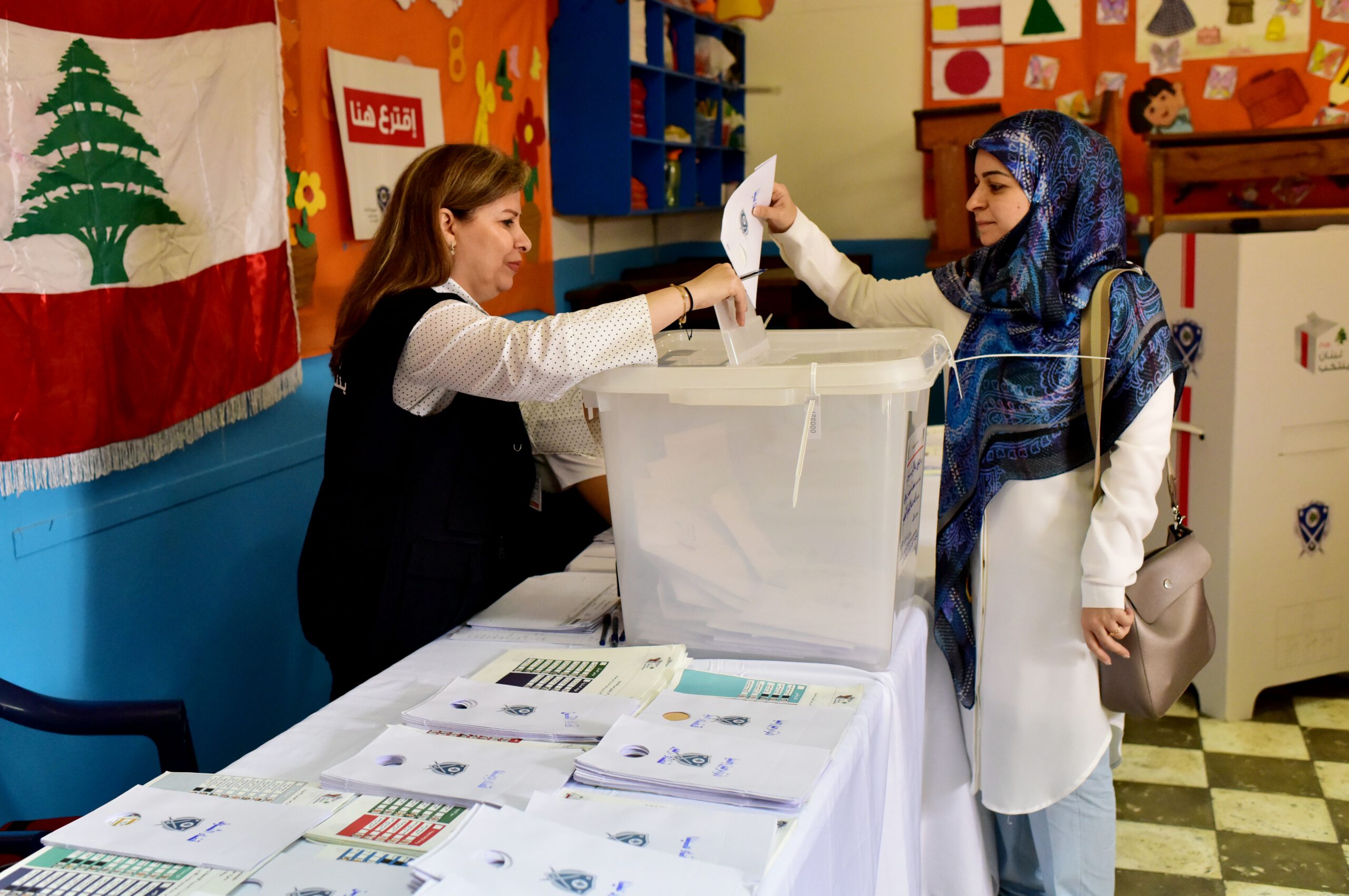
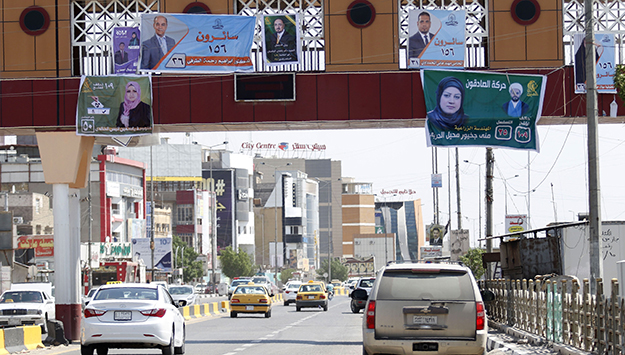
As Lebanon holds its first parliamentary elections in nine years and Iraq paves a way forward in the aftermath of the war against ISIS, many questions remain as to what the political future holds for both countries. The parliamentary elections in Lebanon on May 6, and in Iraq on May 12, serve as a barometer for transparency, inclusion, and the political realities in both countries. The polls have raised pressing political and governance issues such as how to overcome sectarianism, corruption, and economic stagnation in order to encourage further openness and plurality.
Iran’s militia allies in Iraq eye election victory to consolidate gains, expel US
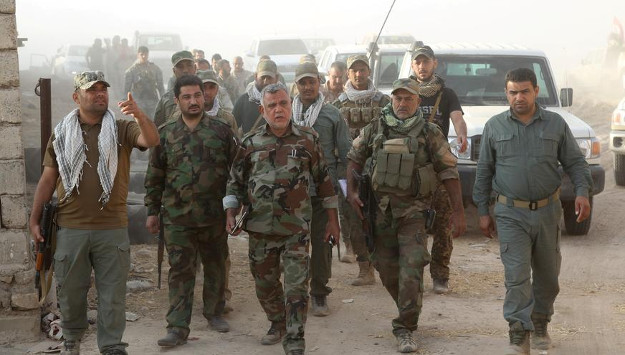
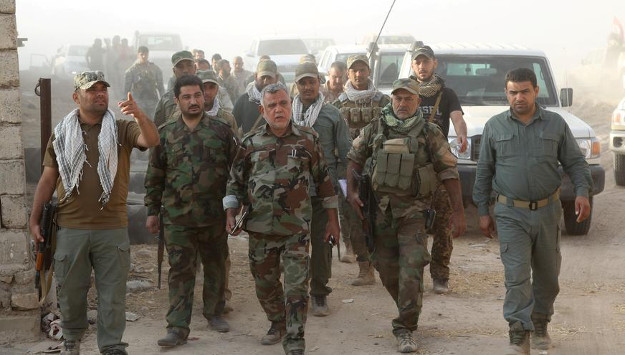
As Iraqis are heading to the polls on Saturday to vote in the country’s parliamentary elections, the Fateh Alliance, a coalition dominated by Iranian-backed militia groups, is confident that it will win sufficient parliamentary seats to choose the country’s next prime minister. Abu Ala al-Wa’eli, the commander of Kata’ib Sayyid al-Shuhada, a militia unit within the Popular Mobilization Force (PMF) and part of the Fateh Alliance, said the alliance has not nominated anyone to become the next prime minister but will play the kingmaker in the post-election government formation process.
Trump's goal in Iran is regime change | Monday Briefing
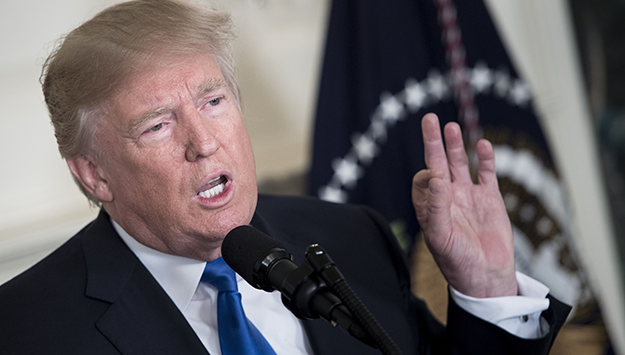
In this week’s Monday Briefing, MEI experts Alex Vatanka, Randa Slim, and Randa Slim provide analysis on recent and upcoming events including President Trump’s decision on whether to withdraw from the Iran nuclear deal, what this weekend’s election results in Lebanon indicate about Hezbollah’s standing in the country, and expectations for the outcome of Iraq’s elections on May 12.
Iraq wilting: How creeping drought could cause the next crisis
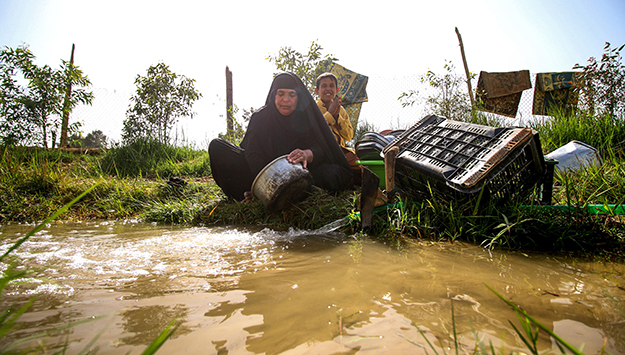
Nabil Musa learned how to swim and fish in the Tanjero River in the city of Sulaymaniyah, Iraq. The Tanjero eventually joins the Tigris River, which, together with the Euphrates River, gave life to Mesopotamia.
Iran-backed Fateh Alliance seeks to win or play kingmaker in upcoming Iraqi elections
With Iraq’s May 12 parliamentary elections nearing, the coalition of Iranian-supported militia groups called Fateh Alliance is confident that it can translate its military gains into a political victory by either winning the premiership or playing kingmaker in the post-election government formation process, according to Tasnim News Agency, an outlet affiliated with Iran’s Revolutionary Guards.
Iraqi oil law puts elections before state-building
Since the ratification of Iraq’s constitution in 2005, Iraq has struggled to interpret clauses 111 and 112, which stipulate that oil is the property of the Iraqi people and its revenues should be shared equitably. Several draft laws on hydrocarbon management, energy sector regulation, and oil revenue distribution have remained stalled because of differences between the federal government and the Kurdistan region over the interpretation of those clauses.
Iraqi elections: crafting a democracy amid challenges
Fifteen years after the fall of the dictatorial regime of Saddam Hussein, Iraq is still engaged in the process of transitioning to a system of governance representative of its population. The new Iraq has experienced meaningful progress and serious setbacks. While the upcoming elections, slated for May, promise a further constructive push, Iraq faces serious structural impediments to progress—including a divisive political environment and significant social challenges in the wake of ISIS—and should expect incremental rather than revolutionary change.
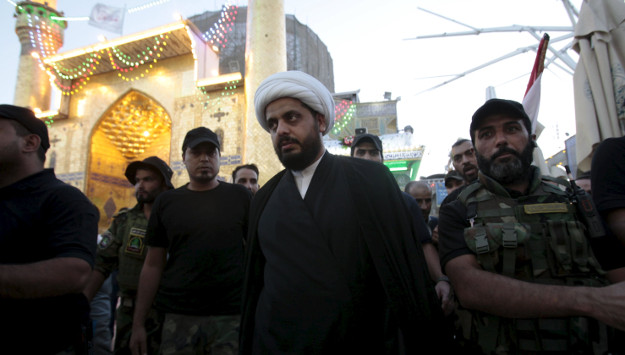
Tehran-backed Iraqi group threatens US, vows to stand by Assad regime
A prominent Iranian-backed Iraqi militia group has said that its forces will stand by the regime of Bashar al-Assad in Syria to defend it against any attacks by the United States and its allies.
Iranian leaders rule out missile compromise in meeting with French foreign minister
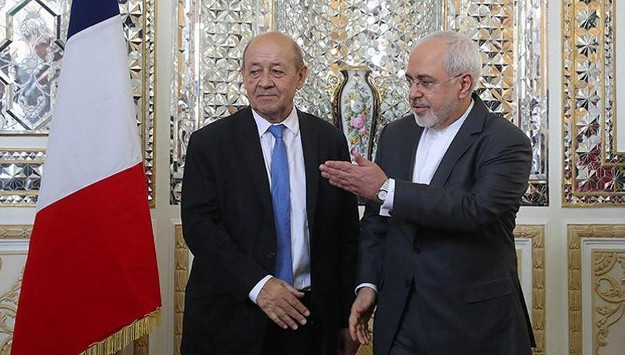
French Foreign Minister Jean-Yves Le Drian paid a one-day visit to Tehran on Monday to discuss Iran’s controversial missile program and regional activities. Iranian leaders told the top French diplomat that European countries should put pressure on the Trump administration to keep and implement that Joint Comprehensive Plan of Action (JCPOA), the nuclear deal Iran signed with world powers in July 2015.
Iranian-backed PMF leaders gearing up for elections while keeping military roles
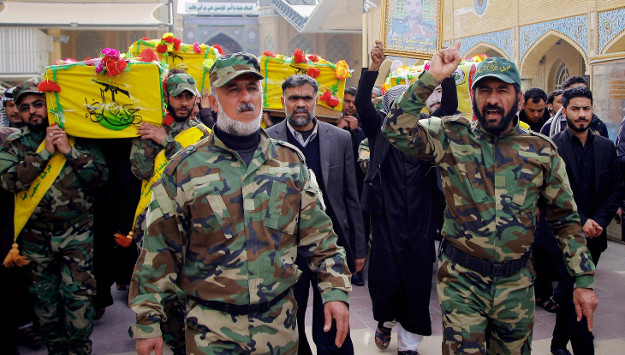
Hadi al-Amiri, the head of the Badr Organization, has said that an alliance of Shiite militia forces that fought against the Islamic State will now shift attention to politics and will participate in the upcoming parliamentary elections. In an interview with the Lebanese al-Mayadeen TV, Amiri said that the Fateh Alliance, a coalition of Iranian-supported Shiite units within the Iraqi Popular Mobilization Force (PMF), will take an active part in the elections and expressed the hope that it can play a major role in the next government.
Tehran’s ambassador to Baghdad meets with militia leader to discuss Iraq and Syria
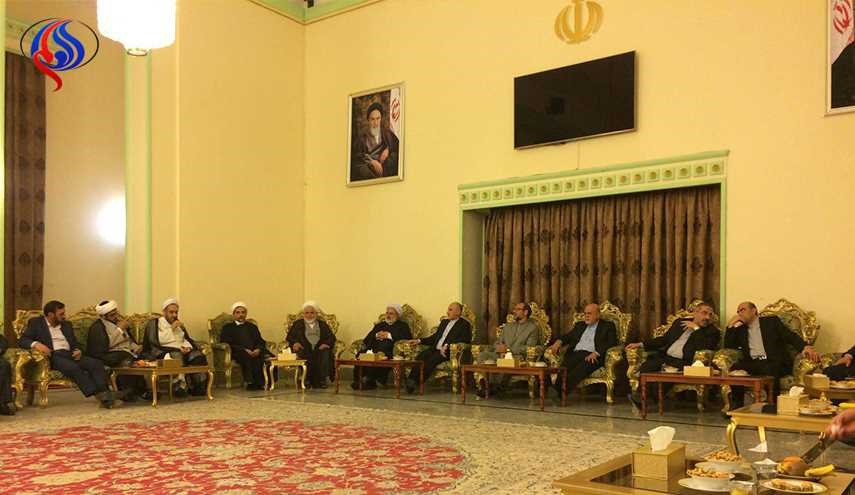
Tehran’s Ambassador to Baghdad Iraj Masjedi held a meeting with the leader of Harakat al-Nujaba, an Iraqi militia group fighting in Iraq and Syria, to discuss Iraqi and regional issues,
Iran-Backed Iraqi militia group calls for closure of Arab daily Asharq al-Awsat
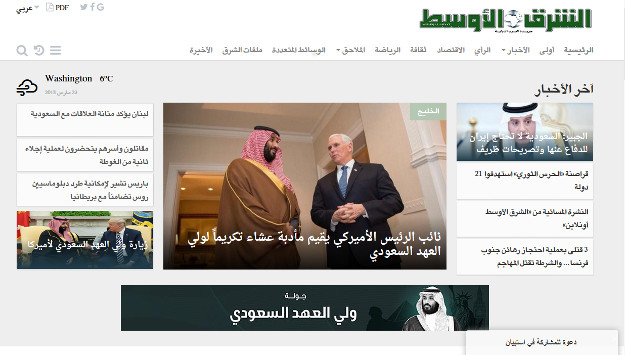
A commander of the Iraqi paramilitary forces known as Hashd al-Shaabi has called for suspension of Asharq al-Awsat in Iraq, accusing the pan-Arab daily of propagating against the paramilitary forces. According Iran’s Fars News Agency, Karim al-Nouri, a commander of the Iranian-backed Badr Organization and a spokesman for Hashd al-Shaabi, was reacting to an article in the newspaper which warned about Hashd al-Shaabi turning into a Shiite-only organization in Iraq.