The Kurdistan Region of Iraq (KRI), also known as Iraqi Kurdistan, is a semi-autonomous region in northeastern Iraq with a population of approximately 6.5 million. The KRI’s contemporary politics are rooted in a century of Kurdish efforts to achieve self-rule.
Reflections on a Diplomatic Career in the Middle East: A Conversation With Ambassador Yael Lempert
Brian is joined by Amb. (ret.) Yael Lempert, Vice President for Outreach at MEI, to discuss her career in diplomacy and the importance of US diplomatic efforts abroad. She shares stories from postings across the Middle East in Baghdad, Cairo, Tripoli, Jerusalem, and Amman and examines how her personal and professional experiences shaped her approach to the work. Together, Brian and Yael discuss the realities of life in the Foreign Service, the core tenets of American diplomacy, and why it matters in today’s Middle East.
It has become a commonplace for Americans to describe our current war with Iran as stuck in a kind of limbo, neither full war nor real peace. We’re not the only ones. Iraq finds itself caught in a limbo of its own, between America and Iran, between the tolerable and the intolerable, between progress and relapse.
“Exporting its internal problems”: Understanding Iran’s January missile salvos against its neighbors
In mid-January, with the war in Gaza continuing to rage on, Iran launched a series of surprise missile attacks on its immediate neighbors Iraq, Syria, and Pakistan over two days. Taken together, these attacks illustrate that the Islamic Republic puts regime survival above national interest in its foreign policy calculations, which undermines its efforts to engender solidarity and good relations with other Muslim-majority states in the region.
US response to Tower 22 attack in Jordan: Less intense, more restrained than anticipated
On the evening of Saturday, Feb. 3, local time, US warplanes bombed facilities used by Iranian forces and Iran-backed militias in Syria and Iraq, in retaliation for the death of 3 US service members in a Jan. 28 drone attack on Tower 22, a US military base in northeastern Jordan on the Syrian border. The airstrikes primarily targeted locations in eastern Syria and western Iraq.
Partisan press: The dominance of party-backed media in Iraq’s Kurdistan Region
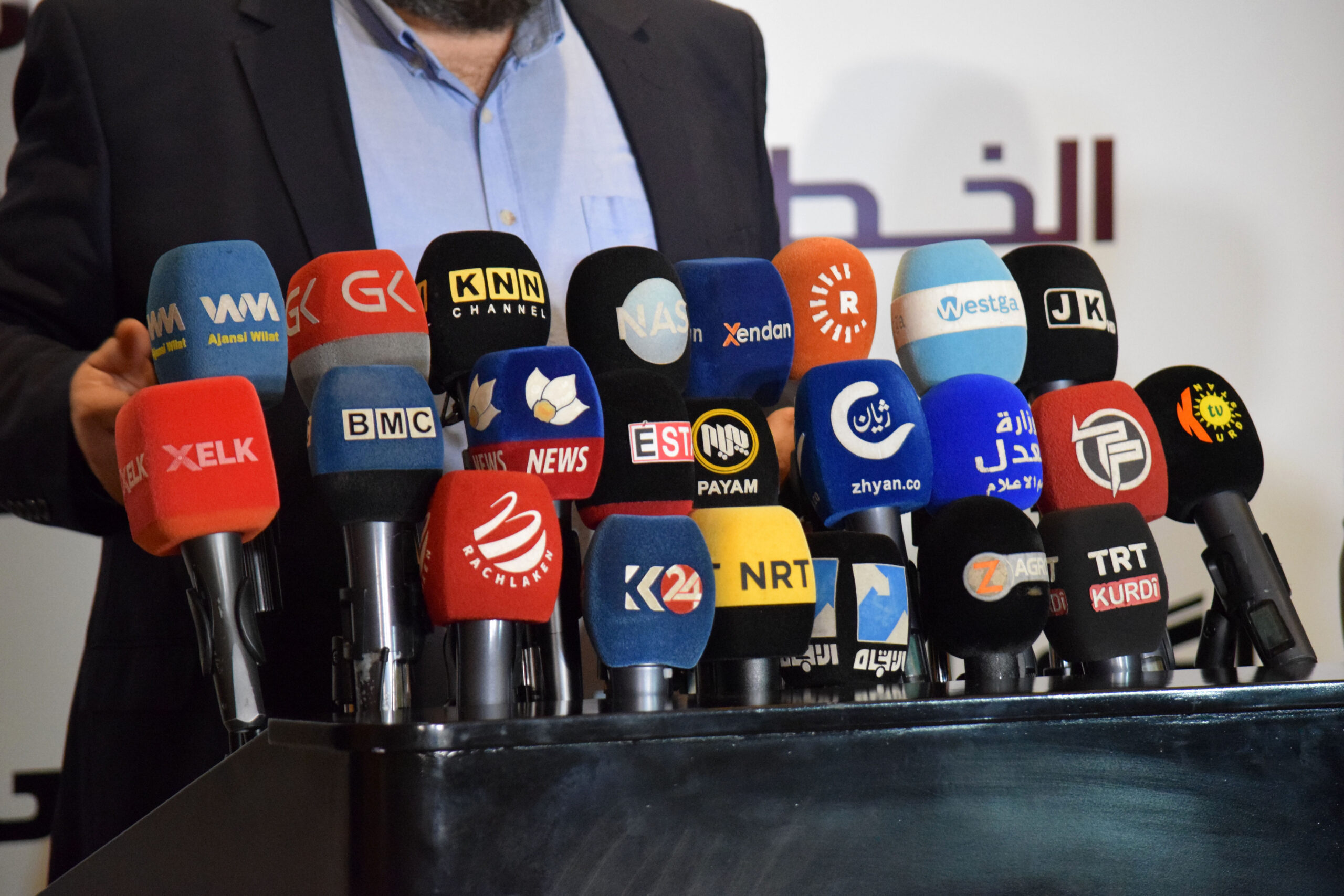
The media landscape in Iraq’s Kurdistan Region is dominated by outlets affiliated with political parties. As a result, media coverage largely promotes the interests of politically motivated patrons, rather than performing a public service mission of providing impartial and high-quality information.
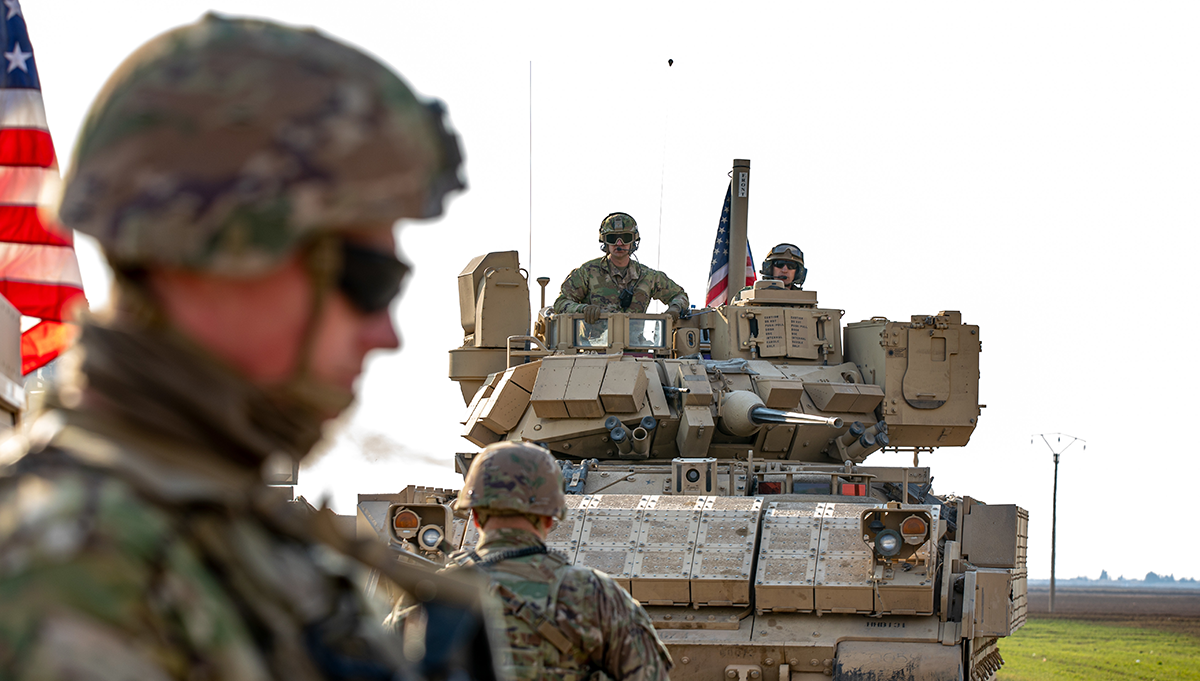
Iranian-backed militia attacks on coalition forces threaten to ignite eastern Syria
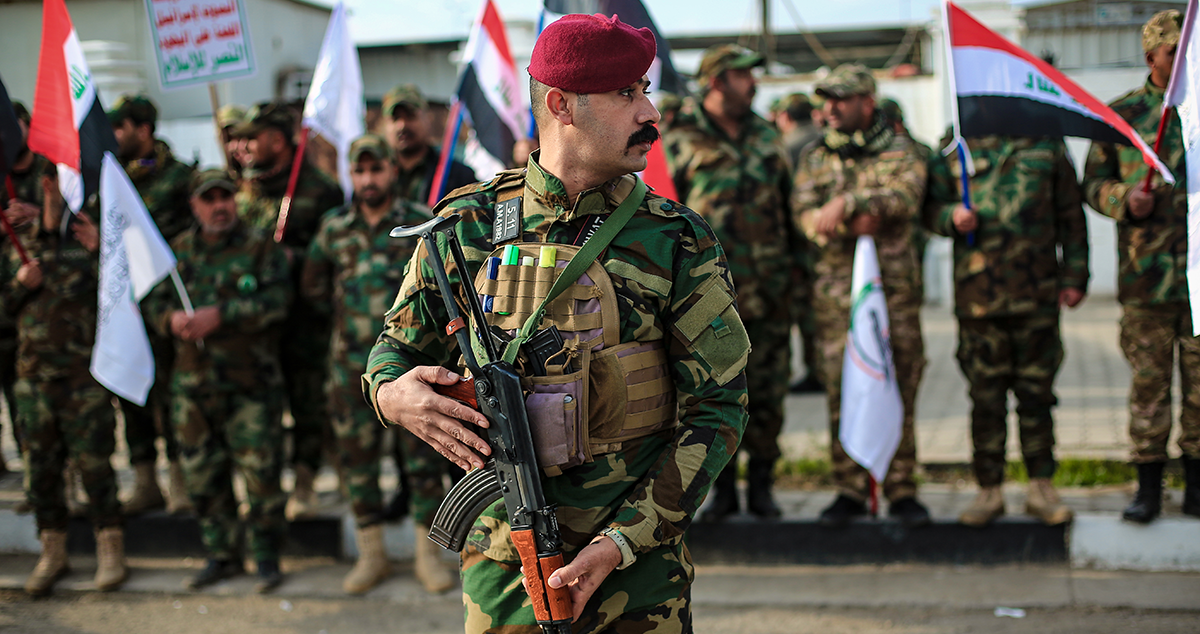
Over the last three weeks, there has been a notable escalation in attacks targeting international coalition bases in northeastern Syria orchestrated by Iranian-backed militias operating in Iraq and Syria. Concurrently, there have been reports indicating the establishment of operational centers aimed at coordinating these strikes. These developments appear to be part of an effort to exploit the widespread popular discontent with the United States and Israel, with the strategic aim of expanding and consolidating Iranian influence in Syria.
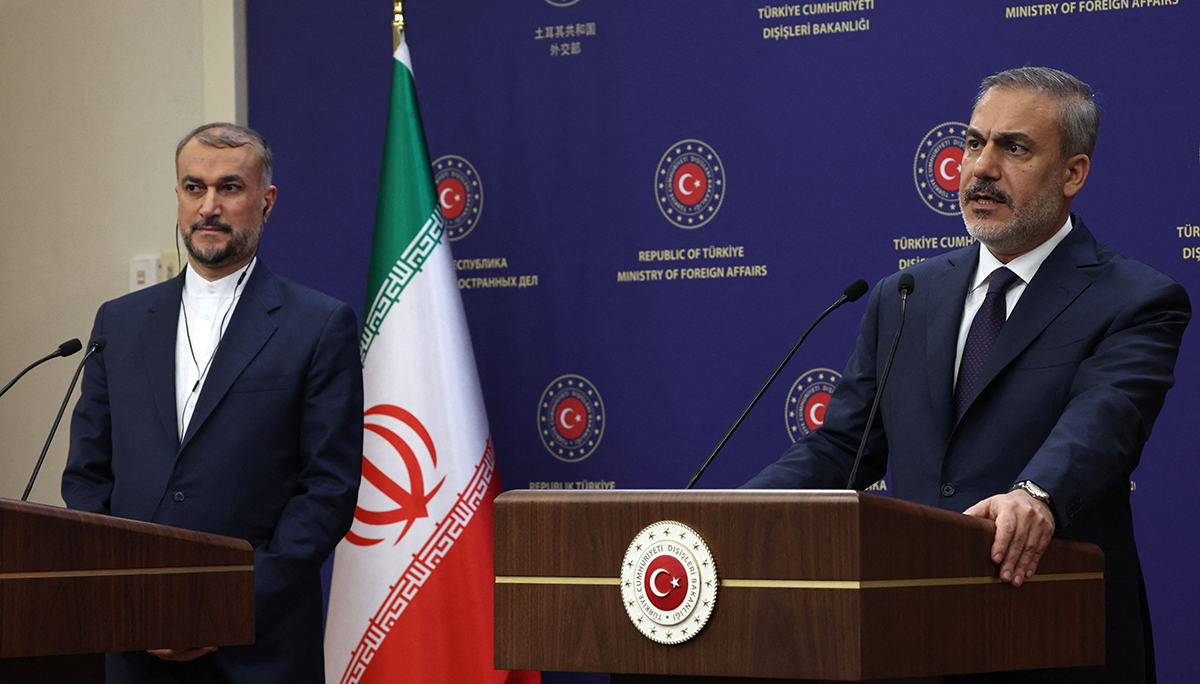
Turkey and Iran: Toward an “Axis of Revisionism” amid the war in Gaza?
Hamas’ violent and unexpected Oct. 7 attack on Israel has shaken a fragile regional order in the Middle East. Ankara and Tehran are worried that a stronger U.S. presence in the Middle East is detrimental to their regional interests. The war in Gaza might help close the ranks between Turkey and Iran, yet there are serious limitations to a sustainable alliance between the two countries.
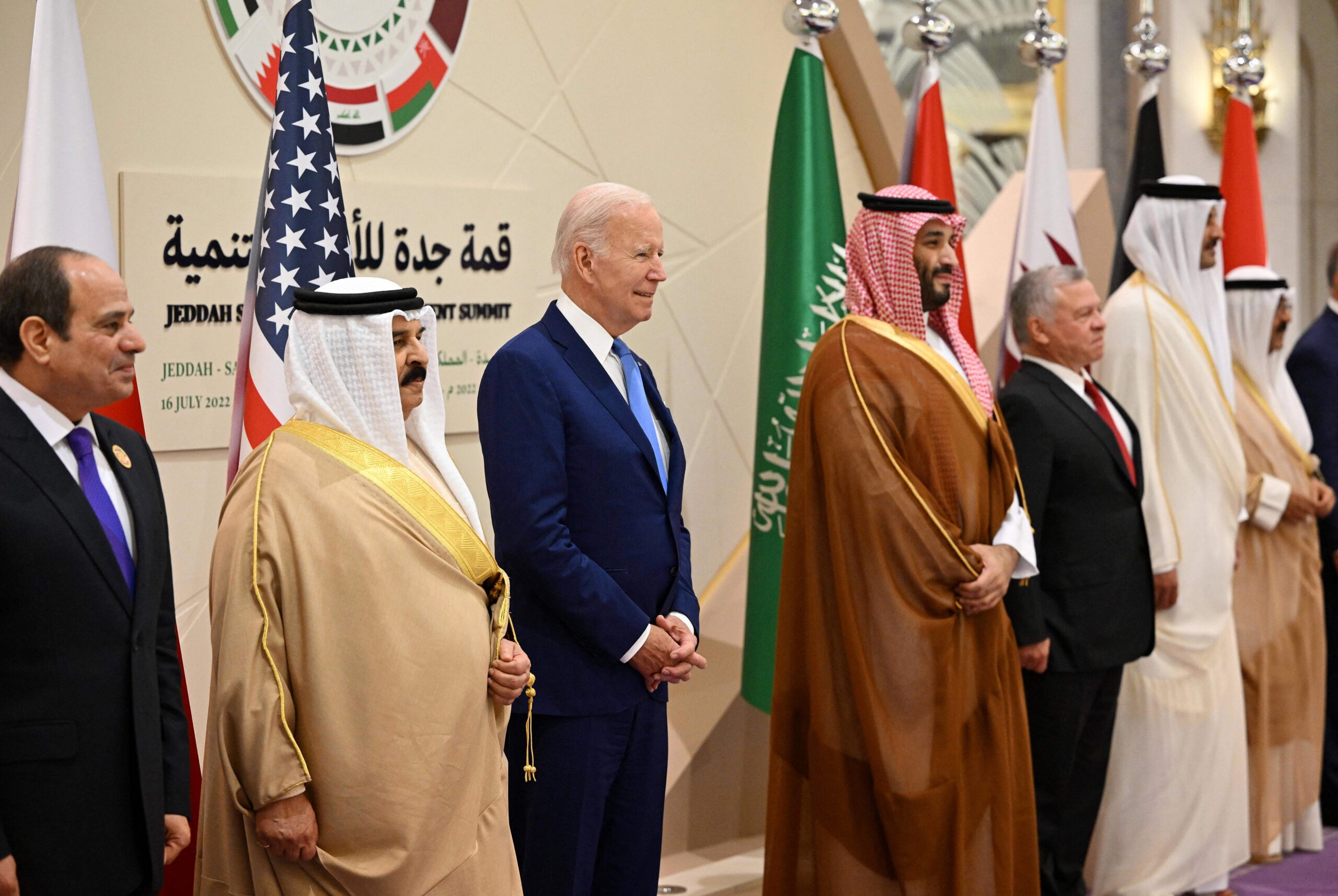
التحرك بحذر على رمال متحركة: تقييم نهج بايدن في سياسة الشرق الأوسط، 2021-2023
يقدم هذا التقرير تقييماً مؤقتاً لاستراتيجية إدارة بايدن الشاملة تجاه الشرق الأوسط، ويبحث الفرص والمخاطر الاستراتيجية للسياسة الأمريكية في المنطقة بشكل عام.
Can oil and water mix?: Creating opportunities for Iraq-Turkey cooperation
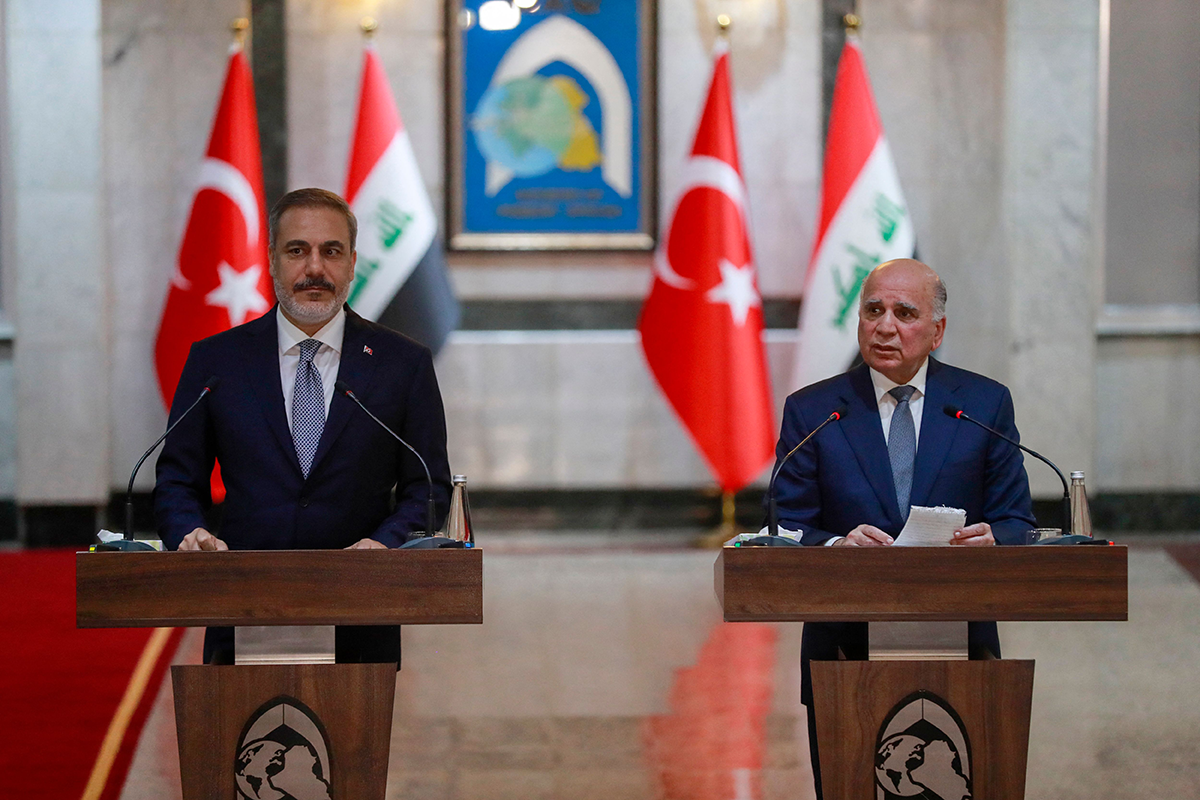
Last week saw a flurry of diplomatic activity between Baghdad and Ankara. The top priorities in the talks were oil exports, the presence of the PKK in Iraq, and Iraq’s water crisis. The outcomes have been unimpressive, but there is an opportunity for Iraq to shake things up and improve its bargaining position, at least on the oil export issue, possibly more.
Peshmerga reform hangs in the balance in Iraq’s Kurdistan Region
Efforts to reform the Iraqi Kurdish security forces known as the Peshmerga are at serious risk of failing. Tensions between the ruling parties of Iraq’s Kurdistan Region are not new, but the working relationship between the leaders of the Kurdistan Democratic Party and the Patriotic Union of Kurdistan has collapsed over the past year. As a result, officials within the Ministry of Peshmerga Affairs are no longer capable of preventing the politics of partisan self-interest from consuming the reform project. The prospects for the depoliticization and unification of the Peshmerga have rarely seemed more remote.
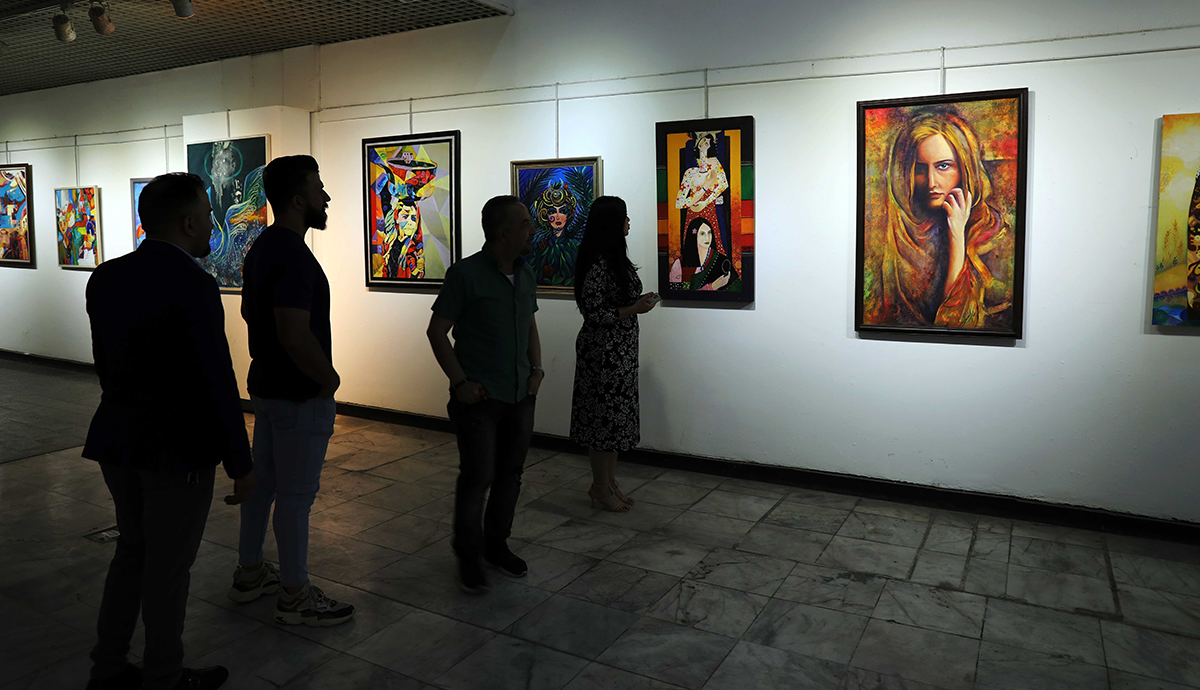
Two decades on, Iraq’s ongoing, if fragile, cultural revival
Although it has fallen off the international news cycle, Baghdad is booming, high on rising oil prices and full, once again, of neo-Abbasid, petroleum-fueled aspirations. Thanks to new anti-money laundering legislation, funds are being funneled not only into hotels and real estate but also into new cultural enterprises. So what does culture in Iraq look like in 2023?