After the US-Israel-Iran war — and the strikes that followed the cease-fire — the Gulf states find themselves dangerously exposed. Host Alistair Taylor is joined by MEI Associate Fellow Gregory Gause to discuss the war’s impact on the Gulf, their partnership with the United States, and whether the turmoil of recent months will push Gulf leaders to reassess their alliances and international engagement.
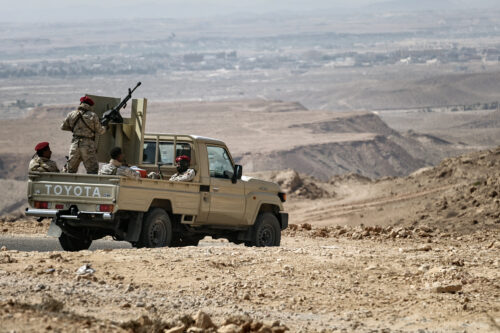
Saudi Arabia has stepped up its efforts to unify and restructure Yemen’s anti-Houthi forces after the rapid expansion and sudden implosion of the United Arab Emirates-backed secessionist Southern Transitional Council following Abu Dhabi’s military withdrawal from the country.
Philip Gordon, a former Middle East policy adviser in the White House, likes to say that President Barack Obama learned three lessons from the region’s unending turmoil.
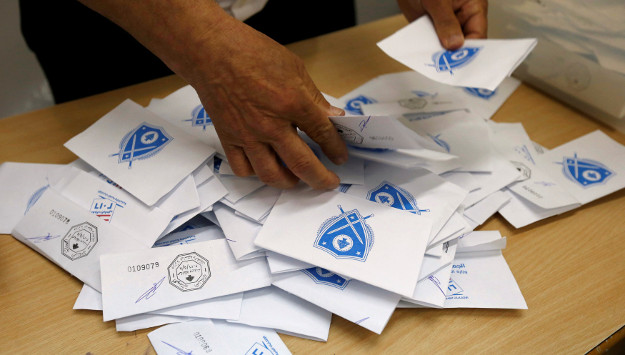
Monday Briefing: Lebanon's Elections, Gaza Unrest, Syria Talks, and Saudi's New Oil Minister
In this week’s Monday Briefing, MEI experts Paul Salem, Paul Scham, Charles Lister, and Jean-François Seznec provide analysis on recent events including Lebanon’s elections, unrest in Gaza, the ongoing Syria talks, and Saudi Arabia’s new oil minister.
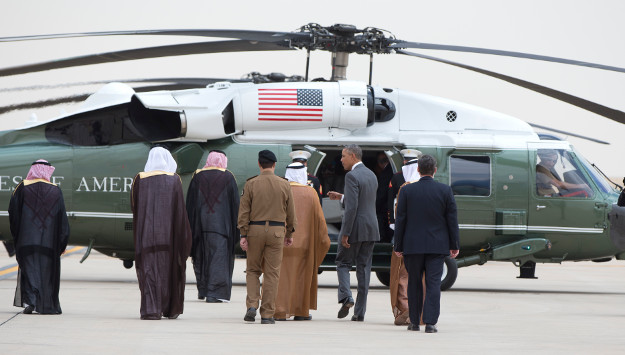
President Barack Obama’s Thursday visit to Riyadh to participate in the Gulf Cooperation Council summit comes one year after his meeting with GCC leaders in Camp David, and is an attempt to shore up an important relationship at a time when the two sides have been drifting apart over key regional issues.
Monday Briefing: Syrian Peace Talks, Yemen's Cease-fire, and Saudi Regional Diplomacy
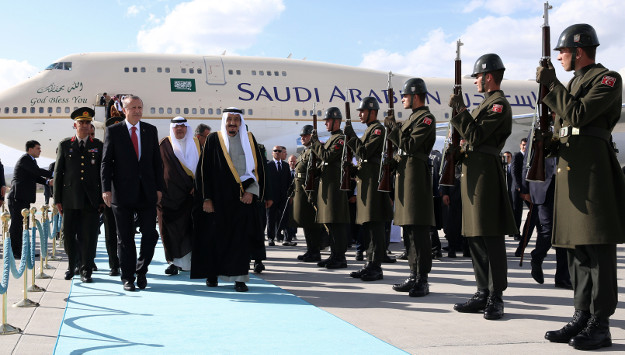
In this week’s Monday Briefing, MEI experts Randa Slim, Charles Schmitz, and Paul Salem provide analysis on recent and upcoming events including the next round of Syrian peace talks, the cease-fire in Yemen and the negotiations ahead, and Saudi King Salman’s visits to Egypt and Turkey.
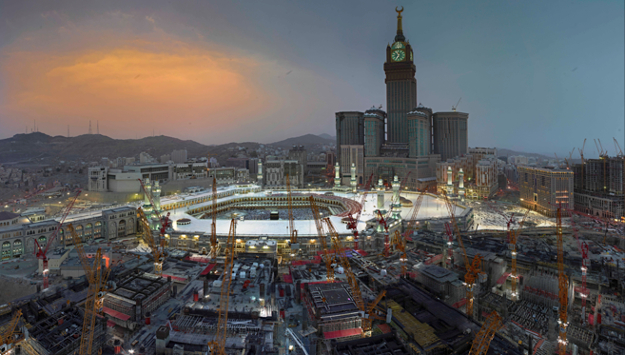
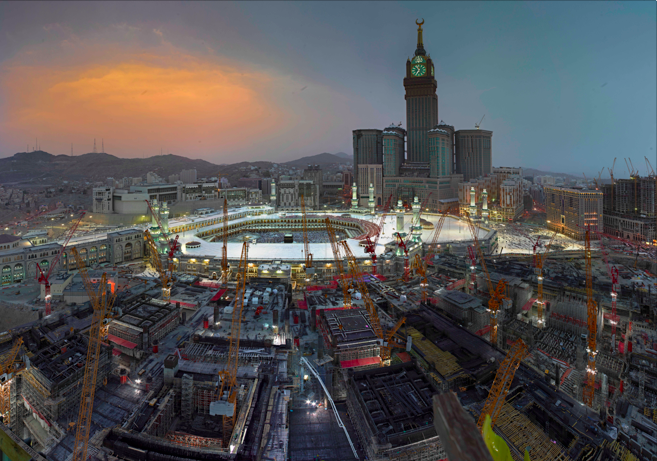
On a sub-level inside one of the Smithsonian’s art galleries in Washington, a man stood entranced by the Golden Hour, a six by eight foot photographic composition of Mecca.
The man noted the dozens of cranes and the Makkah Royal Clock Tower, a monstrous and controversial piece of architecture that dwarfs everything around it. Then, with his finger, the visitor carefully air circumnavigated around the Great Mosque.
“What’s this tiny black cube in the middle?” he asked, pointing to the Kaaba.
Saudi Arabia has come under intense scrutiny in recent months. Much of it centers on its more assertive and less accommodating foreign policy, as manifested in its unprecedented military campaign in Yemen. The shift in Saudi regional policy has spawned the sudden popularity of two narratives in the Western press, think tanks and even some official circles.
Weekly Briefing: Syria Ceasefire, Iran Elections, and Saudi Arabia's Suspension of Aid to Lebanon
In the first installment of a new series of weekly briefings on the most important regional issues, MEI experts Randa Slim, Alex Vatanka, and Paul Salem analyze recent events including the ceasefire agreement in Syria, upcoming elections in Iran, and Saudi Arabia’s suspension of military aid to Lebanon.
Will New Cease-fire Deal in Syria Succeed?
Randa Slim Director, Initiative for Track II Dialogues
Political and security ties between Saudi Arabia and China have developed far more slowly than have their economic relations. This essay explores the security dimension of the relationship between Saudi Arabia and China, and attempts to shed light on the question of why Sino-Saudi cooperation in the security sphere has been very limited.
Fate of the Dragon in the Year of the Red Fire Monkey: China and the Middle East 2016
February 2016 marks the beginning of a new phase in the Chinese lunar calendar, drawing to a close a year marked by heightened risks and fortuitous gains in China’s efforts to secure its interests in the Middle East and North Africa (MENA) region. This essay addresses three questions: How well has China adapted to the conflict and instability that have swept the region? And as we enter the Year of the Red Fire Monkey, what are the concerns that are likely to preoccupy Chinese leaders? What, if any, policy adjustments by Beijing, can realistically be expected in light of the current circumstances and uncertain prospects for the region and for China itself?
Why Pakistan Is the Biggest Winner in the Iranian-Saudi Dispute
Saudi Arabia is back, knocking on Pakistan’s door. Saudi Foreign Minister Adel al-Jubeir and King Salman bin Abdulaziz al-Saud’s son and deputy crown prince, Mohammad bin Salman, arrived separately in the early days of the new year to persuade Islamabad to join hands with Riyadh in confronting regional security threats. That is, the Saudis want Pakistan’s support against Iran.
Gulf Decisionmakers' Perceptions of Security Ties with China
The essays featured here are the products of a workshop series analyzing China’s position in the context of Gulf security, organized by the Department of International Affairs and the Center for Humanities and Social Sciences of Qatar University under the direction of Dr. Imad Mansour.