This article is part of a collection of short essays written by the Fellows of the Middle East Institute to explore aspects of the ongoing war with Iran. The intent of the collection is to help readers see new and unexpected elements of the dynamics and impact of the ongoing hostilities and to think harder, deeper, and broader about the implications of the conflict.
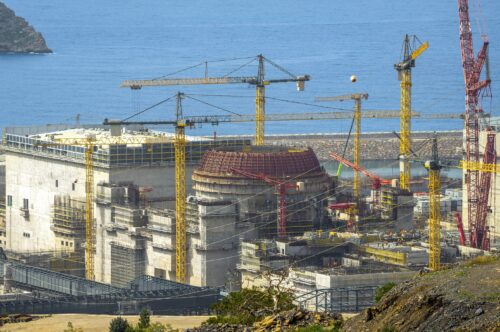
Turkey: Ankara’s Nuclear Ambitions in the Post-Iran War Environment
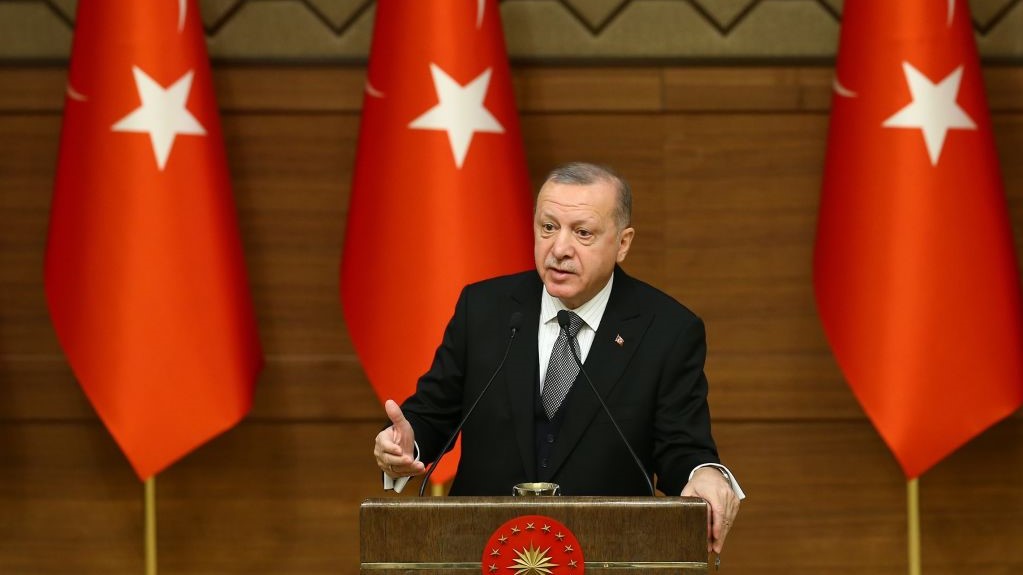
In February 2026, Turkish Foreign Minister Hakan Fidan suggested that shifting international dynamics could push Turkey to acquire nuclear weapons. That rhetoric, combined with Turkey’s civilian nuclear energy and research programs and its indigenous surface-to-surface missile development projects, has fueled concerns that these capabilities could eventually form the backbone of a Turkish nuclear weapons program.
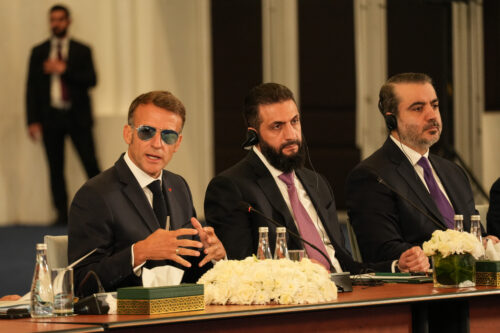
When the US and Israel launched military action against Iran on February 28, 2026, it set in motion a chain of events that saw violence spread across the Middle East. Yet as the region found itself engulfed in conflict, Syria has experienced its most peaceful months in 15 years, and the government in Damascus appears determined to stay its course toward recovery.
MEI experts Robert S. Ford, Fatima Abo Alasrar, and Emad Badi join host Alistair Taylor to survey what lies ahead for the Middle East in 2020, with particular attention to Iran, Syria, Yemen, Libya, Iraq and Algeria.
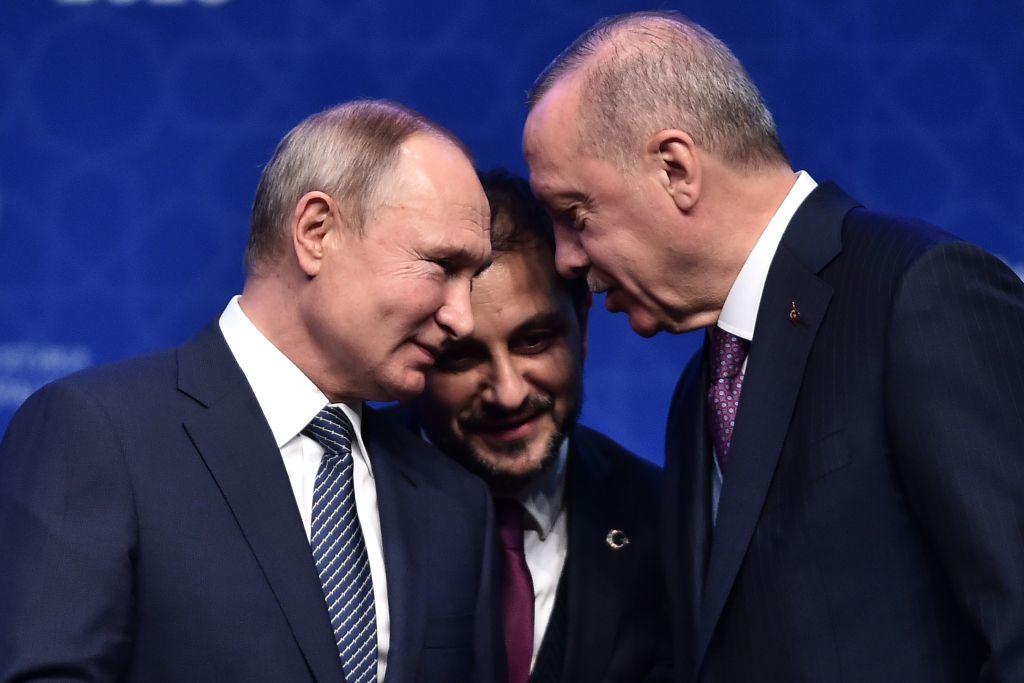
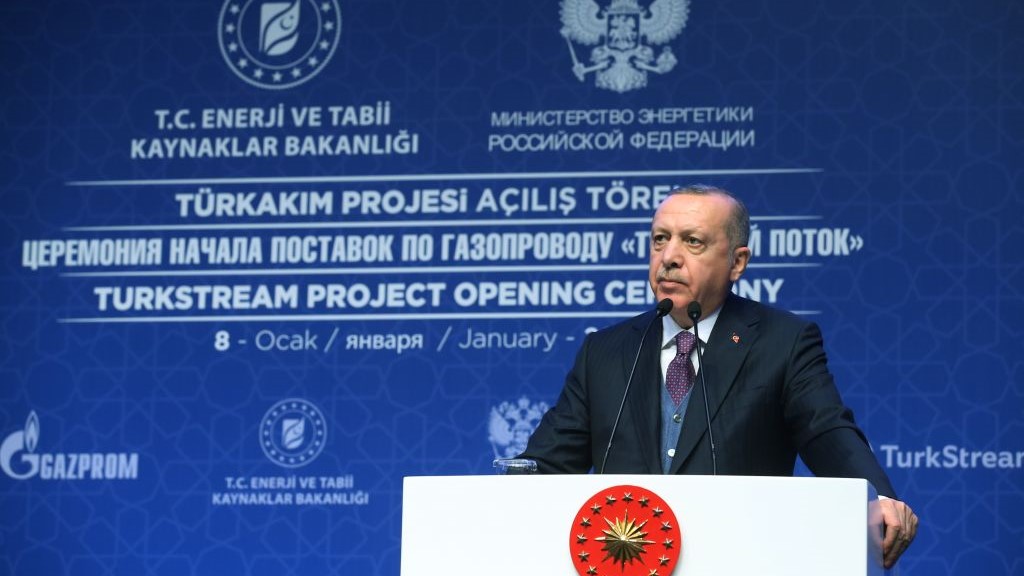
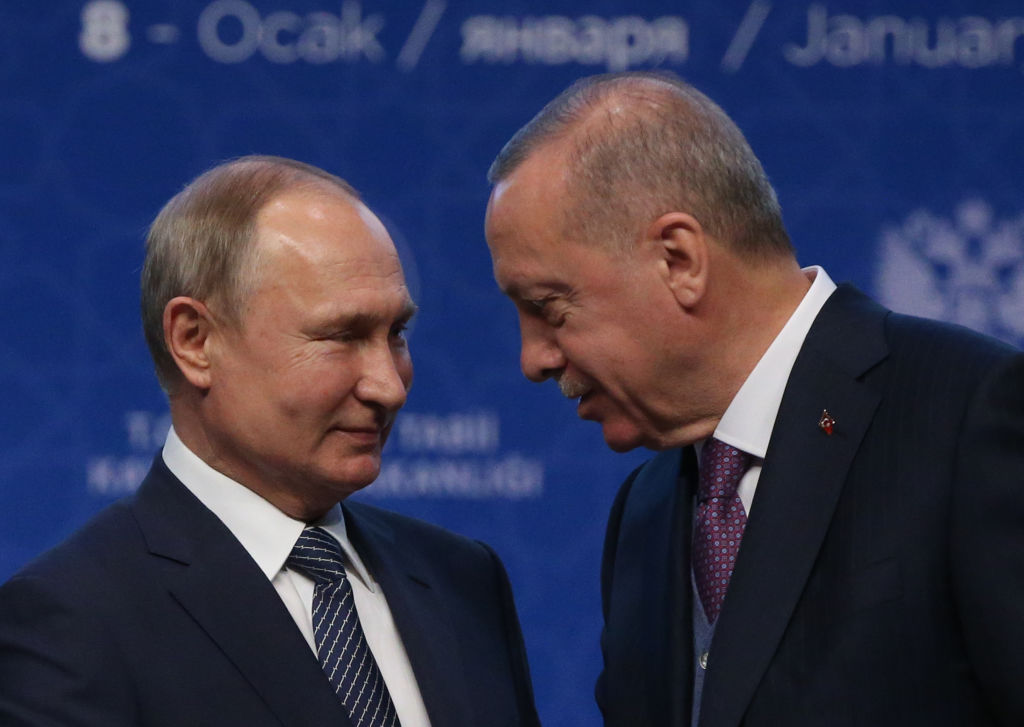
On Jan. 8, Turkey inaugurated the TurkStream natural gas pipeline from Russia, seemingly deepening Ankara’s ties with Moscow. However, a fuller analysis of Turkey’s current energy policies and consumption trends indicate a dramatic shift westward, away from Russia and Iran.
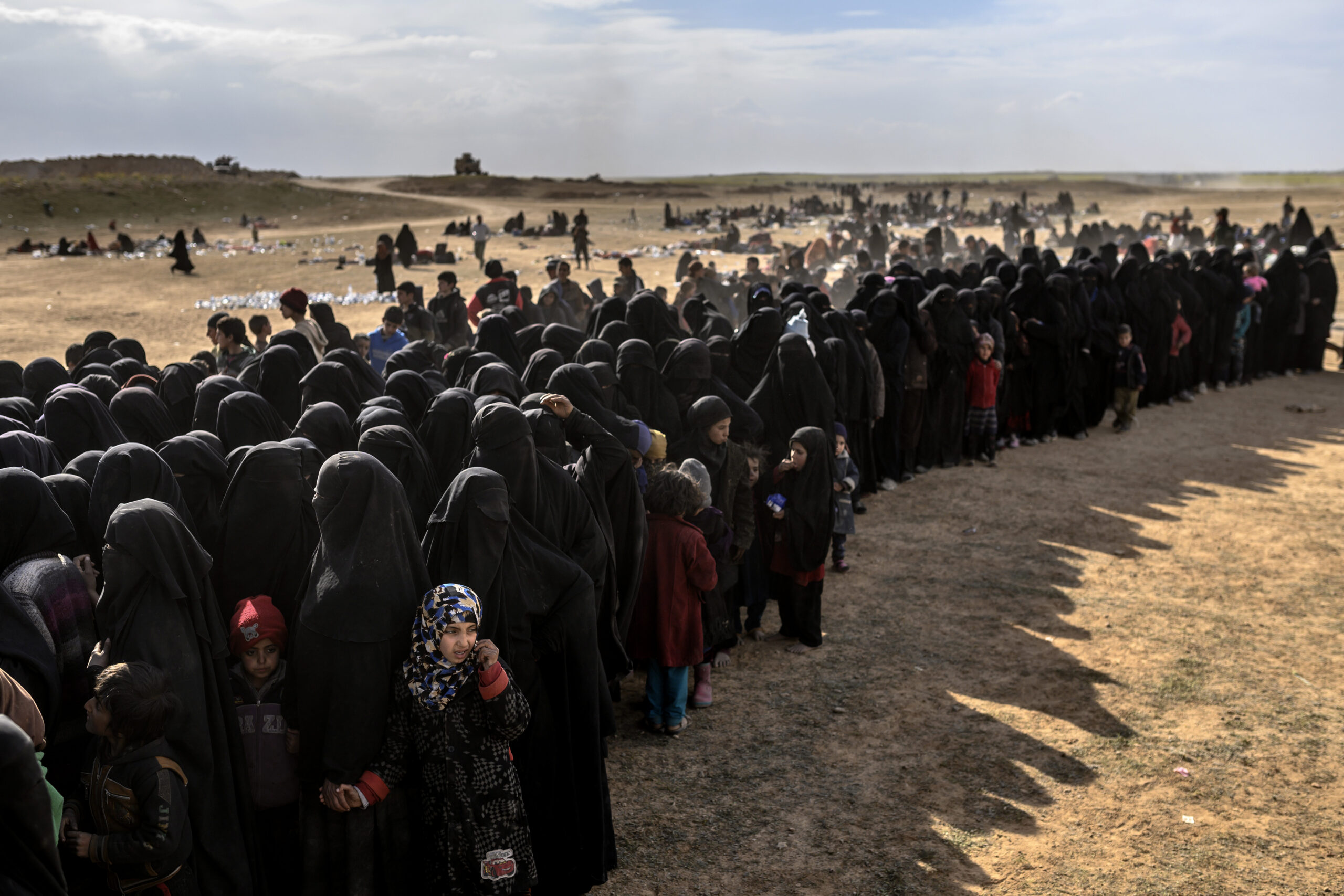
The Humanitarian Disaster During the Battle for Baghouz
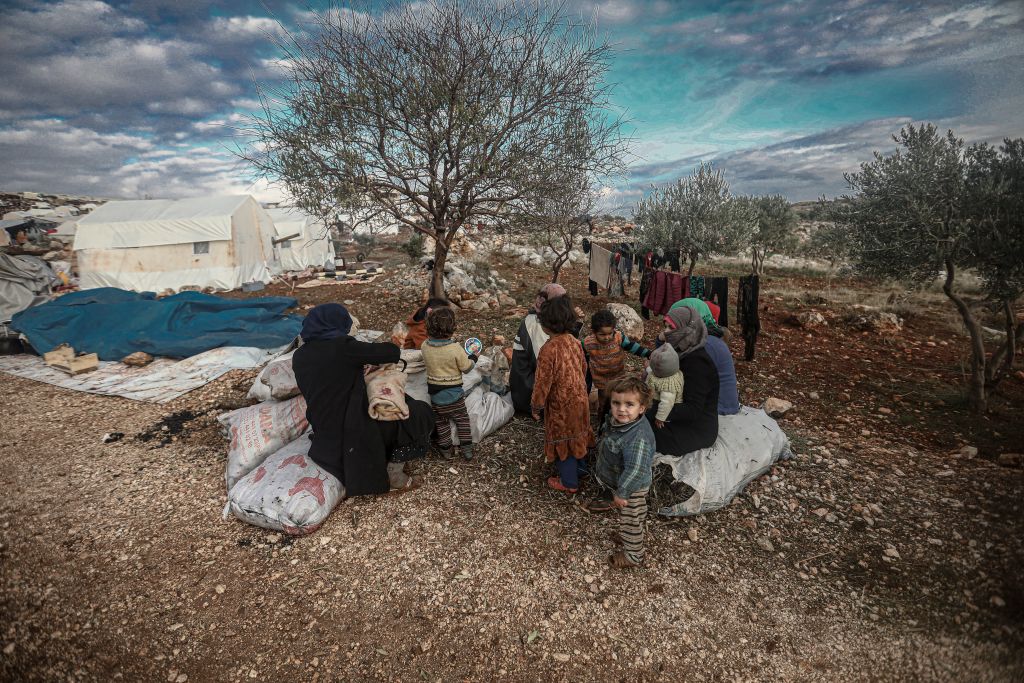
It is unclear how many civilians were killed in February and March 2019, when the U.S.-led coalition and the Syrian Democratic Forces (SDF) pounded ISIS’s last enclave around the town of Baghouz. Presumably, the numbers reached into the thousands. Those who escaped found themselves in the desert, hundreds of kilometers away from lifesaving aid. The reasons for the failure of the humanitarian response were mainly political.
Cease-fires in Idlib and Libya as Turkey looks to buy time
It is increasingly the case that the Russian-Turkish decisions on Idlib or Syria need to be understood as part of a broader Russian-Turkish partnership.
The Military-Security Dimension of Israel-Southeast Asia Relations
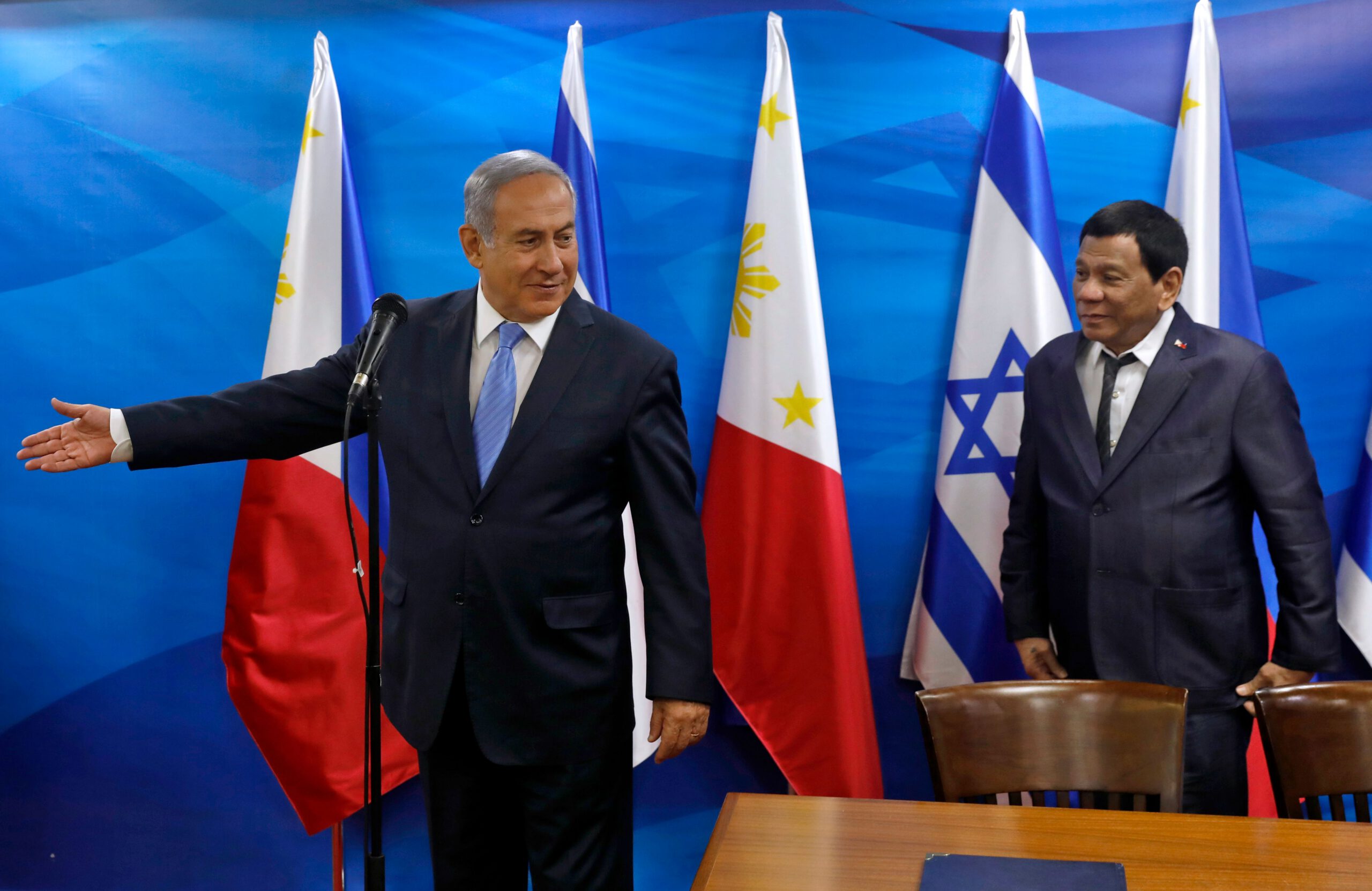
Over the past two decades, Israel has developed robust bilateral relationships with China, India, and Singapore. Israel has also succeeded in forging ties with Japan and South Korea. More recently, Israel has devoted considerable attention to strengthening its relations with Southeast Asian countries, particularly Vietnam, the Philippines, Thailand and Myanmar. Military-security cooperation in the form of arms trade as well as technology transfer and licensed production has emerged as an important dimension of Israel’s relations with Southeast Asian countries.
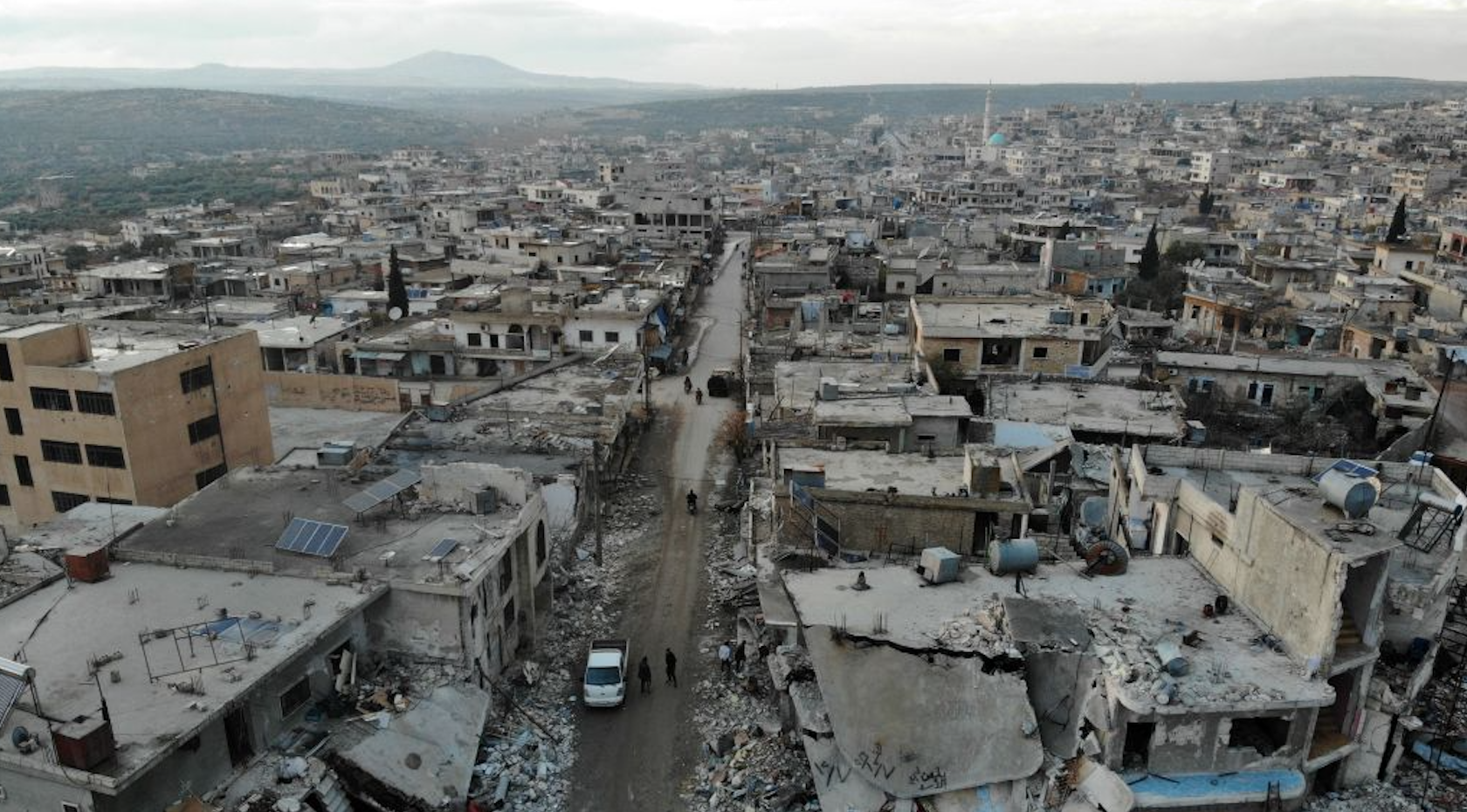
Militarily, the most concerning issue remains the fate of Idlib, where at least three million people remain crammed in a killing-zone that encompasses just 3.5 percent of Syria’s territory
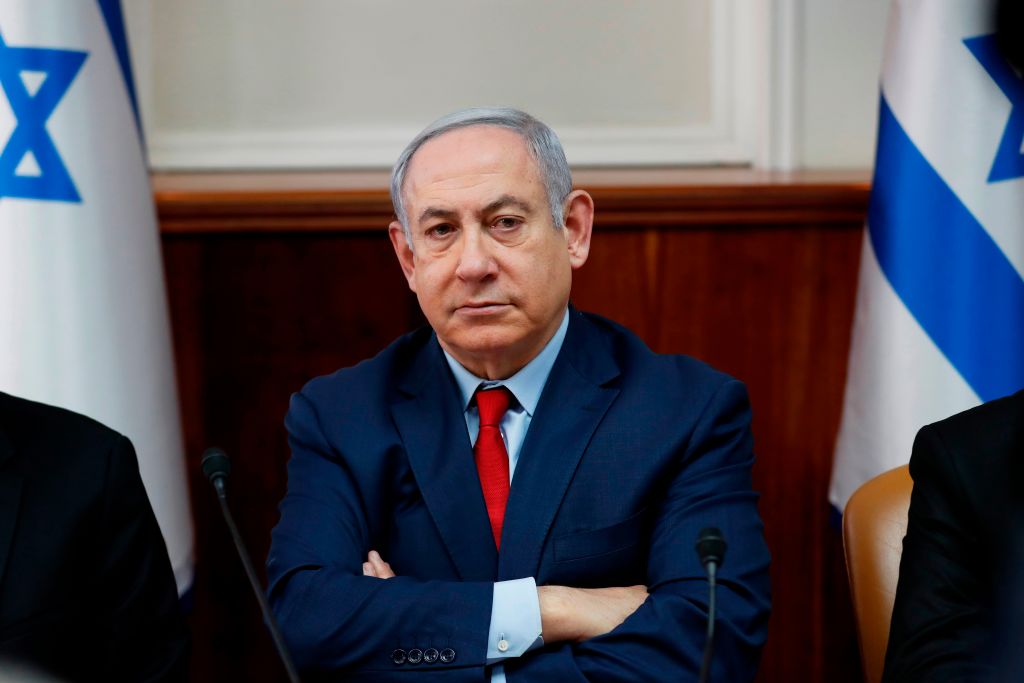
Politically Netanyahu seems to be about as popular as before his long-awaited indictment, which portends another inconclusive election and a political system unable to break the deadlock.
Holding long overdue elections for the Palestinian presidency and the legislative arm of the Palestinian Authority could be a step toward redressing the Fatah-Hamas conflict.
The consequences of what happens in Idlib could come to define the future of Syria — a country already destined for many more years of instability and suffering.
The Syrian refugee crisis brings Turkey and Hungary closer together
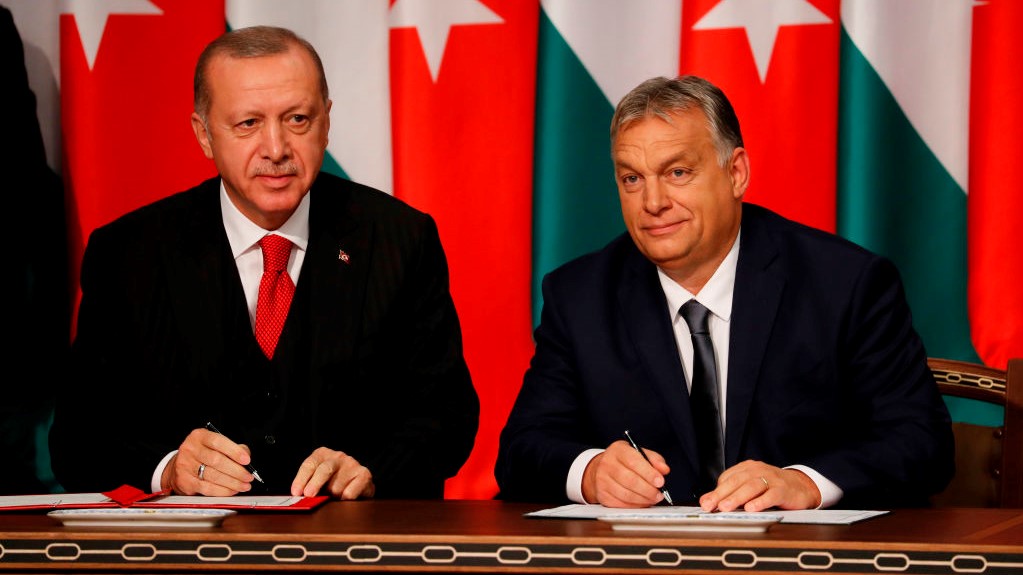
Having raised eyebrows among many European officials with rhetoric targeting Syrian and other Middle Eastern/North African refugees in Hungary, Hungarian Prime Minister Viktor Orbán sees the return of Syrian refugees to their home country as serving vital Hungarian and European interests. As Hungary continues to align closely with Russia while deepening its ties with Turkey and other non-Western governments, Budapest’s foreign policy is eroding an EU consensus.
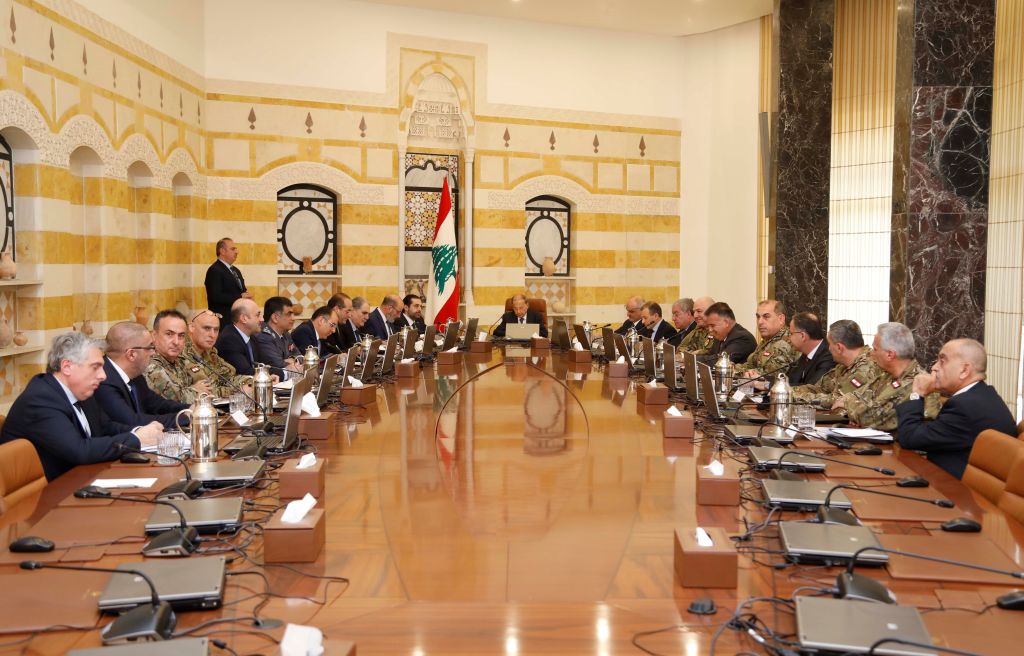
Introduced in August and subsequently delayed due to the country’s political upheaval, the National Lebanese Strategy for Cybersecurity is composed of two main sections: 1) preparation of a cybersecurity strategy and 2) establishment of a national cybersecurity agency.
In our annual year in review episode, MEI experts Paul Salem, Gonul Tol, Charles Lister, Alex Vatanka, Marvin Weinbaum, and Mirette Mabrouk sit with host Alistair Taylor to discuss the key events across the region in 2019, what surprised them, and where things stand as we head into 2020.
The oldest peer-reviewed publication dedicated to the study of the modern Middle East, MEI’s flagship journal covers politics, society, and culture in the region.