This article is part of a collection of short essays written by the Fellows of the Middle East Institute to explore aspects of the ongoing war with Iran. The intent of the collection is to help readers see new and unexpected elements of the dynamics and impact of the ongoing hostilities and to think harder, deeper, and broader about the implications of the conflict.
Turkey: Ankara’s Nuclear Ambitions in the Post-Iran War Environment
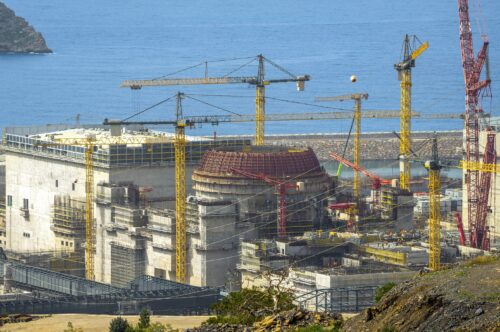
In February 2026, Turkish Foreign Minister Hakan Fidan suggested that shifting international dynamics could push Turkey to acquire nuclear weapons. That rhetoric, combined with Turkey’s civilian nuclear energy and research programs and its indigenous surface-to-surface missile development projects, has fueled concerns that these capabilities could eventually form the backbone of a Turkish nuclear weapons program.
When the US and Israel launched military action against Iran on February 28, 2026, it set in motion a chain of events that saw violence spread across the Middle East. Yet as the region found itself engulfed in conflict, Syria has experienced its most peaceful months in 15 years, and the government in Damascus appears determined to stay its course toward recovery.
Saudi Arabia’s archeological treasures have long been hidden in plain sight, known mainly to the people living in their proximity and a handful of scholars. But five recent UNESCO World Heritage Site designations have highlighted the universal value of the country’s material legacy.
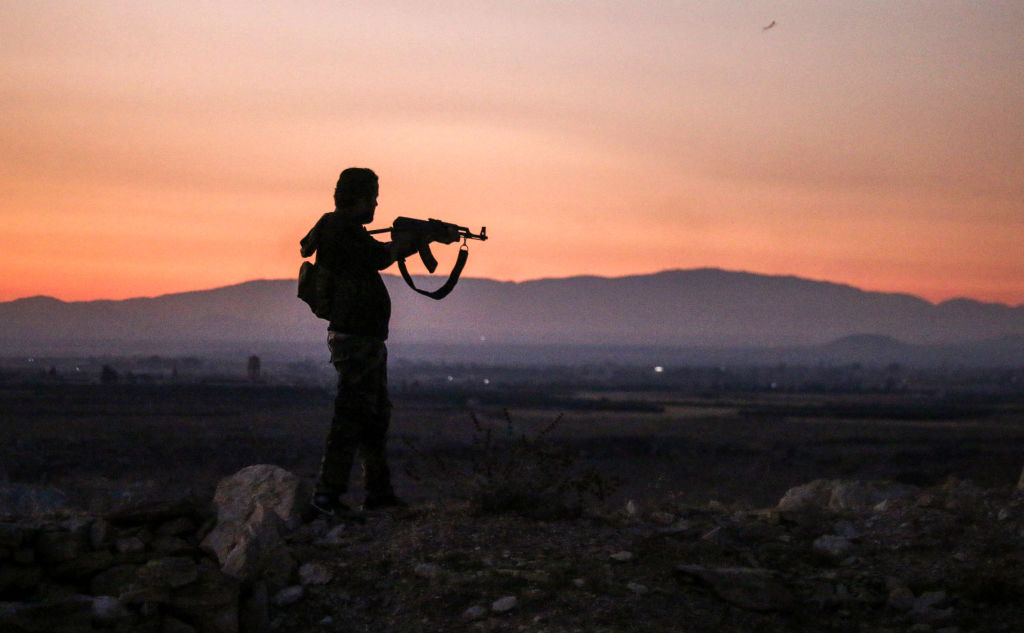
The war in Syria is far from over, but its nature is changing
As ISIS’s territorial “state” was simultaneously rolled back and then defeated, an international consensus increasingly emerged that claimed Syria’s war was “winding down.” There is no doubt that the geographic scope and intensity of conflict is not what it was at the height of hostilities in 2014 and 2015, but it is certainly not finished either.
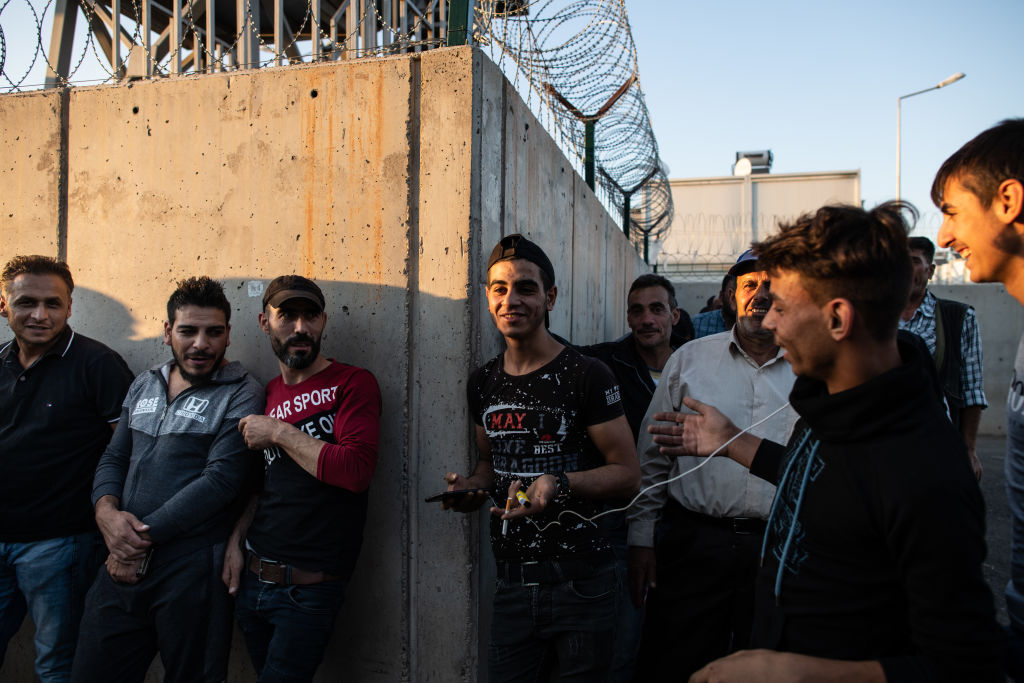
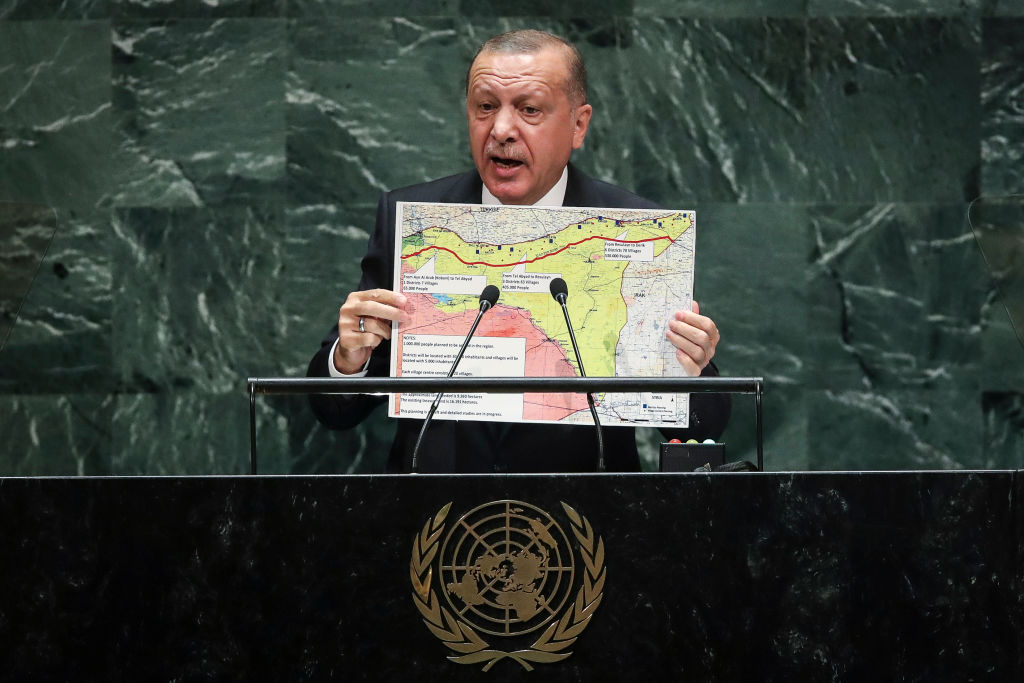
Turkish President Recep Tayyip Erdogan used his speech at the UN General Assembly to advocate for a plan that would see the return of over one million Syrian refugees from Turkey to a strip along the Turkish border in northeastern Syria. While Turkey should not have to indefinitely host its 3.6 million Syrian refugees, the plan proposed by Erdogan would entail large-scale deportations of refugees, demographic re-engineering, and the destabilization of northeastern Syria. A better path forward would be to facilitate the return of refugees from northeastern and eastern Syria to their homes by investing in reconstruction of the area and encouraging political reforms.
A political lifeline for Netanyahu as coalition talks continue
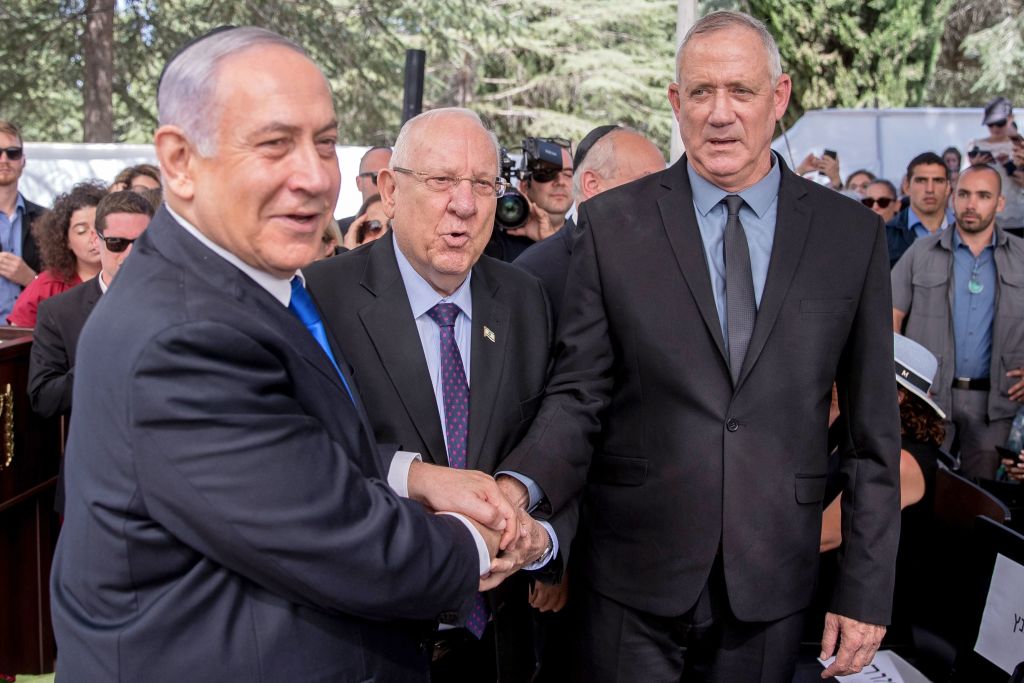
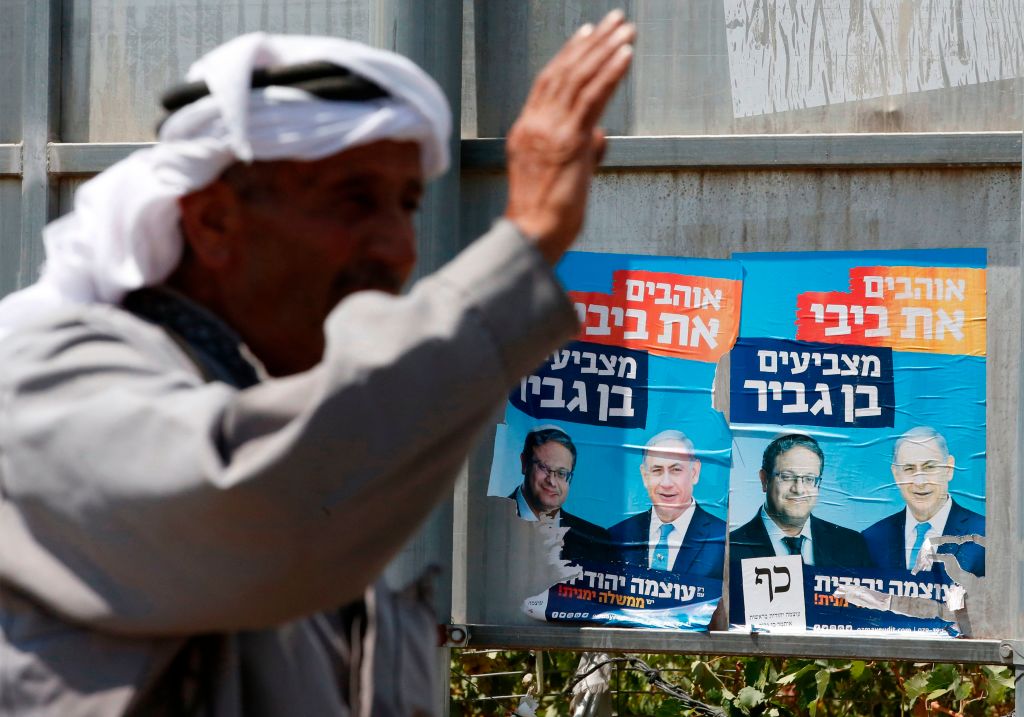
Last Wednesday, Prime Minister Benjamin Netanyahu was cast another political lifeline. Reuven Rivlin, the Israeli president, gave Netanyahu the first chance to form a coalition government; formally, he has 28 days to do so. Netanyahu’s task will prove difficult.
Are the Kremlin’s gains in the Middle East sustainable?
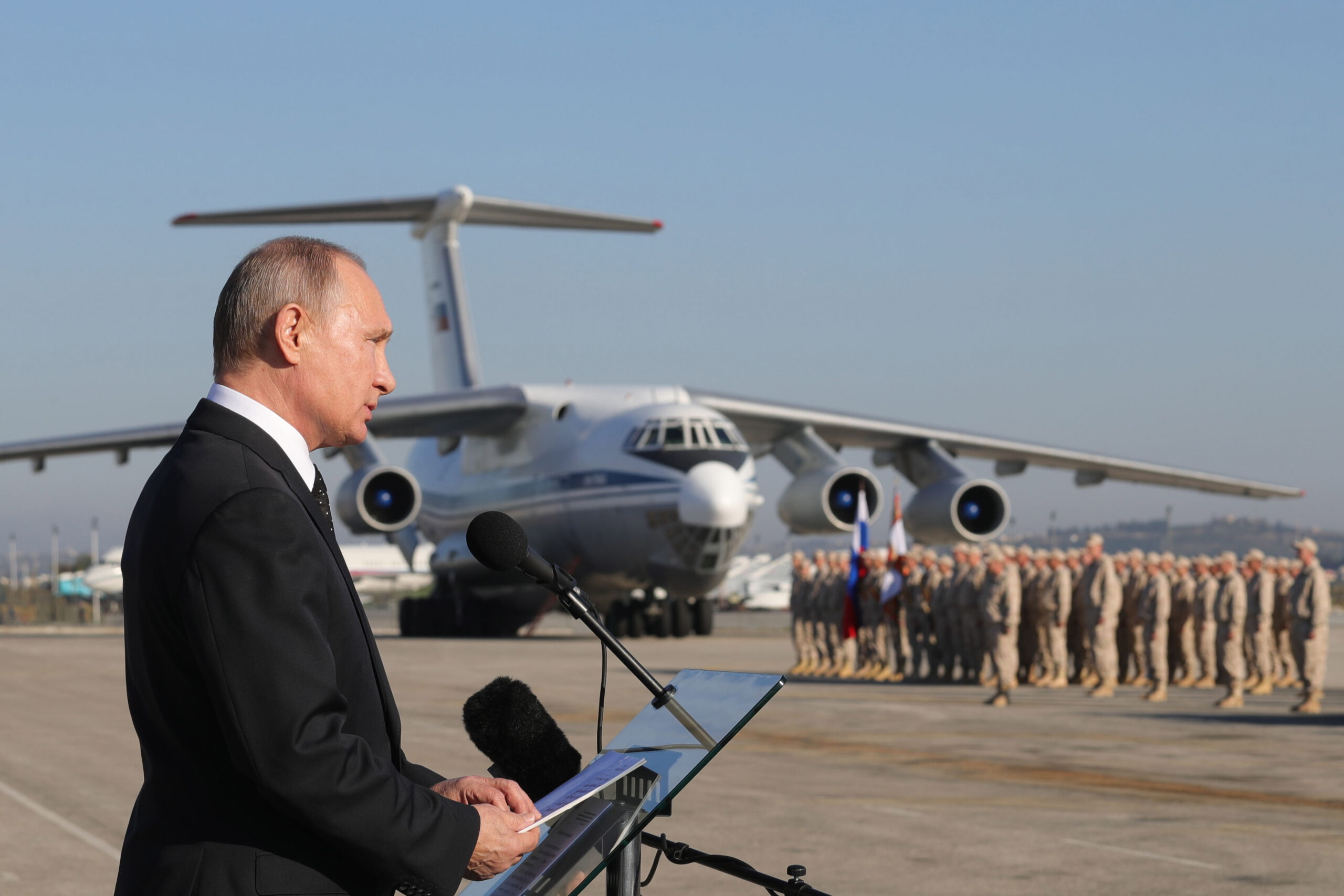
The military campaign in Syria marked a turning point for Russia’s reemergence as a power in the Middle East. Taking advantage of the opportunities presented by Western failures, the Kremlin’s tactical approach has seen it make gains across the region, although these may be more limited and reversible — and Moscow more vulnerable — than is often thought.
The Syria Study Group gets the problem right, but falls short on solutions
In its final report, the congressionally-mandated Syria Study Group (SSG) provided a bleak but wholly realistic assessment of the state of the crisis in Syria. When it comes to policy prescriptions, however, the SSG falls short. Despite clearly identifying the “means and ends” gap as one of two core problems with U.S. policy in Syria, the “recommendations” suggested by the SSG differ little, if at all, from those already in place.
Erdogan pins his hopes on a meeting with Trump at UNGA
The Turkey-U.S. relationship has been going through one of the most difficult periods in its history. Yet, Turkish President Recep Tayyip Erdogan is still hopeful. He has put all his eggs in President Trump’s basket and thinks it will pay off. He pinned his hopes on a meeting with Trump on the sidelines of the UNGA to iron out differences.
Monday Briefing: Middle East takes center stage at UNGA
This week’s briefing on recent news and upcoming events in the region featuring Gerald Feierstein, Alex Vatanka, Eran Etzion, Gonul Tol, Amal Kandeel, Marvin G. Weinbaum, Michael Sexton and Eliza Campbell.
From regime change to rapprochement? Turkey’s shifting Syria policy
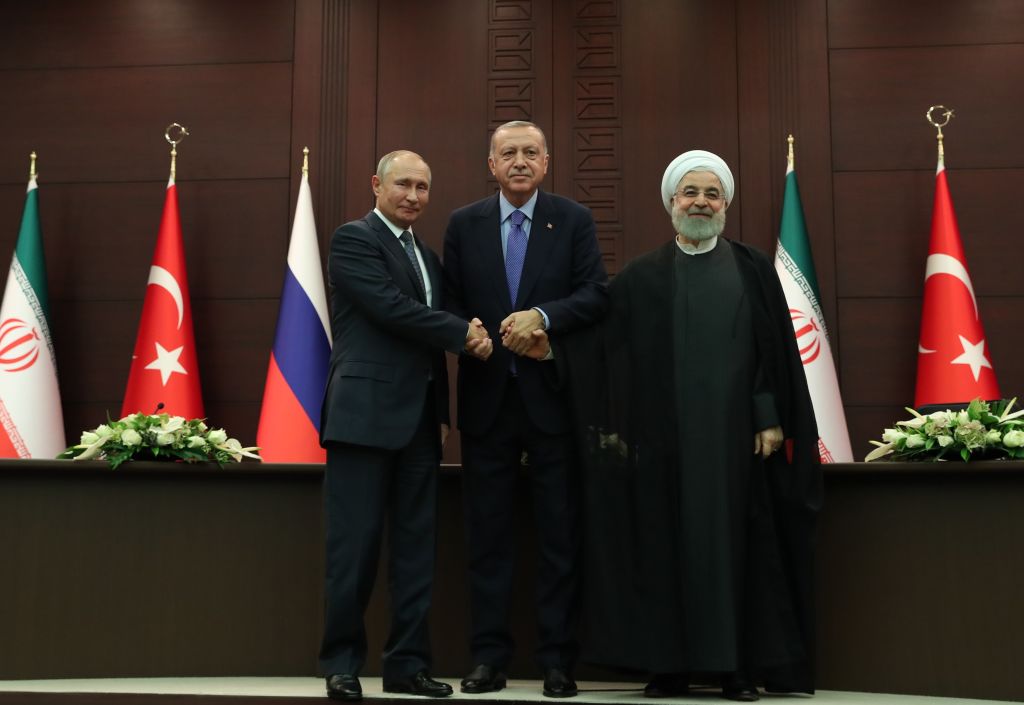
At a trilateral summit in Ankara earlier this week, President Recep Tayyip Erdogan sat back and ate treats as Iranian President Hassan Rouhani told the world that efforts to topple the Assad regime have failed. The scene was a stark reminder of how far Turkey’s Syria policy has shifted.
The Ongoing Divide: Palestinian Participation in Israeli Elections
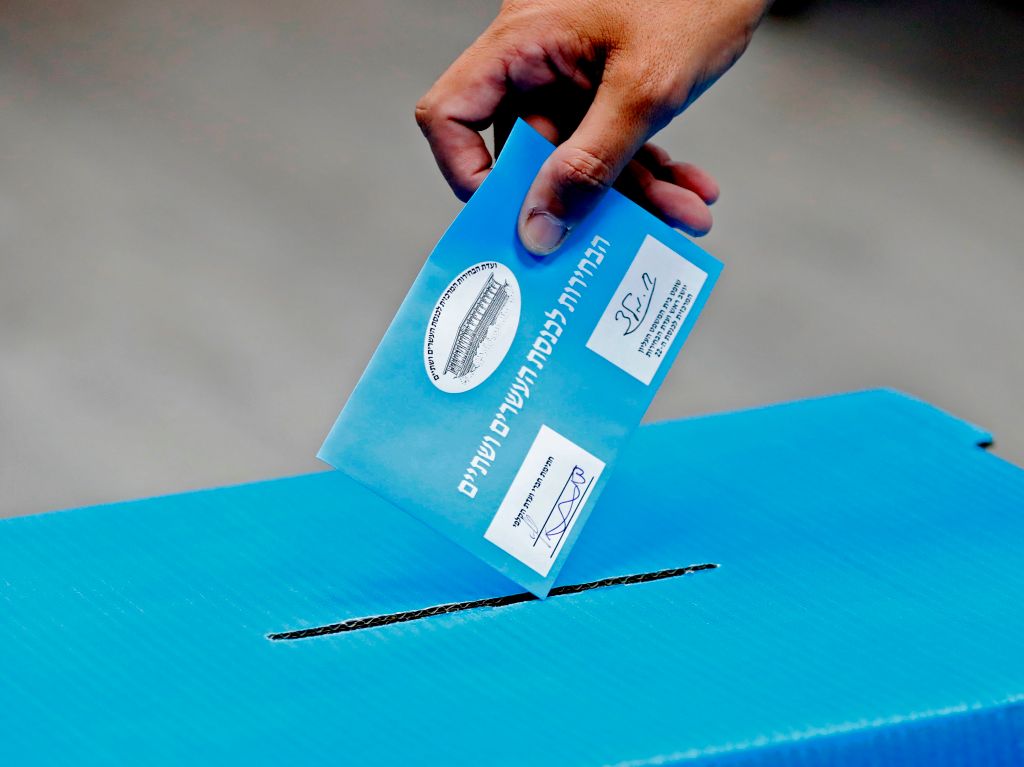
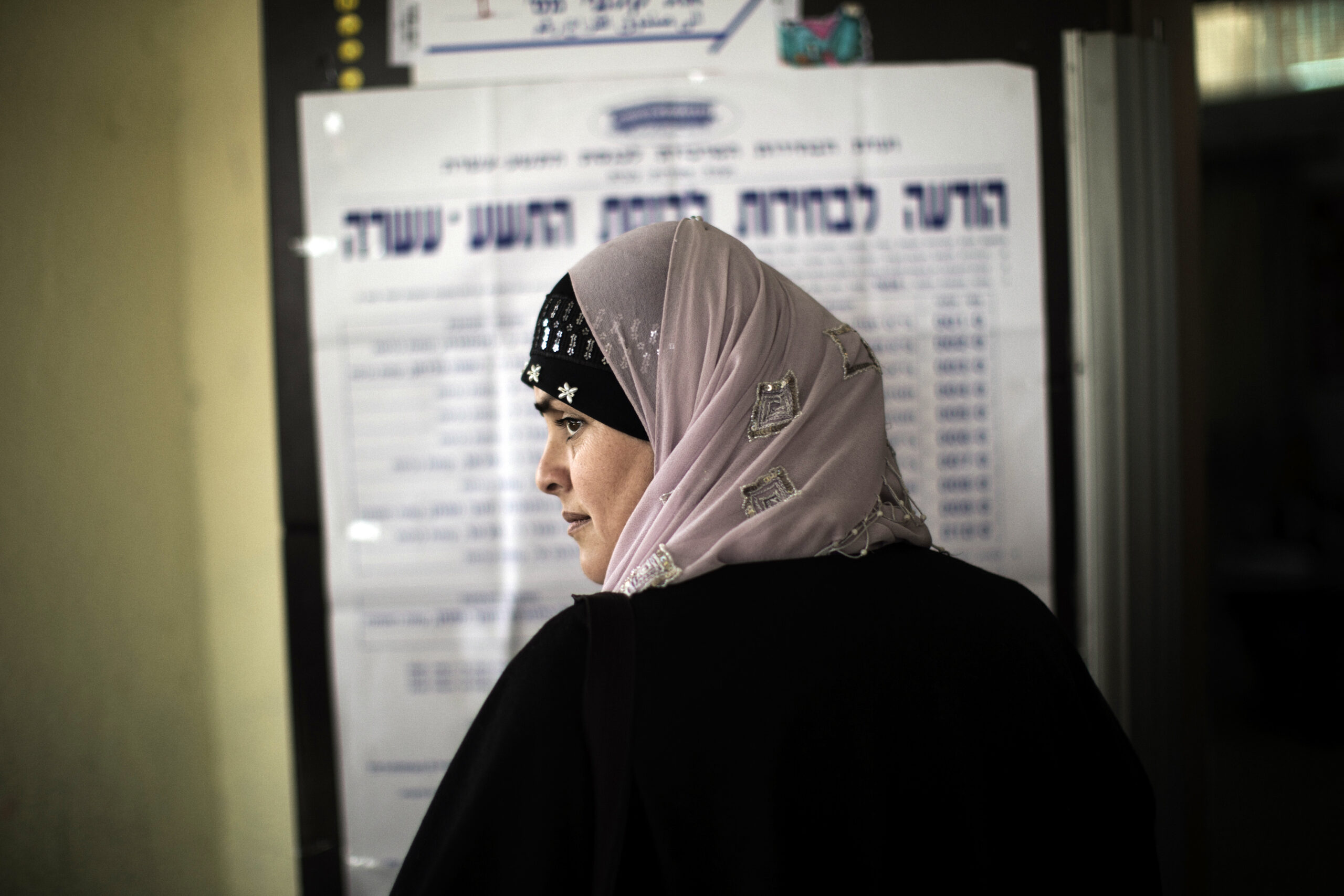
Despite constituting about 20 percent of the Israeli population, Israel’s Palestinian minority does not wield significant political power; throughout Israeli history Palestinian parties have played the role of the permanent opposition. While low Israeli-Palestinian electoral participation and the resulting disproportionate parliamentary representation have hampered political influence, these factors are merely one part of a multi-faceted and multi-causal picture. This report seeks to provide a comprehensive analysis of the exogenous and endogenous drivers of reduced Palestinian political engagement. It is concerned with the structural obstacles –– primarily put in place and sustained by the Israeli right wing –– that seek to impede Palestinian influence at the polls and in the Knesset.
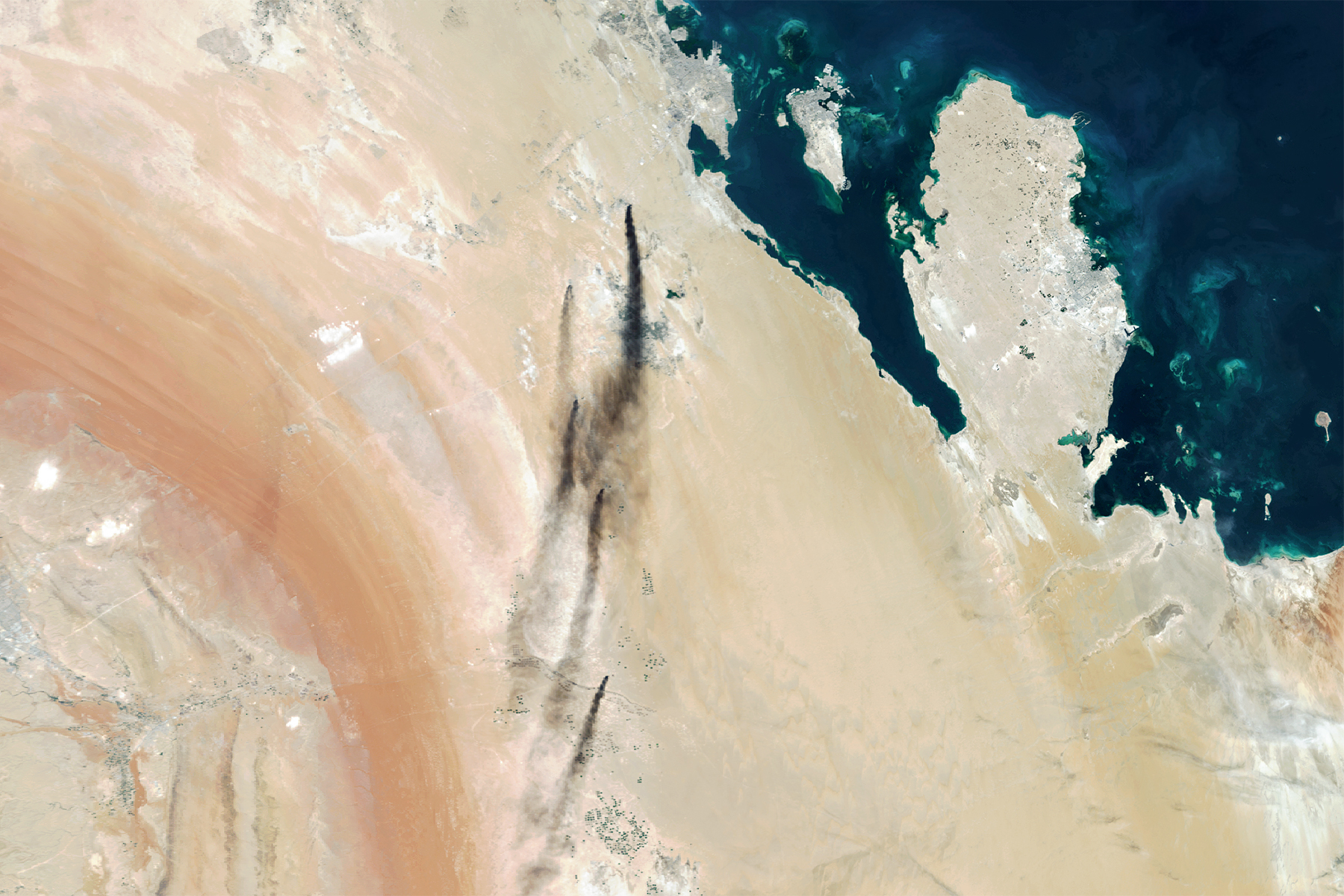
Monday Briefing: Attack on Saudi oil facilities has an impact far beyond the kingdom
This week’s briefing on recent news and upcoming events in the region featuring Ruba Husari, Paul Salem, Gerald Feierstein, Amal Kandeel, Grace Wermenbol, Robert S. Ford, Charles Lister, and Gonul Tol.
The oldest peer-reviewed publication dedicated to the study of the modern Middle East, MEI’s flagship journal covers politics, society, and culture in the region.