This article is part of a collection of short essays written by the Fellows of the Middle East Institute to explore aspects of the ongoing war with Iran. The intent of the collection is to help readers see new and unexpected elements of the dynamics and impact of the ongoing hostilities and to think harder, deeper, and broader about the implications of the conflict.
Turkey: Ankara’s Nuclear Ambitions in the Post-Iran War Environment
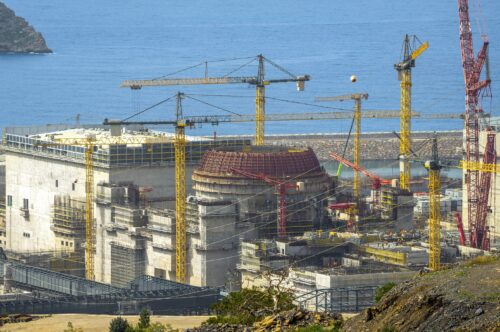
In February 2026, Turkish Foreign Minister Hakan Fidan suggested that shifting international dynamics could push Turkey to acquire nuclear weapons. That rhetoric, combined with Turkey’s civilian nuclear energy and research programs and its indigenous surface-to-surface missile development projects, has fueled concerns that these capabilities could eventually form the backbone of a Turkish nuclear weapons program.
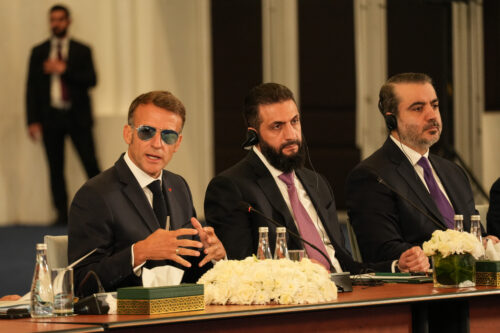
When the US and Israel launched military action against Iran on February 28, 2026, it set in motion a chain of events that saw violence spread across the Middle East. Yet as the region found itself engulfed in conflict, Syria has experienced its most peaceful months in 15 years, and the government in Damascus appears determined to stay its course toward recovery.
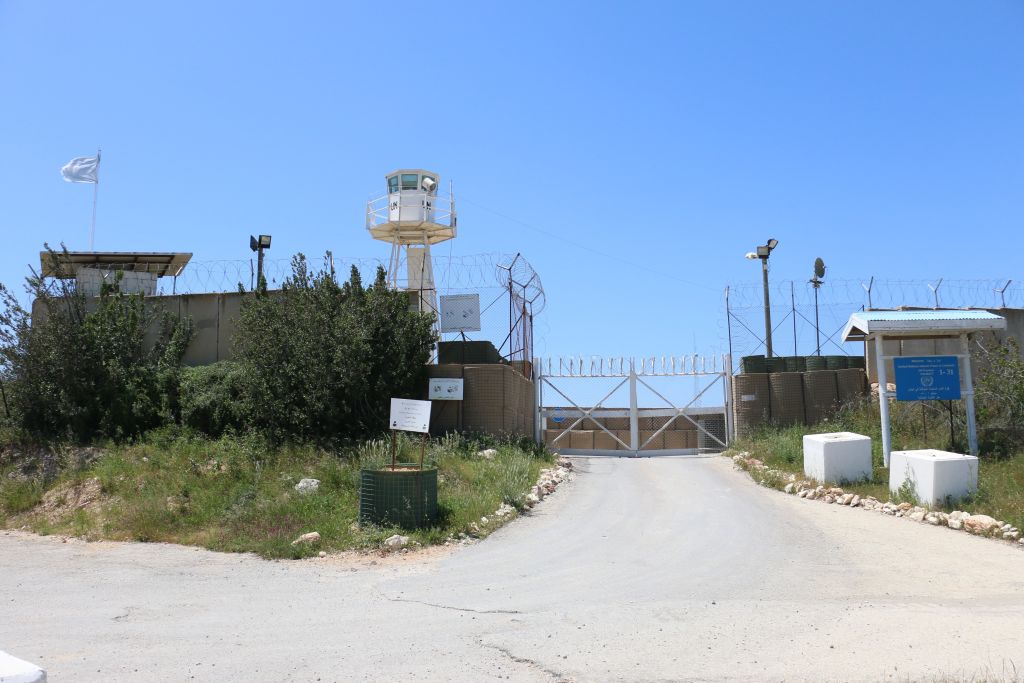
UNIFIL and the Lebanese Army, a worthwhile US investment
My colleagues and I at the American Task Force for Lebanon (ATFL) visited the LAF southern headquarters, the UNIFIL headquarters, and the Blue Line, established in 2000, separating Israel and Lebanon. We were encouraged by what we saw.
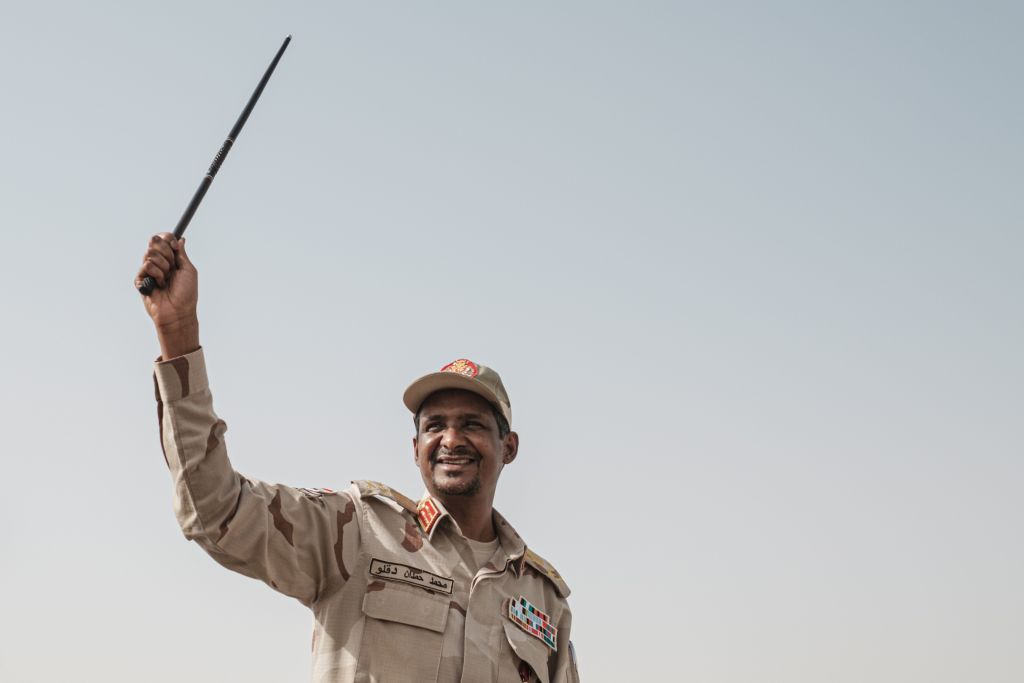
One hallmark of Sudan’s most recent protests has been the protestors’ fierce determination that the military not be their partner in the struggle for democratization. Some GCC states, however, are getting involved in Sudan, using their financial means to influence the country’s future. In doing so, they risk making it the Arab world’s next theater for intra-GCC rivalry.
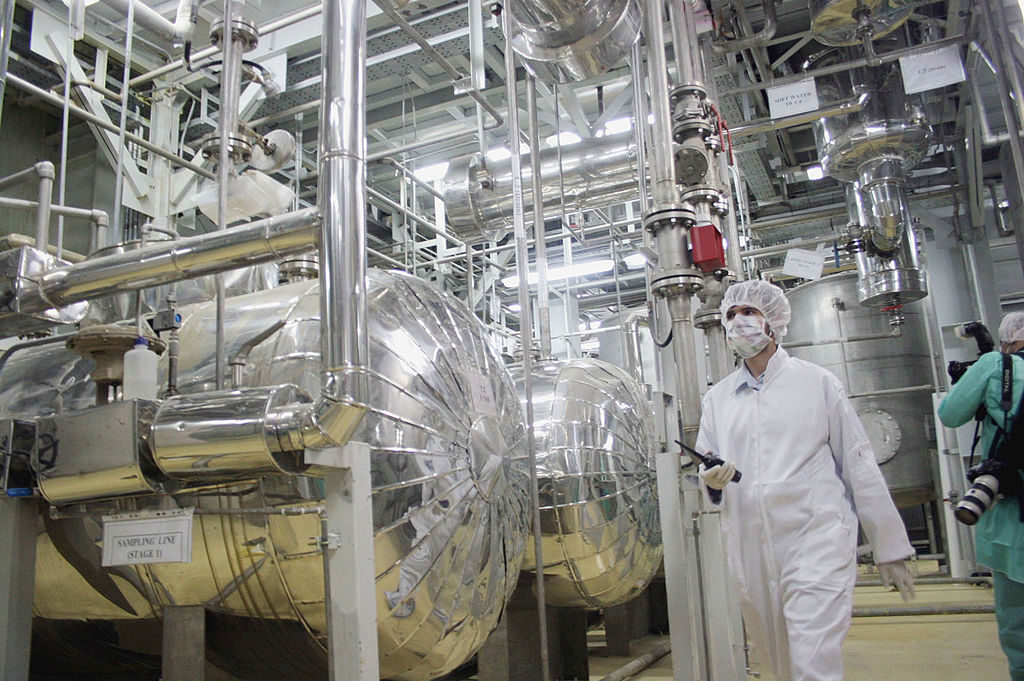
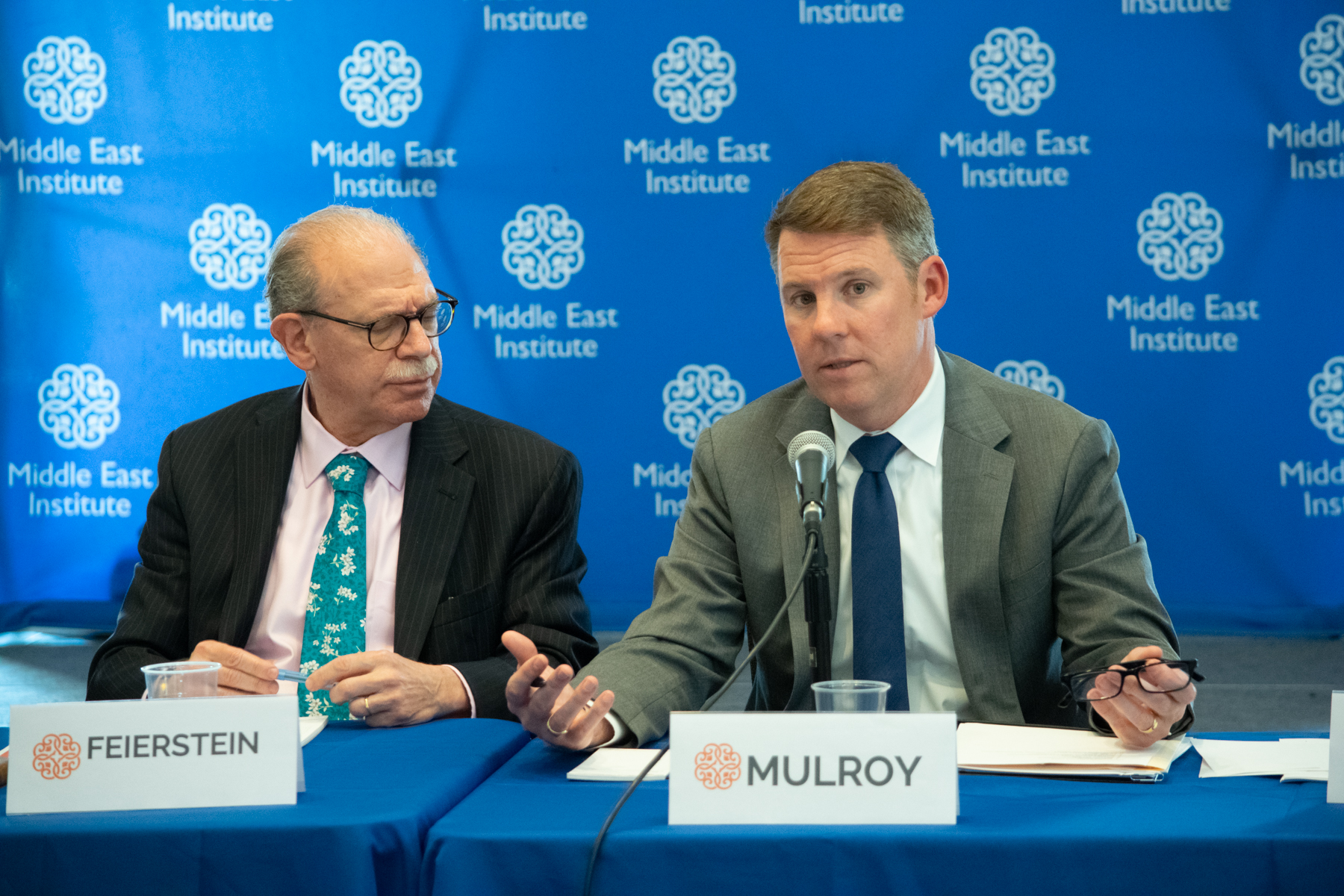
In this week’s Monday Briefing, MEI experts Alex Vatanka, Gonul Tol, Gerald Feierstein, Marvin G. Weinbaum, Rauf Mammadov, and Robert S. Ford provide analysis on recent and upcoming events including Iran’s announcement that it has exceeded its enriched uranium limit, Turkey’s purchase of Russia’s S-400s missile defense system over American objections, an Emirati announcement that it will downsize military involvement in Yemen, the resumption of intra-Afghan peace talks, Russia’s continuing embrace of OPEC+ oil production cuts, and the emergence of potential threats to Tunisia’s democracy.
A way out for Russia and Turkey from Idlib's spiral of violence
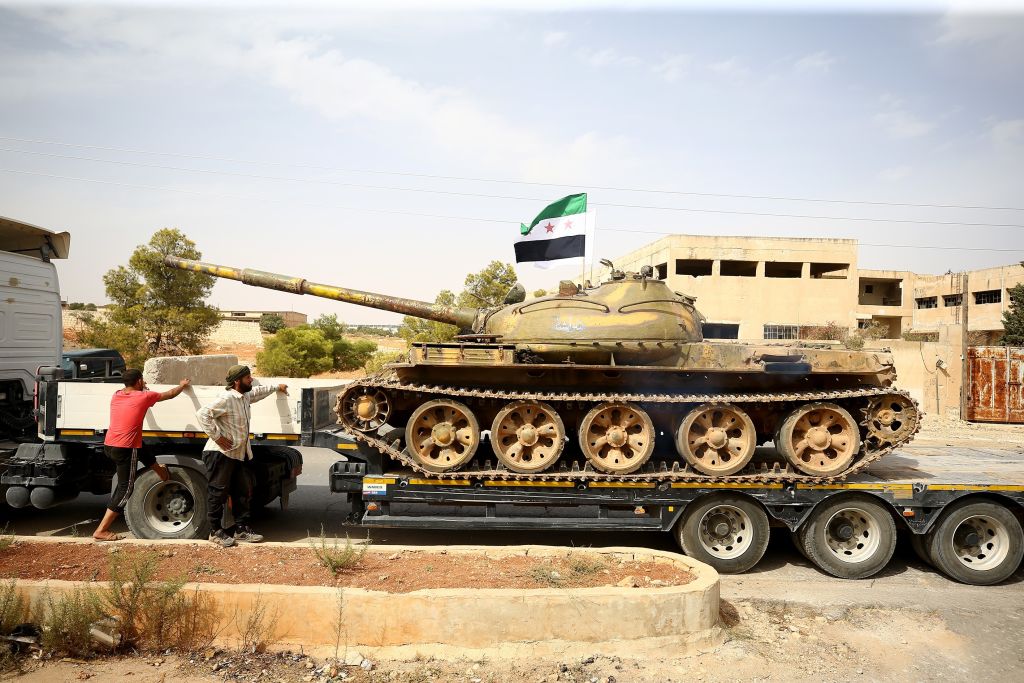
Since the start of the regime’s military campaign in Idlib last month, a group of Free Syrian Army factions that fought alongside Turkish soldiers has gradually entered the region. This development may balance the Hayat Tahrir al-Sham presence and ultimately help to force the group out of the demilitarized zone, ensuring a continued Turkish-Russian consensus on Idlib.
The Bahrain workshop and the dwindling prospects for Israeli-Palestinian peace under Trump
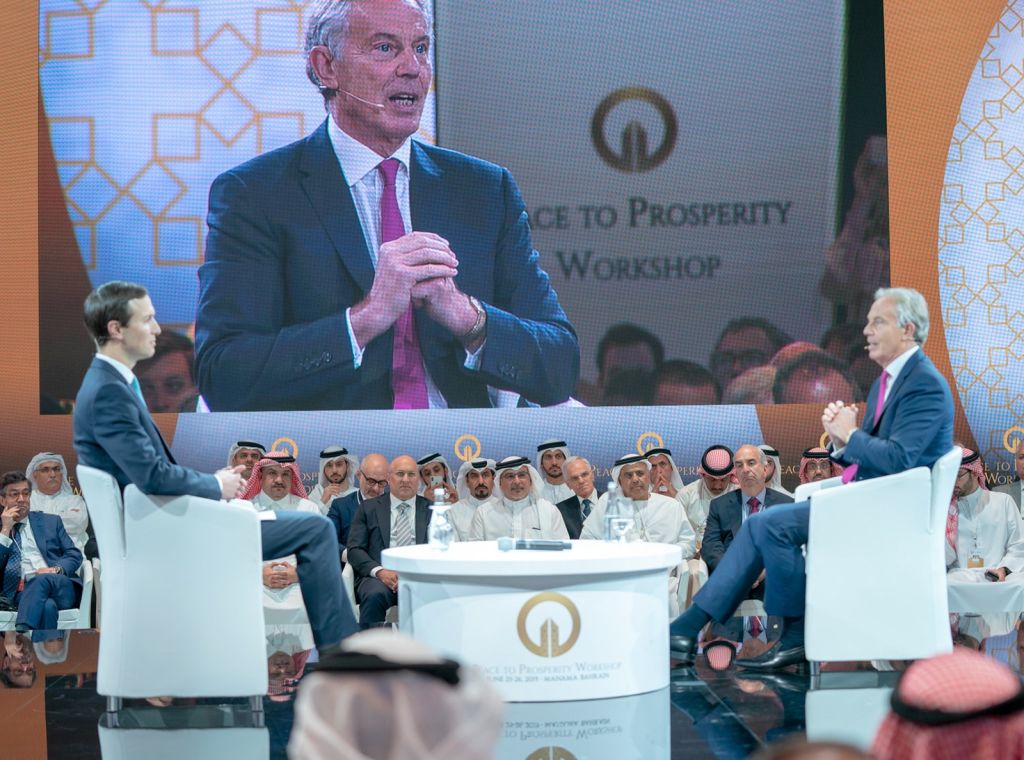
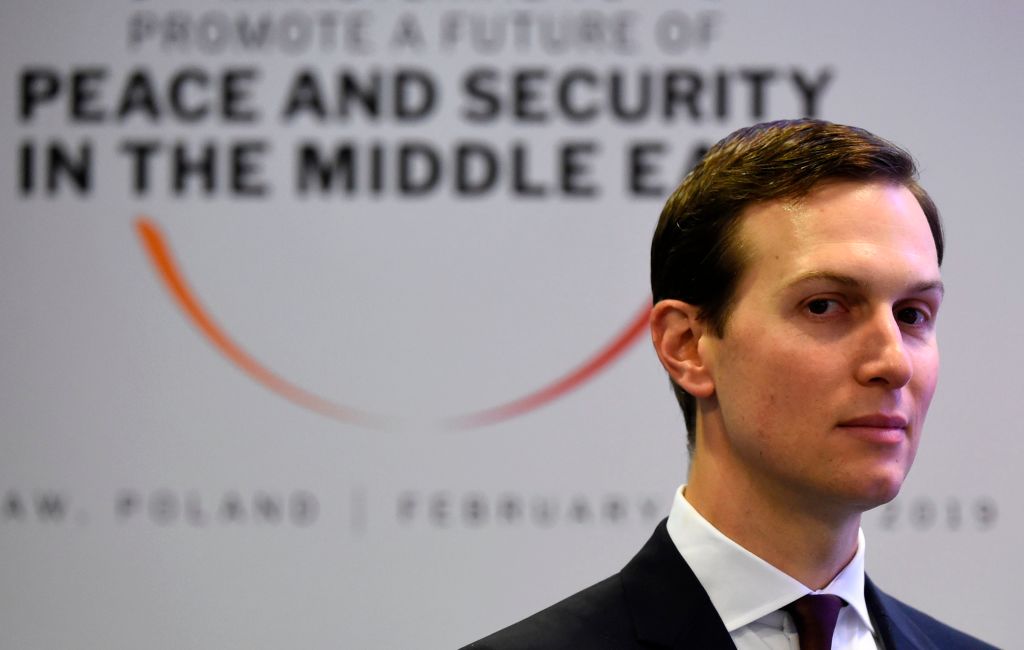
The Trump administration’s economic workshop in Bahrain produced some noteworthy moments that reflected recent changes in Israeli-Gulf relations, but it fell well short of its original declared intent. Neither Israeli nor Palestinian officials attended, and it did not conclude with any tangible steps to advance the peace process.
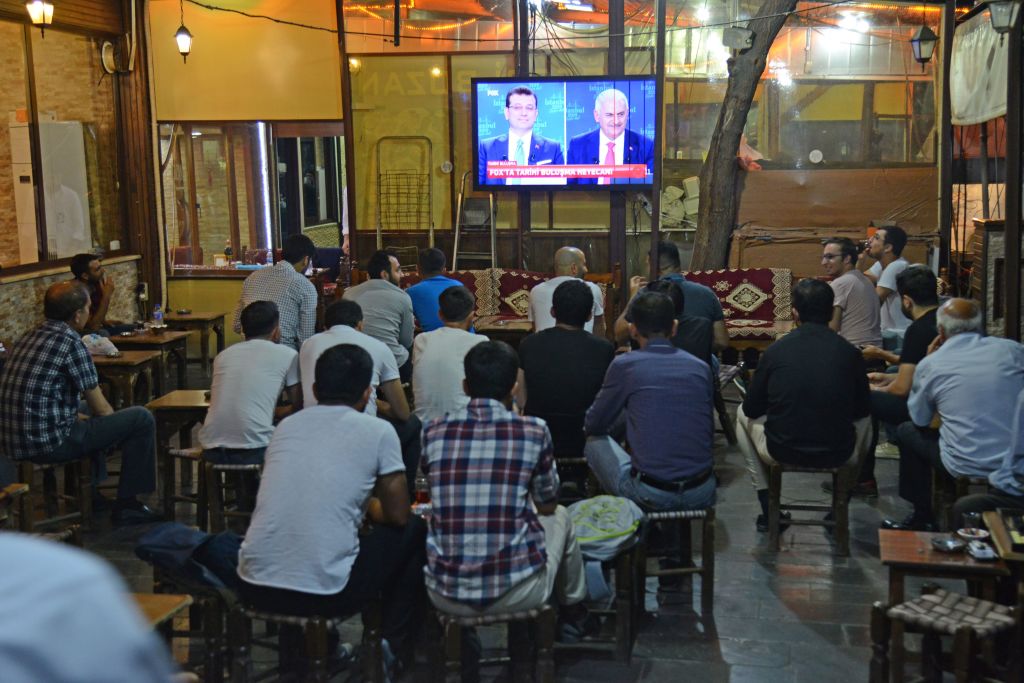
Unal Cevikoz, MP for Turkey’s CHP, and MEI’s Gonul Tol join host Alistair Taylor to discuss the outcome of the June 23 rerun vote for control of Turkey’s largest city and economic powerhouse, and what it signals for President Erdogan and the AK party.
Landscape, loss, and Palestinian identity: Intimate Terrains
Part survey show, part historical document, the latest exhibition at the Palestinian Museum just outside of Ramallah, “Intimate Terrains: Representations of a Disappearing Landscape,” covers work from the 1930s until today. The show explores how representations of landscape evolved over time via a selection of iconic, rarely seen works, and special commissions by artists from Palestine and its diaspora, encompassing painting, photography, installation, video and film, natural media, sculpture, and even an “intervention” in the museum’s gardens.
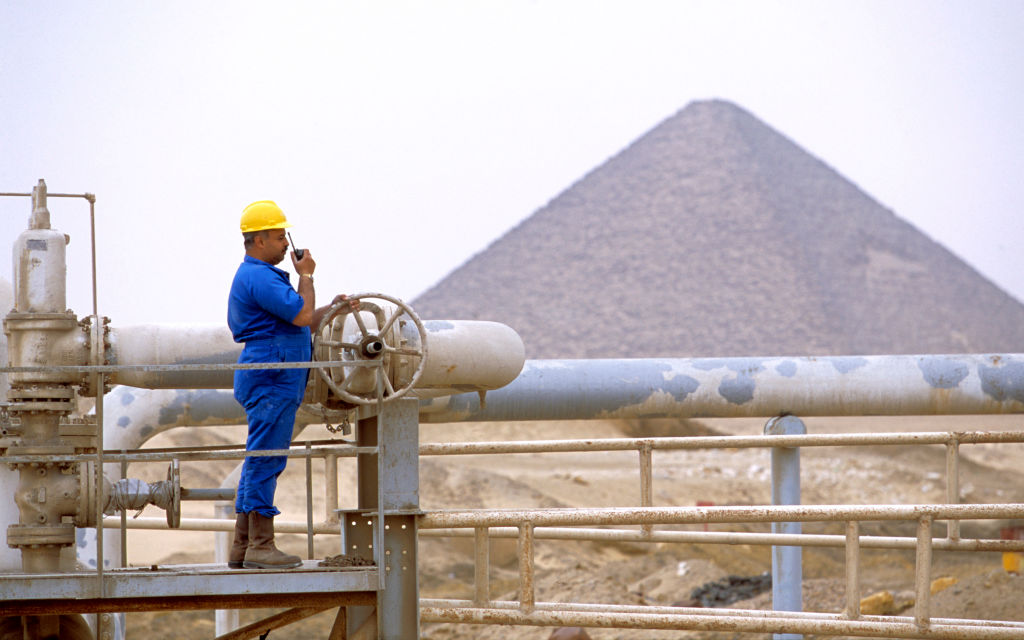
Competition for security and energy is at the center of recent developments in the Eastern Mediterranean. Countries from Egypt to Turkey are moving to secure, exploit, and market their (not always fair) share of the game-changing offshore natural gas reserves. Russia, China, and Iran are securing port facilities, and in the case of Russia, drilling rights, in Lebanon and Syria.
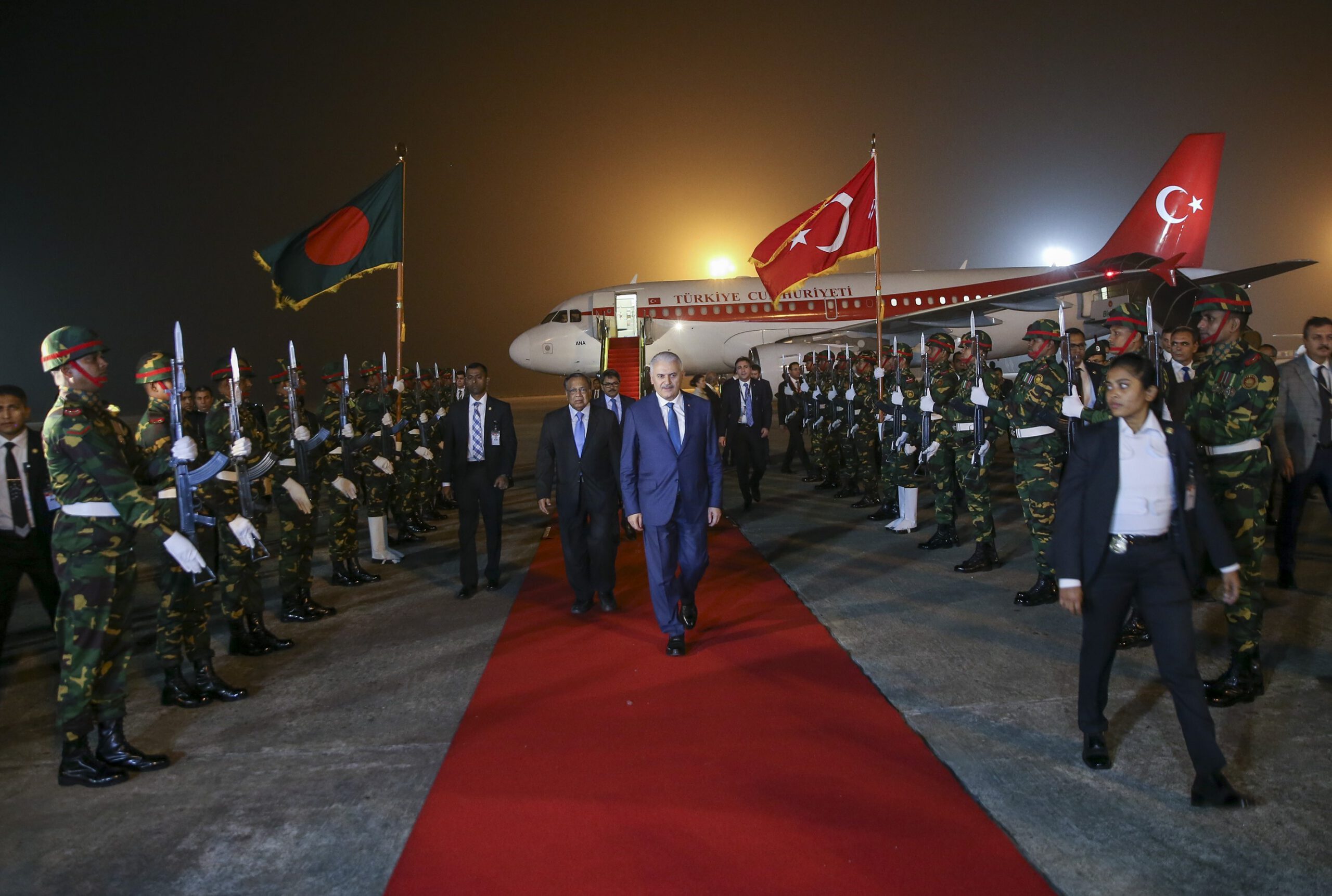
Turkey-Bangladesh Relations: A Growing Partnership between Two Friendly Nations
This article discusses the roots and early development, political setbacks, revitalization and untapped potential of the Turkey-Bangladesh bilateral relationship.
Monday Briefing: Bahrain workshop is little more than a kabuki show
In this week’s Monday Briefing, MEI experts Gerald Feierstein, Guney Yildiz, Nathan Stock, Elizabeth Dent, and Eran Etzion provide analysis on recent and upcoming events including this week’s Bahrain “workshop” on Palestine’s economic development, an opposition victory in Istanbul’s rerun election, the release of a portion of the Trump administration’s Israel-Palestine peace plan, the fracturing of the Global Coalition to Defeat ISIS, and Tuesday’s trilateral meeting between the U.S., Israel, and Russia.
Between Ankara and Damascus: The role of the Turkish state in north Aleppo
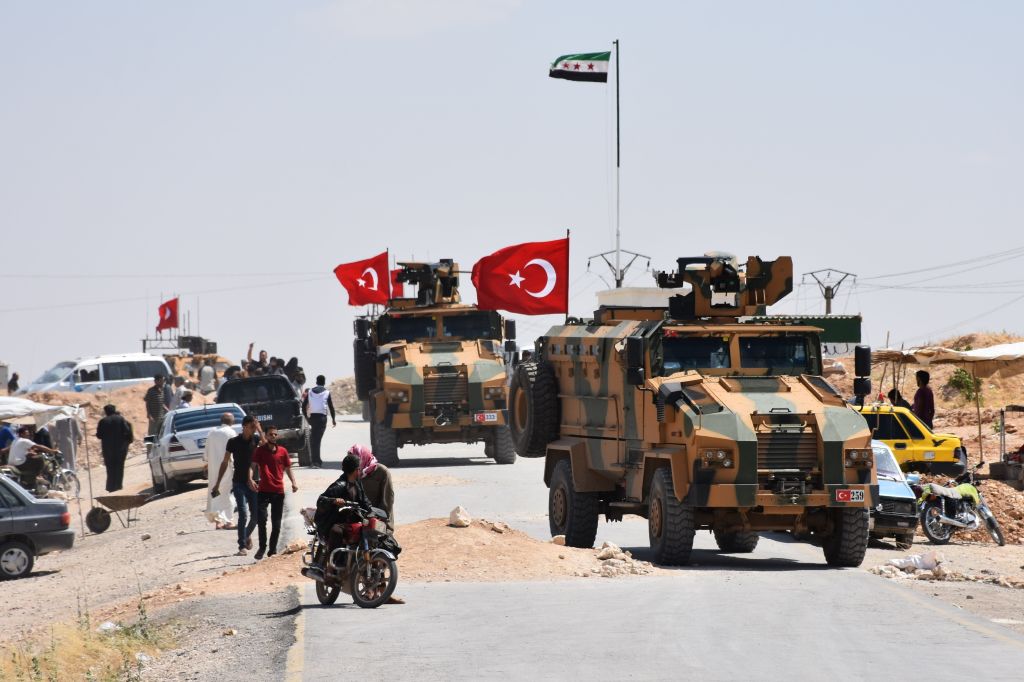
It’s been nearly three years since the Turkish incursion into northern Syria in August 2016, but one central question remains unanswered: What is Ankara’s plan for the area now under its control? This paper examines the complex relationship between local governance and service provision in the Euphrates Shield (ES) area of north Aleppo and the Turkish state. Using secondary sources and interviews with Syrian and Turkish activists and officials, this paper establishes that, first and foremost, Turkey has no coherent policy with regards to local governance in ES.
The EU needs a more robust Middle East human rights report
In May, the European Council adopted the 2018 iteration of the EU Annual Report on Human Rights and Democracy in the World. Promoting human rights has long been a priority for the EU, but in practice the bloc is selective about the human rights violations its analyzes, especially when it comes to the Middle East.
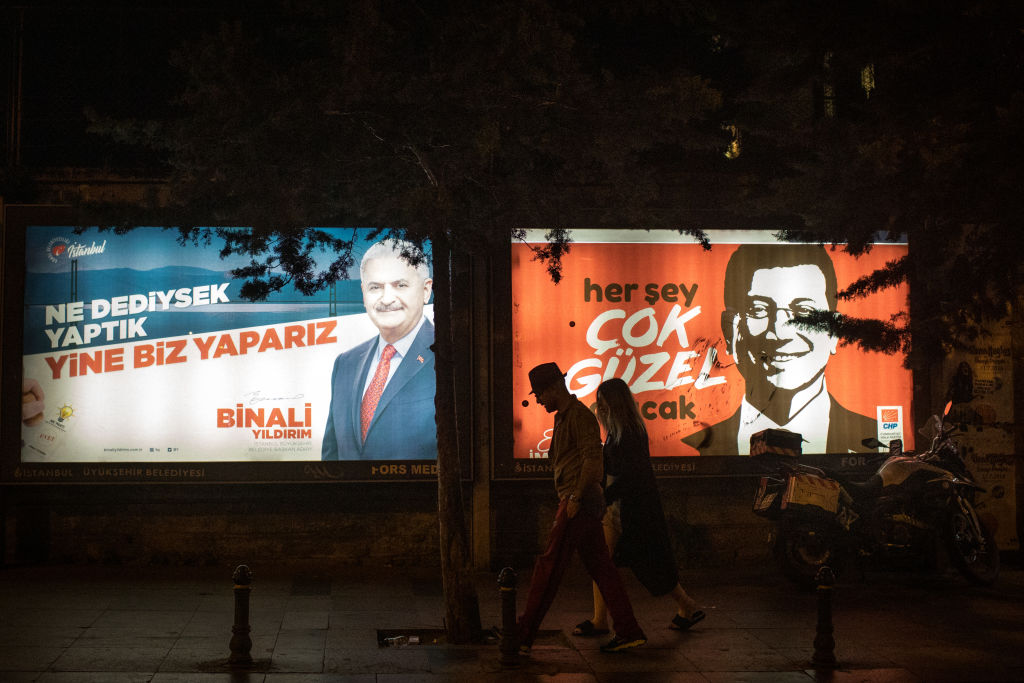
In theory, Sunday’s election is over who will be the next mayor of Istanbul, but in reality it’s about something much bigger: The survival of democracy in Turkey.
Istanbulites are only few days away from delivering their verdict on who will run the city for the next five years. The June 23rd election marks the second time in the last three months that local voters will choose their mayor, and the stakes are high for both sides.
The oldest peer-reviewed publication dedicated to the study of the modern Middle East, MEI’s flagship journal covers politics, society, and culture in the region.