This article is part of a collection of short essays written by the Fellows of the Middle East Institute to explore aspects of the ongoing war with Iran. The intent of the collection is to help readers see new and unexpected elements of the dynamics and impact of the ongoing hostilities and to think harder, deeper, and broader about the implications of the conflict.
Turkey: Ankara’s Nuclear Ambitions in the Post-Iran War Environment
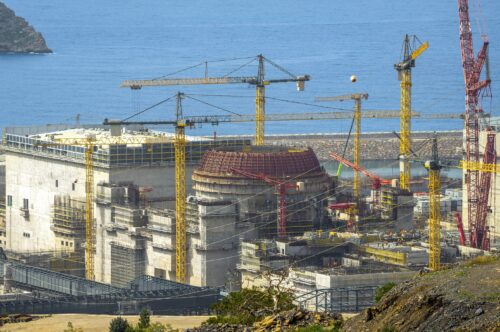
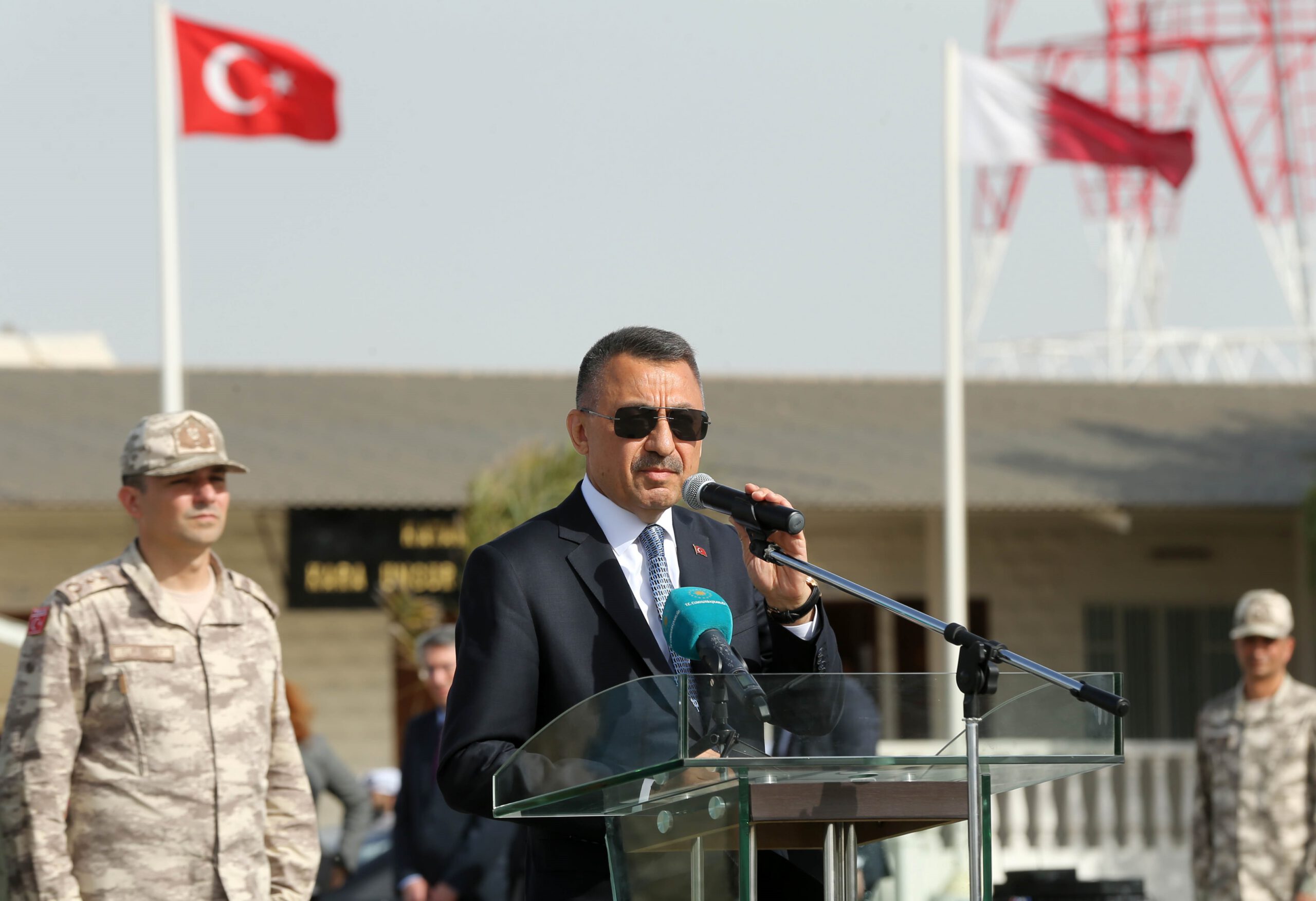
In February 2026, Turkish Foreign Minister Hakan Fidan suggested that shifting international dynamics could push Turkey to acquire nuclear weapons. That rhetoric, combined with Turkey’s civilian nuclear energy and research programs and its indigenous surface-to-surface missile development projects, has fueled concerns that these capabilities could eventually form the backbone of a Turkish nuclear weapons program.
When the US and Israel launched military action against Iran on February 28, 2026, it set in motion a chain of events that saw violence spread across the Middle East. Yet as the region found itself engulfed in conflict, Syria has experienced its most peaceful months in 15 years, and the government in Damascus appears determined to stay its course toward recovery.
Monday Briefing: Iraq back in the eye of the storm
In this week’s Monday Briefing, MEI experts Randa Slim, Gerald Feierstein, Zubair Iqbal, Marvin G. Weinbaum, Mirette F. Mabrouk, Robert S. Ford, and Rauf Mammadov provide analysis on recent and upcoming events including the escalating tensions between the United States and Iran with Iraq caught in between, Jared Kushner’s economic development plan for Palestinians, the IMF’s bailout deal with Pakistan, political turmoil ahead of the Afghan presidential election, developments in the Egyptian media landscape following recent constitutional amendments, debate over how to approach elections in Algeria, and the impact of US-Iran tensions on the oil market.
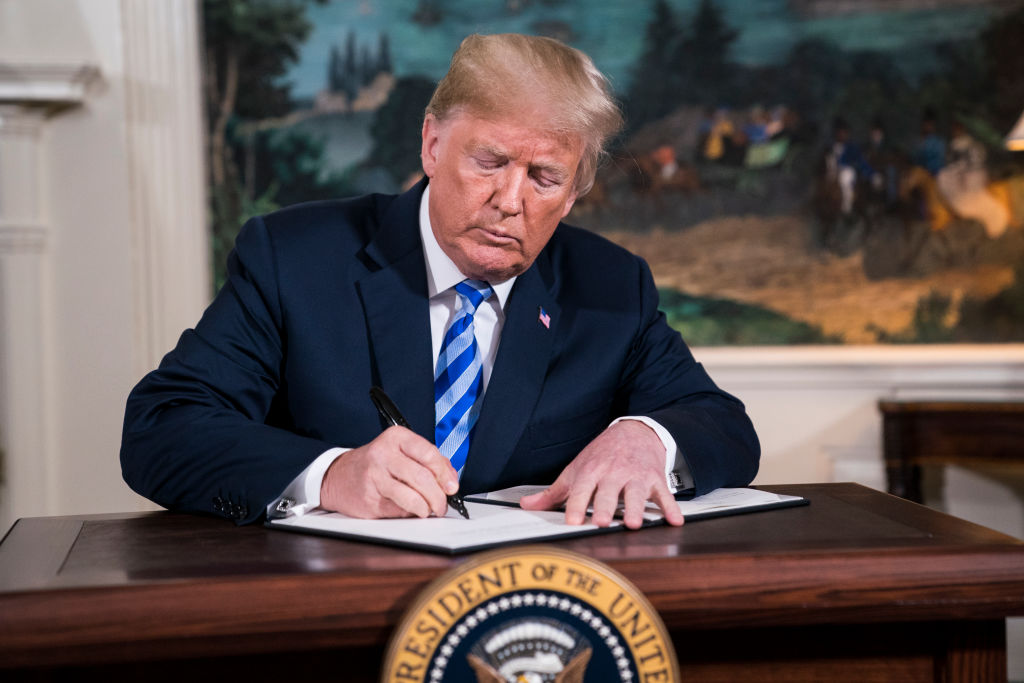
Is Trump’s “Deal of the Century” really a peace plan?
The Trump administration is preparing to present the “Deal of the Century,” proposing an outline for an Israeli-Palestinian agreement. Very little is known about the plan so far. However, it is important to discuss the context and the conditions under which it has been formulated, and to highlight some basic elements that are required for a third party to promote a peace plan — which are absent in this case.
If at first you don’t succeed: Turkey gears up for Istanbul election rerun
The March 31st local elections in Turkey were a breath of fresh air for those long resigned to the fact that the ballot box doesn’t matter anymore and that President Recep Tayyip Erdogan was invincible. To the surprise of many, the opposition captured all of Turkey’s major cities, but the decision by the Supreme Election Council on May 6th to nullify the results of the Istanbul mayoral election and call for a new vote quickly changed the mood. The election is now set to be rerun on June 23rd.
Challenges threaten the rise of Turkey’s defense industry
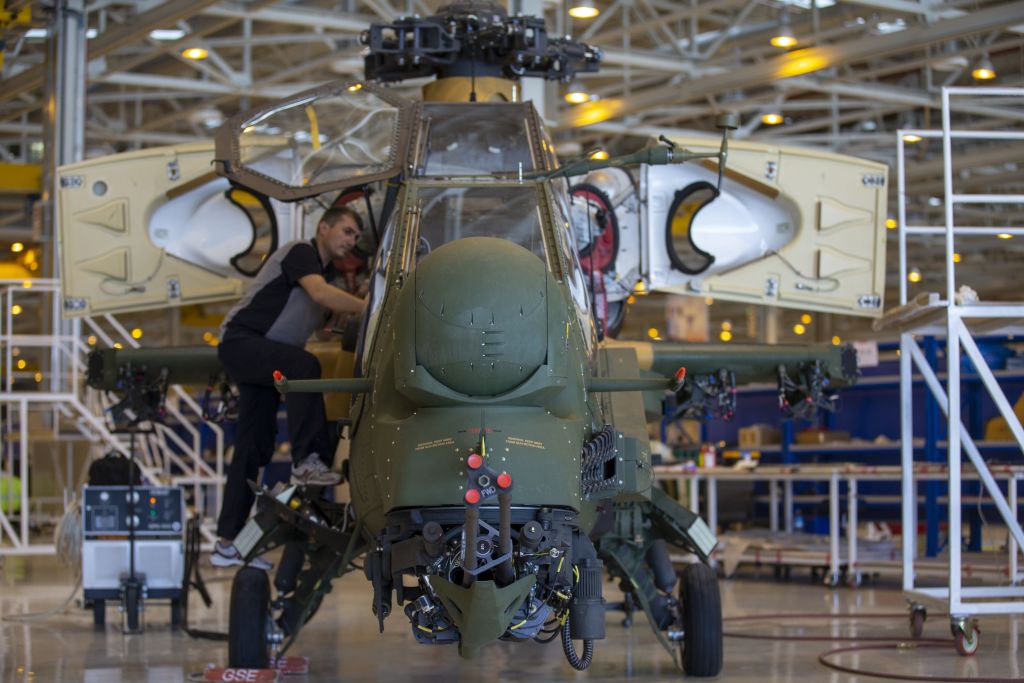
Building up Turkey’s defense industry has long been a priority for the government, and it has made considerable progress. Turkey is now the world’s 14th largest defense exporter. Despite its success to date, the industry is facing growing pains, and challenges like brain drain, a currency crisis, dependence on foreign suppliers, and regional political disputes could hamper growth going forward.
Forgotten Lives: Life Under Regime Rule in East Ghouta
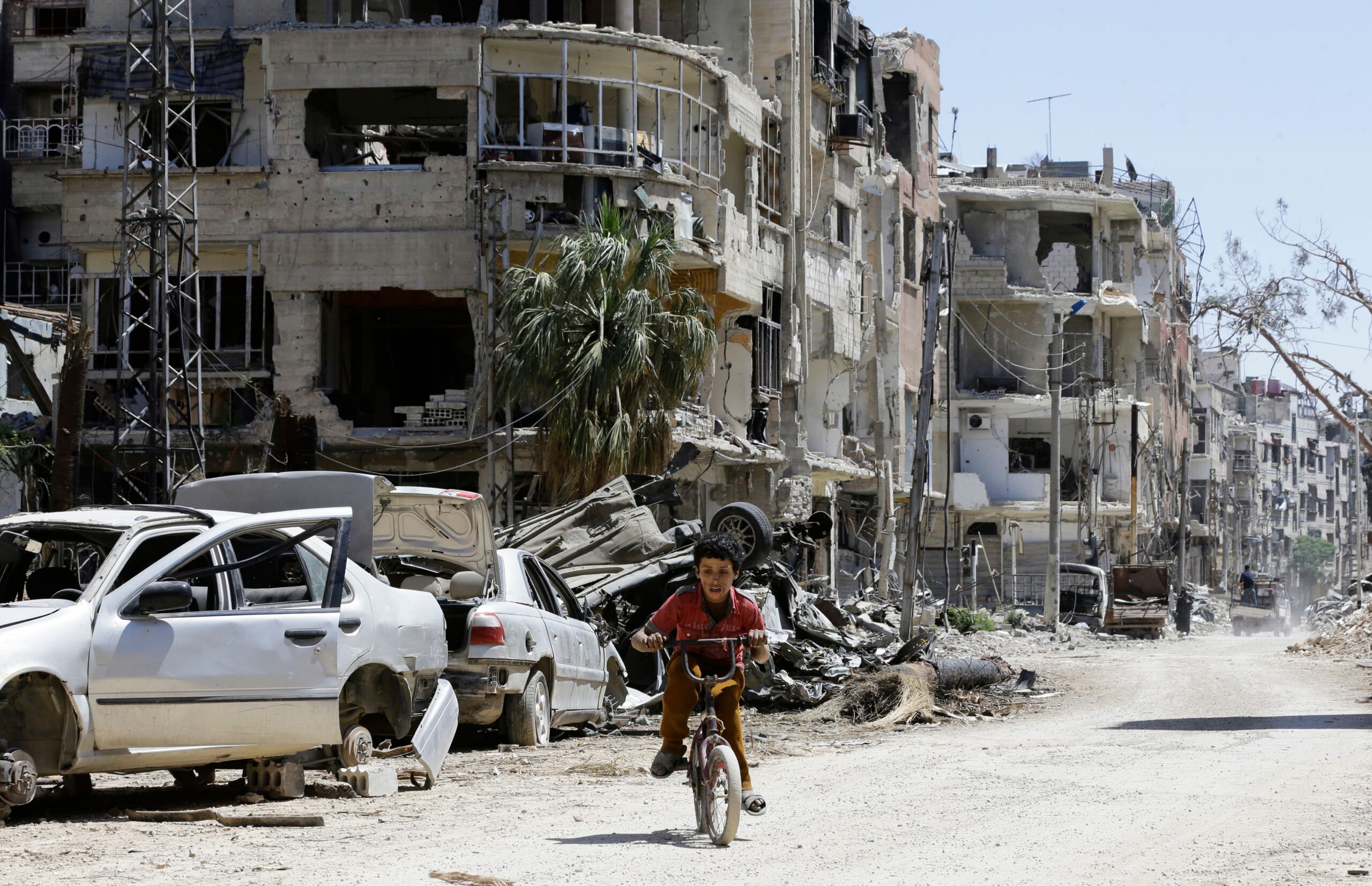
A “black hole” of information, East Ghouta is a dark example of the reimposition of the Assad regime’s rule over a community once controlled by the opposition. This paper, produced in association with ETANA Syria, shines a light on what the regime’s military rule looks like on the ground and the resulting human rights violations against the population, and details the scale of the Iranian presence in key strategic locations around Damascus.
Political Complexities of Return: Syrian Refugees in Lebanon
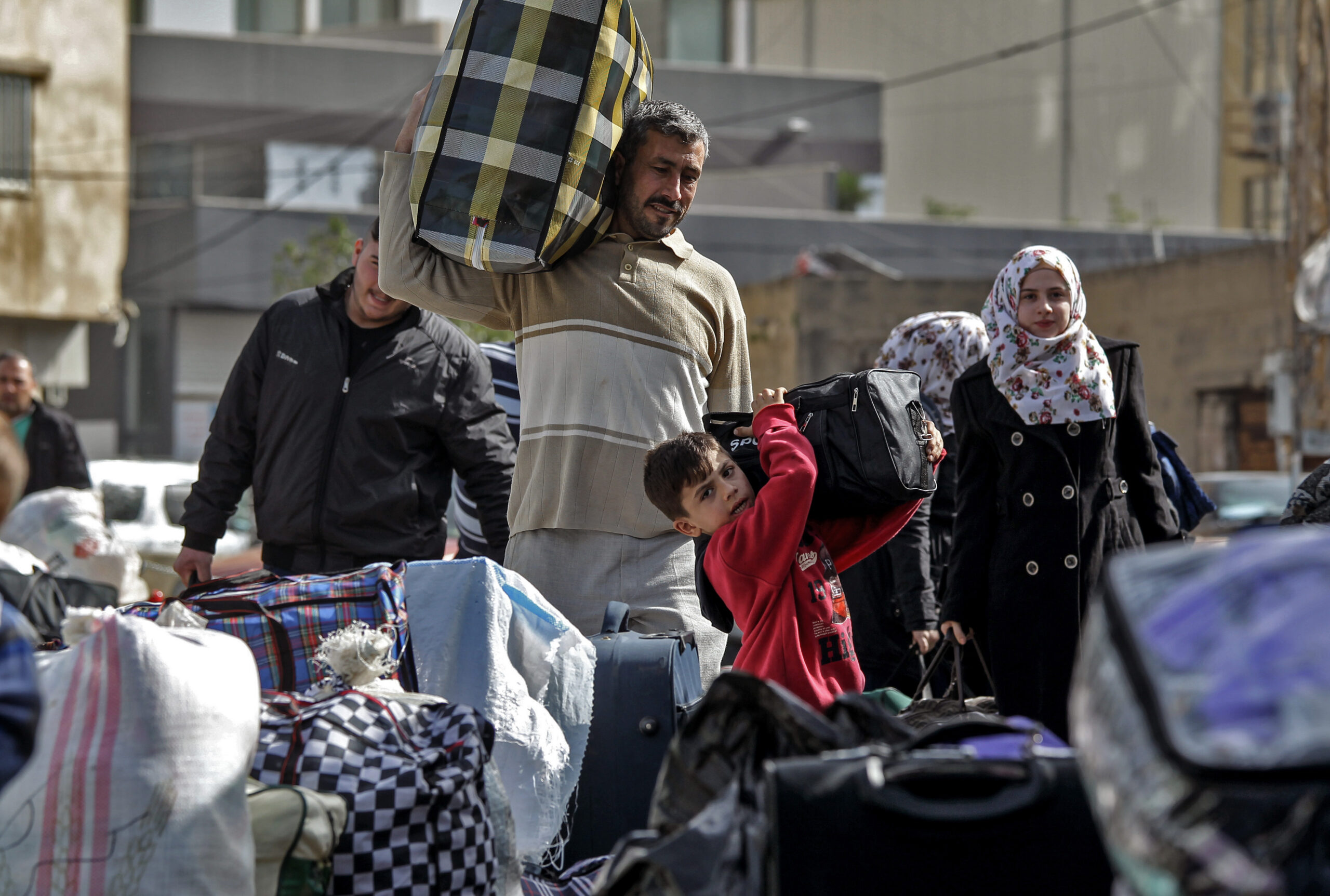
This essay explores political complexities of the country hosting the highest number of refugees per capita worldwide: Lebanon. Rampant corruption and sectarian rhetoric paired with political complexities now threaten the lives and futures of Syrians residing in Lebanon. This article discusses two of these major complexities below and explain their implications on Lebanese and Syrians residing in some of the country’s most impoverished areas.
Monday Briefing: Ships sabotaged in the Gulf amid rising tensions with Iran
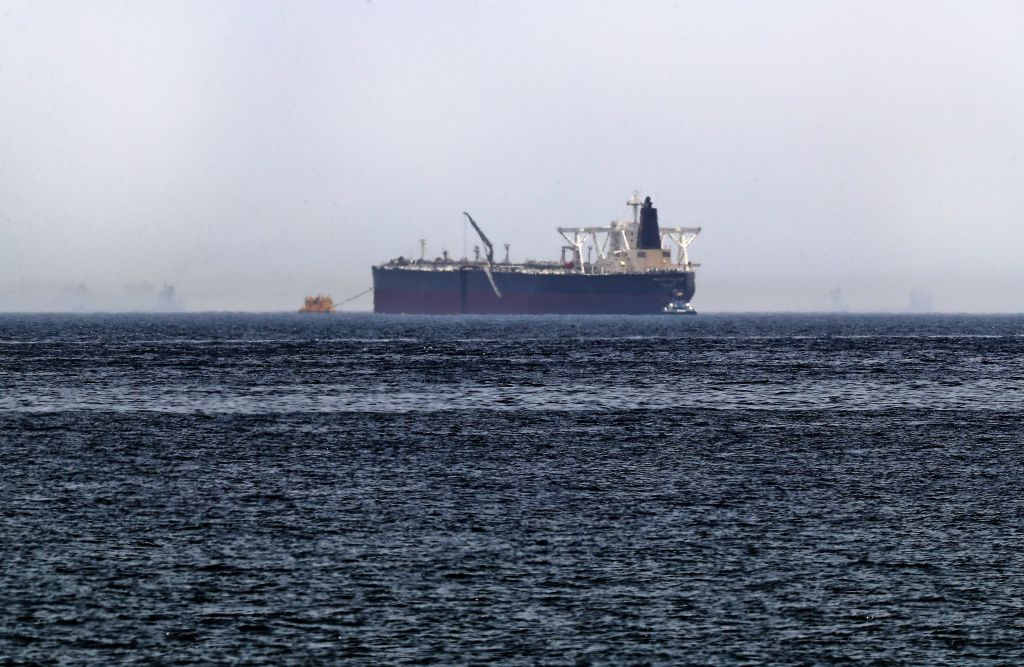
In this week’s Monday Briefing, MEI experts Alex Vatanka, Robert S. Ford, Jonathan M. Winer, and Gonul Tol provide analysis on recent and upcoming events including the sabotage this weekend of four ships off the coast of the UAE, the recent escalation of fighting in northwestern Syria, efforts to negotiate a ceasefire in Libya, and mounting concerns about Turkey’s economic health.
Monday Briefing: Troubled paths ahead for US and Iran
In this week’s Monday Briefing, MEI experts Paul Salem, Randa Slim, and Marvin G. Weinbaum provide analysis on recent and upcoming events including the anniversary of the US withdrawal from the Iran nuclear deal, the economic crisis in Lebanon, and ongoing peace talks in Afghanistan.
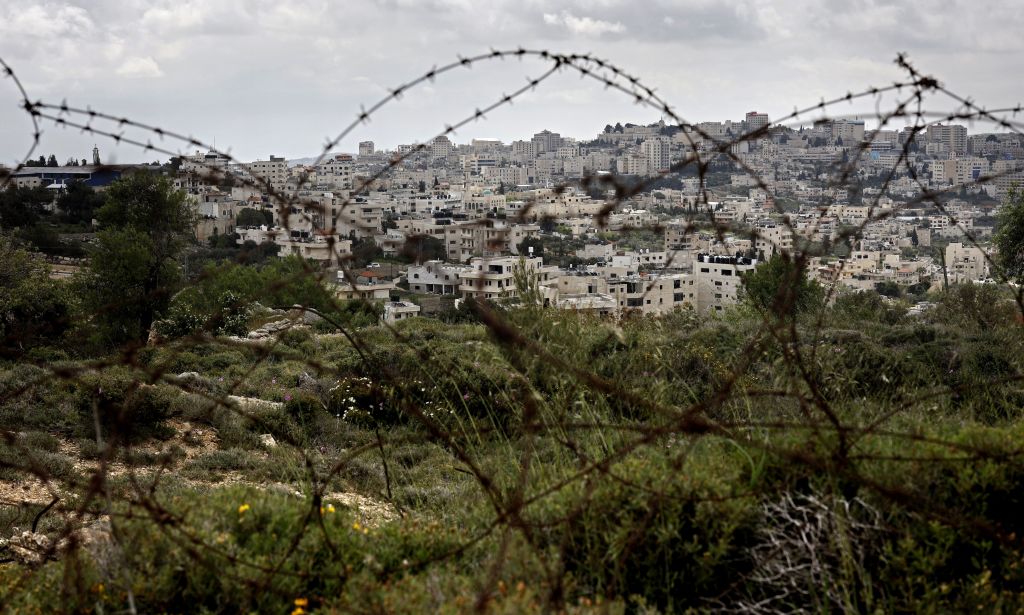
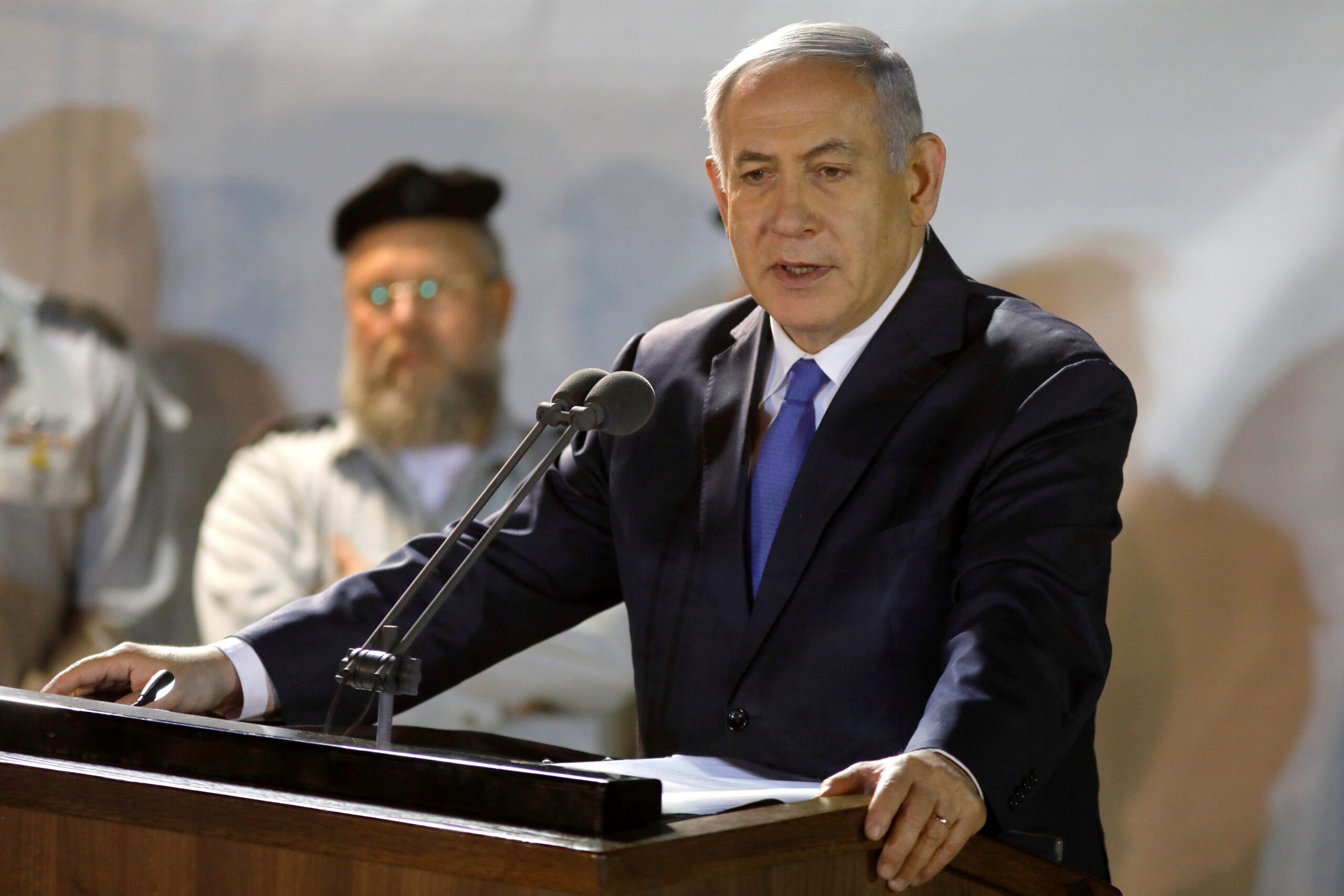
In the days before his recent election victory, Prime Minister Benjamin Netanyahu raised the prospect of Israel’s formal annexation of the West Bank settlement areas where close to half a million Israelis reside. For more than half a century Israeli governments of all parties and constellations have been enthusiastic partners in policies of occupation and settlement of territories conquered in the Arab-Israeli war of 1967.
Following a brief lull on the Israel-Syria front earlier this year, Tel Aviv has once again resorted to striking Iranian assets to its north. While a direct confrontation between the IDF and Syrian forces seems unlikely, the path forward for Israel and Syria is unclear.
The recent arrest in Turkey of two suspects accused of spying for the United Arab Emirates highlights the growing divide between the two countries. Although the original cause of the rift – diverging views of the Muslim Brotherhood – has become less relevant in recent years, the enmity between the two nations endures.
Monday Briefing: Conflict is far from over in Syria
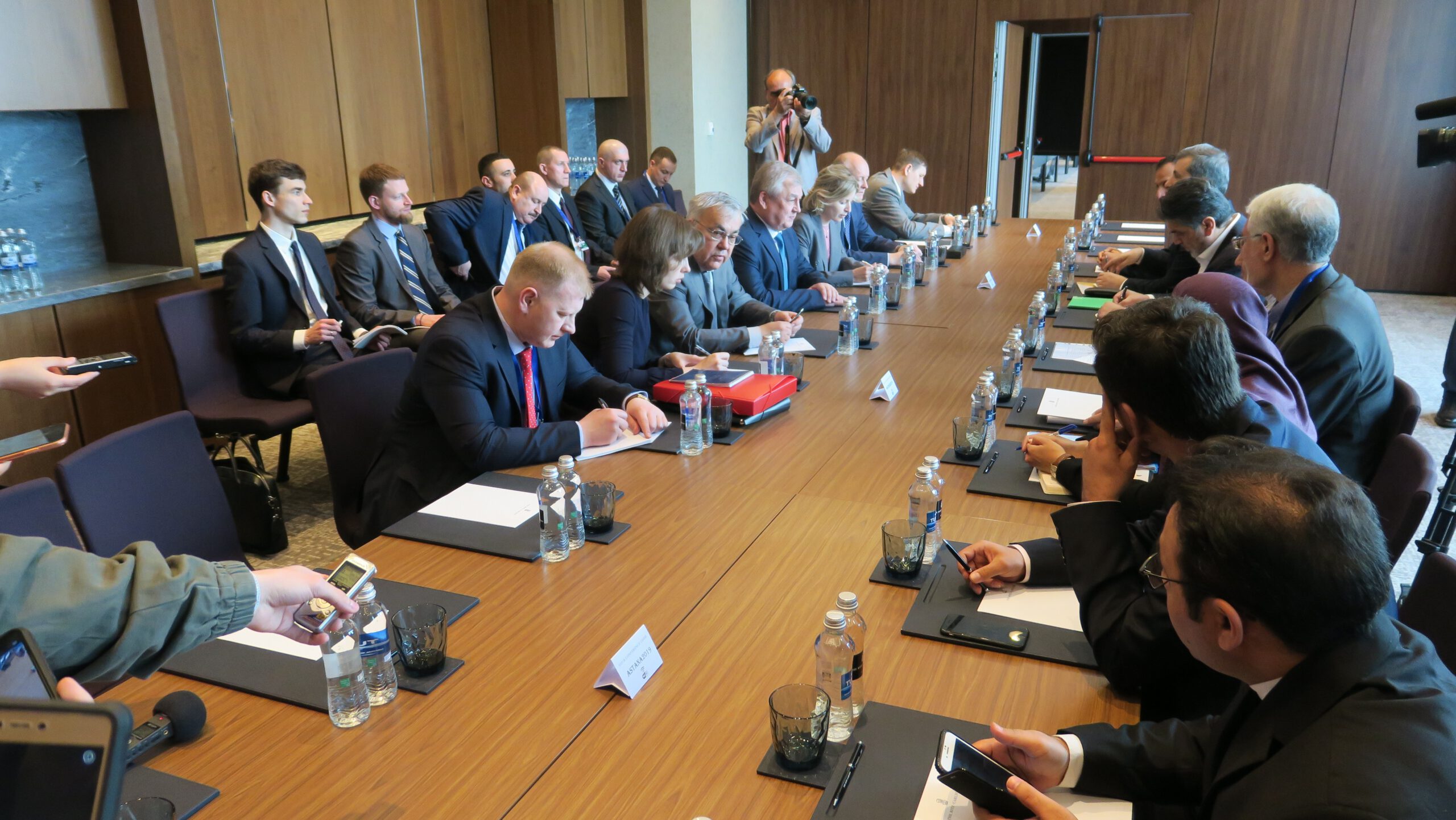
In this week’s Monday Briefing, contributors Charles Lister, Gerald Feierstein, Ruba Husari, Guney Yildiz, Mirette F. Mabrouk, and John Calabrese provide analysis on recent and upcoming events including the failure of the twelfth rounds of Syria peace talks in Astana, negotiations over Yemen’s strategic port of Hodeida, a new report on Iraq’s oil production potential, ongoing US-Turkey talks about a buffer zone in Syria, Egypt’s recently passed constitutional amendments, and Beijing’s second Belt and Road Forum.
The oldest peer-reviewed publication dedicated to the study of the modern Middle East, MEI’s flagship journal covers politics, society, and culture in the region.