This article is part of a collection of short essays written by the Fellows of the Middle East Institute to explore aspects of the ongoing war with Iran. The intent of the collection is to help readers see new and unexpected elements of the dynamics and impact of the ongoing hostilities and to think harder, deeper, and broader about the implications of the conflict.
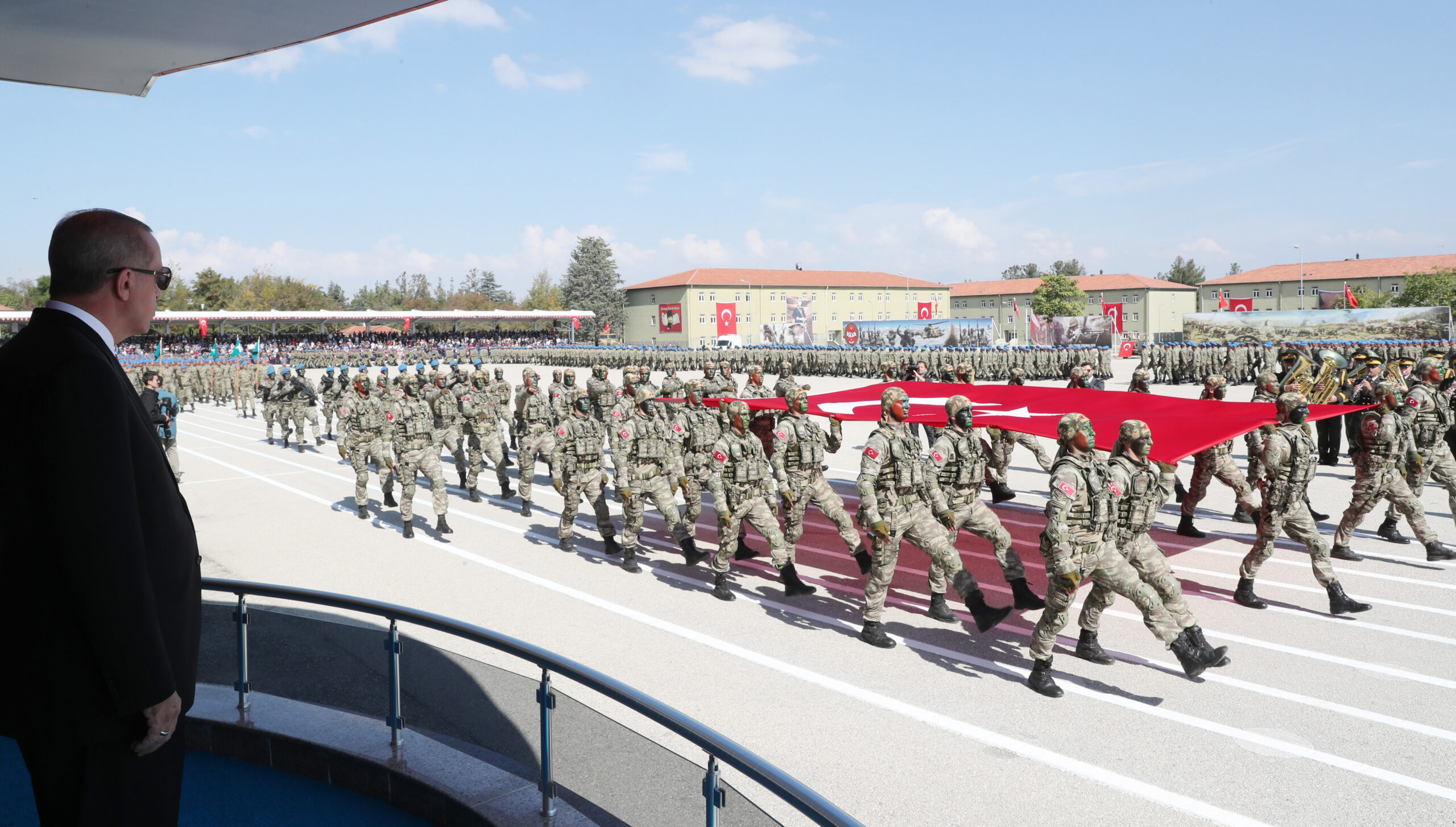
Turkey: Ankara’s Nuclear Ambitions in the Post-Iran War Environment
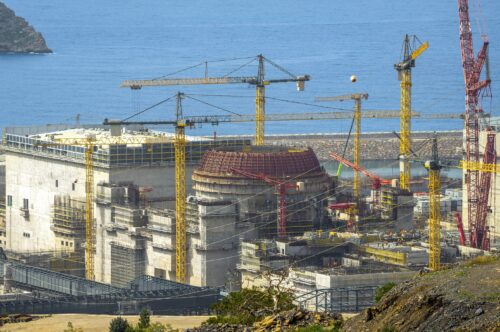
In February 2026, Turkish Foreign Minister Hakan Fidan suggested that shifting international dynamics could push Turkey to acquire nuclear weapons. That rhetoric, combined with Turkey’s civilian nuclear energy and research programs and its indigenous surface-to-surface missile development projects, has fueled concerns that these capabilities could eventually form the backbone of a Turkish nuclear weapons program.
When the US and Israel launched military action against Iran on February 28, 2026, it set in motion a chain of events that saw violence spread across the Middle East. Yet as the region found itself engulfed in conflict, Syria has experienced its most peaceful months in 15 years, and the government in Damascus appears determined to stay its course toward recovery.
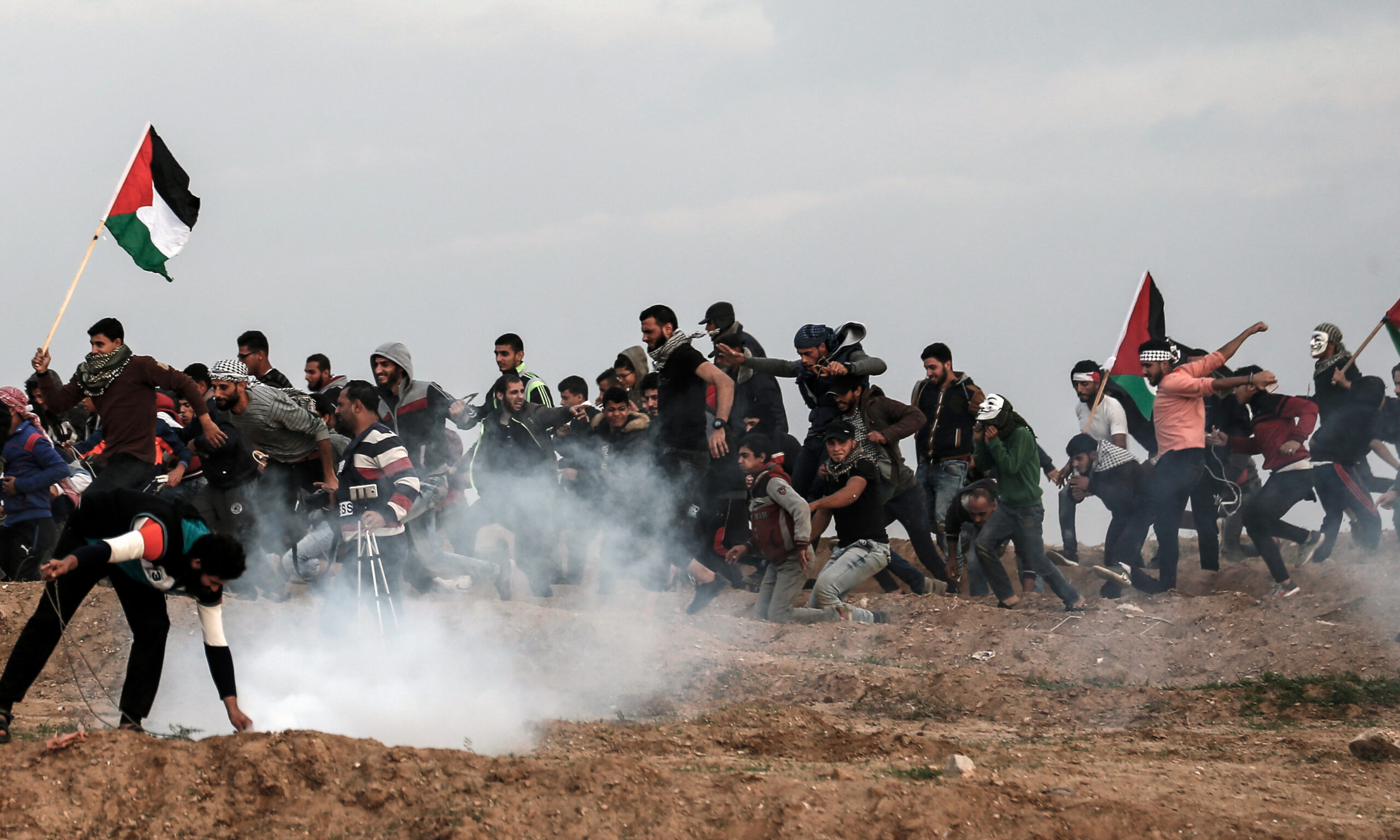
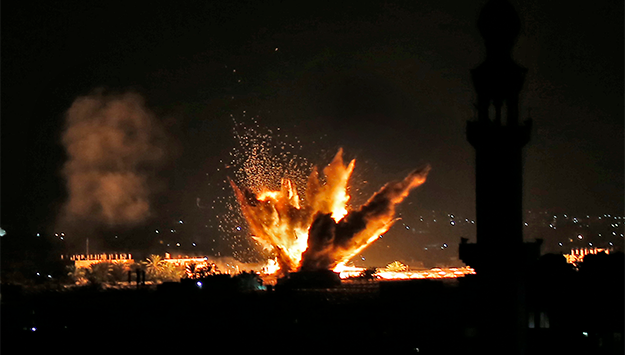
Negotiations shepherded by Egypt appear to be making progress in establishing a new, more stable chapter in the ongoing conflict, but instability remains at the heart of the Gaza standoff.
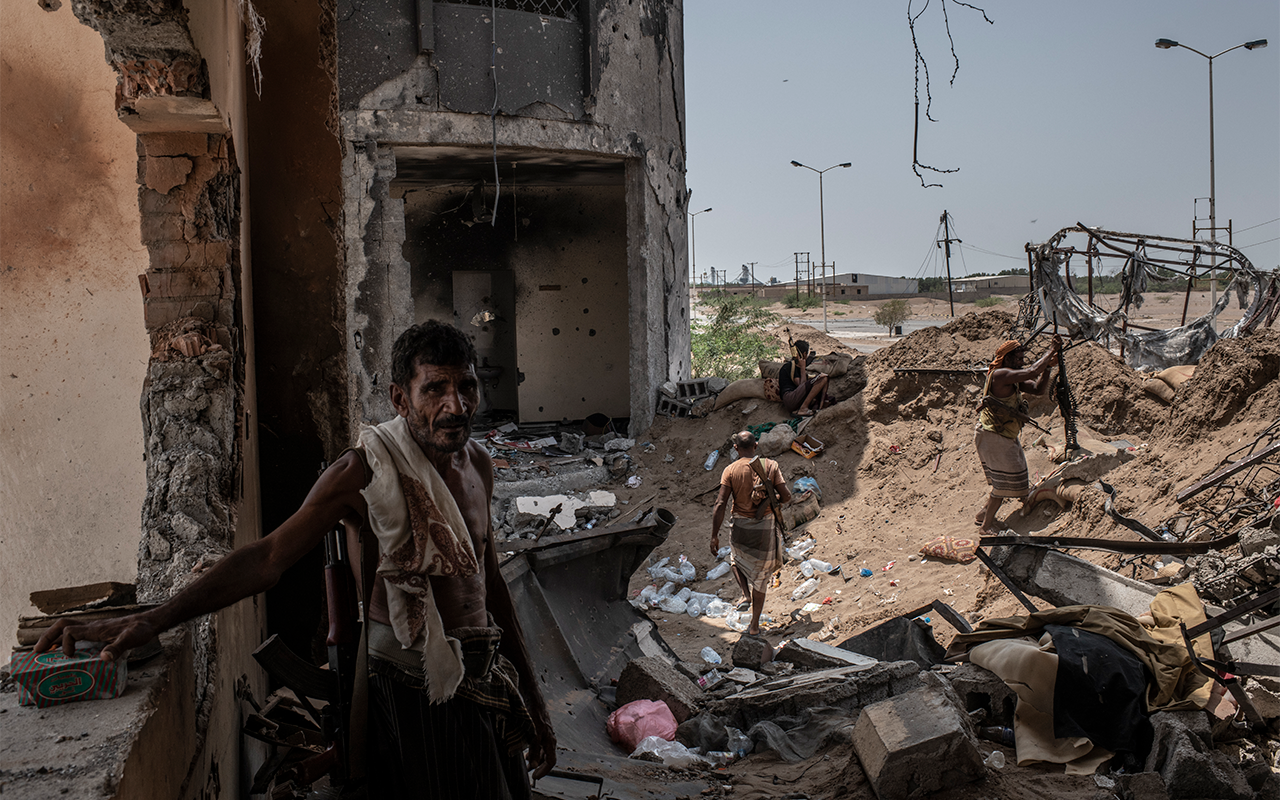
In this week’s Monday Briefing, MEI experts discuss recent and upcoming events including the Gaza flare-up and its threat to Egyptian-led negotiations, Russian-hosted Afghan peace talks, the ground offensive in Hodeidah, and rapid escalation in northwestern Syria.
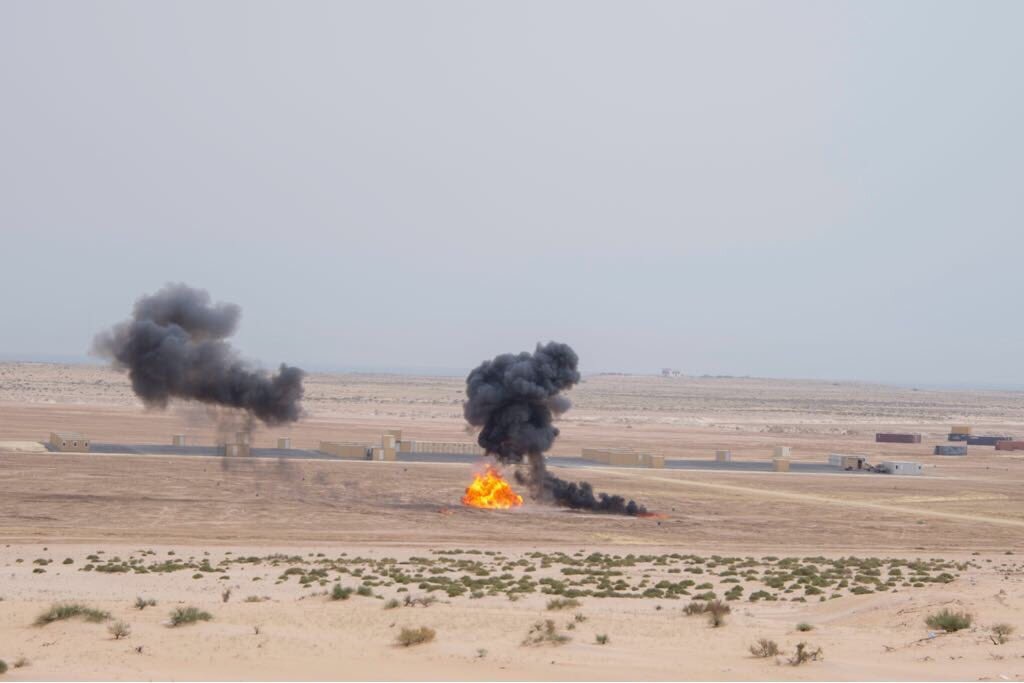
As naval, air, and ground units from Bahrain, Egypt, Jordan, Kuwait, Saudi Arabia, and the UAE conduct war games in western Egypt this month, many speculate that this could represent the birth of the so-called “Arab NATO.”
Syria's war economy exacerbates divide between rich and poor
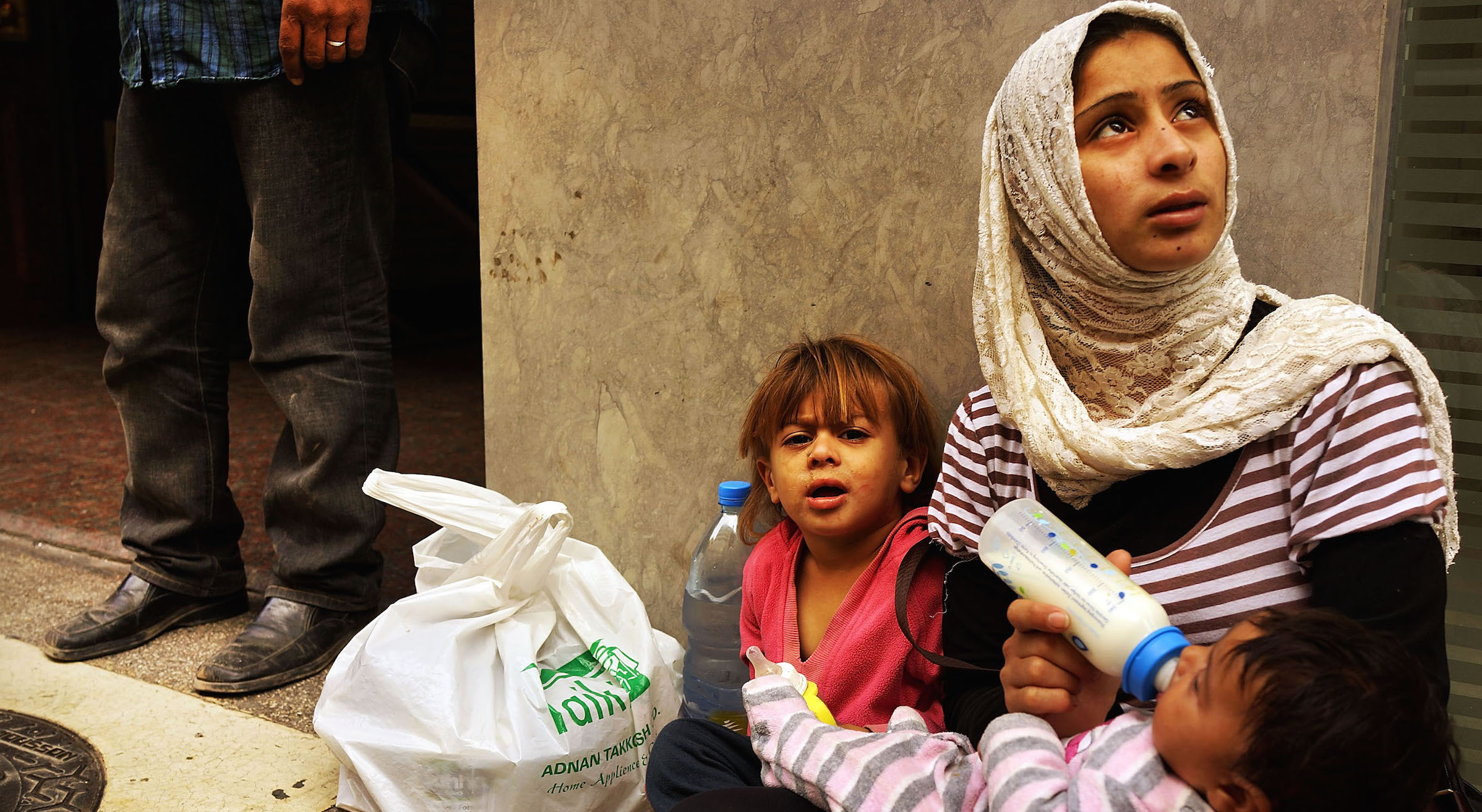
Now that armed conflict has ended in most provinces, the war is no longer an excuse for Syria’s growing wealth divide, and discontent is on the rise in government-controlled areas.
In this week’s Monday Briefing, MEI experts discuss recent and upcoming events including the ongoing conflict in Yemen, the potential impact of the midterm elections on US Middle East policy, U.S.-Turkey rapprochement, escalating tensions in northern Syria, the upcoming Palermo conference on Libya, and the potential for political fallout in Pakistan and peace talks in Afghanistan.
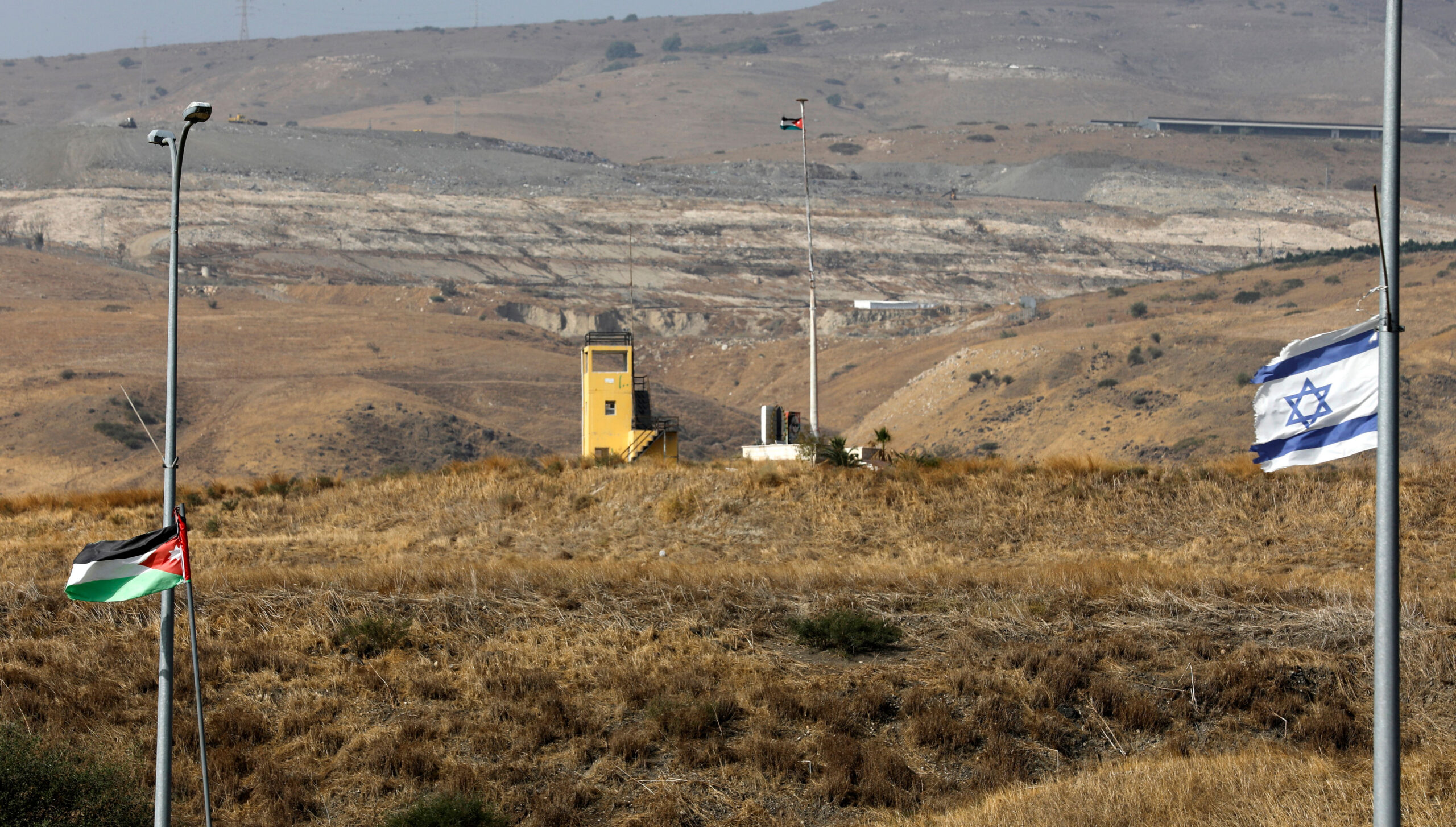
Challenging the cold peace: Jordan’s cancellation of the land lease
King Abdullah’s decision to cancel a 25 year land lease to Israel is likely to exacerbate long-simmering tensions between the two nations and challenge the cold peace that has been in place since 1994.
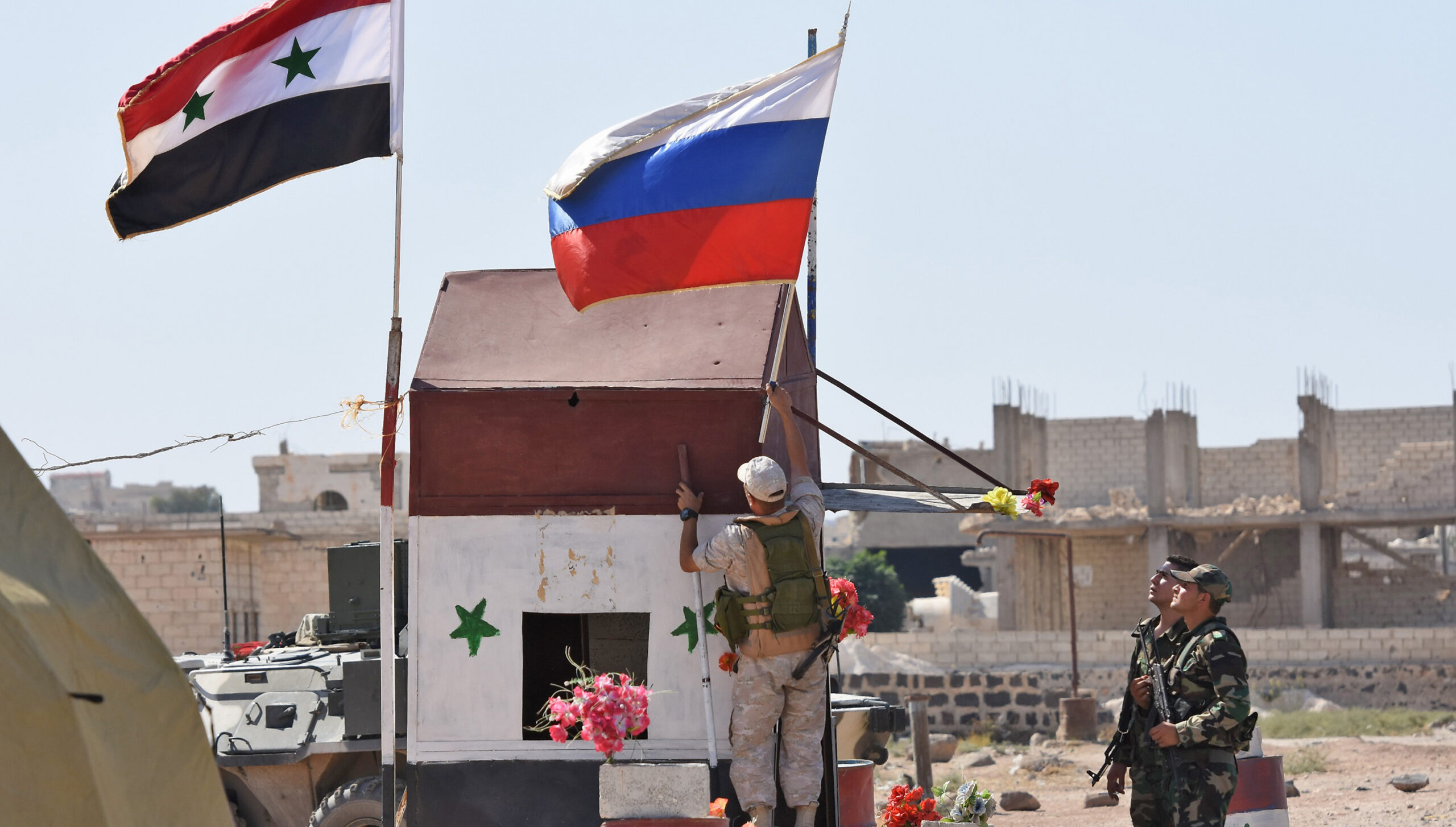
The Tiger Forces: Pro-Assad fighters backed by Russia
The Tiger Forces is a Syrian Air Intelligence-affiliated militia fighting for the Syrian government and backed by Russia. While often described as the Syrian government’s elite fighting force, this research portrays a starkly different picture. The Tiger Forces are the largest single fighting force on the Syrian battlefield, with approximately 24 groups comprised of some 4,000 offensive infantry units as well as a dedicated artillery regiment and armor unit of unknown size. Beyond these fighters are thousands of additional so-called flex units, affiliated militiamen who remain largely garrisoned in their hometowns along the north Hama and Homs borders until called on to join offensives as needed.
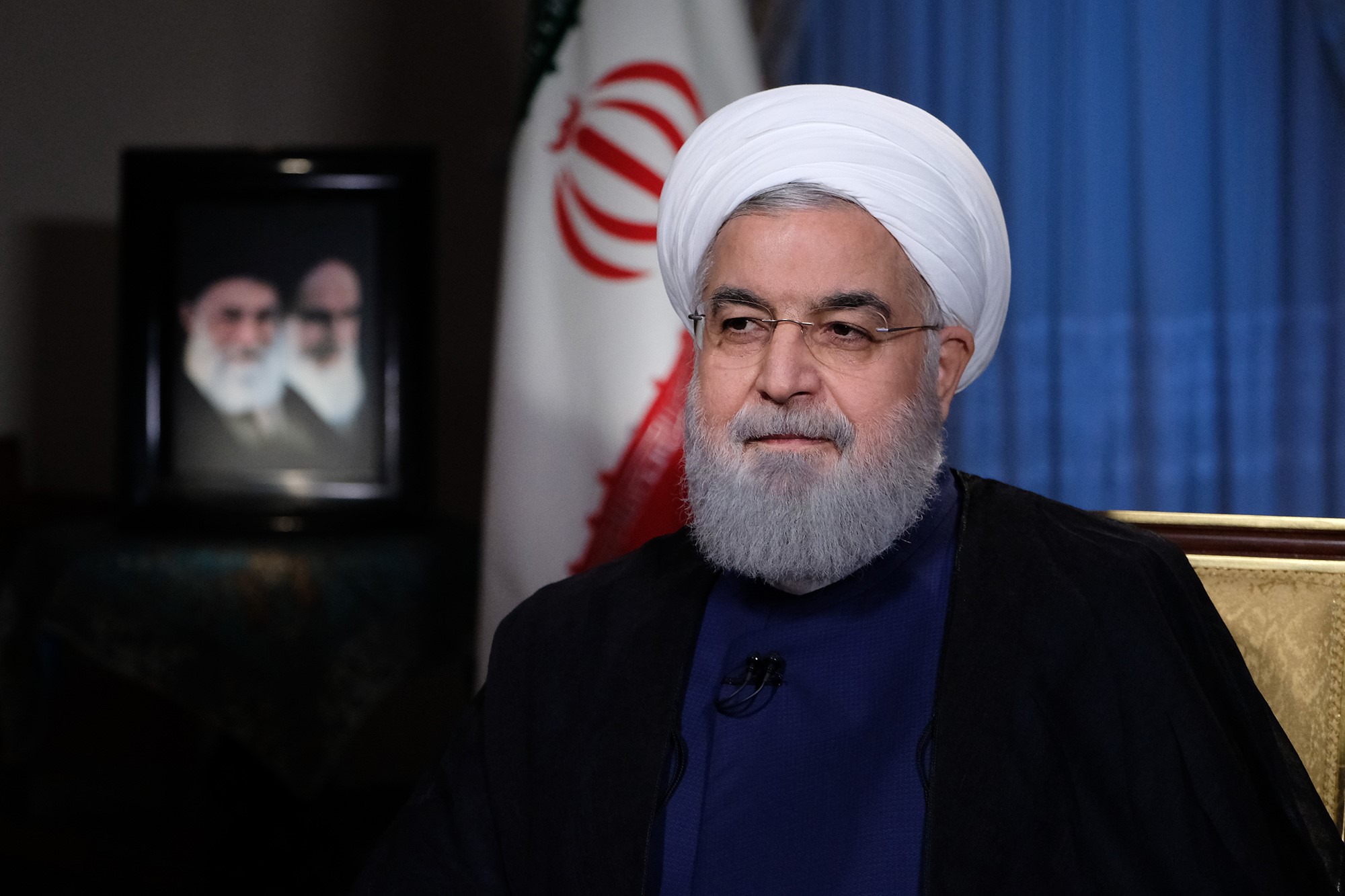
In this week’s Monday Briefing, MEI experts Alex Vatanka, Marvin G. Weinbaum, and Charles Lister provide analysis on recent and upcoming events including Iran’s decision to sell its oil in the private sector, the prime minister of Pakistan’s search for foreign aid, and the Syrian summit in Istanbul.
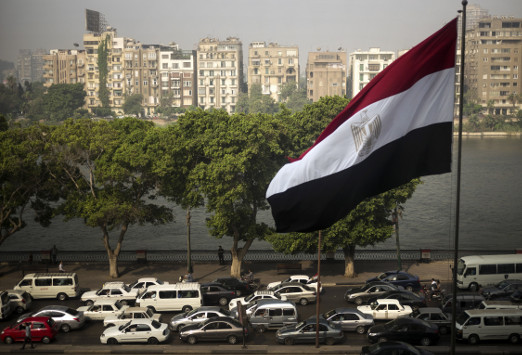
The stakes behind the story: How Egypt’s media covered the Khashoggi case
As the Khashoggi drama became to big to ignore, Egypt’s state-owned and private media coverage of the story confirmed that Egypt could not afford to harm its ties with Saudi Arabia.
October 25, 2018 – This week, in a highly anticipated speech on the Khashoggi affair, Turkish President Erdogan promised a lot but said little; the “Davos in the Desert” conference opened in Riyadh with an appearance by the Saudi crown prince; and the United States continued to send mixed signals. Karen Young, resident scholar at the American Enterprise Institute, and Gonul Tol, director of MEI’s Turkey program, join host Paul Salem to discuss the latest developments.
The primacy of praxis: Clerical authority in the Syrian conflict
A close look at the competing claims, actors, and movements for authority within the Syrian civil war reveals three distinct periods of political and religious influence: that of Syrian scholars, who were the first to inject religious language into the revolution; that of Salafi scholars predominantly from the Gulf; and lastly, that of jihadi organizations like ISIS and Hay’at Tahrir al-Sham, who were active on the ground.
Update on Jamal Khashoggi; Afghan elections preview
In this episode, MEI’s Gerald Feierstein and Gonul Tol continue last week’s discussion on the tragedy and ongoing foreign relations crisis over Jamal Khashoggi, and Ahmad Majidyar gives a preview of this weekend’s parliamentary elections in Afghanistan.
The disappearance of journalist and commentator Jamal Khashoggi from the Saudi consulate in Istanbul has sparked the most serious crisis to face relations between the Trump administration and Riyadh. It has also posed a major diplomatic challenge for Turkey’s President Erdogan. MEI’s Jerry Feierstein and Gonul Tol join host Paul Salem to discuss the fallout of this developing crisis and potential tragedy.
The oldest peer-reviewed publication dedicated to the study of the modern Middle East, MEI’s flagship journal covers politics, society, and culture in the region.