This article is part of a collection of short essays written by the Fellows of the Middle East Institute to explore aspects of the ongoing war with Iran. The intent of the collection is to help readers see new and unexpected elements of the dynamics and impact of the ongoing hostilities and to think harder, deeper, and broader about the implications of the conflict.
Turkey: Ankara’s Nuclear Ambitions in the Post-Iran War Environment
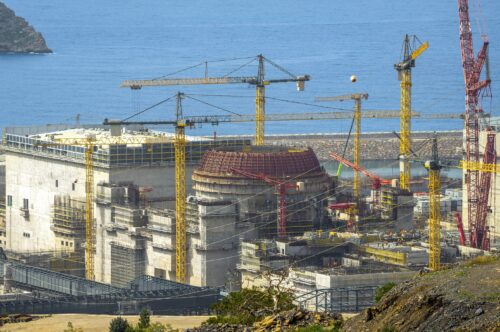
In February 2026, Turkish Foreign Minister Hakan Fidan suggested that shifting international dynamics could push Turkey to acquire nuclear weapons. That rhetoric, combined with Turkey’s civilian nuclear energy and research programs and its indigenous surface-to-surface missile development projects, has fueled concerns that these capabilities could eventually form the backbone of a Turkish nuclear weapons program.
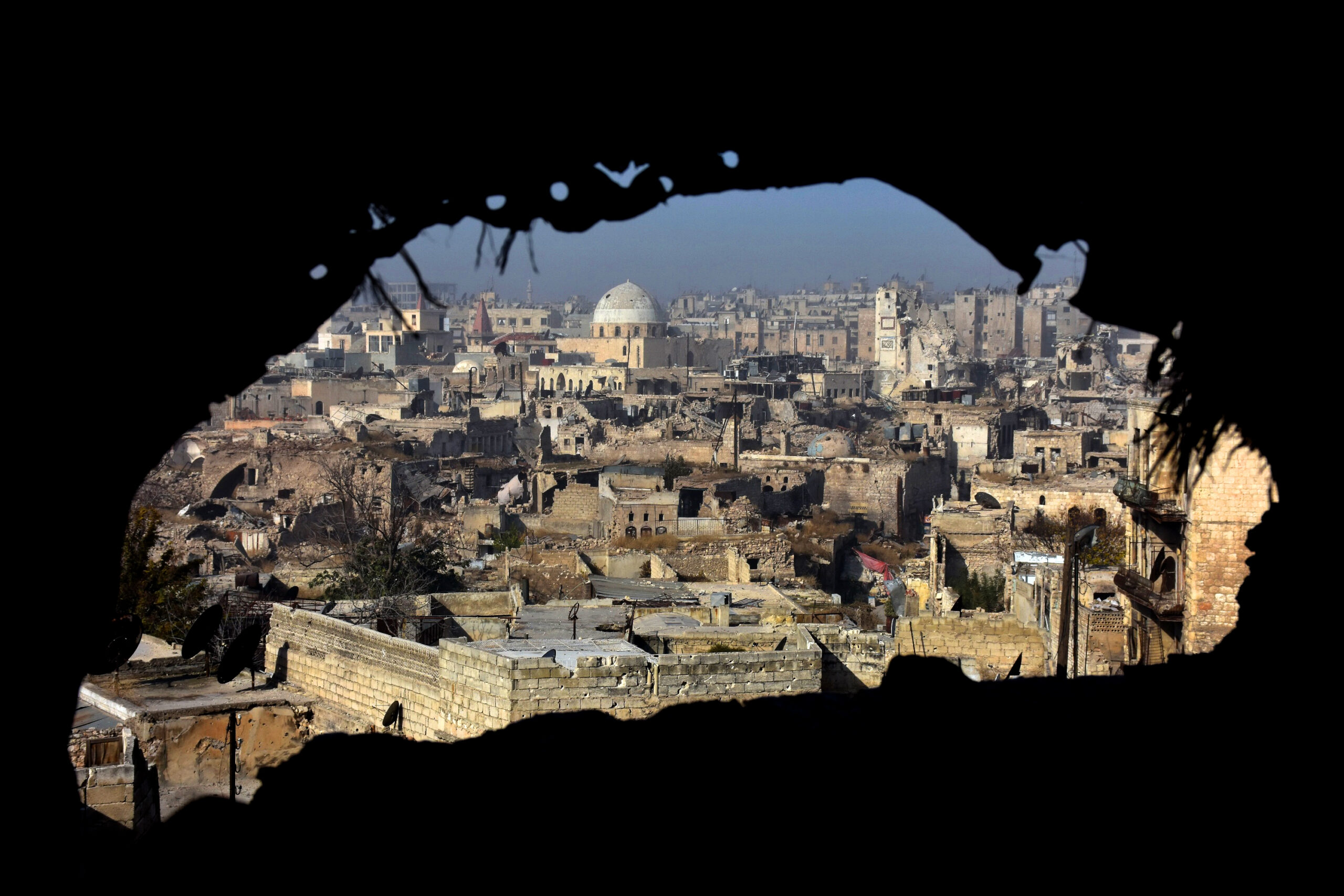
When the US and Israel launched military action against Iran on February 28, 2026, it set in motion a chain of events that saw violence spread across the Middle East. Yet as the region found itself engulfed in conflict, Syria has experienced its most peaceful months in 15 years, and the government in Damascus appears determined to stay its course toward recovery.
The Turkey-Pakistan entente: Muslim middle powers align in Eurasia
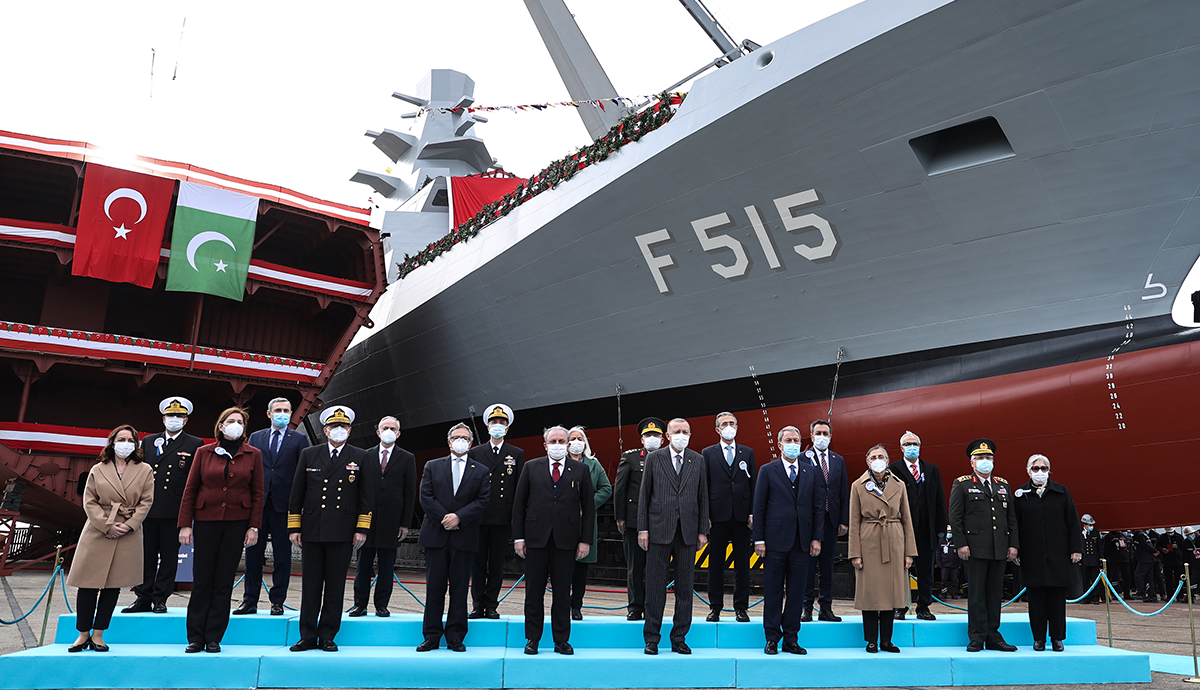
In the 1950s, at the onset of the Cold War, Pakistan and Turkey were part of the Central Treaty Organization or CENTO, a pro-Western bloc of Muslim-majority states. Today, the two countries — both with troubled relations with the United States — are Muslim middle powers with a growing entente in a multipolar Eurasia. In recent years, cooperation between Pakistan and Turkey has strengthened not just in the defense, diplomatic, and economic realms, but also in the cultural space, causing geopolitical ripple effects in the Himalayas, the Arabian Peninsula, and the South Caucasus.
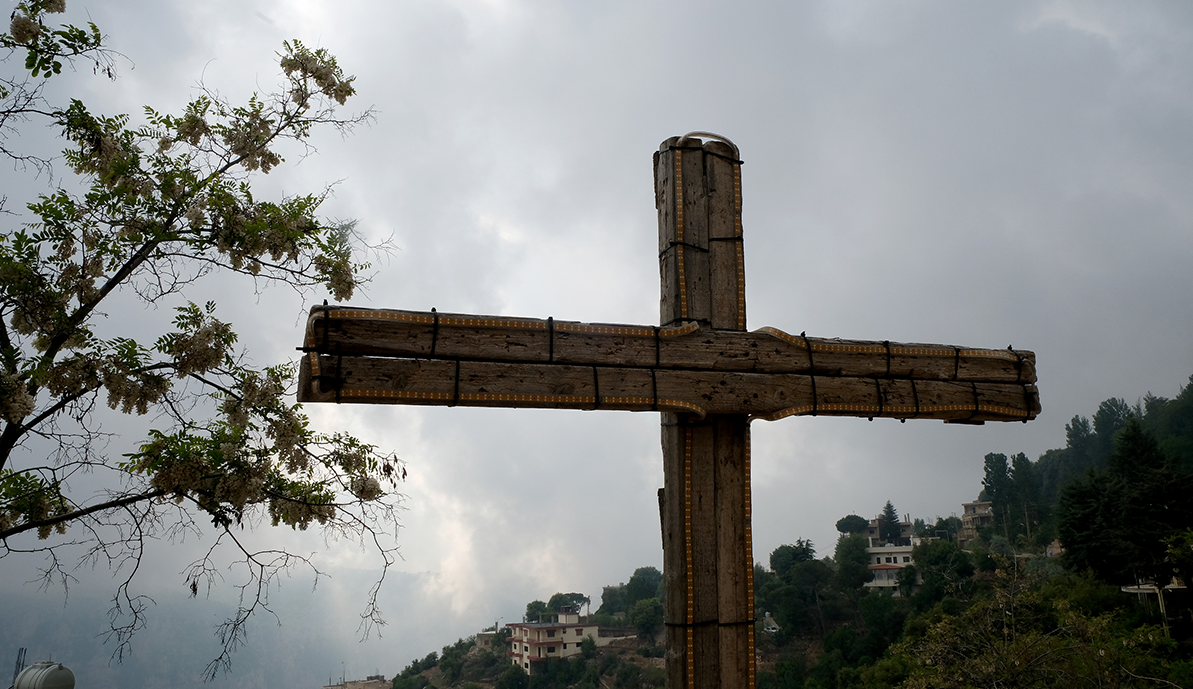
The inaction trap: Paralysis and denial in Lebanese politics
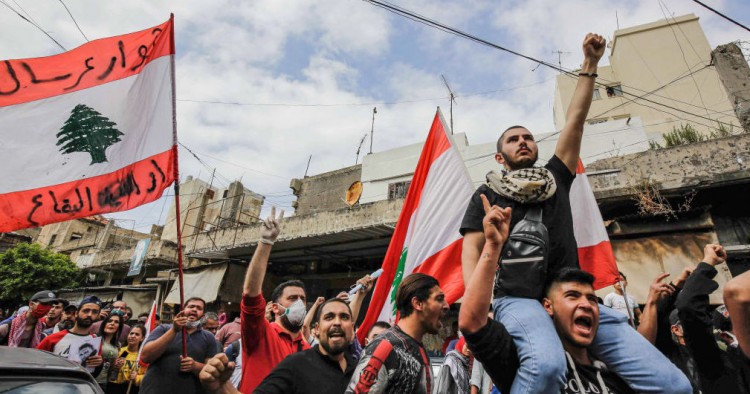
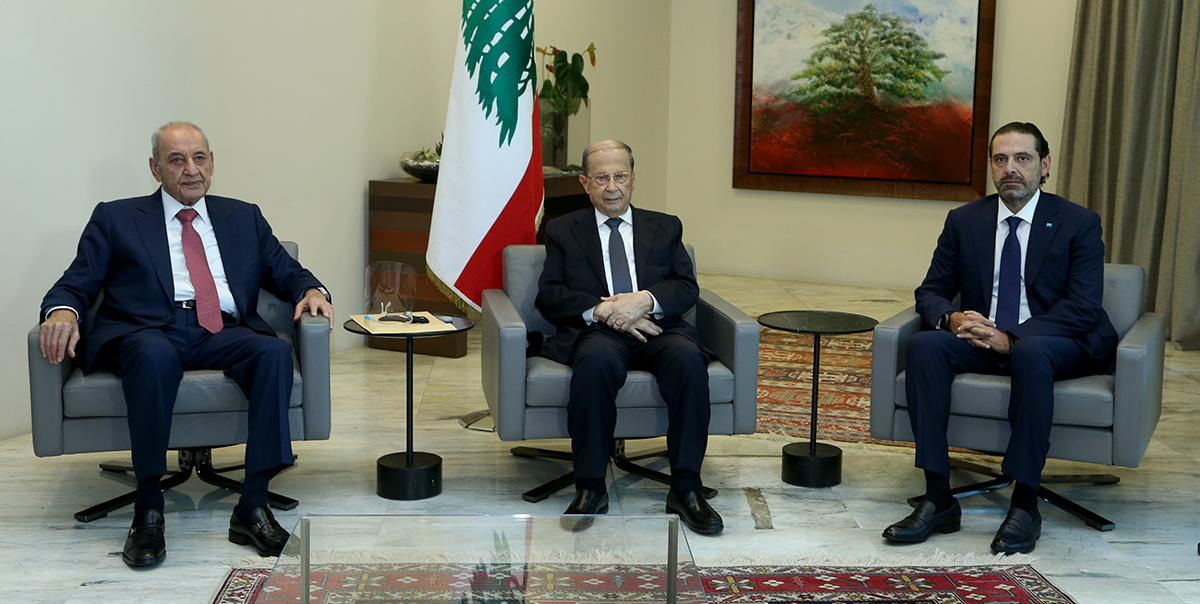
Saturday marks the 100th day since Prime Minister-designate Saad Hariri secured a razor-thin majority nomination to form a new cabinet — his fourth in 11 years. In October 2019, street protests had forced his “national unity” government to resign. His comeback a year later was a cause for disillusionment among protesters and a signal that politics as usual, in its collusive and inefficient nature, was there to stay. The absurdity of the Lebanese debacle lies in how easy and acceptable it was — and still is — for the established political class to shy away from crucial and courageous decisions when the country needed them most.
Inside Syria's Clapping Chamber: Dynamics of the 2020 Parliamentary Elections
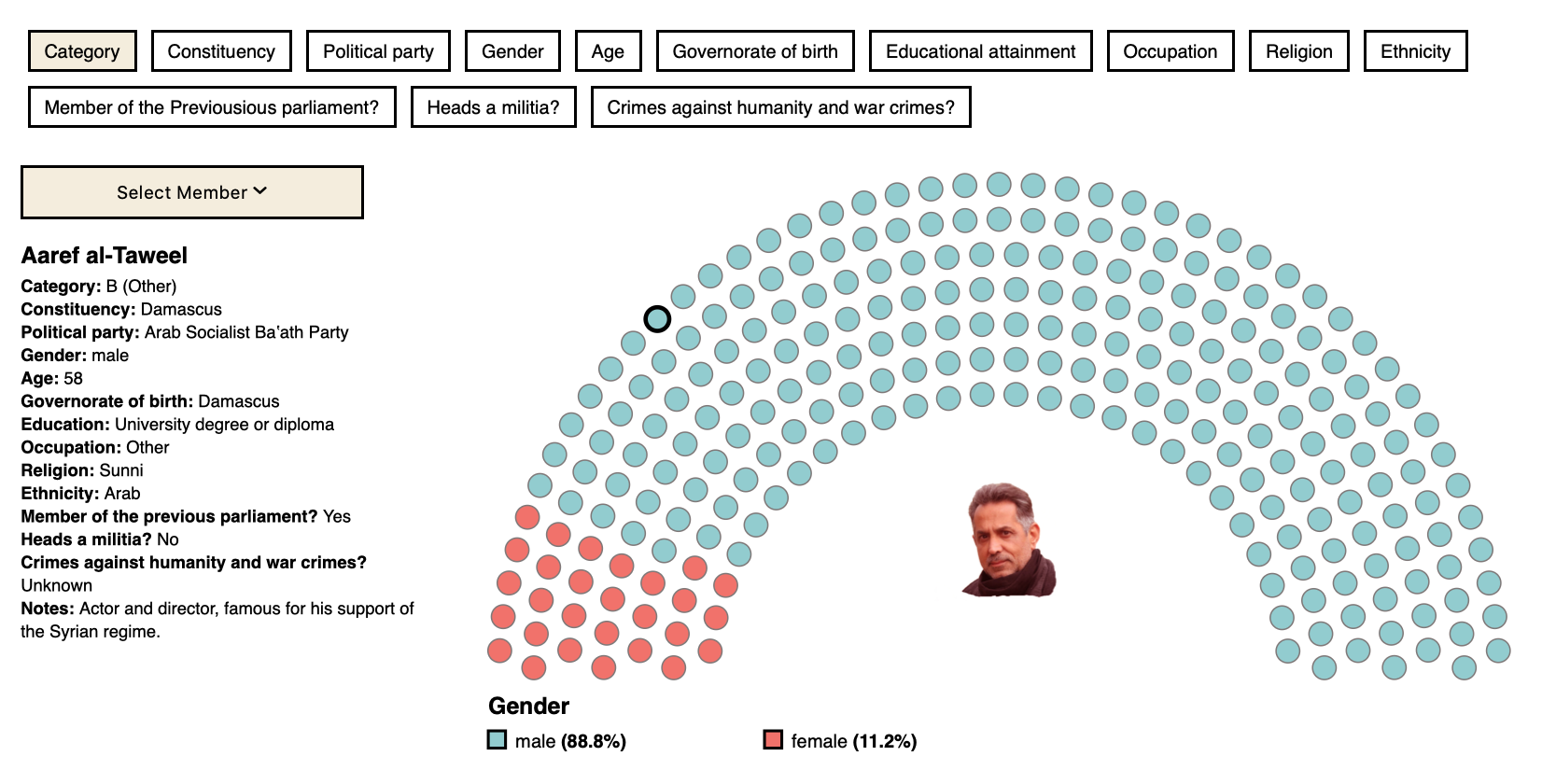
This report discusses the results of the 2020 Syrian parliamentary elections to illuminate shifts in the al-Assad regime’s strategy to restore and maintain control over the country. Using evidence gathered from a range of sources, it sheds light on recent changes in the ethnic, religious, political, commercial, and military networks through which Syria’s dictatorship is sustained, and the future directions these shifts imply.
MEI’s Paul Salem and Ross Harrison join host Alistair Taylor to discuss what the Biden Administration can do to reduce regional tensions and proxy conflicts in the Middle East.
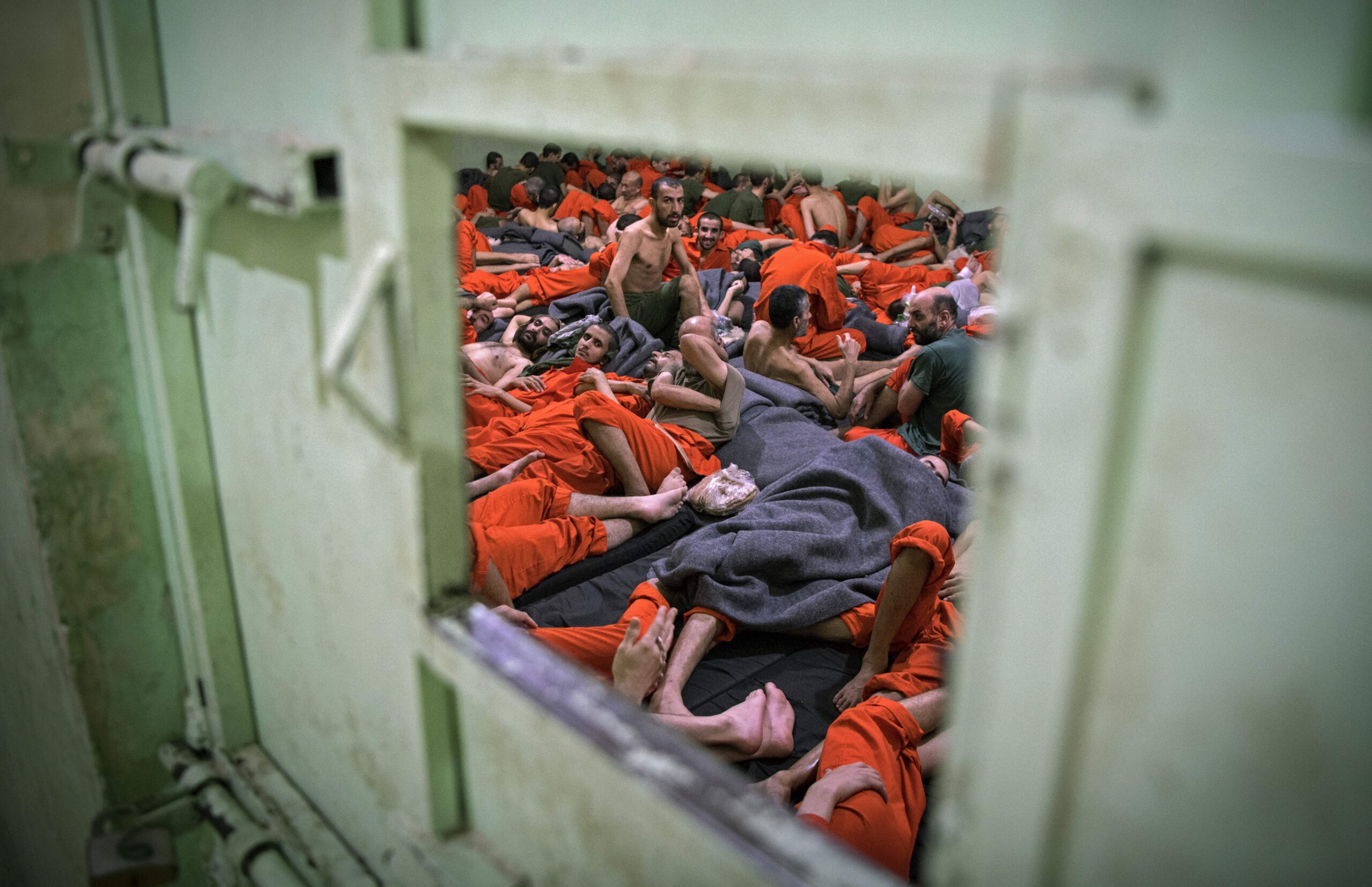
The Challenge of Foreign Fighters: Repatriating and Prosecuting ISIS Detainees
From the U.S. and the U.K. to Iraq and Syria, the way countries are handling the repatriation and prosecution of accused ISIS members echoes the policies that drove their citizens to seek a utopian Islamic State in the first place. Not only are the policies that pushed people to start joining the group in 2013 continuing, but in many cases they have increased in both scale and scope. While the current repatriation and prosecution policies are arguably counterproductive, they may also be fueling future terrorist activity and support for radical anti-government groups. To reduce the chances of such negative consequences, foreign governments must switch gears and adopt an entirely different approach before it is too late.
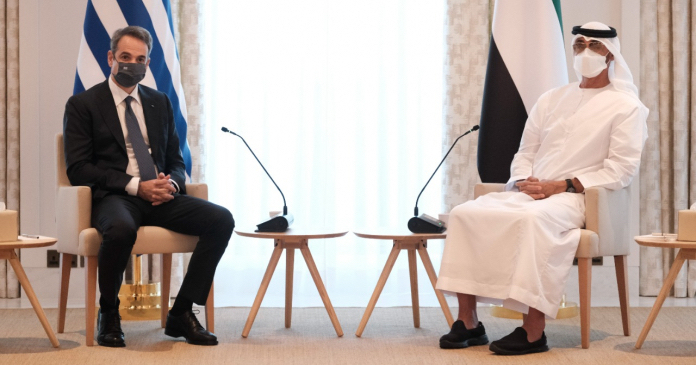
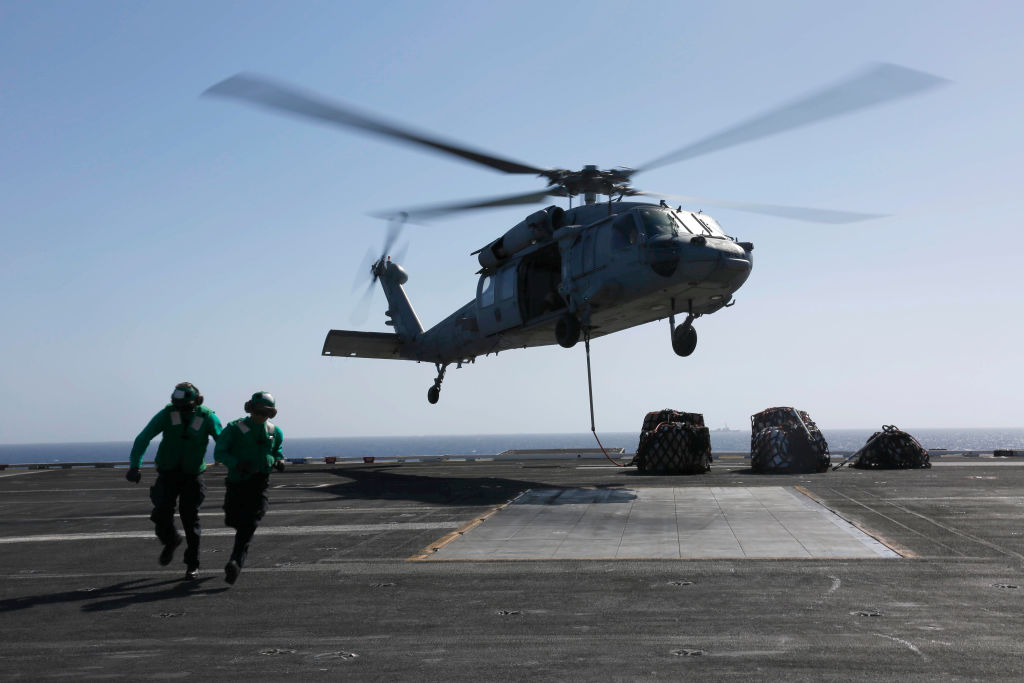
In mid-January the press reported that the United Arab Emirates (UAE) will soon participate in a joint military exercise with the United States, Canada, Slovakia, Spain, Cyprus, and Israel. While Israel’s inclusion is certainly newsworthy, it is also quite significant that the drill will take place in and be coordinated by Greece. This is just the latest step in a long process of engagement between Athens and Abu Dhabi.
At least they’re talking: Turkey and Greece resume negotiations, but don’t hold your breath on a breakthrough
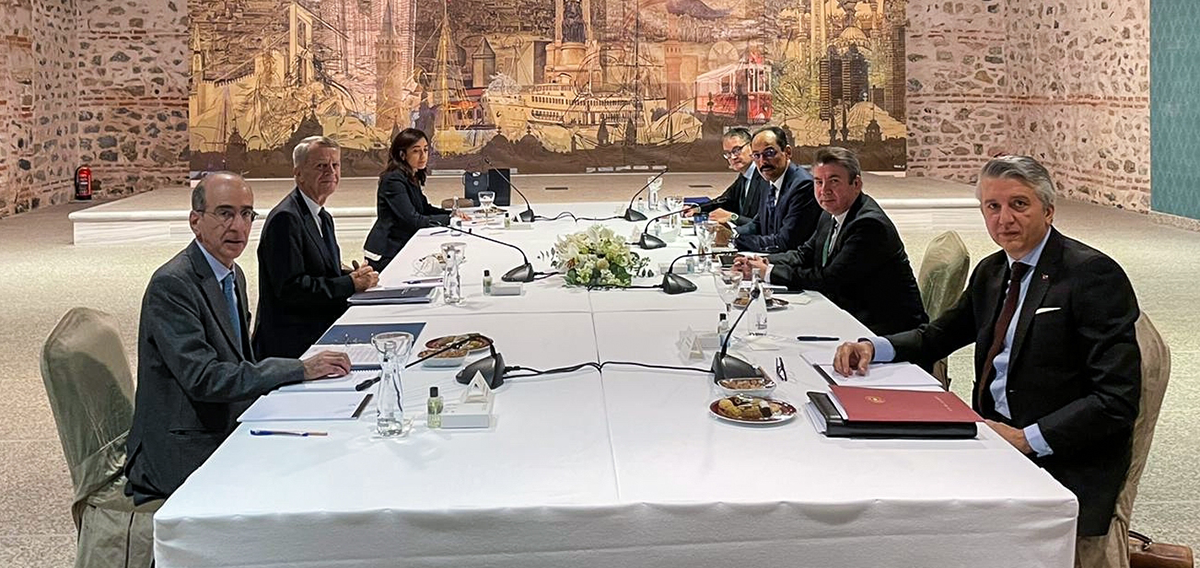
Turkey’s efforts to strike a different tone were apparent on Jan. 25 in Istanbul, when Greek and Turkish officials resumed talks after a five-year gap to calm tensions in the Aegean and Mediterranean. The fact that the parties met is welcome news after the two came to the brink of war recently over offshore energy exploitation rights, but no one expected a breakthrough. The tensions between the two countries have a long history and the issues dividing Athens and Ankara are too deep to bridge.
With the UAE, Bahrain, Sudan and Morocco signing normalisation agreements with Israel last year, the road to Israel’s integration into Centcom was paved.
سوريا تواجه أزمة تلوح في الأفق بشأن وصول المُساعدات الإنسانية
خلال جلسة مجلس الأمن الدولي، التابع للأُمم المُتحدة، والتي انعقدت في 20 يناير 2021، وصف المبعوث الأممي لسوريا، غيير بيدرسِن، ما يحدث في سوريا من انهيار اقتصادي، ومُعاناة إنسانية، وركود للعملية السياسية، على أنه “تسونامي بطيء يجتاح الآن جميع أنحاء سوريا”؛ ما جذب اهتماما أصبح نادرا بشأن الوضع في سوريا.
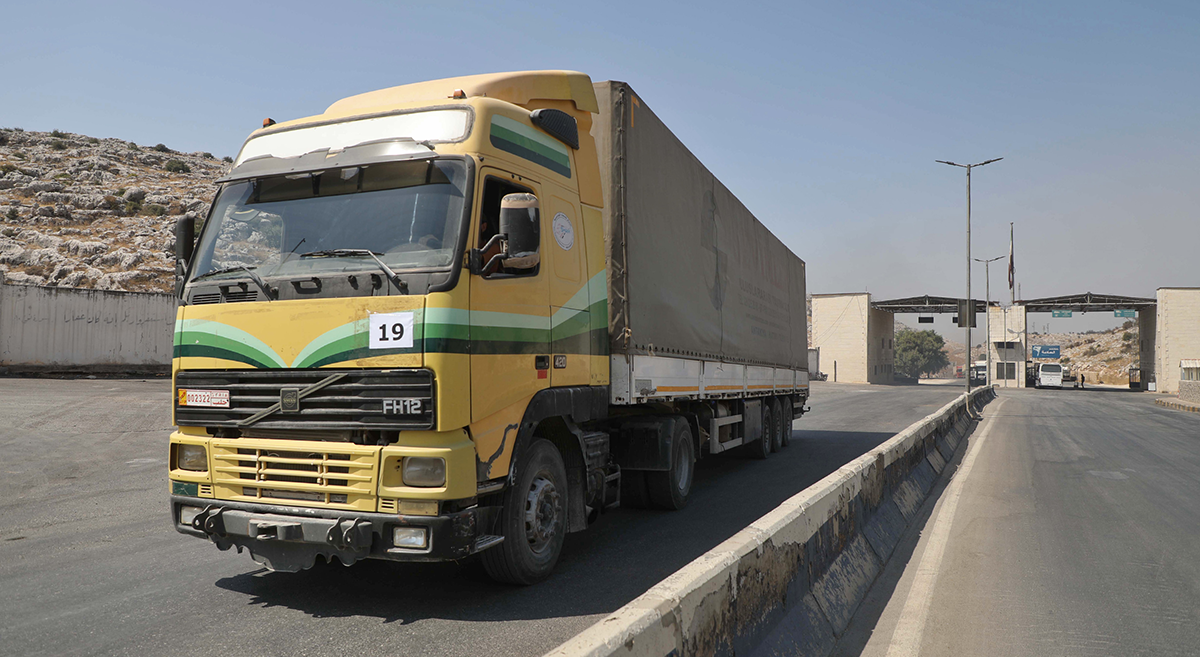
Syria faces a looming crisis over humanitarian aid access
Should nothing change, the loss of cross-border aid access and the absence of cross-line mechanisms to northern Syria could potentially leave over 4.5 million civilians without assistance — a humanitarian catastrophe of unprecedented proportions.
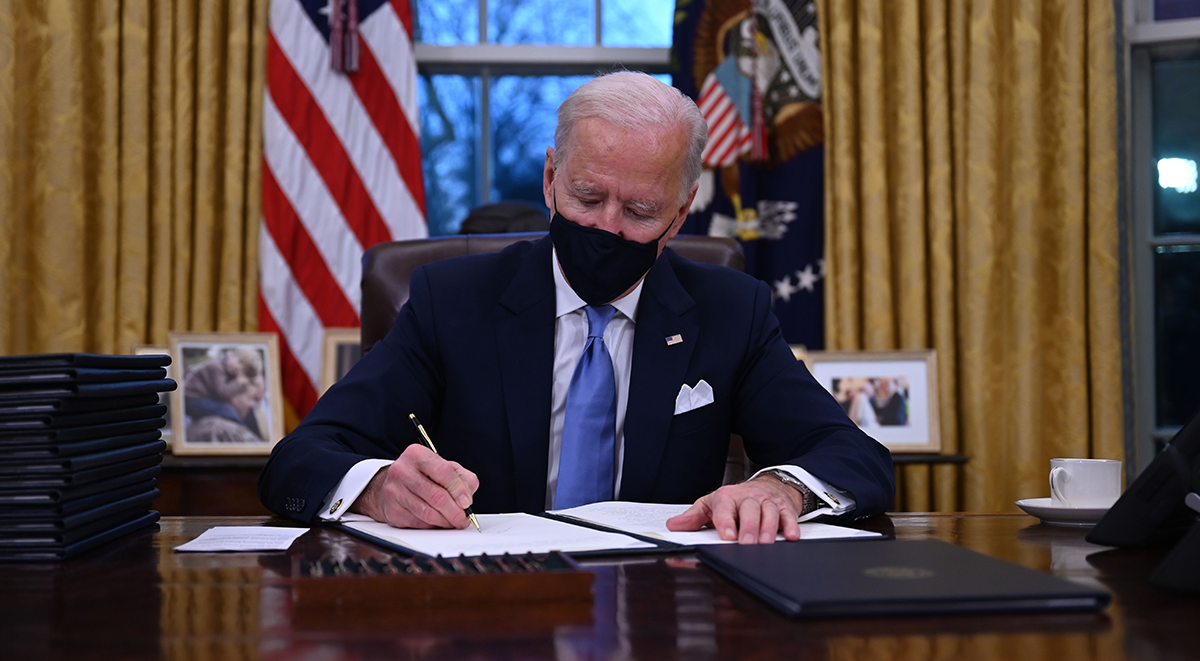
The Biden administration and the Middle East: Regional perspectives on the first 200 days
As the Biden administration takes office, it faces a host of challenges, both at home and abroad. Where does the Middle East fit into all of this and what should the new administration prioritize in its first 200 days? In the second part of a two-part series, we asked experts and scholars from across the region to weigh in with their thoughts.
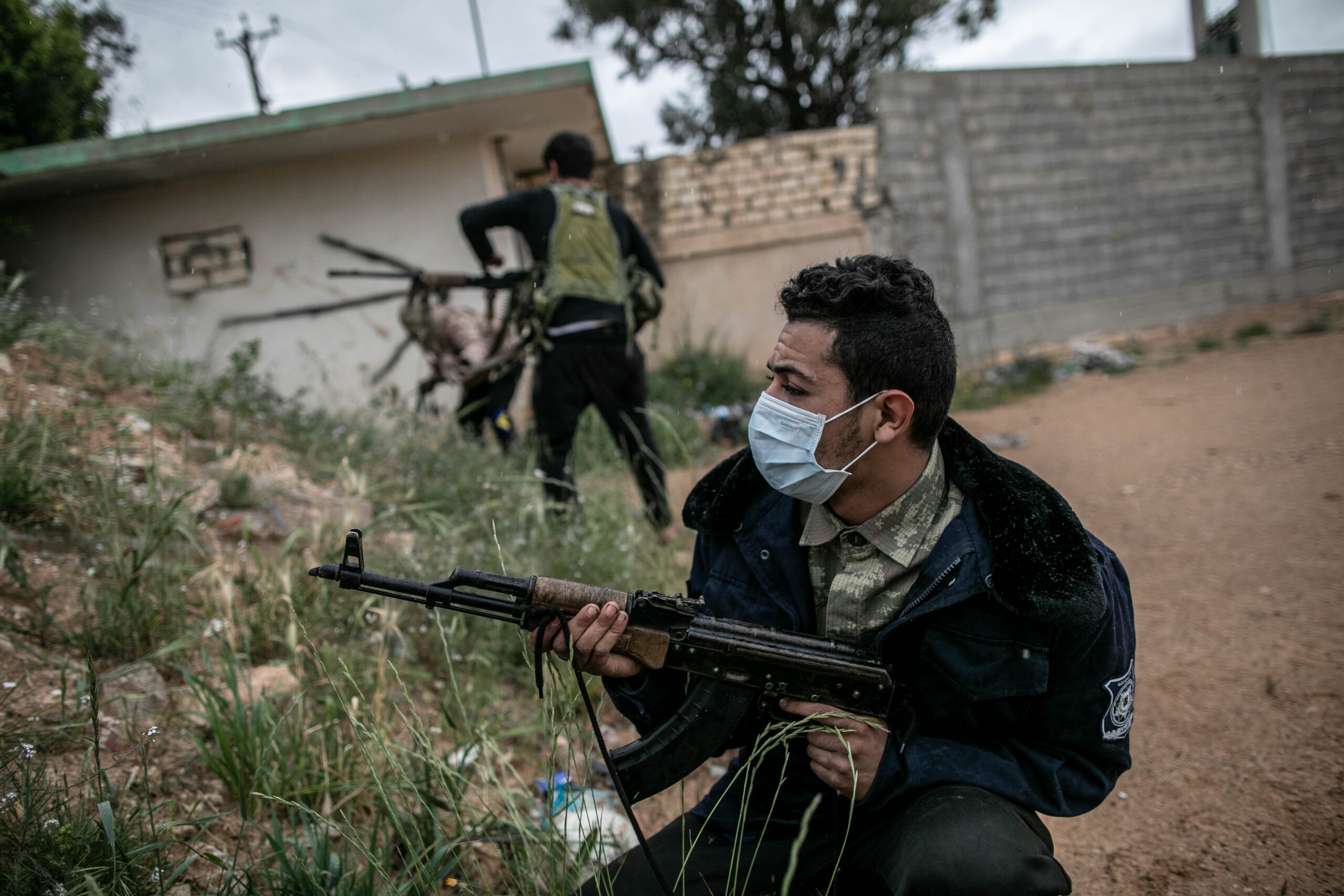
The Middle East is in turmoil, with civil wars raging in Syria, Iraq, Yemen, and Libya. COVID-19 is now an additional factor on top of the violence and monumental international support tasks, all of which require a sustained commitment. The effects of the deadly COVID-19 pandemic highlight the need for more robust international stabilization efforts to achieve long-term peace and self-sufficiency in the Middle East.