
Reflections on a Diplomatic Career in the Middle East: A Conversation With Ambassador Yael Lempert
Brian is joined by Amb. (ret.) Yael Lempert, Vice President for Outreach at MEI, to discuss her career in diplomacy and the importance of US diplomatic efforts abroad. She shares stories from postings across the Middle East in Baghdad, Cairo, Tripoli, Jerusalem, and Amman and examines how her personal and professional experiences shaped her approach to the work. Together, Brian and Yael discuss the realities of life in the Foreign Service, the core tenets of American diplomacy, and why it matters in today’s Middle East.
The New Old Middle East
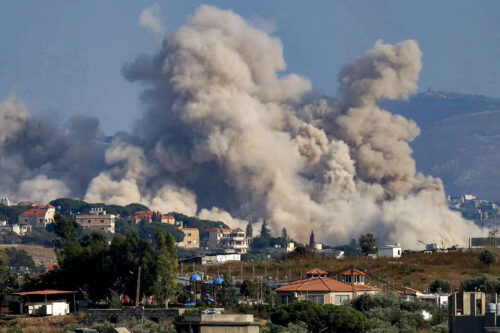
In many ways, the U.S.-Israeli war against Iran and the war in Gaza that preceded it seem transformative. After decades of shadow warfare, Iran and Israel have now attacked each other’s homelands directly. And Israel and the United States have joined forces in a genuinely novel way to wage war against Iran.
احصل على التحديثات من معهد الشرق الأوسط
الخبراء البارزون







The Arab Peace Initiative returns. Will it supplant the Abraham Accords?
Although the Abraham Accords have been the main focus of Arab-Israeli peace-making since they were signed, the Arab Peace Initiative (API), introduced by the late Saudi King Abdullah 20 years ago, remains relevant and may be the better reflection of a path forward for Middle East peace
The Negev Forum Needs a Cyber Security Test Run
A top priority of the regional order envisioned by the Abraham Accords should be building confidence by sharing cybersecurity tools through the Negev Forum.
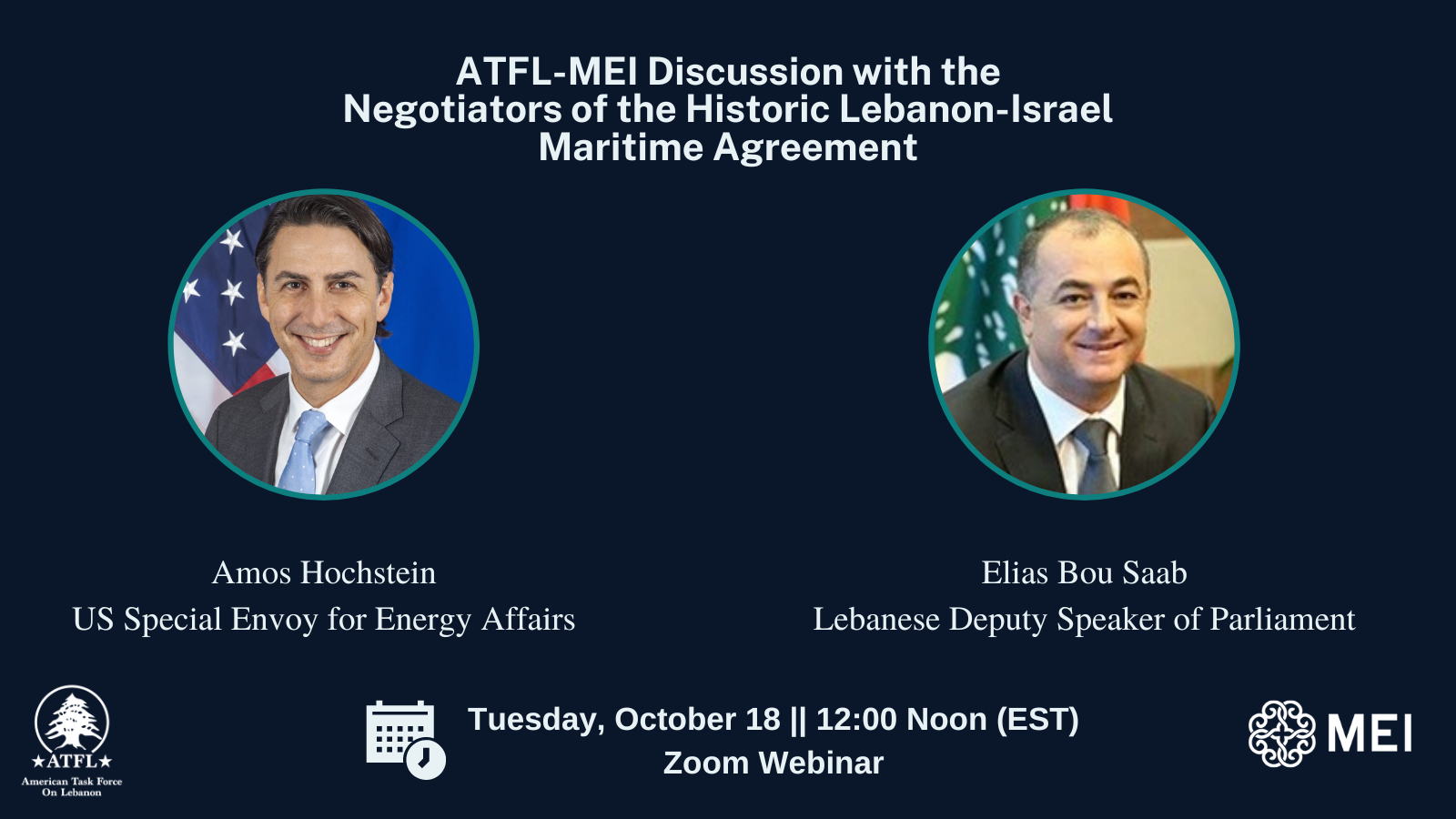
ATFL-MEI Discussion with the Negotiators of the Historic Lebanon-Israel Maritime Agreement
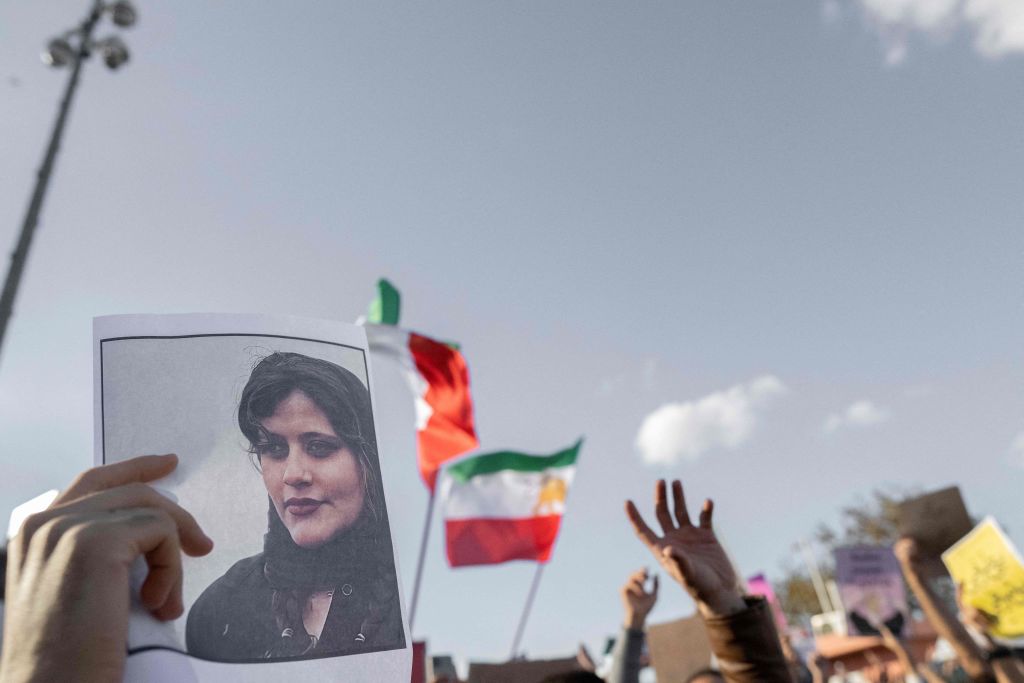
Monday Briefing: As Iran’s protests spread, the regime pursues “maximum suppression”
اقرأ تقرير MEI الأسبوعي الذي يتضمن تحليلات الخبراء للتطورات الإقليمية الرئيسية للأسبوع المقبل.
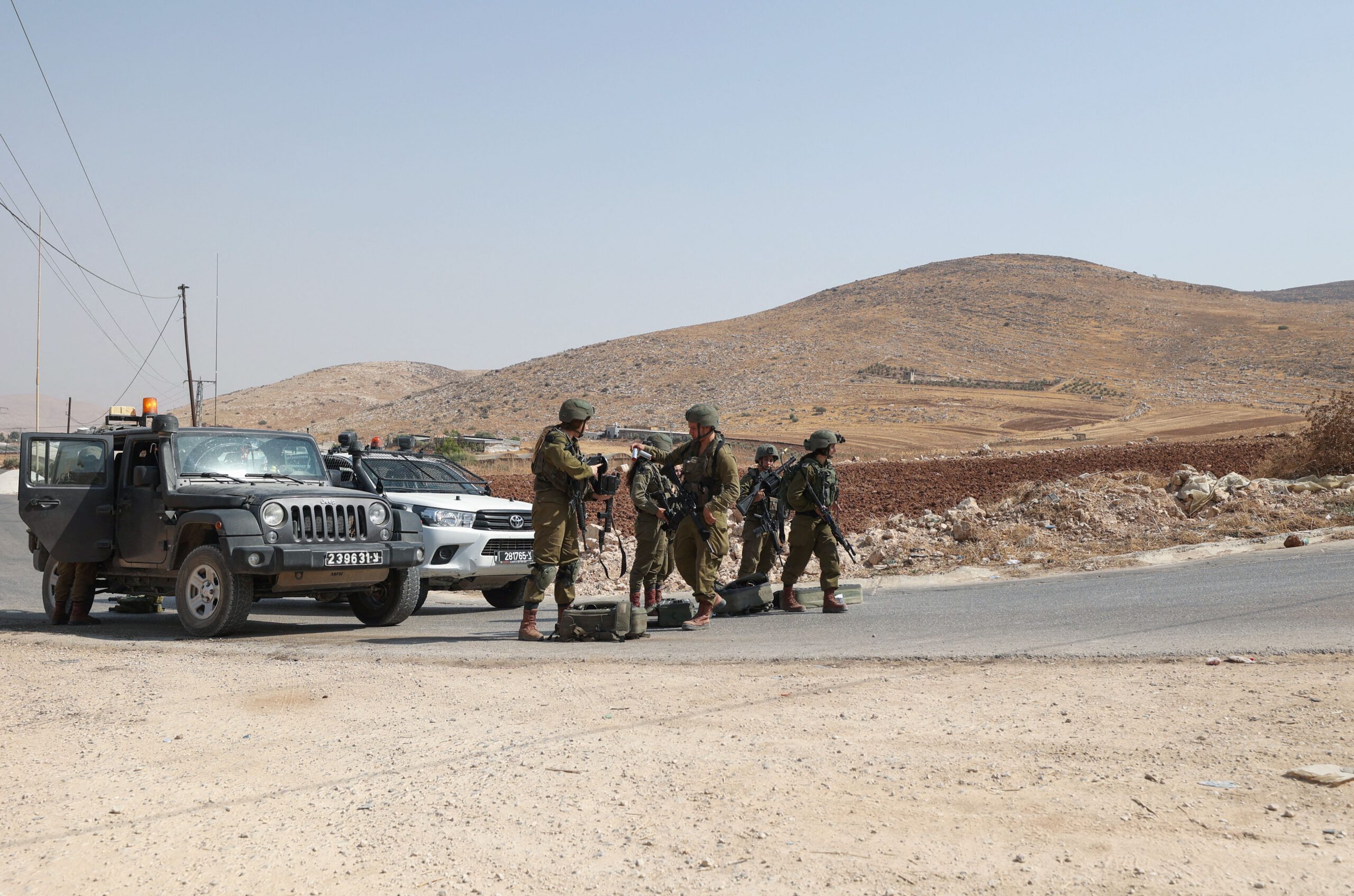
The Widening Crackdown on Palestinians in the Occupied Territories and its Humanitarian and Political Implications
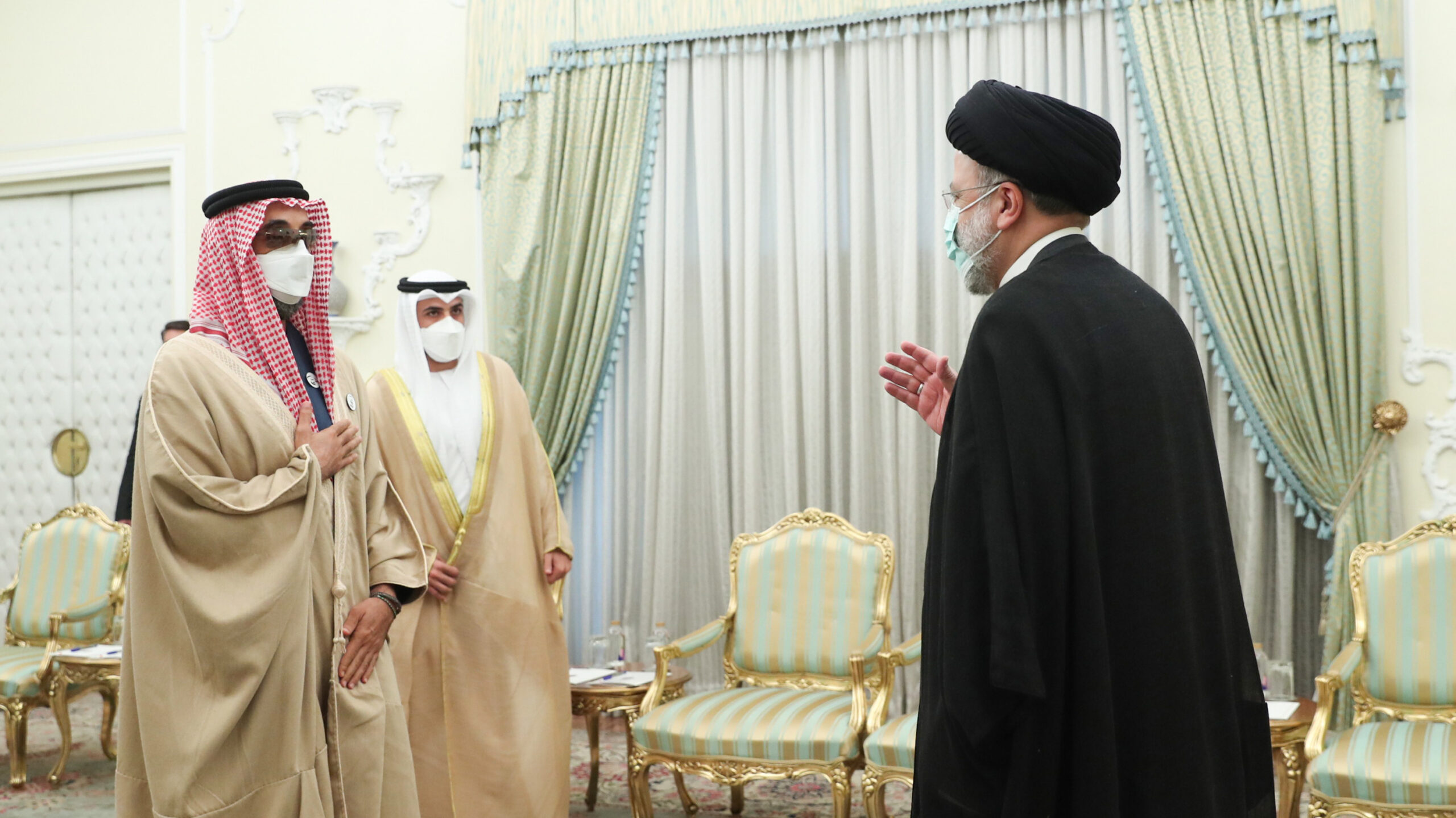
Structural impediments to Iranian-Gulf Arab reconciliation
As welcome as recent moves toward Iranian-Gulf détente have been, extensive obstacles continue to stand in the way of a real and sustained relaxation of tensions, cause by what international relations scholars call the “security dilemma.”

Monday Briefing: Iranian women’s uprising: Too personal and too political
اقرأ تقرير MEI الأسبوعي الذي يتضمن تحليلات الخبراء للتطورات الإقليمية الرئيسية للأسبوع المقبل.

Dispatches from Jerusalem: On the brink in the Middle East between escalation and de-escalation
My week of meetings with Israeli and Palestinian officials and analysts in mid-September has left me groping for a coherent through line in the story about today’s Middle East. It’s the best of times and the worst of times, depending on where one sits.

The I2U2 needs an ambitious tech agenda
Technology represents one potentially fruitful area where the I2U2 member states — Israel, India, the U.S. and the UAE — could cooperate together, expand their format to include more countries, deliver tangible results, and avoid agitating other global and regional powers.
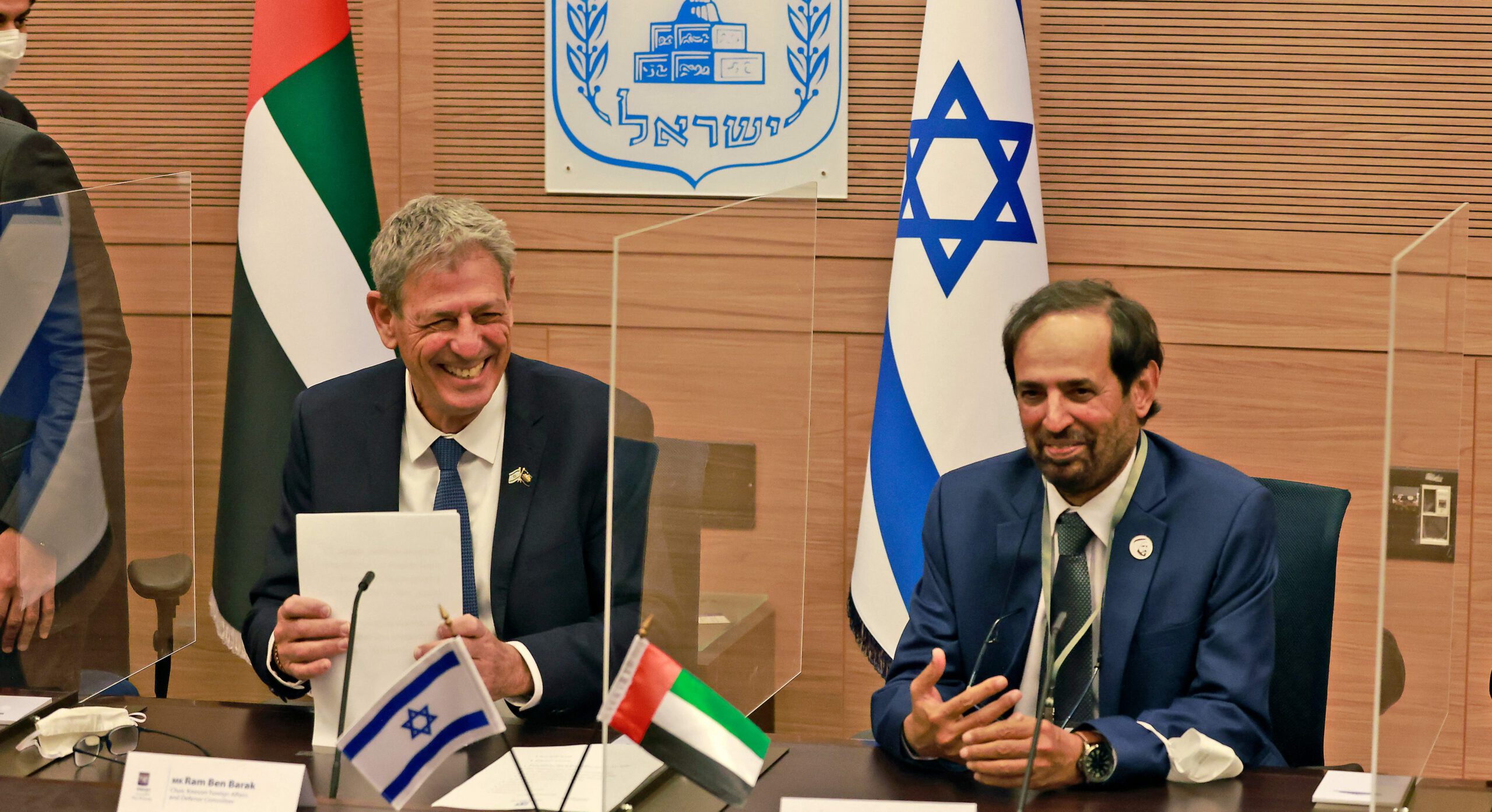
Two years on, what is the state of the Abraham Accords?
Two years after the signing of the Abraham Accords, progress in developing relations between Israel and its Arab neighbors has achieved mixed results, opening up some greater cooperation in the security sphere but failing to change Arab publics’ minds due to the lack of movement on the Israeli-Palestinian conflict.
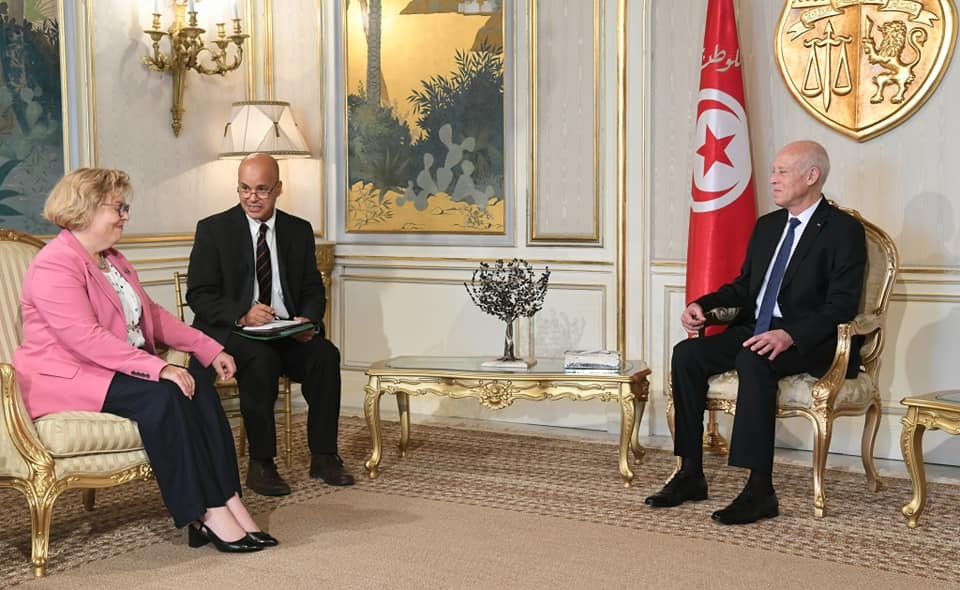
Weekly Briefing: US Assistant Secretary Leaf swings through regional hotspots
تحليل إقليمي متخصص من قبل باحثي ومساهمي معهد الشرق الأوسط.
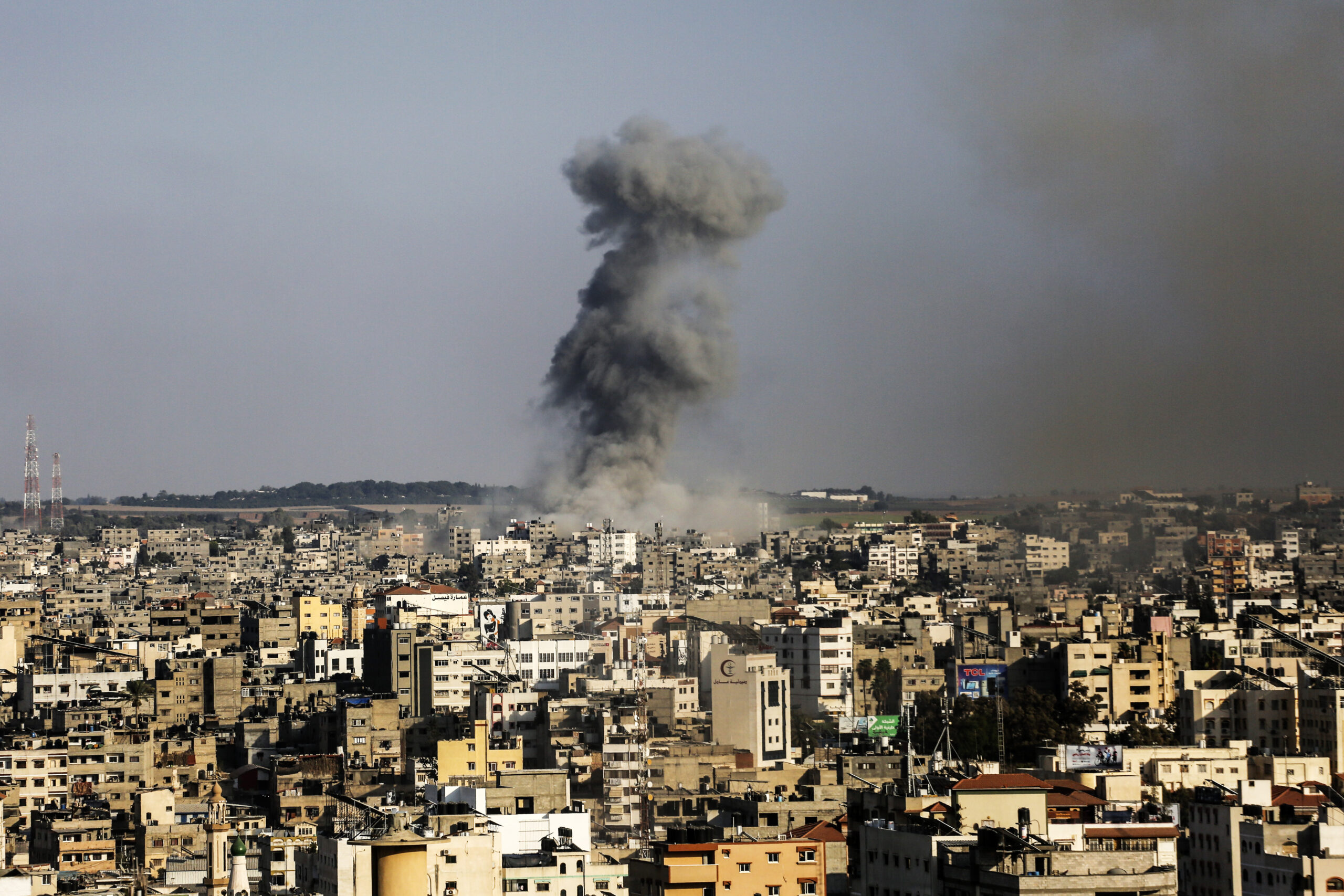
The causes and consequences of Israel’s latest attack against Islamic Jihad in Gaza
Israel’s early August offensive against Palestinian Islamic Jihad in Gaza achieved several strategic and tactical goals, but it failed to entirely sever the PIJ’s relationship with Hamas.
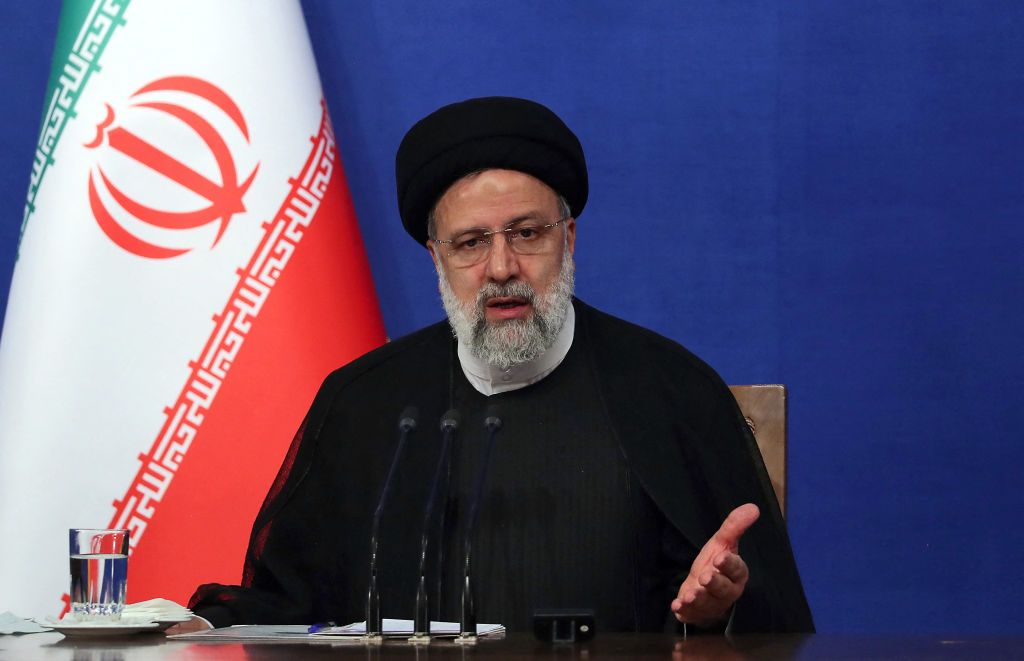
Monday Briefing: How the complex Middle East landscape affects a possible Iran deal
اقرأ تقرير MEI الأسبوعي الذي يتضمن تحليلات الخبراء للتطورات الإقليمية الرئيسية للأسبوع المقبل.
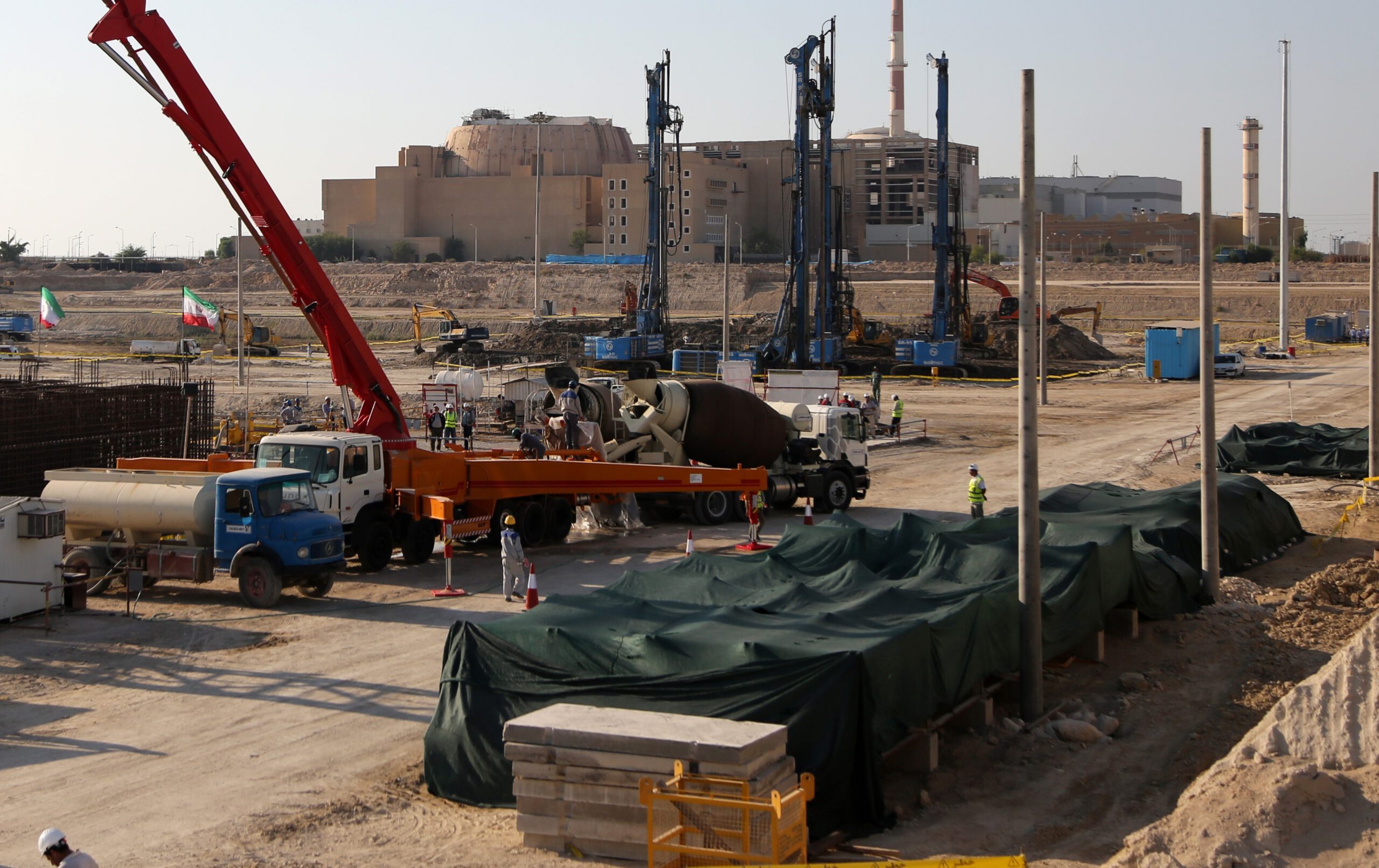
Is a renewed JCPOA a threat to Israel?
The renewal of the international agreement on Iran’s nuclear program does not undermine Israeli national security per se but rather a longstanding tenet of Israel’s strategic thinking: that it must be able to fully eradicate any challenge to its military superiority deep inside enemy territory.
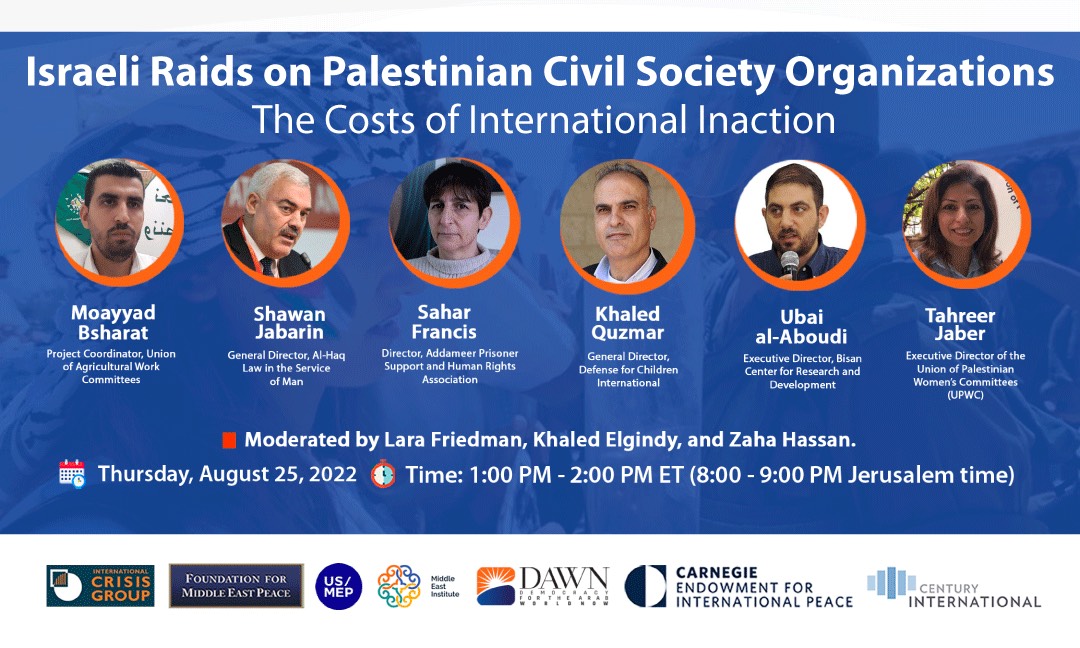
Israeli Raids on Palestinian Civil Society Organizations: The Costs of International Inaction
اقرأ مجلة الشرق الأوسط
أقدم مطبوعة محكمة مخصصة لدراسة الشرق الأوسط المعاصر، تغطي مجلة MEI الرائدة السياسة والمجتمع والثقافة في المنطقة.