Reflections on a Diplomatic Career in the Middle East: A Conversation With Ambassador Yael Lempert
Brian is joined by Amb. (ret.) Yael Lempert, Vice President for Outreach at MEI, to discuss her career in diplomacy and the importance of US diplomatic efforts abroad. She shares stories from postings across the Middle East in Baghdad, Cairo, Tripoli, Jerusalem, and Amman and examines how her personal and professional experiences shaped her approach to the work. Together, Brian and Yael discuss the realities of life in the Foreign Service, the core tenets of American diplomacy, and why it matters in today’s Middle East.
The New Old Middle East
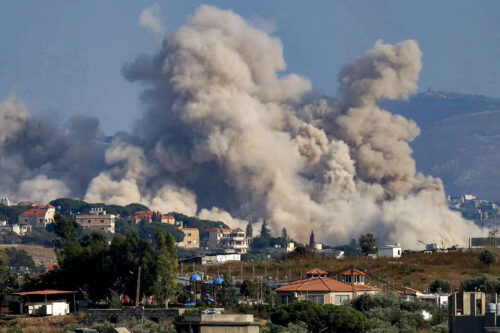
In many ways, the U.S.-Israeli war against Iran and the war in Gaza that preceded it seem transformative. After decades of shadow warfare, Iran and Israel have now attacked each other’s homelands directly. And Israel and the United States have joined forces in a genuinely novel way to wage war against Iran.
احصل على التحديثات من معهد الشرق الأوسط
الخبراء البارزون







“Half of us were left behind while one of our colleagues back home was shot dead”
There are certain events that are so impactful that you remember exactly where you were and what you were doing when you heard about them. The killing of Shireen Abu Akleh, the veteran Al Jazeera journalist, last Wednesday in the occupied West Bank was for me just such an event — both because of who she was and what I was doing at the time.

Five things the United States knew about the Nakba as it unfolded
An estimated 750,000 Palestinians were either driven from their homes or fled during the Nakba in 1948. To counter attempts at Nakba denial and “memoricide” by U.S. politicians and others, it is instructive to review the archives of U.S. diplomats stationed in Palestine and surrounding Arab countries who witnessed the Nakba unfold and reported back on the magnitude and gravity of Israel’s dispossession of Palestine’s indigenous inhabitants.
Israel’s fight to define the right matters for US security
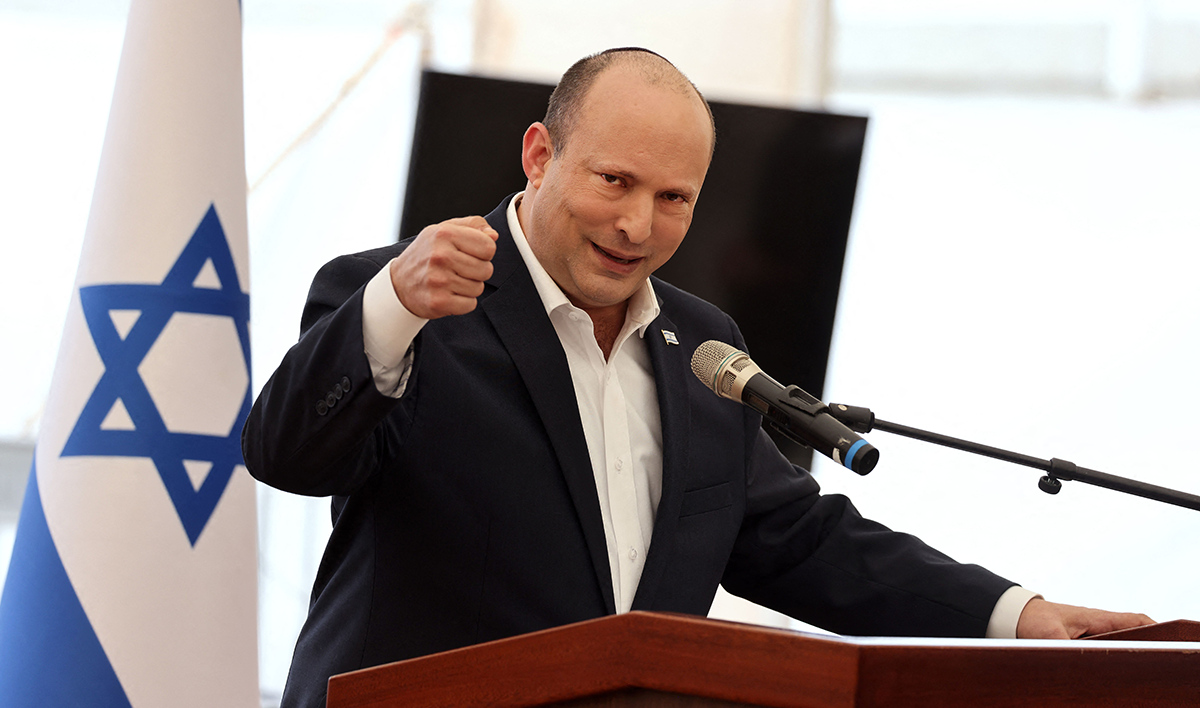
The Israeli government is in the midst of a fight to define what it means to be on the “right” politically in Israel, and this has important implications for U.S. security policy in the Middle East. The United States’ support for Israel is a defining pillar in its Middle East policy, and the decisions made by this fragile Israeli government could have ramifications that affect the security landscape of the entire region. There are small policy shifts the U.S. can make now to lessen the security impacts of those changes.

The CMF-153: Rebuilding US-GCC confidence through maritime security
Efforts to restore confidence between the U.S. and the Arab Gulf states took a first step with the recent formation of a new naval task force, known as the Combined Maritime Forces-153 (CMF-153), to improve maritime security in the Red Sea, Bab el-Mandeb, and the Gulf of Aden, including the hotspot of Yemen. Established in mid-April, the new task force intends to target weapons smuggling for Ansar Allah, as the Houthi militias are officially known, as well as human trafficking and the drug trade.
What’s driving Mansour Abbas and Ra’am’s strategy?
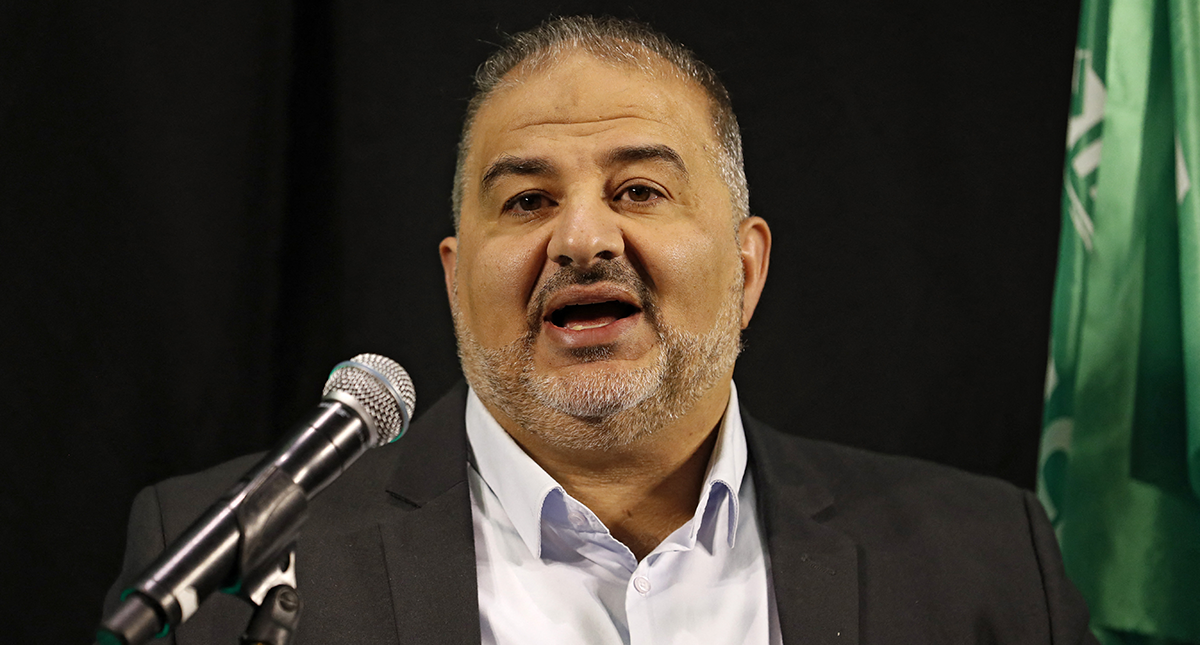
The United Arab List (Ra’am) political party and its chairperson, Knesset Member Mansour Abbas, have come under fire recently from Hamas Gaza head Yahya Sinwar and other Palestinian leaders for supporting Israel’s governing coalition, particularly in light of the violence at al-Aqsa Mosque over the past month. What accounts for the party’s position and what is it hoping to achieve?
Nowhere to hide: The impact of Israel's digital surveillance regime on the Palestinians
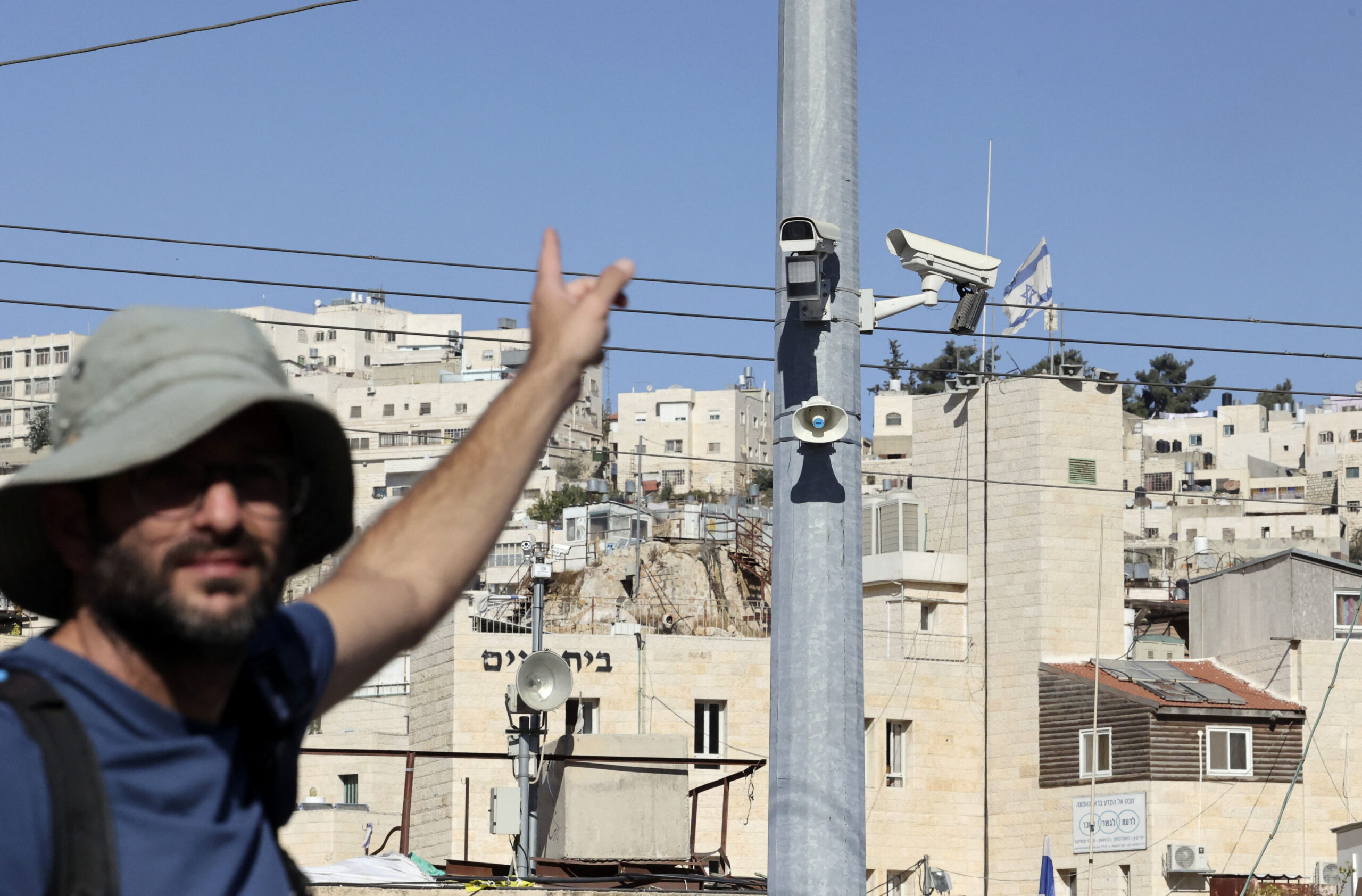
Over the course of 2020 and 2021, groundbreaking investigations revealed in stark detail Israeli authorities’ intensifying use of surveillance and predictive technologies to police and control Palestinians. Subjecting Palestinians to such scrutiny from security and military apparatuses narrows their expressive spaces and plunges them into a state of constant anxiety. This practice also carries out a commercial purpose: Occupied Palestine effectively functions as an open-air laboratory for Israel to test techniques of espionage and surveillance before selling them to repressive regimes around the world.
Monday Briefing: Amid repression and a lack of political alternatives, renewed Palestinian anger and resistance
اقرأ تقرير MEI الأسبوعي الذي يتضمن تحليلات الخبراء للتطورات الإقليمية الرئيسية للأسبوع المقبل.
Why the latest escalation in the West Bank and East Jerusalem is unlikely to lead to a repeat of last year’s Gaza war
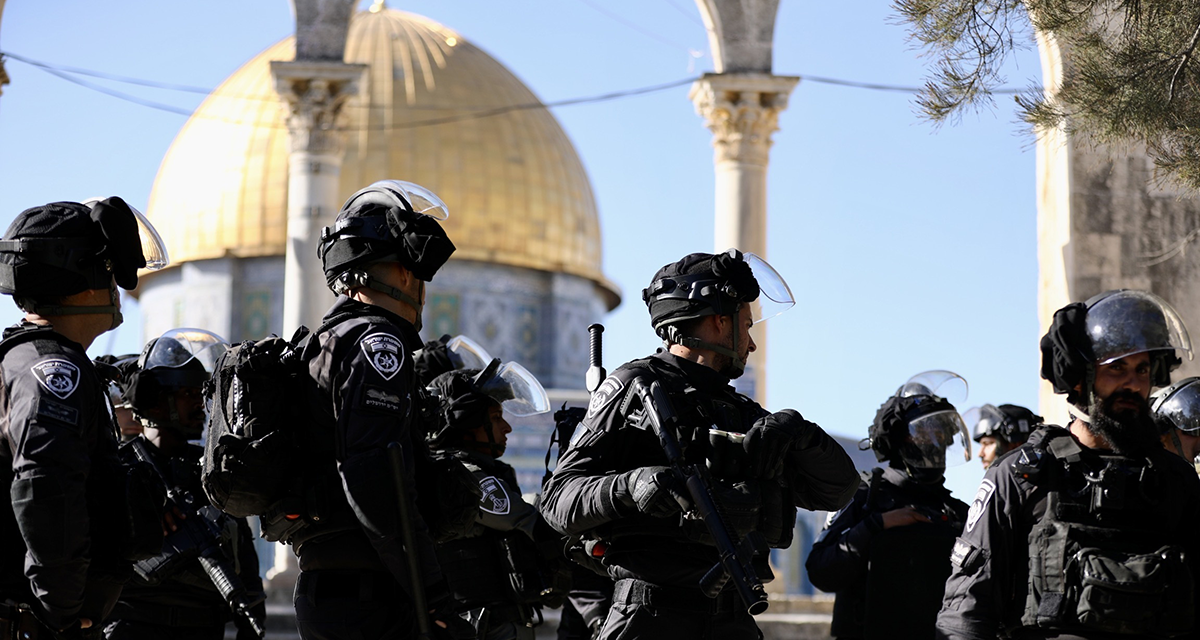
While the events now taking place in Jerusalem and the West Bank are very similar to those of May 2021, the political contexts are different on all sides. Although Israel carried out an airstrike on April 18 following rocket fire from the Gaza Strip, the situation is unlikely to lead to a repeat of last year’s Gaza war.
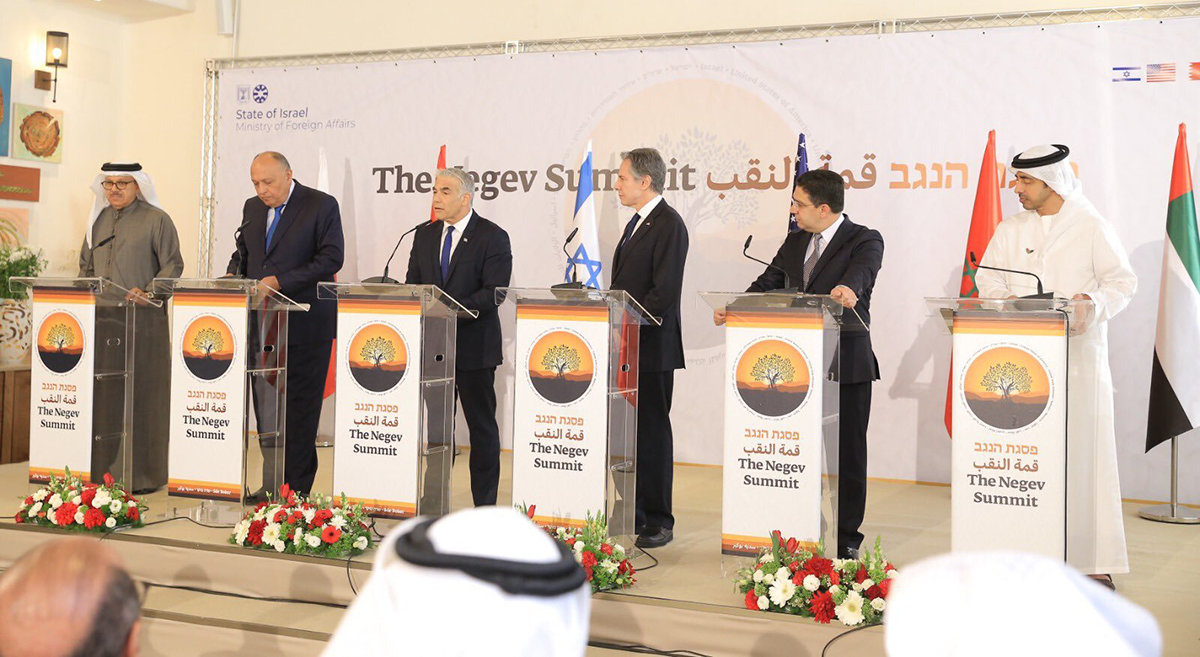
What would an Arab-Israeli military alliance mean for Iran?
In recent remarks, the Israel Defense Forces’ (IDF) Chief of Staff Aviv Kochavi announced preparations for a potential upcoming military operation, foreshadowing a possible move against Iran. Kochavi’s announcement came shortly after Israel and the foreign ministers of four Arab nations — Morocco, Egypt, the UAE, and Bahrain — along with U.S. Secretary of State Antony Blinken, met at the Negev Summit in the Israeli desert to lay the foundation for a strategic military alliance to deter “Iran and its associated militias,” as Israeli Foreign Minister Yair Lapid put it.
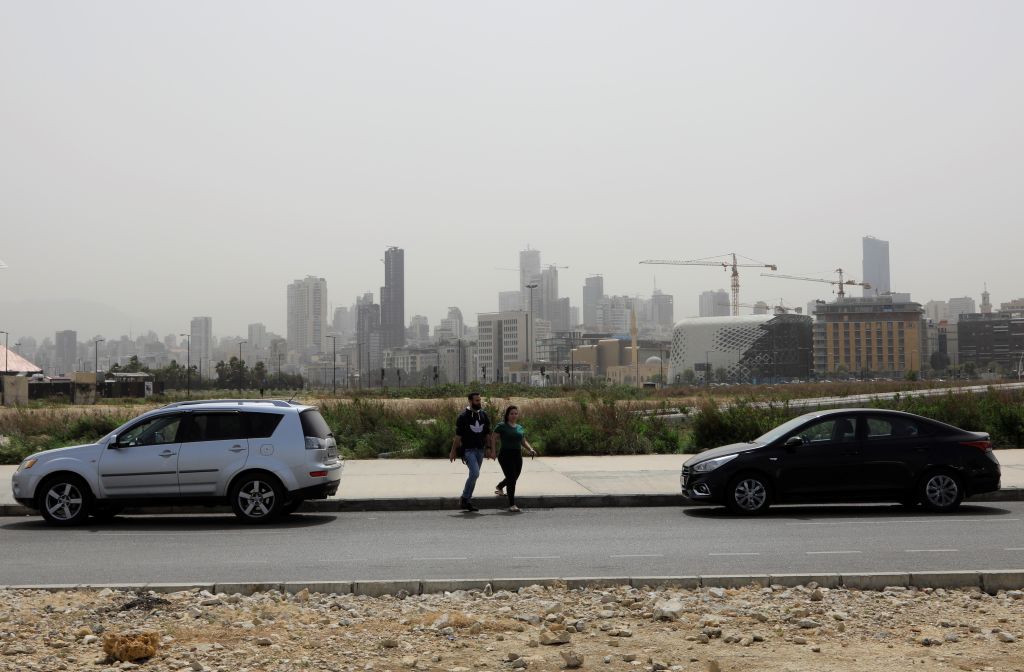
Monday Briefing: A new IMF deal with Lebanon could bring some much-needed relief
اقرأ تقرير MEI الأسبوعي الذي يتضمن تحليلات الخبراء للتطورات الإقليمية الرئيسية للأسبوع المقبل.

Israel & Palestine: Hot topics in Congress
Host Alistair Taylor speaks with Khaled Elgindy and Lara Friedman about the release of their recently completed 2022 congressional briefing series on Israel and Palestine: Hot topics in Congress. The eight-part webinar series features an array of Palestinian and Israeli voices, weighing in on some of the most pressing and timely Israel/Palestine-related topics in Congress.

Monday Briefing: Pakistan seems headed toward a deepening political crisis
اقرأ تقرير MEI الأسبوعي الذي يتضمن تحليلات الخبراء للتطورات الإقليمية الرئيسية للأسبوع المقبل.
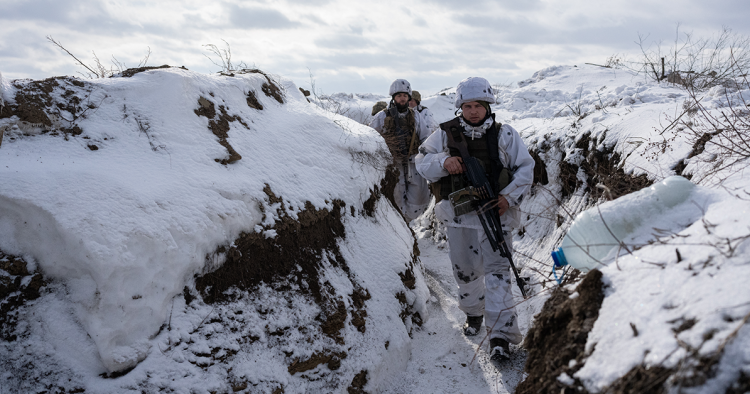
How will the war in Ukraine affect EU-MENA relations?
While most analyses of the war in Ukraine have tended to focus on the intra-European dimension, it is worth exploring the potential consequences of this conflict for the EU’s relations with countries further afield, especially those in the Middle East and North Africa.
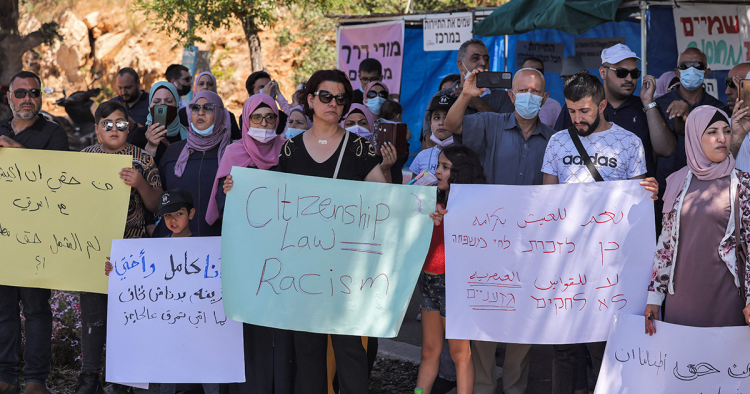
مرة أخرى، عرقلة إسرائيلية غير قانونية للم شمل العائلات الفلسطينية
أقر البرلمان الإسرائيلي، في العاشر من آذار مارس الجاري ، مشروع قانون يمنع منح الجنسية للفلسطينيين من الضفة الغربية المحتلة وقطاع غزة المتزوجين من مواطنين إسرائيليين.
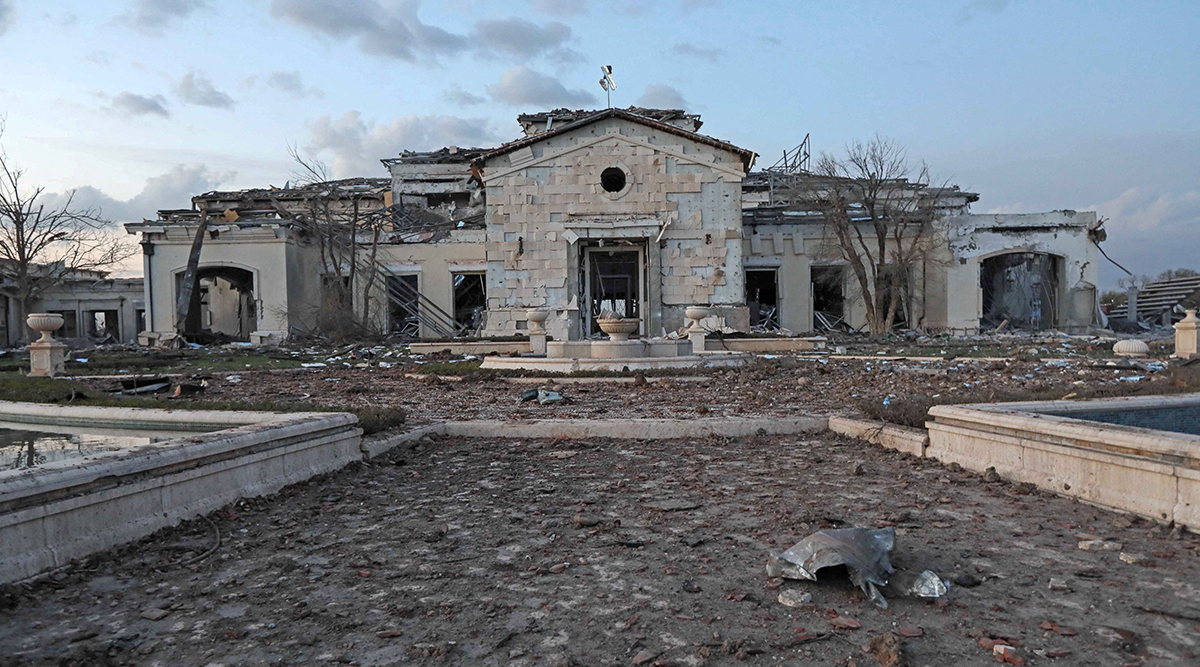
Will Iran’s heavy-handed approach to deterring Israel backfire?
On March 13, Iran’s IRGC fired missiles at targets in the Iraqi Kurdish city of Erbil. While Tehran’s threat of force might shape the calculations of regional states that are weighing the pros and cons of establishing closer ties with Israel, the Iranians will inevitably have to reckon with the possibility that this heavy-handed approach may backfire.
اقرأ مجلة الشرق الأوسط
أقدم مطبوعة محكمة مخصصة لدراسة الشرق الأوسط المعاصر، تغطي مجلة MEI الرائدة السياسة والمجتمع والثقافة في المنطقة.