Lebanon is America’s next foreign policy win — if Washington acts now. The US has committed blood and treasure to neutralize Iran’s ability to project power and destabilize the Middle East. Lebanon is now the clearest opening to convert those investments into strategic gains and permanently dislodge the Islamic Republic from its most important regional foothold. Securing a sovereign Lebanon, achieving a lasting Israel-Lebanon peace, and dismantling Hizballah — the blueprint of Iran’s proxy model — would irreversibly weaken Tehran’s threat and consolidate a new regional order led by America’s partners before Iran has a chance to reverse its losses.
Leading a Resilient Lebanese Armed Forces Through Crises and for the Long Run
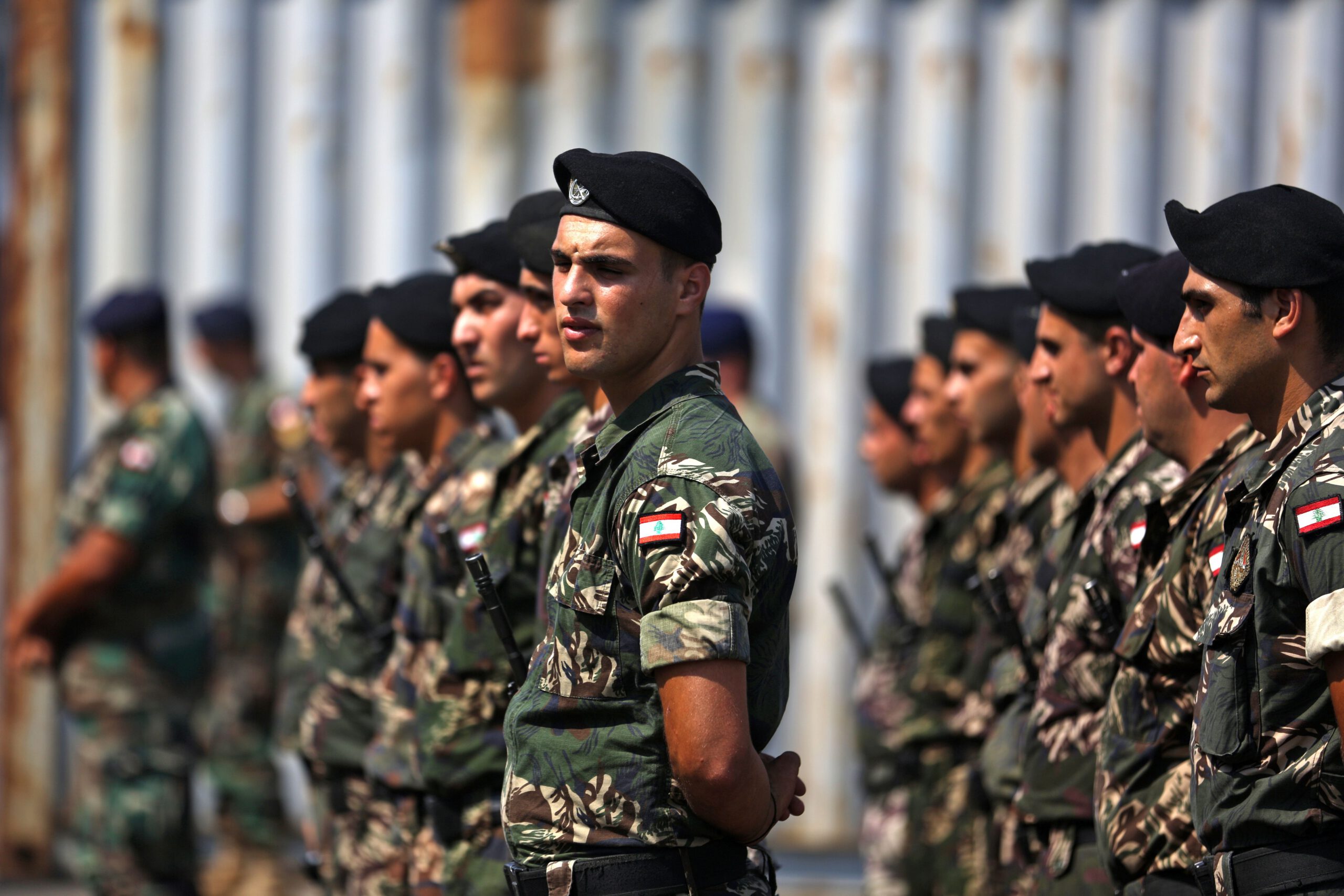
Repeated crises in Lebanon, including the COVID-19 pandemic, have highlighted the need for resilience in the Lebanese Armed Forces (LAF). Amid the current acute economic and financial crisis facing the country, there are warning signs about the LAF’s incapacity to continue, as the resources at its disposal and popular confidence in its effectiveness have both been degraded. In light of the current challenges and those that may lie ahead, the LAF needs to become more resilient, able to both adapt and strengthen as an organization, while also ensuring public security, the conditions of its personnel, and its own long-term status.
Why Hezbollah wanted the Ministries of Finance and Public Works
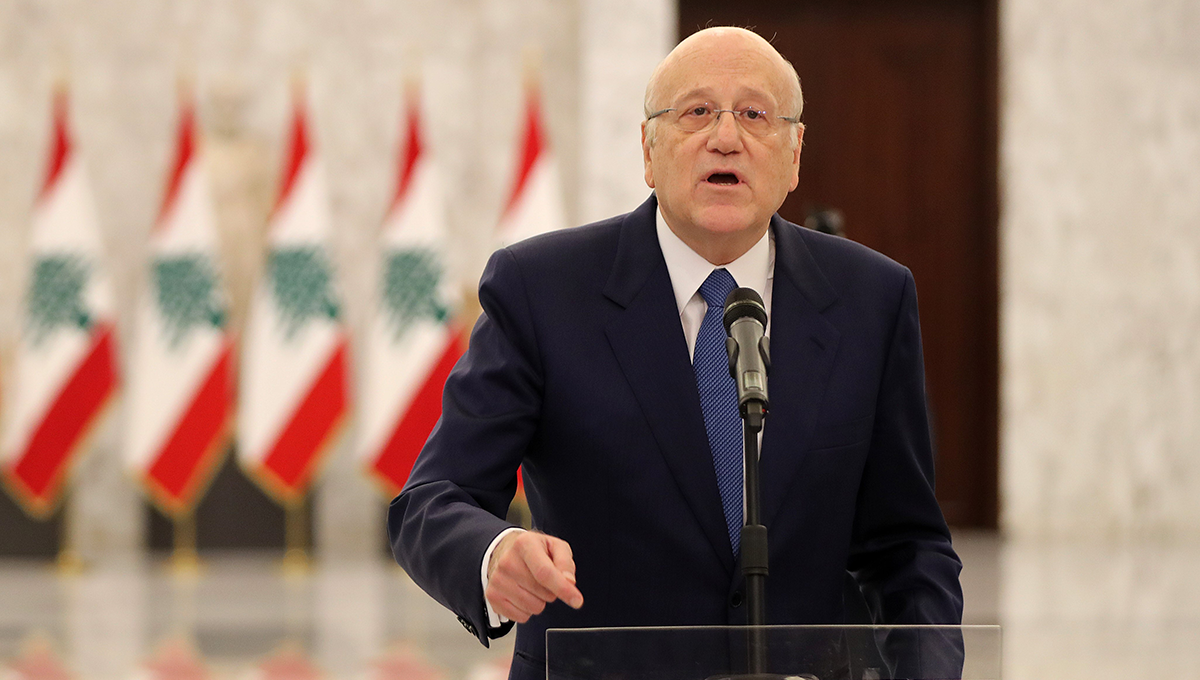
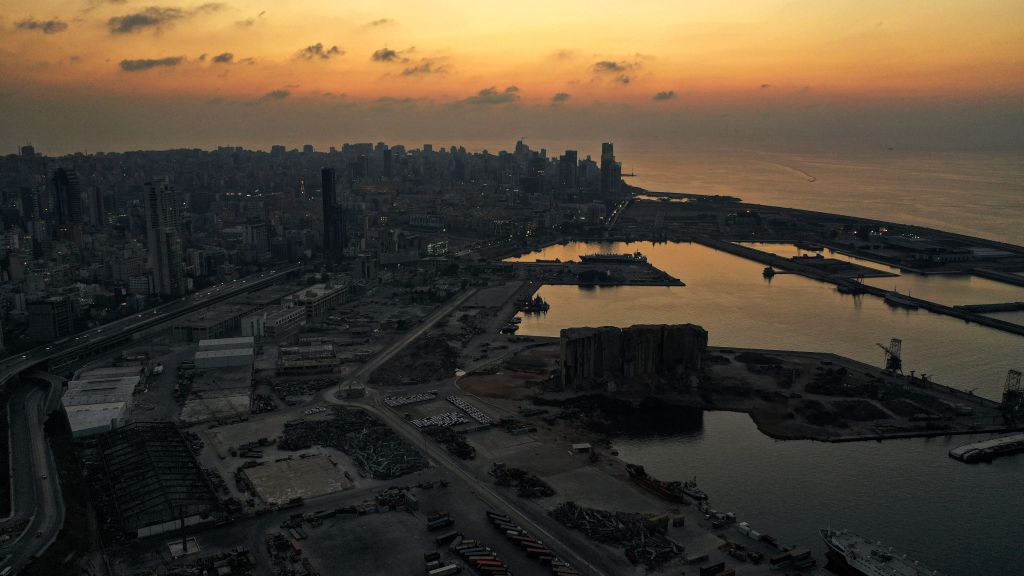
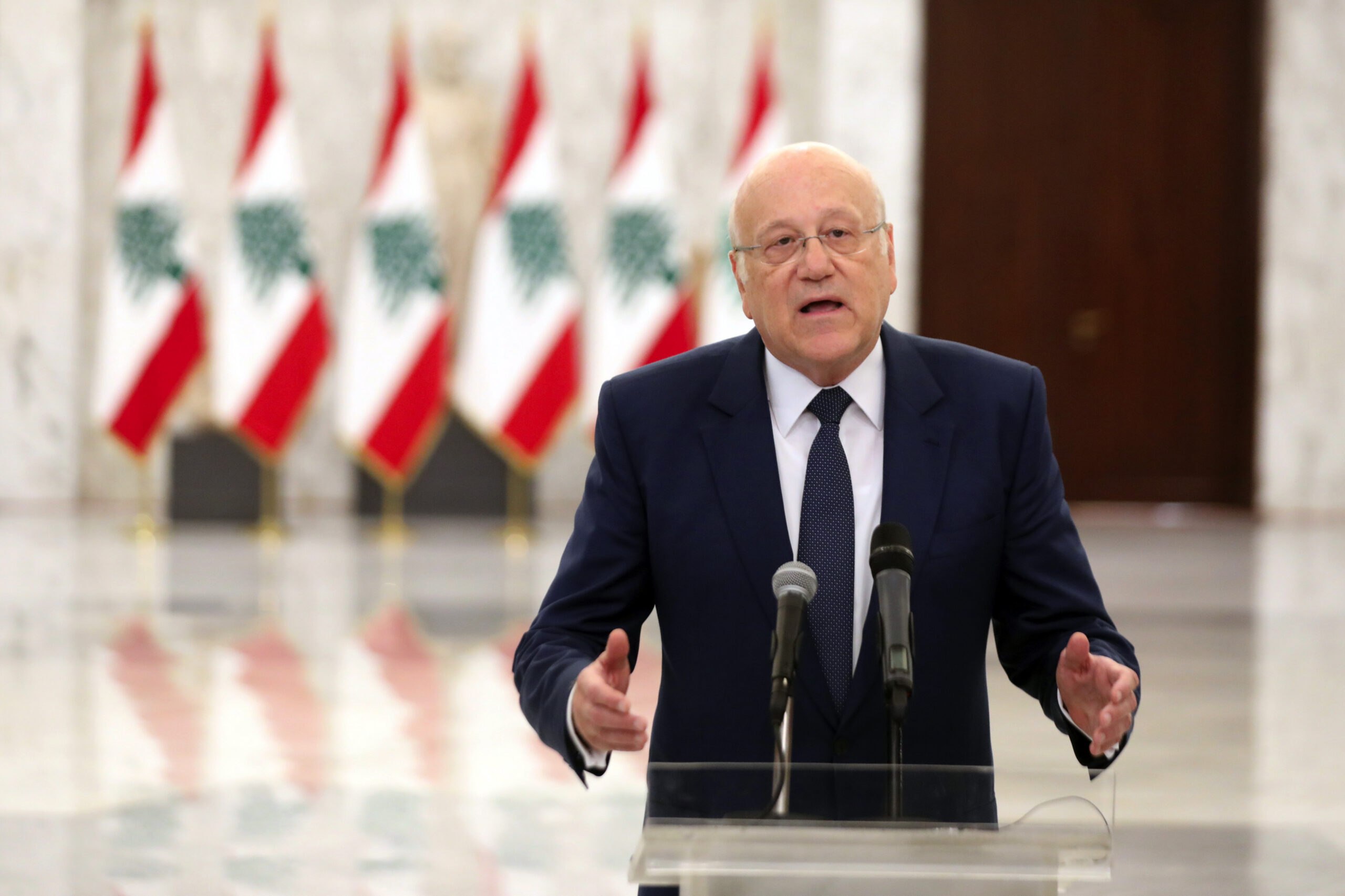
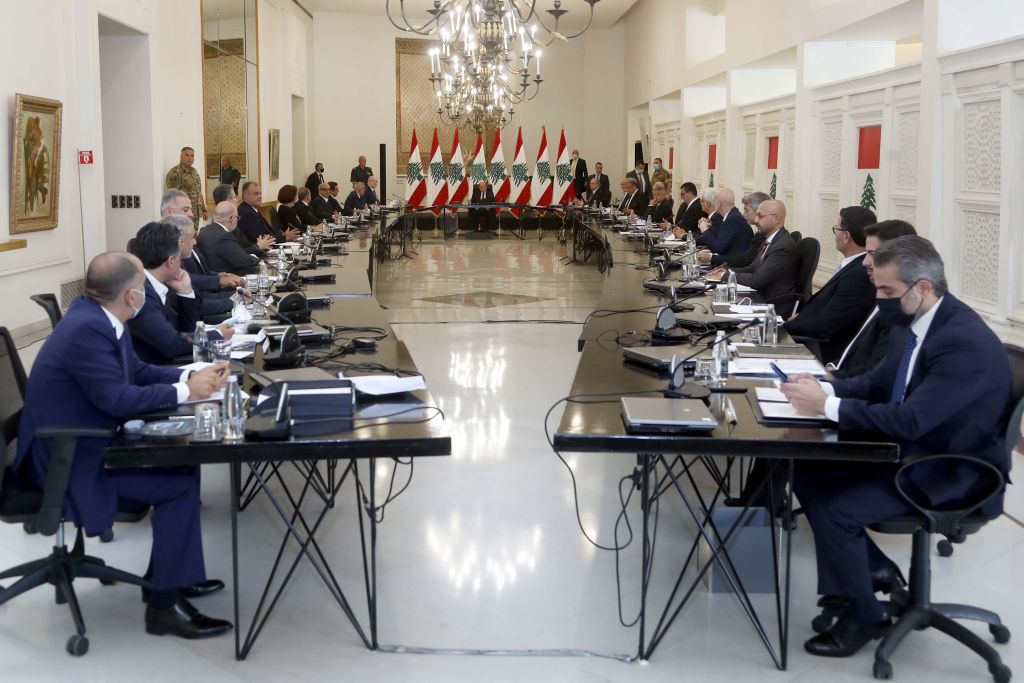
After 13 months of political gridlock, economic collapse, and civil unrest, Lebanese politicians formed a new government on Sept. 10. Three-time Prime Minister Najib Mikati heads a new cabinet, the first since the previous one resigned in the wake of Beirut’s devastating port blast in August 2020. Though the formation of a new government provides a way forward to address the myriad crises facing the country, it falls far short of the near-revolutionary changes demanded by Lebanese citizens protesting in the streets. Instead of non-partisan specialists forming a new unity government, Lebanon’s notorious sectarian elites have handpicked a government of technocrats close to them to handle the current situation, the most brazen of which are the new ministers of finance and public works.
Has Israel’s campaign between the wars reached an impasse?
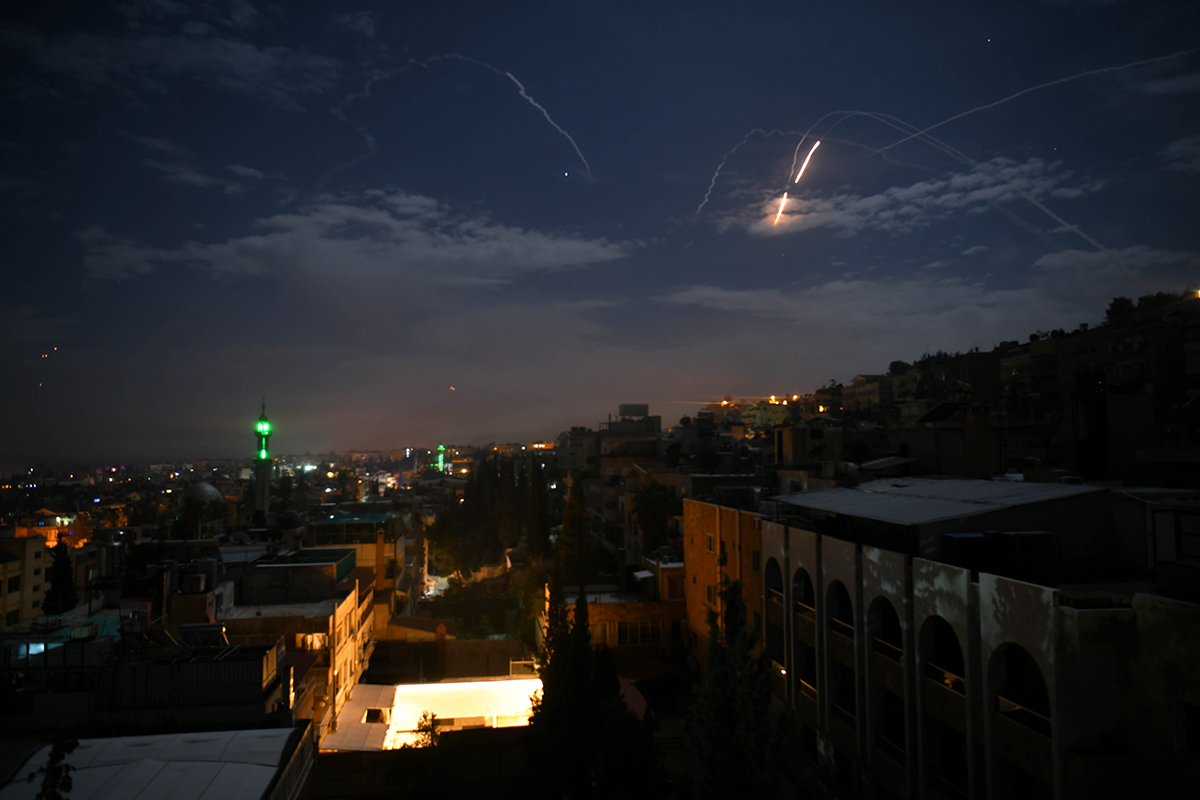
In recent years, Israel has waged a campaign against the military buildup of its enemies, mainly Iran, Syria, and Hezbollah. This ongoing effort is called “the campaign between the wars,” or the Mabam Campaign. Several events in recent weeks have given rise to questions about the effectiveness of this campaign, however, and have underscored the need to rethink its future.
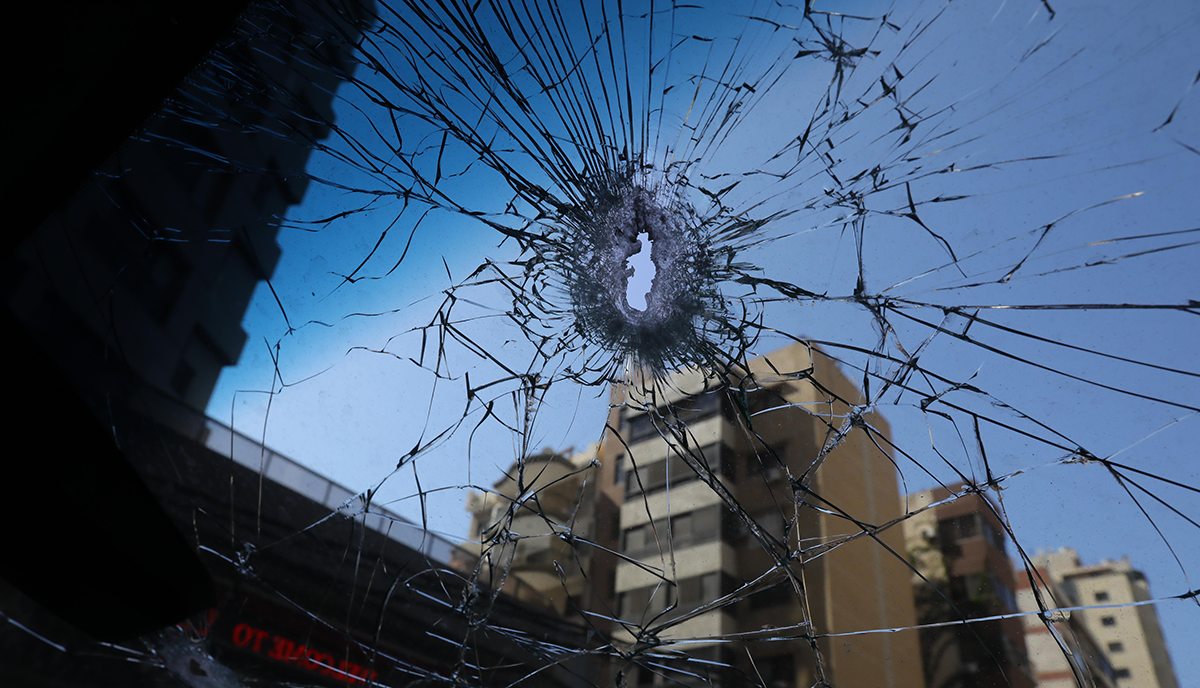
Memories of the Lebanese civil war resurfaced this week as images appeared of children hiding in hallways and behind cars while deadly sectarian clashes unfolded outside their schools in Beirut’s Tayouneh neighborhood. Protests organized by Hezbollah and the Amal Movement to demand the removal of the judge investigating the August 2020 Beirut port blast quickly went south when as yet unidentified snipers opened fire on the crowds, eventually killing seven and wounding dozens. The “peaceful” protesters seemingly retaliated with gunfire and rocket-propelled grenades. The two sides turned Tayouneh and its surrounding areas into a war zone, terrorizing citizens and destroying property at a time of unprecedented socio-economic hardship.
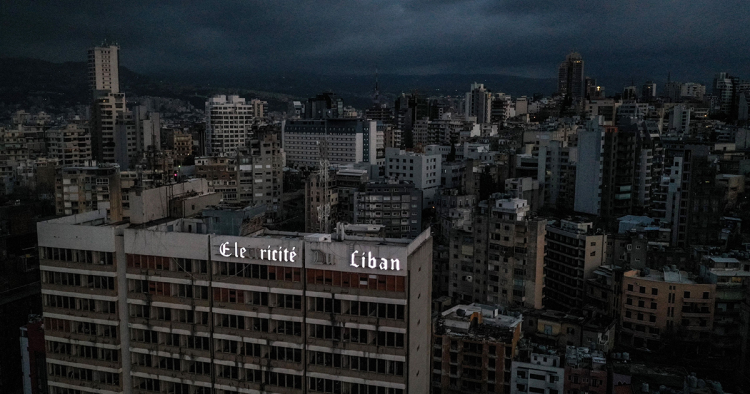
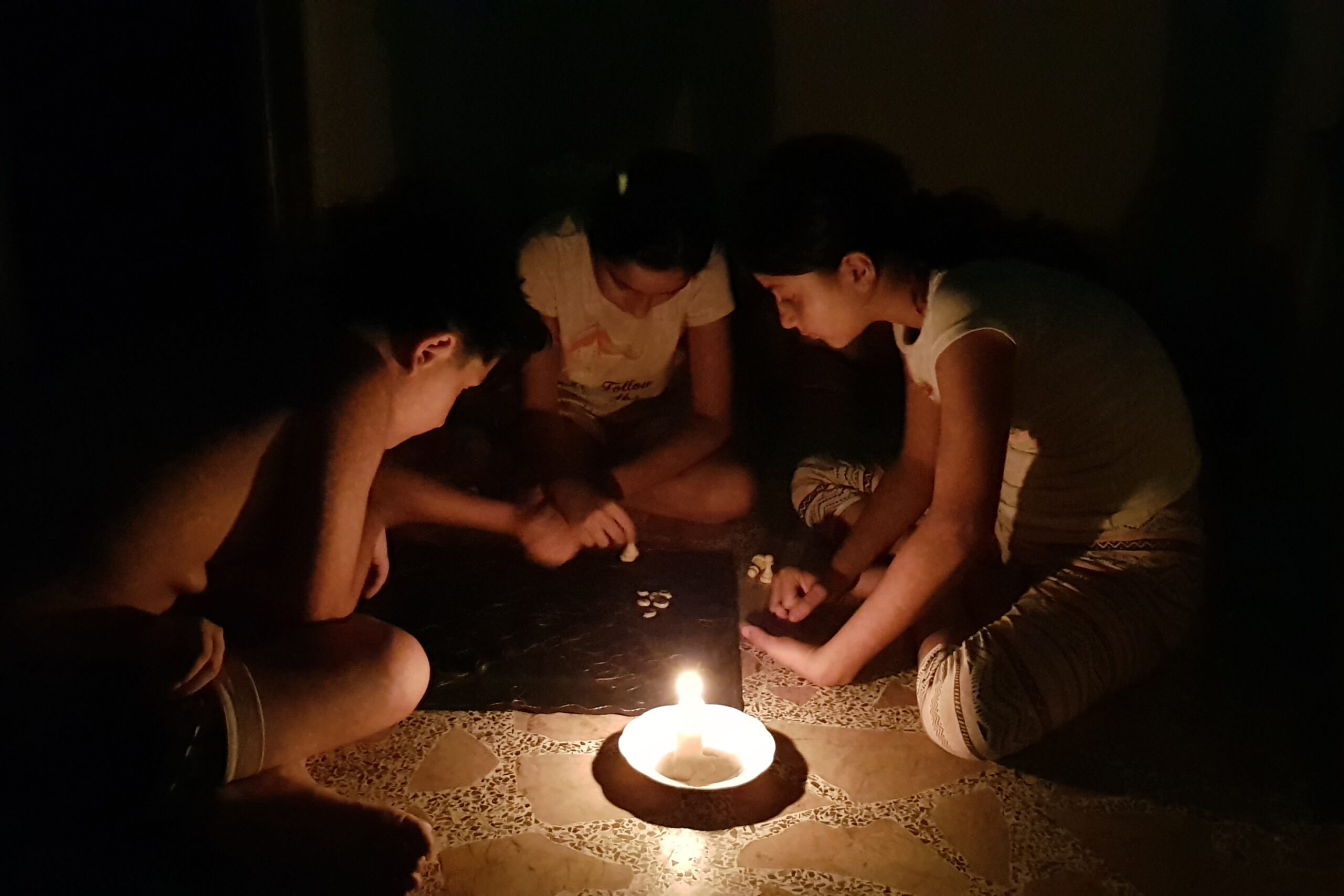
توقّفت شبكة الكهرباء اللبنانية عن العمل نهاية الأسبوع الماضي مع نفاذ الوقود في محطتي الطاقة الرئيسيتين في البلاد. توفر هاتان المحطتان، الزهراني ودير عمار، 45٪ من كهرباء لبنان من مؤسسة كهرباء لبنان المملوكة للدولة. التوقُّف هو الأحدث في سلسلة من الانقطاعات المتزايدة للشبكة واستخدام الحكومة للضغط العام لتقديم مزيد من المدفوعات المُسبَقة أو السُلف للمرفق المفلس ليتمكن من دفع ثمن واردات الوقود، وبالتالي الإبقاء على الوضع الراهن المستمر منذ 30 عامًا.
Power sector reforms are new Lebanese governments’ ultimate test
The formation of a new government in Lebanon — after more than a year of political deadlock and amid an economic crisis of dizzying severity — is a positive development. The scale of Lebanon’s economic challenges, however, requires a new government capable of breaking with its predecessors’ deliberate inaction. It necessitates strong and genuine political leadership, will, and action to tackle the country’s many pressing challenges, especially in its dysfunctional energy sector.
The consequences of Lebanon’s constitutional crisis
Lebanon is currently facing an unprecedented constitutional crisis that, if left to simmer, will further worsen the country’s numerous predicaments. Three decades after the Ta’if Agreement that ended the 1975-90 war, officials and warlords failed to implement a real reconciliation that could usher in civil order in a country known for its intrinsic vulnerabilities. Although a diverse society, Lebanon has always suffered from inherent political contradictions and currently agonizes over — among other calamities — major constitutional and political crises that, even though they are engulfed by crumbling socio-economic conditions, remain far more threatening than most imagine. How can the Lebanese put an end to such ongoing deterioration? And can Lebanon’s “business-political” class resolve some of the many crises confronting the country?
East Med gas needs clean tech and regional integration to support investment case
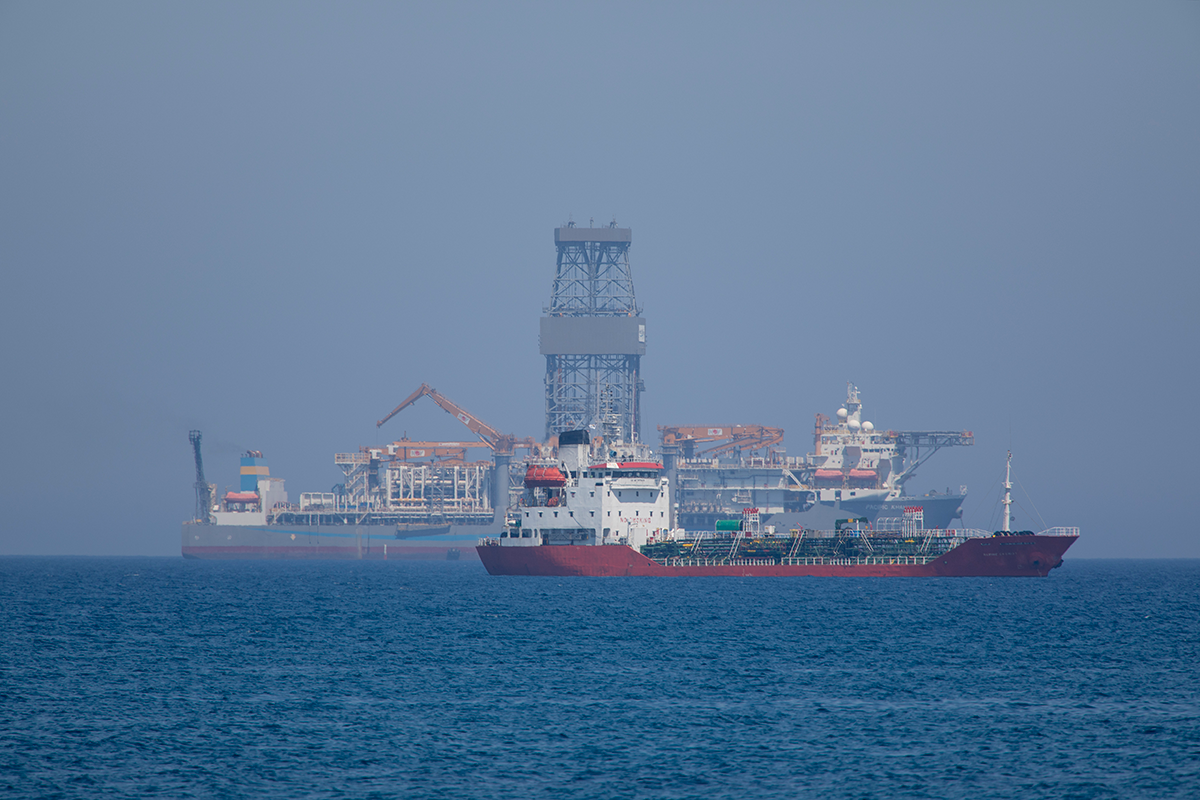
The viability of Eastern Mediterranean natural gas resources has long been a source of debate for reasons including cost considerations, market demand, and regional geopolitical tensions. The past couple of years have further complicated the debate, introducing new questions about the role of these resources in supporting post-pandemic economic recovery or helping more advanced markets achieve net-zero policies by replacing coal and other fuel sources (a particularly relevant topic of debate given Europe and Asia are key export targets for East Med gas).