Reflections on a Diplomatic Career in the Middle East: A Conversation With Ambassador Yael Lempert
Brian is joined by Amb. (ret.) Yael Lempert, Vice President for Outreach at MEI, to discuss her career in diplomacy and the importance of US diplomatic efforts abroad. She shares stories from postings across the Middle East in Baghdad, Cairo, Tripoli, Jerusalem, and Amman and examines how her personal and professional experiences shaped her approach to the work. Together, Brian and Yael discuss the realities of life in the Foreign Service, the core tenets of American diplomacy, and why it matters in today’s Middle East.
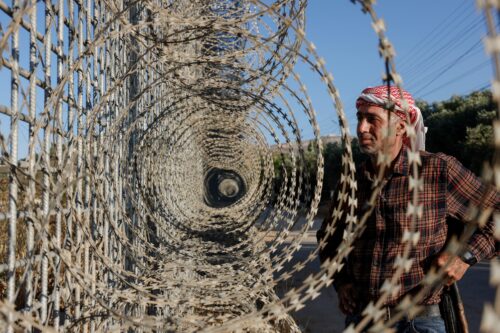
This report considers the lack of Palestinian political agency as a driver of regional insecurity that must be resolved before wider conflicts can be settled. The author analyses the conditions that contributed to the destruction of Palestinian political capacity, including Israeli policies, Palestinian shortcomings, and exploitation by Iran, and makes recommendations for an Arab strategic initiative.
Trump’s Family Business Deals Risk Further Undermining the Credibility of US Middle East Policy
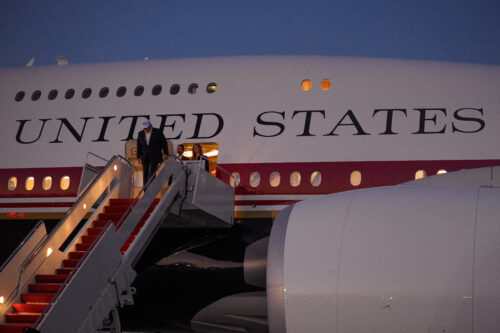
President Trump’s family businesses are once again in the spotlight as a new financial disclosure showed they earned $2 billion in income in 2025 — a dramatic increase on the year before, with much of it coming from Gulf entities, raising emoluments concerns. Mounting perceptions of corruption, combined with unresolved crises in Iran and Israel-Palestine, are eroding trust among key partners in the Middle East. With the 2026 midterms approaching, these entanglements could represent a major political vulnerability and further undermine America’s already-strained standing in the region.
Israeli repression links the violence in Gaza and Jerusalem
Even as it pays lip service to a two-state solution, the international community—particularly the United States—has largely acquiesced to the Israeli-imposed status quo in Gaza and East Jerusalem by exempting both areas from the political and diplomatic process.
Khaled Elgindy and Lara Friedman discuss the public launch of their congressional teach-in series, “Israel-Palestine: Where We Are, What Comes Next, and Why It Matters to Congress.” The series of webinars features an array of American, Palestinian, Israeli, and international experts on topics dealing with the Israeli-Palestinian conflict and U.S. policy.
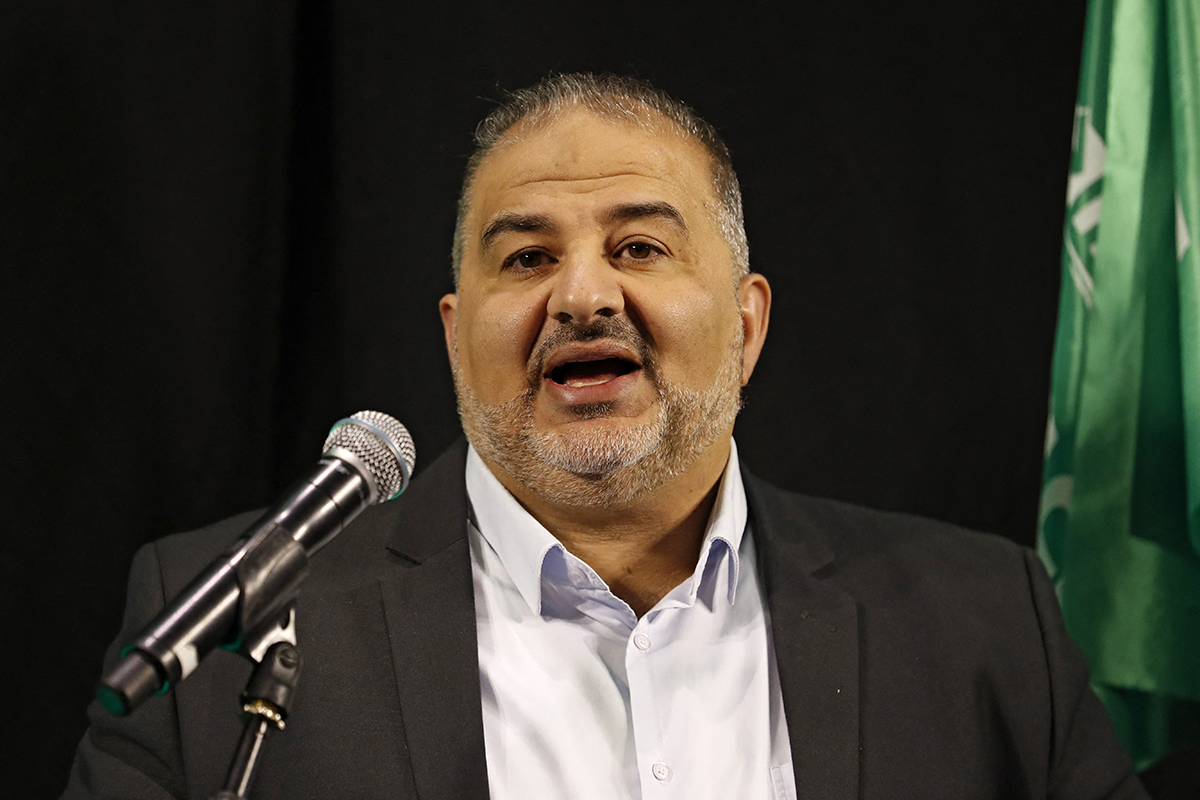
Mansour Abbas: Islamist kingmaker or the “good Arab”?
At a press conference on Thursday, MK Mansour Abbas, head of the newly elected Islamist party in Israel, the United Arab List (Ra’am), made what many in the Israeli media dubbed a historic speech. In an effort to reach out to the Jewish Israeli public, he spoke in Hebrew and during the prime time on television often given to Israeli politicians. Speaking surrounded by the party’s green flags, the conservative Islamist quotedverses from the Quran calling for the creation of “an opportunity for a shared life, in the holy and blessed land for the followers of the three religions and both peoples” and told his Hebrew-speaking audience that “Now is the time for change.”
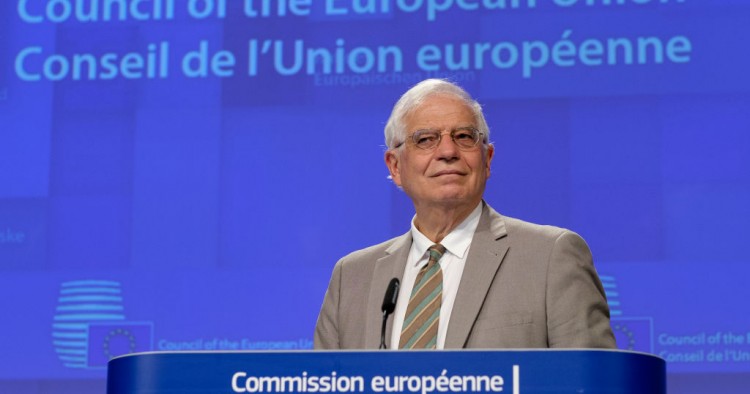
The EU’s diplomatic head and the Israeli-Palestinian conflict one year on
Josep Borrell Fontelles, former Spanish minister of foreign affairs, officially assumed the role on Dec. 1, 2019, and during his first year in office his focus in the Middle East and North Africa (MENA) region was primarily on four main issues: the Israeli-Palestinian conflict, the ongoing civil wars in Syria and Yemen, Iran’s nuclear program, and the threat of another migration crisis.
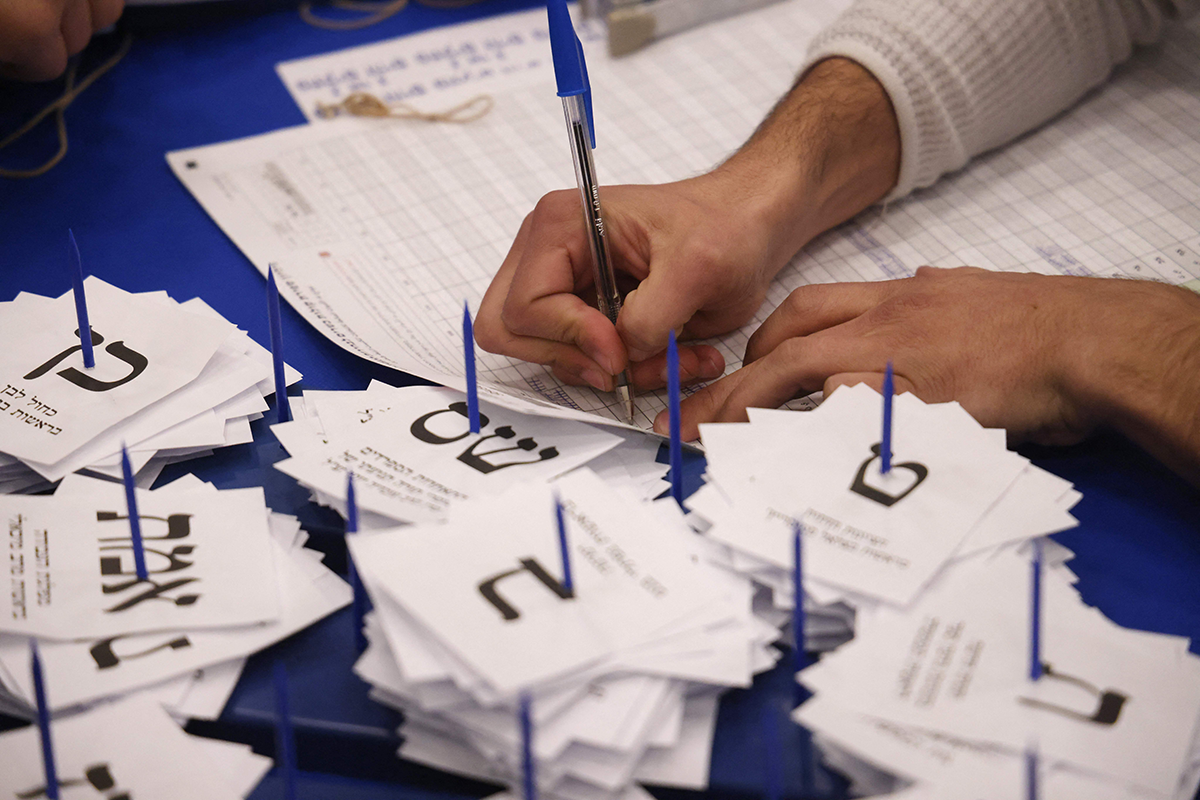
No kingmaker – and no king following Israel’s latest election
With virtually all of the vote in and results unlikely to change, it is clear: Not only will there be no kingmaker in Israel’s latest election, there will probably be no king.
Challenging Israel’s exceptionalism in American politics
While support for Israel across the political spectrum remains strong in Washington, the traditional bipartisan consensus in favor of unconditional support for Israel has begun to fray in recent years.
The Biden Administration and the Middle East: Policy Recommendations for a Sustainable Way Forward
In a new policy briefing book, entitled The Biden Administration and the Middle East: Policy Recommendations for a Sustainable Way Forward, MEI scholars tackle a large number of country-specific and region-wide issue areas, laying out both the abiding U.S. interests and specific recommendations for Biden administration policies that can further U.S. interests amid a region in turmoil.
On January 14, 2021, outgoing Secretary of State Mike Pompeo tweeted about Palestinian refugees, proclaiming “(less than) 200,000 Arabs displaced in 1948 are still alive and most others are not refugees by any rational criteria.” A month earlier, on December 11, a group of 22 Republican members of Congress sent a letter to President Trump requesting that he instruct the Bureau of Population, Refugees and Migration to declassify a report on the approximate number of Palestinian refugees, with the intention of redefining and disenfranchising millions of Palestinian refugees of their refugee status. The intent behind the request is made evident by the letter, which states, “The issue of the so-called Palestinian ‘right of return’ of 5.3 million refugees to Israel as part of any ‘peace deal’ is an unrealistic demand, and we do not believe it accurately reflects the number of actual Palestinian refugees
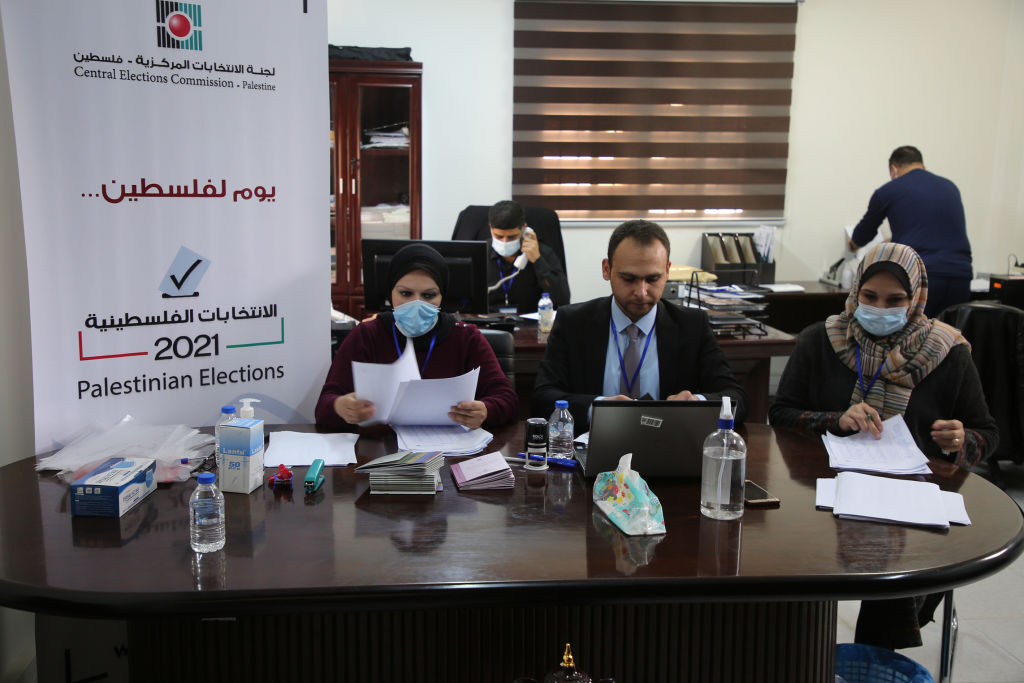
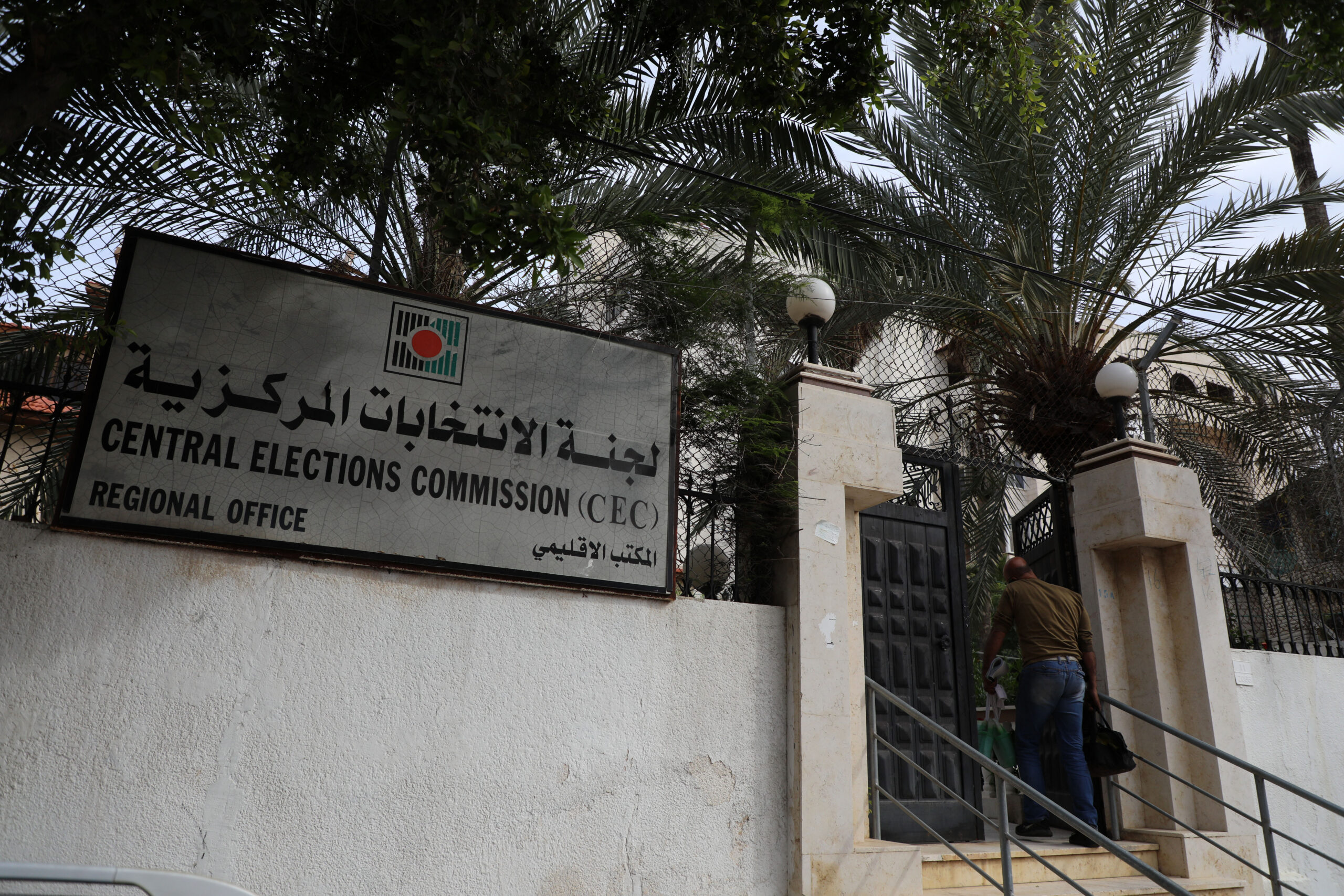
For years pundits have argued that Palestinian elections cannot take place in the occupied territories until there is reconciliation between the warring factions of Fatah and Hamas. The conflict between them led to the creation of two parallel governments, with Fatah controlling the West Bank and Hamas in charge of Gaza. This situation produced parallel laws and, most importantly, parallel security forces. While these differences remain unresolved, elections, which were once considered impossible without reconciliation, are now being used to achieve reconciliation. On January 11, a Palestinian presidential decree announced legislative elections for May 22 to be followed by presidential elections on July 31.