Reflections on a Diplomatic Career in the Middle East: A Conversation With Ambassador Yael Lempert
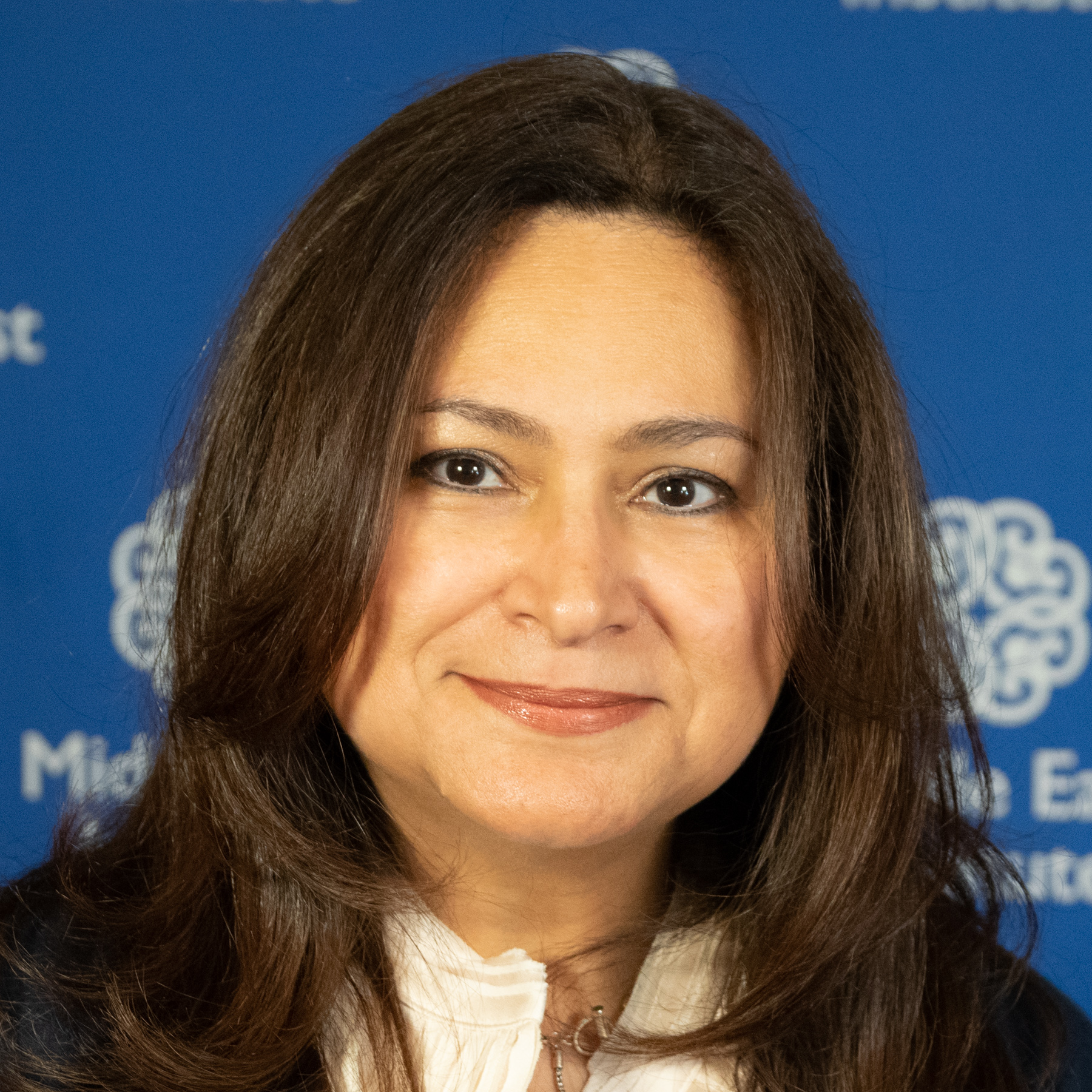
Brian is joined by Amb. (ret.) Yael Lempert, Vice President for Outreach at MEI, to discuss her career in diplomacy and the importance of US diplomatic efforts abroad. She shares stories from postings across the Middle East in Baghdad, Cairo, Tripoli, Jerusalem, and Amman and examines how her personal and professional experiences shaped her approach to the work. Together, Brian and Yael discuss the realities of life in the Foreign Service, the core tenets of American diplomacy, and why it matters in today’s Middle East.
This report considers the lack of Palestinian political agency as a driver of regional insecurity that must be resolved before wider conflicts can be settled. The author analyses the conditions that contributed to the destruction of Palestinian political capacity, including Israeli policies, Palestinian shortcomings, and exploitation by Iran, and makes recommendations for an Arab strategic initiative.
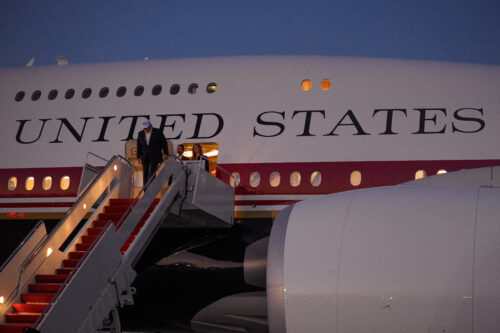
Trump’s Family Business Deals Risk Further Undermining the Credibility of US Middle East Policy
President Trump’s family businesses are once again in the spotlight as a new financial disclosure showed they earned $2 billion in income in 2025 — a dramatic increase on the year before, with much of it coming from Gulf entities, raising emoluments concerns. Mounting perceptions of corruption, combined with unresolved crises in Iran and Israel-Palestine, are eroding trust among key partners in the Middle East. With the 2026 midterms approaching, these entanglements could represent a major political vulnerability and further undermine America’s already-strained standing in the region.
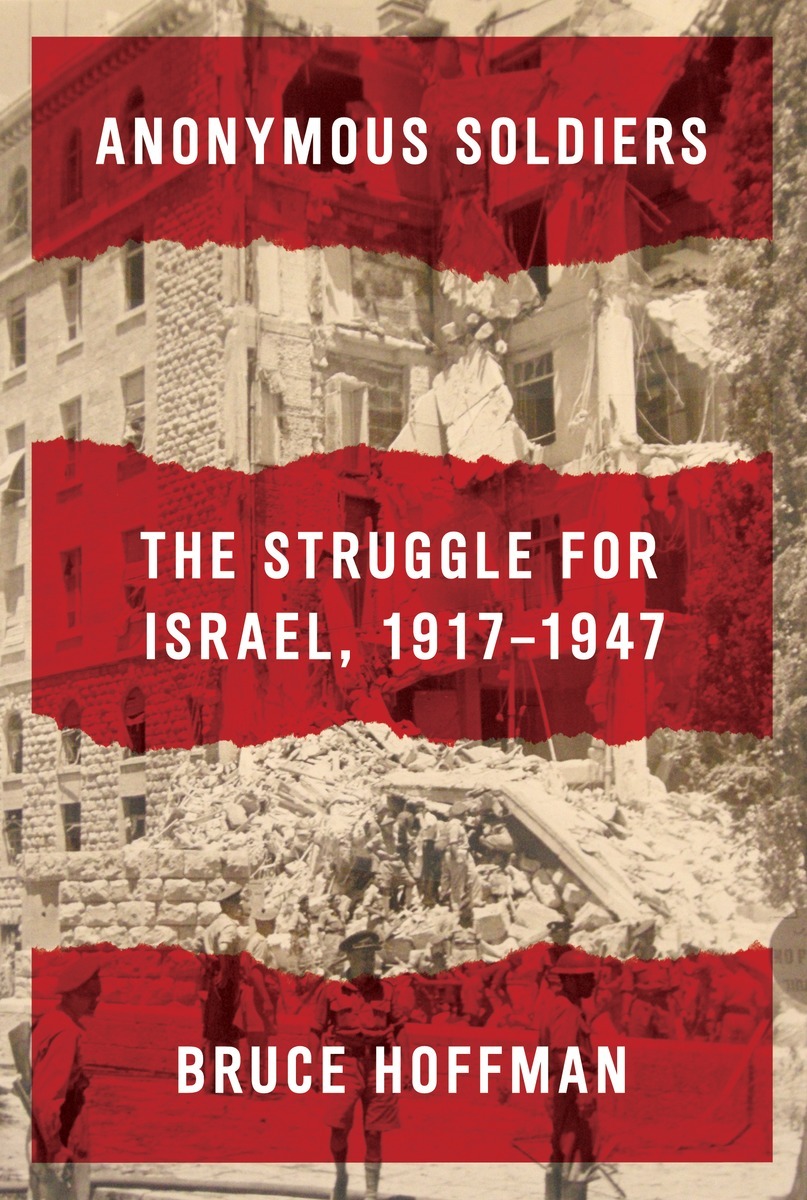
Anonymous Soldiers: The Struggle for Israel, 1917-1947
A review of Anonymous Soldiers: The Struggle for Israel, 1917-1947, By Bruce Hoffman (Knopf 2015). This book review was first published by The Washington Post.
Mohammed Dahlan is making a comeback, and not for the first time since his ignominious ouster from Gaza almost eight years ago, when the Palestinian Authority (PA) forces he was leading as the PA’s security chief were routed by Hamas. These days, the 53-year-old, who grew up in the poorest of Gaza’s refugee camps, is seeking to do well for himself by doing good for Gaza.
The Israeli-Palestinian Conflict and Obama’s Legacy
This paper is part of an MEI scholar series, titled “Obama’s Legacy in the Middle East: Passing the Baton in 2017.” Click here to view the full project, or navigate using the table of contents to the right.
The Israeli-Palestinian conflict has gone through a number of different phases in its long history. It is possible—though only time will tell—that a new phase is beginning now, but not a particularly hopeful one.[1]
Soft Islam: Indonesia’s Interfaith Mission for Peace in the Middle East
Historians and anthropologists have focused on Muslim networks of scholars, merchants, and pilgrims that connect the Middle East with Southeast Asia. Especially with respect to the study of Islam in Indonesia, where political scientists and anthropologists approach Islam largely in terms of national politics and local cultures, this burgeoning body of literature on global Muslim networks offers both ethnographic insights into actual practices and an historical appreciation for the longue durée. The importance of this scholarship notwithstanding, much of this work focuses on formal networks of migration, trade, learning, and pilgrimage. In this respect, the cultural and political work of Islam has been largely confined to the study of either Muslim scholars or lay Muslims who participate in trade, travel, study, and migration. Here I shift the focus to a religious diplomacy tour that connected Muslims with states, citizen-believers, and global politics.
Gaza’s Economic Revival to be Addressed at Cairo Conference
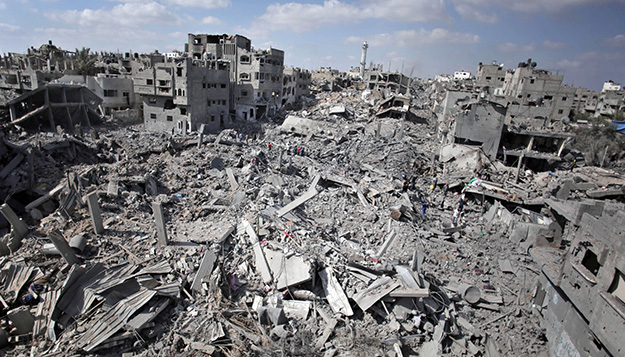
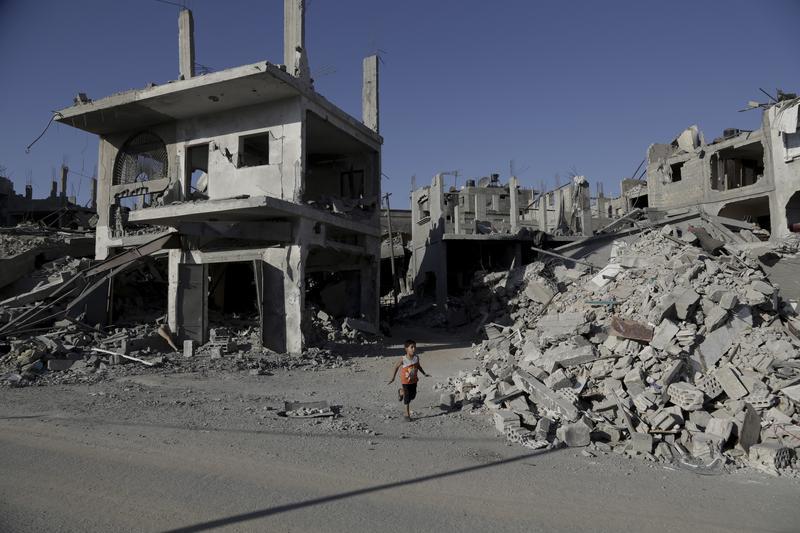
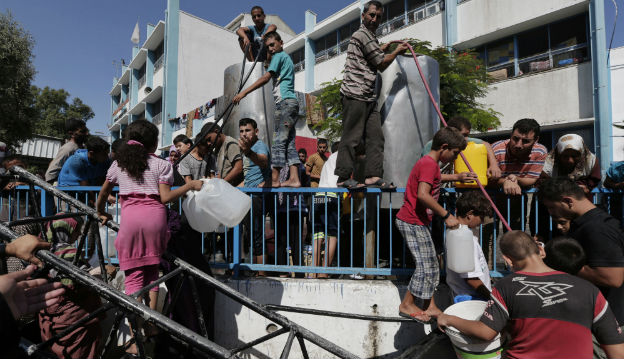
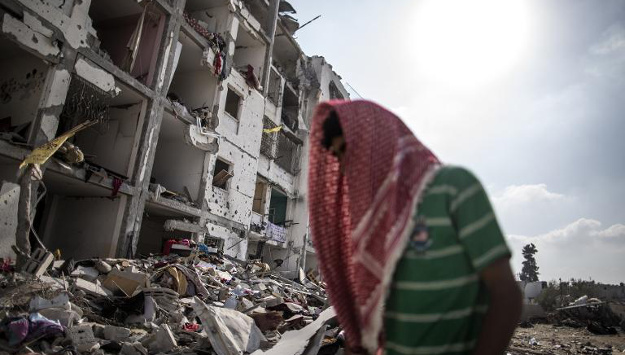
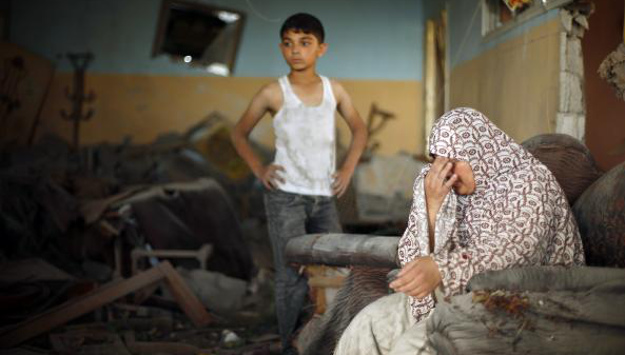
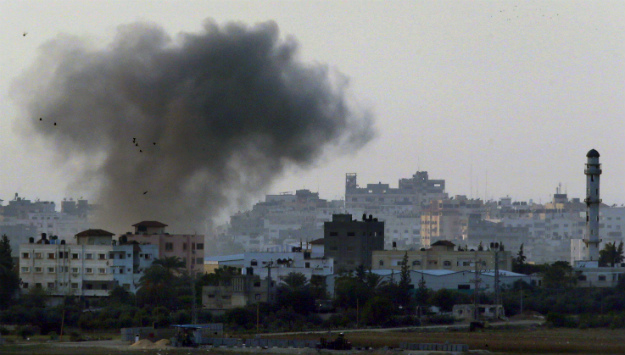
This summer’s war between Israel and Hamas, like the previous rounds — Operation Cast Lead in 2008-2009 and Operation Pillar of Cloud in 2012 — exacted a terrible cost not only in human lives (more than 2,100 Palestinians and 73 Israelis[1]) but also in the wholesale destruction of Gaza’s infrastructure. The Palestinian Authority estimates reconstruction and rehabilitation costs of the recent conflict to exceed $4 billion, more than two times Gaza’s GNP.[2]
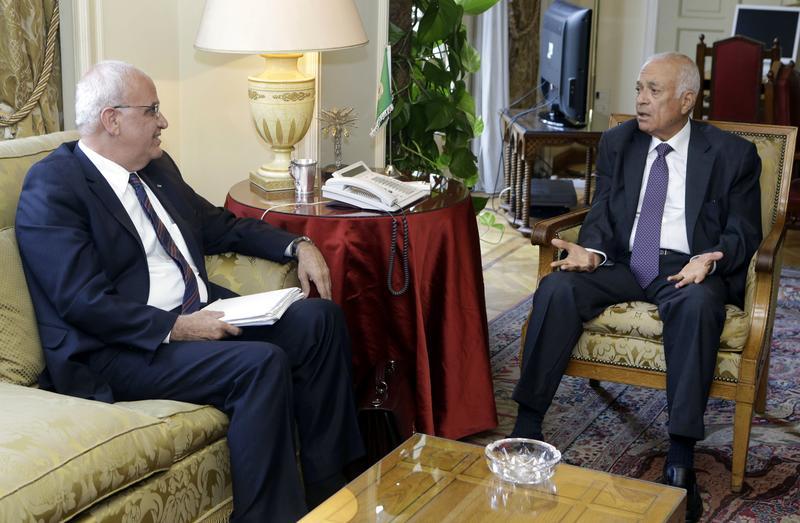
The August 26 permanent cease-fire crafted by Egypt between Israel and Hamas and Islamic Jihad forces in the Gaza Strip offers the best opportunity in years to take Palestinians off the “diet” imposed on them by Israel after Hamas ousted Fatah security forces from Gaza in June 2007.
No sooner had that confrontation ended than Israel expanded an already draconian economic “siege” on the enclave of 1.8 million. It closed Gaza’s border with Israel—its only functioning trade link to the outside world—to all commercial activity.
Collection Spotlight: Pens and Swords: How the American Mainstream Media Report the Israeli-Palestinian Conflict By Marda Dunsky
Free media in a democratic society allows people to evaluate and challenge, to scrutinize honestly and debate accurately. But what happens when mainstream media unknowingly fails the public? Marda Dunsky argues that, when it comes to the Israeli-Palestinian conflict, a decade-old conflict at the center of U.S. interests in the Middle East, the American mainstream media has failed the public and even perpetuated violence.
The Cruel War in Gaza Calls for a New Approach to Peace
The terrible war in Gaza, the third and worst of its kind in the last decade, is a product of Palestinian political disarray, Arab disunity, and division in Israel. Washington’s policy of “no direct talks” with Hamas and bitter partisanship between the White House and Congress have also limited effective U.S. intervention. As such, this latest tragedy is yet another symptom of decades of failure to resolve the larger Israel-Palestine conflict, which, without major policy changes, will surely drag on regardless of the latest cease-fire.
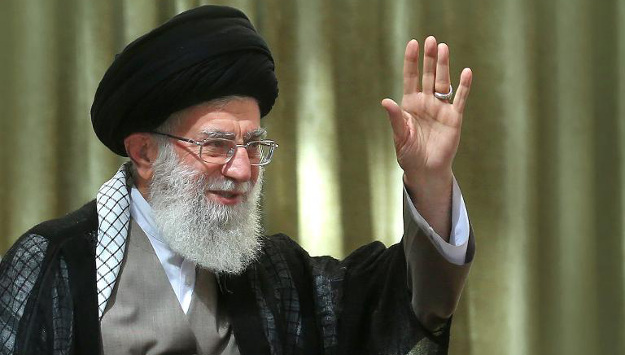
Israel’s ongoing military operation in Gaza — Protective Edge — has animated the Shia Islamist leadership in Tehran.
The bloody conflict, and the global Muslim outrage it has provoked, is held by the Iranian regime as a chance to redeem itself in the eyes of the Sunni Muslim majority in the world.
Amb. Philip Wilcox, MEI scholar and president of the Foundation for Middle East Peace, discusses the motivations that led to the current escalation of hostilities between Israel and Hamas, and why Israel decided to pursue a ground assault in Gaza.
Israel’s ground assault continues an historical pattern of dealing with threats from adversaries. How well has this strategy worked before?
Why Securing a Cease-Fire Will Be Harder This Time
In thinking about how the crisis between Israel and the Hamas leadership in Gaza might play out, it’s useful to reflect upon the preceding Israeli incursion into Gaza in November 2012.