From the Middle East to Middle America: Engineering Better Policy with Andrew J. Tabler
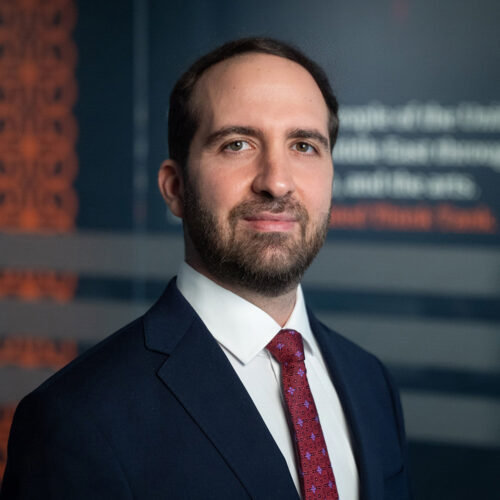
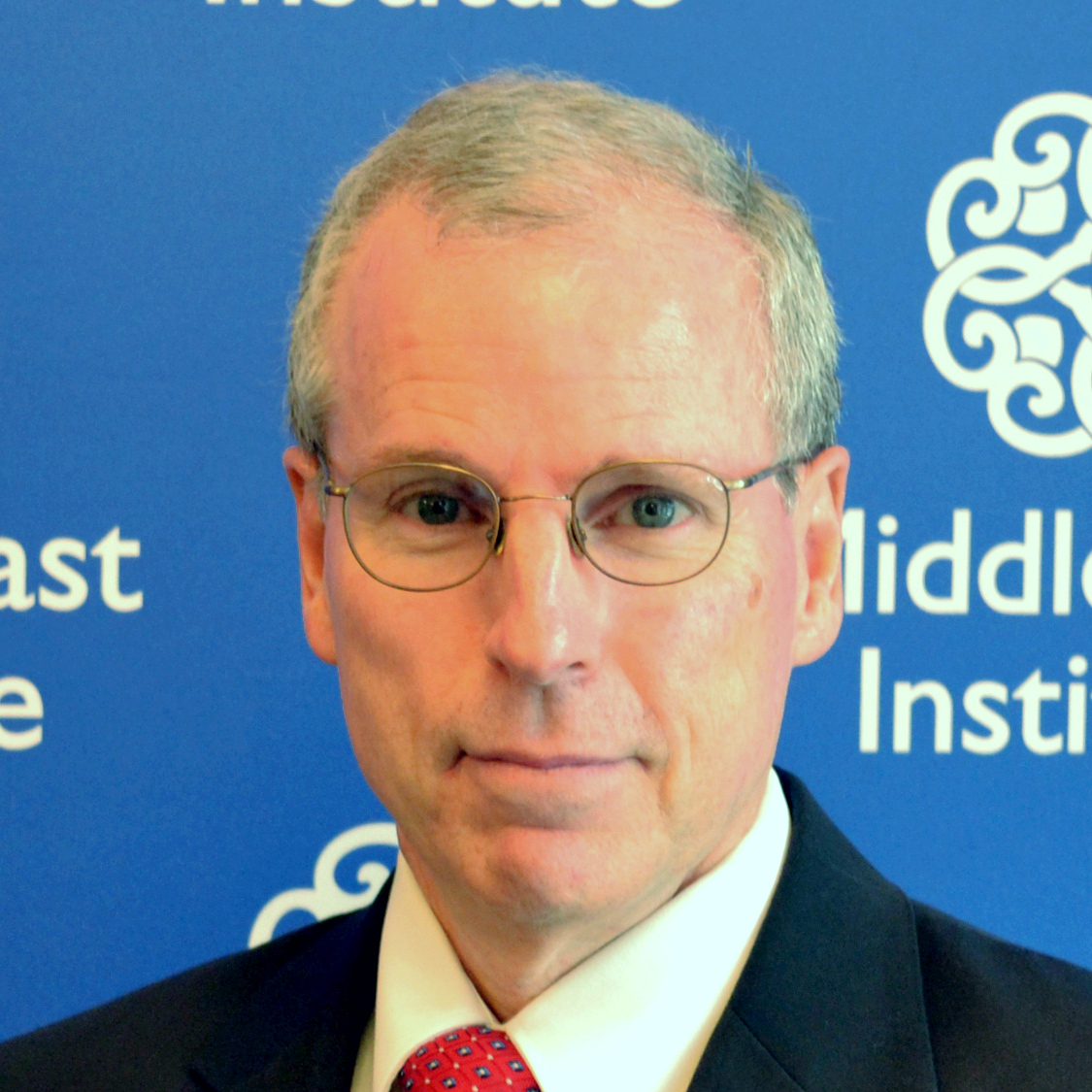
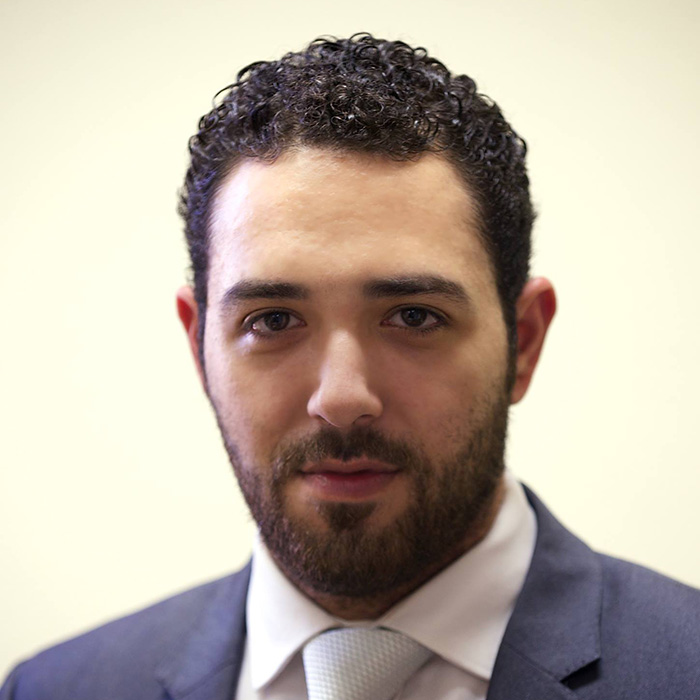
Brian sits down with Andrew J. Tabler, the Martin J. Gross Senior Fellow in the Linda and Tony Rubin Program on Arab Politics at The Washington Institute, to trace his unique and distinctive path from Oil City, Pennsylvania, to fourteen years living and working in the Middle East. Tabler discusses his time in Syria under the Assad regime, his service as director for Syria at the National Security Council and as senior advisor to the Special Envoy for Syria Engagement at the US State Department’s Bureau of Near Eastern Affairs in the first Trump administration, and explains how these experiences shaped his perspective and inspired him to found the Drake Energy Forum.
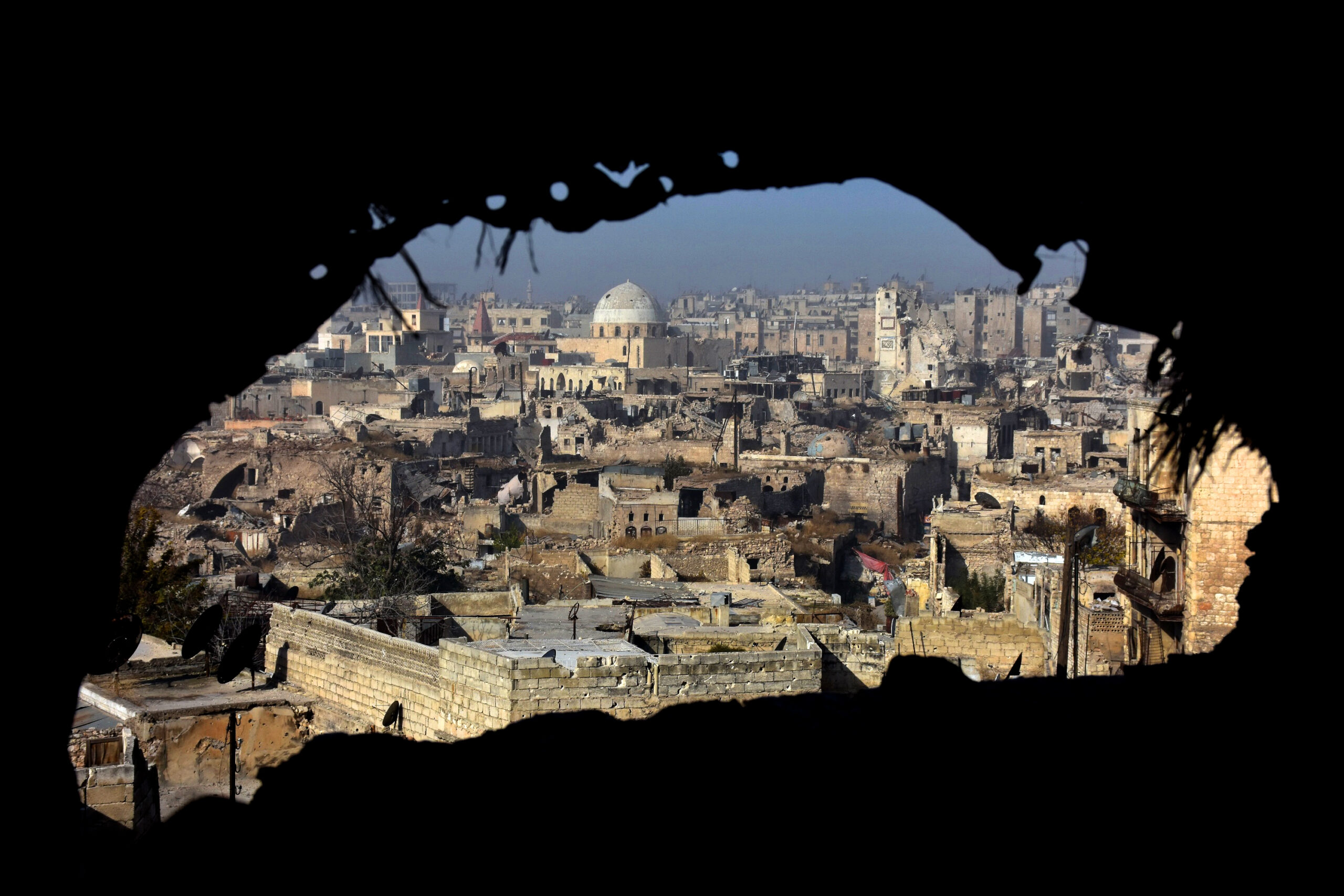
When the US and Israel launched military action against Iran on February 28, 2026, it set in motion a chain of events that saw violence spread across the Middle East. Yet as the region found itself engulfed in conflict, Syria has experienced its most peaceful months in 15 years, and the government in Damascus appears determined to stay its course toward recovery.
Unlocking the Levant: Why the United States and Syria Must Pursue a Bilateral Trade and Investment Agreement
Apart from the brief honeymoon period between 1961 and 1963 under President John F. Kennedy and President Nazim al-Qudsi, US-Syria relations have never held such optimistic potential as they do today. Today, following the fall of Bashar al-Assad regime and the rise of a new government under President Ahmad al-Sharaa at the end of 2024, a new geopolitical window has opened.
MEI’s Syria Initiative seeks to provide insightful and grounded research and analysis on all things Syria in order to better inform a wide range of audiences and to help sustain and shape a more meaningful policy-oriented discussion.
The Middle East Institute, The Atlantic Council, and European Institute of Peace collaborate with subject matter experts and policymakers in the US, Europe, and the Middle East to develop a holistic strategy to sustainably forge a pathway to resolving Syria’s crisis.
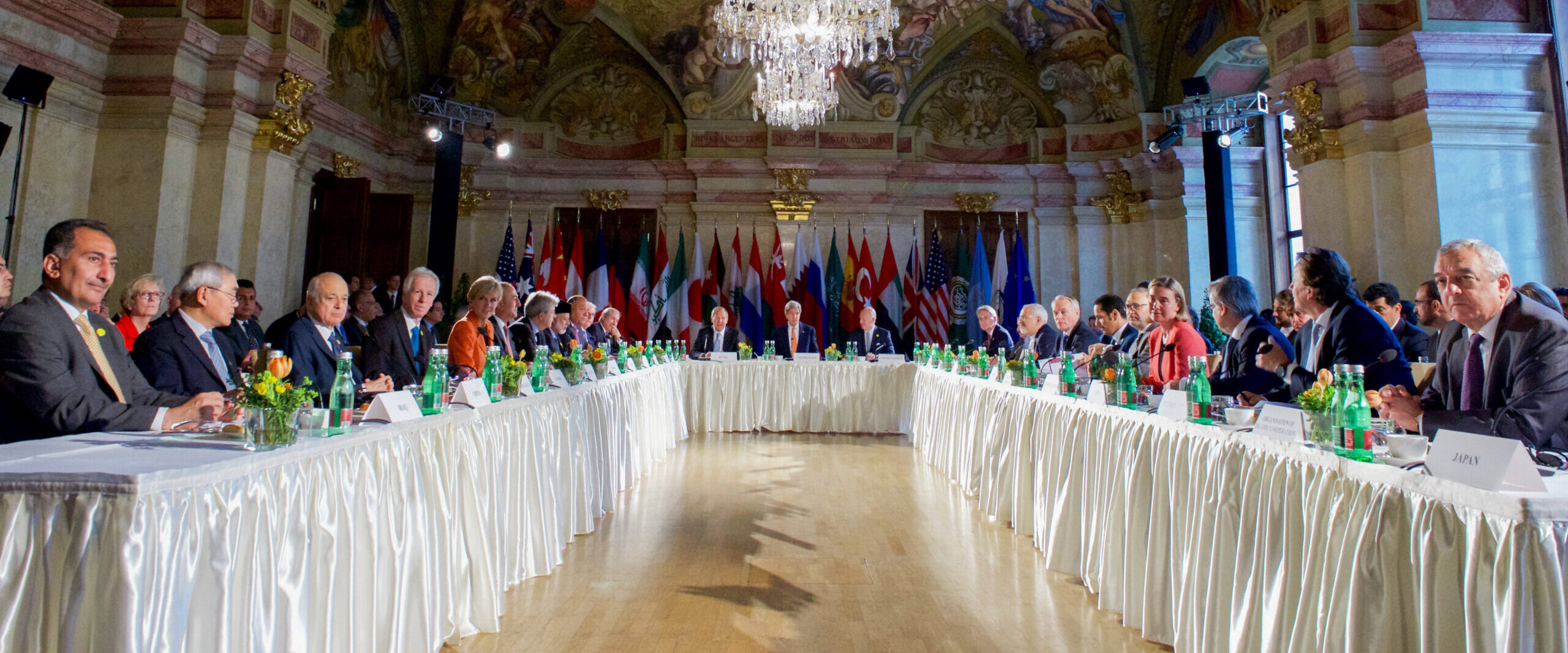
Senior diplomats from the United States, Russia, and the UN failed this week to agree on the details and date for a Geneva II meeting to help resolve the Syrian crisis. UN and Arab League Special Envoy Lakhdar Brahimi had hoped to hold the meeting in late November, but admitted that it might have to be put off until early 2014. Obstacles included disagreement over the participation of Iran and over the role of Syrian president Assad in the process, as well as disunity among the opposition.
Maliki in Washington: Arms Deals, Politics, and Proxy Wars
Iraqi Prime Minister Nouri al-Maliki is in Washington this week for meetings with Vice President Joe Biden, Defense Secretary Chuck Hagel, and President Barack Obama. We sat down with MEI’s Vice President for Policy and Research, Paul Salem, to discuss the topics on the table, what each side hopes to accomplish, and how the United States should approach Iraq.
Last month, when Secretary of State John Kerry sought to dispel the mounting skepticism of lawmakers over the advisability of launching punitive air strikes against the regime of President Bashar al-Assad, he portrayed the rebel fighters in the Western and Gulf-backed Free Syrian Army (FSA) as pluralistic and democratic, distinguishing them from jihadi groups and hard-line Islamists.[1]
The openly difficult relationship between Saudi Arabia and Muslim Brotherhood chapters across the region has become a salient feature of Middle East politics since the advent of the “Arab Spring.” This mutual mistrust has increased in the wake of the Kingdom’s recent support for the military takeover in Cairo and the generals’ subsequent repression of the Brotherhood there. But how is the Islamist organization affected by this dynamic in Syria, where the Muslim Brothers and the Saudis both battle against Bashar al-Assad?
History weighs heavily on any political movement, and the Muslim Brotherhood in Syria is no different. Over eight decades, the group has adapted to survive. This malleability has kept the Brotherhood, or Ikhwan, alive as an independent organization, but historical experiences have changed it in profound ways and are helping to marginalize it during the current crisis.
Gulf Governments Offer Financing for U.S. Strike on Syria
Like pieces fitting together in a jigsaw puzzle, Arab governments – presumably from the oil-rich Gulf Cooperation Council – offered to finance a U.S. military strike on Syria, according to comments made by Secretary of State John Kerry during testimony September 4 with the House Foreign Affairs Committee. In an exchange with Representative Ileana Ros-Lehtinen (R-FL) on the potential cost of U.S. military action in Syria, Kerry said,
The Iraqi Factor in the Syrian Crisis: Catalyst or Inhibitor?
Iraqis who cast their votes in postponed local elections in Anbar and Nineveh on 20 June had a lot on their plates. Beyond issues relating to the provision of services locally, the last weeks before the elections saw massive protests against the central government in Baghdad. The many angry slogans on display included calls for greater autonomy for the Sunni-majority areas of Iraq as well as expressions of solidarity with the mainly Sunni Syrian opposition movement.
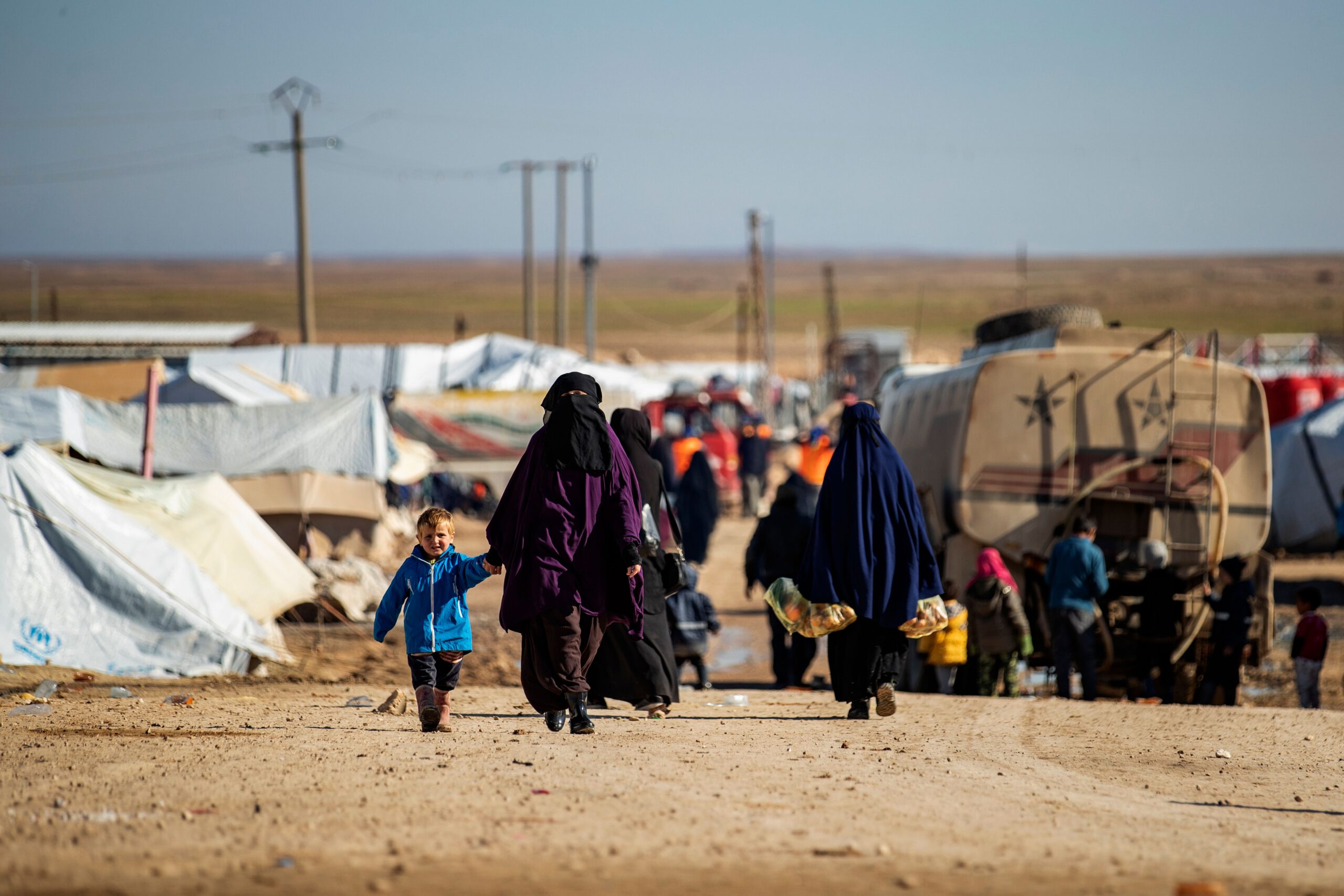
The sun is beating down and it isn’t even midday. Clutching the all-important paperwork that will get them coveted UN food vouchers, Syrian refugees look harried. The women pull at their children to hurry through the litter-filled yard of the sports club in the town of Bar Elias that serves as a distribution center for the UN’s hard-pressed World Food Program (WFP). Unlike their men, who head for the shade to smoke and exchange news, the women don’t dally, making for the snaking lines into a crowded hall where they will be called in groups by registration numbers.
Randa Slim, MEI Scholar and adjunct research fellow at the New America Foundation, discusses the implications of Hezbollah's growing role in Syria for Lebanese politics and Lebanon's Shiite community.
The Middle East Institute is pleased to welcome MEI Scholar Randa Slim for a discussion on the implications of Hezbollah’s growing role in Syria for Lebanese politics and Lebanon’s Shiite community. Recently returned from a trip to the region, Slim will examine Hezbollah’s potential end game in Syria, and whether Lebanon will be able to resist being drawn into the conflict following Hezbollah’s plunge into the Syrian abyss.
MEI’s Syria Initiative seeks to provide insightful and grounded research and analysis on all things Syria in order to better inform a wide range of audiences and to help sustain and shape a more meaningful policy-oriented discussion. Drawing on the expertise of over a dozen renowned scholars, the Syria Program covers all aspects of Syria and its ongoing crises – from political, economic, legal, social, ethnic and religious dynamics, to conflict, insurgency and terrorism and the country’s history and possible futures.