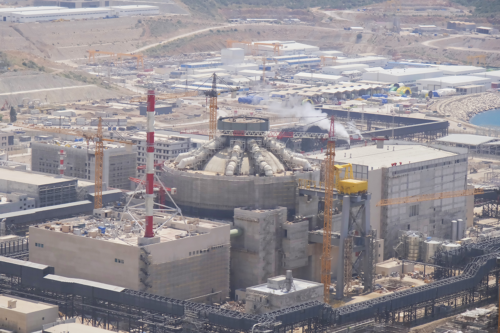
As a result of the Iran war, Turkish thinking about nuclear weapons appears to be shifting. Iran’s emergent ability to threaten regional states (and possible determination to acquire a nuclear weapon itself), growing concern about Israeli aggressiveness, doubts about US security guarantees, and greater Saudi nuclear autonomy are all pushing Ankara to consider a future nuclear option.
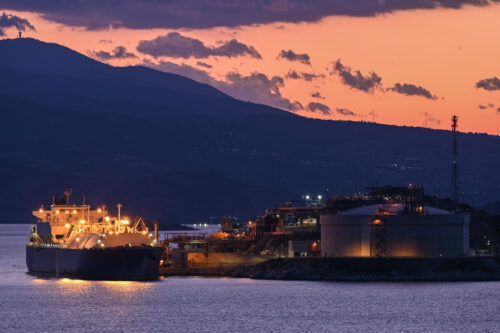
In less than two decades, a string of offshore discoveries has turned the Eastern Mediterranean into a significant gas-producing region, making Israel an exporter, twice lifting Egypt into the ranks of liquefied natural gas (LNG) exporters, and giving Cyprus finds it has yet to bring to market. This backgrounder explores the potential and challenges of exploiting and managing LNG resources in the region.
The Mecca Joint Défense Agreement: A New Geometry of Middle Eastern Power?
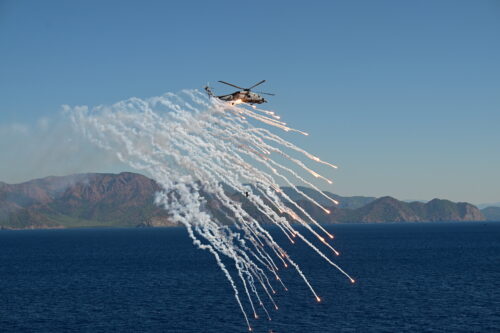
On August 7, 2026, Saudi Arabia, Turkey, and Pakistan signed the Mecca Joint Défense Agreement, a collective-defense pact widely compared to NATO’s Article 5. This essay argues that the comparison is misleading. Mecca borrows NATO’s language of solidarity without yet possessing NATO’s institutional machinery, and the Houthi offensive against Saudi Arabia in September 2026 provided an early and revealing test of what the agreement actually means in practice. Neither Pakistan nor Turkey automatically entered the fight on Saudi Arabia’s behalf, and Washington, despite an initial reluctance to strike directly, remained indispensable through intelligence support and a major proposed F-35 sale. Drawing on realist alliance theory — Hans Morgenthau, Kenneth Waltz, Stephen Walt, Glenn Snyder, and Steven David — and on the precedent of the Central Treaty Organization (CENTO), the essay contends that the Middle East is not dividing into rival blocs but moving from hierarchy toward a looser, overlapping geometry of hedged partnerships, in which American exclusivity is eroding considerably faster than American primacy.
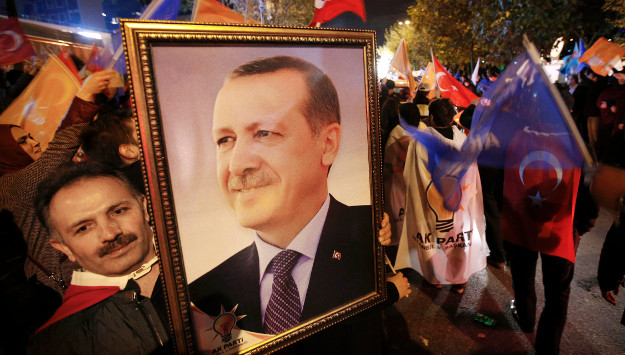
In a stunning electoral comeback that has surprised everyone, including its own legislators, Turkey’s ruling Justice and Development Party (AKP) captured almost 50 percent of the votes, but well over 50 percent of parliamentary seats, in Sunday’s elections. There are many lingering questions. Considering that even the pro-government pollsters did not foresee such a victory, many have asked whether the elections were free and fair. If so, how did the AKP manage to reverse its electoral fortunes in just five months in a country that has been mired in chaos and violence during that time?
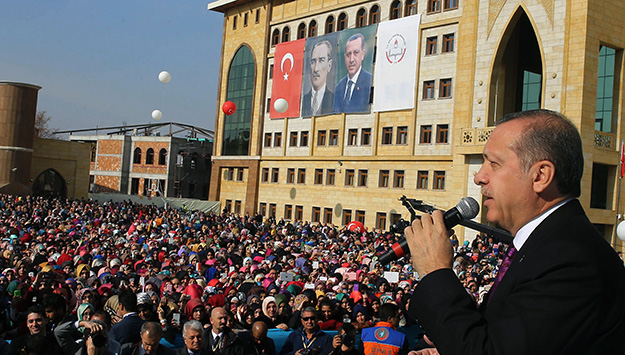
The Turkish electorate is going to the polls on Sunday for the second time in just over five months. After 13 years in power, the ruling Justice and Development Party (AKP) failed to secure enough votes in June to form a majority government. In the hope another vote could deliver a parliamentary majority to his party, President Recep Tayyip Erdogan called for snap elections. But polls indicate that Erdogan might not get what he wants.
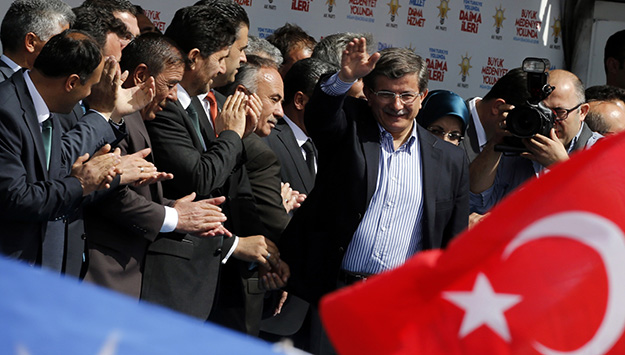
Turkish Prime Minister Ahmet Davutoglu is at the United Nations in New York, making another push for Turkey’s long-standing demand for a safe zone in northern Syria, while President Recep Tayyip Erdogan seems to have realized that it might be a long shot given recent developments.
A recent public opinion poll conducted by Ipsos suggests that the Turkish public is supportive of foreign aid, with around 45 percent of those surveyed indicating that Turkey should spend 3 to 10 percent of its national budget on such assistance. Material and ideological factors rather than moral imperatives play a role in this opinion.
Tens of thousands of women, angry at what they say is the government’s latest step to “Islamify” Turkey, recently signed a petition against the rise of religious marriages in lieu of civil unions.
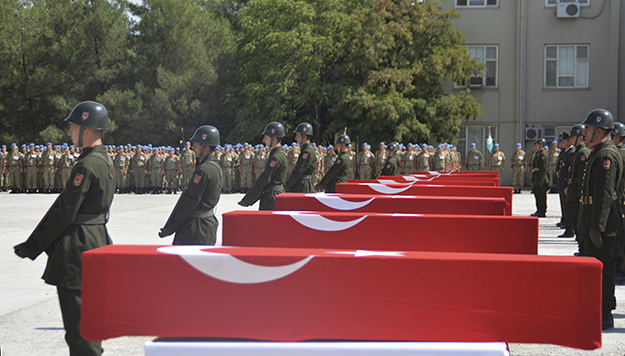
With less than two months left until the parliamentary elections in November, Turkey is engulfed in deepening chaos and growing violence. The peace process between Turkey and the PKK that began in 2013 collapsed in July when the PKK killed two Turkish policemen it believed were linked to the Islamic State. The PKK attack was in retaliation for an Islamic State bombing that killed 32 student activists at Suruc on their way to Kobani.
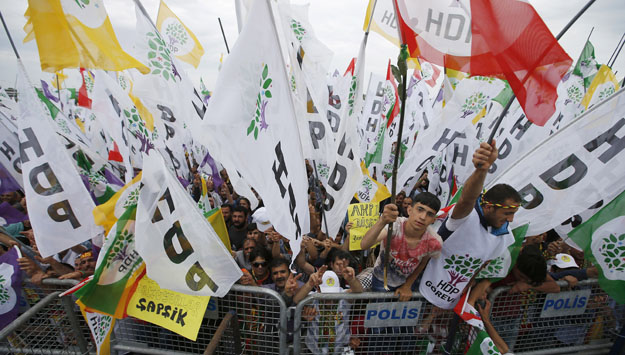
Despite enduring a contentious campaign in its fight to get the ten percent of the national vote necessary to enter parliament, Turkey’s Peoples’ Democratic Party (HDP)—part of the same political movement as the Kurdistan Workers’ Party (PKK)—ran on a fundamentally optimistic platform. It articulated democratic hopes for the so-called “peace process,” that is, the Turkish government-led, long-stuttering negotiations to end the PKK insurgency that has killed more than 40,000 people since 1984.
The ironies of modern Turkey’s history seem to be emerging in sharper relief. On Sunday, August 30, Turkey will celebrate its signal victory of 1922, which capped the struggle of Kemal Ataturk, Turkey’s founding father, to secure the country’s freedom. From the beginning of that war of liberation until final victory, Ataturk worked tirelessly to gain the support of all Turks for the fight for independence. That victory of 1922 was a military triumph, but it also reflected the power of a united people to bring a dream to reality.
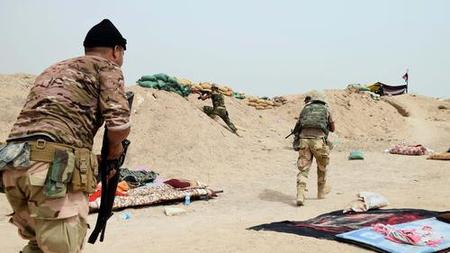
After months of hesitation to take action against the Islamic State (ISIS) and almost two years of quiet since a 2013 truce with the Kurdistan Workers’ Party (PKK), Turkey decided to pick a fight with both. It has been pounding Islamic State targets in Syria and PKK positions in northern Iraq.
Salafi discourse has made considerable inroads in Turkey over the past 30 years, making contributions to sectarianism in ways that have yet to be fully studied and understood.
June 8, 2015 – Gonul Tol, director of the Center for Turkish Studies at The Middle East Institute, discusses the reactions to Turkey’s June 7 elections, and what the setback for the ruling AK party and President Erdogan means for Turkey’s domestic policy agenda and its relations with the United States.