This summer, brutally hot temperatures, deepening water scarcity, and spiking fertilizer costs have put North Africa’s agricultural sector under intense pressure. Host Alistair Taylor is joined by Mohammed Mahmoud, CEO and founder of the Climate and Water Initiative and lead for Middle East Climate and Water Policy at the United Nations University Institute for Water, Environment, and Health, to unpack the region’s food and water security challenges. Drawing on Mahmoud’s new report card on agricultural sustainability in North Africa, they explore the diverging picture across the region, why some countries have weathered the strain better than others, and what it will take to build a more resilient and secure food system.
After over a decade of division between rival factions in eastern and western Libya, the Trump administration has put forward a plan to unite the two sides through a power-sharing agreement. Hosts Alistair Taylor and Matthew Czekaj are joined by MEI Distinguished Diplomatic Fellow Jonathan M. Winer to unpack the details of this proposal and its potential consequences for the Libyan people. Winer, who served as United States Special Envoy for Libya, offers analysis of the plan’s viability, the response of various actors on the ground, and whether it can stabilize the country and help resolve its deep-seated challenges.
Libya’s Fragile Equilibrium: Succession Risk and Energy Stability
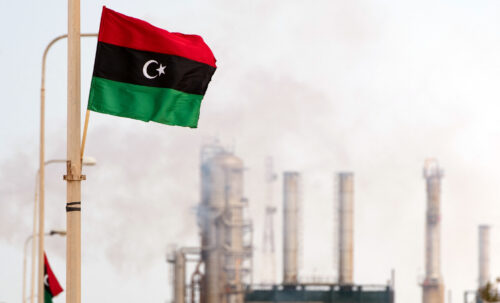
Libya’s stability has taken on renewed strategic importance as the impact of the US and Israeli war with Iran reverberates through global energy markets. Sustaining existing Libyan oil production depends on a governing arrangement capable of keeping ports open, pipelines flowing, and revenues distributed without triggering conflict.
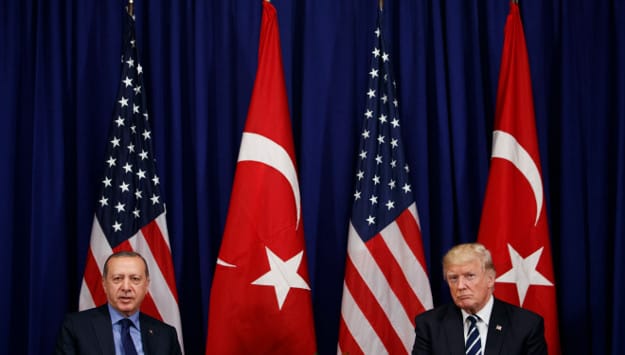
U.S.-Turkey Relations Hit All-Time Low | Weekly Briefing
In this week’s Monday Briefing, MEI experts Gonul Tol, Ibrahim al-Assil, Amal Kandeel, and Jonathan M. Winer provide analysis on recent and upcoming events including the diplomatic row between Turkey and the United States, the arrival of Turkish troops in Idlib, Morocco’s establishment of a national water security strategy amid climate concerns, and the resumption of talks on the Libya Political Agreement in Tunis.
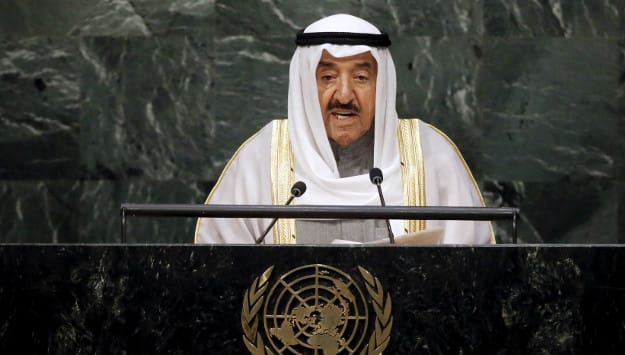
Qatar to Top Agenda of Kuwaiti Emir’s Washington Visit | Weekly Briefing
In this week’s briefing, MEI experts Gerald Feierstein, Charles Schmitz, Jonathan M. Winer, and Yousef Munayyer provide analysis on recent and upcoming events including Kuwaiti Emir Sheikh Sabah al-Sabah’s upcoming visit to Washington, recent clashes in Yemen, the French Foreign Minister’s trip to Libya, and the U.N. Human Rights Council’s discussion on Israel/Palestine.
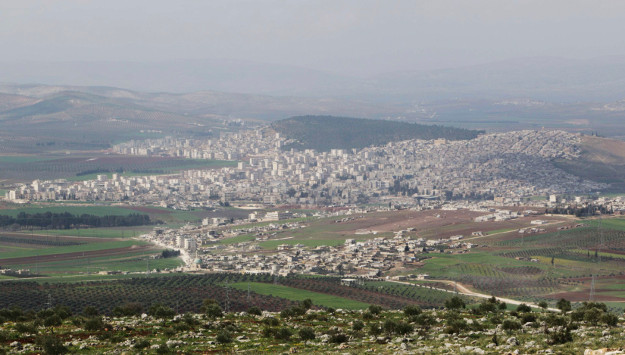
Monday Briefing | Is the Middle East Tilting toward De-Escalation?
In this week’s Monday Briefing, MEI experts Paul Salem, Gonul Tol, Alex Vatanka, and Jonathan M. Winer provide analysis on recent and upcoming events including Saudi Arabia’s diplomatic engagements in the region, Turkey’s consideration of military operations in northern Syria, Iranian President Rouhani’s centrist cabinet nominations, and Libyan leaders’ decision between greater cooperation or renewed confrontation.
Libya Still Seeking Grand Bargains, But Facing Range of Spoilers
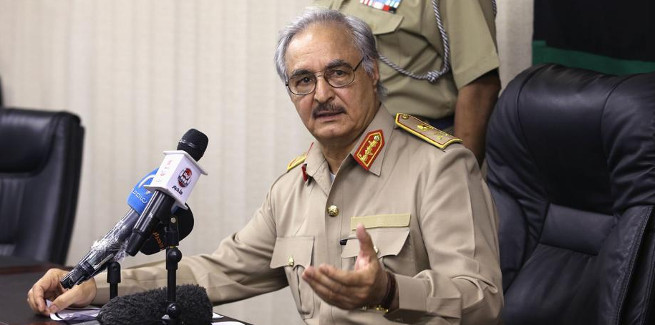
The hopeful scene in Paris July 25 was a familiar one. Libyan leaders, in this case General Khalifa Haftar and Prime Minister Fayez al-Sarraj, meet under the umbrella of another world leader, in this case, French Prime Minister Emmanuel Macron, and announce progress on a deal to put Libya back together and hold new elections.
It was a scene that had last played on May 2 in Abu Dhabi, under Emirati guidance with the same Libyan players, and one I and others had sought to put together a full year ago when I was serving as U.S. Special Envoy for Libya.
The Influence of North African Militaries in Foreign Policy-Making
This essay looks at five North African states, arguing that the armed forces — for a variety of often case-specific reasons — are actually not as politically powerful and thus influential in foreign policy-making as one might expect. It first discusses the political strength of the military establishments of five North African states — Morocco, Algeria, Tunisia, Libya, and Egypt — and then investigates the difference, if any, that the recent Arab upheavals have made in their involvement in foreign policy-making.
Foreign Powers Should Push for Compromise in Libya
Whenever power is contested in a country—any country—the political fight over who will ascend to the helm provides opportunities for foreign powers to intervene, and in some cases, influence the outcome of the political process.
Such behavior can carry short-term rewards when a new leader, put into power with the help of the foreign government, tilts favorably toward the sponsor; but it also can be counterproductive.
Monday Briefing: Chances for MidEast Peace Remote under Trump
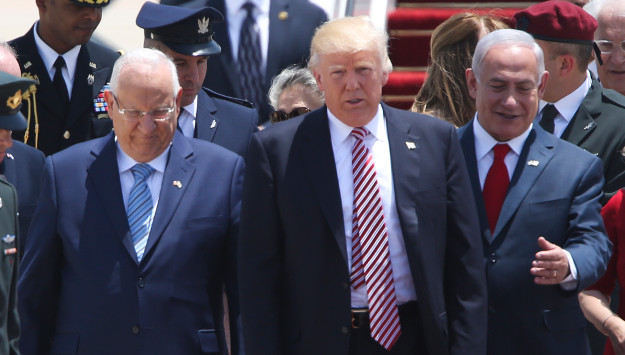
In this week’s Monday Briefing, MEI experts Yousef Munayyer, Alex Vatanka, Jonathan M. Winer, and Marvin G. Weinbaum provide analysis on recent and upcoming events including President Trump’s trip to Israel and the prospects for a peace process, the reelection of Iranian President Hassan Rouhani, Russia’s planned naval drill off the coast of Libya this week, and the Afghan Taliban’s decision to reject peace talks.