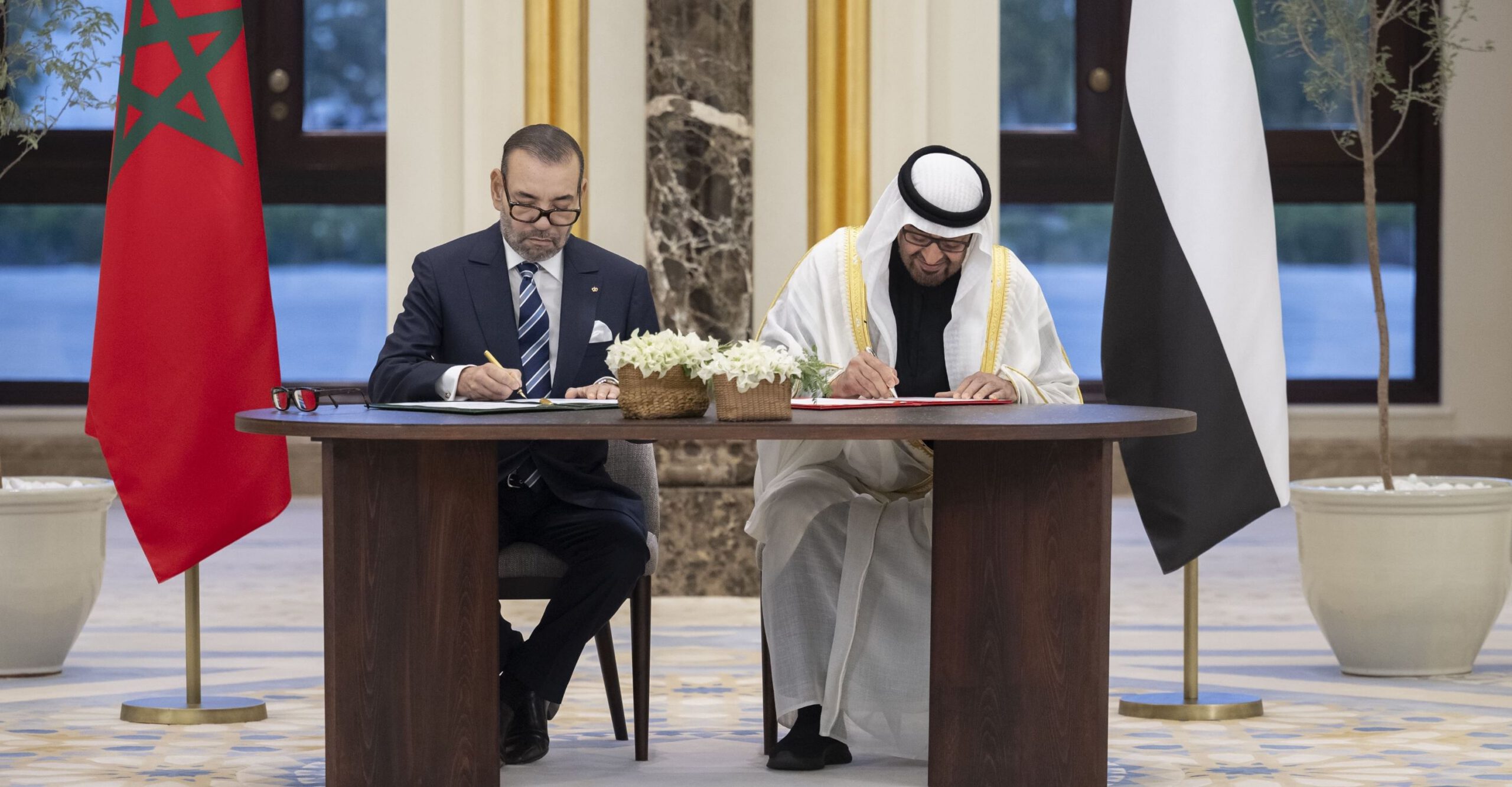
This summer, brutally hot temperatures, deepening water scarcity, and spiking fertilizer costs have put North Africa’s agricultural sector under intense pressure. Host Alistair Taylor is joined by Mohammed Mahmoud, CEO and founder of the Climate and Water Initiative and lead for Middle East Climate and Water Policy at the United Nations University Institute for Water, Environment, and Health, to unpack the region’s food and water security challenges. Drawing on Mahmoud’s new report card on agricultural sustainability in North Africa, they explore the diverging picture across the region, why some countries have weathered the strain better than others, and what it will take to build a more resilient and secure food system.
من الأمل الأكثر إشراقاً إلى سجن مفتوح: كيف فقدت تونس وعدها الديمقراطي
تظاهر آلاف التونسيين في العاصمة الأسبوع الماضي ضد ما وصفوه بـ "الظلم والقمع"، متهمين الرئيس قيس سعيد بترسيخ حكم الفرد الواحد من خلال الشرطة والقضاء. وتأتي هذه الاحتجاجات في إطار موجة واسعة من الاضطرابات، حيث يقول الصحفيون والمنظمات غير الحكومية والأحزاب السياسية المنقسمة والأطباء والمصرفيون وعمال النقل إن سعيد قد حوّل البلاد إلى سجن مفتوح، ويطالبون بإنقاذ تونس من أزمتها السياسية والاقتصادية المتفاقمة.
السيادة أولاً: إعادة تشكيل التعاون الدولي في شمال أفريقيا
تولي دول شمال أفريقيا ودول العالم بشكل متزايد الأولوية لتعريف صارم للسيادة وتميل نحو الدبلوماسية التبادلية. إن فهم الدوافع الكامنة وراء نهج "السيادة أولاً" الذي تتبعه شمال أفريقيا يمكن أن يساعد الولايات المتحدة وأوروبا على بناء علاقات متبادلة المنفعة ودائمة مع المنطقة في ظل هذا الواقع الجديد.
This paper is part of an MEI scholar series, titled “Obama’s Legacy in the Middle East: Passing the Baton in 2017.” Click here to view the full project, or navigate using the table of contents to the right.
Obama and the Maghreb in the Wake of the Arab Spring
This paper is part of an MEI scholar series, titled “Obama’s Legacy in the Middle East: Passing the Baton in 2017.” Click here to view the full project, or navigate using the table of contents to the right.
Despite Elections, Transitional Justice Still Elusive in Tunisia
This essay is part of the Middle East-Asia Project (MAP) series on “Pathways to Transitional Justice in the Arab World — Reflections on the Asia Pacific Experience.” The series explores the pursuit of transitional justice in the post-Arab Spring Middle East, and how such efforts could be informed by past and ongoing justice processes in Asia-Pacific countries. See Resources …
The Tunisian Elections: Toward an Arab Democratic Transition
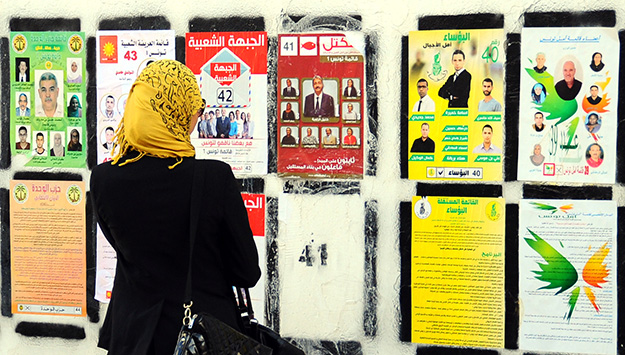
Tunisia, the birthplace of the 2011 Arab uprisings, is on the cusp of a defining moment. The parliamentary election of October 26 is about pivoting toward democratization. Presidential elections will follow on November 23. The focus of this piece is on how the elections are likely to reshape Tunisia’s polity and society.
Incorporating Cultural and Religious Practices into Transitional Justice: Lessons Related to Islam in Tunisia and Aceh, Indonesia
The Tunisian transitional justice has not drawn upon the Islamic tradition and would almost certainly not have been able to do so in a way that contributes to the ultimate success of transitional justice there. Why? This article will answer that question by focusing upon the circumstances of Tunisian transitional justice and by comparing them to the transitional justice process in Aceh, Indonesia, where Islamic practices were to some degree drawn upon. These case studies demonstrate that local cultural or religious practices must have widespread legitimacy and popular acceptance if they are to effectively contribute to transitional justice.
When the Nidaa Tounes (“Call for Tunisia”) party was formally licensed in July 2012, it positioned itself as a “modern” alternative to the Islamist Ennahda party. Led by former interim prime minister Béji Caid Essebsi, Nidaa Tounes drew a wide range of people, including supporters of Tunisia’s Destourian (“Constitution”) movement, trade unionists, leftists, and independents, as well as former members of Zine el-Abidine Ben Ali’s Constitutional Democratic Rally (RCD) party.
All Retributive Justice, No Restorative Justice in the Post-Arab Spring Middle East
In the wake of the revolutionary fervor that has swept the Middle East and North Africa since the beginning of 2011, retributive justice has taken precedence over restorative justice approaches as countries seek to address human rights violations.
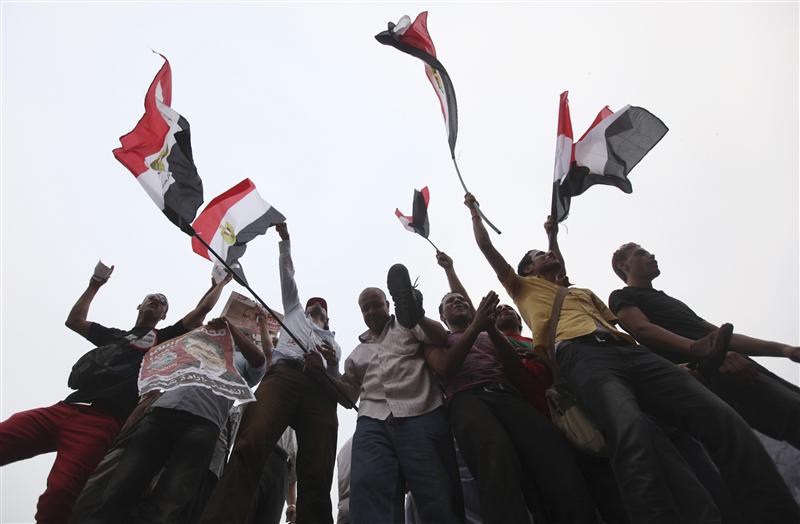
Since the “Arab Spring,” international actors have considered Tunisia an exemplar of democratic transition in the Arab world. But this optimism is increasingly being replaced by fear and frustration, especially within Tunisia itself. Transitional justice—dealing with the crimes committed by previous regimes—is one of the subjects of debate.
The Arab Awakening: Determinants and Economic Consequences
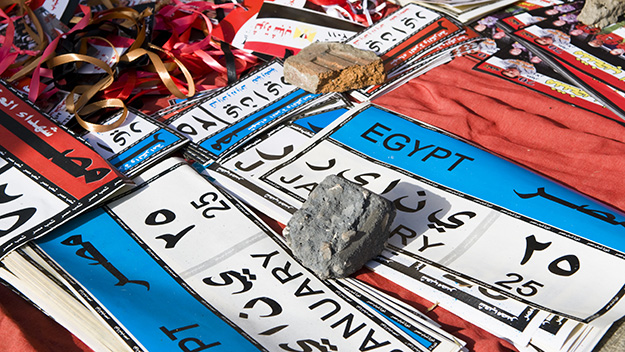
Economist Zubair Iqbal explains the daunting economic challenges facing Arab countries in transition following the Arab Awakening and the different trajectories stemming from those nations’ policy responses. Tunisia and Egypt provide an instructive case study: the former made hard fiscal decisions and has embraced sound economic principles and achieved broad support for a reform plan, while the latter, suffering from more difficult political conditions, has been faced with limited policy options that increase the risk for long-term challenges.
January 27, 2014 will likely be engraved in the collective memory of the Tunisian people as the day they witnessed the adoption of their first post-authoritarian constitution—a charter that will hopefully pave the way for the country’s democratization. This legal framework was ratified by members of the Tunisian National Constituent Assembly (NCA) in a celebratory atmosphere.
Whereas many observers are lamenting the failure of the “Arab Spring,” Tunisia has proven once again that it is on a march toward democracy. On January 3, the National Constituent Assembly (NCA) began voting on the country’s new constitution. Lawmakers have approved many of the chapters and articles, and the final vote on the entire document should take place within a few days. Surprisingly, many of the controversial articles on state identity, the relationship between religion and politics, and gender equality have passed with a clear majority.
Transitional Justice and the Politics of Lustration in Tunisia
No transitional justice dilemma is more contested in Tunisia than that of lustration and vetting. While trials of former ruling elites, either in absentia or in the courtroom, grab international headlines, the question of how to deal with the tens of thousands of former Ben Ali regime functionaries who were complicit in past abuses yet are not likely to be brought to trial has proven even more politically charged. To be sure, the question over the fate of these potential targets of lustration and vetting continues to contribute to Tunisia’s prolonged post-revolutionary political crisis, as draft laws on lustration and ad hoc leaks from state archives solidify cleavages among Tunisia’s diverse array of transitional political actors.