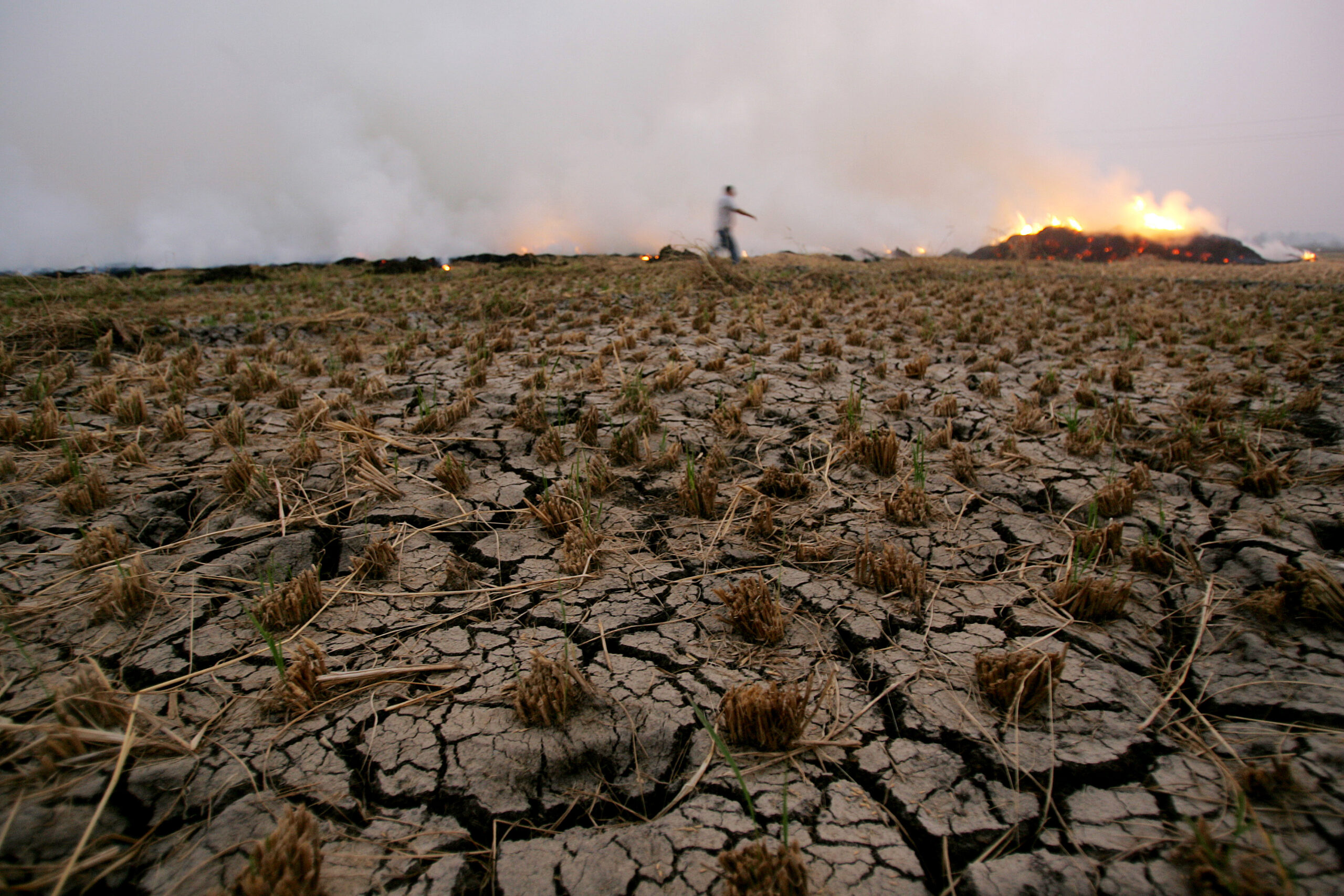
This summer, brutally hot temperatures, deepening water scarcity, and spiking fertilizer costs have put North Africa’s agricultural sector under intense pressure. Host Alistair Taylor is joined by Mohammed Mahmoud, CEO and founder of the Climate and Water Initiative and lead for Middle East Climate and Water Policy at the United Nations University Institute for Water, Environment, and Health, to unpack the region’s food and water security challenges. Drawing on Mahmoud’s new report card on agricultural sustainability in North Africa, they explore the diverging picture across the region, why some countries have weathered the strain better than others, and what it will take to build a more resilient and secure food system.
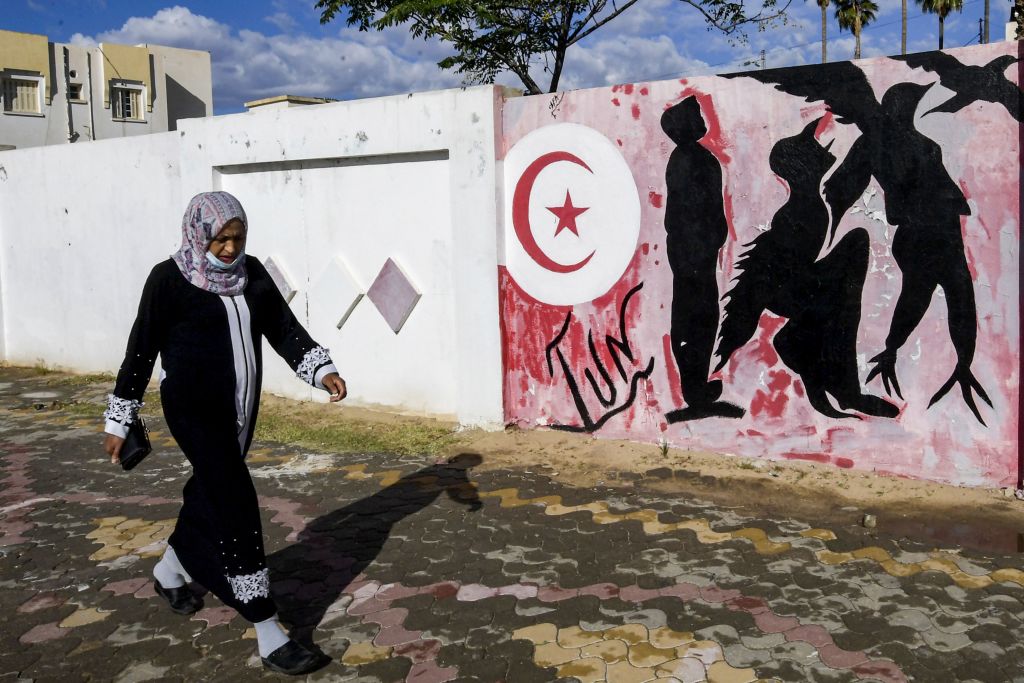
من الأمل الأكثر إشراقاً إلى سجن مفتوح: كيف فقدت تونس وعدها الديمقراطي
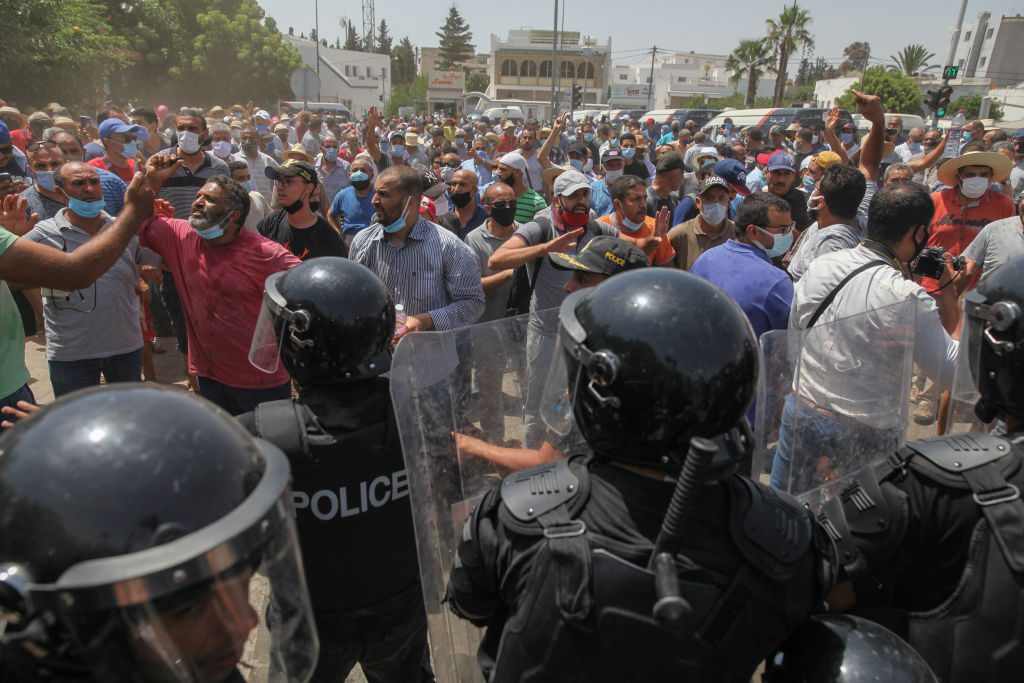
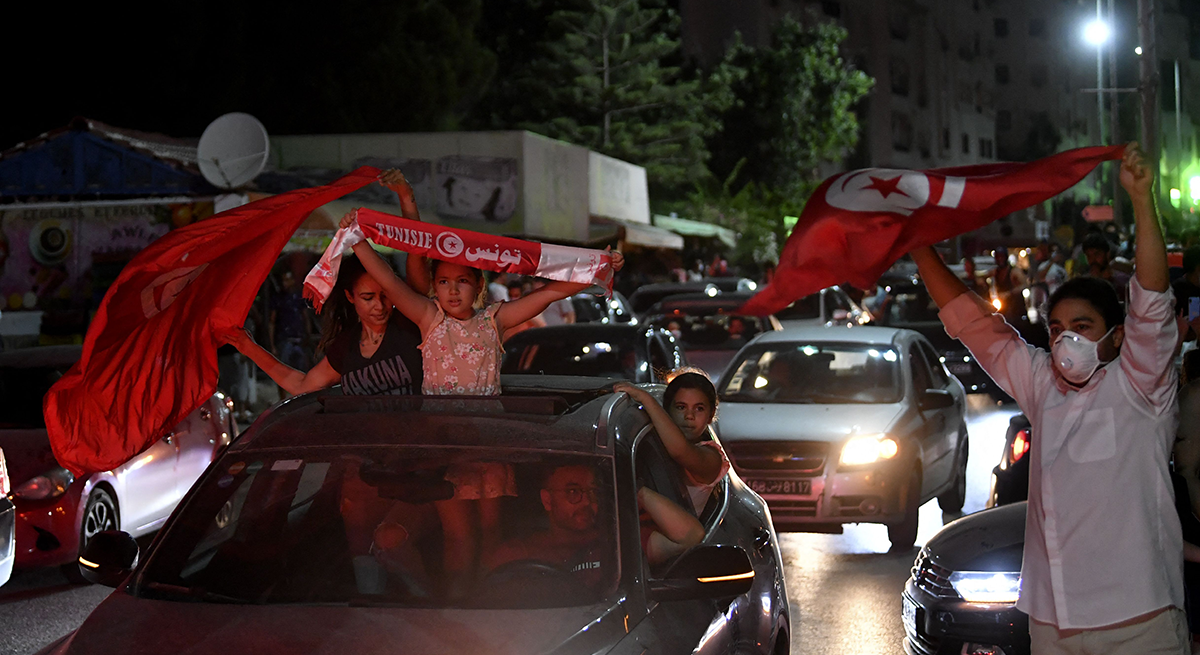
تظاهر آلاف التونسيين في العاصمة الأسبوع الماضي ضد ما وصفوه بـ "الظلم والقمع"، متهمين الرئيس قيس سعيد بترسيخ حكم الفرد الواحد من خلال الشرطة والقضاء. وتأتي هذه الاحتجاجات في إطار موجة واسعة من الاضطرابات، حيث يقول الصحفيون والمنظمات غير الحكومية والأحزاب السياسية المنقسمة والأطباء والمصرفيون وعمال النقل إن سعيد قد حوّل البلاد إلى سجن مفتوح، ويطالبون بإنقاذ تونس من أزمتها السياسية والاقتصادية المتفاقمة.
السيادة أولاً: إعادة تشكيل التعاون الدولي في شمال أفريقيا
تولي دول شمال أفريقيا ودول العالم بشكل متزايد الأولوية لتعريف صارم للسيادة وتميل نحو الدبلوماسية التبادلية. إن فهم الدوافع الكامنة وراء نهج "السيادة أولاً" الذي تتبعه شمال أفريقيا يمكن أن يساعد الولايات المتحدة وأوروبا على بناء علاقات متبادلة المنفعة ودائمة مع المنطقة في ظل هذا الواقع الجديد.
لماذا يحتفل الكثير من التونسيين بقرار الرئيس سعيّد
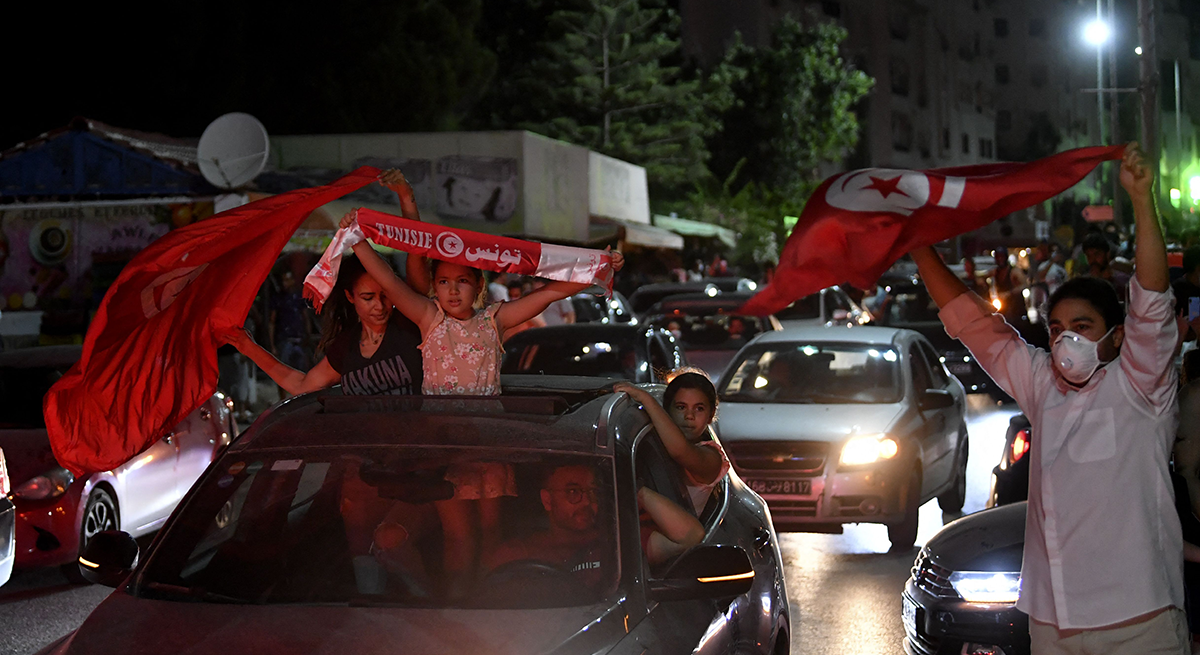
سارع خصوم الرئيس التونسي قيس سعيّد والمعلقون الدوليون الأكثر دراية بمصر إلى إدانة ما وصفوه بـ “الانقلاب”. هنا، إلى جانب الحاجة إلى تقييم الوضع التونسي وفقًا لطبيعته الخاصة، قد يكون من المفيد تنحية التصنيفات القانونية وتلك المرتبطة بالعلوم السياسية جانبًا في الوقت الحالي والتفكر بدلًا من ذلك في سبب احتفال الكثيرين في تونس بقرارات الرئيس الأخيرة.
Why many Tunisians are celebrating President Saied’s decision
Tunisian President Kais Saied’s opponents and international commentators more familiar with Egypt have been quick to condemn what they are calling a “coup.” In addition to the need to assess the Tunisian situation on its own unique terms, it may be useful to set aside legalistic and political science taxonomy for the moment and consider instead why many in Tunisia have celebrated the president’s recent decisions.
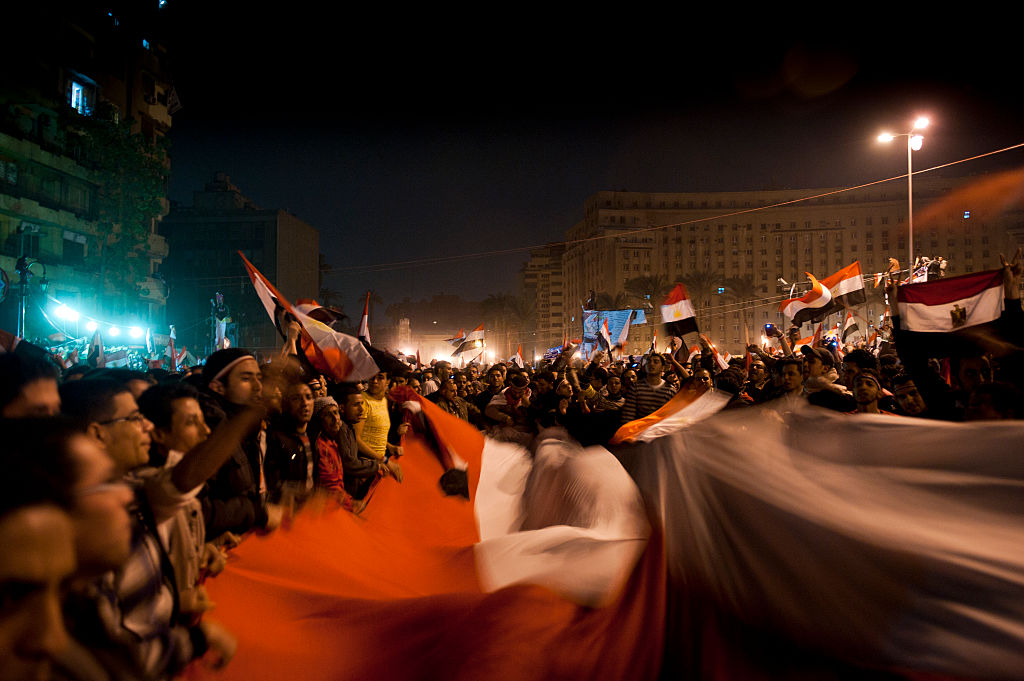
Sahar Khamis, Sabina Henneberg, Karam Shaar, and Ibrahim Jalal join host Alistair Taylor to examine the legacy and impact of the Arab Spring in Tunisia, Egypt, Yemen, and Syria ten years after the uprisings began.
Putting up a fight: Tunisia’s counterterrorism successes and failures
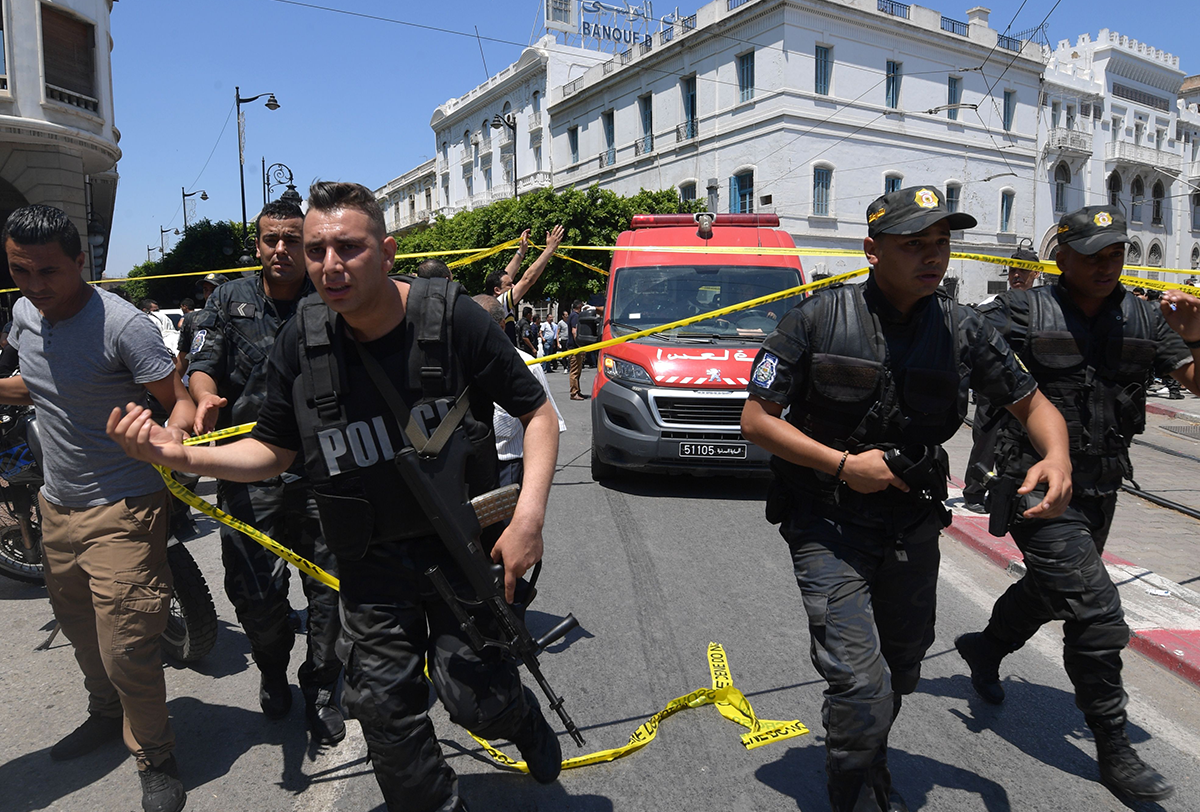
Alongside a stalled economy and a messy political transition, the decade since the 2011 revolution has left Tunisia with an intermittent yet ferocious terrorism problem. The frequency of terrorist attacks highlights the dangers posed by an uncertain political environment, widespread economic problems, and regional instability. But the fact that they have become less deadly over time also seems to underline the improvements that successive governments have made to Tunisia’s security apparatus.
The Middle East and American Democracy’s Near-Death Experience
The fascination with the peaceful removal of leaders by a simple vote in the United States has always contrasted painfully with the inability of most Middle Eastern populations to do the same.
Intra-Party Democracy in Tunisia’s Ennahda: Ghannouchi and the Pitfalls of “Charismatic” Leadership
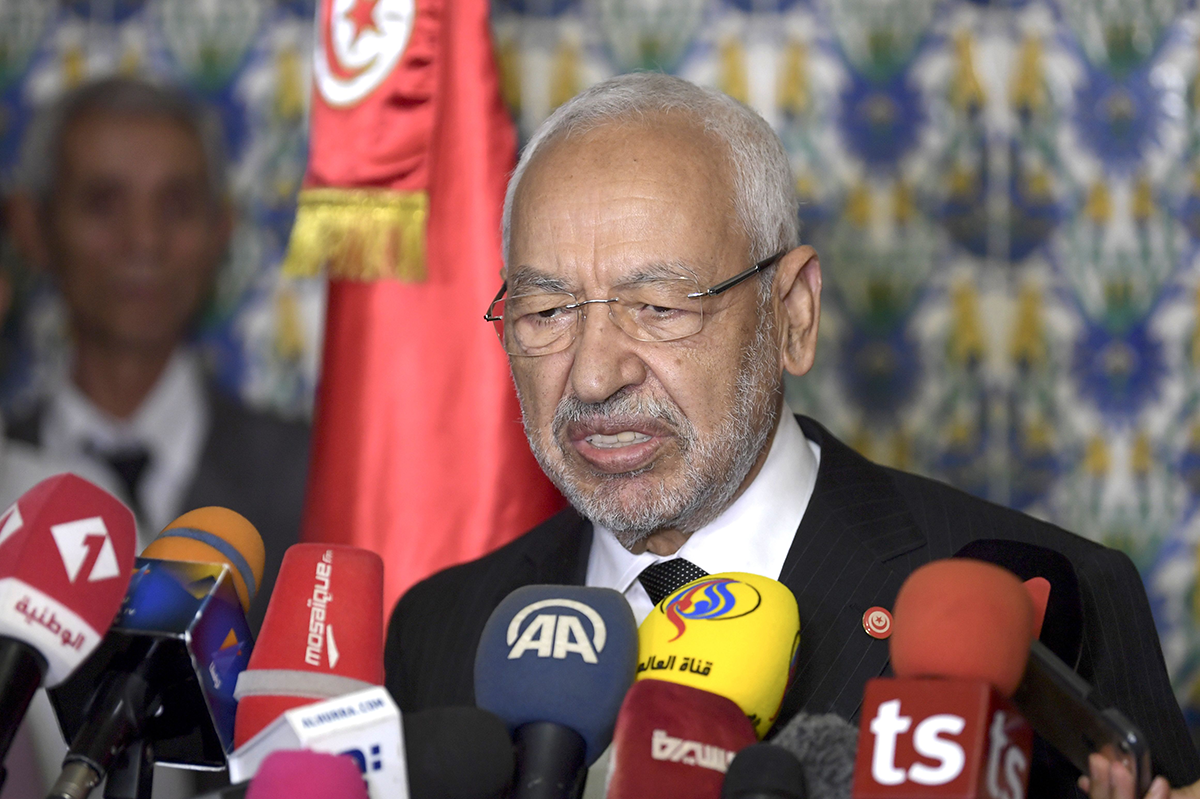
Rached Ghannouchi, president of the Islamist party Ennahda and speaker of Parliament, has been a voice of moderation and reason contributing to Tunisia’s incipient democratization. While there is much to praise in Ghannouchi’s stewardship of Ennahda, he should consider the pitfalls of longevity in power. This article examines the ongoing debate on Ennahda’s leadership crisis, considering it from the vantage point of intra-party democracy.
This week’s briefing on recent news and upcoming events in the region featuring Charles Lister, Randa Slim, Jonathan M. Winer, Alex Vatanka, Marvin G. Weinbaum, Robert S. Ford, Mirette F. Mabrouk, and Syed Mohammad Ali.
After successfully managing COVID-19, Tunisia gets back to its old problems
Tunisia seems to have avoided the worst of the first phase of the global coronavirus crisis. And yet whatever the final tally of the pandemic might be, its consequences will only add to a host of existing problems that have beset the North African country in recent years, including political instability, a stalled economy, security threats, and financial woes.
Monday Briefing: Red lines and rising tensions in Libya
In this week’s Monday Briefing, MEI experts Mirette F. Mabrouk, Robert S. Ford, Nazila Fathi, and Marvin G. Weinbaum provide analysis on recent and upcoming events including rising tensions in Libya, economic turmoil and anti-regime protests in Iran, and the Jordanian high court’s decision to dissolve the Muslim Brotherhood.