Dispatches from Delhi: India and the changing global order
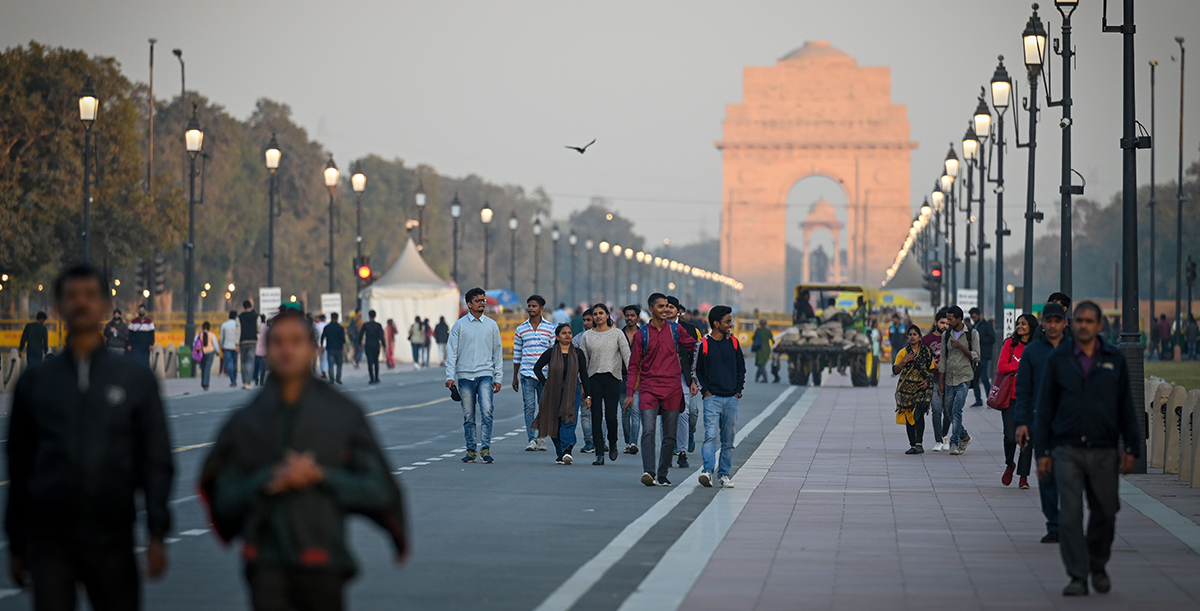
Delhi is one of the few capitals around the world that offers a representative view of the global order. After engaging with a wide variety of Indian policymakers and public intellectuals during a recent visit to India’s capital, I walked away with a better understanding of how Delhi is grappling with some of the main global issues.
By redefining and expanding the Asia-Pacific’s geopolitical dimensions, Abe Shinzō, the late Japanese prime minister, offered a geostrategic model that is now being realized across South Asia and the Middle East. With India at the center of this emerging West Asian ecosystem, Abe’s vision has begun to take shape.
The credibility of American deterrence in the Middle East
I don’t think enough attention has been paid to US Central Command Commander Gen. Michael Kurilla’s public testimony on 23 March, in which he said that Iran-backed militias have attacked American troops in Syria 78 times since January 2021.
A day after Kurilla spoke, local fighters allied with Tehran’s Revolutionary Guards launched another attack with drones, killing a US contractor and wounding six other American service members.
Turkish Election Watch: The Week of March 26-April 2
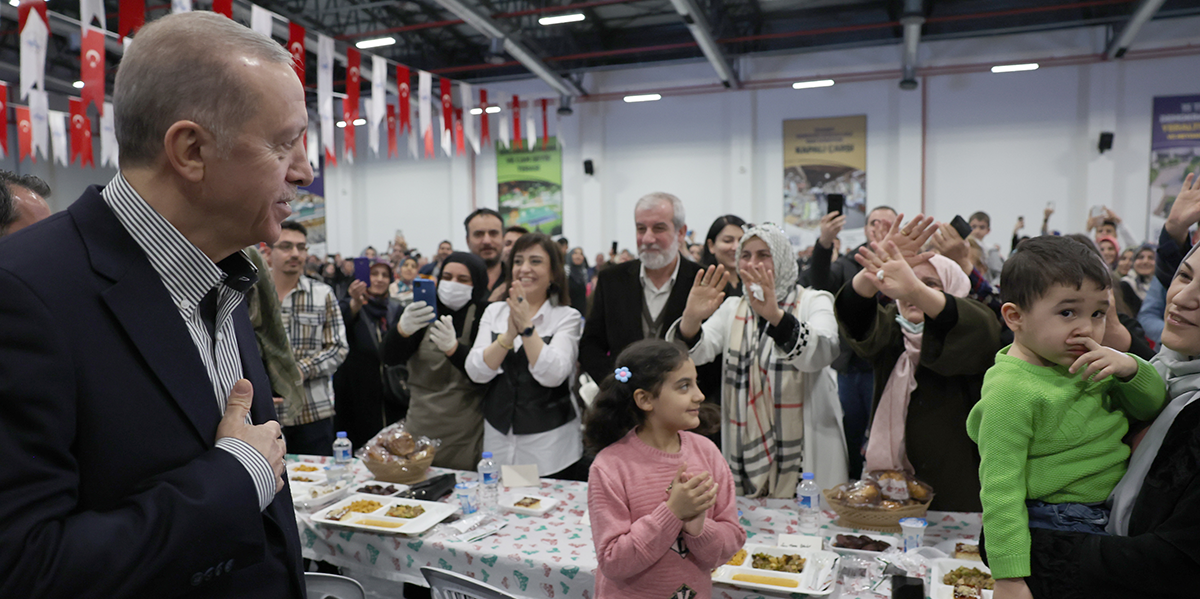
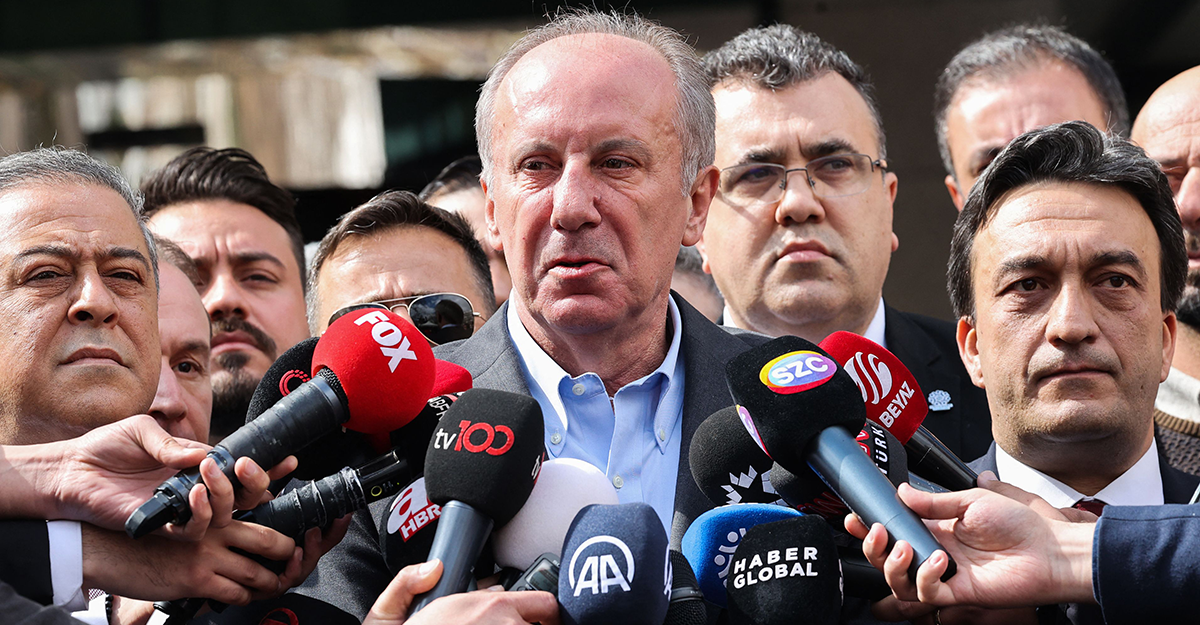
Catch up with the latest developments about Turkey’s May elections with weekly updates from MEI’s Turkey Program. In this week’s installment of Turkish Election Watch: It’s officially a four-candidate race for the presidential election, Kılıçdaroğlu meets with İnce, Kılıçdaroğlu receives a warm welcome in an Erdoğan stronghold, and Bahçeli makes an unexpected move.
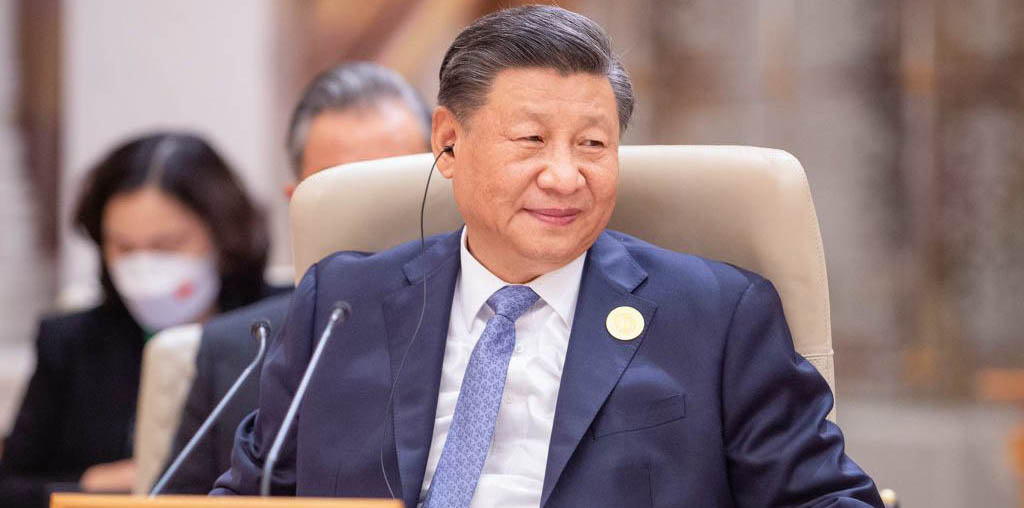
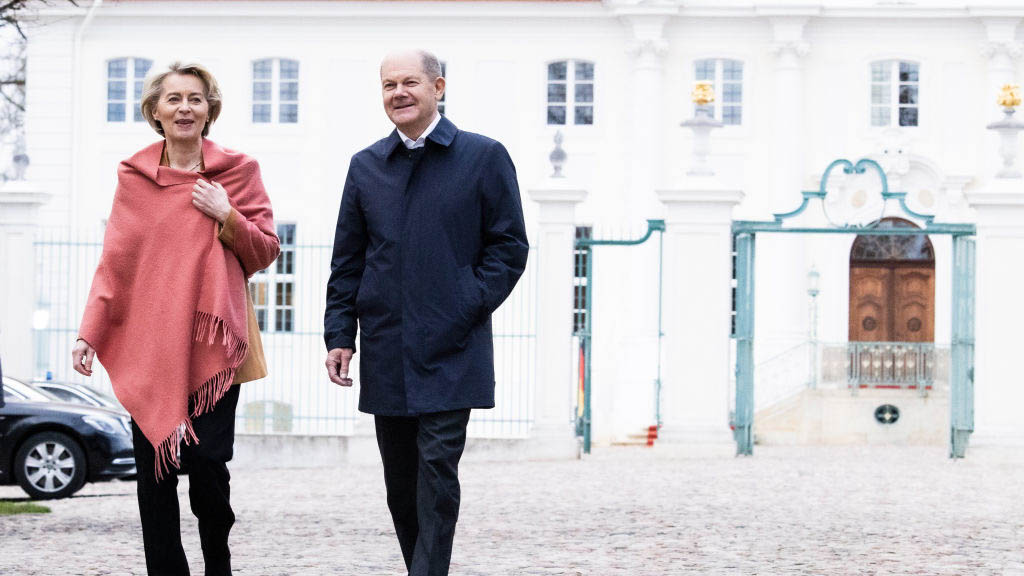
French President Emmanuel Macron is taking Ursula von der Leyen with him on his trip to China next week. Von der Leyen is president of the European Commission and, until now, one of the European Union’s (EU) staunchest supporters of Ukraine. The two are scheduled to arrive in Beijing on April 4. While Macron’s visit had been announced some time ago, von der Leyen’s recent decision to join gives the trip a pan-European stamp of approval. But for what?
Assessing US Assistance to the Lebanese Armed Forces
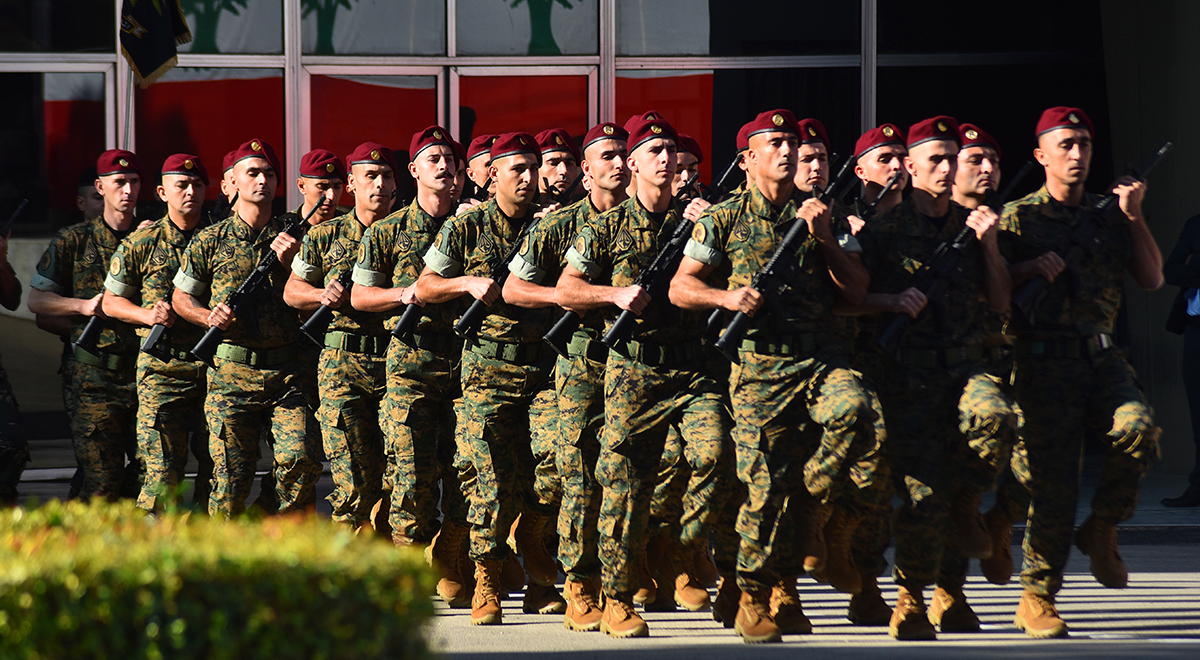
In January 2023, the United States began to reroute $72 million of assistance to Lebanon to support the salaries of Lebanese soldiers and police officers, most of whom could barely make ends meet due to the disastrous economic situation in the country. It took Washington more than two years to make that decision, partly because US laws regarding this type of aid were slightly unclear. But more importantly, the voices inside and outside the US government who argued against further support to the Lebanese Armed Forces (LAF), let alone direct cash assistance, succeeded in delaying the process. This was yet another example of how, despite continued US commitment to the LAF through successive administrations, the US military assistance program remains vulnerable to US domestic politics.https://apnews.com/article/politics-united-states-government-lebanon-bu…
Arab women break boundaries and stereotypes in Middle Eastern militaries
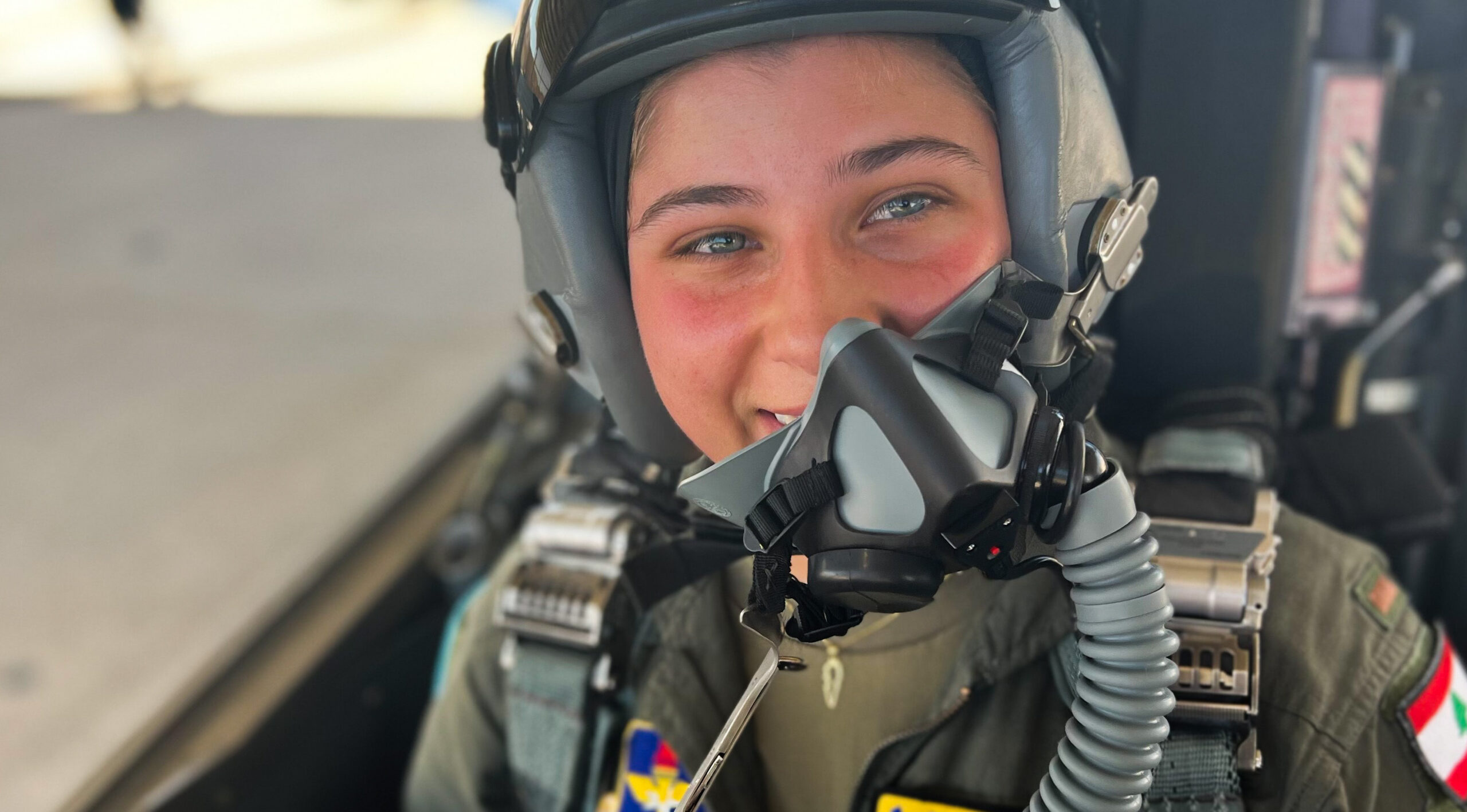
As Women’s History Month in the U.S. draws to a close, women in the armed forces of several Middle Eastern countries continue to achieve historic milestones, with many now serving as pilots, engineers, peacekeepers, and in special forces units. The role of women is steadily increasing as the result of new initiatives, policies, and gradually changing mindsets in the Middle East.
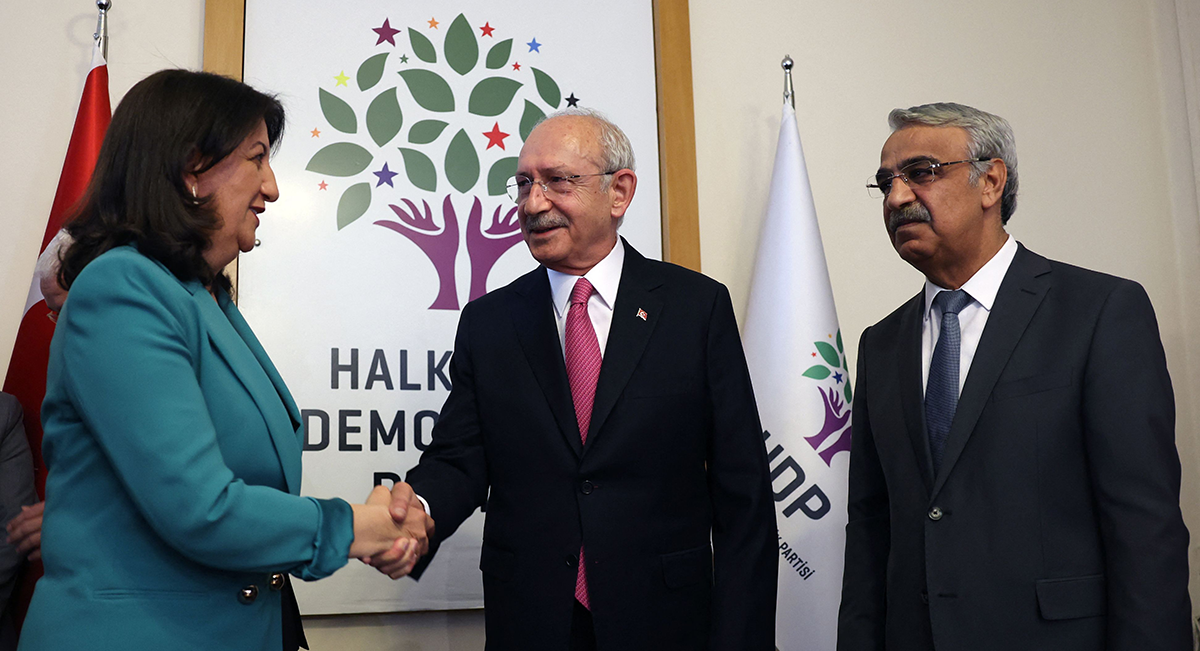
Catch up with the latest developments about Turkey’s May elections with weekly updates from MEI’s Turkey Program. In this week’s installment of Turkish Election Watch: The HDP takes sides without taking sides, the dark horse candidate Muharrem İnce, and the AKP’s “People’s Alliance” coalition.
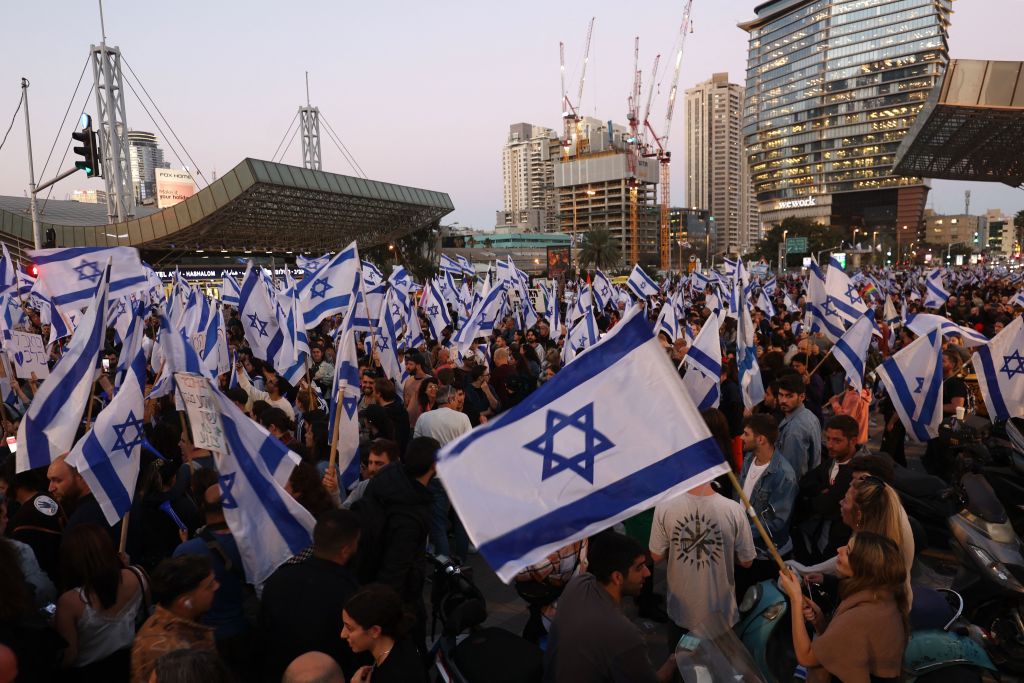
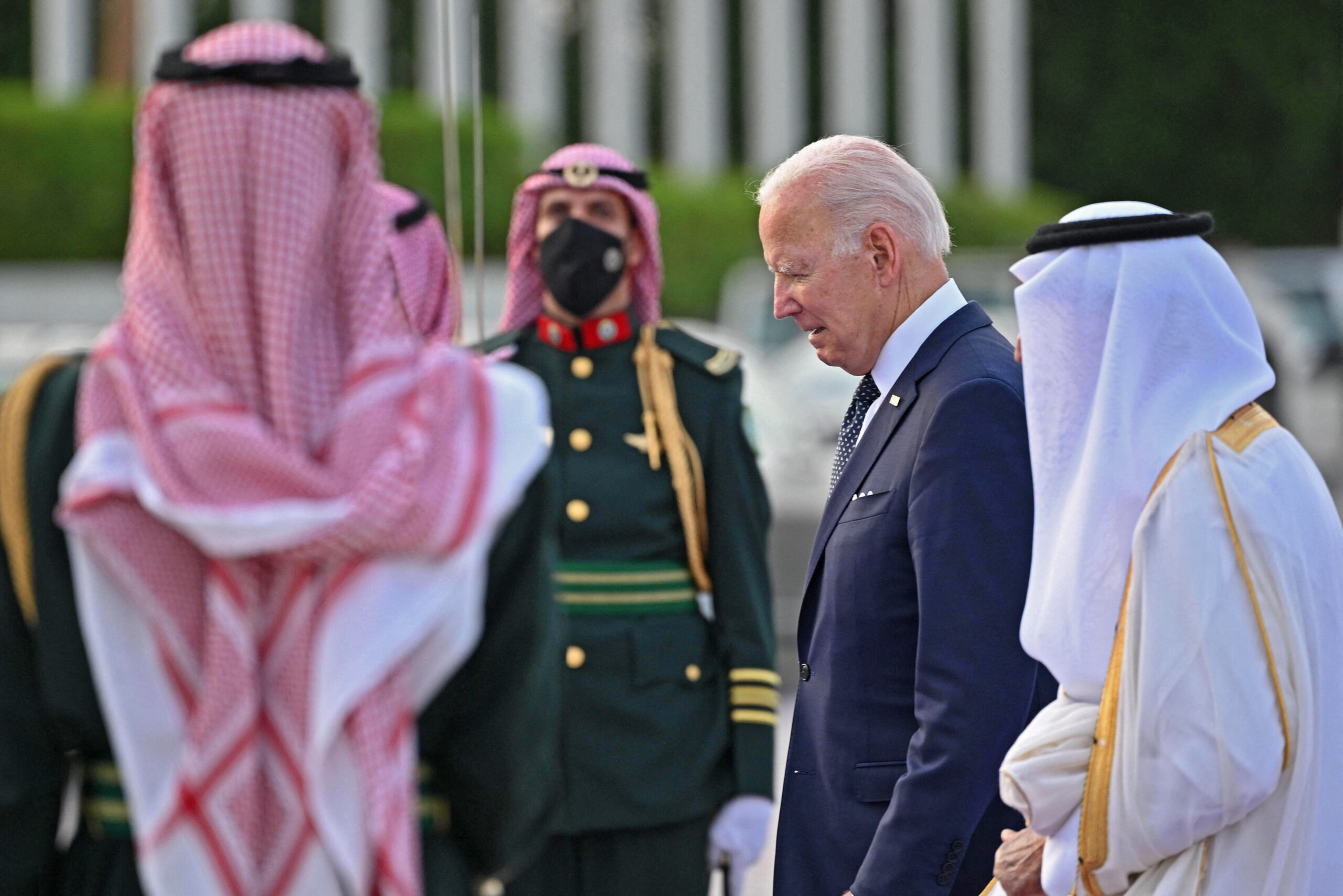
Now that Saudi Crown Prince Mohammed bin Salman has clarified what he expects from Washington in return for normalizing ties with Israel—mainly U.S. security guarantees—the question is: Should U.S. decision-makers accept his price?