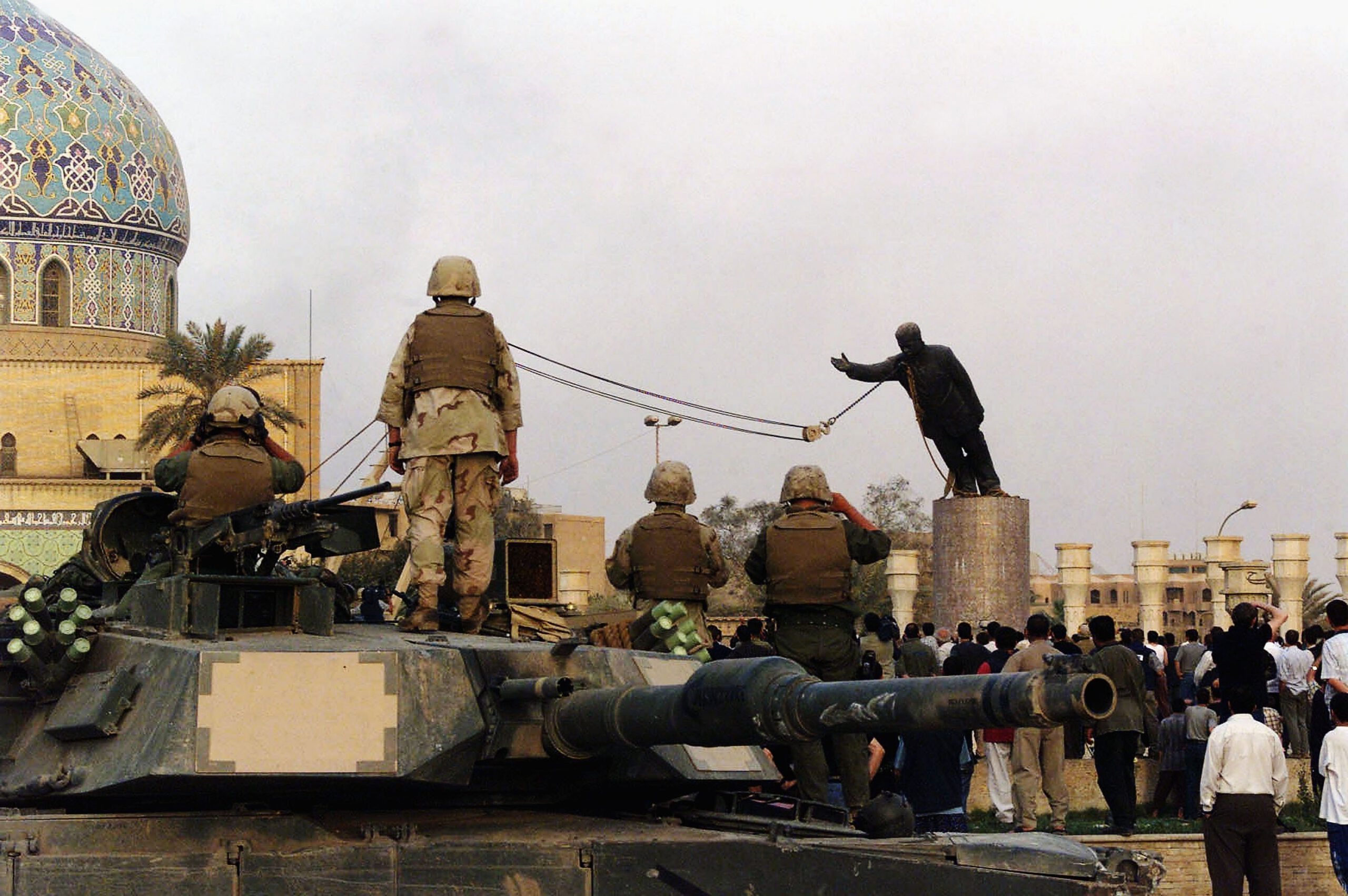
The painful reality is that Washington’s hastily cobbled together ethno-sectarian political system for post-2003 Iraq ended up doing the opposite of what it intended. The regional domino effect was also the opposite of what the U.S. had hoped for, as Iraq became a cautionary tale that regimes could use to undermine the democratic desires of their own populations.
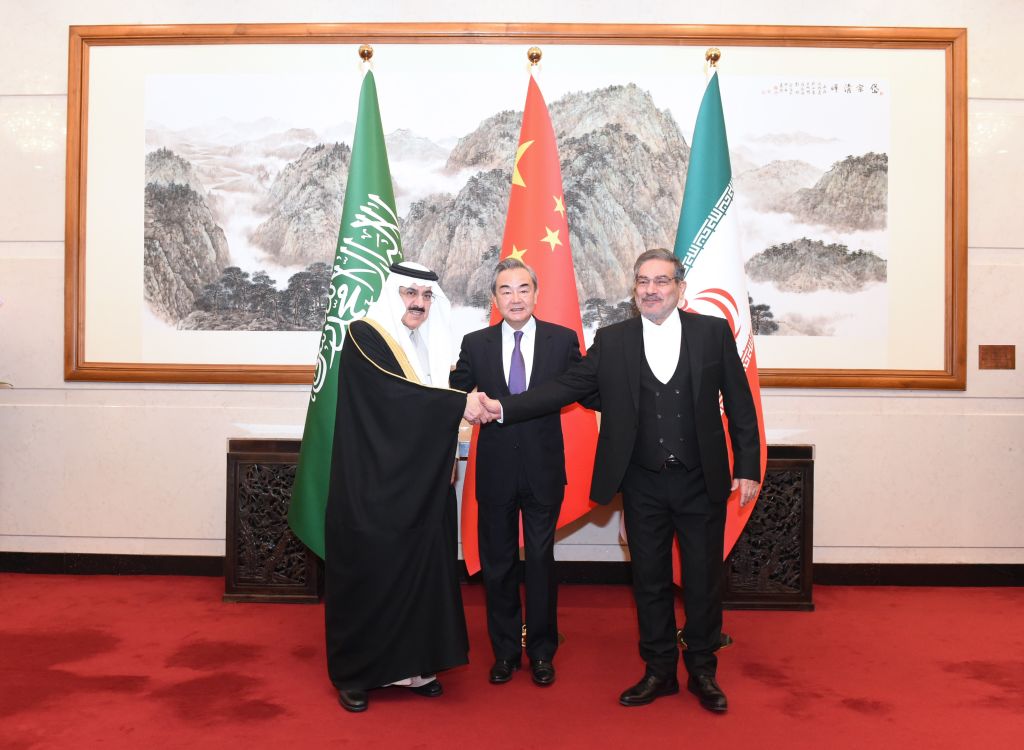
Dispatches from Tokyo: Abe’s legacy, the Middle East and the Indo-Pacific, tech decoupling, and more
After a week of talks with Japanese officials, scholars, and intellectuals, I am still grappling with the back-and-forth about the emerging global disorder and the evolving situation in the Indo-Pacific and the Middle East.
The Food-Energy Nexus and Italy–Morocco Cooperation
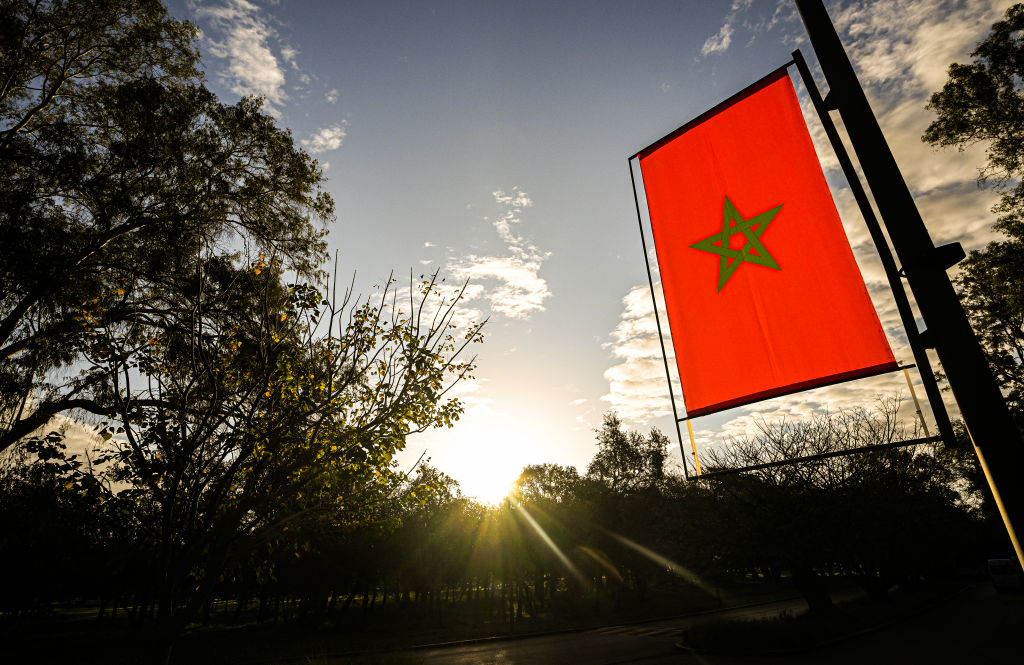
The unwinding of global food production chains due to the combined shocks of Covid-19 and the war on Ukraine, made worse by the impact of climate change on the food-water-energy nexus, will require the six nations of the western Mediterranean – Morocco, Algeria, Tunisia, Spain, France and Italy – to develop new forms of economic cooperation. An Italy–Morocco partnership on green energy food production can be a model for resilient food production chains.
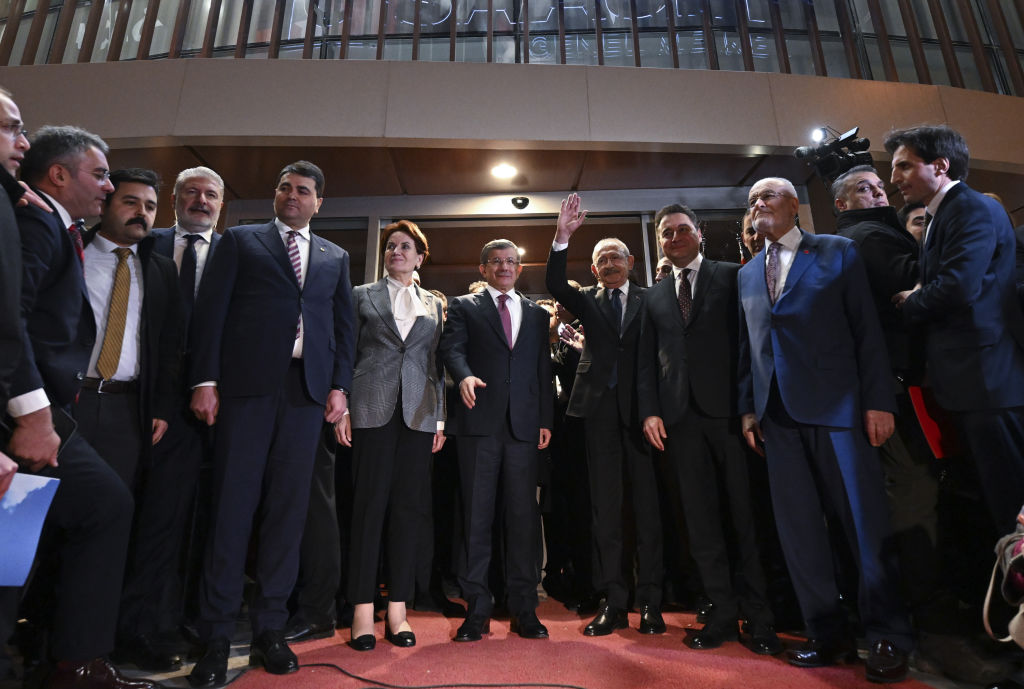
Turkey’s "Gandhi" sets his sights on strongman Erdoğan
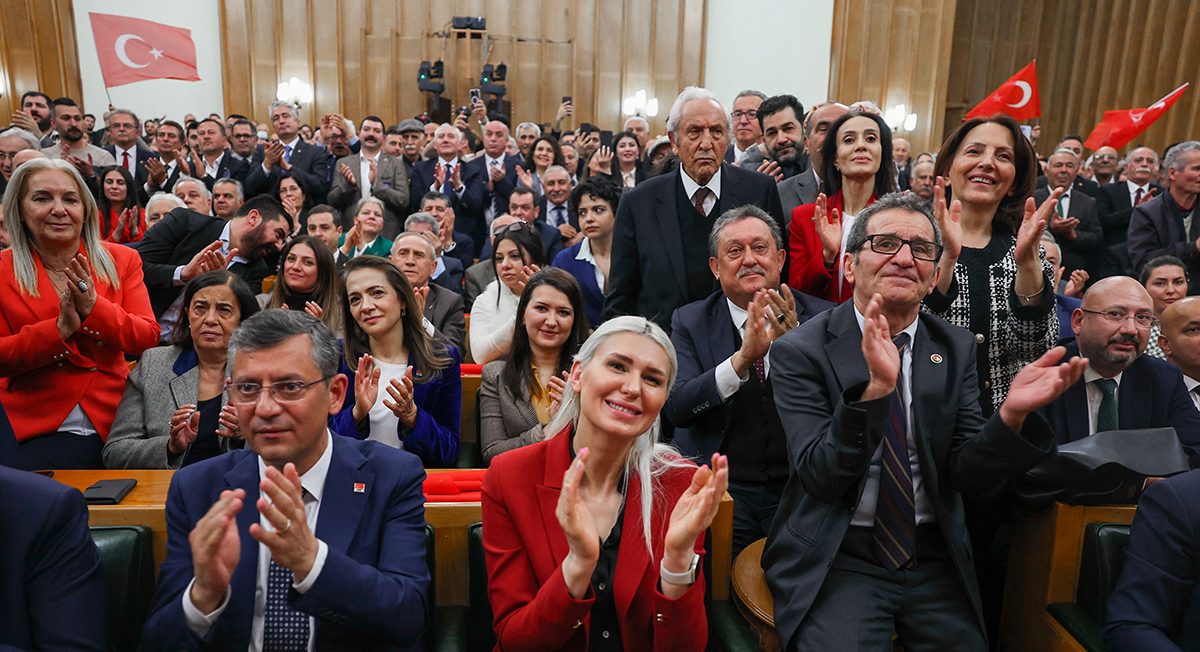
The earthquake seems to have damaged the charismatic populist’s image. And voters may finally be ready for an uncharismatic man who promises to put things in order.
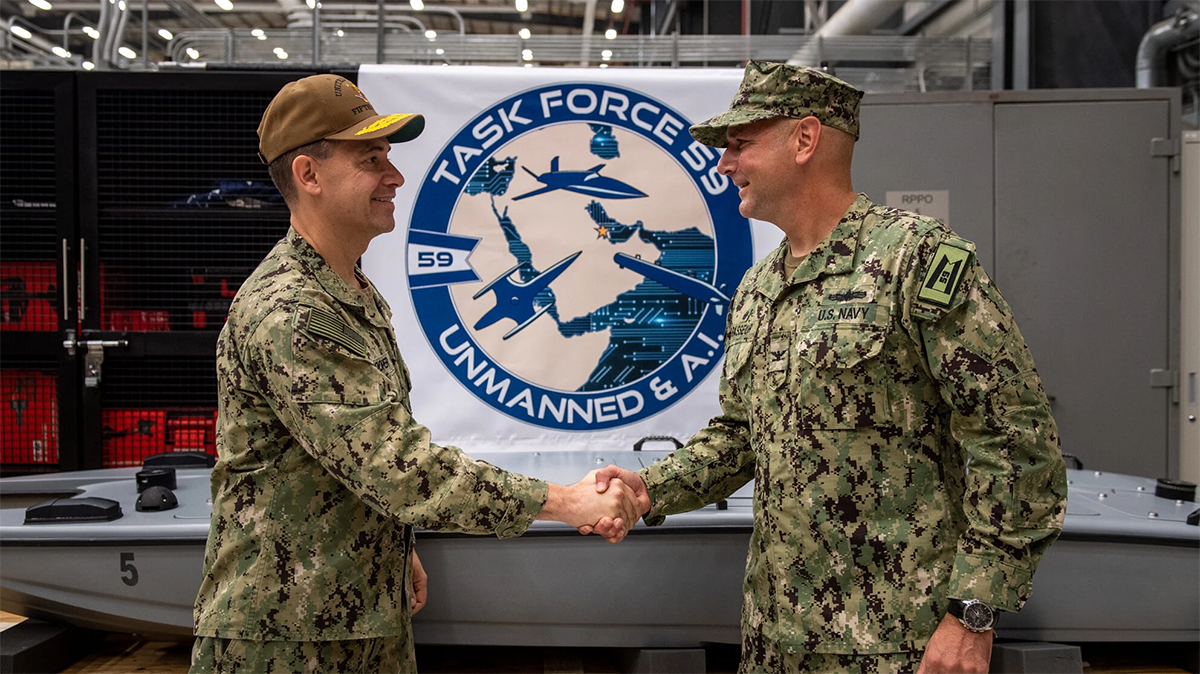
What NAVCENT’s Task Force 59 needs to be a true success
The Middle East is proving to be a test-bed for military innovation that could be incredibly helpful for other priority regions such as the Indo-Pacific, write Jasmin Alsaied and Bilal Saab of the Middle East Institute.
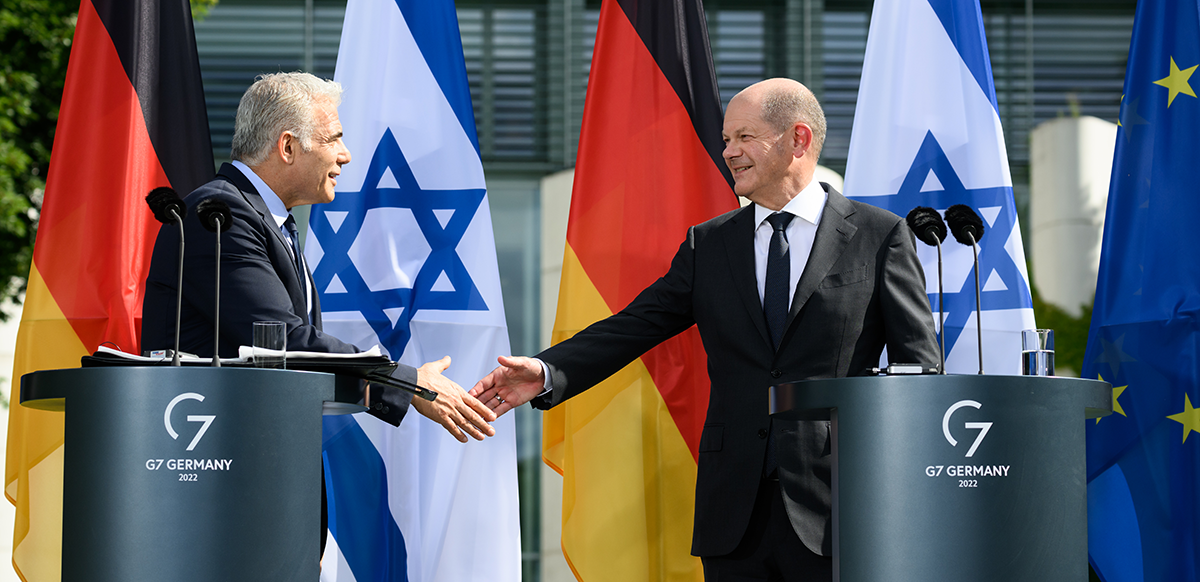
The German "Zeitenwende" still goes unnoticed in Israel
Although Germany and Israel maintain a close partnership, the German “Zeitenwende” has not yet been perceived there. Dr. Nimrod Goren outlines a German-Israeli partnership oriented towards democracy and peace.
US Military Aid to Egypt Should Transcend Politics
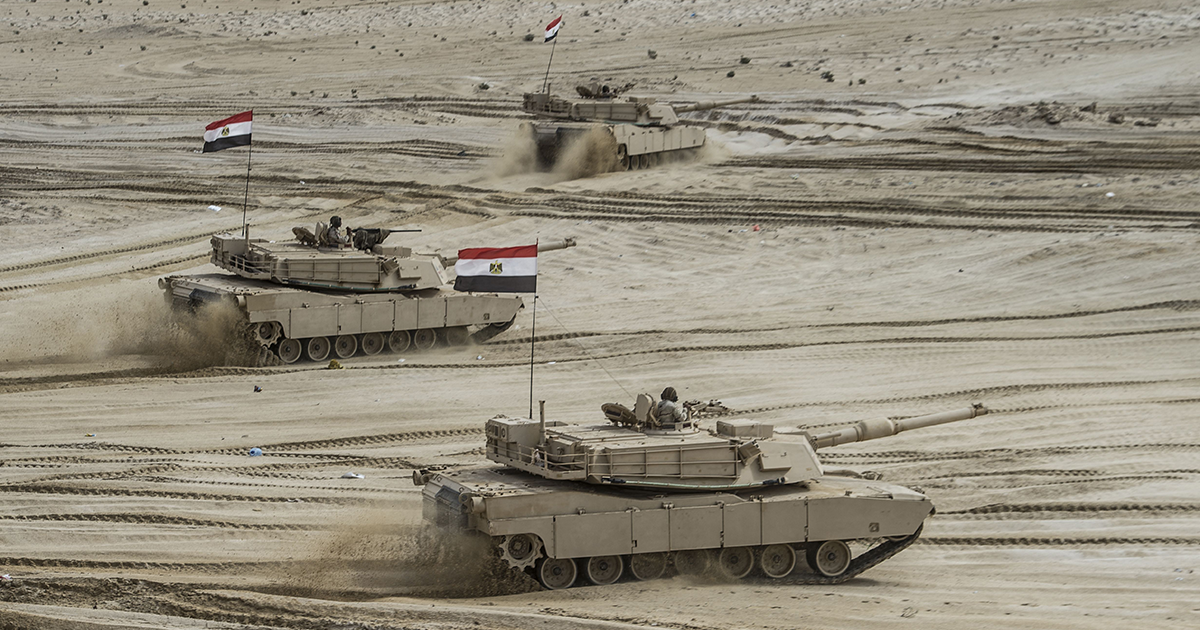
It is advantageous for the United States to maintain its military aid to Egypt without implementing slight reductions that may not influence Egypt’s policies on homeland security or defense against foreign threats.
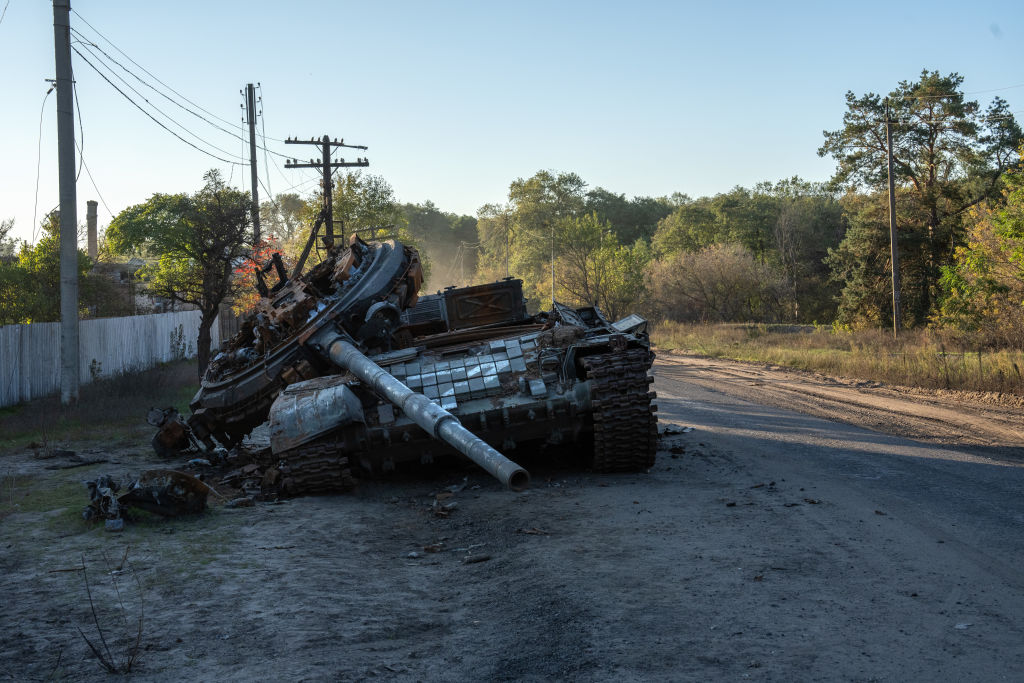
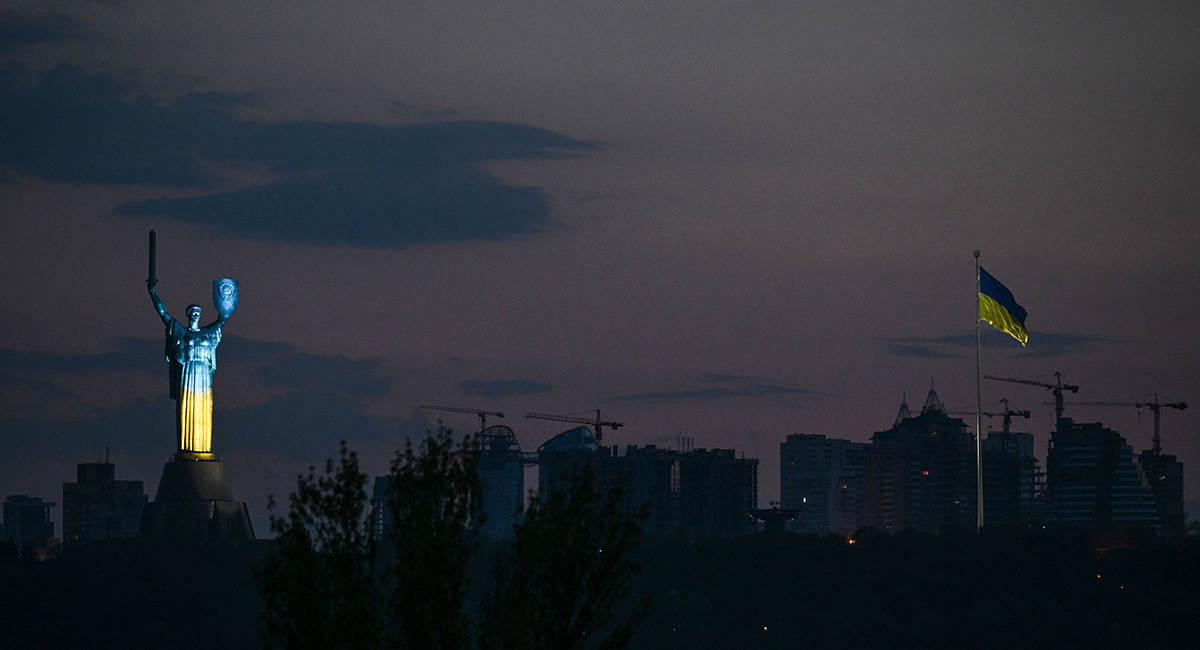
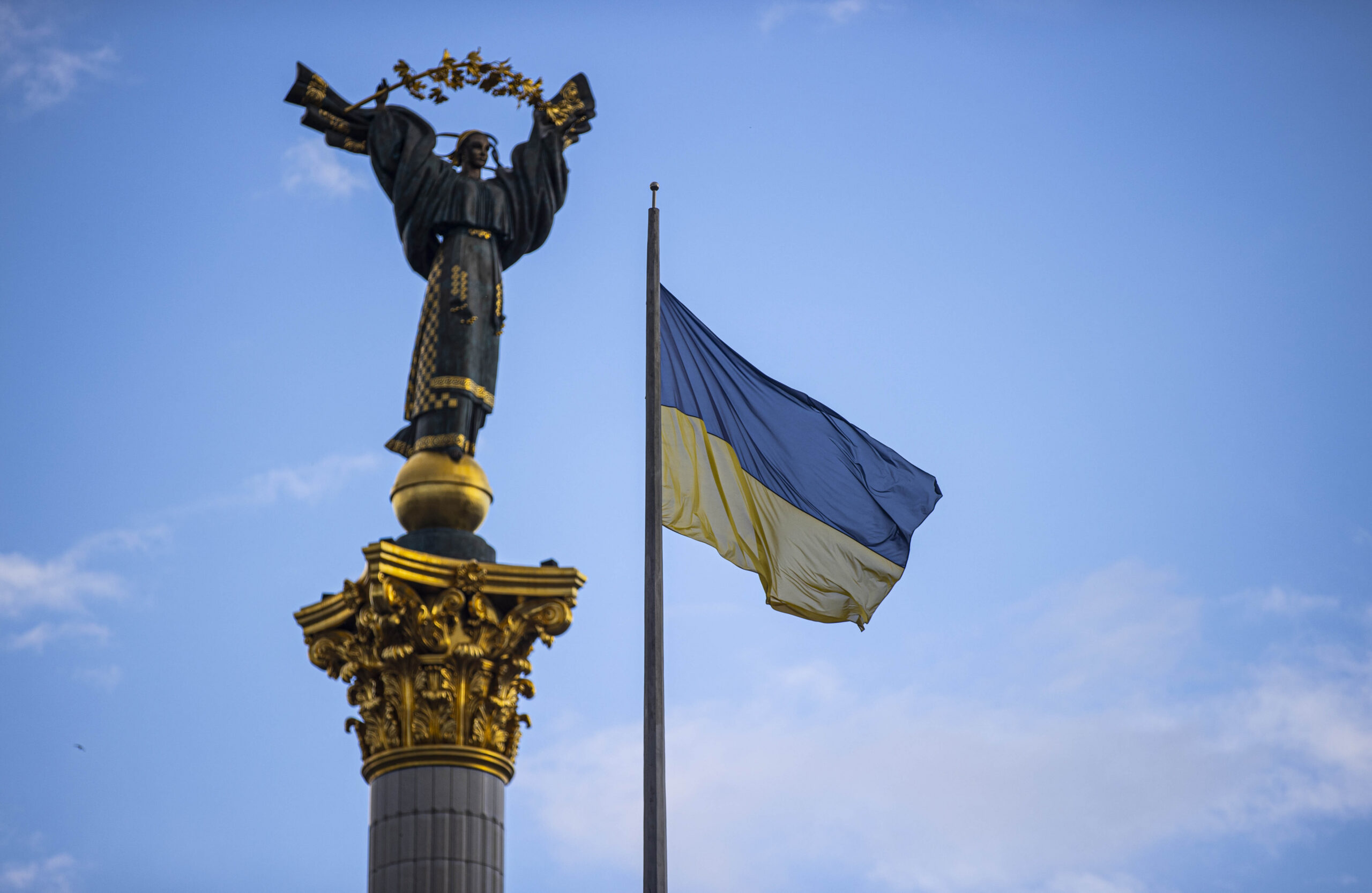
Today marks the one-year anniversary of the war in Ukraine — a war of choice by Russian President Vladimir Putin. Russia has failed on the strategic, operational, and tactical levels. The Ukrainians have defied the odds. No one will likely underestimate them again, including Russia.
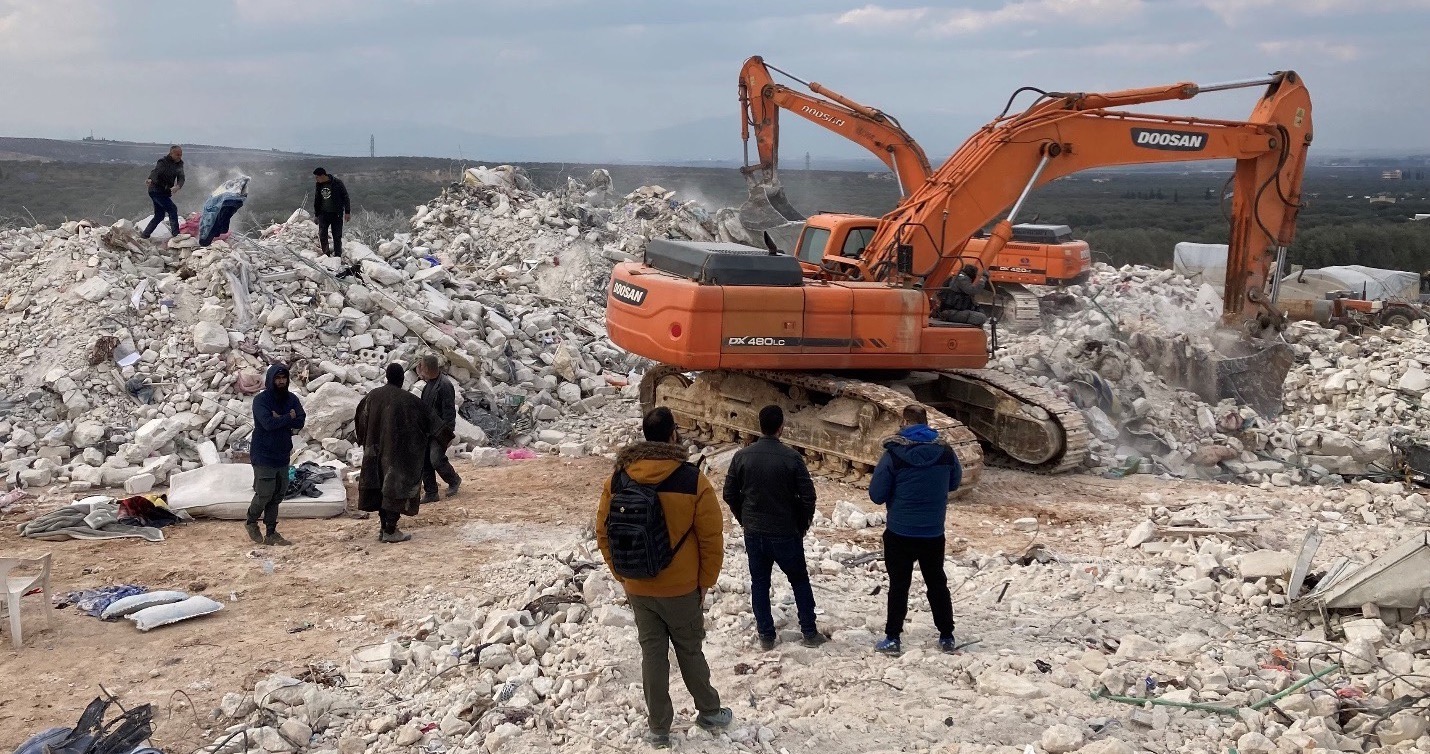
“Idlib is under siege” — this is the common sentiment shared with me by both local leaders and residents alike. The dual earthquakes on Feb. 6 not only rocked the physical foundations of the cities in Syria’s last opposition-held region, it cracked the social foundation of trust Syrians had with the international aid community.