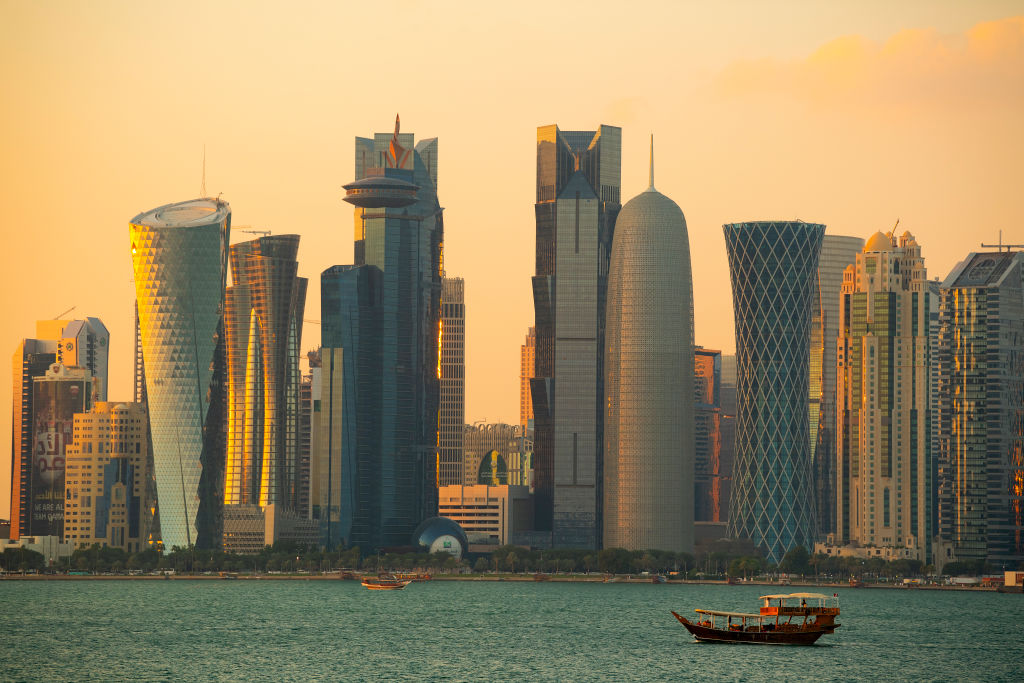
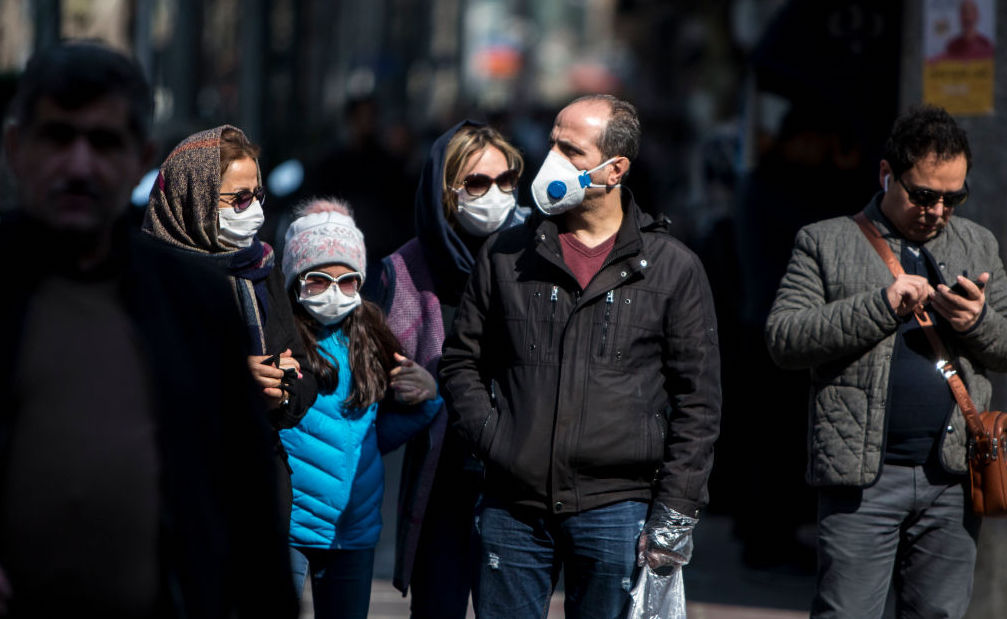
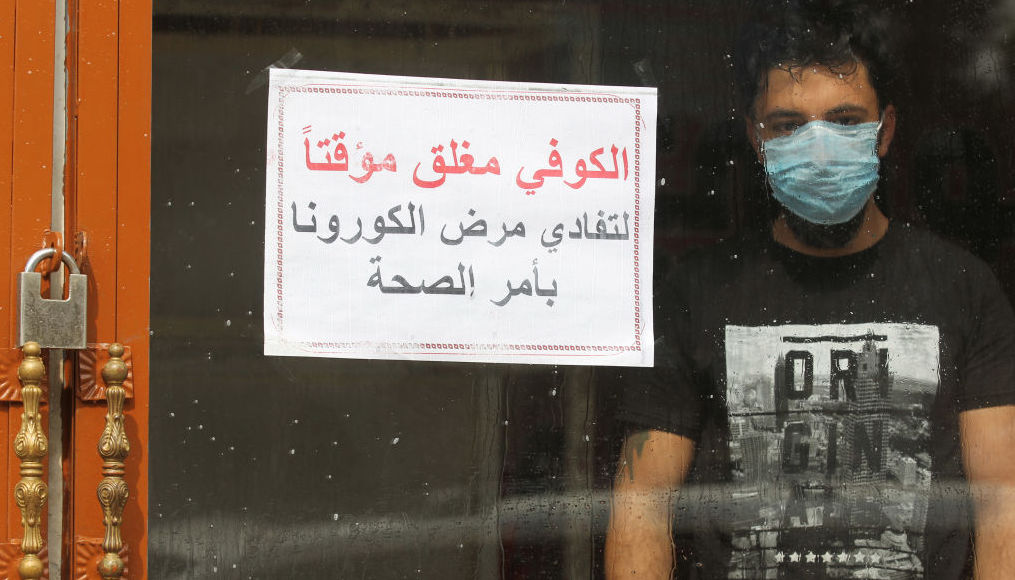
Cratering demand for Qatar’s main exports has reduced its income to a fraction of what it was last year, but its nest egg is held in very illiquid assets.
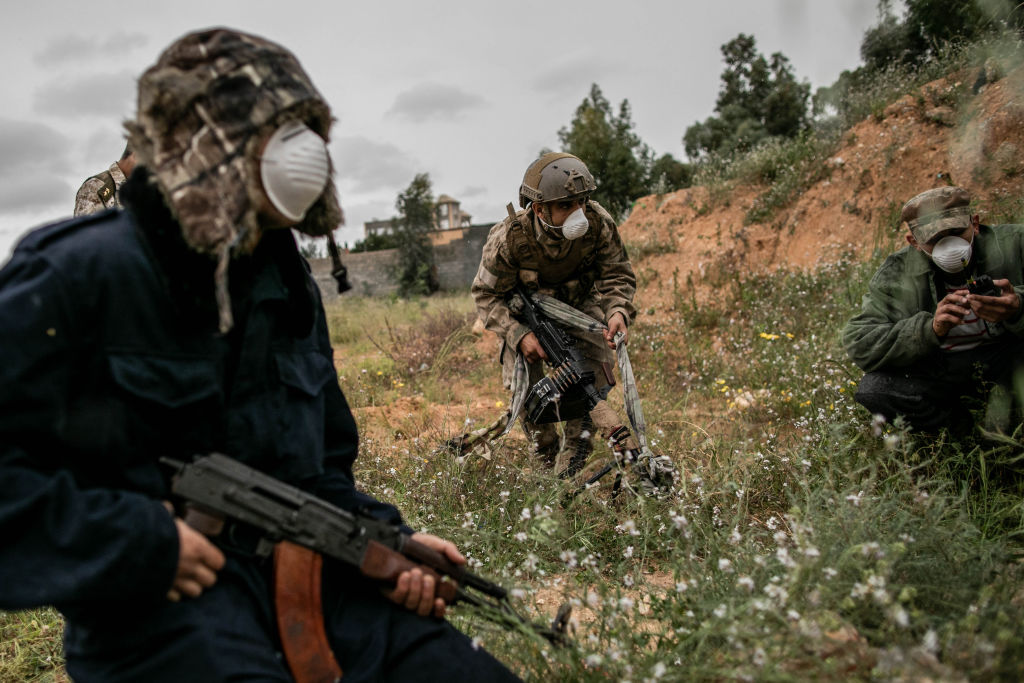
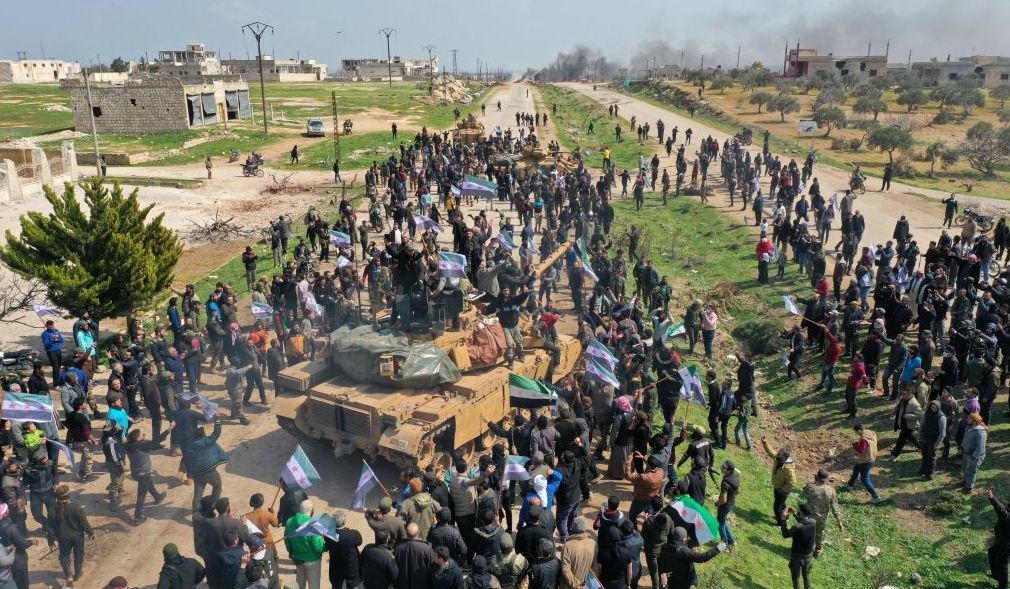
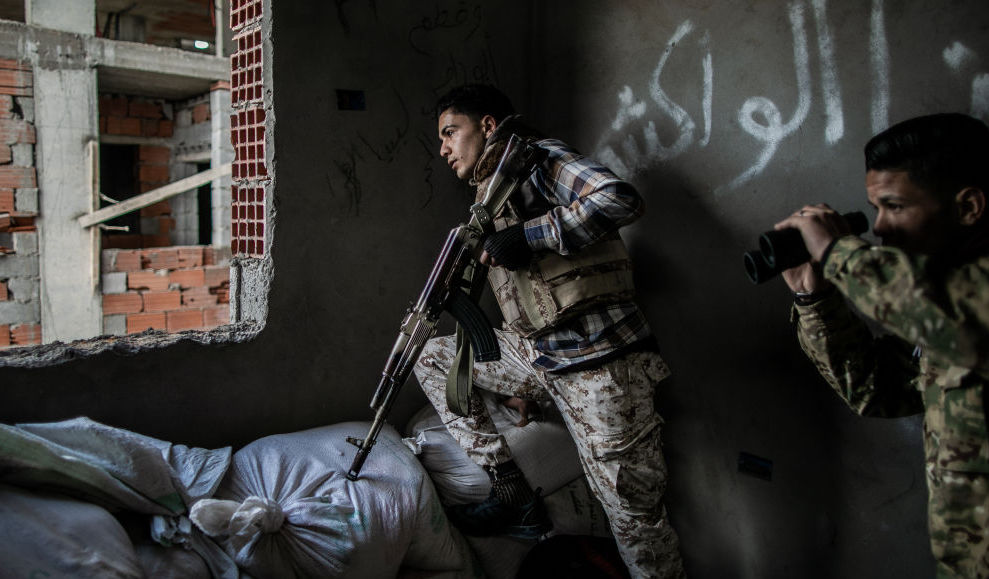
Although press coverage may have shifted almost totally to the worsening global pandemic, the conflicts in Iraq, Syria, Yemen, and Libya are anything but frozen.
A new challenge to countering insurgency and terrorism
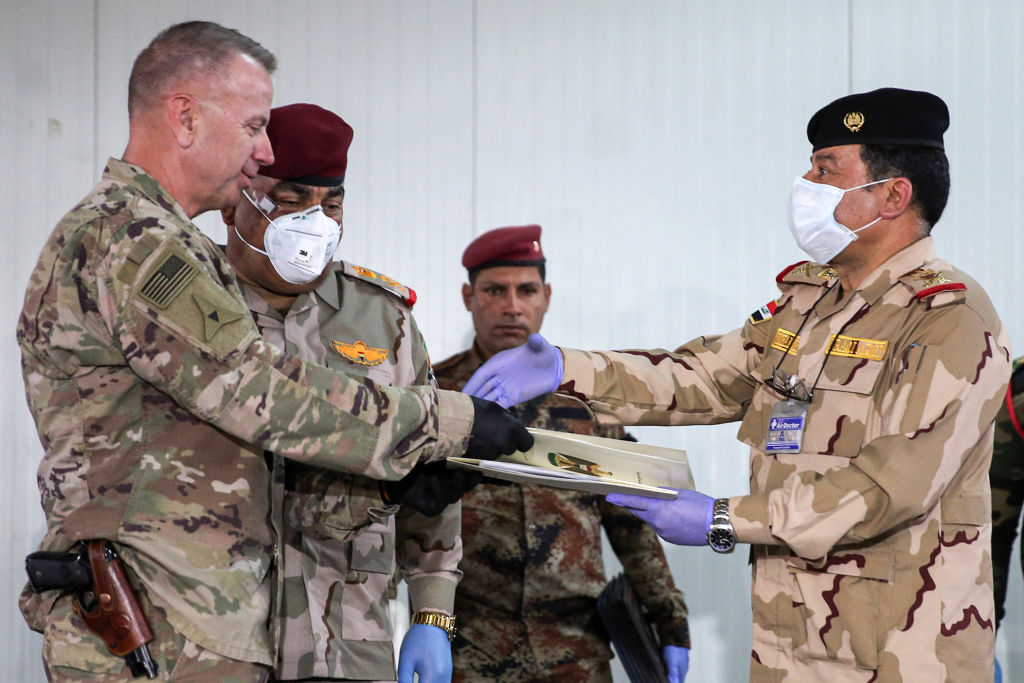
In active threat zones, the capacity to launch major operations will likely be constrained for at least several months once the virus begins its inevitable surge.
Despite the physical closure of MEI’s offices on N St., including the Policy Center, the MEI Art Gallery, Education Center, and Oman Library until further notice, MEI’s staff and experts are teleworking from home and busier than ever. Given our mission to educate and inform, coupled with the dramatic impact of COVID-19 on life in the Middle East, MEI is more committed than ever to providing our readers, viewers and supporters with unique insights, policy analysis and stories of creativity and hope from the region.
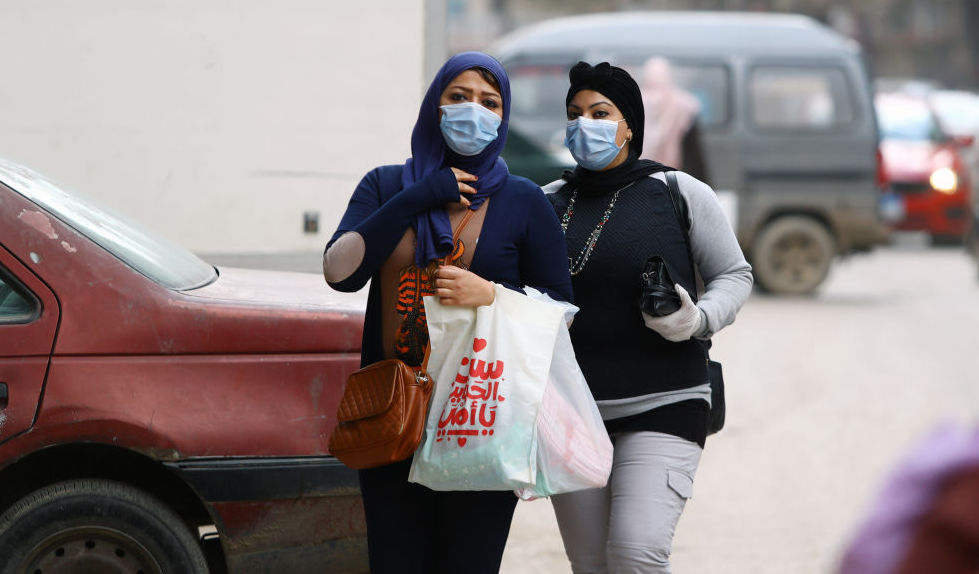
Egypt imposes stricter measures to tackle the spread of coronavirus
The most populous country in the Arab world, with 100 million people straining its seams, Egypt has weaknesses that make it susceptible to a serious outbreak of COVID-19.
Libyan oil production has collapsed to less than 100,000 bpd as Hifter has continued to amass forces for what some claim to be a final push into the nation’s capital and largest city.