تمت ترجمة هذا النص بواسطة الذكاء الاصطناعي وقد يحتوي على أخطاء.
تخطي إلى المحتوى

التحليل

تصفية حسب
5995 Results
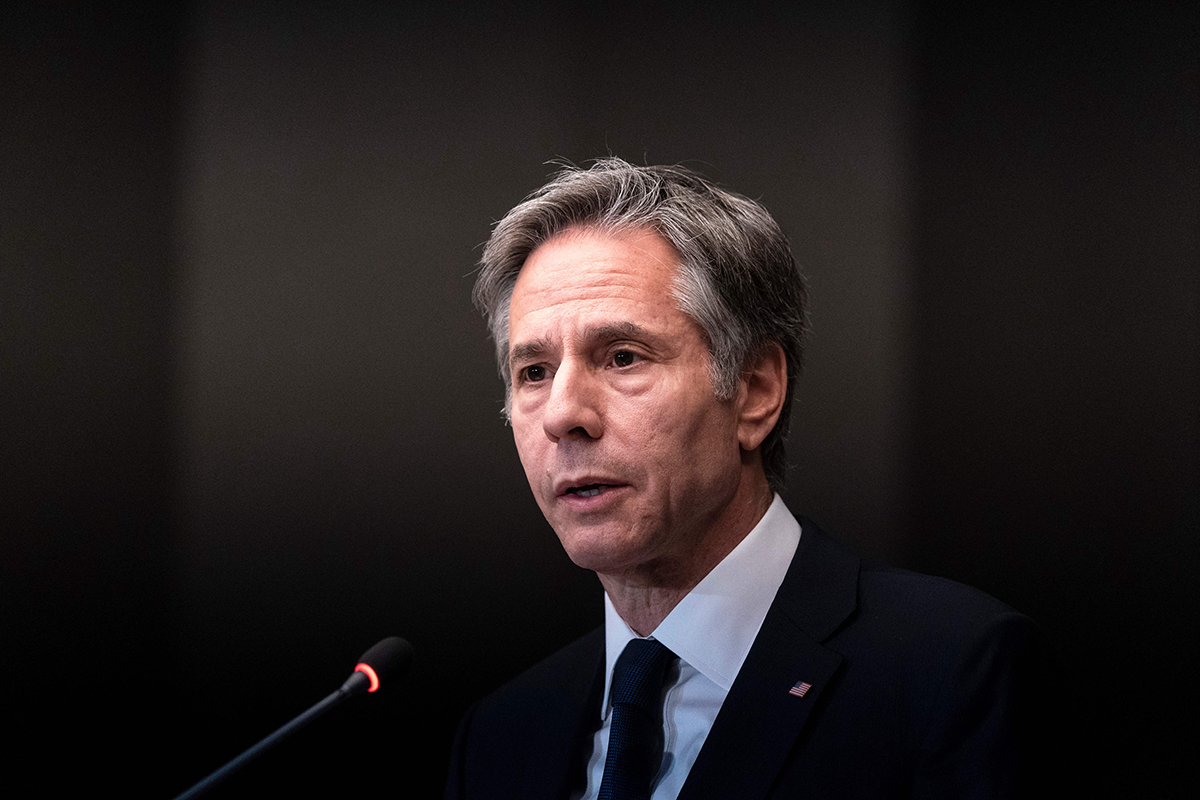
Up for Debate: The Biden administration's approach to Israel/Palestine
Photo by ALEX BRANDON/POOL/AFP via Getty Images
  • التحليل
  • Up for Debate: The Biden administration's approach to Israel/Palestine

    The Biden administration has repeatedly said that Israelis and Palestinians “deserve equal measures of security, freedom, opportunity and dignity” (sometimes expressed as “equal measures of freedom, security, dignity and prosperity”). Since the recent crisis in Gaza and East Jerusalem, Secretary of State Antony Blinken and other U.S. officials have reiterated this formula in one form or another. What is its significance? What does (or should) it mean in the context of the Biden administration’s approach to Israel/Palestine — particularly given the dire humanitarian situation in Gaza, pending expulsions in East Jerusalem, and ongoing settlement expansion in the occupied West Bank and East Jerusalem? We asked eight experts to weigh in with their thoughts.
    June 21, 2021

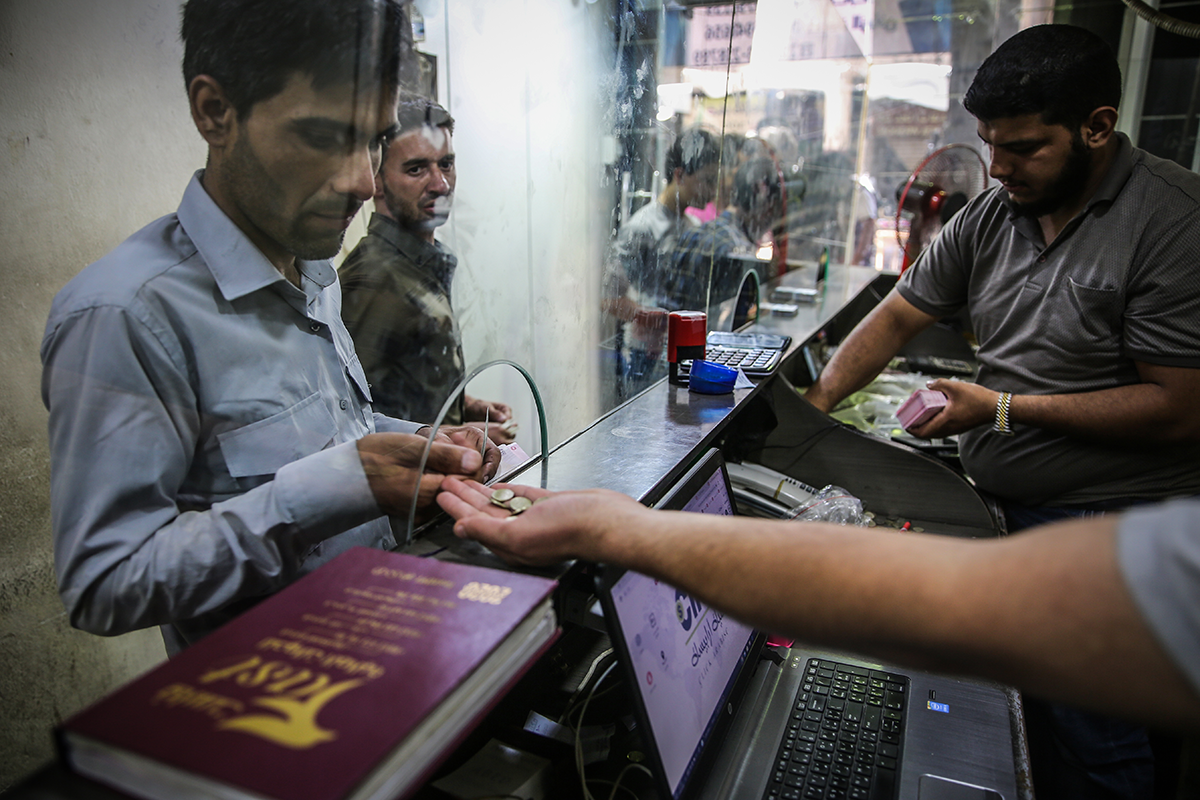
    The Economics of Hayat Tahrir al-Sham
    Photo by Anas Alkharboutli/picture alliance via Getty Images
  • التحليل
  • The Economics of Hayat Tahrir al-Sham

    Over the past four years, Hay’at Tahrir al-Sham (HTS) has tried to transform itself from a faction of the Global Jihad movement into the de facto local military and governing power in north-west (NW) Syria. This shift requires the group to seek sources of funding other than al-Qaeda and its donors; consequently, HTS has undertaken a slow but steady takeover of the economy in NW Syria, from financial services and oil and gas to internet and telecommunications. This paper lays out how that process has taken place and provides a detailed look at the economics of HTS.

    June 21, 2021

    Algeria’s election reinforces political divisions
    Photo by Billal Bensalem/NurPhoto via Getty Images
  • التحليل
  • Algeria’s election reinforces political divisions

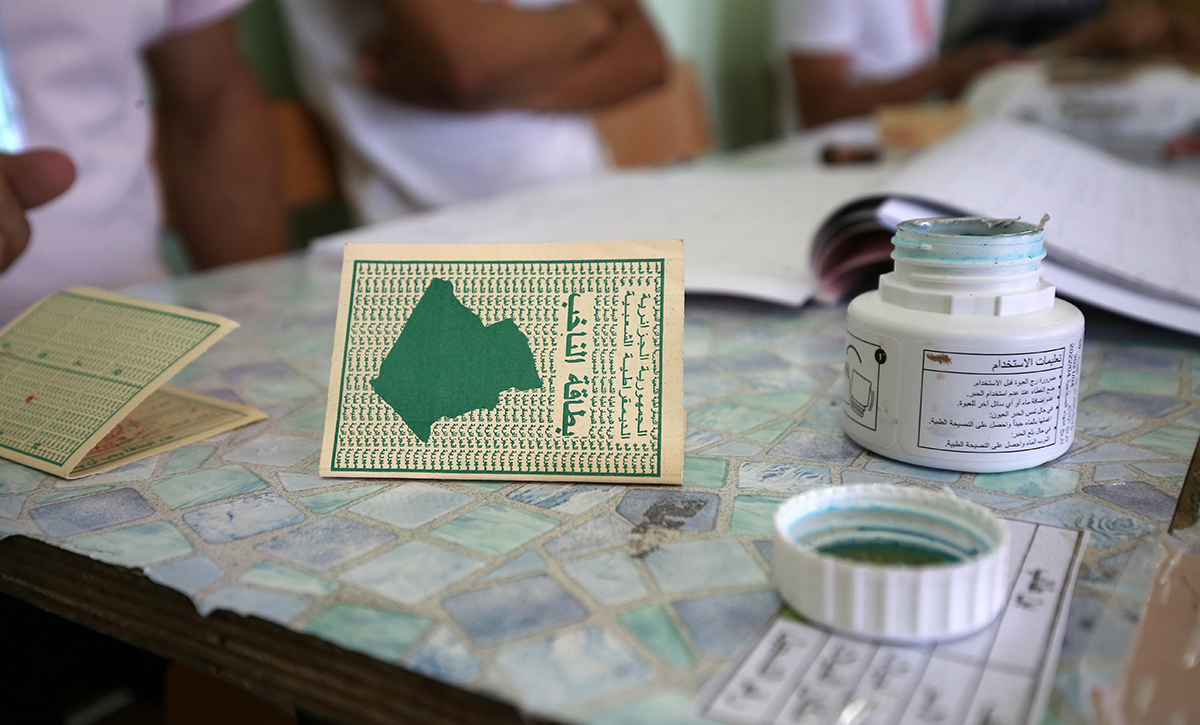
    The June 12 election for the National Assembly, the lower house of the Algerian parliament, shows that the country is stuck between, on the one side, a political system led by President Abdelmadjid Tebboune and backed by the army that rejects deep change and, on the other side, a population that has lost faith in the old system. Preliminary results announced June 15 indicated the phoenix-like return of discredited political parties that had strongly supported former President Abdelaziz Bouteflika, deposed in 2019. But in a sense President Tebboune is now more isolated than ever. His remark that he didn’t care about the record low voter turnout in the election shows the distance between him and most of the Algerian public.

    Changing the rules of the game: Reforming the party system in Iraq
    Photo by Haydar Karaalp/Anadolu Agency/Getty Images
  • التحليل
  • Changing the rules of the game: Reforming the party system in Iraq

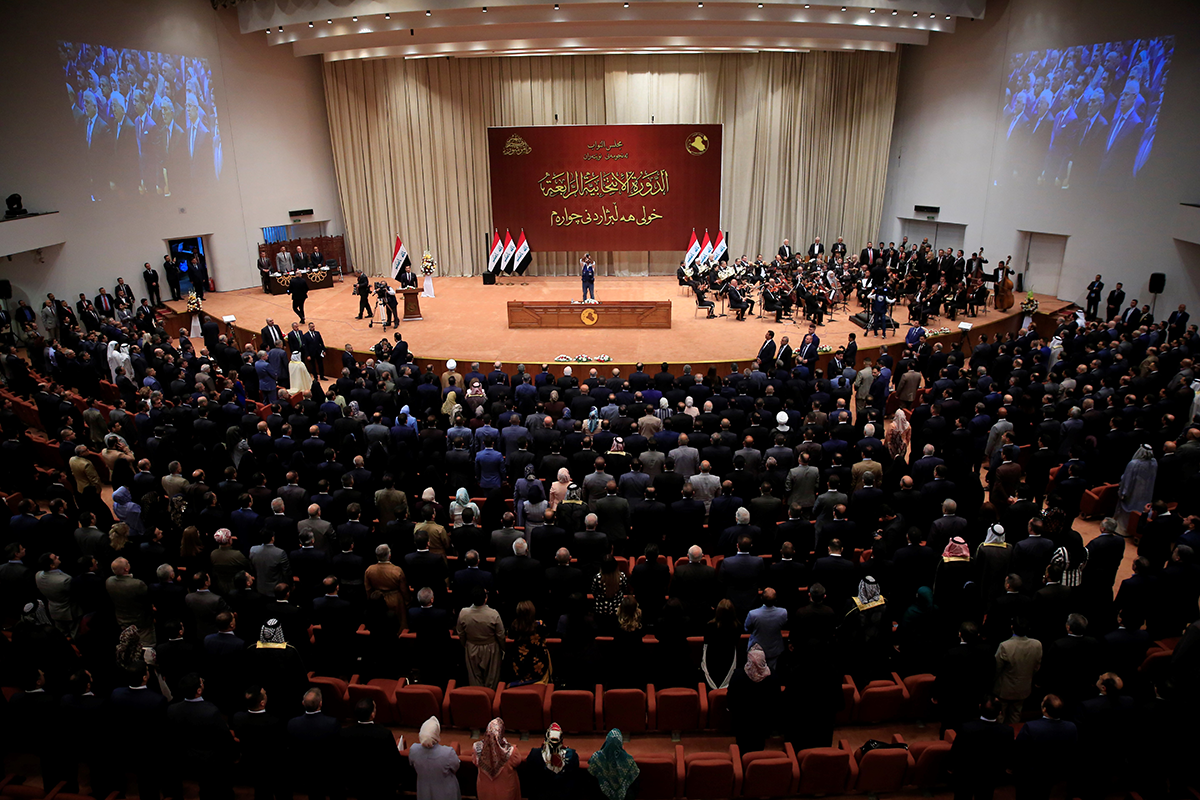
    The performance of Iraqi political parties over the past two decades can be assessed in how they manage three major transformations: the transition from an authoritarian political system to a democratic and pluralistic one, the participation of these parties in managing the transformation of the state from a central to a federal system and the smooth transition from a directed economy to a free market one, and the social transformation from an oppressed society to a free, productive, and reconciled one. Despite the great challenges faced by the various governments since 2003, the parties that participated in the political process (to varying degrees) were unable to succeed in managing these three transformations.

    June 16, 2021

    Low election turnout points to larger changes in Iranian politics
    الصورة من مورتزا نيكوبزل/نورفوتو عبر غيتي إيمدجز
  • التحليل
  • Low election turnout points to larger changes in Iranian politics

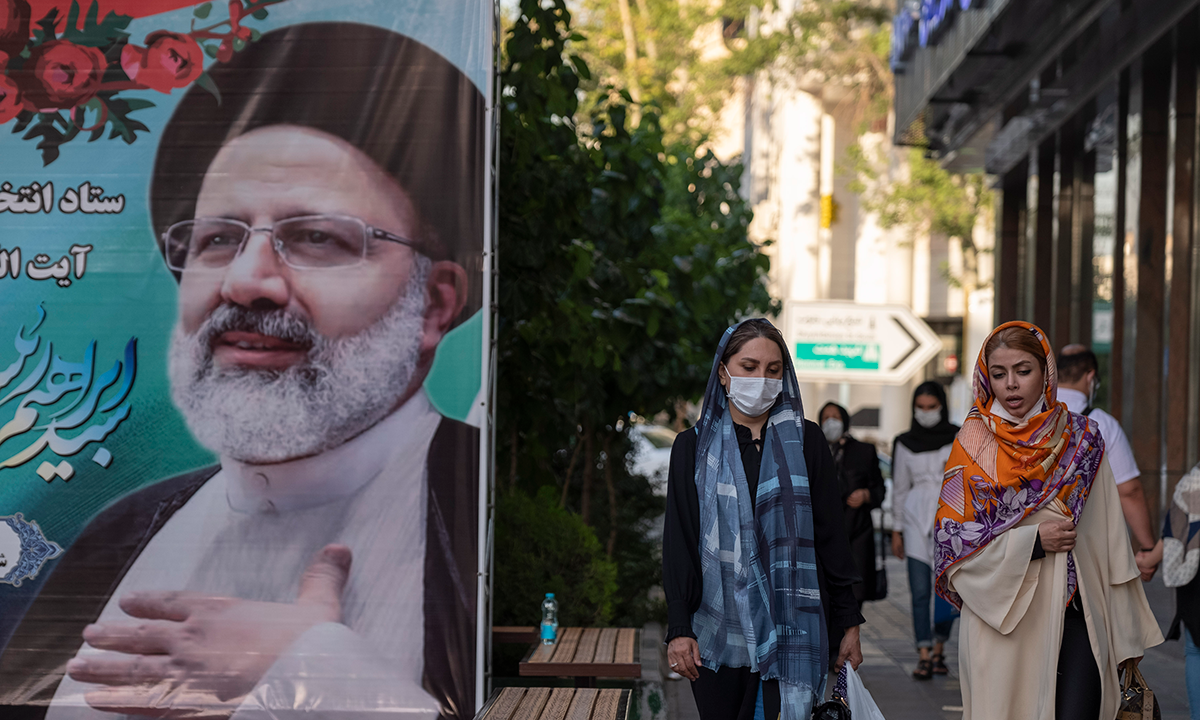
    Iran’s presidential election on June 18 is expected to have the lowest turnout of any election to date and the implications are likely to extend far beyond the ballot box.

    June 16, 2021

    It's Now or Never: Lebanon Policy Conference Key Takeaways
  • التحليل
  • It's Now or Never: Lebanon Policy Conference Key Takeaways

    Over the course of two weeks in May and June, the Middle East Institute hosted its inaugural Lebanon policy conference in collaboration with the American Task Force on Lebanon (ATFL) and LIFE. This series of events brought together leading diplomats, policymakers, economists, development practitioners, and think tank professionals from the U.S., Europe, the Middle East, and Lebanon to discuss the urgency and viable paths forward for the country’s political, financial, and humanitarian crises.

    June 15, 2021

    After eight years as Iran’s president, what is Rouhani’s record on women’s rights?
    أتا كيناري/وكالة فرانس برس عبر غيتي إيمدجز
  • التحليل
  • After eight years as Iran’s president, what is Rouhani’s record on women’s rights?

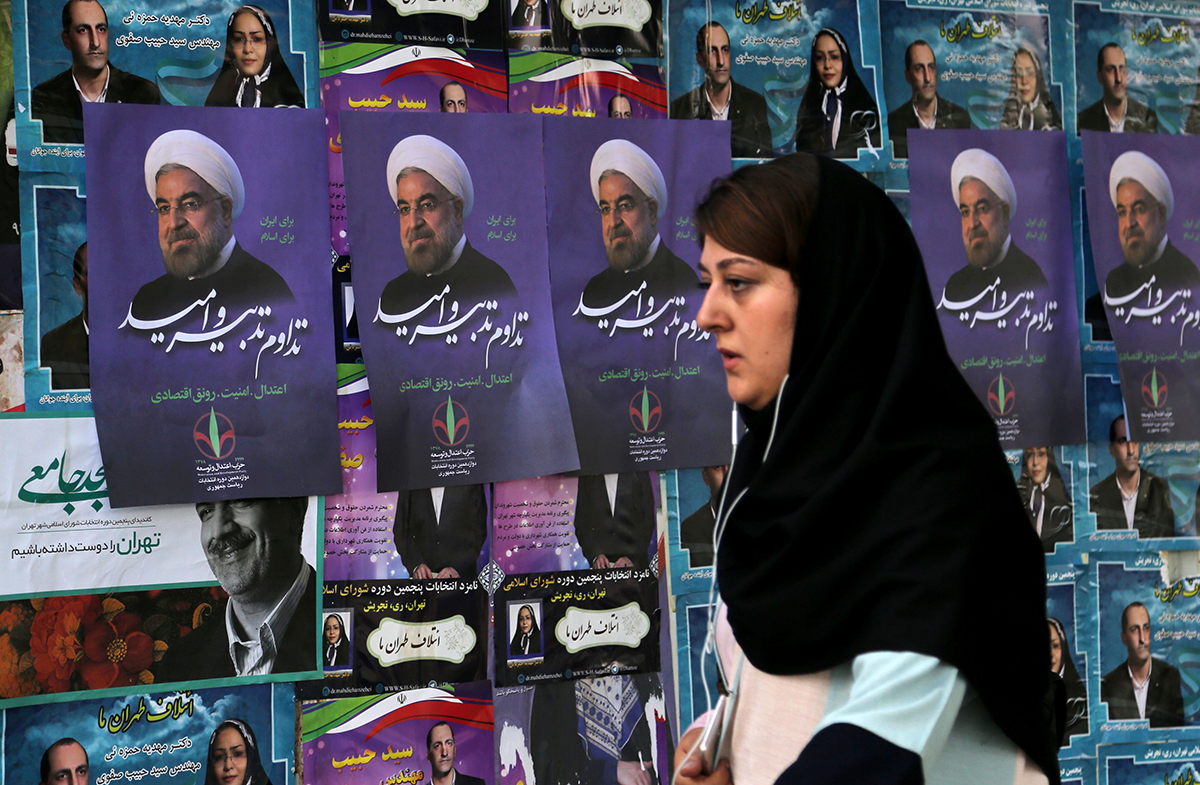
    Today, as we approach the end of Rouhani’s government, how should historians and scholars evaluate the economic, political, and social situation over the last eight years? The issues of women’s political participation and social freedom, which were promised by Rouhani, especially during his first campaign, are of particular importance in this regard.

    June 10, 2021

    Defense Rapid Reaction: The threat of armed drones
    Photo by ARIS MESSINIS/AFP via Getty Images
  • التحليل
  • Defense Rapid Reaction: The threat of armed drones

    As unmanned aerial vehicle (UAV) technology becomes ever cheaper and more accessible, the threat of armed and GPS-guided drones is becoming a serious problem for U.S. forces in theater. In the past few months, Iranian-backed Iraqi militias have used small drones armed with explosives to attack Iraqi military bases housing U.S. forces several times, and the threat posed by such UAVs is only likely to grow in the months and years to come. Experts from MEI’s Defense & Security Program weigh in with their thoughts on how the U.S. should respond to this emerging threat, as part of the new Defense Rapid Reaction series.

    The EU in the Black Sea is absent, but highly desired
  • التحليل
  • The EU in the Black Sea is absent, but highly desired

    The Memorandum of Understanding signed recently by Georgia, Moldova, and Ukraine on enhanced cooperation toward European Union (EU) membership highlights both progress and overall shortcomings of the EU’s Eastern policy. Despite the Union enlarging to the East in 2004 and 2007 – and the fact that Russian aggression has long been felt on EU territory – the bloc’s Eastern policy still does not reflect realities on the ground. However, the recent buildup of Russian military in Ukraine, as well as the deployment of Russian ‘peacekeepers’ in Nagorno-Karabakh, has created momentum for an urgently needed rethink of the Union’s Eastern neighborhood policy.

    With the Hope Line, Iran aims to boost seawater transfer to fight growing drought
    Photo by Presidency of Iran / Handout/Anadolu Agency via Getty Images
  • التحليل
  • With the Hope Line, Iran aims to boost seawater transfer to fight growing drought

    Blessed with milder temperatures than its Gulf neighbors as well as abundant rain and snow fall, Iran is one of the last countries in the region to introduce a seawater transfer plan to fight unprecedented levels of drought. The plan, once fully implemented, could help build water corridors linking the shores of Iran’s southern Gulf to those of its northern Caspian Sea. Named the Hope Transfer Line, the plan promises prosperity for farmers and industrialists, and potable water for communities in some 10,000 villages and urban areas located in so-called Red Zones, a category that applies to regions coping with severe water scarcity. 

    June 9, 2021

    The Abraham Accords and their cyber implications: How Iran is unifying the region’s cyberspace
    الصورة من KARIM SAHIB/AFP عبر Getty Images
  • التحليل
  • The Abraham Accords and their cyber implications: How Iran is unifying the region’s cyberspace

    On Sept. 15, 2020, the world witnessed a new era of Israeli-Arab relations as the UAE and Bahrain opened diplomatic relations with Israel, in what is known as the Abraham Accords. Unlike the Israeli-Egyptian or the Israeli-Jordanian peace deals, which aimed to end direct military confrontations, the Abraham Accords seek to maximize common interests and address security issues to form a new front against Iranian threats. As Biden’s administration shows a willingness to return to some form of the 2015 Iran nuclear deal, the joint cooperation between Israel and the Gulf states is becoming more visible than ever, particularly in cyberspace, where they share a common enemy.

    June 9, 2021

    Black Sea security: Is COVID-19 a window of opportunity for Ukraine?
  • التحليل
  • Black Sea security: Is COVID-19 a window of opportunity for Ukraine?

    The Black Sea region is currently managing military pressure from Russia, the economic influence of China, and soft power efforts of the West, making it a stage for power competition. With COVID-19 exacerbating Ukraine’s political weaknesses and economic vulnerabilities, Russia and China are increasingly adopting a united front in the Black Sea. Such geopolitical changes in power distribution require more active presence and involvement of the U.S. in the Black Sea.

    June 9, 2021

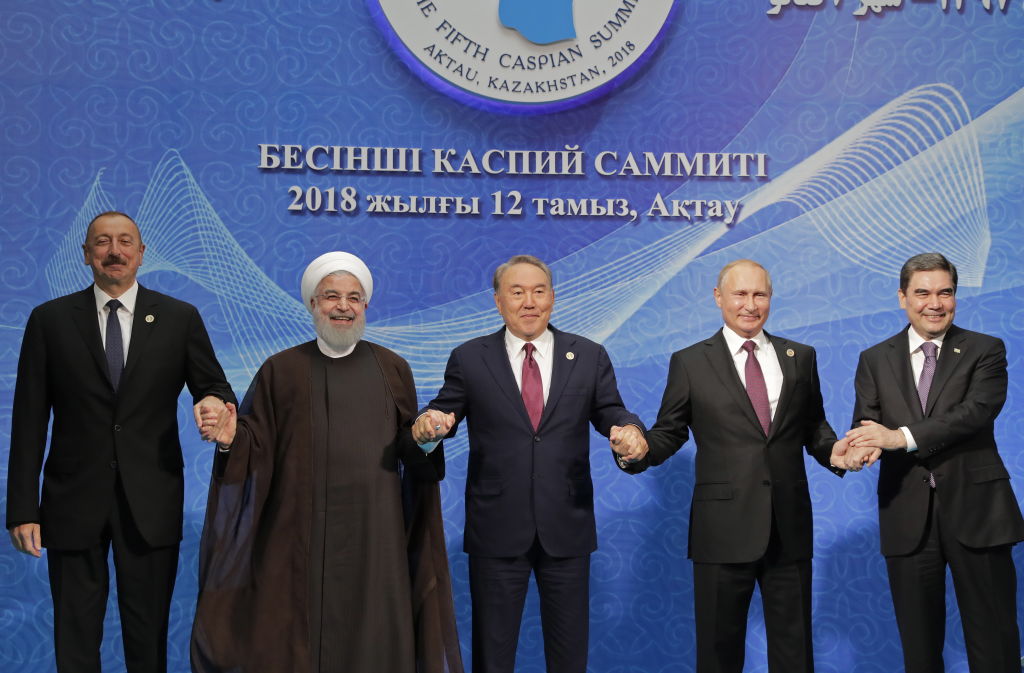
    Tehran and Moscow: Alignment and Divergence in the Caspian
  • التحليل
  • Tehran and Moscow: Alignment and Divergence in the Caspian

    The complexities, converging interests, and persistent tensions marking Iranian-Russian relationships are evident in their policies toward the Caspian Sea region. Iran and Russia are the two largest countries that border the sea, the world’s largest inland body of water. The Caspian region therefore provides many opportunities for diplomatic, economic, and military engagement between Iran and Russia. Some issues of mutual importance relating to the Caspian include the Nagorno-Karabakh War, the Afghanistan and Iraq conflicts, NATO partnerships in the Caucasus region, and the construction of trans-Caspian pipelines.

    June 9, 2021

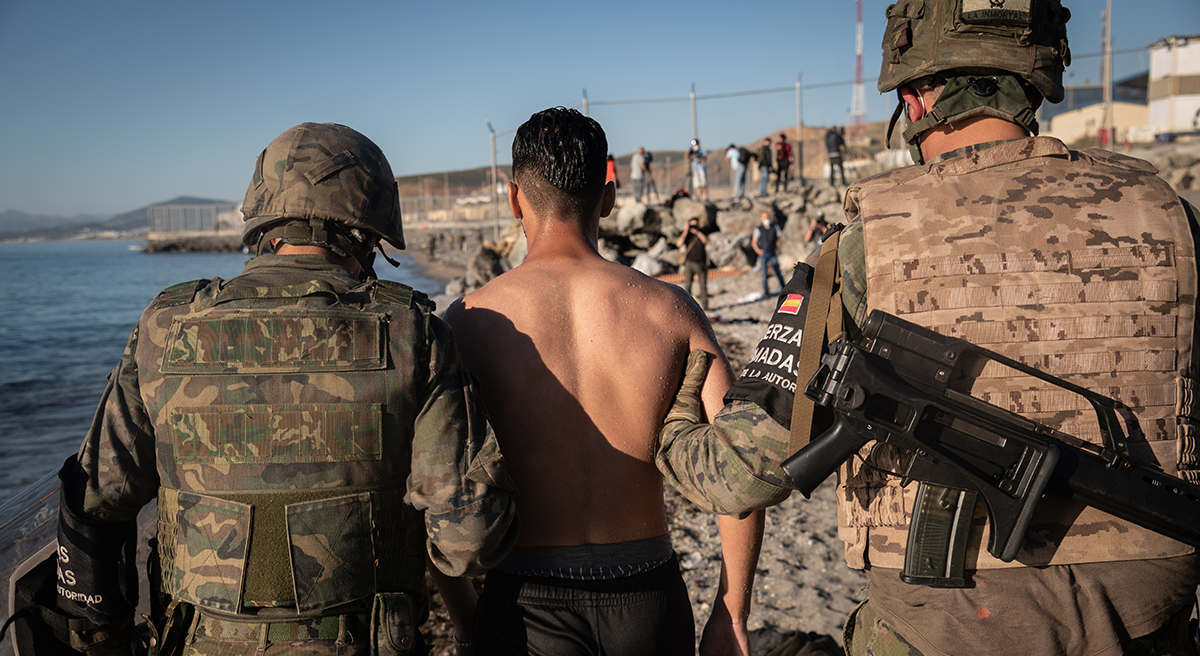
    Is Morocco willing to jeopardize its relationship with Europe over the Western Sahara?
    Photo by Joan Amengual/VIEWpress/Corbis via Getty Images
  • التحليل
  • Is Morocco willing to jeopardize its relationship with Europe over the Western Sahara?

    The scene was a familiar one, even if the scale was not. On May 17 and 18, thousands of migrants entered Ceuta, one of two Spanish enclaves in North Africa that border Morocco. The record flow of irregular migrants surpassed 12,000 people over the course of two days. The Spanish authorities quickly understood that this surge in migration was about more than the usual human desperation that has driven large numbers of people over fences and across water in an effort to enter Europe in recent years. Morocco, troubled over Madrid’s stance on its territorial claims over the Western Sahara, decided to retaliate.

    June 7, 2021