Pakistan’s political crisis and the imperatives of economic reform
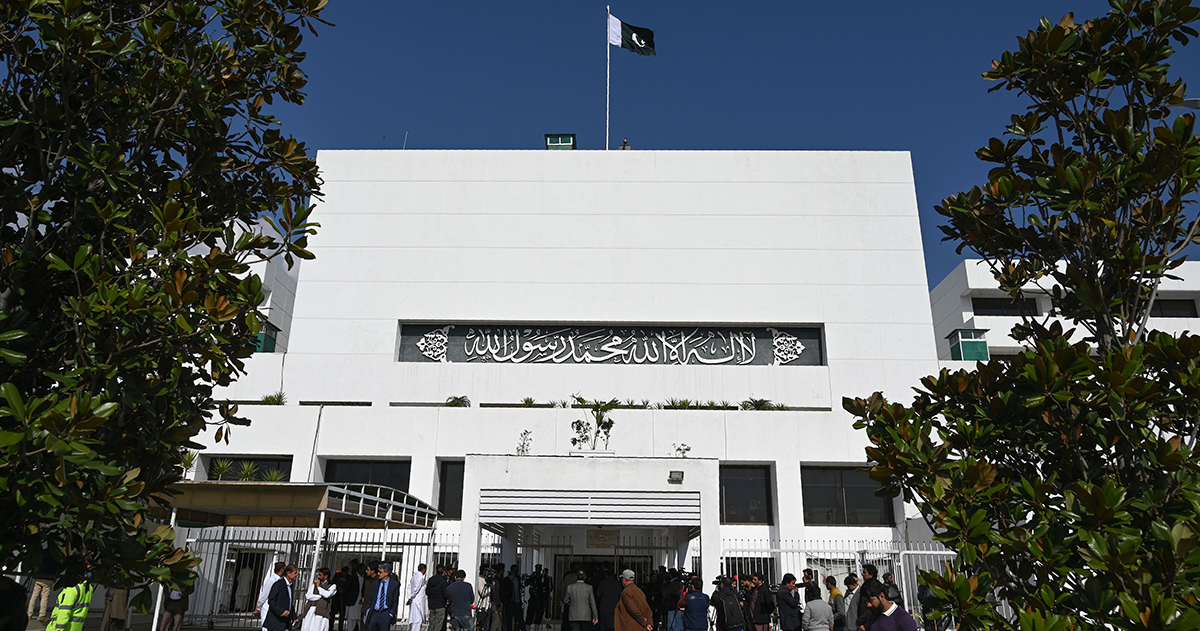
Beyond short-term austerity measures, Pakistan’s current federal and provincial governments need to push forward essential reforms — including in agriculture, energy, and local governance — that are key to ensuring the country’s political and economic stability and long-term growth prospects.
Marvin Weinbaum, Madiha Afzal, and Syed Mohammad Ali discuss the recent political upheaval in Pakistan, which comes against the backdrop of mounting economic problems.
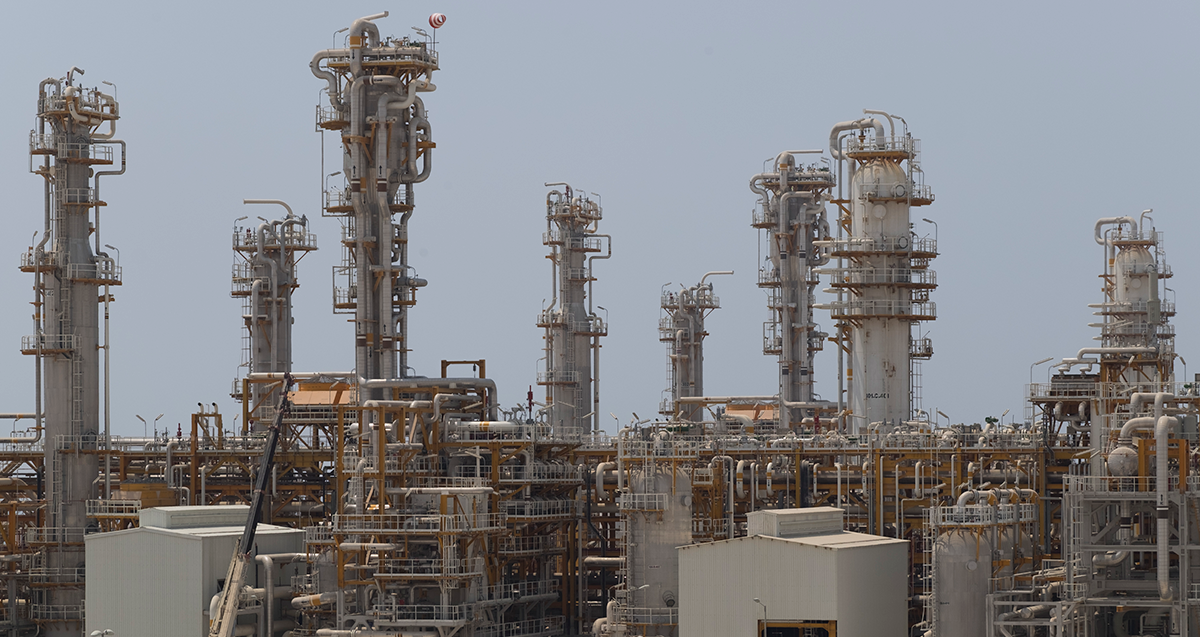
The Dorra Field: Global gas market impact or bellwether for regional relations?
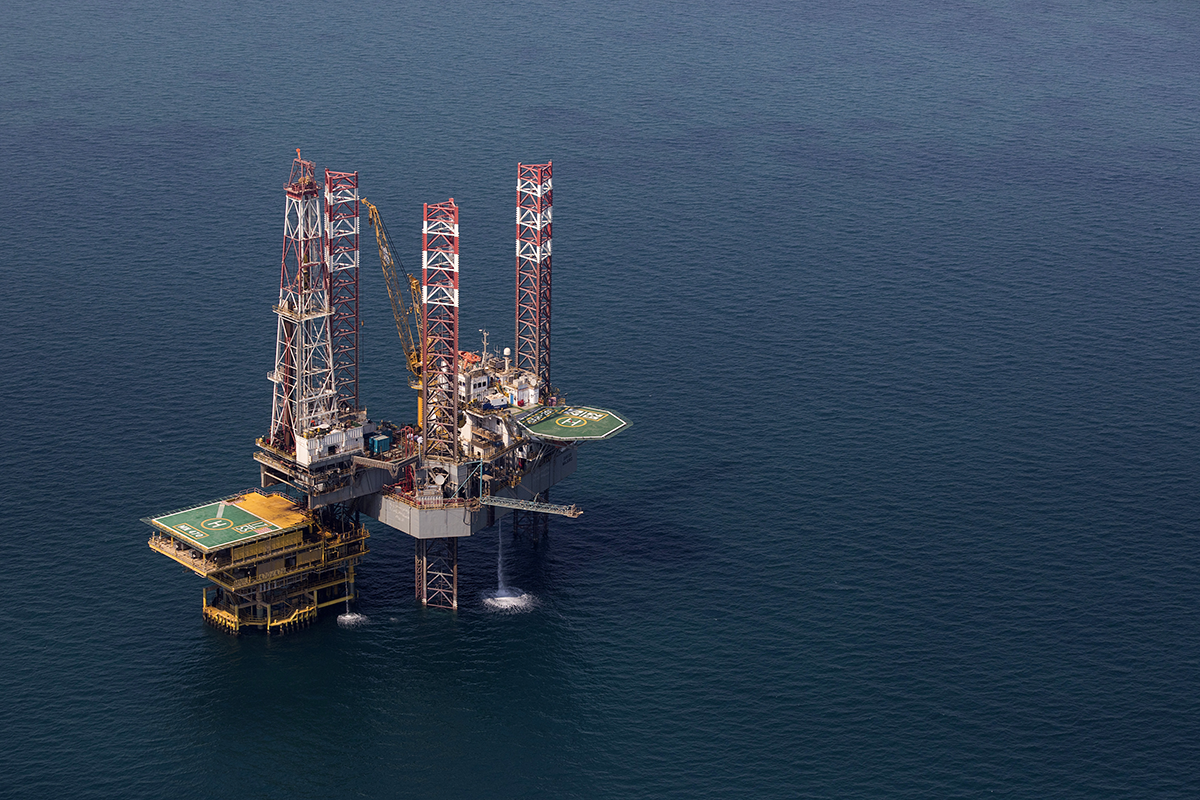
The Dorra Gas Field, located in shallow waters offshore in the northern Arabian Gulf, lies at the junction of competing territorial claims by Kuwait, Iran, and Saudi Arabia. With the growing gas demand in these countries, any production will be absorbed into the domestic network and the impact of production on the global gas and LNG market will be insignificant. However, the development of the field, if it occurs, may serve as a bellwether for regional relations.
Making the most of Iran’s reserves will require it to develop shared fields like Dorra/Arash, a gas field located offshore in the northern Gulf, where Iran must vie with competing claims from neighboring Kuwait and Saudi Arabia. In the past, Iran has often neglected its joint gas fields as a result of sanctions and focused instead on meeting its rapidly growing domestic needs through exploiting non-shared fields, but the country says this must change going forward.
The CMF-153: Rebuilding US-GCC confidence through maritime security
Efforts to restore confidence between the U.S. and the Arab Gulf states took a first step with the recent formation of a new naval task force, known as the Combined Maritime Forces-153 (CMF-153), to improve maritime security in the Red Sea, Bab el-Mandeb, and the Gulf of Aden, including the hotspot of Yemen. Established in mid-April, the new task force intends to target weapons smuggling for Ansar Allah, as the Houthi militias are officially known, as well as human trafficking and the drug trade.
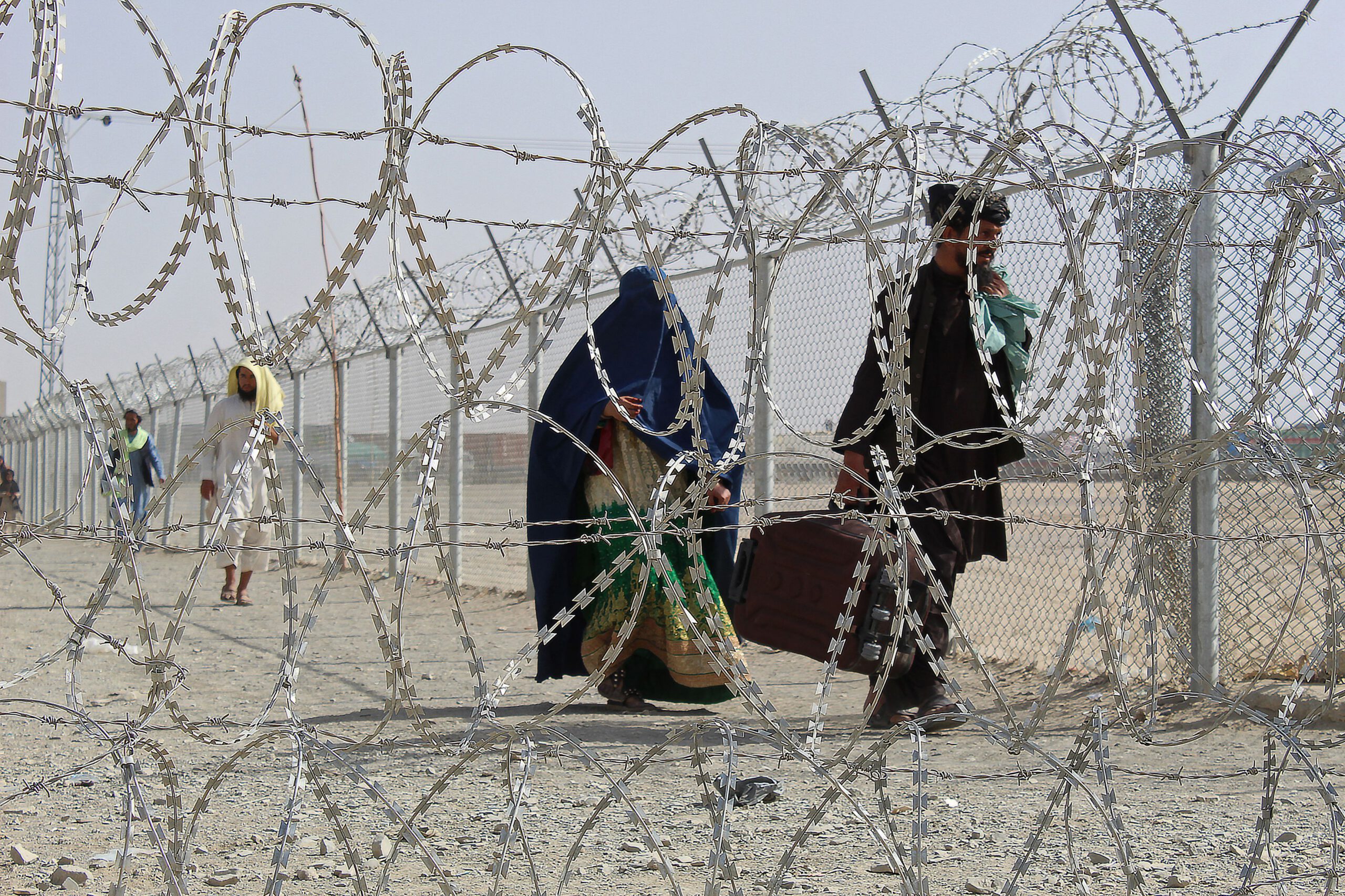
Pushed over the edge: Political and military dynamics at the Afghanistan-Pakistan border
Frequent and violent border clashes have created political tensions between Pakistan and Afghanistan. This may surprise observers, since Afghanistan is being ruled by the Afghan Taliban, long supported by Pakistan’s security establishment. Recent incidents illustrate, however, that while the interests of Pakistan and its clients in Kabul may often converge they are hardly identical. Divergent political ideologies, national histories and strategic aims are driving them apart on many crucial issues.
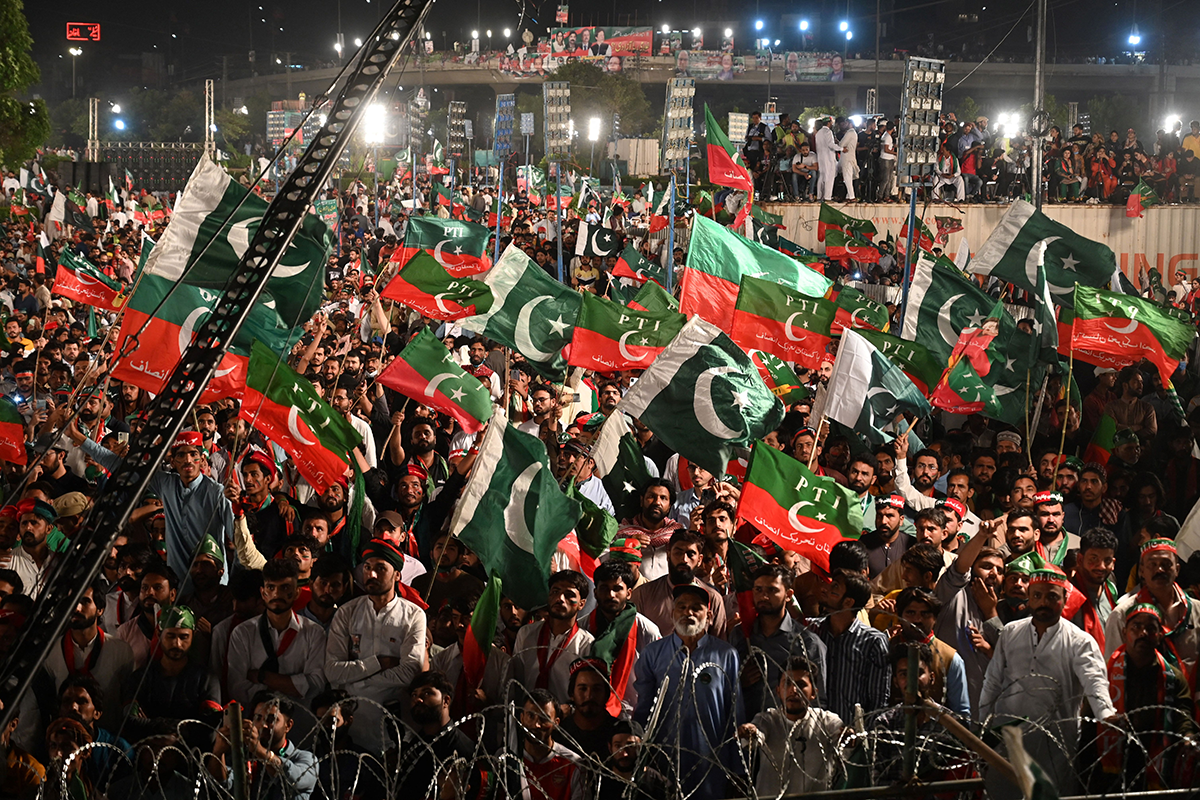
Has Imran Khan’s ouster opened a Pandora’s box in Pakistan?
Khan’s removal has served to galvanize and perhaps even expand his support base and his opponents among the senior brass of the army and in the political class have unwittingly rehabilitated his public image. As Khan’s political fortunes have improved, the new coalition government is struggling to handle the hot potato of a deteriorating economy and the army is facing criticism unprecedented in recent years.
US-Gulf Relations at the Crossroads: Time for a Recalibration
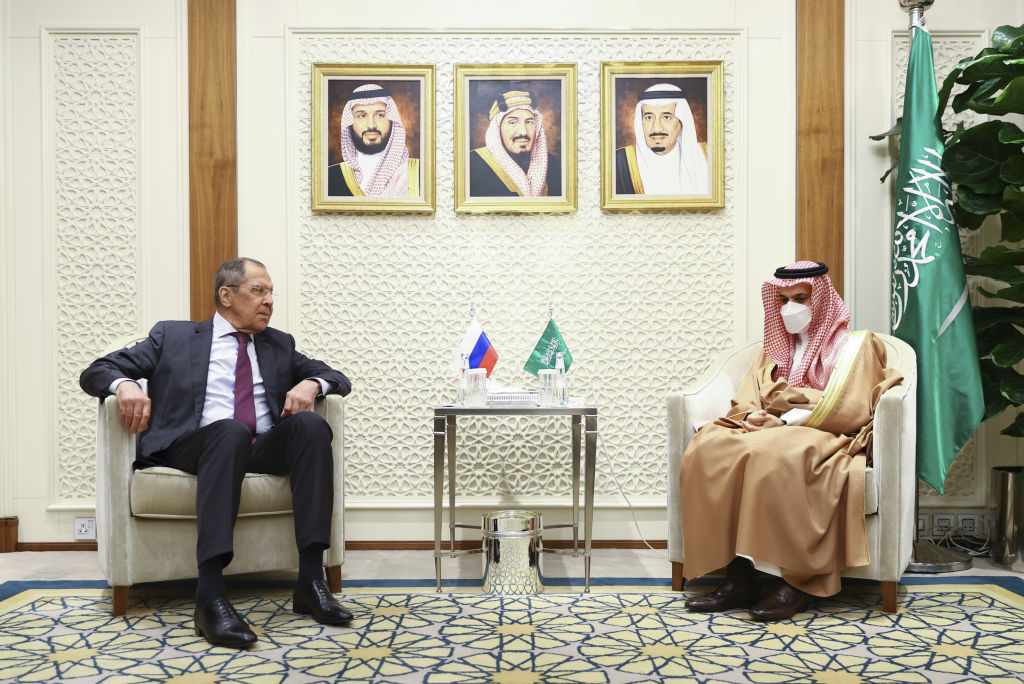
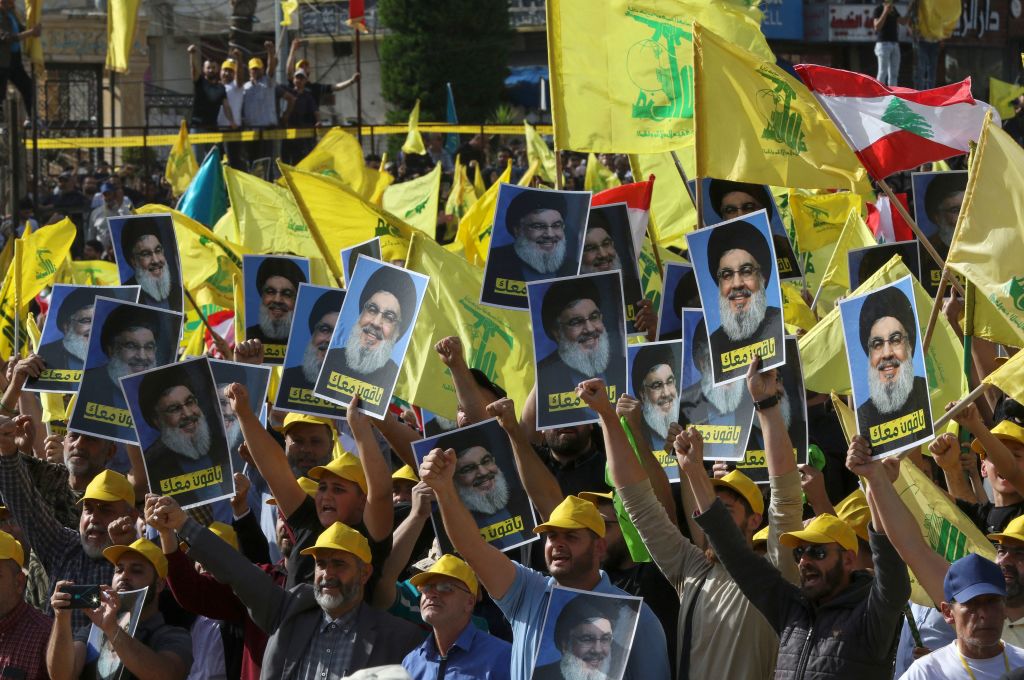
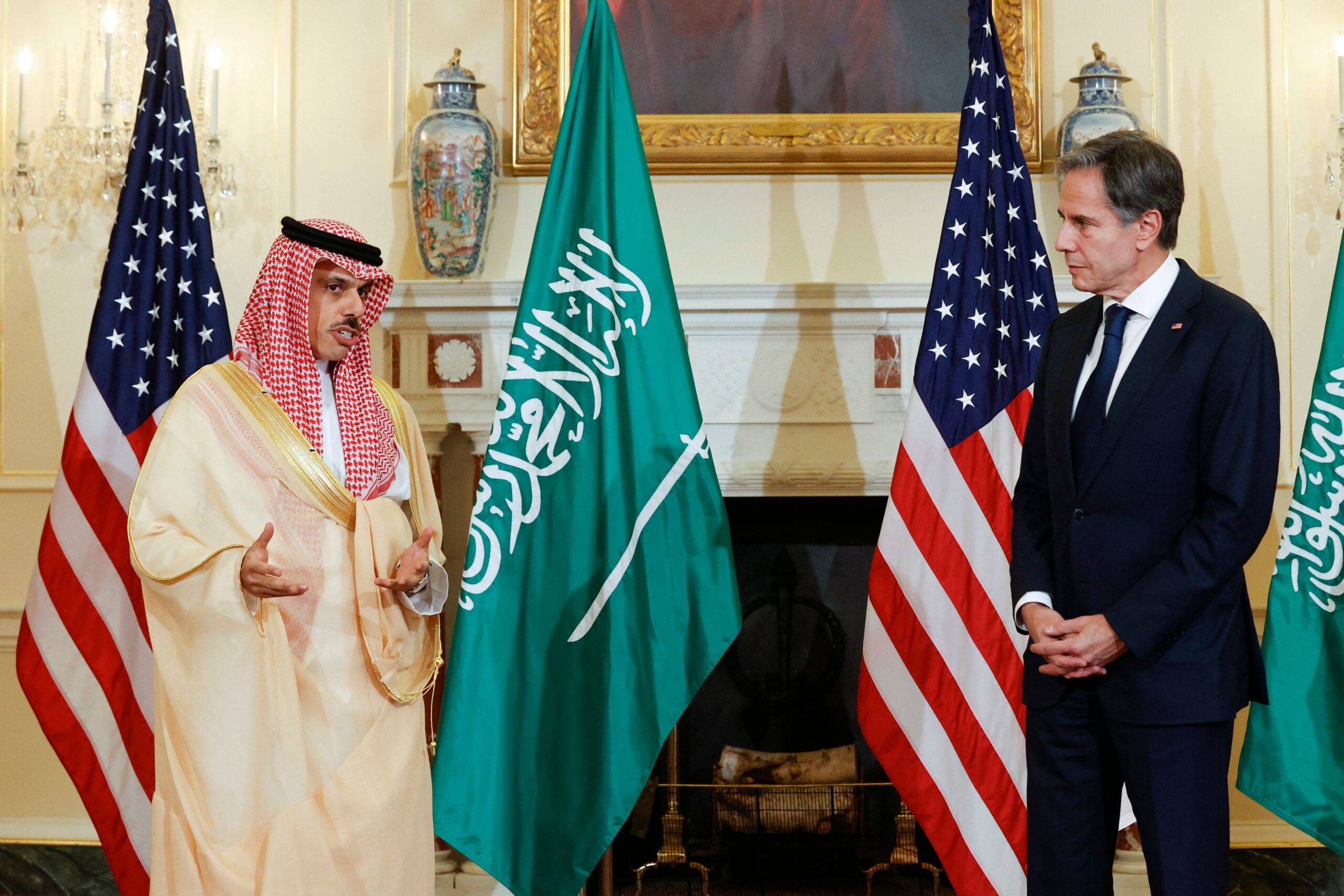
The global response to Russia’s invasion of Ukraine has focused new attention on friction between the United States and its traditional partners in the Gulf and reinforced skepticism regarding the United States’ status as the dominant international partner in the region. It’s time for both sides to identify a realistic way forward that sheds outdated notions of mutual obligation without becoming merely transactional.