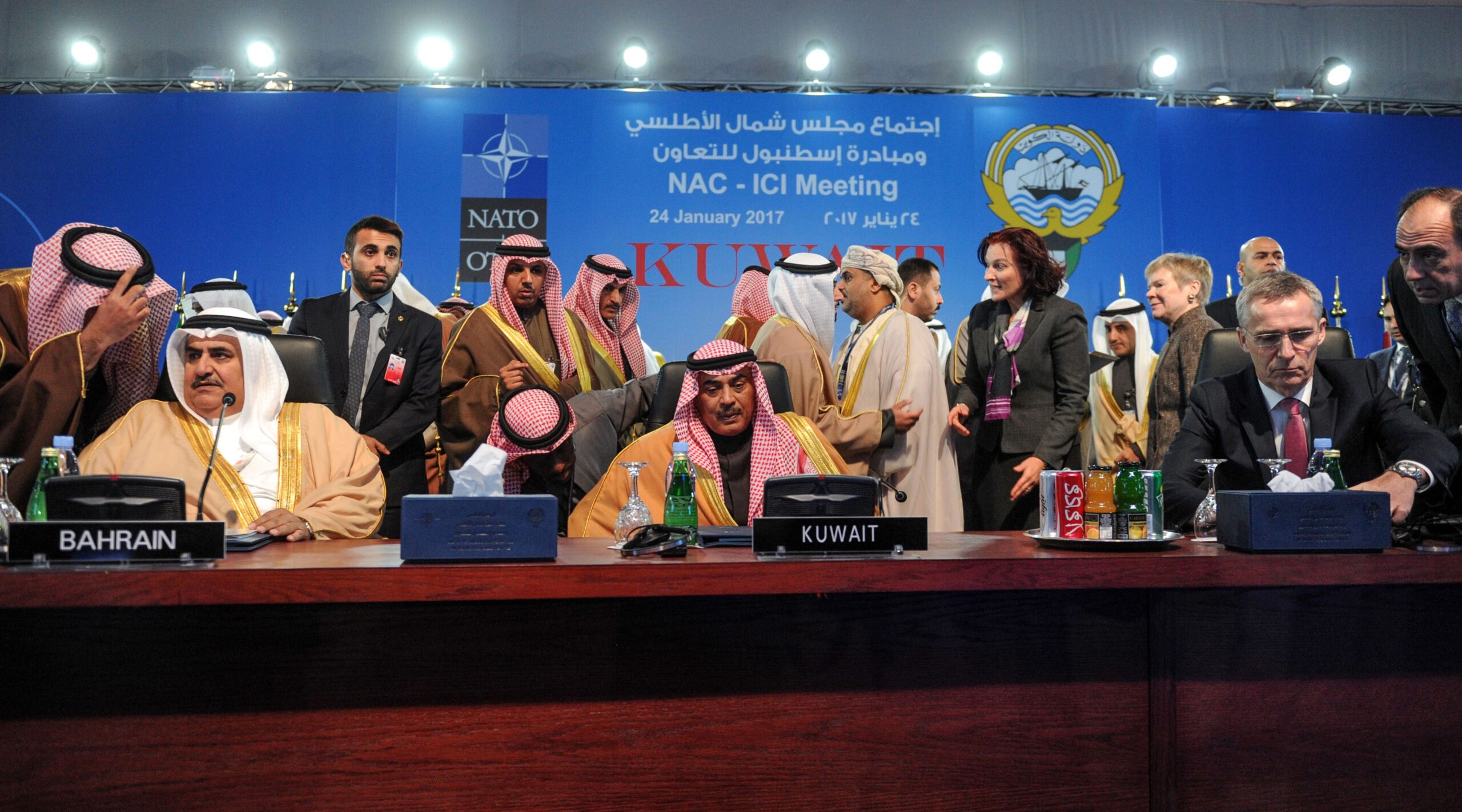
While the Washington Summit is unlikely to deliver any ground-breaking outcome, it certainly offers the opportunity to articulate the nexus between security in Europe and the Mediterranean-African region. NATO also has the opportunity to renew and streamline its partnerships with Middle Eastern and North African countries while strengthening its outreach to Africa.
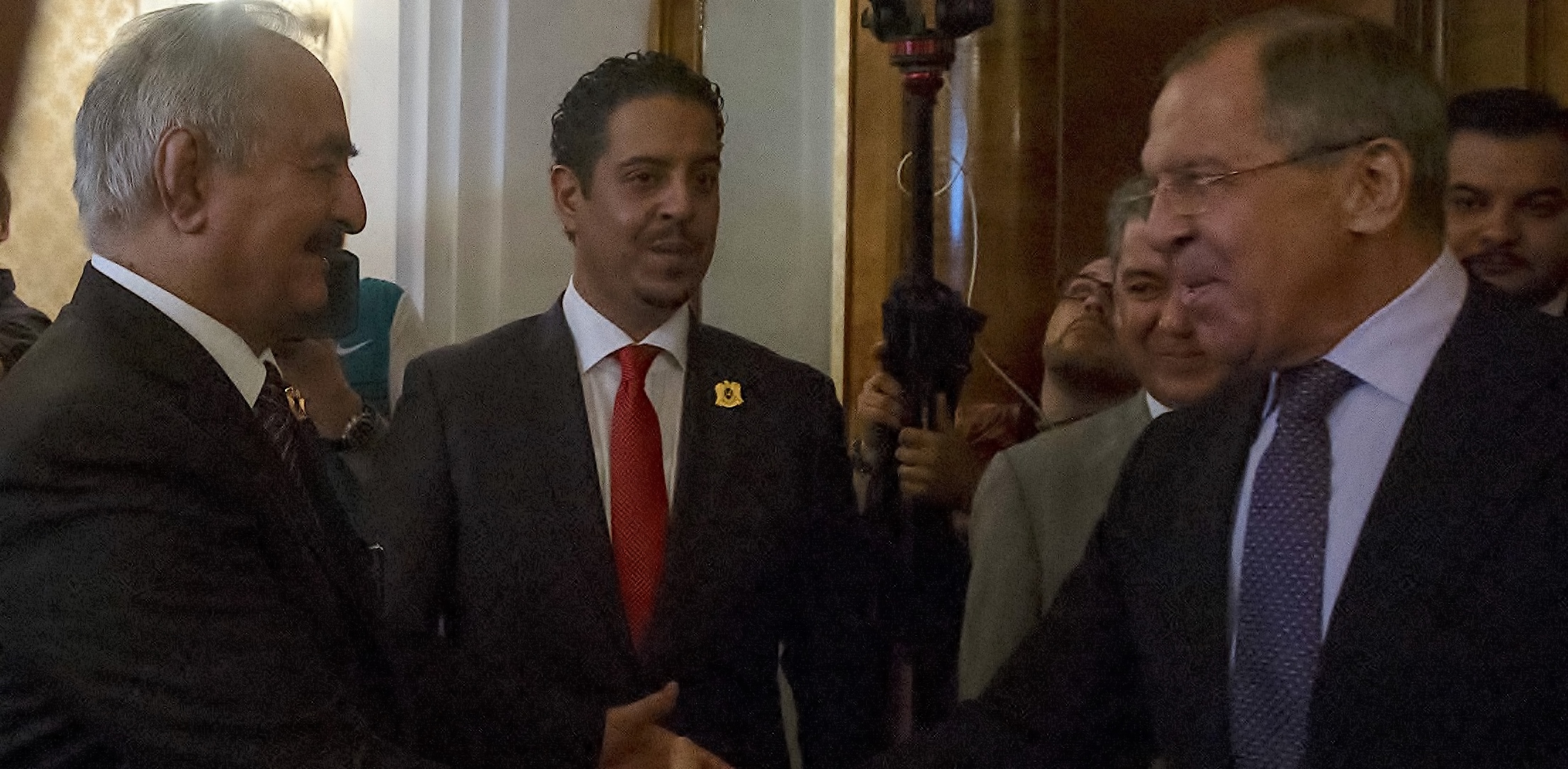
ليبيا تظل مفتاح الناتو لمواجهة الأنشطة الروسية الخبيثة في أفريقيا
قبل ثماني سنوات، لم يكن أحد يتوقع أن روسيا ستتوسع في أفريقيا بهذه السرعة والشمولية. واليوم، هناك إدراك واسع النطاق للتهديد الذي يشكله التوسع الروسي المزعزع للاستقرار في أفريقيا على حلف الناتو وأعضائه والمنطقة الأفريقية.
From “fierce entanglement” to a viable path toward Palestinian statehood: A pragmatic proposal
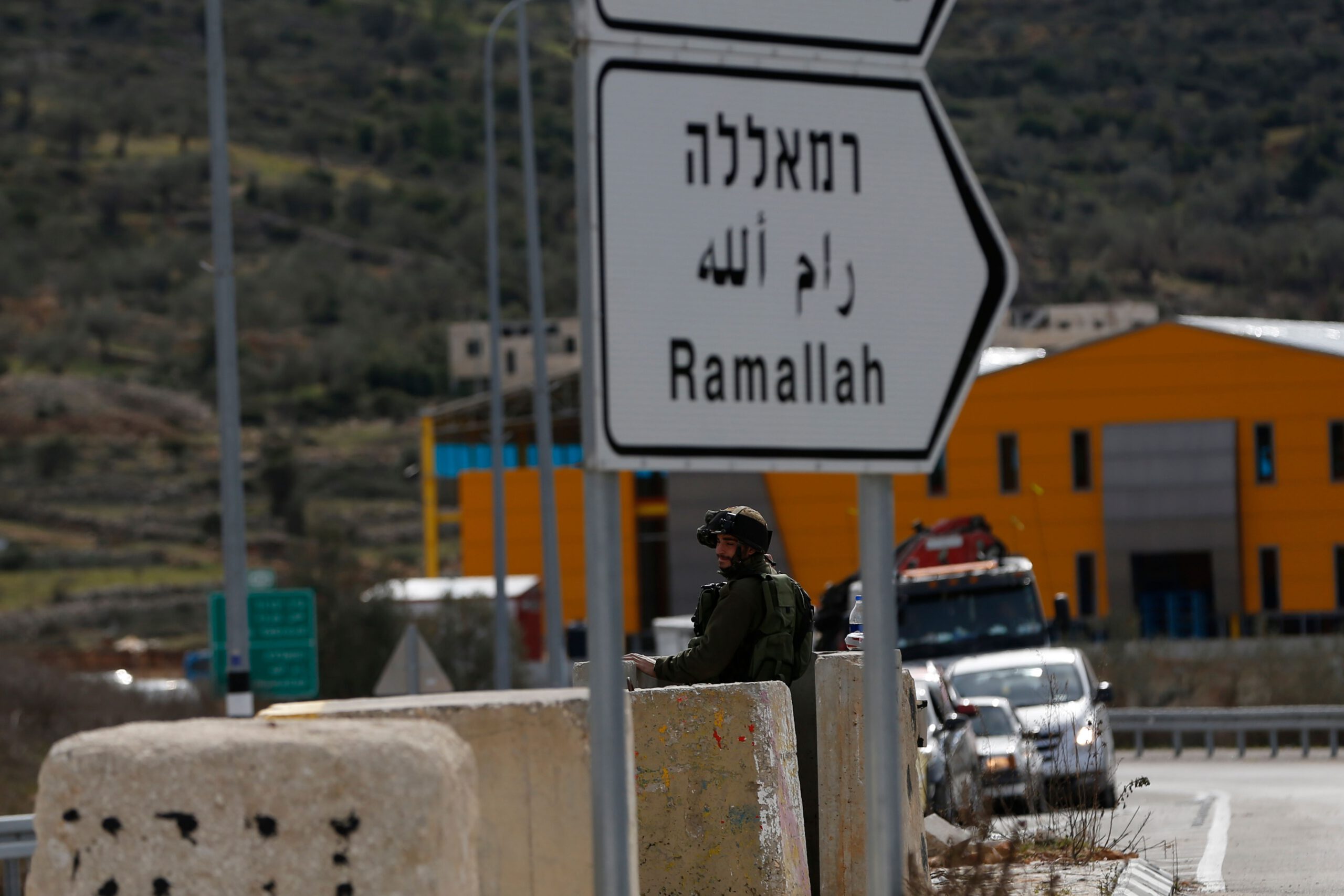
The Israelis and Palestinians are stuck with each other in a situation of “fierce entanglement.” Things never got “bad enough” for Israel to work toward a better and lasting solution with the Palestinians until Oct. 7 abruptly changed the status quo. After the visceral anger subsides and Hamas is replaced in Gaza, Israel and the Palestinian Authority must work together for something other than “waiting for the next round of violence.”
Climate-smart cities in the MENA region: Promise and pitfalls
Around two-thirds of the population in the Middle East and North Africa lives in urban settlements and the region’s population is projected to double by 2050, exposing a growing number of people to intensifying natural and climate hazards. As a result, cities will need to take additional steps to boost climate resilience and advance decarbonization efforts, including through climate-informed urban planning measures like compact, transit-oriented development, urban greening initiatives, and a focus on green buildings. With this in mind, regional governments have recently adopted the concept of “smart cities,” aiming to utilize technology and sustainable practices to address the challenges of urbanization and climate change.
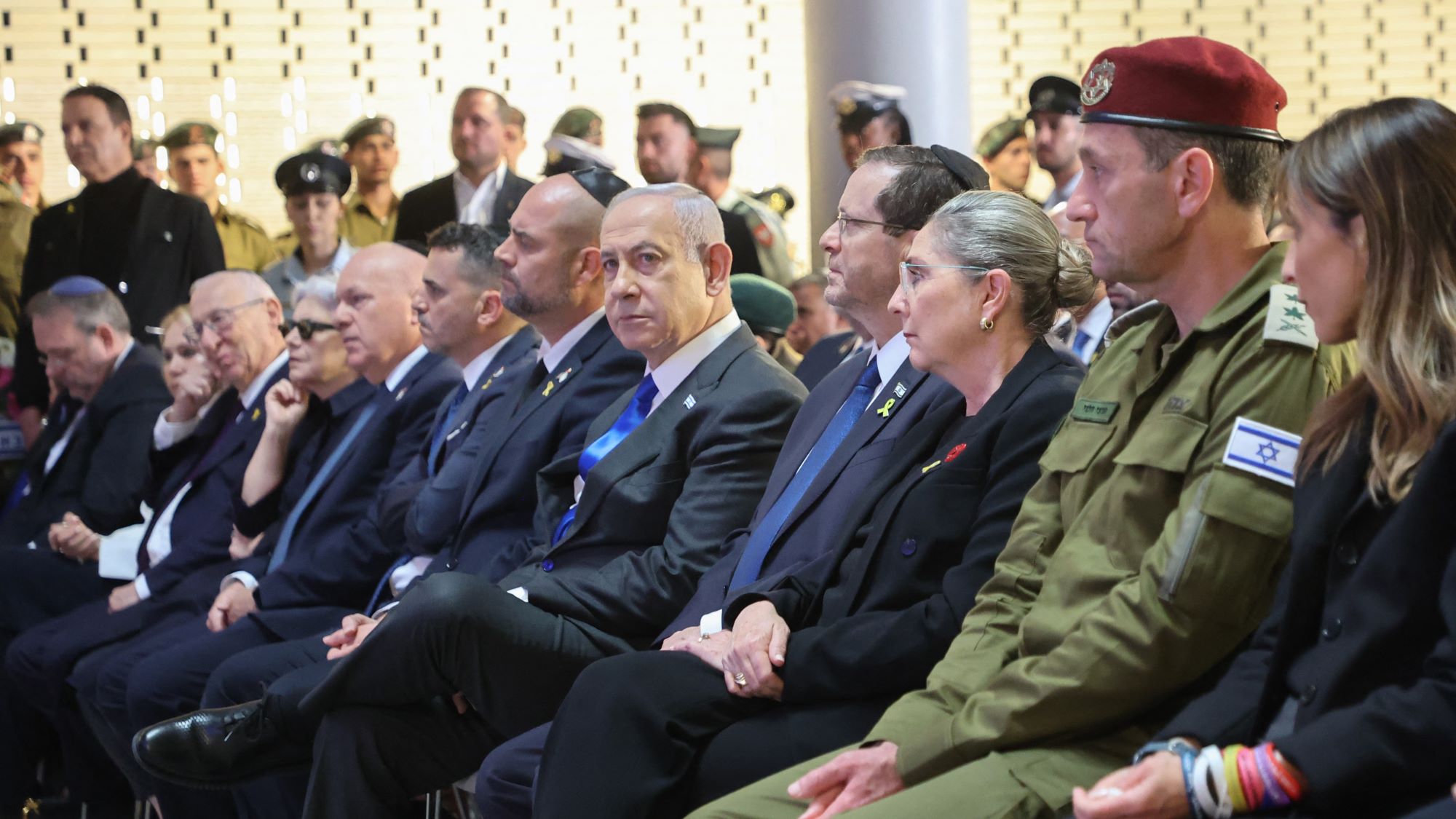
Netanyahu has sought to direct the blame for the debacle of Oct. 7, as well as the subsequent failures in the management of the war, squarely on the Israeli security establishment, while avoiding taking personal responsibility that would cost him his job.
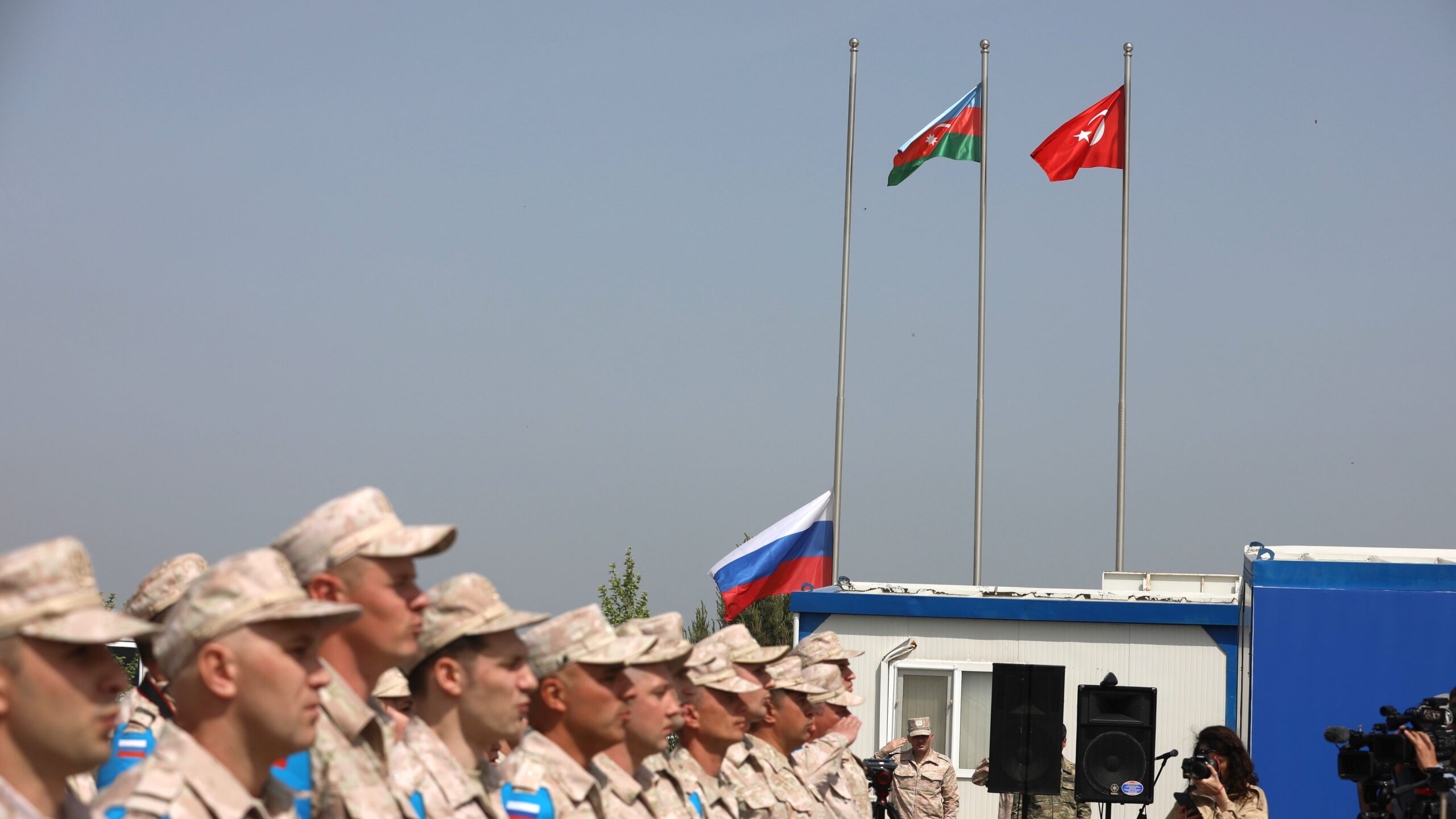
Why they left: The causes and implications of the Russian peacekeepers’ withdrawal from Karabakh
On April 17, Russian and Azerbaijani officials confirmed that the Russian peacekeeping forces deployed in Karabakh since November 2020 had begun pulling out from the region. The reasons behind the decision remain a matter of intense debate; but it is possible to draw several important conclusions from its timing and consequences.
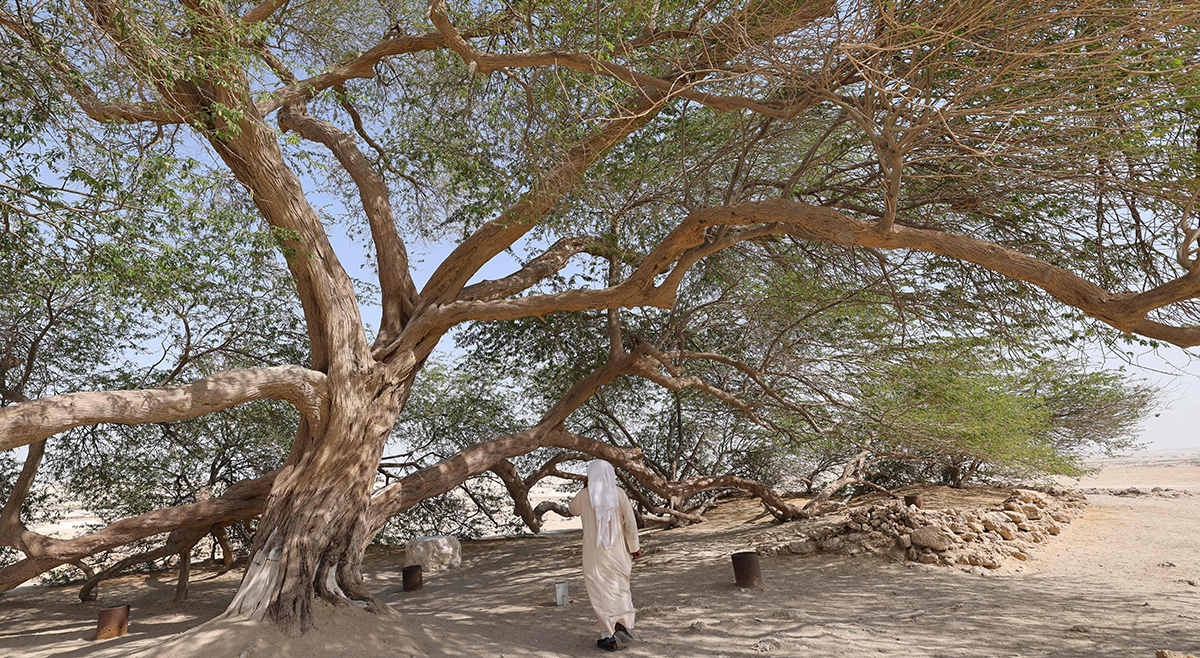
Building a More Resilient Bahrain: An Integrated Approach to Climate Change, Socioeconomic, and Governance Challenges
From extreme heat and drought to dust storms and rising sea levels, the Kingdom of Bahrain is facing the growing impact of climate change, with projections indicating conditions will only get worse in the future. Manama’s vulnerability to the effects of climate change directly intersects with its broader societal and governance issues, necessitating comprehensive climate-resilience strategies to address these interconnected challenges.
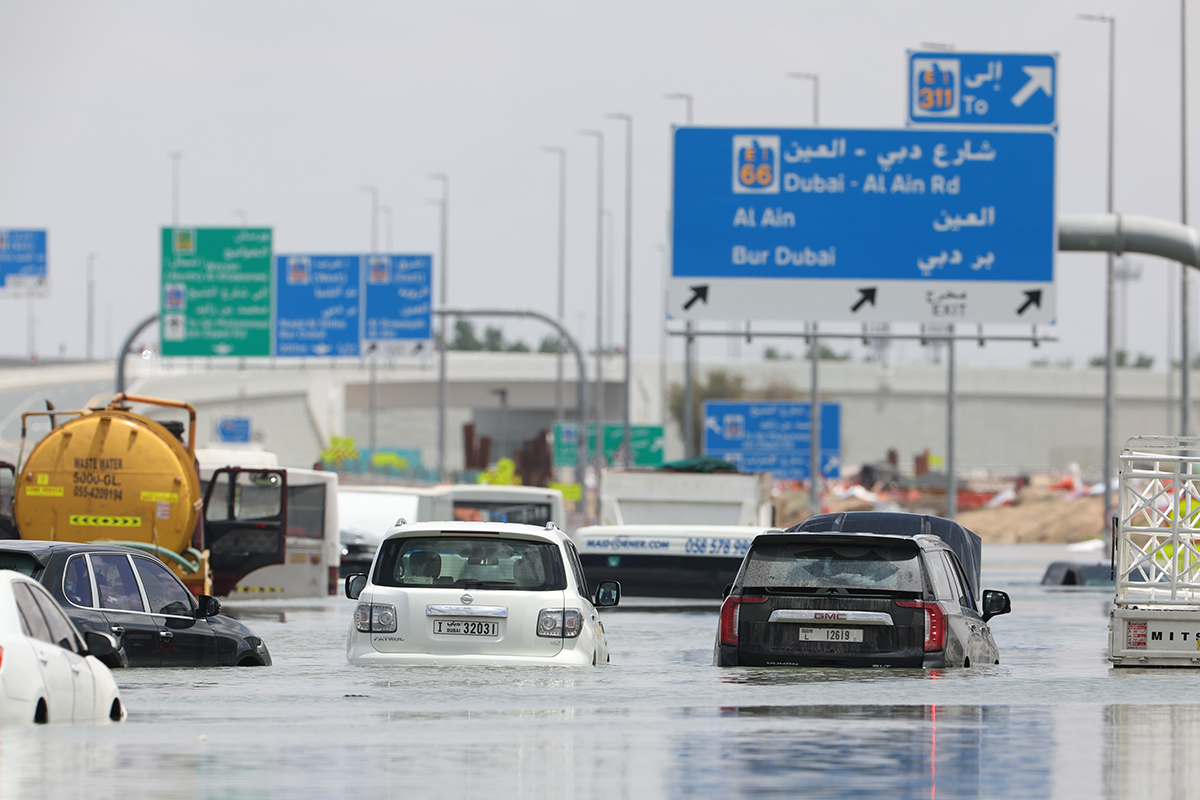
Debunking the role of cloud seeding in the April Arabian Gulf floods
Intense flooding across the Arabian Peninsula caused by a storm in mid-April sparked speculation about the role cloud seeding might have played in the precipitation event, giving rise to conspiracy theories on social media and warnings trumpeting the hazards of human intervention into natural processes. Cloud seeding is not the only climate change-adaptive strategy to have been targeted in this way, and the effort being expended to combat such disinformation (though nascent) is growing.
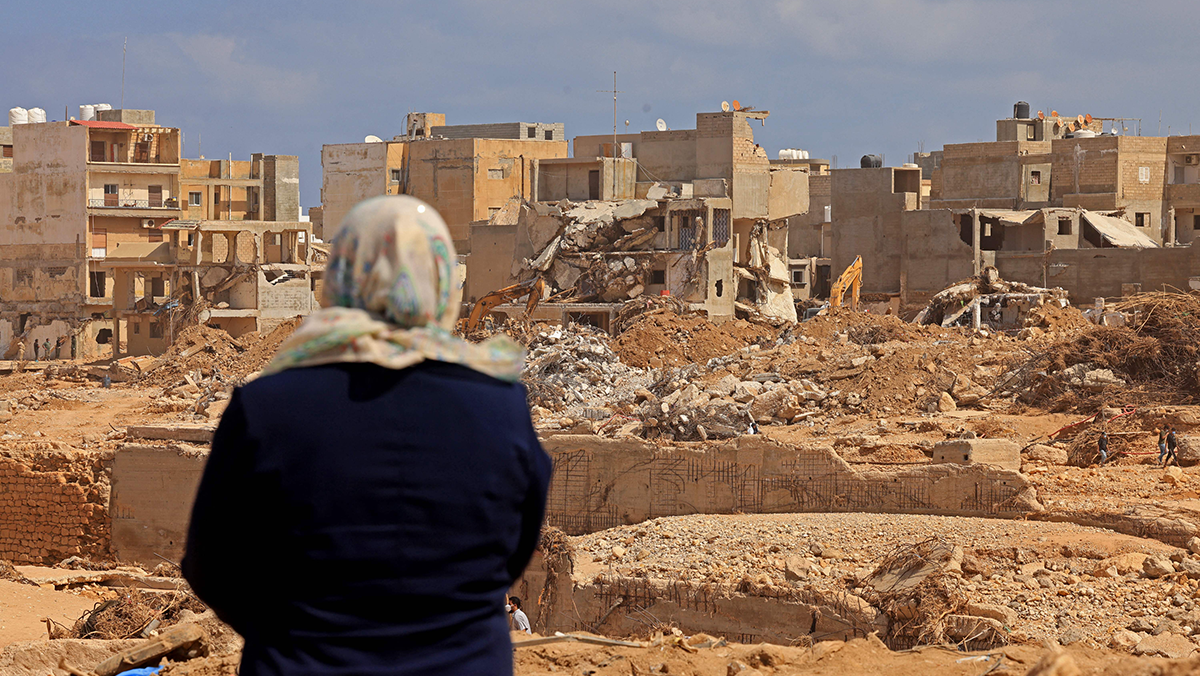
إعادة الإعمار بعد الكوارث: معالجة مشكلة أمن المياه في درنة بعد عاصفة دانيال
ضربت العاصفة دانيال ليبيا في 10 سبتمبر 2023. وكان الساحل الشمالي الشرقي للبلاد هو الأكثر تضرراً من العاصفة، وخاصة مدينة درنة. تسببت العاصفة في رياح قوية وأمطار غزيرة أدت إلى فيضانات هائلة في جميع أنحاء المدينة، مما أدى إلى جرف أحياء سكنية بأكملها. كان عدد القتلى جراء الفيضانات مذهلاً، حيث قُدر بالآلاف.
Human shields or shielding Israel from accountability?
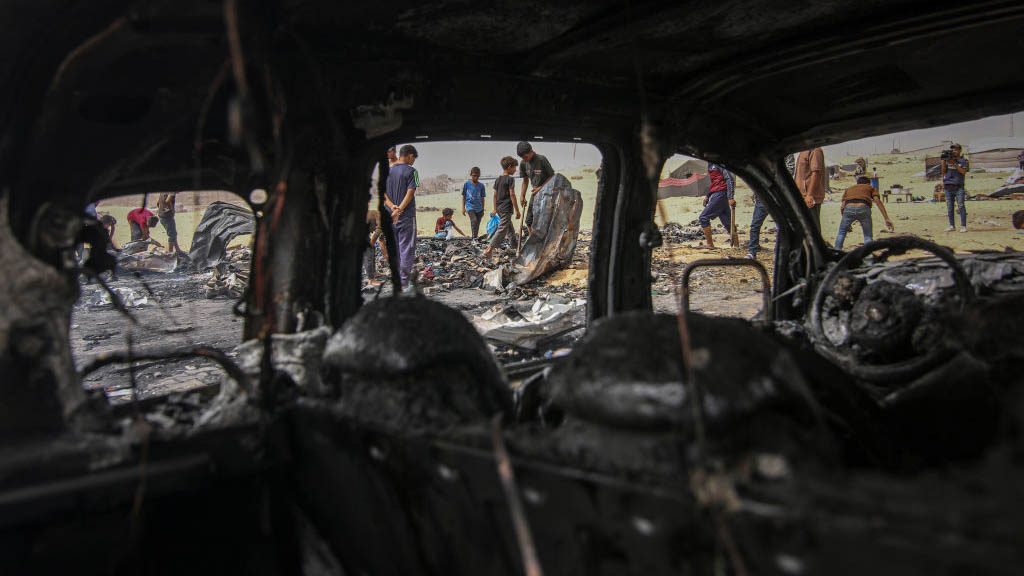
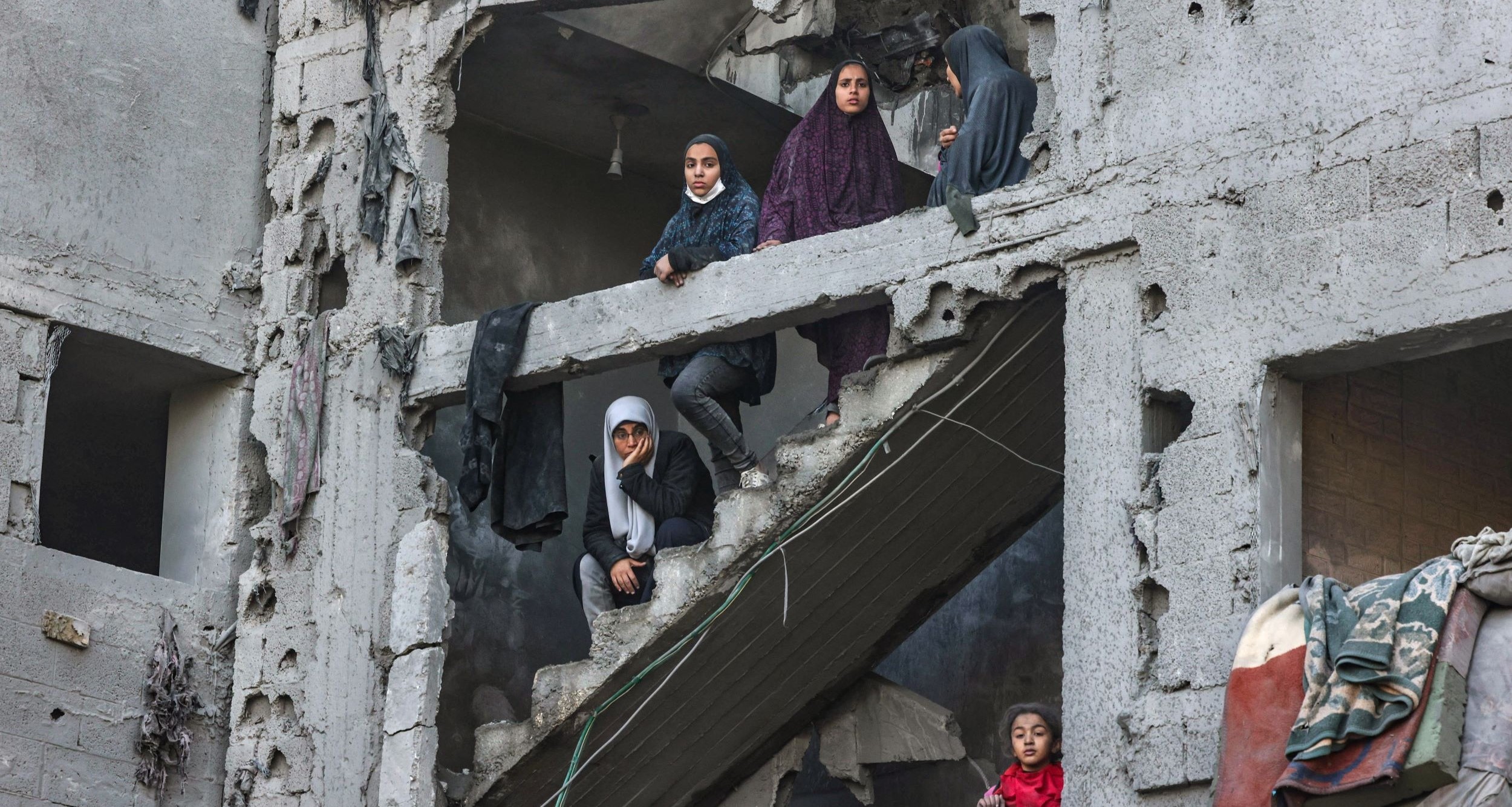
Israeli leaders insist that the extreme destruction in the Gaza Strip is unavoidable given Hamas’ use of “human shields” and the fact that the militant group has embedded itself among the civilian population and routinely operates from civilian structures like hospitals and schools. But far from explaining the current devastation, the questionable “human shields” charge has become a way to shield Israel from legitimate scrutiny and accountability.
إسرائيل في البحر الأحمر خلال حرب غزة: رؤى استراتيجية
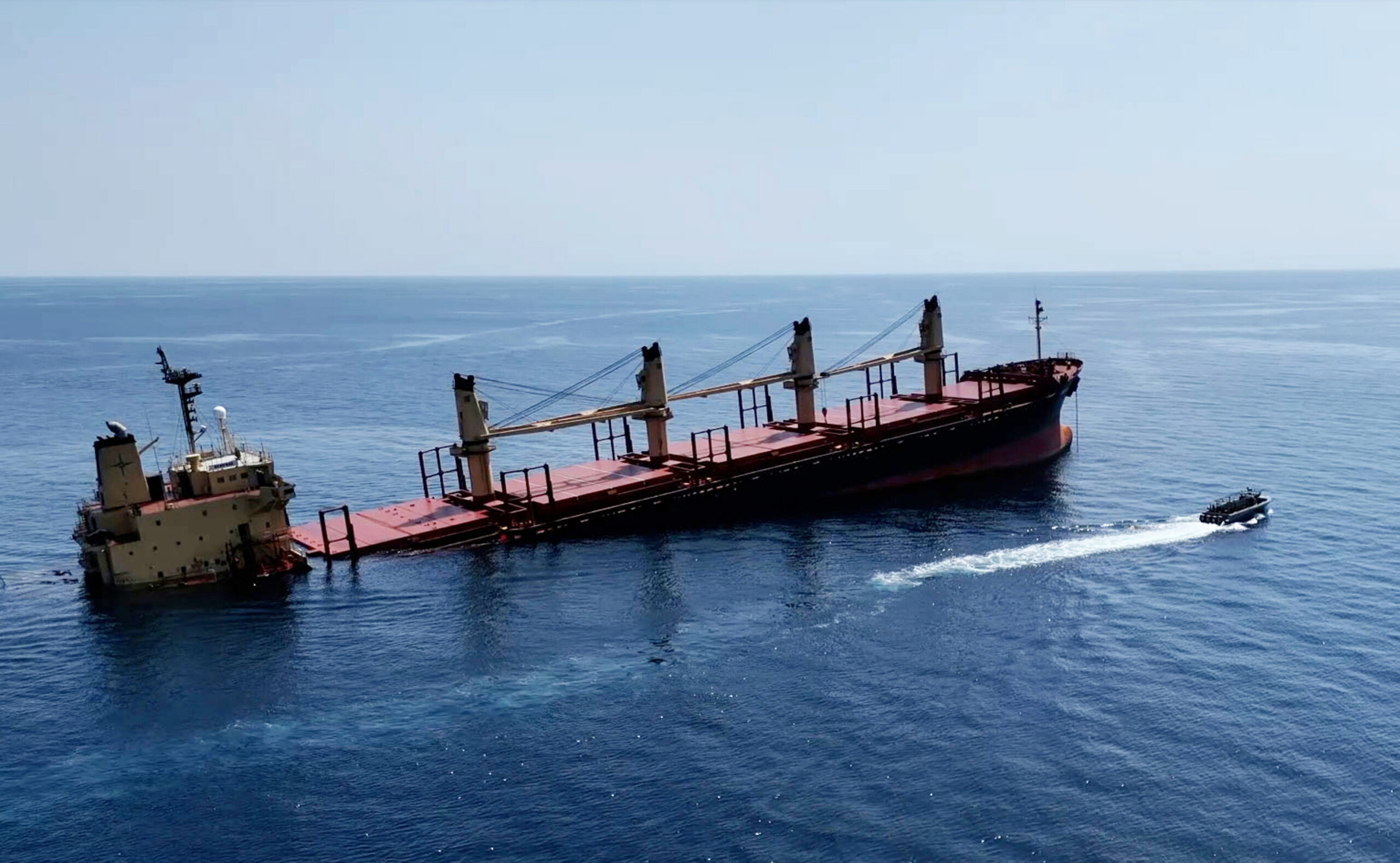
في الأشهر الأخيرة، أصبحت أوضاع إسرائيل في البحر الأحمر أكثر صعوبة على الصعيد الأمني والاقتصادي والدبلوماسي. لكن البلاد في وضع أفضل لمواجهة هذه التحديات والتهديدات من خلال الاستفادة من الشراكات الإقليمية الاستراتيجية التي طورتها على مدى السنوات القليلة الماضية.
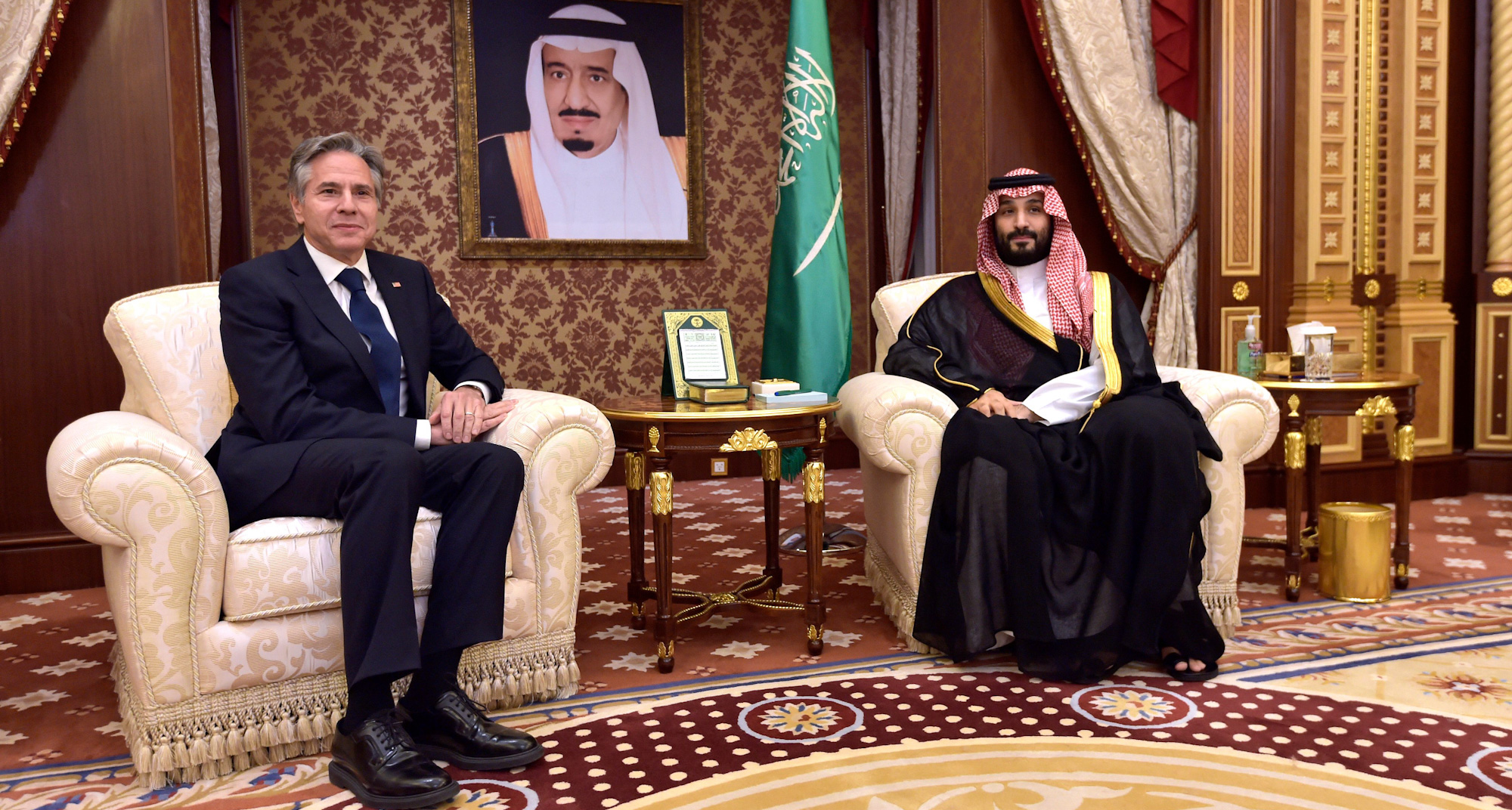
US-Saudi accords must not remain hostage to normalization with Israel
After Hamas’s unprecedented attack against Israel on Oct. 7, the siren song of Saudi-Israeli normalization risks wrecking the US-Saudi relationship against the rocks of stubborn geopolitical realities. An interim less-for-less approach in US-Saudi negotiations that doesn’t immediately require Senate approval nor is beholden to a much less certain Israeli-Palestinian peace process could set the stage for an even more consequential “mega deal” down the line.